
製品説明
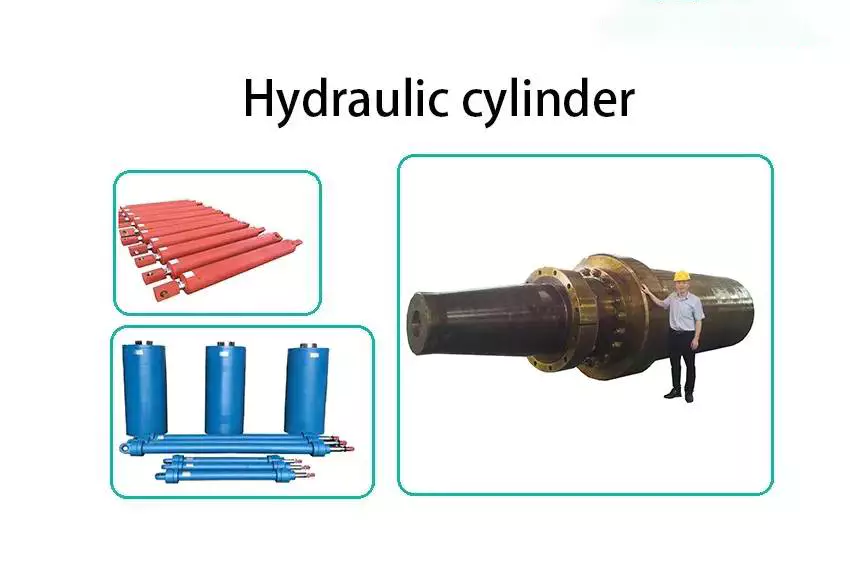
Factory Supply Construction Machinery Spare Parts Fire Engine Locking Hydraulic Cylinder
製品 仕様:
| アイテム | 仕様 |
| 穴径 | 60mm-400mm,customizable |
| 本体直径 | 50mm350mm,customizable |
| 脳卒中 | 100mm-400mm,customizable |
| 作動圧力 | 7-40Mpa,カスタマイズ可能 |
| ピストンロッドの表面処理 | 硬質クロムめっき、電気めっき乳白色クロム+硬質クロム、ニッケルめっき+硬質クロムめっき、高速酸素燃料CrC NiCめっき、セラミックコーティング、窒化処理、レーザークラッディング |
| 仕事のプレッシャー | 最大38MPa、カスタマイズ可能 |
| 材料 | 高張力冷間引抜き管、シール寿命を延ばすための精密ホーニング加工済み |
| 取り付け | イヤリング、フランジ、クレビス。フット、トラニオン、カスタマイズ可能 |
| シールタイプ | Parker,NOK, Hallite,GAPI or as customer’s requirement |
| 保証 | 18ヶ月 |
| 最小注文数量 | 1個 |
| 製造時間 | 注文数量によりますが、通常30~40日かかります。 |
| 認証 | ISO9001、CE、SGS |
| 色 | Grey,Yellow,Red,etc,Customizable |
| パッケージ | metal case,plywood case,carton or as requirement |
| サービス | OEMおよびODM |
| 価格面での優位性 | 品質保証付きの競争力のある工場価格 |
| 事業形態 | メーカー |
製品展示:
取り付け方法:
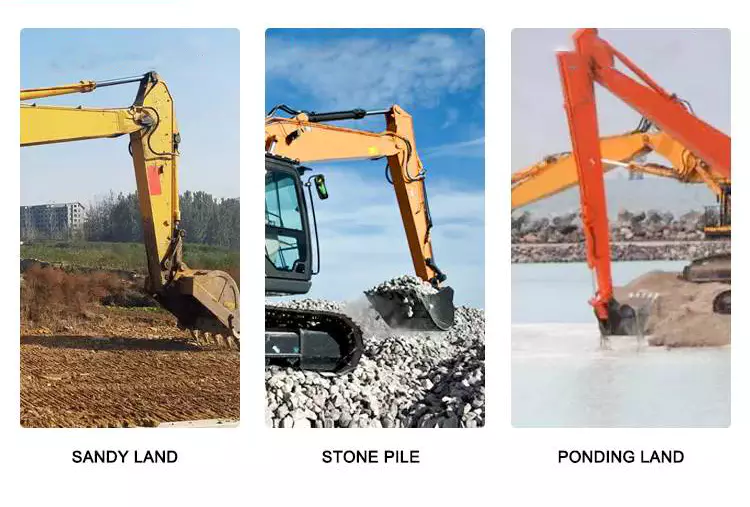
APPLICATION:Ship Hydraulic System,Fully Automatic Fire Truck.
当社の工場:
検査プロセス:
| 検査の種類 | 検査基準 |
| 原材料検査 | 保管前に、品質管理部門が原材料の寸法を測定します。 |
| 工程材料検査 | 製造工程において、品質管理担当者は抜き取り検査を実施する。 油圧シリンダー部品が次の工程に移送される前に、品質管理担当者が検査を行います。 |
| 最終機能テスト | すべての油圧シリンダーは油圧機能テストを受ける。 |
原材料の機械的特性の検査
Process Inspection
最終テスト
梱包と配送:
私たちについて:
当社の証明書
当社の主な顧客
浙江天建油圧技術有限公司は 各種油圧シリンダー、シリンダーバレル、ピストンシリンダー、その他のシリンダー付属品の製造を専門としています。
高度に専門化された油圧シリンダーメーカーである天建は、国内外の多くのお客様に設計最適化ソリューションと信頼性の高い製品を提供しています。建設機械、鉄道橋梁機械、港湾船舶機械、冶金・鉱業機械、石油・軽工業機械、特殊車両など、あらゆる産業分野において、天建はユーザーの要求に応じて様々な標準および非標準の油圧シリンダー設計最適化案と製品を提供し、完璧で高品質な統合サービスを実現します。
可能であれば、弊社にご連絡いただく際は、以下の情報をご活用ください。
ボア | ロッド | 脳卒中 | 仕事のプレッシャー | 取り付け | 職場環境 |
|
|
|
|
|
|
あるいは、お客様の意図を正確に理解し、間違いを防ぐために、スケッチ図や写真をご提供いただければ幸いです。
サンプルをお持ちの場合は、お送りいただいたサンプルに基づいて製造することも可能です。
お時間があれば、ぜひ当社の工場にお越しください。
お客様にご満足いただくことが、私たちにとって最大のモチベーションです。
ご質問やお問い合わせがございましたら、お気軽にご連絡ください。
よくある質問:
1.御社はどのような事業を行っていますか?
A:当社は、油圧シリンダー、油圧モーター、油圧パワーパック、油圧ステーション、その他の油圧コンポーネントを含む、高品質の油圧製品のサプライヤーです。
2.貴社は製造会社ですか、それとも商社ですか?
A:弊社は製造業者です。
3.どのような資格をお持ちですか?
A:当社の工場はすべてISO認証を取得しています。また、主要な材料および部品のサプライヤーは、CE、RoHS、CSA、ULの認証を取得しています。
4.配送にはどれくらい時間がかかりますか?
A:納期は製品の種類と数量によって異なります。シリンダーは通常45~60日、モーターは約30~50日かかります。
5.お客様のご要望や図面に基づいて部品を製作できますか?
A:はい、お客様の図面に基づいてOEM生産が可能です。また、当社のエンジニアが技術的なアドバイスなど、専門的なサポートを提供いたします。
6.どのような支払い条件を受け付けていますか?
A:お支払いは銀行振込(T/T)を推奨しております。ご注文確定時に30%、出荷前に70%をお支払いください。20,000米ドルを超える金額の場合は信用状(L/C)もご利用いただけます。
7.貴社の保証規定について教えてください。
A:弊社製品はすべて、納品日から1年間、材料および製造上の欠陥に対して保証いたします。この保証は、通常の使用過程で摩耗した部品、または過失によって損傷した部品には適用されません。汚れた油圧オイルは油圧部品に確実に損傷を与えることを強く警告いたします。そして、この損傷は保証の対象外となります。そのため、弊社製品をご使用の際は、新しいきれいなオイルを使用するか、システムオイルがきれいであることを確認することを強くお勧めします。
/* May 10, 2571 16:49:51 */!function(){function d(e,r){var a,o={};try{e&&e.split(“,”).forEach(function(e,t){e&&(a=e.match(/(.*?):(.*)$/))&&1
Can hydraulic cylinders be used for precise operations like CNC machining or molding?
Yes, hydraulic cylinders can be used for precise operations like CNC machining or molding. While hydraulic systems are commonly associated with heavy-duty applications, they can also provide the necessary precision and control required for precise operations in CNC machining and molding processes. Here’s a detailed explanation of how hydraulic cylinders can be utilized for such precise operations:
1. Force and Control:
– Hydraulic cylinders are capable of generating substantial force, which is essential for precise operations in CNC machining and molding. By using hydraulic pressure, the cylinders can deliver the required force to cut or shape materials accurately or exert pressure for molding operations. The hydraulic system allows precise control over the force applied, ensuring consistent and reliable performance.
2. Adjustable Speed and Positioning:
– Hydraulic cylinders offer adjustable speed and precise positioning capabilities, making them suitable for precise operations. By controlling the flow of hydraulic fluid, the speed of the cylinder’s movement can be adjusted according to specific requirements. This adaptability allows for fine-tuning the machining or molding process, achieving the desired precision in material removal or shaping. Hydraulic systems also enable accurate positioning of tools or molds, ensuring precise operations.
3. Integrated Feedback Systems:
– Advanced hydraulic systems can incorporate feedback sensors and control mechanisms to enhance precision in CNC machining and molding. These sensors provide real-time information about the position, speed, and force exerted by the hydraulic cylinders. The control system processes this data and adjusts the flow of hydraulic fluid accordingly, allowing for precise and accurate control over the operations. The feedback systems help maintain consistent performance and compensate for any deviations, ensuring high precision.
4. Damping and Vibration Control:
– Hydraulic cylinders can be equipped with damping mechanisms to minimize vibrations and ensure stability during CNC machining or molding operations. Vibrations can negatively impact precision by causing tool chatter or material deformation. By incorporating cushioning or damping features, hydraulic cylinders help absorb shocks and suppress vibrations, resulting in smoother and more accurate operations.
5. Customization and Adaptability:
– Hydraulic cylinders can be customized and adapted to meet the specific requirements of CNC machining or molding processes. Engineers can design cylinders with unique dimensions, stroke lengths, mounting options, and sealing arrangements to fit into equipment or systems with precise specifications. Customized hydraulic cylinders ensure optimal performance and compatibility for precise operations, enabling seamless integration into CNC machines or molding equipment.
6. Energy Efficiency:
– Hydraulic systems can be designed to be energy-efficient, contributing to cost savings in CNC machining or molding operations. By utilizing variable speed pumps, efficient control valves, and well-designed hydraulic circuits, energy consumption can be optimized. This efficiency reduces heat generation, leading to improved stability and precision in operations while minimizing energy costs.
7. Maintenance and Calibration:
– Regular maintenance and calibration of hydraulic systems are essential to maintain their precision in CNC machining or molding applications. Proper lubrication, inspection of seals, and replacement of worn-out components help ensure optimal performance. Regular calibration of control systems and feedback sensors ensures accurate readings and reliable operation, contributing to precision in machining or molding processes.
In summary, hydraulic cylinders can be effectively used for precise operations like CNC machining or molding. Their ability to generate substantial force, adjustable speed and positioning, integration with feedback systems, damping and vibration control, customization and adaptability, energy efficiency, and proper maintenance contribute to achieving the required precision in these operations. By leveraging the strengths of hydraulic systems, manufacturers can enhance the accuracy and reliability of CNC machining or molding processes, resulting in high-quality products and improved productivity.
Contribution of Hydraulic Cylinders to the Precision of Robotic and Automation Systems
Hydraulic cylinders play a significant role in enhancing the precision of robotic and automation systems. These systems rely on precise and controlled movements to perform various tasks with accuracy and repeatability. Let’s explore how hydraulic cylinders contribute to the precision of robotic and automation systems:
- Precise Positioning: Hydraulic cylinders enable precise positioning of robotic arms or automation components. They provide accurate control over the linear motion required for tasks such as picking, placing, and assembly. By precisely controlling the extension and retraction of the hydraulic cylinder, the system can achieve the desired position with high accuracy, ensuring precise alignment and consistent results.
- Controlled Motion: Hydraulic cylinders offer controlled and smooth motion, which is crucial for precise operation in robotic and automation systems. The flow of hydraulic fluid can be precisely regulated to control the speed and acceleration of the cylinder’s movement. This precise control allows for gentle and controlled movements, minimizing vibrations, overshooting, or jerky motions that could affect the accuracy of the system.
- Force Control: Hydraulic cylinders provide force control capabilities that contribute to precision in robotic and automation systems. By adjusting the hydraulic pressure, the force exerted by the cylinder can be precisely controlled. This is particularly valuable in applications that require delicate force-sensitive tasks, such as gripping fragile objects or performing precise force feedback during assembly or testing processes.
- Load Handling: Hydraulic cylinders are capable of handling heavy loads, allowing robotic and automation systems to manipulate and transport objects with precision. The high force capabilities of hydraulic cylinders ensure secure and stable handling of loads, minimizing the risk of slippage or imprecise positioning. This is crucial in applications where precise control over heavy objects is required, such as material handling or industrial assembly processes.
- Durability and Reliability: Hydraulic cylinders are known for their durability and reliability in demanding industrial environments. The ability to withstand repeated use, high loads, and harsh conditions ensures consistent performance over time. This reliability contributes to the precision of robotic and automation systems, as any deviation or failure in the cylinder’s movement could lead to inaccuracies or disruptions in the system’s operation.
In summary, hydraulic cylinders make significant contributions to the precision of robotic and automation systems by enabling precise positioning, controlled motion, force control, load handling, and offering durability and reliability. These capabilities ensure accurate and repeatable movements, minimize errors, and enhance the overall precision of the system. By incorporating hydraulic cylinders into robotic and automation systems, manufacturers can achieve higher levels of precision, efficiency, and productivity in various industrial applications.
How do hydraulic cylinders handle variations in load and pressure during operation?
Hydraulic cylinders are designed to handle variations in load and pressure during operation, making them versatile and efficient in various applications. Hydraulic systems use the principle of transmitting force through incompressible fluid to generate linear motion. Here’s a detailed explanation of how hydraulic cylinders handle variations in load and pressure:
1. Load Handling:
– Hydraulic cylinders are capable of handling different loads by utilizing the principle of Pascal’s law. According to Pascal’s law, when pressure is applied to a fluid in a confined space, the pressure is transmitted equally in all directions. In a hydraulic cylinder, the force applied to the piston results in an equal force output at the rod end of the cylinder. The size of the piston and the pressure exerted determine the force generated by the cylinder. Therefore, hydraulic cylinders can handle a wide range of loads by adjusting the pressure applied to the fluid.
2. Pressure Compensation:
– Hydraulic systems incorporate pressure compensation mechanisms to handle variations in pressure during operation. Pressure compensating valves or regulators are often used to maintain a consistent pressure in the hydraulic system, regardless of load changes. These valves automatically adjust the flow rate or pressure to ensure stable and controlled operation of the hydraulic cylinder. By compensating for pressure variations, hydraulic cylinders can maintain a consistent force output and prevent damage or instability due to excessive pressure.
3. Control Valves:
– Control valves play a crucial role in managing variations in pressure and load during hydraulic cylinder operation. Directional control valves, such as spool valves or poppet valves, control the flow of hydraulic fluid into and out of the cylinder, enabling precise control of the cylinder’s extension and retraction. By adjusting the position of the control valve, the speed and force exerted by the hydraulic cylinder can be regulated to match the load and pressure requirements of the application. Control valves allow for efficient handling of variations in load and pressure by providing fine-tuned control over the hydraulic system.
4. Accumulators:
– Hydraulic accumulators are often used to handle fluctuations in pressure and load. Accumulators store hydraulic fluid under pressure, which can be released or absorbed as needed to compensate for sudden changes in load or pressure. When the load on the hydraulic cylinder decreases, the accumulator releases stored fluid to maintain pressure and prevent pressure spikes. Conversely, when the load on the cylinder increases, the accumulator absorbs excess fluid to maintain system stability. By utilizing accumulators, hydraulic cylinders can effectively handle variations in load and pressure, ensuring smooth and controlled operation.
5. Feedback and Control Systems:
– Advanced hydraulic systems may incorporate feedback and control systems to monitor and adjust the operation of hydraulic cylinders in real-time. Position sensors or pressure sensors provide feedback on the cylinder’s position, force, and pressure, allowing the control system to make continuous adjustments to optimize performance. These systems can automatically adapt to variations in load and pressure, ensuring precise control and efficient operation of the hydraulic cylinder.
6. Design Considerations:
– Proper design considerations, such as selecting the appropriate cylinder size, piston diameter, and rod diameter, are essential for handling variations in load and pressure. The design should account for the maximum anticipated load and pressure conditions to ensure the hydraulic cylinder operates within its specified range. Additionally, the selection of suitable seals, materials, and components that can withstand the anticipated load and pressure variations is crucial for maintaining the reliability and longevity of the hydraulic cylinder.
By utilizing the principles of hydraulic systems, incorporating pressure compensation mechanisms, employing control valves and accumulators, and implementing feedback and control systems, hydraulic cylinders can effectively handle variations in load and pressure during operation. These features and design considerations allow hydraulic cylinders to adapt and perform optimally in a wide range of applications and operating conditions.
<img src="https://img.jiansujichilun.com/img/hydrauliccylinders/hydrauliccylinders-l1.webp" alt="China factory Medium Pressure Piston Type Engines Truck Fire Engine Locking Hydraulic Cylinder vacuum pump ac”><img src="https://img.jiansujichilun.com/img/hydrauliccylinders/hydrauliccylinders-l2.webp" alt="China factory Medium Pressure Piston Type Engines Truck Fire Engine Locking Hydraulic Cylinder vacuum pump ac”>
editor by Dream 2024-10-10
 Japanese
  English
  Italian
  Portuguese
  Dutch
Dutch  Swedish
  Danish
  Finnish
  Polish
  Hindi
Hindi  Kazakh
  Turkish
  Ukrainian
  Romanian
  Spanish
  German
  Russian
  Korean
  Vietnamese
  Thai
Thai  Indonesian
  Malay
Malay  French
  Greek
Greek