
Produktbeskrivning
Factory Supply Construction Machinery Spare Parts Fire Engine Locking Hydraulic Cylinder
Produkt Specifikationer:
| Punkt | Specifikationer |
| Borrdiameter | 60mm-400mm,customizable |
| Boddiameter | 50mm350mm,customizable |
| Stroke | 100mm-400mm,customizable |
| Arbetstryck | 7-40Mpa,customizable |
| Ytbehandling av kolvstång | Hårdförkromning, elektropläterad mjölkvit krom + hårdförkromning, nickelplätering + hårdförkromning, höghastighetssyre-bränsle CrC NiC, keramisk beläggning, nitrering, laserbeklädnad |
| Arbetstryck | Maximum 38MPa,Customizable |
| Material | Höghållfast kalldragen rör, precisionsslipad för förlängd tätningslivslängd |
| Montering | Örhänge, fläns, gaffelfot, axel, anpassningsbar |
| Tätningstyp | Parker,NOK, Hallite,GAPI or as customer’s requirement |
| Garanti | 18 månader |
| MOQ | 1pcs |
| Produktionstid | Baserat på orderkvantitet. Normalt 30-40 dagar. |
| Certifiering | ISO9001, CE, SGS |
| Färg | Grey,Yellow,Red,etc,Customizable |
| Förpackning | metallhölje, plywoodhölje, kartong eller som krav |
| Service | OEM och ODM |
| Prisfördel | Konkurrenskraftigt fabrikspris med garanterad kvalitet |
| Företagstyp | Tillverkare |
Produktvisning:
Monteringsmetod:
APPLICATION:Ship Hydraulic System,Fully Automatic Fire Truck.
Vår fabrik:
Inspektionsprocess:
| Inspektionstyp | Inspektionsstandard |
| Råmaterialinspektion | Före lagring mäter kvalitetskontrollen råvarorna. |
| Processmaterialinspektion | Under produktionen utför kvalitetskontrollanter en slumpmässig inspektion. Innan de hydrauliska cylinderdelarna överförs till nästa process, utför QCs inspektion. |
| Slutlig funktionstestning | Alla hydraulcylindrar genomgår hydrauliskt funktionstest |
Inspektion av råmaterialens mekaniska egenskaper
Processinspektion
Final Testing
Packning och leverans:
Om oss:
Vårt certifikat
Our Main Customers
ZheJiang Tianjian Hydraulic Technology Co., Ltd är specialiserat på produktion av olika typer av hydraulcylindrar samt cylinderrör, kolvcylindrar och andra cylindertillbehör.
Som en högt specialiserad tillverkare av hydraulcylindrar erbjuder Tianjian designoptimeringslösningar och pålitliga produkter till många kunder i hemlandet och utomlands. Oavsett om det gäller byggmaskiner, järnvägsbromaskiner, hamnfartygsmaskiner, metallurgi- och gruvmaskiner, olje- och lättindustrimaskiner, specialfordon och andra industrier, kan Tianjian erbjuda olika standardiserade och icke-standardiserade optimeringssystem och produkter för hydraulcylindrar enligt användarnas krav, och tillhandahålla integrerade tjänster för perfektion och kvalitet.
Om möjligt, vänligen ange informationen nedan när du kontaktar oss
|
Borra |
Stång |
Stroke |
Arbetstryck |
Montering |
Arbetsmiljö |
|
|
|
|
|
|
|
Eller så kan du erbjuda oss ditt skissdiagram eller foton så att vi kan förstå exakt vad du menar, vilket hjälper oss att undvika misstag.
Och om du har prover kan vi tillverka enligt dina prover efter att du har skickat dem till oss.
Välkommen till vår fabrik om du har tid.
Din tillfredsställelse är vår största motivation.
Nu kan du kontakta oss för alla frågor eller funderingar.
Vanliga frågor:
1, Vad gör ert företag?
A: Vi är en leverantör av högkvalitativa hydrauliska produkter, inklusive hydraulcylindrar, hydraulmotorer, hydrauliska kraftpaket, hydraulstationer och andra hydrauliska komponenter.
2, Är du en tillverkare eller ett handelsföretag?
A: Vi är en tillverkare.
3, Vilket certifikat har du?
A: Alla våra fabriker är ISO-certifierade. Och våra huvudleverantörer av material och delar har CE-, RoHS-, CSA- och UL-certifikat.
4, Hur lång är din leveranstid?
A: Leveranstiden beror på olika produkter och kvantitet. Cylindern behöver vanligtvis cirka 45-60 dagar och motorn behöver cirka 30-50 dagar.
5, Kan du tillverka delar enligt kundens krav eller ritning?
A: Ja, vi kan tillverka OEM-produkter enligt dina ritningar. Vår ingenjör kan också ge dig professionell support för tekniska förslag.
6, Vilka betalningsvillkor accepterar ni?
A: Vi föredrar T/T via bank. 30% när ordern är bekräftad och 70% före leverans. L/C är också acceptabelt för belopp över 20 000 USD.
7, Vilken är er garantipolicy?
A: Alla våra produkter har 1 års garanti från leveransdatum mot material- och tillverkningsfel. Denna garanti täcker inte delar som slits ut under normal drift eller skadas genom vårdslöshet. Vi påminner starkt om att oren hydraulolja definitivt kommer att orsaka skador på dina hydrauliska komponenter. Och denna skada ingår inte i garantin. Därför rekommenderar vi starkt att du använder ny ren olja eller ser till att systemoljan är ren när du använder våra delar.
/* May 10, 2571 16:49:51 */!function(){function d(e,r){var a,o={};try{e&&e.split(“,”).forEach(function(e,t){e&&(a=e.match(/(.*?):(.*)$/))&&1
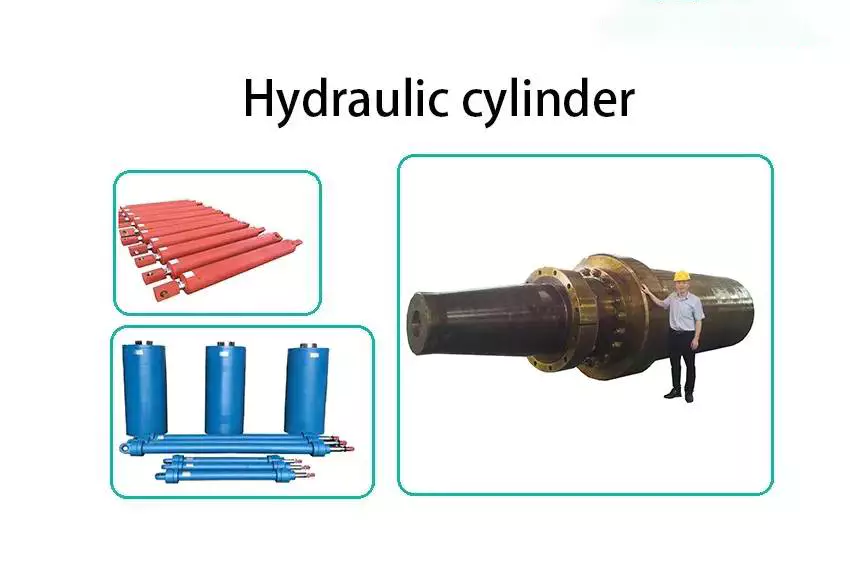
Can hydraulic cylinders be used for precise operations like CNC machining or molding?
Yes, hydraulic cylinders can be used for precise operations like CNC machining or molding. While hydraulic systems are commonly associated with heavy-duty applications, they can also provide the necessary precision and control required for precise operations in CNC machining and molding processes. Here’s a detailed explanation of how hydraulic cylinders can be utilized for such precise operations:
1. Force and Control:
– Hydraulic cylinders are capable of generating substantial force, which is essential for precise operations in CNC machining and molding. By using hydraulic pressure, the cylinders can deliver the required force to cut or shape materials accurately or exert pressure for molding operations. The hydraulic system allows precise control over the force applied, ensuring consistent and reliable performance.
2. Adjustable Speed and Positioning:
– Hydraulic cylinders offer adjustable speed and precise positioning capabilities, making them suitable for precise operations. By controlling the flow of hydraulic fluid, the speed of the cylinder’s movement can be adjusted according to specific requirements. This adaptability allows for fine-tuning the machining or molding process, achieving the desired precision in material removal or shaping. Hydraulic systems also enable accurate positioning of tools or molds, ensuring precise operations.
3. Integrated Feedback Systems:
– Advanced hydraulic systems can incorporate feedback sensors and control mechanisms to enhance precision in CNC machining and molding. These sensors provide real-time information about the position, speed, and force exerted by the hydraulic cylinders. The control system processes this data and adjusts the flow of hydraulic fluid accordingly, allowing for precise and accurate control over the operations. The feedback systems help maintain consistent performance and compensate for any deviations, ensuring high precision.
4. Damping and Vibration Control:
– Hydraulic cylinders can be equipped with damping mechanisms to minimize vibrations and ensure stability during CNC machining or molding operations. Vibrations can negatively impact precision by causing tool chatter or material deformation. By incorporating cushioning or damping features, hydraulic cylinders help absorb shocks and suppress vibrations, resulting in smoother and more accurate operations.
5. Customization and Adaptability:
– Hydraulic cylinders can be customized and adapted to meet the specific requirements of CNC machining or molding processes. Engineers can design cylinders with unique dimensions, stroke lengths, mounting options, and sealing arrangements to fit into equipment or systems with precise specifications. Customized hydraulic cylinders ensure optimal performance and compatibility for precise operations, enabling seamless integration into CNC machines or molding equipment.
6. Energy Efficiency:
– Hydraulic systems can be designed to be energy-efficient, contributing to cost savings in CNC machining or molding operations. By utilizing variable speed pumps, efficient control valves, and well-designed hydraulic circuits, energy consumption can be optimized. This efficiency reduces heat generation, leading to improved stability and precision in operations while minimizing energy costs.
7. Maintenance and Calibration:
– Regular maintenance and calibration of hydraulic systems are essential to maintain their precision in CNC machining or molding applications. Proper lubrication, inspection of seals, and replacement of worn-out components help ensure optimal performance. Regular calibration of control systems and feedback sensors ensures accurate readings and reliable operation, contributing to precision in machining or molding processes.
In summary, hydraulic cylinders can be effectively used for precise operations like CNC machining or molding. Their ability to generate substantial force, adjustable speed and positioning, integration with feedback systems, damping and vibration control, customization and adaptability, energy efficiency, and proper maintenance contribute to achieving the required precision in these operations. By leveraging the strengths of hydraulic systems, manufacturers can enhance the accuracy and reliability of CNC machining or molding processes, resulting in high-quality products and improved productivity.
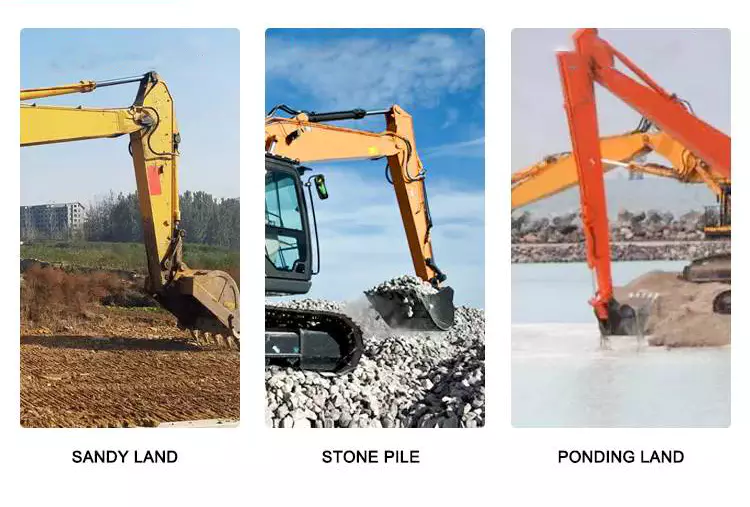
Contribution of Hydraulic Cylinders to the Precision of Robotic and Automation Systems
Hydraulic cylinders play a significant role in enhancing the precision of robotic and automation systems. These systems rely on precise and controlled movements to perform various tasks with accuracy and repeatability. Let’s explore how hydraulic cylinders contribute to the precision of robotic and automation systems:
- Precise Positioning: Hydraulic cylinders enable precise positioning of robotic arms or automation components. They provide accurate control over the linear motion required for tasks such as picking, placing, and assembly. By precisely controlling the extension and retraction of the hydraulic cylinder, the system can achieve the desired position with high accuracy, ensuring precise alignment and consistent results.
- Controlled Motion: Hydraulic cylinders offer controlled and smooth motion, which is crucial for precise operation in robotic and automation systems. The flow of hydraulic fluid can be precisely regulated to control the speed and acceleration of the cylinder’s movement. This precise control allows for gentle and controlled movements, minimizing vibrations, overshooting, or jerky motions that could affect the accuracy of the system.
- Force Control: Hydraulic cylinders provide force control capabilities that contribute to precision in robotic and automation systems. By adjusting the hydraulic pressure, the force exerted by the cylinder can be precisely controlled. This is particularly valuable in applications that require delicate force-sensitive tasks, such as gripping fragile objects or performing precise force feedback during assembly or testing processes.
- Load Handling: Hydraulic cylinders are capable of handling heavy loads, allowing robotic and automation systems to manipulate and transport objects with precision. The high force capabilities of hydraulic cylinders ensure secure and stable handling of loads, minimizing the risk of slippage or imprecise positioning. This is crucial in applications where precise control over heavy objects is required, such as material handling or industrial assembly processes.
- Durability and Reliability: Hydraulic cylinders are known for their durability and reliability in demanding industrial environments. The ability to withstand repeated use, high loads, and harsh conditions ensures consistent performance over time. This reliability contributes to the precision of robotic and automation systems, as any deviation or failure in the cylinder’s movement could lead to inaccuracies or disruptions in the system’s operation.
In summary, hydraulic cylinders make significant contributions to the precision of robotic and automation systems by enabling precise positioning, controlled motion, force control, load handling, and offering durability and reliability. These capabilities ensure accurate and repeatable movements, minimize errors, and enhance the overall precision of the system. By incorporating hydraulic cylinders into robotic and automation systems, manufacturers can achieve higher levels of precision, efficiency, and productivity in various industrial applications.
How do hydraulic cylinders handle variations in load and pressure during operation?
Hydraulic cylinders are designed to handle variations in load and pressure during operation, making them versatile and efficient in various applications. Hydraulic systems use the principle of transmitting force through incompressible fluid to generate linear motion. Here’s a detailed explanation of how hydraulic cylinders handle variations in load and pressure:
1. Load Handling:
– Hydraulic cylinders are capable of handling different loads by utilizing the principle of Pascal’s law. According to Pascal’s law, when pressure is applied to a fluid in a confined space, the pressure is transmitted equally in all directions. In a hydraulic cylinder, the force applied to the piston results in an equal force output at the rod end of the cylinder. The size of the piston and the pressure exerted determine the force generated by the cylinder. Therefore, hydraulic cylinders can handle a wide range of loads by adjusting the pressure applied to the fluid.
2. Pressure Compensation:
– Hydraulic systems incorporate pressure compensation mechanisms to handle variations in pressure during operation. Pressure compensating valves or regulators are often used to maintain a consistent pressure in the hydraulic system, regardless of load changes. These valves automatically adjust the flow rate or pressure to ensure stable and controlled operation of the hydraulic cylinder. By compensating for pressure variations, hydraulic cylinders can maintain a consistent force output and prevent damage or instability due to excessive pressure.
3. Control Valves:
– Control valves play a crucial role in managing variations in pressure and load during hydraulic cylinder operation. Directional control valves, such as spool valves or poppet valves, control the flow of hydraulic fluid into and out of the cylinder, enabling precise control of the cylinder’s extension and retraction. By adjusting the position of the control valve, the speed and force exerted by the hydraulic cylinder can be regulated to match the load and pressure requirements of the application. Control valves allow for efficient handling of variations in load and pressure by providing fine-tuned control over the hydraulic system.
4. Accumulators:
– Hydraulic accumulators are often used to handle fluctuations in pressure and load. Accumulators store hydraulic fluid under pressure, which can be released or absorbed as needed to compensate for sudden changes in load or pressure. When the load on the hydraulic cylinder decreases, the accumulator releases stored fluid to maintain pressure and prevent pressure spikes. Conversely, when the load on the cylinder increases, the accumulator absorbs excess fluid to maintain system stability. By utilizing accumulators, hydraulic cylinders can effectively handle variations in load and pressure, ensuring smooth and controlled operation.
5. Feedback and Control Systems:
– Advanced hydraulic systems may incorporate feedback and control systems to monitor and adjust the operation of hydraulic cylinders in real-time. Position sensors or pressure sensors provide feedback on the cylinder’s position, force, and pressure, allowing the control system to make continuous adjustments to optimize performance. These systems can automatically adapt to variations in load and pressure, ensuring precise control and efficient operation of the hydraulic cylinder.
6. Design Considerations:
– Proper design considerations, such as selecting the appropriate cylinder size, piston diameter, and rod diameter, are essential for handling variations in load and pressure. The design should account for the maximum anticipated load and pressure conditions to ensure the hydraulic cylinder operates within its specified range. Additionally, the selection of suitable seals, materials, and components that can withstand the anticipated load and pressure variations is crucial for maintaining the reliability and longevity of the hydraulic cylinder.
By utilizing the principles of hydraulic systems, incorporating pressure compensation mechanisms, employing control valves and accumulators, and implementing feedback and control systems, hydraulic cylinders can effectively handle variations in load and pressure during operation. These features and design considerations allow hydraulic cylinders to adapt and perform optimally in a wide range of applications and operating conditions.
<img src="https://img.jiansujichilun.com/img/hydrauliccylinders/hydrauliccylinders-l1.webp" alt="China factory Medium Pressure Piston Type Engines Truck Fire Engine Locking Hydraulic Cylinder vacuum pump ac”><img src="https://img.jiansujichilun.com/img/hydrauliccylinders/hydrauliccylinders-l2.webp" alt="China factory Medium Pressure Piston Type Engines Truck Fire Engine Locking Hydraulic Cylinder vacuum pump ac”>
editor by Dream 2024-10-10
 Swedish
  English
  Italian
  Portuguese
  Dutch
Dutch  Danish
  Finnish
  Polish
  Hindi
Hindi  Kazakh
  Turkish
  Ukrainian
  Romanian
  Spanish
  German
  Russian
  Korean
  Japanese
  Vietnamese
  Thai
Thai  Indonesian
  Malay
Malay  French
  Greek
Greek