
製品説明
製品説明
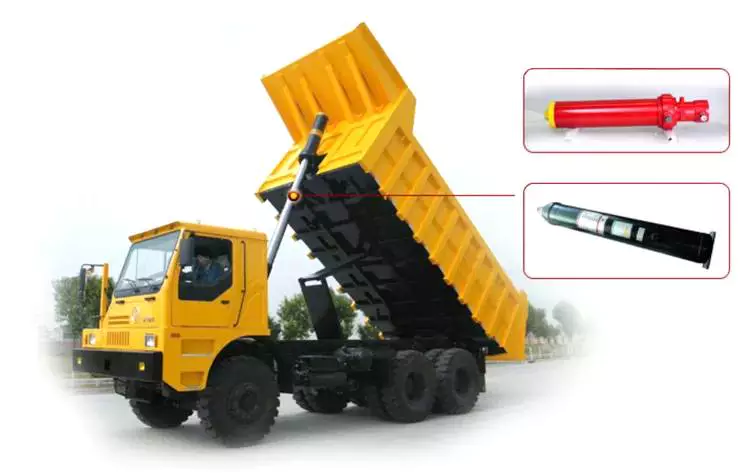
There are 2 main types of F lifting mechanism and T lifting mechanism.
It can meet the lifting requirement from 8 tons-45 tons, and the hydraulic cylinder has a limiting device and a buffer device.
Production KRM series lifting institutions are sold to Southeast Asia and Africa.
| HG-E198*875EZ technical parameters |
| 1.Cylinder diameter:Ø198 |
| 2.Piston rod diameter:Ø80 |
| 3.Stroke:875 |
| 4.Rated pressure:16Mpa |
| Closed length:1275 |
会社概要
Certifications
Packaging & Shipping
FAQ
Q1: Can your cylinders with HYVA ones?
Yes, our cylinders can replace HYVA ones well, with same technical details and mounting sizes
Q2: What’s your cylinder’s advantages?
The cylinders are made under strictly quality control processing.
All the raw materials and seals we used are all from world famous companies.
Cost effective
Q3: When your company be established ?
Our company be established in 1996, and we are professional for hydraulic cylinders for more than 25 years.
And we had passed IATF 16949:2016 Quality control system.
Q4: How about the delivery time ?
For samples about 20 days. And 15 to 30 days about mass orders.
Q5: How about the cylinder’s quality gurantee?
We have 1 year quality grantee of the cylinders.
| 認証: | ISO9001, IATF 16949:2016 |
|---|---|
| プレッシャー: | High Pressure |
| 動作温度: | Normal Temperature |
| 行動様式: | Double Acting |
| 作業方法: | Straight Trip |
| 調整済みフォーム: | Regulated Type |
| Samples: | US$ 1000/Piece 1 Piece(Min.Order) | |
|---|
| カスタマイズ: | 利用可能 |
|
|---|
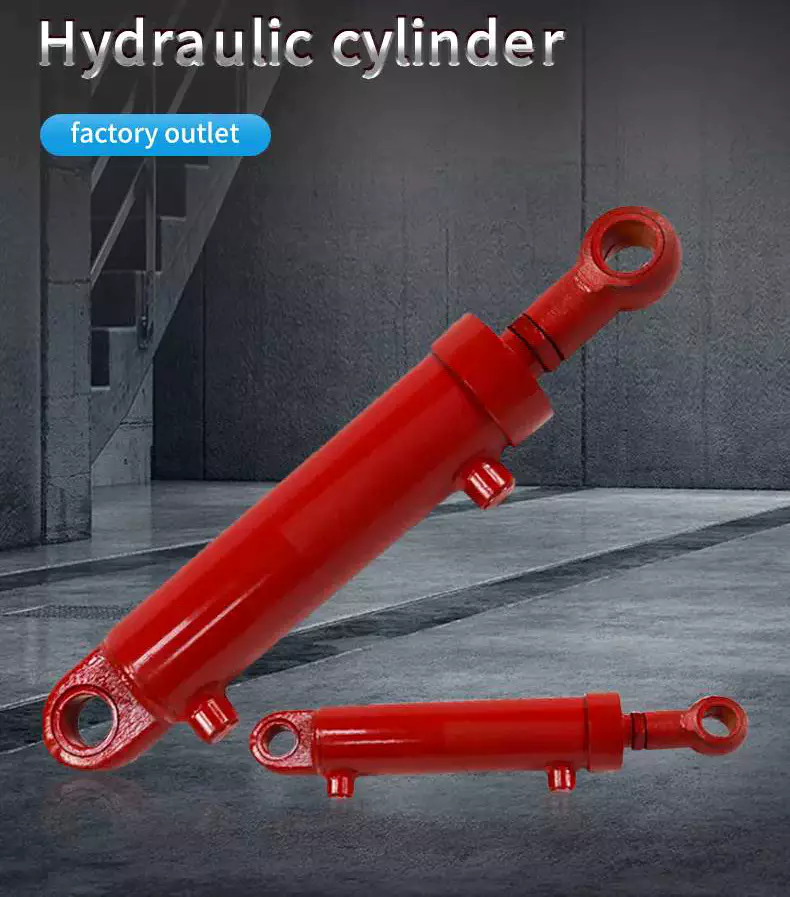
油圧シリンダーは、重機においてどのようにしてスムーズで安定した動作を保証するのでしょうか?
油圧シリンダーは、重機のスムーズで安定した動作を確保する上で重要な役割を果たします。その設計と動作により、重荷重の動きを正確に制御することができ、効率的で信頼性の高い性能を実現します。ここでは、油圧シリンダーが重機のスムーズで安定した動作にどのように貢献しているかを詳しく説明します。
1. 作動油と圧力:
油圧シリンダーは、一般的にオイルなどの作動油を用いて力と動きを伝達します。作動油は油圧ポンプによって加圧され、シリンダー内部のピストンに作用する力を生み出します。作動油の圧力は精密に制御できるため、重機を滑らかかつ段階的に動かすことができます。作動油は非圧縮性であるため、力が均等に分散され、一貫性のある予測可能な動きを実現します。
2. ピストンとシリンダーの設計:
油圧シリンダーは、スムーズな動作を確保するために精密に設計されています。ピストンとシリンダーボアは厳しい公差で加工されており、摩擦を低減し、内部漏れを最小限に抑えています。ピストンとシリンダー壁のこの精密な嵌合により、ガタつきや急激な速度変化のない、安定した動作が維持されます。さらに、高品質のシールと潤滑剤を使用することで、シリンダーのスムーズな動作がさらに向上します。
3. 制御弁と流量制御:
油圧システムには、シリンダーへの作動油の流入と流出を制御する制御弁が組み込まれています。これらの弁により、シリンダーの動きの速度と方向を正確に制御できます。流量を調整することで、オペレーターは重機のスムーズで制御された動作を実現し、急な始動や停止を回避できます。流量制御弁は速度調整も可能にし、負荷や運転条件が変化する場合でも、安定した動作を保証します。
4. クッション性と減衰性:
油圧シリンダーには、重機の動作中に発生する衝撃を吸収し、衝撃を最小限に抑えるための緩衝機構を装備することができます。緩衝機構は、シリンダー内に特殊なバルブまたは調整可能なオリフィスを組み込むことで実現されます。これらのバルブまたはオリフィスは、ストロークの終端付近で作動油の流れを制限します。この緩やかな減速により、急激な衝撃や振動を防ぎ、スムーズで安定した動作を維持するとともに、機械本体とその構成部品への負荷を軽減します。
5. 負荷分散:
油圧シリンダーは、負荷のバランスを取り、力を均等に分散するように設計・配置することができます。複数のシリンダーを並列または直列に配置することで、重機はバランスの取れた動作を実現し、不均一な応力を防ぎ、スムーズな動作を確保できます。負荷バランスは、部品の故障リスクを最小限に抑え、機械全体の安定性と寿命を向上させる効果もあります。
6. フィードバックおよび制御システム:
高度な油圧システムは、フィードバックセンサーと制御システムを組み込んで、重機の動きを監視・調整します。これらのセンサーは、油圧シリンダーの位置、速度、および作動力に関するリアルタイム情報を提供します。制御システムはこのデータを処理し、それに応じて作動油の流れを調整することで、スムーズで安定した動作を維持します。フィードバックシステムと制御システムは、シリンダーの動作を継続的に監視・制御することで、正確で信頼性の高い動作制御を実現します。
7. メンテナンスとサービス:
重機における油圧シリンダーのスムーズで安定した動作を確保するには、定期的なメンテナンスと点検が不可欠です。適切な潤滑、シールの点検、摩耗部品の交換は、最適な性能を維持するのに役立ちます。フィルター交換や作動油分析などの予防保全も、油圧システムの長寿命化と信頼性向上に貢献し、長期にわたる安定した動作を保証します。
要約すると、油圧シリンダーは、作動油と圧力、精密なピストンとシリンダーの設計、制御弁と流量制御、緩衝・減衰機構、負荷バランス、フィードバック・制御システム、そして定期的なメンテナンスと点検を通じて、重機のスムーズで安定した動作を保証します。これらの特長を活用することで、油圧シリンダーは、重荷重を扱うために必要な力と制御を提供し、正確で信頼性の高い動作を維持することで、様々な産業用途における重機の全体的な性能と生産性を向上させます。
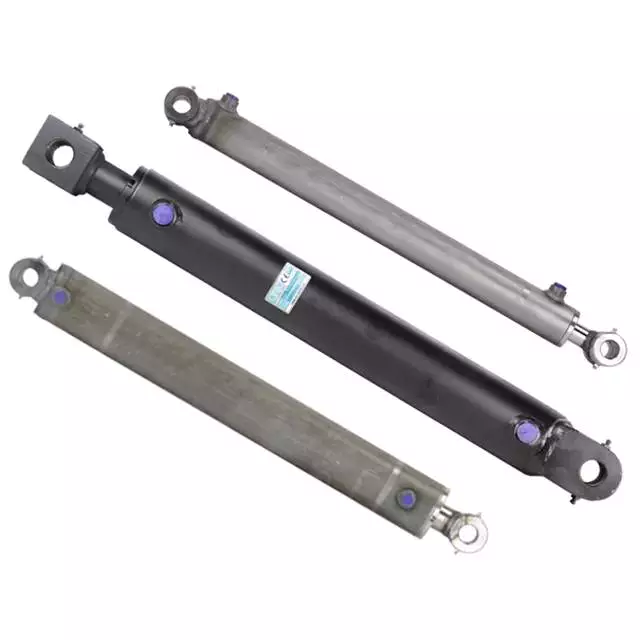
What considerations are important when selecting hydraulic cylinders for mobile equipment?
To select hydraulic cylinders for mobile equipment, several important considerations need to be taken into account. Here are the key factors to consider:
- Load Capacity: Determine the maximum load or force that the hydraulic cylinder will need to support. This includes both the static load and any dynamic or shock loads that may be encountered during operation.
- Stroke Length: Consider the required stroke length, which is the distance the hydraulic cylinder can extend and retract. Ensure that the stroke length is sufficient for the specific application and range of motion needed.
- Operating Pressure: Determine the maximum operating pressure required for the hydraulic system. This will depend on the load and the specific application. Select a hydraulic cylinder with a pressure rating that exceeds the maximum operating pressure to ensure safety and durability.
- Mounting Style: Consider the available space and the mounting requirements of the mobile equipment. Hydraulic cylinders come in various mounting styles, such as flange, trunnion, clevis, and pivot, among others. Choose a mounting style that is compatible with the equipment and provides the necessary support and stability.
- Size and Weight: Take into account the physical dimensions and weight of the hydraulic cylinder. Ensure that it can fit within the available space and that the equipment can support its weight without compromising performance or safety.
- Speed and Precision: Evaluate the required speed and precision of the hydraulic cylinder’s movement. Different cylinder designs and configurations can affect the speed and accuracy of motion. Consider factors such as cylinder bore size, rod diameter, and the presence of cushioning or dampening features.
- Environmental Factors: Assess the operating environment of the mobile equipment. Consider factors such as temperature extremes, exposure to moisture, dust, and chemicals. Select hydraulic cylinders with appropriate seals and coatings that can withstand the environmental conditions and prevent corrosion or damage.
- Reliability and Maintenance: Consider the reliability and maintenance requirements of the hydraulic cylinders. Look for reputable manufacturers that provide high-quality products with a proven track record. Evaluate factors such as expected service life, availability of spare parts, and ease of maintenance.
- Cost: Finally, consider the cost of the hydraulic cylinders, including the initial purchase price, installation costs, and long-term maintenance expenses. While it is essential to find a cost-effective solution, prioritize quality and performance to ensure safe and efficient operation.
Can hydraulic cylinders be customized for specific equipment or attachment needs?
Yes, hydraulic cylinders can be customized to meet specific equipment or attachment needs. Hydraulic cylinder manufacturers often offer customization options to ensure that the cylinders meet the unique requirements of different applications. Here’s a detailed explanation of how hydraulic cylinders can be customized for specific equipment or attachment needs:
1. Size and Configuration:
– Hydraulic cylinders can be customized in terms of size and configuration to fit specific equipment or attachment requirements. The dimensions of the cylinder, such as bore size, rod diameter, and stroke length, can be tailored to match the available space and the desired force or movement requirements. Additionally, the mounting style and orientation of the cylinder can be customized to ensure proper integration with the equipment or attachment.
2. Operating Pressure and Force:
– The operating pressure and force capabilities of hydraulic cylinders can be customized to suit the specific equipment or attachment needs. Different applications may require different force outputs, and hydraulic cylinder manufacturers can design and manufacture cylinders with the appropriate piston area and pressure ratings to meet those requirements. Customization in this aspect ensures optimal performance and efficiency for the particular equipment or attachment.
3. Stroke Length:
– The stroke length of a hydraulic cylinder refers to the distance the piston can travel from fully retracted to fully extended. Customization of the stroke length allows the hydraulic cylinder to accommodate the specific range of motion required by the equipment or attachment. By adjusting the stroke length, the cylinder can be tailored to deliver the necessary extension and retraction capabilities for efficient operation.
4. Mounting Options:
– Hydraulic cylinders can be customized with various mounting options to facilitate easy installation and integration with specific equipment or attachments. Different applications may require different mounting styles, such as flange mounts, trunnion mounts, or clevis mounts. Manufacturers can provide customized mounting options to ensure proper alignment, stability, and functionality when the cylinder is connected to the equipment or attachment.
5. Sealing and Material Options:
– The sealing system of a hydraulic cylinder is crucial for preventing fluid leakage and maintaining the cylinder’s integrity. Hydraulic cylinder manufacturers offer customization options for sealing materials, such as different types of seals and seal configurations, to suit specific equipment or attachment needs. Additionally, customization of cylinder materials, such as selecting corrosion-resistant materials or specialized coatings, can enhance the cylinder’s durability and performance in specific operating environments.
6. Integration with Control Systems:
– In certain applications, hydraulic cylinders may need to be integrated with sophisticated control systems or automation technologies. Customization can involve incorporating sensors, position feedback devices, or other control elements into the hydraulic cylinder design to enable seamless integration with the overall equipment or attachment control system. This customization ensures precise control, monitoring, and synchronization of the hydraulic cylinder’s movements within the specific application.
7. Specialized Features or Accessories:
– Hydraulic cylinder customization can also involve incorporating specialized features or accessories to meet unique equipment or attachment needs. This may include the integration of safety features, such as pressure relief valves or load-holding valves, or the addition of specific ports or fittings for auxiliary functions or attachments. Customization allows hydraulic cylinders to be tailored to the specific requirements and functionalities of the equipment or attachment.
By offering customization options, hydraulic cylinder manufacturers can provide solutions that precisely match the needs of different equipment or attachment applications. Customized hydraulic cylinders ensure optimal performance, efficiency, and integration, enhancing the overall functionality and productivity of the equipment or attachment. It is important to work closely with experienced manufacturers or hydraulic system specialists to determine the specific customization requirements and ensure the successful implementation of customized hydraulic cylinders.


editor by CX 2023-11-08
 Japanese
  English
  Italian
  Portuguese
  Dutch
Dutch  Swedish
  Danish
  Finnish
  Polish
  Hindi
Hindi  Kazakh
  Turkish
  Ukrainian
  Romanian
  Spanish
  German
  Russian
  Korean
  Vietnamese
  Thai
Thai  Indonesian
  Malay
Malay  French
  Greek
Greek