
製品説明
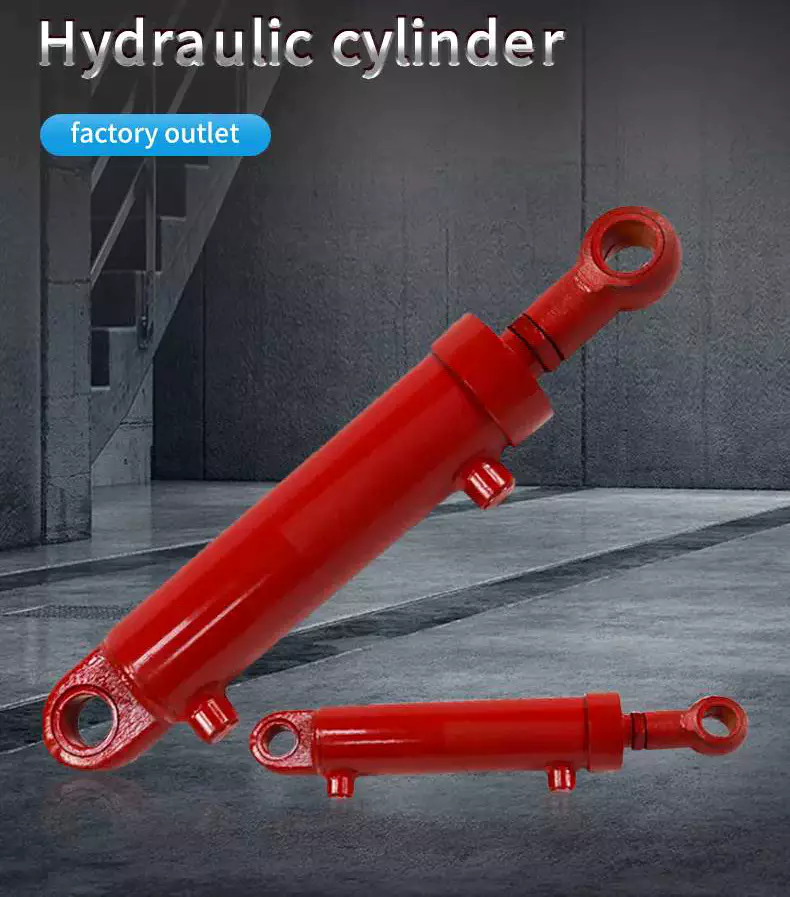
Standard Tie rod Hydraulic Cylinder
TR2008ASAE TR3008ASAE TR4008ASAE
Specificattions:
| Part Number | Rod Dia. | Bore x Stroke | Dimensions | Port Size | Pin Size | Weight (lbs) | |
| Retracted | Extended | ||||||
| GD TR25-2004 | 1 1/8” | 2”*4” | 14 1/4” | 18 1/4” | 3/8NPT | 1” | 15 |
| TR25-2006 | 2”*6” | 16 1/4” | 22 1/4” | 16 | |||
| TR25-2008 | 2”*8” | 18 1/4” | 26 1/4” | 18 | |||
| TR25-2008-ASAE | 2”*8” | 20 1/4” | 28 1/4” | 19 | |||
| TR25-2571 | 2”*10” | 20 1/4” | 30 1/4” | 19 | |||
| TR25-2012 | 2”*12” | 22 1/4” | 34 1/4” | 20 | |||
| TR25-2014 | 2”*14” | 24 1/4” | 38 1/4” | 22 | |||
| TR25-2016 | 2”*16” | 26 1/4” | 42 1/4” | 24 | |||
| TR25-2018 | 2”*18” | 28 1/4” | 46 1/4” | 26 | |||
| TR25-2571 | 2”*20” | 30 1/4” | 50 1/4” | 27 | |||
| TR25-2571 | 2”*24” | 34 1/4” | 58 1/4” | 30 | |||
| TR25-2030 | 2”*30” | 40 1/4” | 70 1/4” | 35 | |||
| TR25-2036 | 2”*36” | 46 1/4” | 82 1/4” | 40 | |||
| TR25-2504 | 1 1/8” | 2.5”*4” | 14 1/4” | 18 1/4” | 3/8NPT | 1” | 18 |
| TR25-2506 | 2.5”*6” | 16 1/4” | 22 1/4” | 20 | |||
| TR25-2508 | 2.5”*8” | 18 1/4” | 26 1/4” | 22 | |||
| TR25-2508-ASAE | 2.5”*8” | 20 1/4” | 28 1/4” | 22 | |||
| TR25-2510 | 2.5”*10” | 20 1/4” | 30 1/4” | 23 | |||
| TR25-2512 | 2.5”*12” | 22 1/4” | 34 1/4” | 25 | |||
| TR25-2514 | 2.5”*14” | 24 1/4” | 38 1/4” | 27 | |||
| TR25-2516 | 2.5”*16” | 26 1/4” | 42 1/4” | 28 | |||
| TR25-2518 | 2.5”*18” | 28 1/4” | 46 1/4” | 29 | |||
| TR25-2520 | 2.5”*20” | 30 1/4” | 50 1/4” | 31 | |||
| TR25-2524 | 2.5”*24” | 34 1/4” | 58 1/4” | 35 | |||
| TR25-2530 | 2.5”*30” | 40 1/4” | 70 1/4” | 45 | |||
| TR25-2536 | 2.5”*36” | 46 1/4” | 82 1/4” | 50 | |||
| TR25-3004 | 1 1/4” | 3”*4” | 14 1/4” | 18 1/4” | 1/2NPT | 1” | 22 |
| TR25-3006 | 3”*6” | 16 1/4” | 22 1/4” | 24 | |||
| TR25-3008 | 3”*8” | 18 1/4” | 26 1/4” | 26 | |||
| TR25-3008-ASAE | 3”*8” | 20 1/4” | 28 1/4” | 27 | |||
| TR25-3571 | 3”*10” | 20 1/4” | 30 1/4” | 28 | |||
| TR25-3012 | 3”*12” | 22 1/4” | 34 1/4” | 31 | |||
| TR25-3014 | 3”*14” | 24 1/4” | 38 1/4” | 33 | |||
| TR25-3016 | 3”*16” | 26 1/4” | 42 1/4” | 35 | |||
| TR25-3016-ASAE | 3”*16” | 31 1/4” | 47 1/4” | 1 1/4” | 38 | ||
| TR25-3018 | 1 1/2” | 3”*18” | 28 1/4” | 46 1/4” | 1” | 42 | |
| TR25-3571 | 3”*20” | 30 1/4” | 50 1/4” | 44 | |||
| TR25-3571 | 3”*24” | 34 1/4” | 58 1/4” | 49 | |||
| TR25-3030 | 3”*30” | 40 1/4” | 70 1/4” | 58 | |||
| GD-TR25-3036 | 3”*36” | 46 1/4” | 82 1/4” | 67 | |||
| TR25-3504 | 1 1/4” | 3.5”*4” | 14 1/4” | 18 1/4” | 1/2NPT | 1” | 29 |
| TR25-3506 | 3.5”*6” | 16 1/4” | 22 1/4” | 30 | |||
| TR25-3508 | 3.5”*8” | 18 1/4” | 26 1/4” | 34 | |||
| TR25-3508-ASAE | 3.5”*8” | 20 1/4” | 28 1/4” | 35 | |||
| TR25-3510 | 3.5”*10” | 20 1/4” | 30 1/4” | 37 | |||
| TR25-3512 | 3.5”*12” | 22 1/4” | 34 1/4” | 39 | |||
| TR25-3514 | 3.5”*14” | 24 1/4” | 38 1/4” | 42 | |||
| TR25-3516 | 3.5”*16” | 26 1/4” | 42 1/4” | 44 | |||
| TR25-3516-ASAE | 1 1/2” | 3.5”*16” | 31 1/4” | 47 1/4” | 1 1/4” | 50 | |
| TR25-3518 | 1 1/4” | 3.5”*18” | 28 1/4” | 46 1/4” | 1” | 47 | |
| TR25-3520 | 3.5”*20” | 30 1/4” | 50 1/4” | 49 | |||
| TR25-3524 | 1 1/2” | 3.5”*24” | 34 1/4” | 58 1/4” | 58 | ||
| TR25-3530 | 3.5”*30” | 40 1/4” | 70 1/4” | 70 | |||
| TR25-3536 | 3.5”*36” | 46 1/4” | 82 1/4” | 72 | |||
| TR25-4004 | 1 1/4” | 4”*4” | 14 1/4” | 18 1/4” | 1/2NPT | 1” | 33 |
| TR25-4006 | 4”*6” | 16 1/4” | 22 1/4” | 36 | |||
| TR25-4008 | 4”*8” | 18 1/4” | 26 1/4” | 39 | |||
| TR25-4008-ASAE | 4”*8” | 20 1/4” | 28 1/4” | 41 | |||
| TR25-4571 | 4”*10” | 20 1/4” | 30 1/4” | 42 | |||
| TR25-4012 | 4”*12” | 22 1/4” | 34 1/4” | 45 | |||
| GD-TR25-4014 | 4”*14” | 24 1/4” | 38 1/4” | 47 | |||
| TR25-4016 | 4”*16” | 26 1/4” | 42 1/4” | 49 | |||
| TR25-4016-ASAE | 2” | 4”*16” | 31 1/4” | 47 1/4” | 1 1/4” | 63 | |
| TR25-4018 | 1 1/2” | 4”*18” | 28 1/4” | 46 1/4” | 1” | 55 | |
| TR25-4571 | 4”*20” | 30 1/4” | 50 1/4” | 58 | |||
| TR25-4571-150 | 4”*24” | 34 1/4” | 58 1/4” | 64 | |||
| TR25-4571-175 | 1 3/4” | 4”*24” | 34 1/4” | 58 1/4” | 68 | ||
| TR25-4571-200 | 2” | 4”*24” | 34 1/4” | 58 1/4” | 73 | ||
| TR25-4030 | 4”*30” | 40 1/4” | 70 1/4” | 84 | |||
| TR25-4036 | 4”*36” | 46 1/4” | 82 1/4” | 95 | |||
| TR25-5004 | 1 1/2” | 5”*4” | 16 1/4” | 20 1/4” | 1/2NPT | 1” | 53 |
| GD-TR25-5006 | 5”*6” | 18 1/4” | 24 1/4” | 55 | |||
| TR25-5008 | 5”*8” | 20 1/4” | 28 1/4” | 64 | |||
| TR25-5571 | 5”*10” | 22 1/4” | 32 1/4” | 68 | |||
| TR25-5012 | 2” | 5”*12” | 24 1/4” | 36 1/4” | 77 | ||
| TR25-5014 | 5”*14” | 26 1/4” | 40 1/4” | 82 | |||
| TR25-5016 | 5”*16” | 28 1/4” | 44 1/4” | 87 | |||
| TR25-5016-ASAE | 5”*16” | 31 1/4” | 47 1/4” | 1 1/4” | 90 | ||
| TR25-5018 | 5”*18” | 30 1/4” | 48 1/4” | 1” | 92 | ||
| TR25-5571 | 5”*20” | 32 1/4” | 52 1/4” | 96 | |||
| TR25-5571 | 5”*24” | 36 1/4” | 60 1/4” | 106 | |||
| TR25-5030 | 5”*30” | 42 1/4” | 72 1/4” | 121 | |||
| GD-TR25-5036 | 5”*36” | 48 1/4” | 84 1/4” | 136 | |||
| PART NUMBER | INSIDER DIAMETER | OUTSIDER DIAMETER | *A | B | *C | *D | *E | F | G | H | 1 | *J | ROD THREAD | PORT |
| TR2.5-20- | 2.00″ | 2.37″ | 10.25″ | 2.00″ | 1.01″ | 2.00″ | 3.75″ | 2.25n | 1.12″ | 2.06″ | 2.12″ | 2.62″ | 1.125-12 UNF | 3/8-NPT |
| TR2.5-25- | 2.50″ | 2.87″ | 10.25″ | 2.00″ | 1.01″ | 2.25″ | 3.75″ | 2.25″ | 1.12″ | 2.06″ | 2.12″ | 2.62″ | 1.125-12 UNF | 3/8-NPT |
| TR2.5-30- | 3.00″ | 3.37″ | 10.25″ | 2.00″ | 1.01″ | 2.25″ | 3.75″ | 2.25″ | 1.12″ | 2.06″ | 2.12″ | 2.62″ | 1.250-12 UNF | 1/2-NPT |
| TR2.5-35- | 3.50″ | 3.87″ | 10.25″ | 2.00″ | 1.01″ | 2.25″ | 3.62″ | 2.50″ | 1.12″ | 2.06″ | 2.12″ | 2.62″ | 1.250-12 UNF | 1/2-NPT |
| TR2.5-40- | 4.00″ | 4.37″ | 10.25″ | 2.25″ | 1.01″ | 2.25″ | 3.56″ | 2.62″ | 1.12″ | 2.06″ | 2.12″ | 2.62″ | 1.250-12 UNF | 1/2-NPT |
| TR2.5-50- | 5.00″ | 5.37″ | 12.25″ | 2.87″ | 1.26″ | 2.75″ | 4.18″ | 3.50″ | 1.12″ | 2.25″ | 2.12″ | 3.31″ | 1.500-12 UNF | 1/2-NPT |
| *FOR 8.00″ ASAE STROKE :*A= 12.25n AND FOR 16.00″ ASAE STROKE:*A= 15.50″ | ||||||||||||||
| *FOR 8.00″ STROKE :*E= 5.75″(2.0(T TO 3.00″ BORE) *E= 5.62n(3.50″ BORE) *E = 5.56″(4.0(T BORE) | ||||||||||||||
| *FOR 16.00″ ASAE STROKE: *E = 9.00″(2.00″ TO 3.00B BORE) *E = 8.87″(3.50″ BORE) *E = 8.81″(4.00″ BORE) | ||||||||||||||
| *FOR TTR2.5-2518 TO TTR2.5-2536: ROD THREAD= 1.125-12 UNF | ||||||||||||||
| *FOR TTR2.5-4016-ASAE TO TR2.5-4036:*D= 2.50″ *J = 2.75″ *RODTHREAD= 1.500-12 UNF | ||||||||||||||
| *FOR 16.00’ASAE STROKE:*C = 1.26* | ||||||||||||||
| SEAL TEMPERATURE RANGE: -30°C/+100°C(-22°F/+212°F) | ||||||||||||||
| SEAL MAXIMUM SPEED:3 FT/SEC | ||||||||||||||
| MAXIMUM RETRACTED WORKING PRESSURE= 2500 PSI | ||||||||||||||
| DIMENSIONS A AND E ARE FOR REFERENCES ONLY AS CLEVIS IS ADJUSTABLE | ||||||||||||||
パッケージ
We use metal case/plywood case /carton or as Customer’s requirements
Delivery time:30-40 days
Hydraulic cylinders can be built according to your drawings or technical requirement.
Sample order are acceptable.
| 認証: | GS、RoHS、CE、ISO9001 |
|---|---|
| プレッシャー: | Medium Pressure |
| 動作温度: | Normal Temperature |
| Samples: | US$ 30/Piece 1 Piece(Min.Order) | Order Sample |
|---|
| カスタマイズ: | 利用可能 |
|
|---|
.shipping-cost-tm .tm-status-off{background: none;padding:0;color: #1470cc}
| Shipping Cost: Estimated freight per unit. | about shipping cost and estimated delivery time. |
|---|
| Payment Method: |
|
|---|---|
| Initial Payment Full Payment |
| Currency: | US$ |
|---|
| Return&refunds: | You can apply for a refund up to 30 days after receipt of the products. |
|---|
How do hydraulic cylinders handle variations in temperature and harsh operating environments?
Hydraulic cylinders are designed to handle variations in temperature and harsh operating environments by incorporating specific features and materials that ensure their durability, reliability, and performance. The ability of hydraulic cylinders to withstand extreme temperatures, corrosive environments, and other harsh conditions is crucial for their successful operation in a wide range of applications. Here’s a detailed explanation of how hydraulic cylinders handle variations in temperature and harsh operating environments:
1. Temperature Range:
– Hydraulic cylinders are designed to operate within a specified temperature range. The materials used in their construction, such as cylinder barrels, pistons, seals, and lubricants, are selected to withstand the anticipated temperature variations. Specialized seals and O-rings made from materials like nitrile, Viton, or polyurethane are used to maintain their sealing properties over a wide temperature range. Heat-resistant coatings or thermal insulation may be applied to certain components to protect them from high temperatures.
2. Thermal Expansion:
– Hydraulic cylinders are designed to accommodate thermal expansion and contraction that occurs with temperature changes. The materials used in their construction have different coefficients of thermal expansion, allowing the cylinder components to expand or contract at a similar rate. This design consideration prevents excessive stress, binding, or leakage that could result from thermal expansion or contraction.
3. Heat Dissipation:
– In applications where hydraulic cylinders are subjected to high temperatures, heat dissipation mechanisms are employed to prevent overheating. Cooling fins or heat sinks may be incorporated into the cylinder design to increase the surface area for heat transfer. In some cases, external cooling methods such as air or liquid cooling systems can be used to maintain optimal operating temperatures.
4. Corrosion Resistance:
– Hydraulic cylinders used in harsh operating environments are constructed from materials that exhibit excellent corrosion resistance. Stainless steel, chrome-plated steel, or other corrosion-resistant alloys are commonly used for cylinder components exposed to corrosive substances or environments. Additionally, surface treatments such as coatings, plating, or specialized paints can provide an extra layer of protection against corrosion.
5. Sealing Systems:
– Hydraulic cylinders employ sealing systems that are specifically designed to withstand harsh operating environments. The seals used in hydraulic cylinders are selected based on their resistance to temperature extremes, chemicals, abrasion, and other environmental factors. Specialized seal designs, such as wiper seals, rod seals, or high-temperature seals, are utilized to maintain effective sealing and prevent contamination of the hydraulic fluid.
6. Lubrication:
– Proper lubrication is essential for the smooth operation and longevity of hydraulic cylinders, particularly in harsh operating environments. Lubricants are selected based on their ability to withstand high temperatures, resist oxidation, and provide effective lubrication under extreme conditions. Regular maintenance and lubrication practices ensure that the cylinder components continue to operate smoothly and reduce the effects of wear and friction.
7. Robust Construction:
– Hydraulic cylinders designed for harsh operating environments are built with robust construction techniques to withstand the rigors of such conditions. The cylinder barrels, rods, and other components are manufactured to meet strict quality and durability standards. Welded or bolted construction methods are employed to ensure the structural integrity of the cylinders. Reinforcements, such as flanges or tie rods, may be added to enhance the cylinder’s strength and resistance to external forces.
8. Environmental Protection:
– Hydraulic cylinders can be equipped with additional protective features to shield them from harsh operating environments. Protective covers, boots, or bellows can be used to prevent contaminants, debris, or moisture from entering the cylinder and compromising its performance. These protective measures help extend the service life of hydraulic cylinders in demanding conditions.
9. Compliance with Standards:
– Hydraulic cylinders manufactured for specific industries or applications often comply with industry standards or regulations related to operating temperature ranges, environmental conditions, or safety requirements. Compliance with these standards ensures that hydraulic cylinders are designed and tested to meet the specific demands of their intended operating environments.
In summary, hydraulic cylinders are designed to handle variations in temperature and harsh operating environments by incorporating suitable materials, thermal expansion considerations, heat dissipation mechanisms, corrosion-resistant components, specialized sealing systems, proper lubrication, robust construction techniques, protective features, and compliance with industry standards. These design considerations and features enable hydraulic cylinders to operate reliably and effectively in a wide range of demanding applications and environmental conditions.
油圧シリンダーにおける様々な流体粘度の課題への対処
油圧シリンダーは、流体の粘度の違いに伴う課題に対応できるように設計されています。作動油の粘度は、温度、使用する作動油の種類、その他の要因によって変化します。油圧システムは、最適な性能と効率を確保するために、これらの変化に対応する必要があります。油圧シリンダーが流体の粘度の違いによる課題にどのように対処しているかを見ていきましょう。
- 流体の選択: 油圧シリンダーは、それぞれ固有の粘度特性を持つ様々な作動油に対応するように設計されています。最適な性能を確保するためには、適切な粘度の作動油を選択することが不可欠です。メーカーは、特定の油圧システムおよびシリンダーに対して推奨される粘度範囲に関するガイドラインを提供しています。適切な作動油を選択することで、油圧シリンダーは様々な粘度の作動油がもたらす課題に効果的に対応できます。
- 粘度補正: 油圧システムには、流体粘度の変動を補正するための機能が組み込まれていることがよくあります。例えば、一部の油圧システムでは、流体の粘度に基づいて流量を調整する圧力補償弁が使用されています。この補正により、さまざまな運転条件や流体粘度においても一貫した性能が確保されます。油圧シリンダは、これらの補正機構と連携して動作し、流体粘度に関わらず、精度と制御性を維持します。
- 温度制御: 流体の粘度は温度に大きく依存します。油圧シリンダーは、温度変化による粘度変化という課題に対処するため、様々な温度制御機構を採用しています。熱交換器、冷却器、サーモスタットバルブなどは、システム内の作動油の温度を調整するために一般的に使用されます。作動油の温度を制御することで、油圧シリンダーは所望の粘度範囲を維持し、信頼性と効率性の高い動作を確保できます。
- 効率的なろ過: 作動油中の不純物は、粘度や全体的な性能に影響を与える可能性があります。油圧システムには、作動油から粒子や不純物を除去するための効率的なろ過システムが組み込まれています。適切な粘度の清浄な作動油は、油圧シリンダーの最適な動作を保証します。作動油の粘度を維持し、作動油の汚染に関連する問題を防止するためには、定期的なメンテナンスとフィルターの交換が不可欠です。
- 適切な潤滑: 油圧シリンダー内の潤滑特性は、流体の粘度によって影響を受ける可能性があります。潤滑は、可動部品間の摩擦と摩耗を最小限に抑えるために不可欠です。油圧システムでは、想定される流体粘度範囲に合わせて特別に配合された潤滑剤が使用されます。適切な潤滑は、流体粘度が変化する場合でも、油圧シリンダーのスムーズな動作と寿命の延長を保証します。
要約すると、油圧シリンダは、流体粘度の違いに伴う課題に対処するために、さまざまな戦略を採用しています。適切な流体の選択、粘度補正機構の組み込み、温度制御、効率的なろ過の実施、適切な潤滑の確保などにより、油圧シリンダは流体粘度の変動に対応できます。これらの対策により、油圧システムは、さまざまな流体粘度範囲において、一貫した性能、精密な制御、および効率的な動作を実現できます。
What safety precautions should be followed when working with hydraulic cylinders?
Working with hydraulic cylinders requires strict adherence to safety precautions to prevent accidents, injuries, and damage to equipment or property. Hydraulic systems operate under high pressures and involve moving parts, which can pose serious hazards if not handled properly. Here’s a detailed explanation of the safety precautions that should be followed when working with hydraulic cylinders:
1. Training and Knowledge:
– Ensure that personnel working with hydraulic cylinders have received adequate training and possess a thorough understanding of hydraulic system operation, maintenance, and safety protocols. Proper training should cover topics such as hydraulic principles, pressure ratings, safe work practices, and emergency procedures. Only trained and authorized personnel should be allowed to handle hydraulic cylinders.
2. Wear Personal Protective Equipment (PPE):
– Always wear appropriate personal protective equipment when working with hydraulic cylinders. This may include safety glasses, gloves, protective clothing, and steel-toed boots. PPE helps protect against potential hazards, such as hydraulic fluid leaks, flying debris, or accidental contact with moving parts.
3. Hydraulic System Inspection:
– Before working with hydraulic cylinders, inspect the entire hydraulic system for any signs of damage, leaks, or loose connections. Check hydraulic hoses, fittings, valves, and cylinders for integrity and secure fastening. If any issues are detected, the system should be repaired or serviced before operation.
4. Relieve Pressure:
– Before performing any maintenance or disassembly on a hydraulic cylinder, it is crucial to relieve the pressure in the system. Follow the manufacturer’s instructions to properly release pressure and ensure that the hydraulic cylinder is depressurized before starting any work. Failure to do so can result in sudden and uncontrolled movement of the cylinder or hydraulic lines, leading to serious injuries.
5. Lockout/Tagout Procedures:
– Implement lockout/tagout procedures to prevent accidental energization of the hydraulic system while maintenance or repair work is being conducted. Lockout/tagout involves isolating the energy source, such as shutting off the hydraulic pump and locking or tagging the controls to prevent unauthorized operation. This procedure ensures that the hydraulic cylinder remains in a safe, non-operational state during maintenance activities.
6. Use Proper Lifting Techniques:
– When working with heavy hydraulic cylinders or components, use proper lifting techniques and equipment to avoid strain or injury. Hydraulic cylinders can be heavy and awkward to handle, so ensure that lifting equipment, such as cranes or hoists, is properly rated and used correctly. Follow safe lifting practices, including securing the load and maintaining a stable lifting posture.
7. Hydraulic Fluid Handling:
– Handle hydraulic fluid with care and follow proper procedures for fluid filling, transfer, and disposal. Avoid contact with the skin or eyes, as hydraulic fluid may be hazardous. Use appropriate containers and equipment to prevent spills or leaks. If any hydraulic fluid comes into contact with the skin or eyes, rinse thoroughly with water and seek medical attention if necessary.
8. Regular Maintenance:
– Perform regular maintenance and inspections on hydraulic cylinders to ensure their safe and reliable operation. This includes checking for leaks, inspecting seals, monitoring fluid levels, and conducting periodic servicing as recommended by the manufacturer. Proper maintenance helps prevent unexpected failures and ensures the continued safe use of hydraulic cylinders.
9. Follow Manufacturer Guidelines:
– Always follow the manufacturer’s guidelines, instructions, and recommendations for the specific hydraulic cylinders and equipment being used. Manufacturers provide important safety information, maintenance schedules, and operational guidelines that should be strictly adhered to for safe and optimal performance.
10. Emergency Preparedness:
– Be prepared for potential emergencies by having appropriate safety equipment, such as fire extinguishers, first aid kits, and emergency eyewash stations, readily available. Establish clear communication channels and emergency response procedures to promptly address any accidents, leaks, or injuries that may occur during hydraulic cylinder operations.
By following these safety precautions, individuals working with hydraulic cylinders can minimize the risk of accidents, injuries, and property damage. It is essential to prioritize safety, maintain awareness of potential hazards, and ensure compliance with relevant safety regulations and industry standards.


editor by CX 2023-10-28
 Japanese
  English
  Italian
  Portuguese
  Dutch
Dutch  Swedish
  Danish
  Finnish
  Polish
  Hindi
Hindi  Kazakh
  Turkish
  Ukrainian
  Romanian
  Spanish
  German
  Russian
  Korean
  Vietnamese
  Thai
Thai  Indonesian
  Malay
Malay  French
  Greek
Greek