
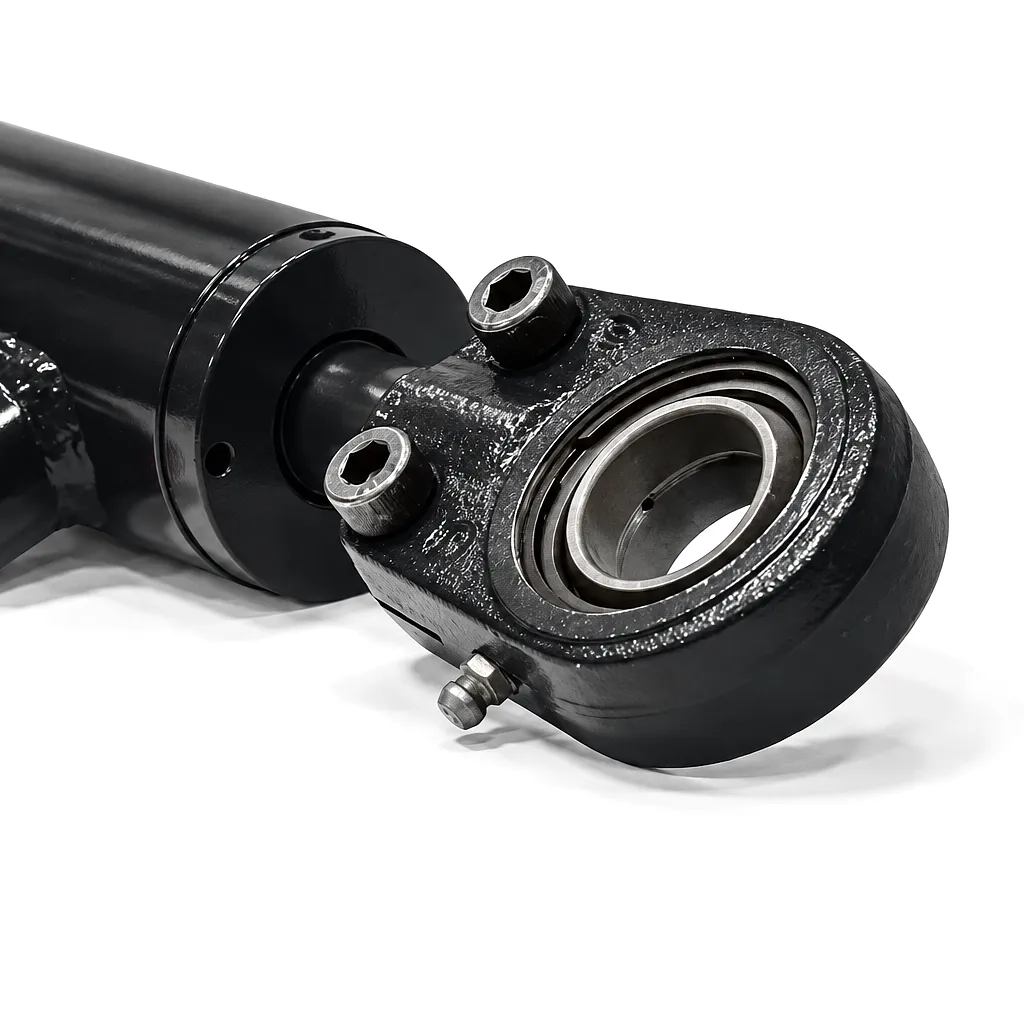
 When procurement teams across Birmingham’s manufacturing corridors or Sheffield’s steel-adjacent engineering sectors sit down to specify a hydraulic cylinder order, the conversation almost inevitably turns to standards — specifically, whether a supplier is compliant with DIN or ISO specifications. For European buyers, this is rarely an academic discussion. Standards compliance determines whether a cylinder will integrate without costly modification into existing machinery, whether it will satisfy insurance and regulatory requirements on UK worksites, and whether the supplier actually has the engineering discipline to deliver consistent, traceable quality at scale. These are the real stakes behind what might appear to be a purely technical question.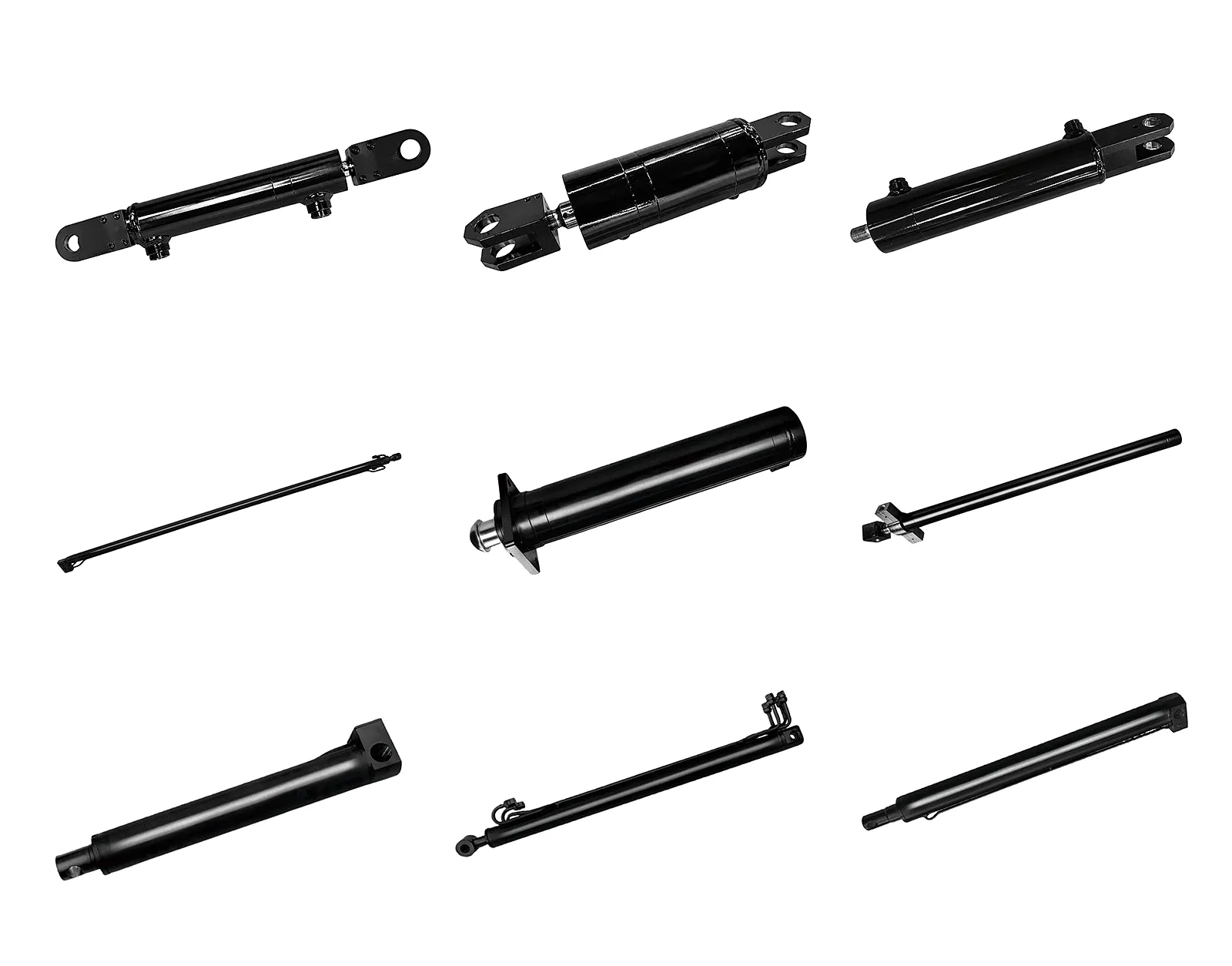
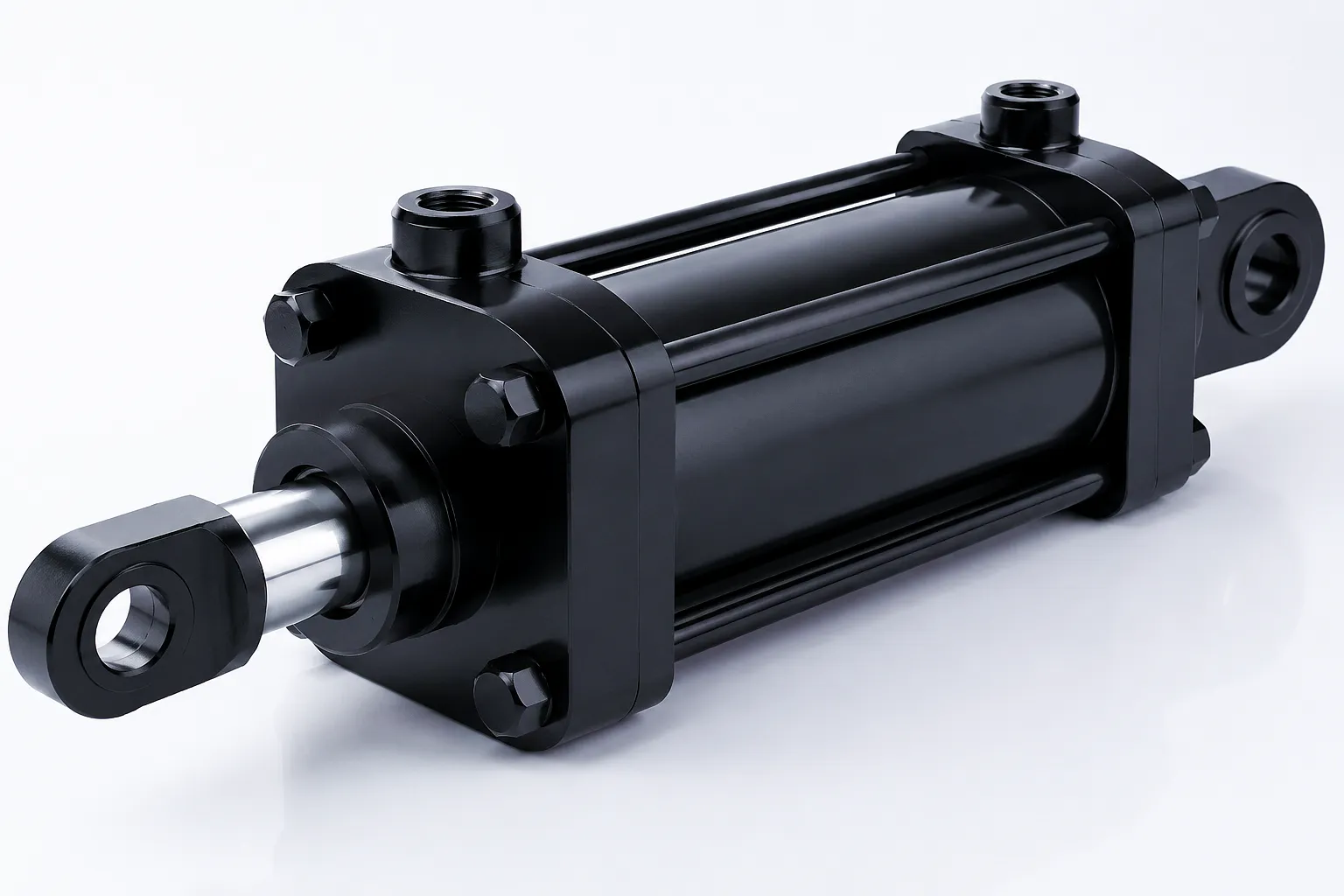
Ever Power’s full-range hydraulic cylinder product line — DIN and ISO compliant for European markets
Understanding the Standards Landscape: DIN and ISO in Practice
DIN Standards
DIN — Deutsches Institut für Normung — has historically governed hydraulic cylinder design across German-speaking Europe and much of the wider EU manufacturing base. DIN standards such as DIN ISO 6020/1 and DIN ISO 6022 define bore sizes, stroke lengths, port positions, and mounting flange geometry with exceptional precision. For UK buyers sourcing components destined for continental European OEM assembly lines, a cylinder bearing DIN compliance is immediately recognisable as interchangeable across a broad ecosystem of machinery. The DIN framework emphasises dimensional interchangeability first, ensuring that a cylinder from any compliant manufacturer will drop into the same housing without bespoke modification.
ISO Standards
ISO — the International Organization for Standardization — operates at a broader global level, with its hydraulic cylinder series including ISO 6020-1 (medium-pressure), ISO 6020-2 (high-pressure compact), and ISO 6022 for mounting dimensions. ISO standards were explicitly designed to harmonise what were previously fragmented national frameworks, and the UK’s adoption of these specifications post-Brexit remains robust because British industry relies on them for smooth export compatibility. Many ISO standards for hydraulic cylinders are, in practice, identical or nearly identical to their DIN counterparts, having been harmonised over decades of technical committee work. The critical distinction lies in traceability documentation, testing protocols, and the way tolerances are specified and verified.
The practical reality for a procurement manager in Wolverhampton or a plant engineer in Leeds is that both DIN and ISO cylinders will often physically fit the same application — but the documentation accompanying each is fundamentally different. DIN-certified components arrive with German standards body traceability; ISO-certified parts come with internationally recognised testing records. When your quality management system is ISO 9001 certified and your insurance underwriter requires material traceability to an internationally auditable standard, a supplier who hands you a certificate of conformity without the underlying test data is not meeting what European buyers genuinely expect. Ever Power understands this distinction and ensures every shipment includes full dimensional verification reports, material mill certificates, and pressure-test records aligned to whichever standard your specification demands.
Working Principle and Core Material Composition
⚙️ Operating Principle
A hydraulic cylinder converts pressurised hydraulic fluid energy into controlled linear mechanical force. Fluid enters the cylinder through a port machined to DIN or ISO dimensional specifications — typically positioned at the head or base end — and acts on the face of a piston, generating a pushing or pulling force determined by the relationship between system pressure and the effective piston area. The rod, connected to the piston, transmits this force to the external load. When operating under ISO 6020-2 specifications, for instance, the cylinder is rated for working pressures up to 250 bar, with burst pressure ratings typically verified at 1.5 times the working pressure during factory acceptance testing. The seal system — comprising rod seals, piston seals, and wiper seals — maintains fluid containment and prevents ingress of contamination, with seal geometry specified precisely in both DIN and ISO standards to ensure cross-supplier interchangeability without resealing or modification.
🔩 Core Material Composition
Material selection for DIN/ISO-compliant hydraulic cylinders follows closely specified grades rather than commercial convenience. Cylinder tubes are typically manufactured from precision cold-drawn seamless steel tube in grades equivalent to E355 (formerly St 52.4), honed to an internal surface finish of Ra 0.4 µm or better to maximise seal longevity. Piston rods use hard-chrome-plated carbon steel (typically C45 or 42CrMo4), with chrome layer thickness between 20–30 µm and hardness above 700 HV to resist corrosion and surface wear in the abrasive environments common in UK construction and agricultural machinery. Cylinder heads and end caps are machined from S355 structural steel or ductile iron, depending on pressure rating and mounting geometry. Seals are sourced in FKM (Viton) for high-temperature or chemical-resistant applications, or NBR for standard hydraulic oil service. Every material choice is traceable through mill certificates — a non-negotiable requirement for ISO 9001-certified supply chains.
Product Technical and Performance Specifications
The table below consolidates the key dimensional and performance parameters for Ever Power’s DIN/ISO-compliant hydraulic cylinder range. These figures represent standard catalogue values; custom specifications — including non-standard bore-to-stroke ratios, special port configurations, and alternative mounting styles — are available on request. All parameters have been verified against DIN ISO 6020 and ISO 6022 requirements.
| パラメータ | DIN ISO 6020-1 (Medium Pressure) | DIN ISO 6020-2 (Compact) | ISO 6022 (Flange Mount) |
|---|---|---|---|
| 口径範囲 | 25 – 320 mm | 25 – 250 mm | 32 – 400 mm |
| 作動圧力 | Up to 160 bar | Up to 250 bar | Up to 350 bar |
| ストローク長 | Up to 3,000 mm standard | Up to 2,000 mm standard | Custom up to 6,000 mm |
| ロッドの直径 | 14 – 220 mm (h8 tolerance) | 18 – 180 mm (h8 tolerance) | 20 – 280 mm (h6 tolerance) |
| ロッドの材質 | C45 hard-chrome-plated | 42CrMo4 chrome-plated | 42CrMo4 / stainless option |
| チューブの材質 | E355 cold-drawn seamless | E355 / ST52.4 | E355 / Stainless 316L option |
| シールタイプ | NBR / FKM (Viton) option | NBR / PTFE / FKM | FKM standard / custom compound |
| Internal Surface Finish | Ra ≤ 0.4 µm (honed) | Ra ≤ 0.4 µm (honed) | Ra ≤ 0.2 µm (super-finish option) |
| Mounting Styles | MF1, MF2, MP1, MP5 | MF1, MP1, MT4 | MF1–MF6, all DIN codes |
| 動作温度 | -20 °C to +80 °C (NBR) | -30 °C to +100 °C (FKM) | -40 °C to +150 °C (special) |
| 認証 | ISO 9001, CE Declaration | ISO 9001, CE Declaration | ISO 9001, PED 2014/68/EU option |
Core Technical Advantages of DIN/ISO-Compliant Hydraulic Cylinders
Drop-In Interchangeability
Cylinders produced to DIN ISO 6020 or ISO 6022 fit standard mounting housings without adaptation brackets or bespoke machining. This eliminates maintenance downtime and reduces spare parts inventory, a decisive operational advantage in high-throughput UK manufacturing environments where machine availability is directly tied to production revenue. Interchangeability also allows procurement teams to maintain approved supplier lists with multiple sources without risking dimensional incompatibility.
Full Traceability Documentation
Every compliant cylinder arrives with a dimensional inspection report, material mill certificate, and hydrostatic test record. These documents are not marketing materials — they are the evidence package your quality manager needs to satisfy auditors and your insurance underwriter needs to maintain product liability coverage. For UK exporters reselling into EU machinery assemblies post-Brexit, this documentation chain also supports CE marking obligations under the Machinery Directive, reducing compliance risk at the point of export.
Extended Service Life
The combination of honed tube bores, precision-ground chrome rods, and standardised seal geometries produces a cylinder whose service life under sustained duty cycles consistently exceeds that of non-standard alternatives. In field applications across UK quarrying and civil engineering sectors — where hydraulic systems operate in particulate-heavy environments — a properly specified ISO-compliant wiper seal makes a measurable difference to contamination ingress and resulting internal wear rates, translating directly into fewer breakdowns per operating season and reduced total cost of ownership over the asset’s lifecycle.
Standardised Seal Replacement
One of the less-discussed but practically significant advantages of DIN/ISO cylinder design is that maintenance engineers can source replacement seal kits from any standards-compliant supplier anywhere in the world. This removes a critical supply chain vulnerability: if your original cylinder supplier has a logistics disruption — a scenario that UK buyers experienced acutely during 2020–2022 — your maintenance team can cross-reference standard bore and rod diameters against any ISO seal catalogue and have parts on site from an alternative source within days rather than weeks.
Verified Dimensional Tolerances
DIN and ISO standards do not merely specify nominal dimensions — they define allowable tolerance bands, surface finish grades, and geometric form tolerances such as cylindricity and straightness for bore and rod. This means a buyer specifying an 80 mm bore cylinder to ISO 6020-1 is guaranteed a bore diameter within a defined tolerance window, not simply a nominal figure that might vary by manufacturer interpretation. For precision hydraulic positioning systems used in automotive tooling plants across the West Midlands, this dimensional certainty is not optional; it is the engineering foundation that makes repeatable, high-accuracy linear positioning achievable.
Global Supply Compatibility
A cylinder produced to ISO 6020 in China, certified by an accredited inspection body, and shipped to a UK OEM assembler carries the same dimensional and performance guarantees as one produced domestically — because the standard itself is the specification. This global compatibility is exactly what enables UK manufacturers to maintain internationally competitive pricing on their end products while sourcing hydraulic components from high-quality, cost-efficient suppliers without sacrificing the technical integrity that European customers demand. Ever Power’s production facility holds ISO 9001:2015 certification and undergoes regular third-party quality audits to maintain this export-grade status.
Industrial Application Scenarios Across the UK and Europe
Ever Power: Precision Manufacturing and Customisation Capability
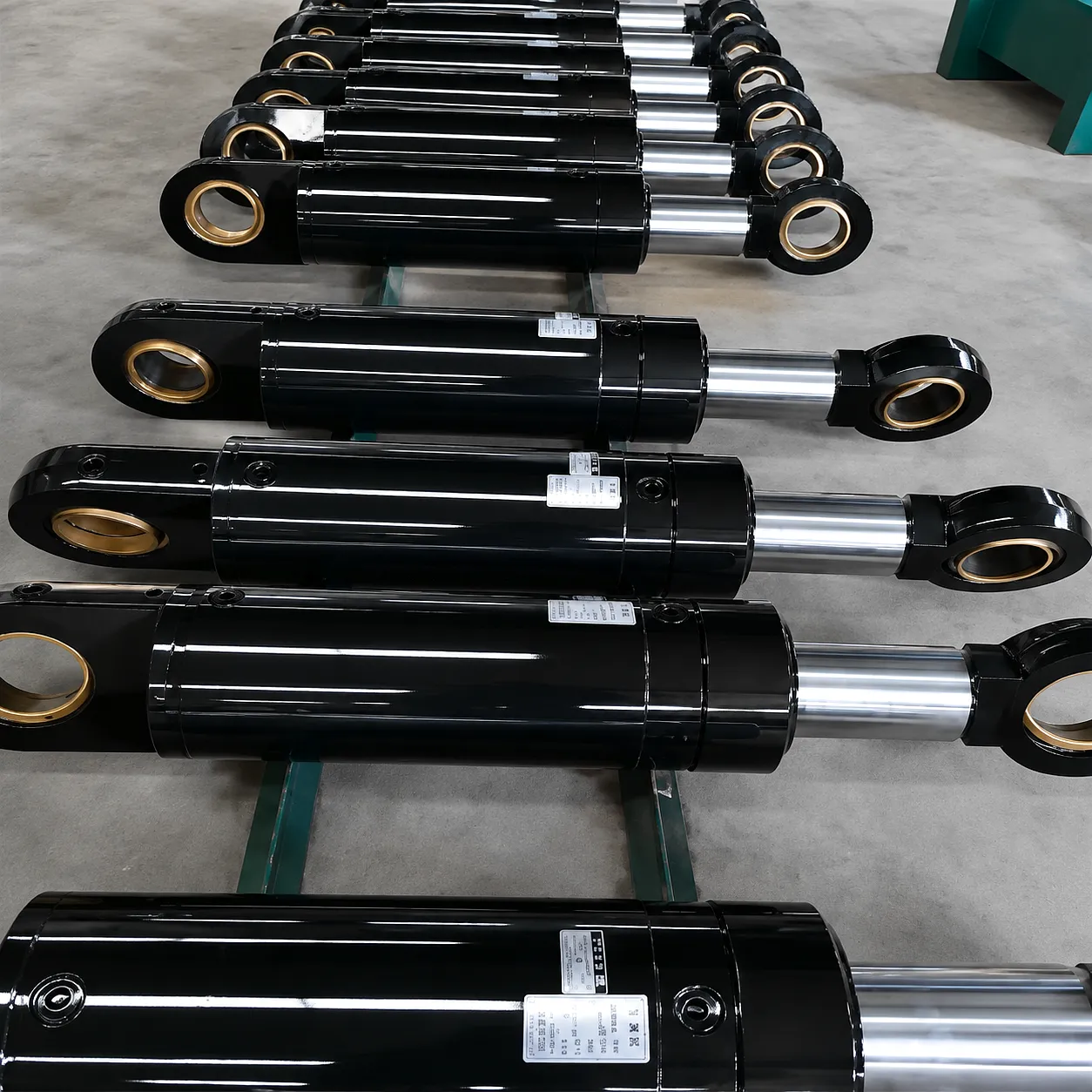
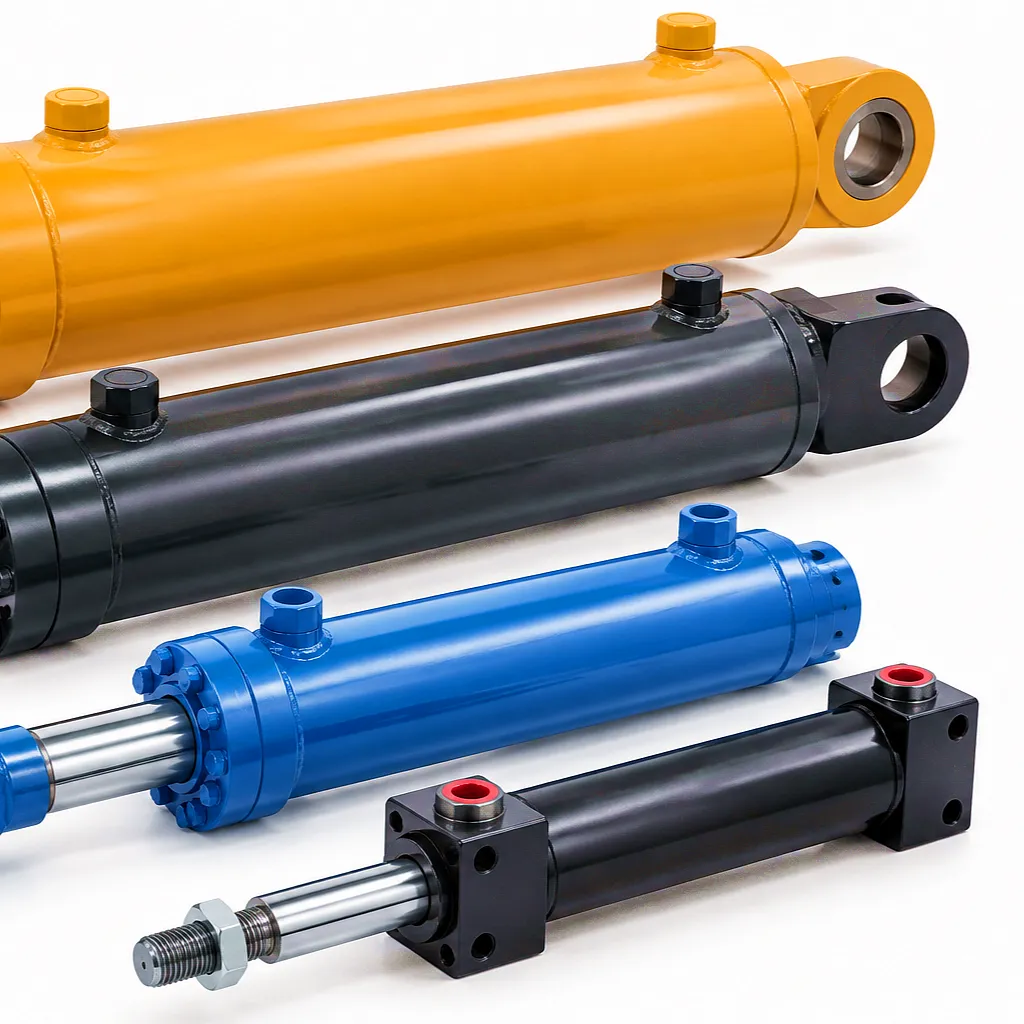
Ever Power operates a dedicated hydraulic cylinder manufacturing facility equipped with CNC honing machines, precision turning centres, and automated hard-chrome plating lines. Our production capability covers DIN ISO 6020-1, ISO 6020-2, and ISO 6022 series cylinders from bore 25 mm through 500 mm, with stroke lengths up to 6,000 mm achievable under project engineering. What separates our facility from generic cylinder producers is the depth of our engineering support at the specification stage — our technical team reviews every custom enquiry against the relevant DIN or ISO standard before quotation, identifying any dimensional or pressure-class conflicts that could cause problems in service, and proposing modifications before they become costly surprises after delivery.
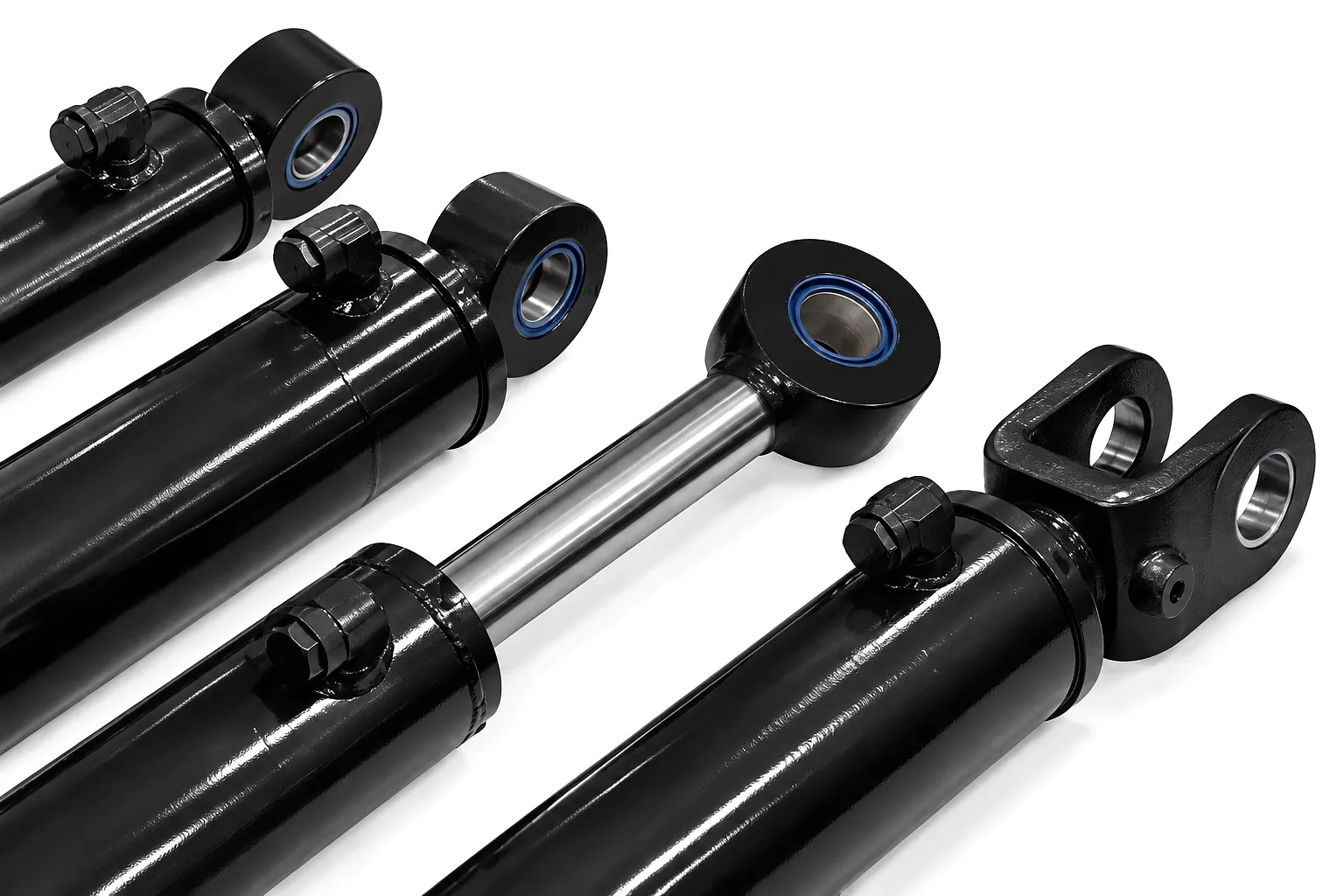
Customisation at Ever Power extends well beyond changing bore and stroke dimensions. We regularly engineer cylinders with position transducer (LVDT) integration, load-sensing port configurations, stainless steel tie-rod construction for washdown environments, and special painting or surface treatment specifications required by specific end-user acceptance procedures. For UK buyers who need to consolidate a multi-source spare parts inventory into a single, standards-based supplier relationship, Ever Power’s cross-reference engineering service can assess existing legacy cylinder drawings and recommend the most appropriate DIN or ISO equivalent series — often achieving significant simplification of the parts catalogue without compromising fit or function.
Our logistics infrastructure supports UK delivery via established freight partnerships with transit times of 18–22 days for standard orders and 10–12 days for urgent consignments using air-freight combined with UK customs pre-clearance. We issue commercial invoices, packing lists, material certificates, test reports, and country of origin certificates as a standard documentation package with every shipment — eliminating the administrative friction that frequently complicates cross-border component procurement.
Ever Power Customisation Services
Customer Success Story: Rotherham Steel Fabricator Achieves 34% Reduction in Cylinder Downtime
 A mid-sized specialty steel fabrication business operating three forming press lines in Rotherham, South Yorkshire had been running a mixed inventory of hydraulic cylinders sourced from three different suppliers over a period of seven years. While each cylinder functioned individually within its rated parameters, the lack of dimensional standardisation across the three sources meant that seal kits were non-interchangeable, rod end thread forms differed, and the maintenance engineering team had to maintain separate service procedures for each cylinder brand. Unplanned downtime from seal failures was running at an average of 6.2 hours per week across the three press lines — a figure that translated into measurable lost production capacity during peak order periods.
Ever Power’s UK technical representative conducted a site visit to review the existing cylinder population against dimensional records. Cross-referencing the bore, rod, and mounting dimensions of all cylinders in service confirmed that 26 out of 31 installed units could be rationalised onto two standard ISO 6020-2 series bore sizes — 80 mm and 100 mm — with a common rod diameter and a single seal kit specification. The remaining five cylinders, mounted on a specialist edge-forming press, were specified as custom ISO 6022 units with integrated cushioning and load-holding check valve ports.
The transition was phased over two planned maintenance windows spanning eight weeks, avoiding production disruption. Six months after the final installation, the customer reported unplanned 油圧シリンダー downtime across all three press lines had fallen from 6.2 hours per week to 4.1 hours per week — a reduction of approximately 34%. Maintenance costs associated with seal kit procurement fell by 28% through volume consolidation onto a single specification, and the inventory of spare parts held on site was reduced from eleven distinct seal kit part numbers to three. The customer’s engineering manager noted that Ever Power’s willingness to supply dimensional conformance reports for each cylinder — not simply a commercial certificate of conformity — was the factor that enabled the site quality manager to approve the supplier transition through the internal approval process.
★★★★★
“Ever Power’s dimensional conformance documentation was the deciding factor in getting the supplier approved through our quality management system. The cylinders themselves have performed without a single seal failure in six months of three-shift operation — that is exactly the reliability standard we needed to maintain on our ISO 9001 audit record.”
— Engineering Manager, Specialty Steel Fabrication, Rotherham
★★★★★
“The custom ISO 6022 units for our edge-forming press were the real test of Ever Power’s capability. We had a non-standard port configuration and needed integrated load-holding. Their engineering team turned around a confirmed drawing within four days and delivered finished cylinders in 26 days — ahead of the quoted lead time and within budget.”
— Maintenance Director, Press Line Operations, South Yorkshire
★★★★★
“Consolidating onto a single ISO 6020-2 seal specification through Ever Power cut our maintenance parts cost meaningfully and — more importantly — removed the risk of the wrong seal kit being fitted to the wrong cylinder. The quality of the chrome rod finish is visibly superior to what we were previously receiving from our domestic supplier at twice the price.”
— Procurement Lead, Manufacturing Site, Rotherham, UK
Frequently Asked Questions from UK Buyers
Ready to Specify?
Get DIN/ISO Hydraulic Cylinders
Built to Your Exact Specification
Share your bore, stroke, pressure class, and mounting requirements with our engineering team. We review every enquiry against the relevant DIN or ISO standard before quoting.
📩 Get a Quote → [email protected]
Response within 24 hours · Full documentation package · UK customs-ready export
© Ever Power · Precision Hydraulic Cylinder Manufacturing · DIN ISO 6020 / ISO 6022 Certified Production · edit by gzl
 Japanese
  English
  Italian
  Portuguese
  Dutch
Dutch  Swedish
  Danish
  Finnish
  Polish
  Hindi
Hindi  Kazakh
  Turkish
  Ukrainian
  Romanian
  Spanish
  German
  Russian
  Korean
  Vietnamese
  Thai
Thai  Indonesian
  Malay
Malay  French
  Greek
Greek