
 Every fleet manager running hydraulic equipment across the UK — whether it’s aerial work platforms moving across construction sites in Manchester, excavators operating in the quarries of Wales, or boom lifts serving offshore maintenance contracts in Aberdeen — faces the same recurring pressure point: a hydraulic cylinder has failed, the machine is grounded, and the clock is ticking. The immediate question is rarely simple. Should you authorise a repair, or replace the cylinder outright? On the surface it sounds like a straightforward financial calculation, but in practice the decision pulls together engineering condition assessments, parts availability, total lifecycle cost modelling, and operational downtime risk — all of which have to be weighed against each other under time pressure. Getting it wrong in either direction costs money: unnecessary replacements drain capital budgets, while under-specified repairs that fail again within weeks create even larger losses through repeat downtime.
Understanding the Decision Framework: What Fleet Managers Get Wrong
The most common error in the repair-versus-replace decision is treating it as a purely cost-per-unit comparison. Fleet managers will often price a new cylinder, compare it against a workshop repair quote, and pick whichever number is lower at that moment. This approach ignores several critical variables: the condition of associated seals and rod surfaces that will affect the longevity of either path, the lead time for OEM replacement units versus local rebuild capability, the cylinder’s remaining load cycle budget relative to its designed fatigue life, and the pattern of failure — whether this is a first incident or a repeat event on the same unit. A hydraulic cylinder that has failed once in its third year of service under normal operating cycles represents a very different engineering situation from one that is failing for the second time within eighteen months under the same application loads. The correct framework starts not with price but with condition assessment and failure root-cause analysis.
For UK fleet operators — particularly those managing mixed equipment fleets across multiple sites in cities like Birmingham, Coventry, or Leeds — the decision is complicated further by parts logistics. Many hydraulic cylinders in specialist aerial work platforms, boom lifts, and telehandlers are OEM-specific, with replacement lead times that can stretch to six to twelve weeks from European or Asian supply chains. In that context, a well-executed rebuild by a competent hydraulic engineering workshop can deliver a serviceable cylinder in five to ten working days, keeping the machine in revenue service and dramatically changing the true cost calculation. Understanding lead time as a cost variable — through accurate downtime costing per machine-day — is one of the most valuable things a fleet management team can do to sharpen its decision criteria.
Rod surface damage is confined to minor scoring; barrel integrity is confirmed by pressure testing; the cylinder is within the first 60% of expected service life; and OEM replacement lead time exceeds three weeks.
The barrel shows pitting or internal corrosion; the cylinder has a history of repeat failure; it has exceeded 80% of its designed cycle life; or the application requirements have changed and a new specification is warranted.
When replacement is confirmed, use it as an opportunity to specify upgraded sealing materials, improved surface treatments, or tighter bore tolerances that address the root causes of the original failure. Ever Power offers full custom engineering on all replacement units.
How Hydraulic Cylinders Work — and Why the Engineering Details Matter for Repair Decisions
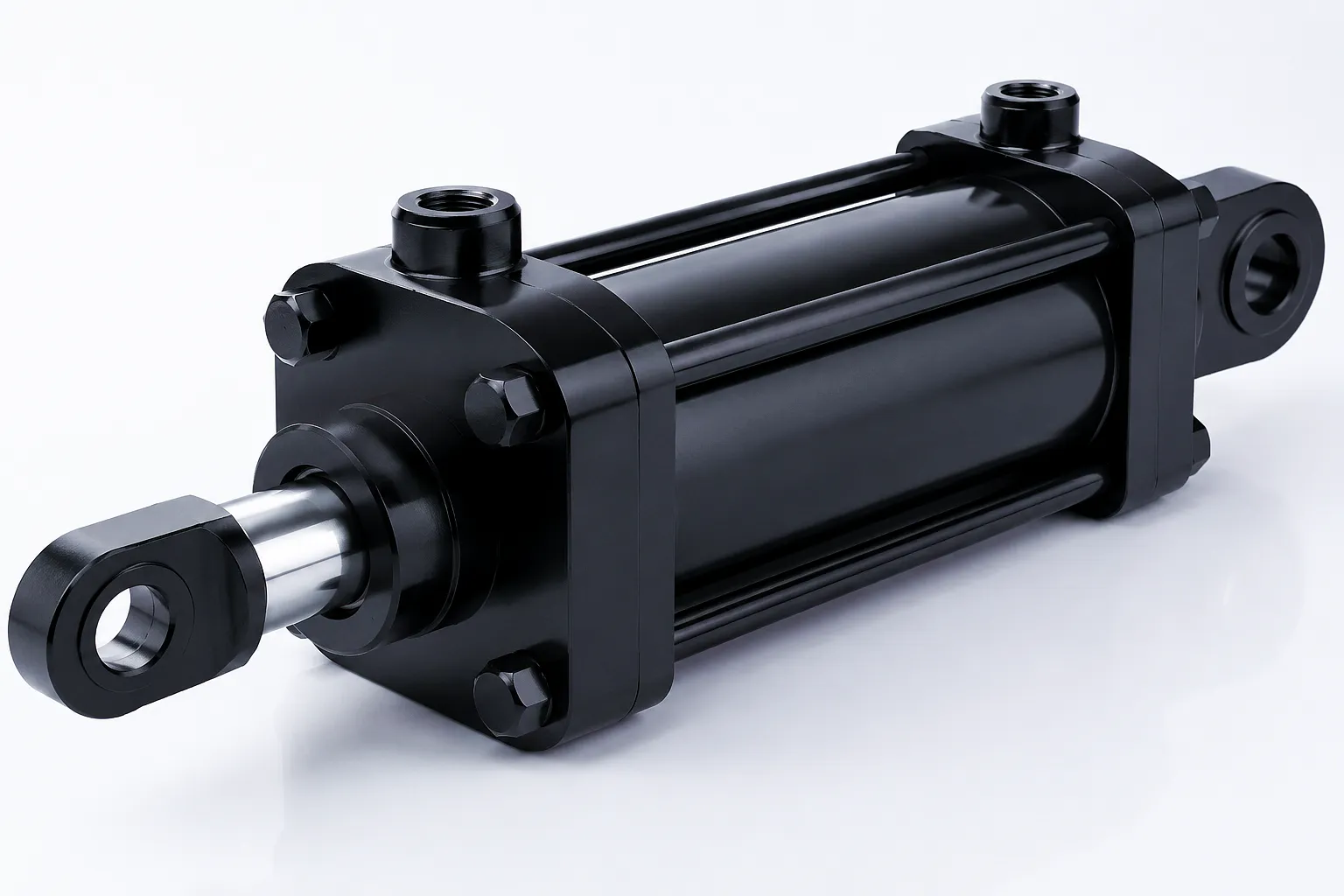
 A hydraulic cylinder converts hydraulic fluid pressure into linear mechanical force. Pressurised oil, delivered by a pump through control valves, acts on the face area of a piston inside a sealed barrel. The relationship between pressure, piston area, and output force is direct: a 100-bar system acting on a 100 cm² piston face produces 100 kN of thrust. The piston rod extends or retracts depending on which port is pressurised. What makes this mechanism so relevant to the repair-versus-replace question is that almost every component in this chain has a distinct failure mode and a distinct repairability profile.
The rod is hardened and chrome-plated or, in modern designs, fitted with a Nikasil or HVOF thermally sprayed coating. Minor surface damage from debris ingestion or mechanical contact can often be restored by grinding the rod to the next undersize and fitting a correspondingly dimensioned seal set — a proven technique widely used by hydraulic rebuild shops across the UK Midlands and Yorkshire. Barrel pitting from fluid contamination or internal corrosion is a more serious condition: once the bore surface is compromised, consistent sealing becomes unreliable and replacement becomes the correct call. Piston seals, rod seals, and wiper seals are consumables with relatively low unit cost, and a thorough reseal using quality polyurethane or PTFE-composite seal kits restores hydraulic cylinder function in the majority of cases where structural integrity is confirmed.
Core Materials: What’s Inside and Why It Determines Repairability
| Component | Standard Material | Premium / Ever Power Option | Repair Impact |
|---|---|---|---|
| ピストンロッド | 45# steel, chrome plated | 42CrMo4 alloy, HVOF-coated or Nikasil | Undersize grind + reseal often viable; HVOF surface rebuildable |
| 円筒形バレル | E355 / ST52 honed steel tube | Cold-drawn seamless tube, internal phosphated | Internal pitting = replace; minor scoring = hone and reseal |
| Piston Seals | NBR (Nitrile Rubber) | Polyurethane, PTFE composite, FKM for high-temp | Always replaced at service; low cost, high impact |
| Rod Seals / Wipers | NBR rod seal + polyurethane wiper | Dual-lip PTFE rod seal + polyurethane scraper | Critical barrier against contamination; replace with premium grade at every rebuild |
| End Caps / Gland | Cast iron or mild steel | Ductile iron, threaded or flanged to customer spec | Thread damage = replace; seal groove wear = regrind or sleeve |
| Piston | Ductile iron or carbon steel | 42CrMo4 heat-treated, hard-anodised aluminium (lightweight) | Inspect for cracks; usually reusable if seal grooves intact |
Hydraulic Cylinder Technical Performance Parameters
Reference specifications for industrial and aerial platform hydraulic cylinders — Ever Power standard and custom range
| パラメータ | Light Duty / Aerial | Medium Industrial | Heavy / Mining Grade |
|---|---|---|---|
| Bore Diameter (mm) | 40 – 100 | 100 – 200 | 200 – 500+ |
| Stroke Length (mm) | up to 800 | 800 – 2,500 | 2,500 – 8,000+ |
| Working Pressure (bar) | 160 – 200 | 200 – 280 | 280 – 420 |
| Test Pressure (bar) | 1.5x working pressure | 1.5x working pressure | 1.5x working pressure |
| Rod Diameter (mm) | 28 – 70 | 70 – 160 | 160 – 360+ |
| ロッド表面処理 | Hard chrome (min 25 µm) | Hard chrome / HVOF | HVOF / Nikasil / PTA |
| シール材 | NBR / PU | PU / PTFE composite | FKM / PTFE / metal-backed |
| 動作温度 | -20℃~+80℃ | -30℃~+100℃ | -40°C to +150°C |
| Design Cycle Life | 500,000+ cycles | 300,000 – 600,000 | Project-specific, POA |
| Mounting Standard | Clevis / trunnion / flange | ISO 6020/6022 / custom | Full custom to drawing |
True Cost-Benefit Analysis: The Numbers Fleet Managers Need to Run
What these figures make plain is that the direct component cost comparison often dramatically understates the true cost of the replacement pathway when downtime is properly costed. A fleet manager operating aerial work platforms on a utilities maintenance contract in Sheffield, where each machine day is generating revenue in the range of £600 to £2,000 depending on crew size and contract rate, faces a very different financial reality from one managing a non-critical machine in a yard. Once downtime is loaded in at realistic rates, the repair pathway almost always wins on total cost unless the cylinder itself is beyond repair — and the question shifts from “can we afford to repair it?” to “how do we ensure the repair is done properly so it doesn’t fail again within the warranty period?”
The hidden variable that most cost models miss is the compounding effect of contamination. If a hydraulic cylinder has failed due to seal wear and the machine has been operated — even briefly — after the initial failure symptoms appeared, fluid contamination may have already propagated into the system. Hydraulic fluid heavily contaminated with wear particles or moisture will accelerate seal degradation in a rebuilt cylinder, shortening its service life significantly. A thorough repair therefore has to include hydraulic fluid analysis, filter replacement, and if necessary a full system flush — costs that must be included in the repair pathway total, not treated as separate maintenance items.
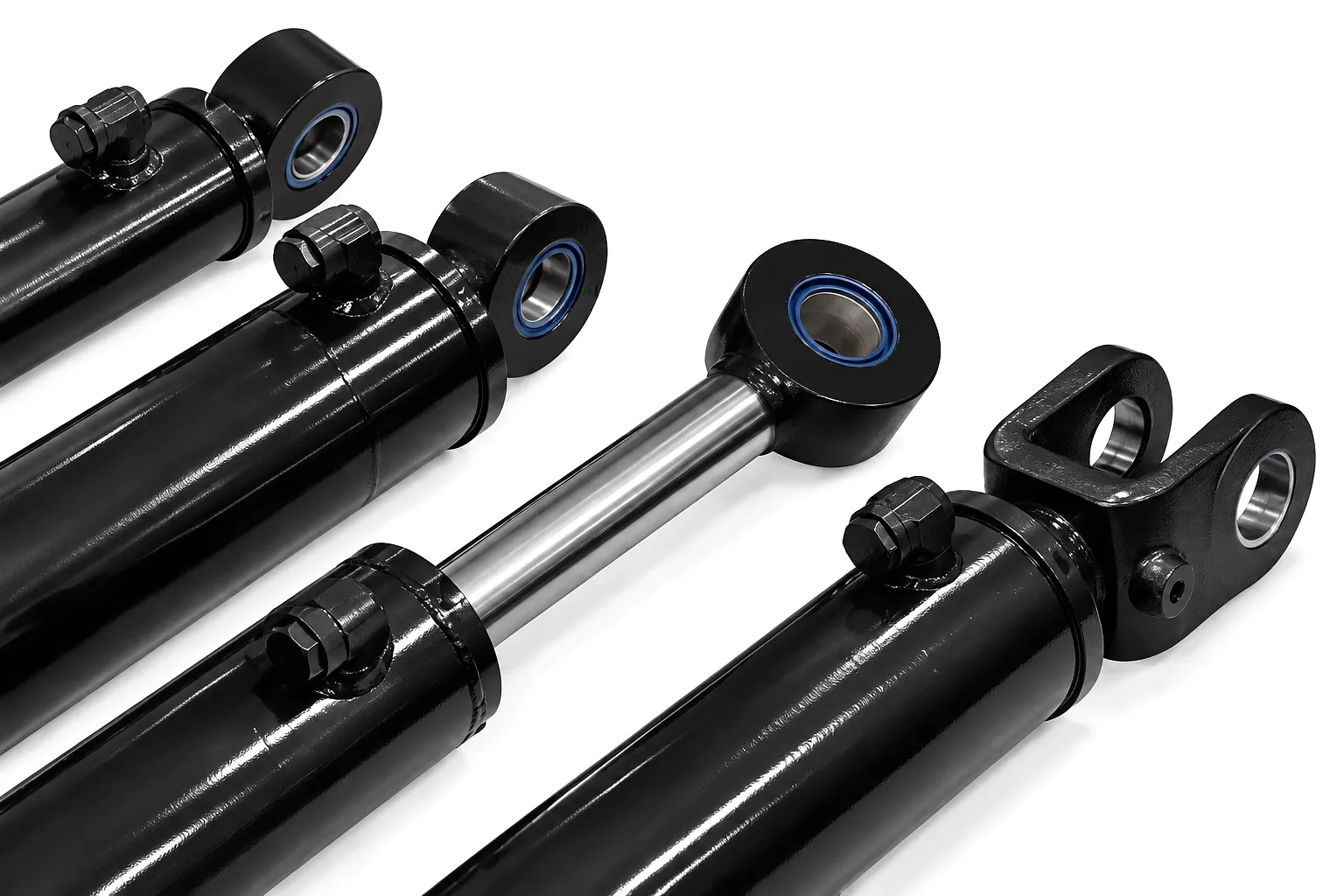
Featured: Ever Power Boom Cylinder Solutions for Aerial Platforms
When replacement is the right call — or when you’re specifying new equipment — precision-engineered aerial platform cylinders from Ever Power deliver measurable service life improvements.
Industrial Application Scenarios: When Repair Works and When Replacement Is Non-Negotiable
Different application environments create very different decision thresholds for hydraulic cylinder repair versus replacement.
In the West Midlands construction and infrastructure sector, aerial work platforms — boom lifts, scissor lifts, and spider lifts — operate under daily duty cycles that accumulate thousands of extension and retraction events per year. Cylinder seals in these machines are exposed to outdoor temperature cycling between near-freezing British winters and summer heat, combined with fine construction dust that challenges wiper seal integrity. A reseal with upgraded polyurethane wiper seals and a PTFE composite rod seal is typically the correct intervention at the first sign of external leakage, provided the rod surface passes visual and dimensional inspection. Full cylinder replacement in this application is typically triggered by rod bending (usually the result of side-load impact) or barrel corrosion following sustained contamination ingress.
Sheffield’s metalworking and precision engineering industry places extreme demands on hydraulic cylinders used in press tooling, bending, and clamping applications. These cylinders often operate at pressures above 250 bar with high cycle frequencies. Thermal cycling from the heat of forming operations, combined with fine metal particulate in the environment, creates aggressive sealing conditions. In this context, replacement with premium-grade cylinders featuring PTFE composite piston seals and FKM rod seals offers a step-change in service intervals that justifies the higher upfront cost. Seal kit uprades during repair are highly effective here — specifying a better seal grade at rebuild cost effectively upgrades the cylinder to meet current operating demands.
Agricultural hydraulics across UK farming operations — from the arable heartlands of East Anglia to the hill country of the Yorkshire Dales — face a specific challenge: seasonal intensity. Tractors, balers, and telehandlers accumulate most of their annual cylinder cycles during relatively short harvest or cultivation windows, then sit through periods of low use. This seasonal pattern can accelerate seal degradation through fluid oxidation during standing periods and thermal contraction-expansion during cold storage. A proactive service before peak season, including a full reseal, fluid change, and filter replacement, delivers dramatically better ROI than emergency replacement during a critical operational window.
Marine and offshore hydraulic cylinder applications centred on Aberdeen and North Sea operations represent perhaps the most demanding environment for any hydraulic system. Salt air, spray ingress, pressure cycling in subsea or deck-mounted applications, and the logistical challenge of servicing equipment offshore all change the cost-benefit equation significantly. The cost of an offshore mobilisation to replace a cylinder can easily exceed the cost of the cylinder itself by a factor of three to five. Consequently, offshore operators tend to carry pre-rebuilt exchange cylinders at their shore bases, allowing rapid swap-out that keeps the vessel on station while the failed unit is rebuilt onshore. This exchange pool model — stocked with Ever Power precision-rebuilt units — represents a highly cost-efficient fleet management strategy for this sector.
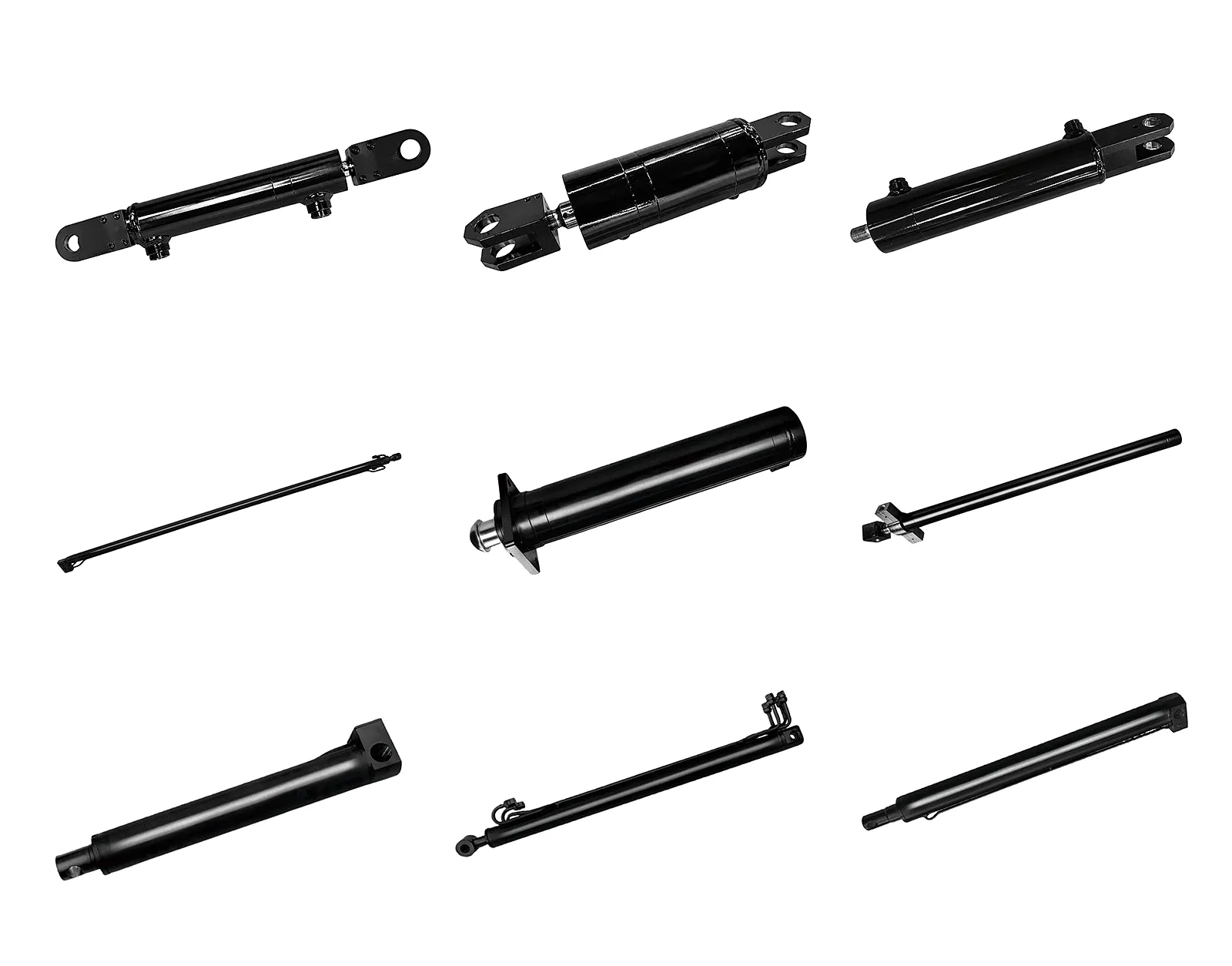
Ever Power Hydraulic Cylinder Product Range
Ever Power: Custom Hydraulic Cylinder Manufacturing for UK Industrial Requirements
Precision engineering. Supply chain depth. Full specification flexibility.
Ever Power manufactures hydraulic cylinders to any bore size, stroke length, mounting configuration, and pressure rating. Supply a drawing, a sample, or dimensional data and our engineering team produces a precision-matched replacement or upgraded unit. ISO 6020 and ISO 6022 standard designs are available off-plan; non-standard applications are our core competency.
Every cylinder passes full pressure testing at 1.5x working pressure, dimensional inspection on calibrated CMM equipment, and visual inspection before despatch. Rod chrome thickness is verified, seal assembly is carried out in a clean environment, and port thread gauging is conducted to ensure leak-free installation. Full test certification is provided on request for safety-critical applications.
Ever Power maintains deep raw material stocks — seamless tube, chrome-plated rod bar, seal inventory, and machined end caps — enabling rapid production lead times that OEM supply chains rarely match. Standard designs ship within 7–15 working days; urgent custom orders are handled with priority scheduling. International freight to UK ports is coordinated through established logistics partners with full export documentation.
When specifying a replacement, Ever Power’s engineering team reviews the failure mode of the outgoing cylinder and recommends material upgrades where they add value — FKM seals for high-temperature presses, HVOF rod coating for marine applications, or internal phosphating for humid or cold environments. These are not up-sells but root-cause solutions that directly extend service intervals and reduce the total cost of ownership across the fleet lifecycle.
Send specifications, drawings, or a brief description of your application — our engineering team responds within one business day.
Customer Success Story: Leeds Utilities Fleet — Transforming Cylinder Strategy Across 47 Aerial Work Platforms
 Northline Utilities Services, a Leeds-based infrastructure maintenance contractor operating primarily across West Yorkshire and Greater Manchester, had been managing a mixed fleet of 47 aerial work platforms through an ad-hoc maintenance strategy. When a boom cylinder failed, the decision was made machine by machine — sometimes repairing, sometimes replacing — without a consistent framework. By 2023, the fleet manager had identified a pattern: some machines were cycling through cylinder failures every twelve to eighteen months on the same units, while others ran multiple years without incident.
Northline engaged Ever Power to conduct a cylinder health audit across the highest-failure machines. The assessment revealed that repeated failures were concentrated in machines where the original OEM repair had not included wiper seal upgrades — debris from roadside working environments was bypassing worn factory-spec wiper seals and accelerating rod surface degradation. The correct intervention was a dual-level fix: complete cylinder replacement on the five units with rod damage beyond the regrind threshold, and a proactive reseal with Ever Power’s upgraded polyurethane wiper seal kit on the remaining thirty-one machines identified as at-risk.
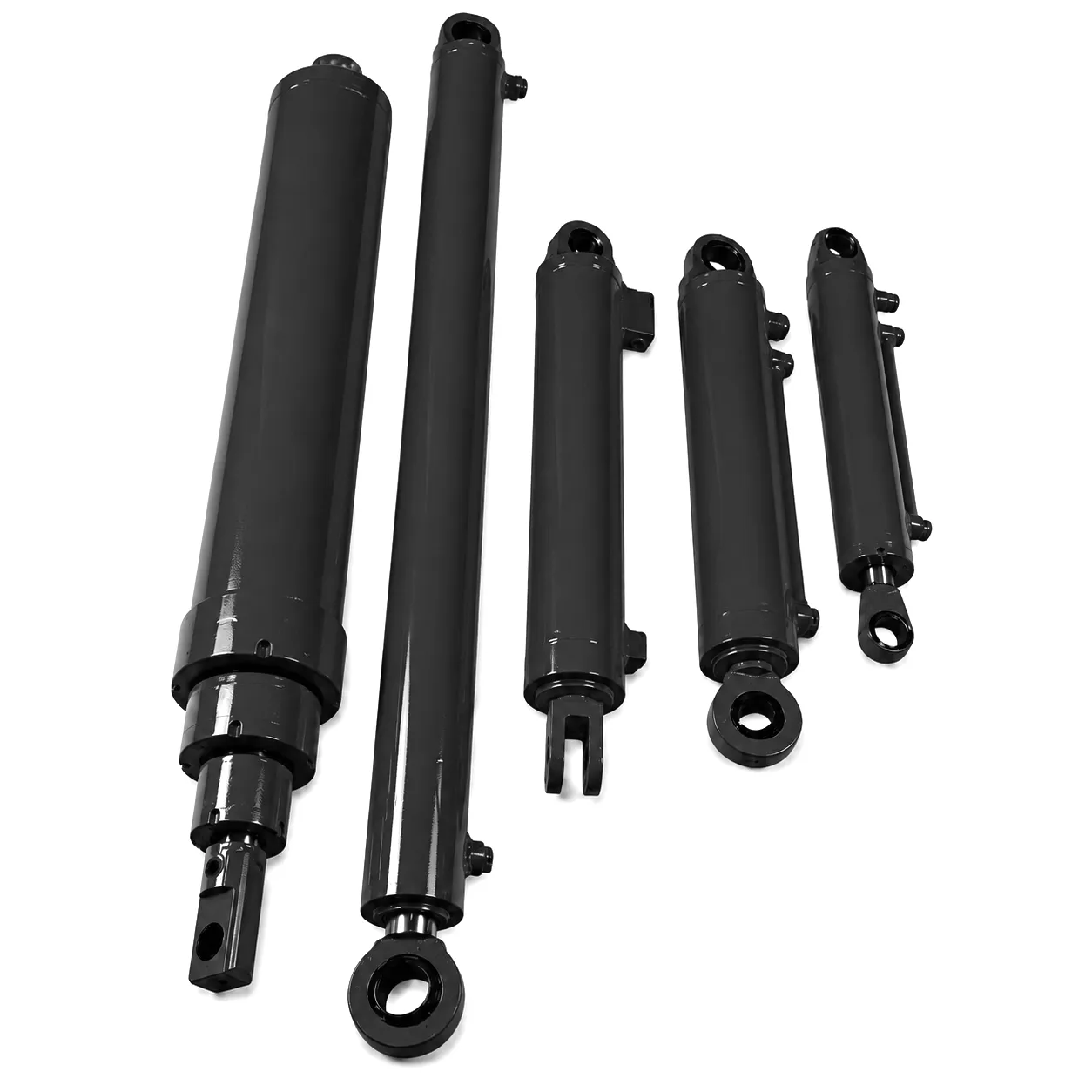
Ever Power supplied five custom-matched replacement boom angle cylinders — dimensionally cross-referenced to the OEM specifications of the machines concerned — with a 12-month performance warranty. All five were delivered to Northline’s Leeds depot within nine working days of order confirmation. The seal upgrade kits were supplied with fitting instructions and a technical support call with Ever Power’s engineering team, enabling Northline’s in-house workshop to complete all thirty-one reseals over three weeks during a scheduled maintenance period. Over the following fourteen months, hydraulic cylinder-related downtime across the target machines fell by 74%. The total programme cost Northline approximately £28,000 across parts and labour — the company estimated that unmanaged downtime from continued reactive failures would have cost in excess of £95,000 over the same period.
What UK Fleet Operators Say About Ever Power
“The main boom angle cylinders Ever Power supplied as OEM cross-references are performing without a single issue fourteen months in. The dimensional accuracy was spot-on — they dropped straight into our machines without any modification. That’s not always the case with aftermarket suppliers. The turnaround time beat our original OEM supplier by six weeks.”
“We had been struggling with repeated seal failures on two of our Sheffield press shop cylinders — we were rebuilding them every eight months. Ever Power reviewed the failure pattern, recommended a switch to their FKM seal grade, and supplied replacement cylinders with the upgraded specification. We’re now over eighteen months without a failure. The custom engineering service is genuinely excellent.”
“As an Aberdeen-based operator managing offshore vessel hydraulics, lead time and documentation are everything. Ever Power delivered full pressure test certificates with every cylinder, and their logistics team handled the freight routing to Aberdeen with no issues. Their understanding of marine application requirements — the right coatings, the correct seals — made them stand out from other suppliers we approached. We’ve now standardised on Ever Power for all our exchange pool stock.”
 Japanese
  English
  Italian
  Portuguese
  Dutch
Dutch  Swedish
  Danish
  Finnish
  Polish
  Hindi
Hindi  Kazakh
  Turkish
  Ukrainian
  Romanian
  Spanish
  German
  Russian
  Korean
  Vietnamese
  Thai
Thai  Indonesian
  Malay
Malay  French
  Greek
Greek