
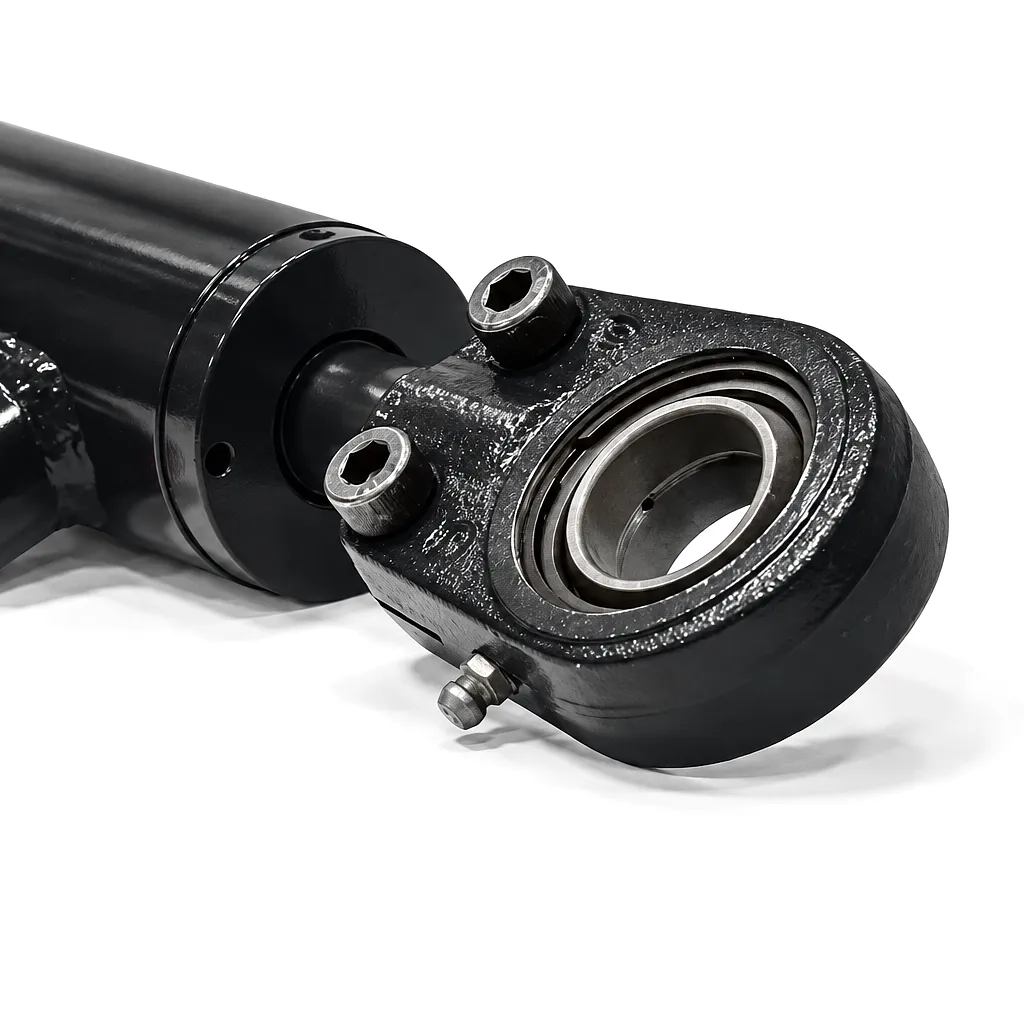
 Loader cranes — widely referenced under the HiAB designation — are a cornerstone of UK logistics, construction, and heavy-lift operations. From timber merchants in rural Wales to steel fabricators in Sheffield and offshore support vessels docked at Aberdeen, these articulating cranes perform thousands of lift cycles daily in environments where precision and hydraulic reliability are non-negotiable. At the heart of every HiAB-type crane are two hydraulic cylinder types that perform entirely different mechanical roles: the boom cylinder and the jib cylinder. Understanding what separates these two components is not simply an engineering curiosity — it directly shapes how operators specify, maintain, and source hydraulic cylinder assemblies for fleet-critical equipment.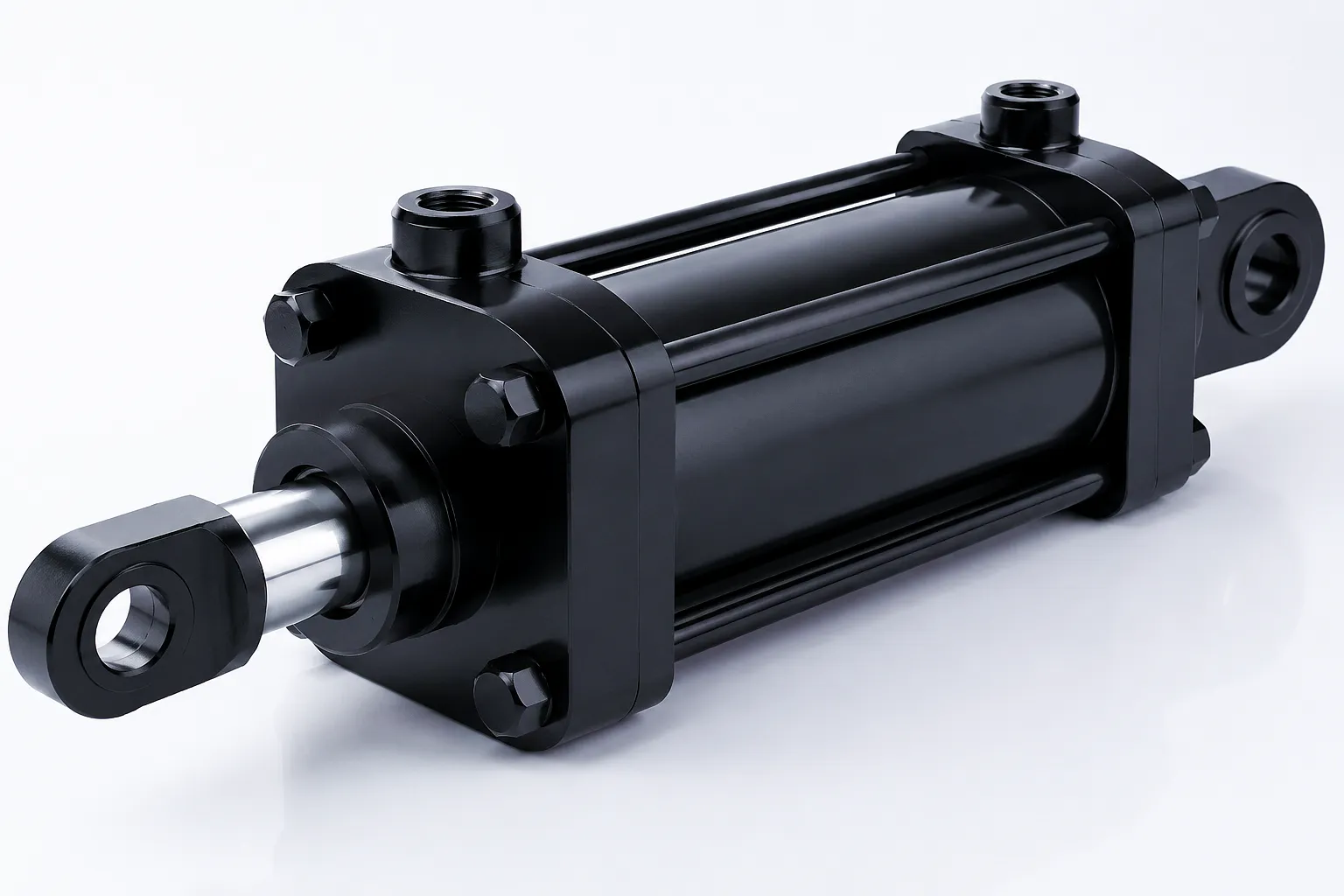
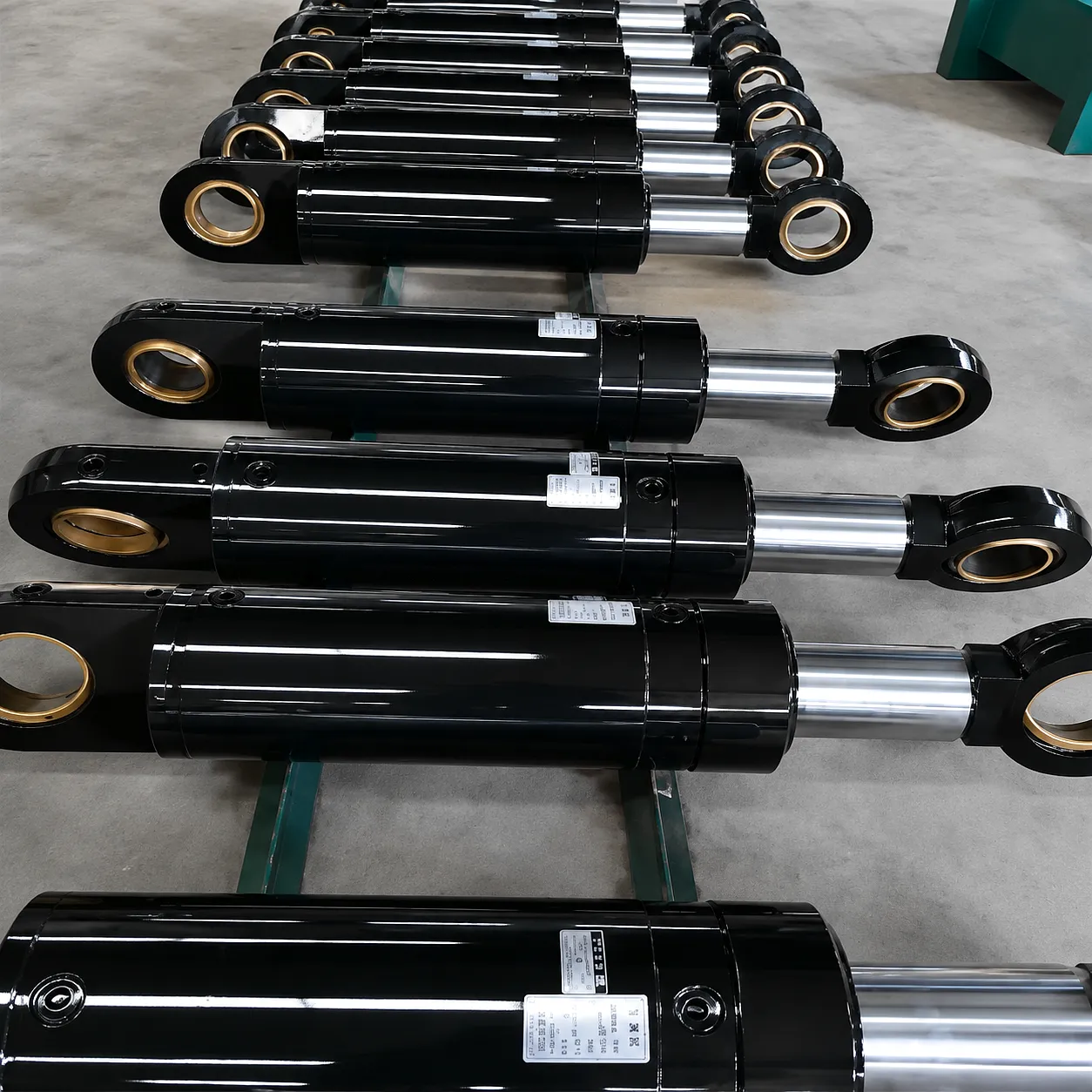
How Boom and Jib Cylinders Work on a HiAB-Type Loader Crane
The boom cylinder is the primary lifting actuator mounted between the crane’s pedestal base and the inner boom arm. Operating on a double-acting principle — meaning hydraulic pressure drives both the extension and retraction strokes independently — the boom cylinder converts hydraulic energy into mechanical force to raise or lower the primary arm. When the operator extends the cylinder, hydraulic fluid pressurised by the truck’s power take-off (PTO) system flows into the piston-side port, generating the compressive force that elevates the inner boom against the payload. The retraction stroke uses the rod-side port, drawing the boom downward under control. Because this cylinder bears the full suspended load during hoisting, it is engineered to the highest pressure ratings in the crane assembly — typically operating at system pressures between 250 bar and 350 bar for modern HiAB-class equipment. The cylinder bore diameter is correspondingly large, often ranging from 80 mm to 160 mm depending on the crane’s rated lift capacity, which on UK trucks commonly extends from 2 tonne-metres on compact flatbed-mounted units to over 40 tonne-metres on specialist heavy-haulage vehicles operating from Birmingham’s manufacturing logistics hubs.
The jib cylinder — also called the outer boom cylinder or knuckle cylinder in UK service documentation — actuates the secondary articulating arm that extends outward from the tip of the inner boom. Its working geometry is fundamentally different from the boom cylinder’s. Where the boom cylinder works against gravitational load along a relatively direct force vector, the jib cylinder operates at changing mechanical advantage as the jib angle varies through its arc — typically spanning from a folded position below horizontal to a fully deployed angle exceeding 90 degrees above horizontal. This changing geometry means the jib cylinder must deliver consistent force across a wide range of leverage conditions. The jib cylinder commonly uses a smaller bore diameter than the boom cylinder, typically 50 mm to 120 mm, since the mechanical advantage of the jib linkage amplifies the cylinder’s output force at load-bearing angles. However, jib cylinders are often required to achieve greater stroke lengths — in some HiAB configurations exceeding 900 mm of stroke — to deliver the full angular sweep needed to manoeuvre loads into confined delivery locations, such as accessing the narrow alleyways behind terraced properties common to Bristol, Manchester, and other UK urban delivery environments.
Core Material Specification: What Boom and Jib Cylinders Are Made From
Cold-drawn seamless steel tube, typically ST52 or E355 grade, honed internally to Ra 0.2–0.4 μm surface roughness. This finish is critical for seal longevity, particularly in UK outdoor applications where diurnal temperature cycling accelerates seal fatigue. Some premium-specification cylinders for corrosive marine environments — such as those supplying Aberdeen’s port services sector — use 316L stainless steel barrels.
Precision-ground and chrome-plated to a minimum hard chrome thickness of 25 μm, with an outer surface finish of Ra 0.1–0.2 μm. The underlying rod material is typically high-strength steel (Ck45 or 42CrMo4), giving yield strengths in the range of 520–900 MPa. For corrosive or chemically challenging environments, electroless nickel-ceramic or Lunac-coated rods are specified — increasingly common for crane fleets based in coastal UK regions including Hull, Southampton, and the Humber estuary.
Polyurethane lip seals (PU) and PTFE-loaded wear rings are the dominant choice for hydraulic cylinders in this application, operating reliably between -30°C and +100°C — an essential range for UK winter operations on northern construction sites. The gland nut is manufactured from CNC-machined ductile iron or carbon steel, with threads to ISO 6020/6022 standards. Boom cylinders that see higher duty cycles commonly integrate wiper seals with integrated spring energisers to manage contamination from site grit.
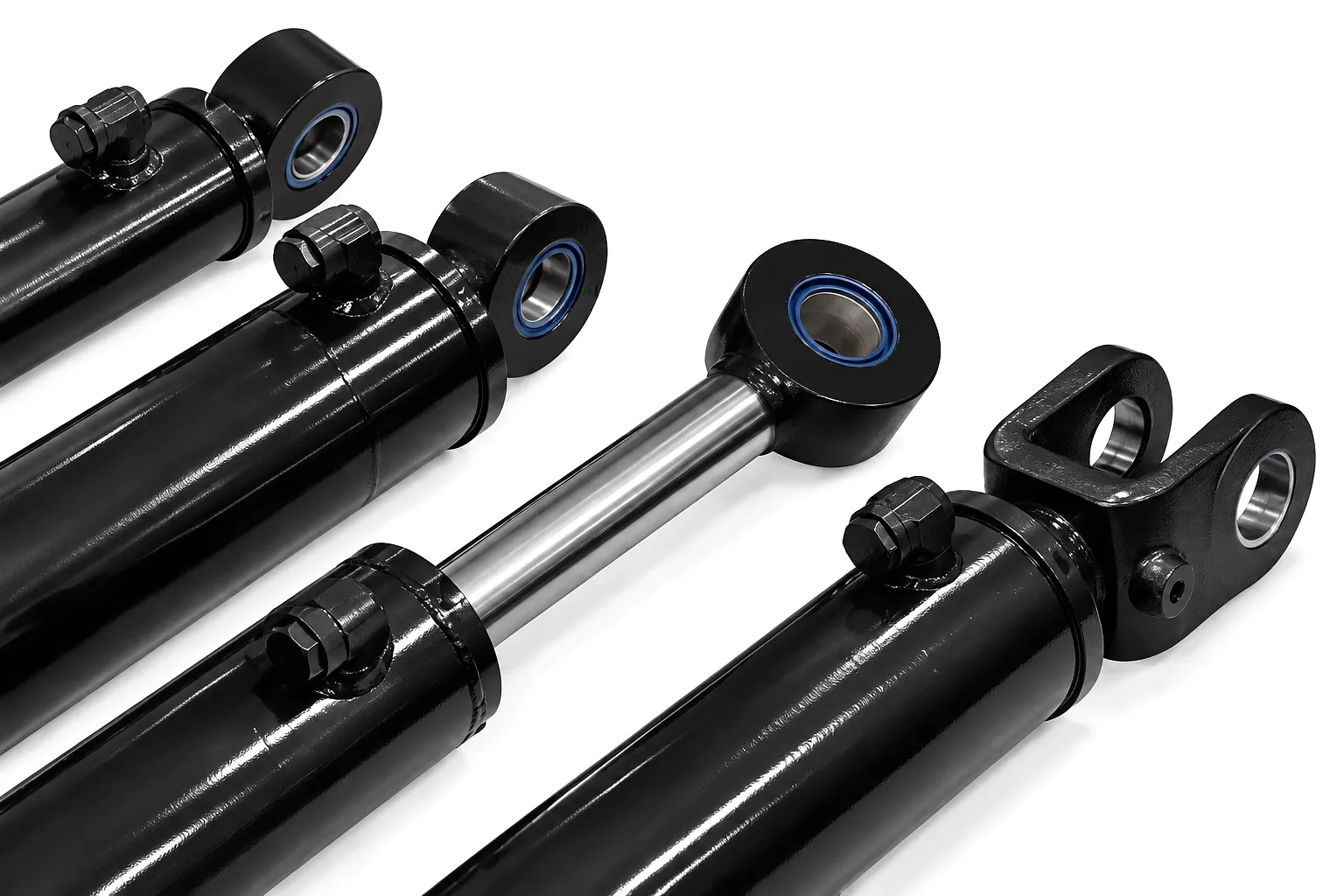
Forged or machined end caps in S355J2 structural steel, welded using certified MIG or SAW processes to EN ISO 3834-2 standards. Mounting interfaces — clevis eyes, trunnion mounts, spherical rod end bearings — are matched to the OEM crane geometry. Custom flange configurations are common when retrofitting replacement cylinders to aged crane fleets still operating across UK agriculture and quarrying, where the original OEM part supply chain has become commercially unviable.
Technical Advantages of Purpose-Engineered Loader Crane Hydraulic Cylinders
Loader crane hydraulic cylinders are subjected to an extraordinary number of operating cycles compared to stationary hydraulic equipment. A busy delivery fleet vehicle in logistics-intensive cities like Coventry or Leeds may complete upwards of 60 to 100 full boom cycles per day. Purpose-engineered cylinders with reinforced barrel walls, hardened rod surfaces, and rated seal assemblies are validated to exceed 3 million cycles without major overhaul — a performance ceiling that generic hydraulic cylinders cannot reliably meet. This extended service interval translates directly into reduced downtime and lower total lifecycle cost for UK plant operators.
The internal honing of the cylinder barrel to tight dimensional tolerances — typically H8 or better — ensures that piston seals maintain consistent contact pressure across the full stroke length. Deviations from specified bore geometry result in uneven seal wear, micro-leakage pathways, and ultimately hydraulic cylinder internal bypass — a condition where fluid crosses the piston without generating useful work. This degraded efficiency is particularly hazardous in crane applications because internal bypass manifests as unpredictable boom drift under suspended load, a failure mode with serious implications under UK Health and Safety Executive (HSE) LOLER regulations governing lifting equipment.
High-specification boom cylinders for HiAB-class cranes are typically constructed using a welded barrel design rather than tie-rod assemblies. This approach achieves superior structural rigidity, eliminating the risk of tie-rod thread fatigue under the repeated bending moments experienced during asymmetric loading — common when cranes pick from the side of a delivery truck. Welded construction also produces a more compact external profile, important where the cylinder must fit within the crane’s folded envelope to remain road-legal under UK HGV width regulations. The welded seam is 100% inspected by ultrasonic or radiographic methods in compliant manufacturing environments.
Modern hydraulic cylinders for loader cranes increasingly integrate load-holding or counterbalance valves directly at the cylinder port, rather than relying on external valve blocks. This arrangement eliminates the hose run between valve and cylinder that, if ruptured, would allow the load to descend uncontrolled. Integrated counterbalance valves set to 1.3 to 1.5 times the maximum working pressure form a critical safety barrier. This design is now considered best practice in UK crane engineering and aligns with the requirements of EN 13000 for mobile cranes and pSA safe-work guidance from LEEA (Lifting Equipment Engineers Association) applicable to operations across England, Scotland, and Wales.
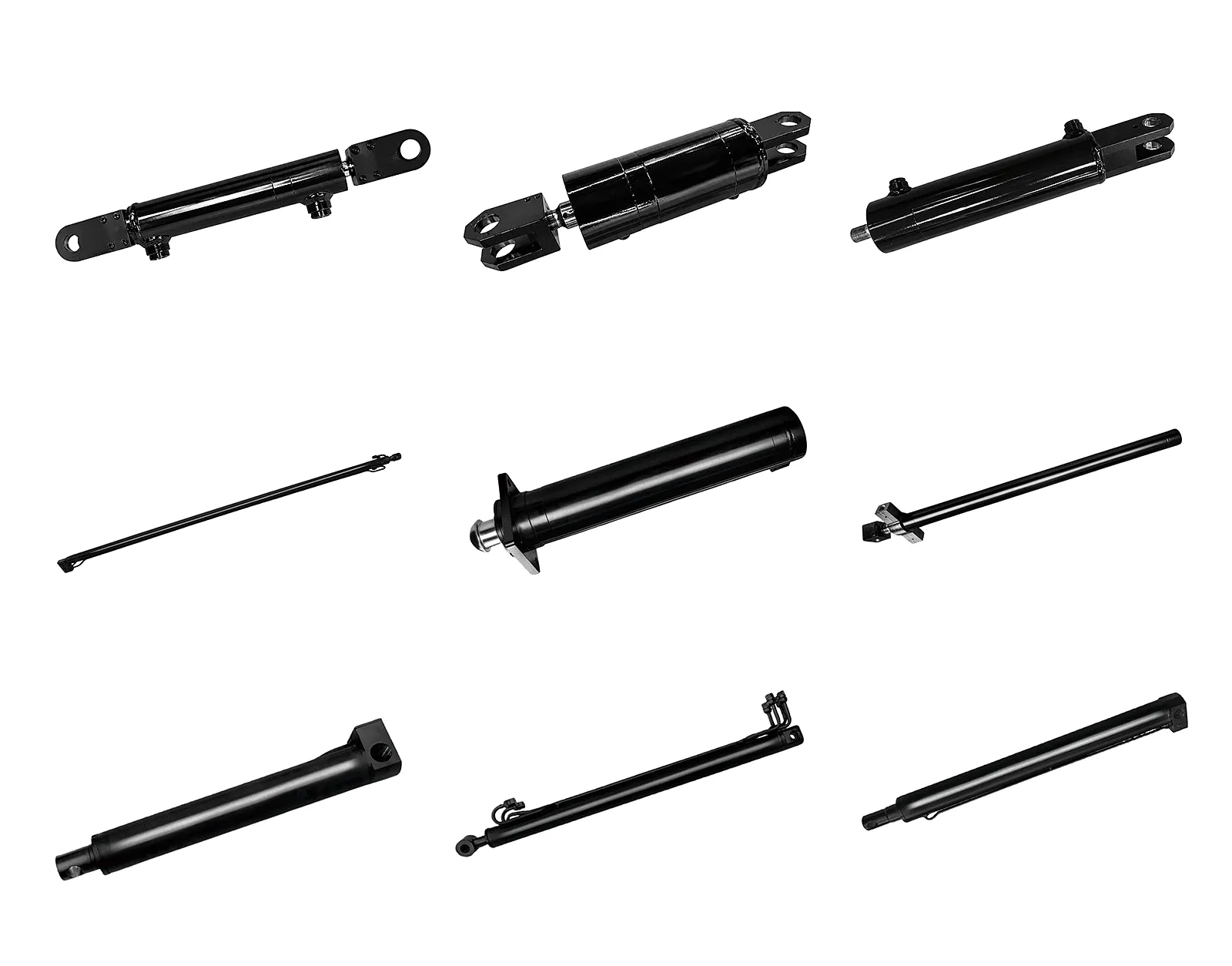
Technical and Performance Parameter Reference Table
The following table provides representative technical parameters for both boom and jib hydraulic cylinders used across HiAB-type loader crane configurations from 2-tonne-metre compact units through to large-capacity cranes common in the UK’s heavy plant and offshore sectors. Actual specifications vary by crane model and operating duty; values below reflect typical production-grade components from ISO-certified manufacturers.
| パラメータ | Boom Cylinder | Jib Cylinder |
|---|---|---|
| 穴径 | 80 mm – 160 mm | 50 mm – 120 mm |
| ロッドの直径 | 56 mm – 110 mm | 35 mm – 85 mm |
| ストローク長 | 400 mm – 750 mm | 500 mm – 950 mm |
| 最大使用圧力 | 250 – 350 bar | 200 – 300 bar |
| 試験圧力 | 1.5倍の作動圧力 | 1.5倍の作動圧力 |
| 樽の材質 | E355 / ST52.3 seamless | E355 / 316L SS (marine) |
| ロッド表面処理 | Hard chrome min. 25 μm | Hard chrome / nickel-ceramic |
| シール材 | PU + PTFE wear rings | PU + FKM (high-temp option) |
| 動作温度 | -30℃~+100℃ | -30°C to +120°C (FKM) |
| 取り付けスタイル | Trunnion / clevis pin both ends | Clevis pin / spherical rod end |
| Rated Cycle Life | > 3,000,000 cycles | > 2,500,000 cycles |
| Port Thread Standard | BSP / SAE O-ring face seal | BSP / Metric (OEM-match) |
英国全土における産業応用事例
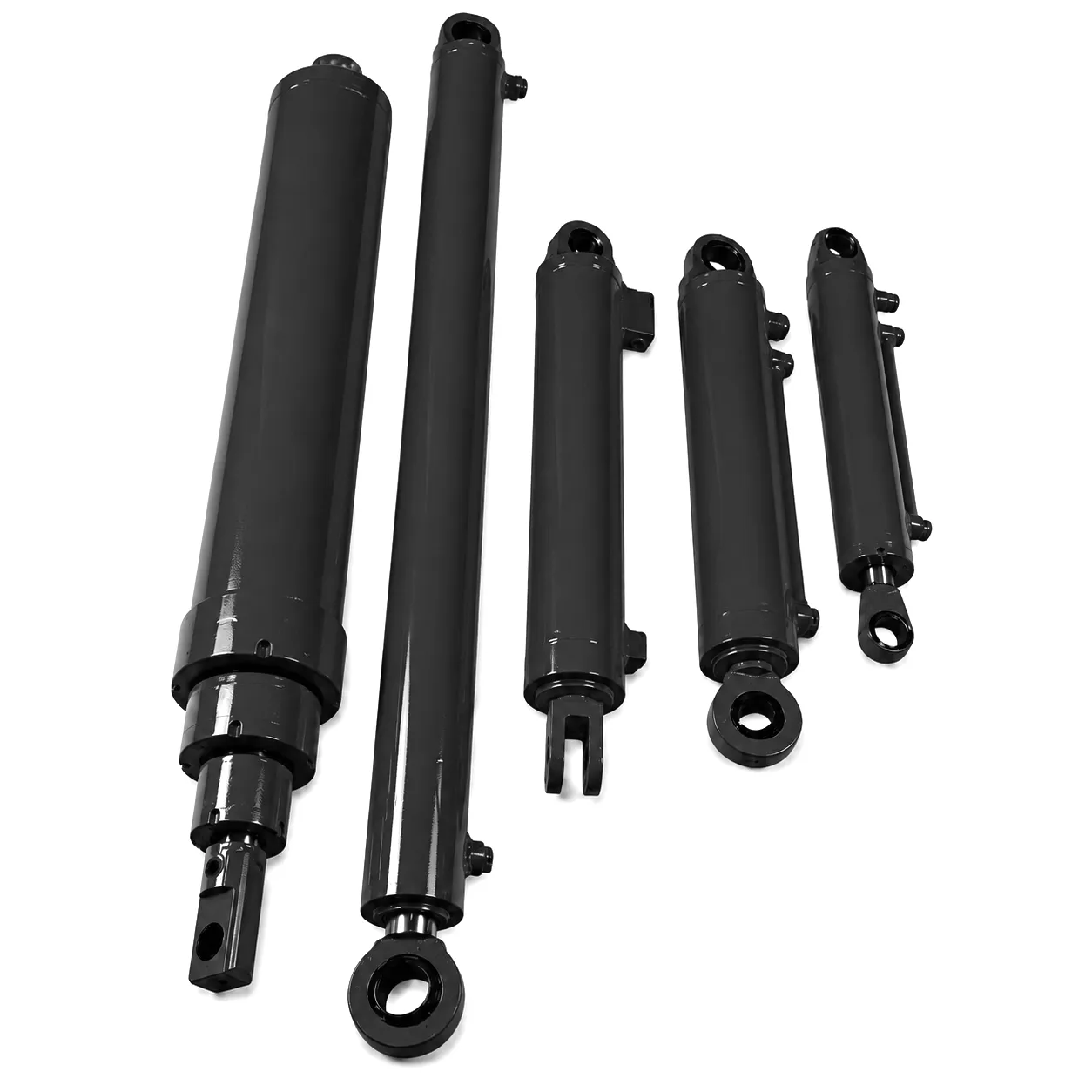
HiAB-type loader crane hydraulic cylinders serve an exceptionally wide range of UK industries. Each scenario places distinct demands on boom and jib cylinder design — and understanding these differences ensures that cylinder specifications are matched to actual operating conditions.
Customer Success Story: Birmingham Heavy Plant Services
Background
Midlands Steel Services Ltd, a structural steel distribution and just-in-time delivery operation based in Birmingham’s Tyseley industrial estate, operates a fleet of twelve HiAB 228-series loader crane trucks serving fabrication yards and construction sites across the West Midlands. In 2024, the company began experiencing accelerated jib cylinder seal failures across six vehicles in its fleet — all built within the same eighteen-month production window. Hydraulic oil weeping from the rod gland seals was generating LOLER inspection failures and forcing multiple trucks out of service simultaneously during a peak construction season. The root cause was identified as substandard chrome plating depth on the original OEM rod specification — a recurring issue the company’s workshop manager had documented over two service cycles without resolution from the original parts supplier.
Ever Power Solution
Midlands Steel Services contacted Ever Power with a worn jib cylinder sample and the original OEM dimensional drawing for dimensional verification. Ever Power’s engineering team conducted a full reverse-engineering assessment, confirming that the original OEM rod chrome thickness had been applied to a minimum 20 μm specification — inadequate for the 80-to-100-cycle daily duty this fleet experienced. Ever Power manufactured a replacement batch of twelve jib cylinders to an upgraded specification: Ck45 rod with electroless nickel-ceramic surface treatment to a minimum 60 μm functional layer, re-engineered wiper seal incorporating a spring-energised dust lip, and PU lip seals with graphite-impregnated wear rings. Delivery was completed within the agreed eight-week lead time with full EN 10204 3.1 material certificates, a 350-bar factory pressure test record for each unit, and dimensional inspection reports traceable to calibrated measuring equipment. All twelve replacement hydraulic cylinders were installed and passed LOLER thorough examination at first inspection.
Outcome
Eighteen months after installation, all twelve Ever Power jib cylinders remain in continuous service with zero seal-related LOLER failures. The fleet has logged an estimated 1.4 million combined jib cycles across the replacement units without intervention. The workshop manager reports that the rod surface condition at the last scheduled service showed no measurable chrome depletion — a stark contrast to the original OEM units, which showed visible rod surface degradation at the twelve-month inspection. The total saving versus the cost of recurring OEM replacement and associated LOLER re-inspection fees was calculated at approximately £28,000 over the eighteen-month period, not accounting for the crane downtime and lost revenue avoided during peak construction season. Midlands Steel Services has since extended its Ever Power supply relationship to cover boom cylinder replacements across two additional HiAB truck models in the same fleet.
What UK Customers Say About Ever Power Hydraulic Cylinders
“We’ve tried three different suppliers for HiAB jib cylinder replacements over the past five years, and the Ever Power units are the only ones that have actually outlasted the manufacturer’s original component in real-world service. The nickel-ceramic rod coating was the specification we needed — we just didn’t know it was available from a custom source until we found Ever Power.”
“The documentation package Ever Power supplied — pressure test certificates, material certs to 3.1, dimensional inspection reports — made our LOLER thorough examination completely straightforward. The HSE inspector commented positively on the paperwork traceability. That level of certification compliance isn’t something we’ve always received from hydraulic cylinder suppliers, and it makes a genuine operational difference for a fleet under statutory inspection.”
“Operating out of Aberdeen means our crane cylinders face constant salt spray and temperature cycling that destroys standard chrome rods within a season. Ever Power engineered a 316L stainless barrel with ceramic-chrome rod specification specifically for our offshore support vessel deck cranes. The custom mounting dimensions were matched precisely to the original Hiab configuration — no adapter fabrication required. These are the best-performing replacement cylinders we have deployed in a decade of offshore crane maintenance.”
Common Questions About Loader Crane Hydraulic Cylinders in the UK
Ready to Source Precision Loader Crane Hydraulic Cylinders?
Send your cylinder specifications or worn sample details to Ever Power’s engineering team.
 Japanese
  English
  Italian
  Portuguese
  Dutch
Dutch  Swedish
  Danish
  Finnish
  Polish
  Hindi
Hindi  Kazakh
  Turkish
  Ukrainian
  Romanian
  Spanish
  German
  Russian
  Korean
  Vietnamese
  Thai
Thai  Indonesian
  Malay
Malay  French
  Greek
Greek