
Өнім сипаттамасы
Products Description
|
Product Name |
HSG Series Hydraulic Cylinder |
|||
|
Work Press |
7/14/16/21/31.5MPa 37.5/63MPa Can be Customized |
|||
|
Материал |
Aluminum,Cast Iron,45mnb Steel,Stainless Steel |
|||
|
Bore Size |
40mm–320mm,Customizable |
|||
|
Shaft Diameter |
20mm–220mm,Customizable |
|||
|
Stroke Length |
30mm–14100mm,Customizable |
|||
|
Rod Surface Hardness |
HRC48-54 |
|||
|
Paint Color |
Black,Yellow,Blue,Brown,Customizable |
|||
|
Орнату |
Сырға, фланец, Clevis.Foot, Trunnion, теңшелетін |
|||
|
Уорренти |
1 Year |
|||
|
MOQ |
1 Piece |
|||
|
Delivery Time |
7-15 Days,Also depands on specific demands |
|||
|
Сертификаттау |
ISO9001,CE |
|||
Компания профилі
QIANGLIN HYDRAULIC MACHINERY CO., LTD
| QiangLin is a professional hydraulic equipment manufacturer, mainly engaged in hydraulic system design, manufacture, installation, transformation, sales, and technical services. Our manufacturing facilities are certified to the ISO 9001 standard. We are an approved supplier to many equipment manufacturers in China. We are also partners with many customers from America, Canada, Australia, Germany, England, and other European Countries. Product quality, shorter delivery time, and customer satisfaction are our long-term commitments to our CHINAMFG customers. Hope to be your partner. |
ЖИІ ҚОЙЫЛАТЫН СҰРАҚТАР:
Q1: Are you a trading company or a manufacturer?
A: We have our own factory.
Q2: Are you able to make Non-standard or customized products?
A: Yes, we can.
Q3: How long is your delivery time?
A: Normally, the delivery time is 7 days if we have stock, 15-30 working days if we don’t. but it
also depends on the product
requirements and quantity.
Q4: Do you provide samples? are the samples free or not?
A: Yes, we can provide samples, but they are not free of charge.
Q5: What are your payment terms?
A: 30% deposit T/T or Irrevocable L/C at sight, If you have any questions, please feel free to
contact us.
Q6: What are your After-sales services?
A: Before shipment, Each individual product will be strictly inspected on our factory QC Process
System. In addition, We have a
Customer Service team to respond to customers’ questions within 12 hours. Being helpful in
solving customers’ problems is always our goal.
| Сертификаттау: | CE, ISO9001 |
|---|---|
| Қысым: | High Pressure |
| Жұмыс температурасы: | Қалыпты температура |
| Теңшеу: |
Қолжетімді
|
|
|---|
.shipping-cost-tm .tm-status-off{background: none;padding:0;color: #1470cc}
|
Shipping Cost:
Estimated freight per unit. |
about shipping cost and estimated delivery time. |
|---|
| Payment Method: |
|
|---|---|
|
Initial Payment Full Payment |
| Currency: | US$ |
|---|
| Return&refunds: | You can apply for a refund up to 30 days after receipt of the products. |
|---|
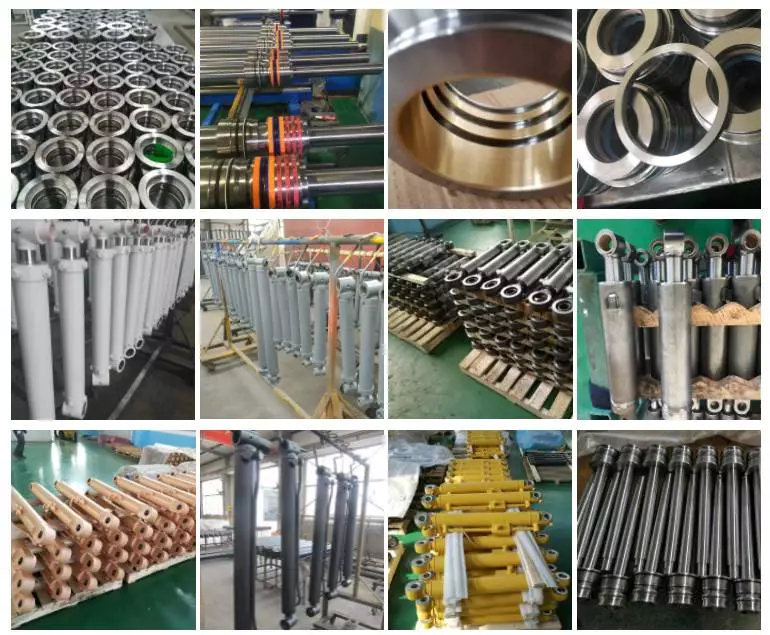
What advancements in hydraulic cylinder technology have improved energy efficiency?
Advancements in hydraulic cylinder technology have led to significant improvements in energy efficiency, allowing hydraulic systems to operate more efficiently and reduce energy consumption. These advancements aim to minimize energy losses, optimize system performance, and enhance overall efficiency. Here’s a detailed explanation of some key advancements in hydraulic cylinder technology that have improved energy efficiency:
1. Efficient Hydraulic Circuit Design:
– The design of hydraulic circuits has evolved to improve energy efficiency. Advancements in circuit design techniques, such as load-sensing, pressure-compensated systems, or variable displacement pumps, help match the hydraulic power output to the actual load requirements. These designs reduce unnecessary energy consumption by adjusting the flow and pressure levels according to the system demands, rather than operating at a fixed high pressure.
2. High-Efficiency Hydraulic Fluids:
– The development of high-efficiency hydraulic fluids, such as low-viscosity or synthetic fluids, has contributed to improved energy efficiency. These fluids offer lower internal friction and reduced resistance to flow, resulting in decreased energy losses within the system. Additionally, advanced fluid additives and formulations enhance lubrication properties, reducing friction and optimizing the overall efficiency of hydraulic cylinders.
3. Advanced Sealing Technologies:
– Seal technology has advanced significantly, leading to improved energy efficiency in hydraulic cylinders. High-performance seals, such as low-friction or low-leakage seals, minimize internal leakage and friction losses. Reduced internal leakage helps maintain system pressure more effectively, resulting in less energy waste. Additionally, innovative sealing materials and designs enhance durability and extend seal life, reducing the need for frequent maintenance and replacement.
4. Electro-Hydraulic Control Systems:
– The integration of advanced electro-hydraulic control systems has greatly contributed to energy efficiency improvements. By combining electronic control with hydraulic power, these systems enable precise control over cylinder operation, optimizing energy usage. Proportional or servo valves, along with position or force feedback sensors, allow for accurate and responsive control, ensuring that hydraulic cylinders operate at the required level of performance while minimizing energy waste.
5. Energy Recovery Systems:
– Energy recovery systems, such as hydraulic accumulators, have been increasingly utilized to improve energy efficiency in hydraulic cylinder applications. Accumulators store excess energy during low-demand periods and release it when there is a peak demand, reducing the need for the hydraulic pump to provide the full power continuously. By utilizing stored energy, these systems can significantly reduce energy consumption and improve overall system efficiency.
6. Smart Monitoring and Control:
– Advancements in smart monitoring and control technologies have enabled real-time monitoring of hydraulic systems, allowing for optimized energy usage. Integrated sensors, data analytics, and control algorithms provide insights into system performance and energy consumption, enabling operators to make informed decisions and adjustments. By identifying inefficiencies or suboptimal operating conditions, energy consumption can be minimized, leading to improved energy efficiency.
7. System Integration and Optimization:
– The integration and optimization of hydraulic systems as a whole have played a significant role in improving energy efficiency. By considering the entire system layout, component sizing, and interaction between different elements, engineers can design hydraulic systems that operate in the most energy-efficient manner. Proper sizing of components, minimizing pressure drops, and reducing unnecessary piping or valve restrictions all contribute to improved energy efficiency of hydraulic cylinders.
8. Research and Development:
– Ongoing research and development efforts in the field of hydraulic cylinder technology continue to drive energy efficiency advancements. Innovations in materials, component design, system modeling, and simulation techniques help identify areas for improvement and optimize energy usage. Additionally, collaboration between industry stakeholders, research institutions, and regulatory bodies fosters the development of energy-efficient hydraulic cylinder technologies.
In summary, advancements in hydraulic cylinder technology have resulted in notable improvements in energy efficiency. Efficient hydraulic circuit designs, high-efficiency hydraulic fluids, advanced sealing technologies, electro-hydraulic control systems, energy recovery systems, smart monitoring and control, system integration and optimization, as well as ongoing research and development efforts, all contribute to reducing energy consumption and enhancing the overall energy efficiency of hydraulic cylinders. These advancements not only benefit the environment but also offer cost savings and improved performance in various hydraulic applications.
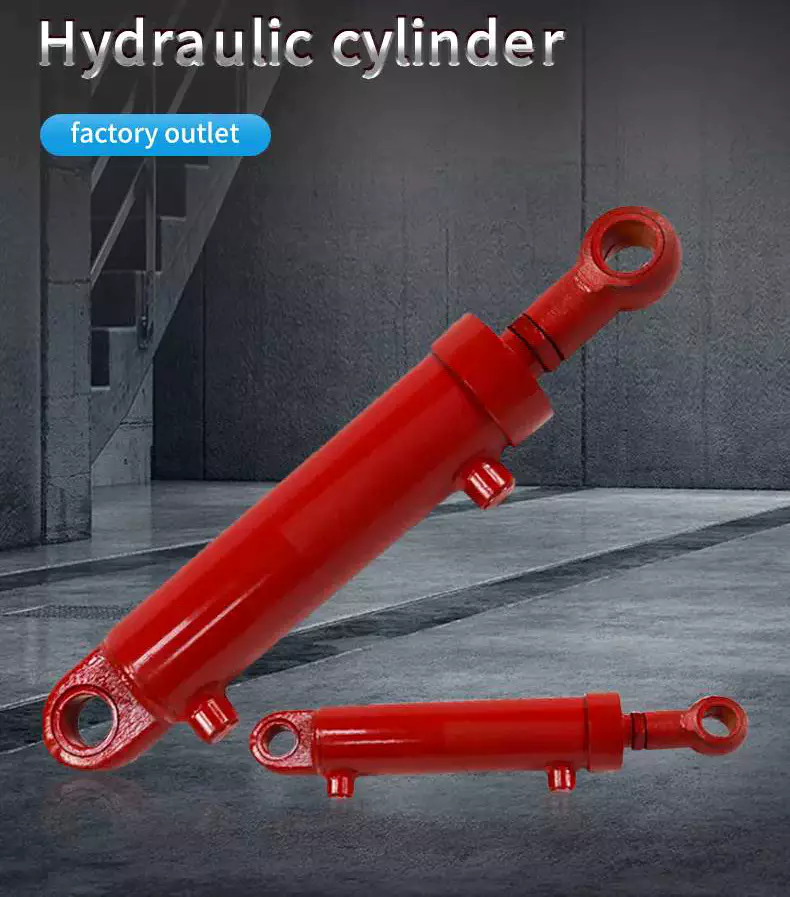
Impact of Hydraulic Cylinders on Overall Productivity of Manufacturing Operations
Hydraulic cylinders play a crucial role in enhancing the overall productivity of manufacturing operations. These versatile devices are widely used in various industrial applications due to their ability to generate powerful and controlled linear motion. Let’s explore how hydraulic cylinders impact the overall productivity of manufacturing operations:
- Powerful Force Generation: Hydraulic cylinders are capable of generating high forces, which enables them to handle heavy loads and perform demanding tasks. By providing the necessary force, hydraulic cylinders facilitate efficient and effective operation of machinery and equipment in manufacturing processes. This ability to exert substantial force contributes to increased productivity by enabling the handling of larger workpieces, enhancing process efficiency, and reducing manual labor requirements.
- Precision and Control: Hydraulic cylinders offer precise control over the movement of loads, allowing for accurate positioning, alignment, and repetitive tasks. The smooth and controlled linear motion provided by hydraulic cylinders ensures precise operation in manufacturing processes, such as assembly, material handling, and machining. This precision and control minimize errors, rework, and scrap, leading to improved productivity and higher-quality output.
- Speed and Efficiency: Hydraulic cylinders can operate at high speeds, enabling rapid movement and cycle times in manufacturing operations. The combination of high force and speed allows for faster operation of machinery and equipment, reducing production cycle times and increasing overall throughput. By optimizing the speed and efficiency of manufacturing processes, hydraulic cylinders contribute to improved productivity and output.
- Flexibility and Adaptability: Hydraulic cylinders are highly flexible and adaptable to different manufacturing applications. They can be customized to meet specific requirements, such as load capacity, stroke length, and mounting options. This versatility allows hydraulic cylinders to be integrated into a wide range of machinery and equipment, accommodating diverse manufacturing needs. The ability to adapt to different tasks and environments enhances overall productivity by enabling efficient utilization of resources and facilitating process optimization.
- Reliability and Durability: Hydraulic cylinders are known for their robustness and durability, making them suitable for demanding manufacturing environments. Their ability to withstand heavy loads, repeated use, and harsh operating conditions ensures reliable performance over extended periods. Minimizing downtime due to cylinder failure or maintenance requirements contributes to increased productivity and uninterrupted manufacturing operations.
In summary, hydraulic cylinders have a significant impact on the overall productivity of manufacturing operations. Their powerful force generation, precision and control, speed and efficiency, flexibility and adaptability, as well as reliability and durability, contribute to optimized processes, increased throughput, improved quality, and reduced labor requirements. By leveraging the capabilities of hydraulic cylinders, manufacturers can enhance productivity, streamline operations, and achieve greater efficiency in their manufacturing processes.

Гидравликалық цилиндрлер гидравликалық сұйықтықты пайдаланып күш пен қозғалысты қалай тудырады?
Гидравликалық цилиндрлер сұйықтық механикасының принциптерін, атап айтқанда Паскаль заңын гидравликалық сұйықтықтың қасиеттерімен бірге пайдалану арқылы күш пен қозғалыс тудырады. Бұл процесс гидравликалық энергияны механикалық күшке және сызықтық қозғалысқа түрлендіруді қамтиды. Гидравликалық цилиндрлердің мұны қалай жүзеге асыратыны туралы егжей-тегжейлі түсініктеме:
1. Паскаль заңы:
– Гидравликалық цилиндрлер Паскаль заңына негізделіп жұмыс істейді, ол бойынша қысым жабық кеңістіктегі сұйықтыққа түскенде, ол барлық бағытта бірдей беріледі. Гидравликалық цилиндрлер тұрғысынан бұл гидравликалық сұйықтық қысымға ұшыраған кезде күш сұйықтық бойымен біркелкі таралады және сұйықтықпен жанасатын барлық беттерге беріледі дегенді білдіреді.
2. Гидравликалық сұйықтық және қысым:
– Гидравликалық жүйелер жұмыс ортасы ретінде арнайы сұйықтықты, әдетте гидравликалық майды пайдаланады. Бұл сұйықтық резервуарда сақталады және жүйе арқылы гидравликалық сорғы арқылы айналады. Сорғы сұйықтықты қысымдап, гидравликалық цилиндрлерді қоса алғанда, әртүрлі компоненттерге басқарылатын және бағытталатын гидравликалық қысым жасайды.
3. Цилиндр дизайны және компоненттері:
– Гидравликалық цилиндрлер цилиндрлік ұңғы, поршень, поршень штангасы және әртүрлі тығыздағыштар сияқты бірнеше негізгі компоненттерден тұрады. Ұңғы – поршеньді орналастыратын және сұйықтық ағынын қамтамасыз ететін қуыс түтік. Поршень цилиндрді екі камераға бөледі: штанга жағы және қақпақ жағы. Поршень штангасы поршеньнен шығып, сыртқы жүктемелер үшін қосылу нүктесін қамтамасыз етеді. Тығыздағыштар сұйықтықтың ағып кетуіне жол бермеу және цилиндр ішіндегі гидравликалық қысымды ұстап тұру үшін қолданылады.
4. Сұйықтықтың енуі және қозғалысы:
– Күш пен қозғалыс тудыру үшін гидравликалық сұйықтық цилиндрдің бір жағына бағытталып, поршеньнің сәйкес бетіне қысым жасайды. Бұл қысым сұйықтық арқылы поршеньнің екінші жағына беріледі.
5. Күш тудыру:
– Гидравликалық цилиндр тудыратын күш поршеньнің белгілі бір бетіне түсетін қысымның нәтижесі болып табылады. Гидравликалық цилиндр әсер ететін күшті келесі формула бойынша есептеуге болады: Күш = Қысым × Аудан. Ауданы сұйықтық цилиндрдің қай жағына әсер ететініне байланысты поршеньнің немесе поршень штангасының диаметрімен анықталады.
6. Сызықтық қозғалыс:
– Қысымдағы гидравликалық сұйықтық поршеньге әсер еткенде, ол поршеньді цилиндр ішінде сызықтық бағытта қозғалтатын күш тудырады. Бұл сызықтық қозғалыс поршень штангасына беріледі, ол тиісінше созылады немесе артқа шегінеді. Поршень штангасын сыртқы компоненттерге немесе механизмдерге қосуға болады, бұл пайда болған күштің көтеру, итеру, тарту немесе басқару механизмдері сияқты әртүрлі тапсырмаларды орындауына мүмкіндік береді.
7. Бақылау және реттеу:
– Гидравликалық цилиндрлер тудыратын күш пен қозғалысты гидравликалық сұйықтықтың цилиндрге ағынын реттеу арқылы басқаруға және реттеуге болады. Сұйықтықтың ағын жылдамдығын, қысымын және бағытын реттеу арқылы цилиндр қозғалысының жылдамдығын, күшін және бағытын дәл басқаруға болады. Бұл басқару күрделі машиналарда бірнеше цилиндрді дәл орналастыруға, бірқалыпты жұмыс істеуге және синхрондауға мүмкіндік береді.
8. Сұйықтықтың қайтарылуы және қайта айналымы:
– Гидравликалық цилиндр жүрісін аяқтағаннан кейін, поршеньнің қарама-қарсы жағындағы гидравликалық сұйықтық резервуарға қайтарылуы керек. Бұл әдетте ағын бағытын басқаратын гидравликалық клапандар арқылы жүзеге асырылады, бұл сұйықтықтың қайта оралуына және жүйеде әрі қарай пайдалану үшін қайта айналымға түсуіне мүмкіндік береді.
Қорытындылай келе, гидравликалық цилиндрлер Паскаль заңының принциптерін пайдалану арқылы күш пен қозғалыс тудырады. Қысымдағы гидравликалық сұйықтық поршеньге әсер етеді, поршеньді сызықтық бағытта қозғалтатын күш тудырады. Бұл сызықтық қозғалыс поршень штангасына беріледі, бұл пайда болған күштің әртүрлі тапсырмаларды орындауына мүмкіндік береді. Гидравликалық сұйықтық ағынын басқару арқылы гидравликалық цилиндрлердің күші мен қозғалысын дәл реттеуге болады, бұл олардың әмбебаптығына және машина жасауда кең қолданылуына ықпал етеді.


editor by CX 2023-11-06
 Kazakh
  English
  Italian
  Portuguese
  Dutch
Dutch  Swedish
  Danish
  Finnish
  Polish
  Hindi
Hindi  Turkish
  Ukrainian
  Romanian
  Spanish
  German
  Russian
  Korean
  Japanese
  Vietnamese
  Thai
Thai  Indonesian
  Malay
Malay  French
  Greek
Greek