
Өнім сипаттамасы
ISO 9001 standard steel material tie rod hydraulic piston cylinder
- Product information
- Specification
Материал
| Tube – Cold Drawn / Honed Tubing Piston Rod – Chromed, ground & polished 45#steel Rod Seals – Polyurethane U-Cap End Caps – Steel, threaded fixed Wear Ring – Nylon Backup Washer Mounts – Trunnion with angular Swivels |
Application
| Agriculture, Concrete & Asphalt, Cranes, Fire & Rescue,Forestry & Logging,Mining & Rock Crushing,Oil & Gas,Snow & Ice Control,Waste Management and Material Recycling Industry , Engineering Equipment, Special Vehicle, Fitness equipment
|
Feature | 1.High quality with a reasonable price 2.ISO9001-2008 3.Customized specification are accepted |
Payment | T/T;L/C,WESTERN UNION |
Port | HangZhou/ZheJiang , China |
Quotation | According to the specific request |
MOQ | According to the product |
Қаптама
| metal case;plywood case;carton or as requirement |
Delivery time | 30days upon receipt of 30% deposit; or upon receipt of relevant L/C; |
- About us
We specialize in this line for more than 20 years and trader with main products as follows: hydraulic cylinders, hydraulic power units, hydraulic manifolds-blocks, hydraulic flanges,pneumatic cylinders and custom-made components and parts, like industrial valves.
Our sales markets have covered North America, Europe, Australia, Japan and ect.
- Working Process
- Packaging & shipping
- FAQ
Q1: Do you accept OEM manufacturing?
A1: Yes! We do accept OEM manufacturing. We will quote you the exact price and make the exact cylinder according to your specification and drawing.
Q2: Can we design our own package or print our own logo?
A2: Yes! Package and logo will be made acording to your requirements.
Q3: Could we get small quantity samples?
A3: Yes! We understand the quality test is important and we are glad to make the sample for you. The MOQ is 1pcs.
Q4: How long is the production time?
A4: Generally the production time is 30 days.
Q5: What is the warranty?
A5: 12 months against B/L date.
Contact me, any comments will be appreciated.
Ellen Wang
| Certification: | CE, ISO9001 |
|---|---|
| Pressure: | Medium Pressure |
| Work Temperature: | Normal Temperature |
| Samples: | US$ 119/Piece 1 Piece(Min.Order) | Order Sample |
|---|
| Customization: | Available |
|
|---|
.shipping-cost-tm .tm-status-off{background: none;padding:0;color: #1470cc}
| Shipping Cost: Estimated freight per unit. | about shipping cost and estimated delivery time. |
|---|
| Payment Method: |
|
|---|---|
| Initial Payment Full Payment |
| Currency: | US$ |
|---|
| Return&refunds: | You can apply for a refund up to 30 days after receipt of the products. |
|---|
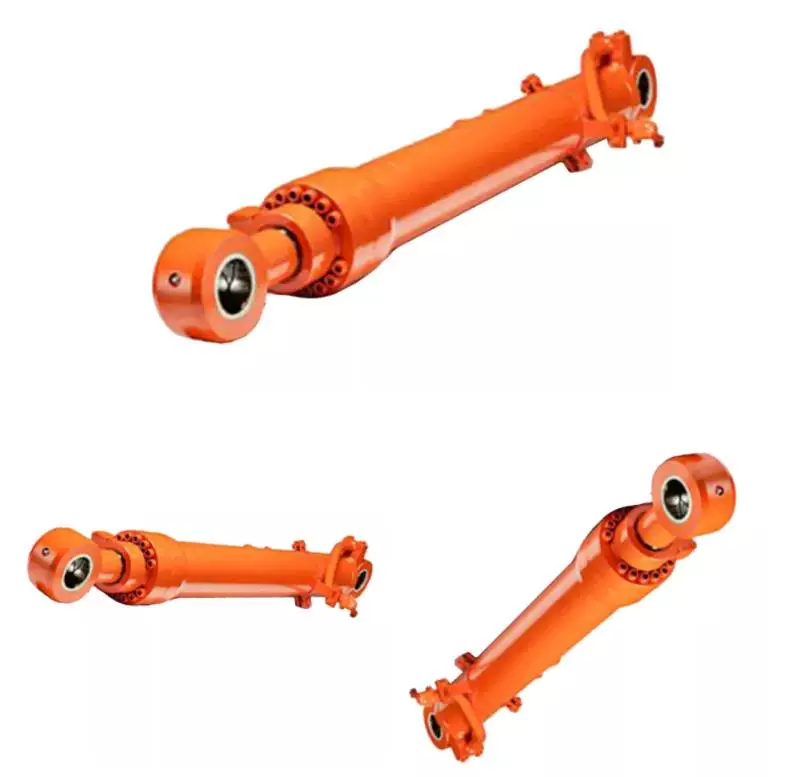
How do hydraulic cylinders handle the challenges of minimizing friction and wear?
Hydraulic cylinders employ several mechanisms and techniques to effectively minimize friction and wear, ensuring optimal performance and longevity. Minimizing friction and wear is crucial for hydraulic cylinders as it helps to maintain efficiency, reduce energy consumption, and prevent premature failure. Here’s a detailed explanation of how hydraulic cylinders handle the challenges of minimizing friction and wear:
1. Lubrication:
– Proper lubrication is essential for minimizing friction and wear in hydraulic cylinders. Lubricating fluids, such as hydraulic oils, are used to create a thin film between moving surfaces, reducing direct metal-to-metal contact. This lubricating film acts as a protective barrier, reducing friction and preventing wear. Regular maintenance practices include monitoring and maintaining the appropriate lubricant levels to ensure optimal lubrication and minimize frictional losses.
2. Surface Finishes:
– The surface finishes of components in hydraulic cylinders play a crucial role in minimizing friction and wear. Smoother surface finishes, achieved through precision machining, grinding, or the application of specialized coatings, reduce surface roughness and frictional resistance. By minimizing surface irregularities, the risk of wear and friction-induced damage is significantly reduced, resulting in improved efficiency and extended component life.
3. High-Quality Sealing Systems:
– Well-designed and high-quality sealing systems are crucial for minimizing friction and wear in hydraulic cylinders. Seals prevent fluid leakage and contamination while maintaining proper lubrication. Advanced sealing materials, such as polyurethane or composite materials, offer excellent wear resistance and low friction characteristics. Optimal seal design and proper installation ensure effective sealing, minimizing friction and wear between the piston and cylinder bore.
4. Proper Alignment and Clearances:
– Hydraulic cylinders must be properly aligned and have appropriate clearances to minimize friction and wear. Misalignment or excessive clearances can result in increased friction and uneven wear, leading to premature failure. Proper installation, alignment, and maintenance practices, including regular inspection and adjustment of clearances, help ensure smooth and even movement of the piston within the cylinder, reducing friction and wear.
5. Filtration and Contamination Control:
– Effective filtration and contamination control are essential for minimizing friction and wear in hydraulic cylinders. Contaminants, such as particles or moisture, can act as abrasive agents, accelerating wear and increasing friction. By implementing robust filtration systems and proper maintenance practices, hydraulic systems can prevent the ingress of contaminants, ensuring clean and properly lubricated components. Clean hydraulic fluids help minimize wear and friction, contributing to improved performance and longevity.
6. Material Selection:
– The selection of appropriate materials for hydraulic cylinder components is crucial in minimizing friction and wear. Components subject to high frictional forces, such as pistons and cylinder bores, can be made from materials with excellent wear resistance, such as hardened steel or composite materials. Additionally, selecting materials with low coefficients of friction helps reduce frictional losses. Proper material selection ensures durability and minimized wear in critical components of hydraulic cylinders.
7. Maintenance and Regular Inspection:
– Regular maintenance and inspection practices are vital for identifying and addressing potential issues that could lead to increased friction and wear in hydraulic cylinders. Scheduled maintenance includes lubrication checks, seal inspections, and monitoring of clearances. By promptly detecting and rectifying any signs of wear or misalignment, hydraulic cylinders can be kept in optimal condition, minimizing friction and wear throughout their operational lifespan.
In summary, hydraulic cylinders employ various strategies to handle the challenges of minimizing friction and wear. These include proper lubrication, employing suitable surface finishes, utilizing high-quality sealing systems, ensuring proper alignment and clearances, implementing effective filtration and contamination control measures, selecting appropriate materials, and conducting regular maintenance and inspections. By implementing these practices, hydraulic cylinders can minimize friction and wear, ensuring smooth and efficient operation while extending the overall lifespan of the system.
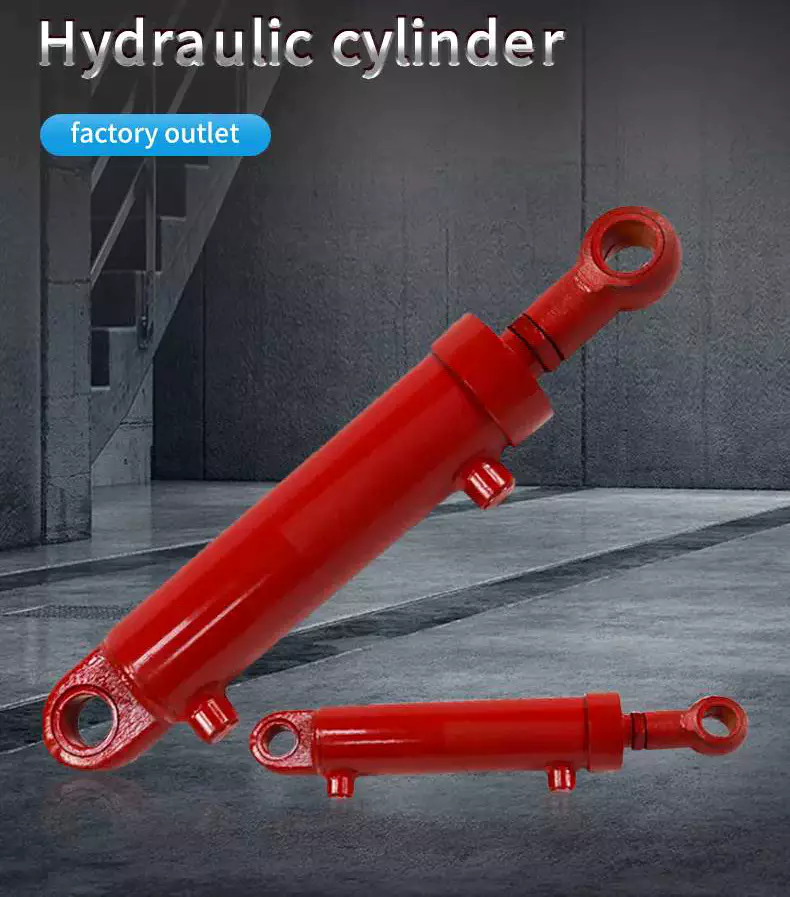
Impact of Hydraulic Cylinders on Overall Productivity of Manufacturing Operations
Hydraulic cylinders play a crucial role in enhancing the overall productivity of manufacturing operations. These versatile devices are widely used in various industrial applications due to their ability to generate powerful and controlled linear motion. Let’s explore how hydraulic cylinders impact the overall productivity of manufacturing operations:
- Powerful Force Generation: Hydraulic cylinders are capable of generating high forces, which enables them to handle heavy loads and perform demanding tasks. By providing the necessary force, hydraulic cylinders facilitate efficient and effective operation of machinery and equipment in manufacturing processes. This ability to exert substantial force contributes to increased productivity by enabling the handling of larger workpieces, enhancing process efficiency, and reducing manual labor requirements.
- Precision and Control: Hydraulic cylinders offer precise control over the movement of loads, allowing for accurate positioning, alignment, and repetitive tasks. The smooth and controlled linear motion provided by hydraulic cylinders ensures precise operation in manufacturing processes, such as assembly, material handling, and machining. This precision and control minimize errors, rework, and scrap, leading to improved productivity and higher-quality output.
- Speed and Efficiency: Hydraulic cylinders can operate at high speeds, enabling rapid movement and cycle times in manufacturing operations. The combination of high force and speed allows for faster operation of machinery and equipment, reducing production cycle times and increasing overall throughput. By optimizing the speed and efficiency of manufacturing processes, hydraulic cylinders contribute to improved productivity and output.
- Flexibility and Adaptability: Hydraulic cylinders are highly flexible and adaptable to different manufacturing applications. They can be customized to meet specific requirements, such as load capacity, stroke length, and mounting options. This versatility allows hydraulic cylinders to be integrated into a wide range of machinery and equipment, accommodating diverse manufacturing needs. The ability to adapt to different tasks and environments enhances overall productivity by enabling efficient utilization of resources and facilitating process optimization.
- Reliability and Durability: Hydraulic cylinders are known for their robustness and durability, making them suitable for demanding manufacturing environments. Their ability to withstand heavy loads, repeated use, and harsh operating conditions ensures reliable performance over extended periods. Minimizing downtime due to cylinder failure or maintenance requirements contributes to increased productivity and uninterrupted manufacturing operations.
In summary, hydraulic cylinders have a significant impact on the overall productivity of manufacturing operations. Their powerful force generation, precision and control, speed and efficiency, flexibility and adaptability, as well as reliability and durability, contribute to optimized processes, increased throughput, improved quality, and reduced labor requirements. By leveraging the capabilities of hydraulic cylinders, manufacturers can enhance productivity, streamline operations, and achieve greater efficiency in their manufacturing processes.
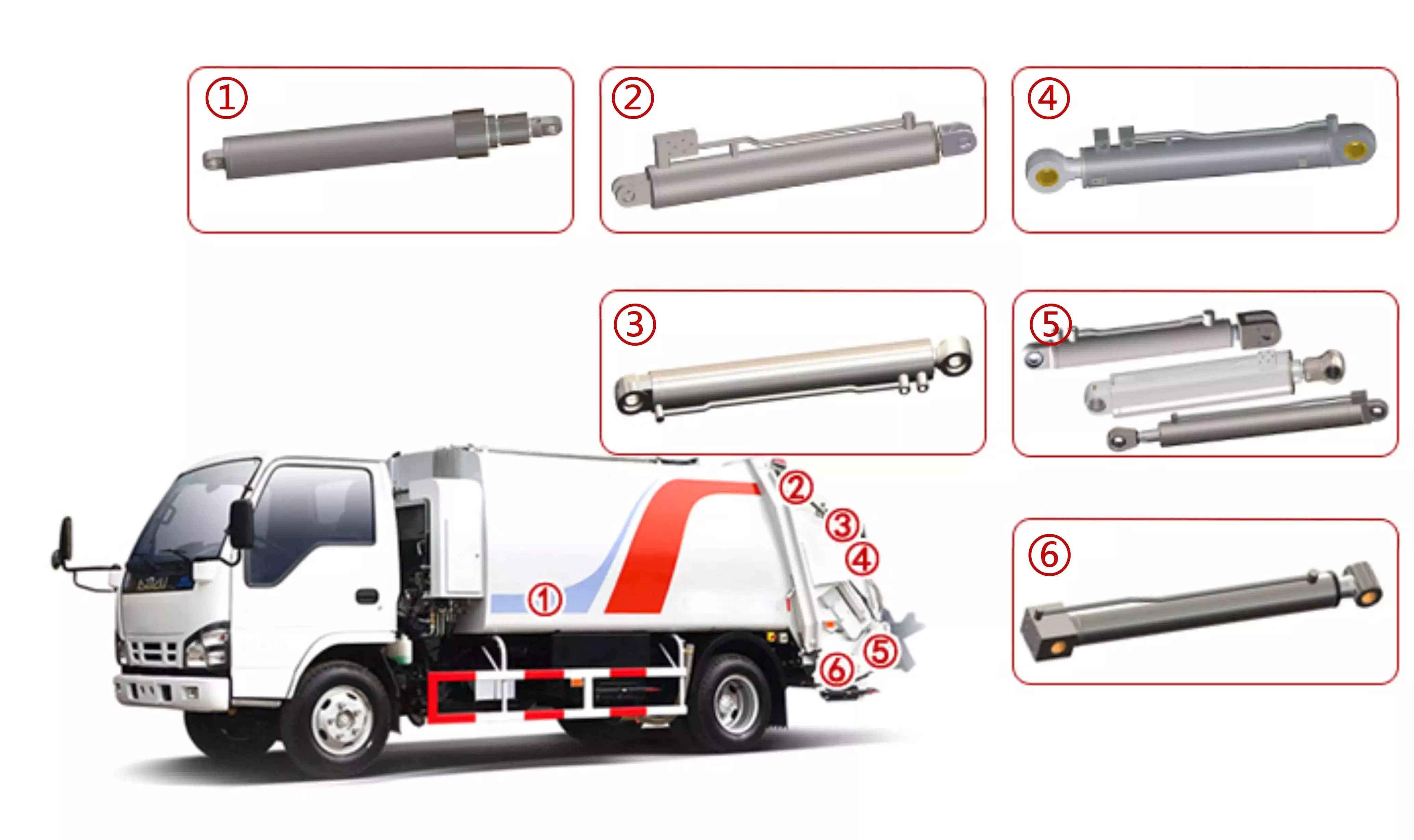
Гидравликалық цилиндрлер жүріс ұзындығы мен күш талаптарының өзгеруіне қалай бейімделеді?
Гидравликалық цилиндрлер жүріс ұзындығы мен күш талаптарының ауытқуларын ескере отырып жасалған, бұл әртүрлі қолданбаларға икемділік пен бейімделуді қамтамасыз етеді. Оларды поршень диаметрі, шыбық диаметрі, гидравликалық қысым және цилиндр дизайны сияқты факторларды ескере отырып, нақты қажеттіліктерді қанағаттандыру үшін бейімдеуге болады. Гидравликалық цилиндрлердің жүріс ұзындығы мен күш талаптарының ауытқуларын қалай ескеретіні туралы егжей-тегжейлі түсініктеме берілген:
1. Цилиндрдің өлшемі мен дизайны:
– Гидравликалық цилиндрлер әртүрлі жүріс ұзындықтары мен күш талаптарын қанағаттандыру үшін әртүрлі өлшемдер мен конструкцияларда болады. Цилиндрдің диаметрі, поршень ауданы және шыбық диаметрі күш шығысын анықтайтын негізгі факторлар болып табылады. Үлкен цилиндр диаметрлері мен поршень аудандары үлкен күш тудыруы мүмкін, ал кіші диаметрлер аз күш қажет ететін қолданбаларға жарамды. Тиісті цилиндр өлшемі мен конструкциясын таңдау арқылы жүріс ұзындықтары мен күш талаптарын тиімді түрде қанағаттандыруға болады.
2. Поршень және шыбық конфигурациялары:
– Гидравликалық цилиндрлерді жүріс ұзындығының ауытқуларын ескере отырып, әртүрлі поршень мен штанга конфигурацияларымен жобалауға болады. Бір реттік цилиндрлерде бір поршень болады және бір бағытта жүріс жасай алады. Екі реттік цилиндрлерде екі жағында да поршень болады, бұл екі бағытта да жүріс жасауға мүмкіндік береді. Телескопиялық цилиндрлер созылып, тартыла алатын бірнеше сатыдан тұрады, бұл стандартты цилиндрлермен салыстырғанда жүріс ұзындығын ұзартады. Тиісті поршень мен штанга конфигурациясын таңдау арқылы қажетті жүріс ұзындығына қол жеткізуге болады.
3. Гидравликалық қысым және ағын:
– Цилиндрге берілетін гидравликалық қысым мен ағын жылдамдығы күш талаптарының ауытқуларын ескеруде маңызды рөл атқарады. Гидравликалық қысымды арттыру цилиндрдің күш шығысын арттырады, бұл оған жоғары күш талаптарын орындауға мүмкіндік береді. Гидравликалық клапандар мен сорғылар арқылы қысым мен ағын жылдамдығын реттеу арқылы күш шығысын басқаруға және қолданудың нақты талаптарына сәйкестендіруге болады.
4. Теңшеу және тігу:
– Гидравликалық цилиндрлерді белгілі бір жүріс ұзындығы мен күш талаптарына сәйкестендіру үшін теңшеуге және бейімдеуге болады. Өндірушілер цилиндр өлшемдерінің, жүріс ұзындықтарының және күш сыйымдылықтарының кең ауқымын ұсынады. Сонымен қатар, арнайы жүріс ұзындығы мен күш талаптары бар бірегей қолданбаларға сәйкес келетін арнайы жасалған цилиндрлерді жасауға болады. Гидравликалық цилиндр өндірушілерімен тығыз ынтымақтастық арқылы қажетті жүріс ұзындығы мен күш талаптарына дәл сәйкес келетін цилиндрлерді алуға болады.
5. Бірнеше цилиндр және синхрондау:
– Жоғары күшті немесе ұзын жүріс ұзындығын қажет ететін қолданбаларда бірнеше гидравликалық цилиндрлерді бірге пайдалануға болады. Гидравликалық жүйе арқылы бірнеше цилиндрдің қозғалысын синхрондау арқылы жүріс ұзындығы мен күш шығысын тиімді түрде арттыруға болады. Синхрондауды механикалық байланыстарды, электрондық басқару элементтерін немесе гидравликалық тізбектерді пайдаланып жүзеге асыруға болады, бұл цилиндрлер бойынша үйлесімді қозғалыс пен күштің таралуын қамтамасыз етеді.
6. Жүктемені сезу және қысымды басқару:
– Гидравликалық жүйелер күш талаптарының ауытқуларын ескеру үшін жүктемені сезу және қысымды басқару механизмдерін қамтуы мүмкін. Жүктемені сезу жүйелері жүктемеге деген сұранысты бақылайды және гидравликалық қысымды тиісінше реттейді, бұл цилиндрдің шамадан тыс күш жұмсамай қажетті күшті беретініне көз жеткізеді. Қысымды басқару клапандары гидравликалық жүйедегі қысымды реттейді, бұл қолданбаның қажеттіліктеріне негізделген күш шығысын дәл басқаруға және реттеуге мүмкіндік береді.
7. Қауіпсіздік мәселелері:
– Жүріс ұзындығы мен күш талаптарының ауытқуларын ескерген кезде қауіпсіздік факторларын ескеру қажет. Гидравликалық цилиндрлер күтпеген жүктемелерге немесе жұмыс жағдайларының ауытқуларына төтеп беру үшін тиісті қауіпсіздік шегімен таңдалуы және жобалануы керек. Күш шегінен асып кеткен жағдайларда зақымдануды немесе істен шығуды болдырмау үшін шамадан тыс жүктемеден қорғау клапандары және қысымды төмендету клапандары сияқты қауіпсіздік механизмдерін енгізуге болады.
Цилиндр өлшемі мен дизайны, поршень мен шыбық конфигурациялары, гидравликалық қысым мен ағын, теңшеу опциялары, синхрондау, жүктемені сезу, қысымды басқару және қауіпсіздік мәселелері сияқты факторларды ескере отырып, гидравликалық цилиндрлер жүріс ұзындығы мен күш талаптарының ауытқуларын тиімді түрде бейімдей алады. Бұл икемділік гидравликалық цилиндрлерді кең ауқымды қолданбалардың нақты талаптарын қанағаттандыру үшін бейімдеуге мүмкіндік береді, бұл оңтайлы өнімділік пен тиімділікті қамтамасыз етеді.


editor by CX 2023-10-19
 Kazakh
  English
  Italian
  Portuguese
  Dutch
Dutch  Swedish
  Danish
  Finnish
  Polish
  Hindi
Hindi  Turkish
  Ukrainian
  Romanian
  Spanish
  German
  Russian
  Korean
  Japanese
  Vietnamese
  Thai
Thai  Indonesian
  Malay
Malay  French
  Greek
Greek