
Descrição do produto
ISO 9001 standard steel material tie rod hydraulic piston cylinder
- Product information
- Specification
Material
| Tube – Cold Drawn / Honed Tubing Piston Rod – Chromed, ground & polished 45#steel Rod Seals – Polyurethane U-Cap End Caps – Steel, threaded fixed Wear Ring – Nylon Backup Washer Mounts – Trunnion with angular Swivels |
Application
| Agriculture, Concrete & Asphalt, Cranes, Fire & Rescue,Forestry & Logging,Mining & Rock Crushing,Oil & Gas,Snow & Ice Control,Waste Management and Material Recycling Industry , Engineering Equipment, Special Vehicle, Fitness equipment
|
Feature | 1.High quality with a reasonable price 2.ISO9001-2008 3.Customized specification are accepted |
Payment | T/T;L/C,WESTERN UNION |
Port | HangZhou/ZheJiang , China |
Quotation | According to the specific request |
MOQ | According to the product |
Embalagem
| metal case;plywood case;carton or as requirement |
Delivery time | 30days upon receipt of 30% deposit; or upon receipt of relevant L/C; |
- About us
We specialize in this line for more than 20 years and trader with main products as follows: hydraulic cylinders, hydraulic power units, hydraulic manifolds-blocks, hydraulic flanges,pneumatic cylinders and custom-made components and parts, like industrial valves.
Our sales markets have covered North America, Europe, Australia, Japan and ect.
- Working Process
- Packaging & shipping
- FAQ
Q1: Do you accept OEM manufacturing?
A1: Yes! We do accept OEM manufacturing. We will quote you the exact price and make the exact cylinder according to your specification and drawing.
Q2: Can we design our own package or print our own logo?
A2: Yes! Package and logo will be made acording to your requirements.
Q3: Could we get small quantity samples?
A3: Yes! We understand the quality test is important and we are glad to make the sample for you. The MOQ is 1pcs.
Q4: How long is the production time?
A4: Generally the production time is 30 days.
Q5: What is the warranty?
A5: 12 months against B/L date.
Contact me, any comments will be appreciated.
Ellen Wang
| Certification: | CE, ISO9001 |
|---|---|
| Pressure: | Medium Pressure |
| Work Temperature: | Normal Temperature |
| Samples: | US$ 119/Piece 1 Piece(Min.Order) | Order Sample |
|---|
| Customization: | Available |
|
|---|
.shipping-cost-tm .tm-status-off{background: none;padding:0;color: #1470cc}
| Shipping Cost: Estimated freight per unit. | about shipping cost and estimated delivery time. |
|---|
| Payment Method: |
|
|---|---|
| Initial Payment Full Payment |
| Currency: | US$ |
|---|
| Return&refunds: | You can apply for a refund up to 30 days after receipt of the products. |
|---|
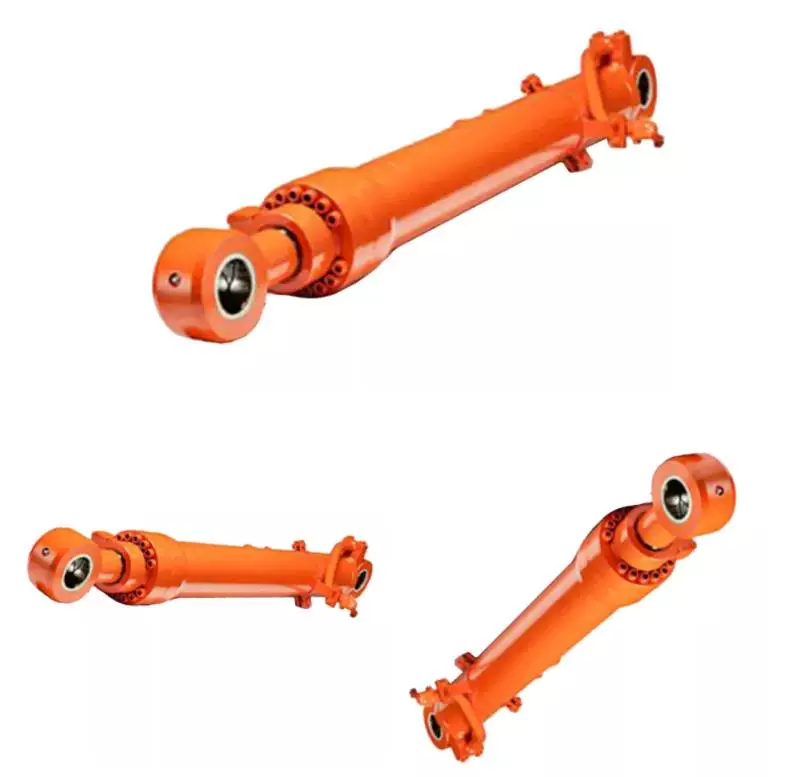
How do hydraulic cylinders handle the challenges of minimizing friction and wear?
Hydraulic cylinders employ several mechanisms and techniques to effectively minimize friction and wear, ensuring optimal performance and longevity. Minimizing friction and wear is crucial for hydraulic cylinders as it helps to maintain efficiency, reduce energy consumption, and prevent premature failure. Here’s a detailed explanation of how hydraulic cylinders handle the challenges of minimizing friction and wear:
1. Lubrication:
– Proper lubrication is essential for minimizing friction and wear in hydraulic cylinders. Lubricating fluids, such as hydraulic oils, are used to create a thin film between moving surfaces, reducing direct metal-to-metal contact. This lubricating film acts as a protective barrier, reducing friction and preventing wear. Regular maintenance practices include monitoring and maintaining the appropriate lubricant levels to ensure optimal lubrication and minimize frictional losses.
2. Surface Finishes:
– The surface finishes of components in hydraulic cylinders play a crucial role in minimizing friction and wear. Smoother surface finishes, achieved through precision machining, grinding, or the application of specialized coatings, reduce surface roughness and frictional resistance. By minimizing surface irregularities, the risk of wear and friction-induced damage is significantly reduced, resulting in improved efficiency and extended component life.
3. High-Quality Sealing Systems:
– Well-designed and high-quality sealing systems are crucial for minimizing friction and wear in hydraulic cylinders. Seals prevent fluid leakage and contamination while maintaining proper lubrication. Advanced sealing materials, such as polyurethane or composite materials, offer excellent wear resistance and low friction characteristics. Optimal seal design and proper installation ensure effective sealing, minimizing friction and wear between the piston and cylinder bore.
4. Proper Alignment and Clearances:
– Hydraulic cylinders must be properly aligned and have appropriate clearances to minimize friction and wear. Misalignment or excessive clearances can result in increased friction and uneven wear, leading to premature failure. Proper installation, alignment, and maintenance practices, including regular inspection and adjustment of clearances, help ensure smooth and even movement of the piston within the cylinder, reducing friction and wear.
5. Filtration and Contamination Control:
– Effective filtration and contamination control are essential for minimizing friction and wear in hydraulic cylinders. Contaminants, such as particles or moisture, can act as abrasive agents, accelerating wear and increasing friction. By implementing robust filtration systems and proper maintenance practices, hydraulic systems can prevent the ingress of contaminants, ensuring clean and properly lubricated components. Clean hydraulic fluids help minimize wear and friction, contributing to improved performance and longevity.
6. Material Selection:
– The selection of appropriate materials for hydraulic cylinder components is crucial in minimizing friction and wear. Components subject to high frictional forces, such as pistons and cylinder bores, can be made from materials with excellent wear resistance, such as hardened steel or composite materials. Additionally, selecting materials with low coefficients of friction helps reduce frictional losses. Proper material selection ensures durability and minimized wear in critical components of hydraulic cylinders.
7. Maintenance and Regular Inspection:
– Regular maintenance and inspection practices are vital for identifying and addressing potential issues that could lead to increased friction and wear in hydraulic cylinders. Scheduled maintenance includes lubrication checks, seal inspections, and monitoring of clearances. By promptly detecting and rectifying any signs of wear or misalignment, hydraulic cylinders can be kept in optimal condition, minimizing friction and wear throughout their operational lifespan.
In summary, hydraulic cylinders employ various strategies to handle the challenges of minimizing friction and wear. These include proper lubrication, employing suitable surface finishes, utilizing high-quality sealing systems, ensuring proper alignment and clearances, implementing effective filtration and contamination control measures, selecting appropriate materials, and conducting regular maintenance and inspections. By implementing these practices, hydraulic cylinders can minimize friction and wear, ensuring smooth and efficient operation while extending the overall lifespan of the system.
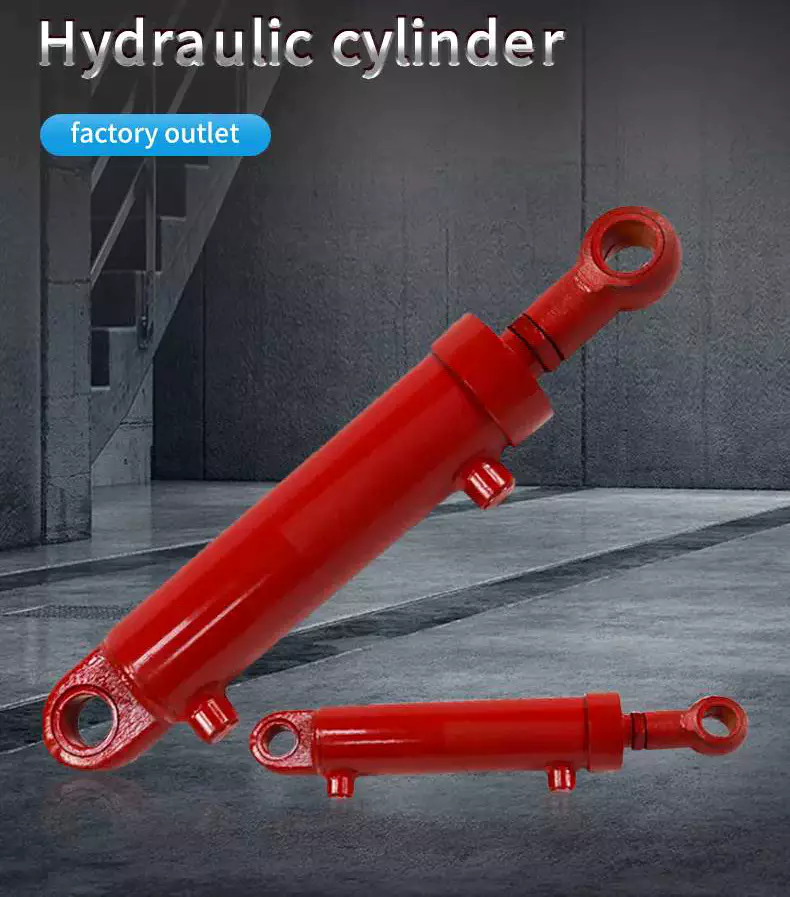
Impact of Hydraulic Cylinders on Overall Productivity of Manufacturing Operations
Hydraulic cylinders play a crucial role in enhancing the overall productivity of manufacturing operations. These versatile devices are widely used in various industrial applications due to their ability to generate powerful and controlled linear motion. Let’s explore how hydraulic cylinders impact the overall productivity of manufacturing operations:
- Powerful Force Generation: Hydraulic cylinders are capable of generating high forces, which enables them to handle heavy loads and perform demanding tasks. By providing the necessary force, hydraulic cylinders facilitate efficient and effective operation of machinery and equipment in manufacturing processes. This ability to exert substantial force contributes to increased productivity by enabling the handling of larger workpieces, enhancing process efficiency, and reducing manual labor requirements.
- Precision and Control: Hydraulic cylinders offer precise control over the movement of loads, allowing for accurate positioning, alignment, and repetitive tasks. The smooth and controlled linear motion provided by hydraulic cylinders ensures precise operation in manufacturing processes, such as assembly, material handling, and machining. This precision and control minimize errors, rework, and scrap, leading to improved productivity and higher-quality output.
- Speed and Efficiency: Hydraulic cylinders can operate at high speeds, enabling rapid movement and cycle times in manufacturing operations. The combination of high force and speed allows for faster operation of machinery and equipment, reducing production cycle times and increasing overall throughput. By optimizing the speed and efficiency of manufacturing processes, hydraulic cylinders contribute to improved productivity and output.
- Flexibility and Adaptability: Hydraulic cylinders are highly flexible and adaptable to different manufacturing applications. They can be customized to meet specific requirements, such as load capacity, stroke length, and mounting options. This versatility allows hydraulic cylinders to be integrated into a wide range of machinery and equipment, accommodating diverse manufacturing needs. The ability to adapt to different tasks and environments enhances overall productivity by enabling efficient utilization of resources and facilitating process optimization.
- Reliability and Durability: Hydraulic cylinders are known for their robustness and durability, making them suitable for demanding manufacturing environments. Their ability to withstand heavy loads, repeated use, and harsh operating conditions ensures reliable performance over extended periods. Minimizing downtime due to cylinder failure or maintenance requirements contributes to increased productivity and uninterrupted manufacturing operations.
In summary, hydraulic cylinders have a significant impact on the overall productivity of manufacturing operations. Their powerful force generation, precision and control, speed and efficiency, flexibility and adaptability, as well as reliability and durability, contribute to optimized processes, increased throughput, improved quality, and reduced labor requirements. By leveraging the capabilities of hydraulic cylinders, manufacturers can enhance productivity, streamline operations, and achieve greater efficiency in their manufacturing processes.
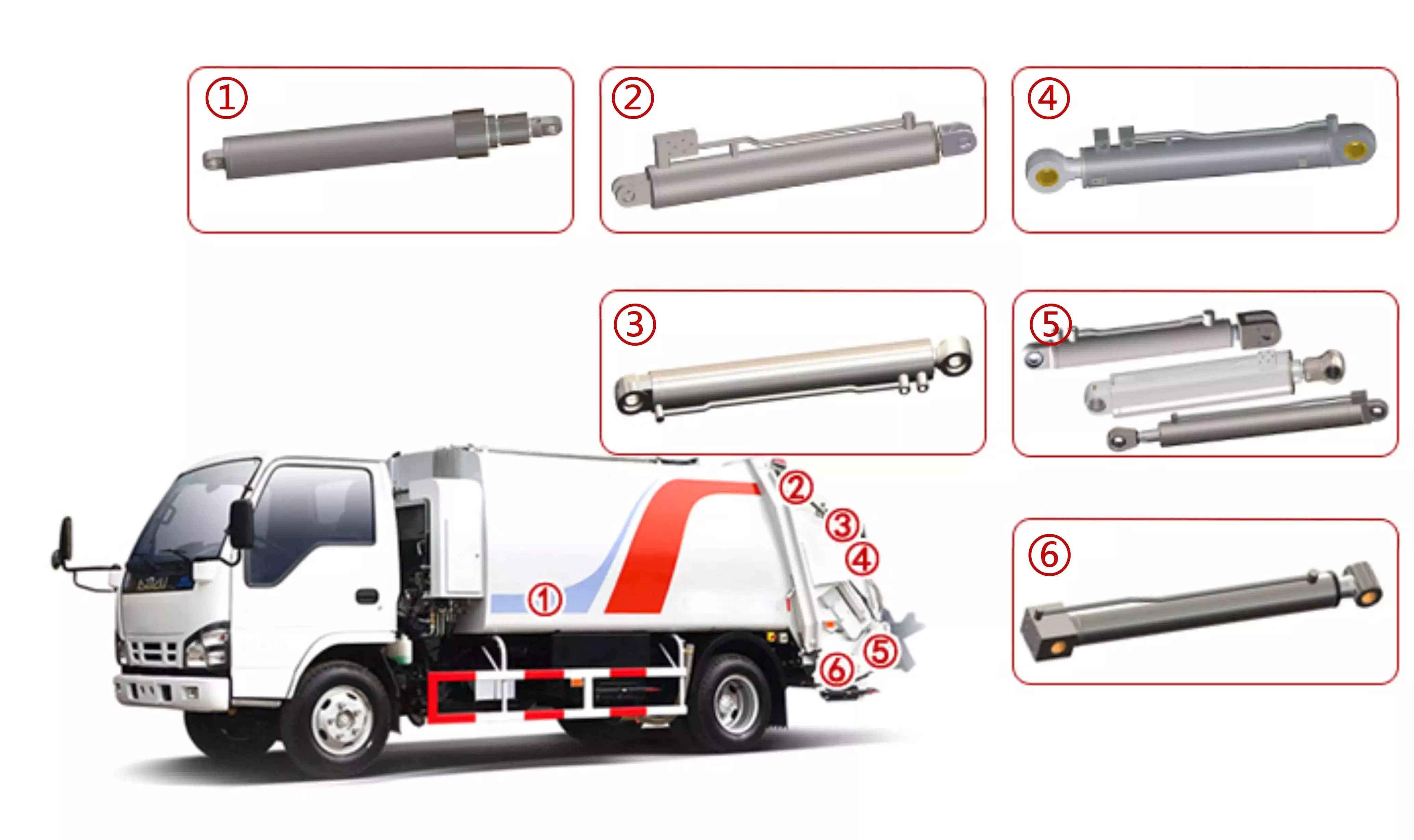
Como os cilindros hidráulicos se adaptam às variações no comprimento do curso e nos requisitos de força?
Os cilindros hidráulicos são projetados para acomodar variações no comprimento do curso e na força necessária, proporcionando flexibilidade e adaptabilidade para diferentes aplicações. Eles podem ser personalizados para atender a necessidades específicas, considerando fatores como diâmetro do pistão, diâmetro da haste, pressão hidráulica e projeto do cilindro. Aqui está uma explicação detalhada de como os cilindros hidráulicos acomodam variações no comprimento do curso e na força necessária:
1. Dimensões e design do cilindro:
Os cilindros hidráulicos estão disponíveis em diversos tamanhos e modelos para atender a diferentes comprimentos de curso e requisitos de força. O diâmetro do cilindro, a área do pistão e o diâmetro da haste são fatores essenciais que determinam a força gerada. Cilindros com diâmetros e áreas de pistão maiores podem gerar maior força, enquanto diâmetros menores são adequados para aplicações que exigem menor força. Ao selecionar o tamanho e o modelo de cilindro apropriados, os comprimentos de curso e os requisitos de força podem ser atendidos de forma eficaz.
2. Configurações de pistão e biela:
Os cilindros hidráulicos podem ser projetados com diferentes configurações de pistão e haste para acomodar variações no comprimento do curso. Cilindros de ação simples possuem um único pistão e podem fornecer um curso em uma única direção. Cilindros de ação dupla possuem um pistão em cada extremidade, permitindo cursos em ambas as direções. Cilindros telescópicos consistem em múltiplos estágios que podem se estender e retrair, proporcionando um comprimento de curso maior em comparação com cilindros padrão. Selecionando a configuração apropriada de pistão e haste, o comprimento de curso desejado pode ser alcançado.
3. Pressão e Vazão Hidráulicas:
A pressão hidráulica e a vazão fornecidas ao cilindro desempenham um papel crucial na adaptação às variações na força necessária. O aumento da pressão hidráulica aumenta a força produzida pelo cilindro, permitindo que ele suporte demandas de força maiores. Ajustando a pressão e a vazão por meio de válvulas e bombas hidráulicas, a força produzida pode ser controlada e adequada às necessidades específicas da aplicação.
4. Personalização e Ajustes:
Os cilindros hidráulicos podem ser personalizados e adaptados para atender a requisitos específicos de comprimento de curso e força. Os fabricantes oferecem uma ampla gama de tamanhos de cilindros, comprimentos de curso e capacidades de força para escolha. Além disso, cilindros projetados sob medida podem ser fabricados para atender a aplicações exclusivas com demandas específicas de comprimento de curso e força. Trabalhando em estreita colaboração com os fabricantes de cilindros hidráulicos, é possível obter cilindros que correspondam precisamente aos requisitos de comprimento de curso e força necessários.
5. Cilindros Múltiplos e Sincronização:
Em aplicações que exigem alta força ou cursos mais longos, vários cilindros hidráulicos podem ser usados em conjunto. Ao sincronizar o movimento de múltiplos cilindros através do sistema hidráulico, o comprimento do curso e a força de saída podem ser efetivamente aumentados. A sincronização pode ser alcançada por meio de ligações mecânicas, controles eletrônicos ou circuitos hidráulicos, garantindo movimento coordenado e distribuição de força entre os cilindros.
6. Detecção de carga e controle de pressão:
– Os sistemas hidráulicos podem incorporar mecanismos de detecção de carga e controle de pressão para acomodar variações na necessidade de força. Os sistemas de detecção de carga monitoram a demanda de carga e ajustam a pressão hidráulica de acordo, garantindo que o cilindro forneça a força necessária sem exercer força excessiva. As válvulas de controle de pressão regulam a pressão dentro do sistema hidráulico, permitindo o controle e ajuste precisos da força de saída com base nas necessidades da aplicação.
7. Considerações de segurança:
Ao lidar com variações no comprimento do curso e na força necessária, é essencial considerar os fatores de segurança. Os cilindros hidráulicos devem ser selecionados e projetados com uma margem de segurança adequada para suportar cargas inesperadas ou variações nas condições de operação. Mecanismos de segurança, como válvulas de proteção contra sobrecarga e válvulas de alívio de pressão, podem ser incorporados para evitar danos ou falhas em situações onde os limites de força são excedidos.
Ao considerar fatores como tamanho e projeto do cilindro, configurações do pistão e da haste, pressão e vazão hidráulicas, opções de personalização, sincronização, detecção de carga, controle de pressão e considerações de segurança, os cilindros hidráulicos podem acomodar com eficácia variações no comprimento do curso e nos requisitos de força. Essa flexibilidade permite que os cilindros hidráulicos sejam adaptados para atender às demandas específicas de uma ampla gama de aplicações, garantindo desempenho e eficiência ideais.


editor by CX 2023-10-19
 Portuguese
  English
  Italian
  Dutch
Dutch  Swedish
  Danish
  Finnish
  Polish
  Hindi
Hindi  Kazakh
  Turkish
  Ukrainian
  Romanian
  Spanish
  German
  Russian
  Korean
  Japanese
  Vietnamese
  Thai
Thai  Indonesian
  Malay
Malay  French
  Greek
Greek