
제품 설명
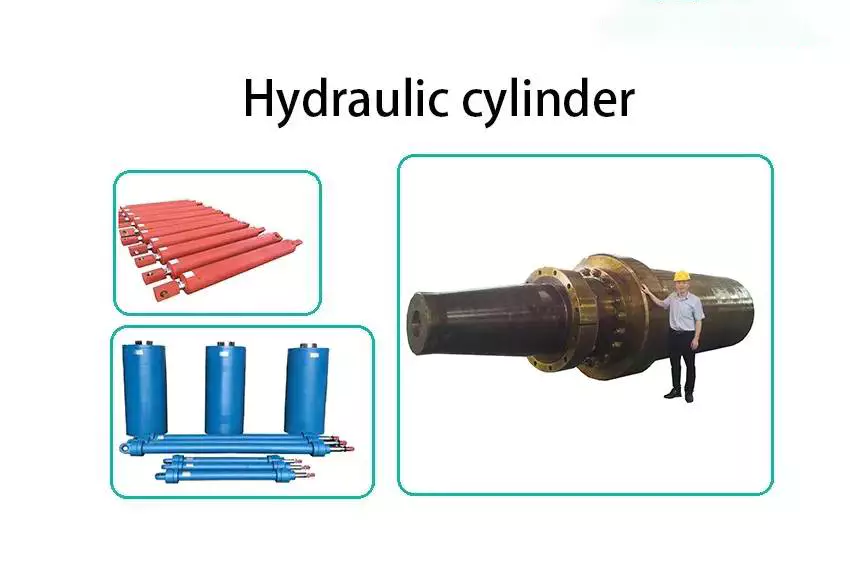
Double Acting Hydraulic Cylinder for Scissor Lift
About Our Company
HangZhou GD Machinery Co., Ltd. is a specialized manufacturer and trader with main products: hydraulic cylinders, hydraulic power units, hydraulic manifolds-blocks, hydraulic flanges,pneumatic cylinders and custom-made components and parts, like industrial valves.
Our sales markets have covered our sales markets have covered North America, Europe, Australia and Japan.
About Hydraulic Cylinder for Scissor Lift
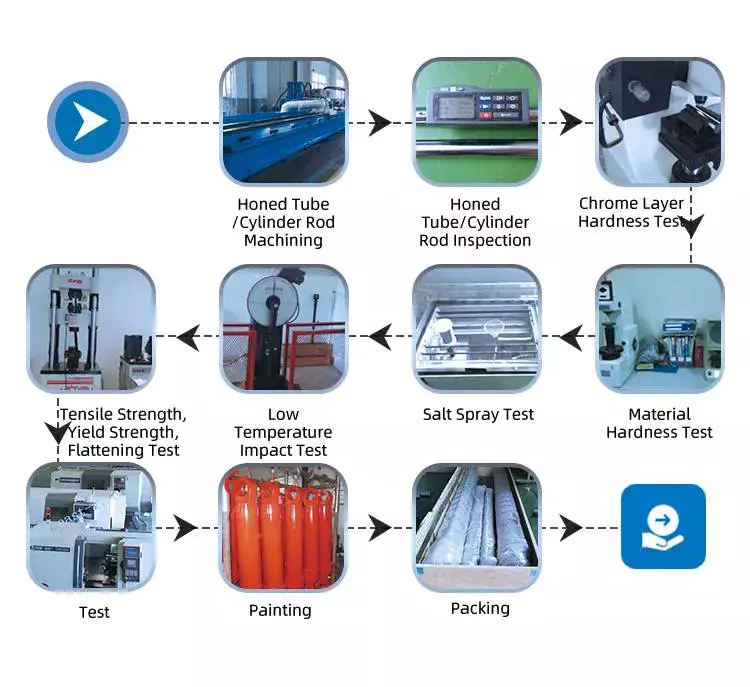
The Process Flow of Hydraulic Cylinder for Scissor Lift
The Machinery to Produce Hydraulic Cylinder for Scissor Lift
The Packing of Hydraulic Cylinder for Scissor Lift
Welcome to send us a quotation. We’d like to give you the best survice.
| 인증: | ISO9001 |
|---|---|
| 압력: | 2500psi |
| 작동 온도: | Normal Temperature |
| Samples: | US$ 100/Piece 1 Piece(Min.Order) | Order Sample |
|---|
| 맞춤 설정: | 사용 가능 |
|
|---|
.shipping-cost-tm .tm-status-off{background: none;padding:0;color: #1470cc}
| Shipping Cost: Estimated freight per unit. | about shipping cost and estimated delivery time. |
|---|
| Payment Method: |
|
|---|---|
| Initial Payment Full Payment |
| Currency: | US$ |
|---|
| Return&refunds: | You can apply for a refund up to 30 days after receipt of the products. |
|---|
How do hydraulic cylinders handle variations in temperature and harsh operating environments?
Hydraulic cylinders are designed to handle variations in temperature and harsh operating environments by incorporating specific features and materials that ensure their durability, reliability, and performance. The ability of hydraulic cylinders to withstand extreme temperatures, corrosive environments, and other harsh conditions is crucial for their successful operation in a wide range of applications. Here’s a detailed explanation of how hydraulic cylinders handle variations in temperature and harsh operating environments:
1. Temperature Range:
– Hydraulic cylinders are designed to operate within a specified temperature range. The materials used in their construction, such as cylinder barrels, pistons, seals, and lubricants, are selected to withstand the anticipated temperature variations. Specialized seals and O-rings made from materials like nitrile, Viton, or polyurethane are used to maintain their sealing properties over a wide temperature range. Heat-resistant coatings or thermal insulation may be applied to certain components to protect them from high temperatures.
2. Thermal Expansion:
– Hydraulic cylinders are designed to accommodate thermal expansion and contraction that occurs with temperature changes. The materials used in their construction have different coefficients of thermal expansion, allowing the cylinder components to expand or contract at a similar rate. This design consideration prevents excessive stress, binding, or leakage that could result from thermal expansion or contraction.
3. Heat Dissipation:
– In applications where hydraulic cylinders are subjected to high temperatures, heat dissipation mechanisms are employed to prevent overheating. Cooling fins or heat sinks may be incorporated into the cylinder design to increase the surface area for heat transfer. In some cases, external cooling methods such as air or liquid cooling systems can be used to maintain optimal operating temperatures.
4. Corrosion Resistance:
– Hydraulic cylinders used in harsh operating environments are constructed from materials that exhibit excellent corrosion resistance. Stainless steel, chrome-plated steel, or other corrosion-resistant alloys are commonly used for cylinder components exposed to corrosive substances or environments. Additionally, surface treatments such as coatings, plating, or specialized paints can provide an extra layer of protection against corrosion.
5. Sealing Systems:
– Hydraulic cylinders employ sealing systems that are specifically designed to withstand harsh operating environments. The seals used in hydraulic cylinders are selected based on their resistance to temperature extremes, chemicals, abrasion, and other environmental factors. Specialized seal designs, such as wiper seals, rod seals, or high-temperature seals, are utilized to maintain effective sealing and prevent contamination of the hydraulic fluid.
6. Lubrication:
– Proper lubrication is essential for the smooth operation and longevity of hydraulic cylinders, particularly in harsh operating environments. Lubricants are selected based on their ability to withstand high temperatures, resist oxidation, and provide effective lubrication under extreme conditions. Regular maintenance and lubrication practices ensure that the cylinder components continue to operate smoothly and reduce the effects of wear and friction.
7. Robust Construction:
– Hydraulic cylinders designed for harsh operating environments are built with robust construction techniques to withstand the rigors of such conditions. The cylinder barrels, rods, and other components are manufactured to meet strict quality and durability standards. Welded or bolted construction methods are employed to ensure the structural integrity of the cylinders. Reinforcements, such as flanges or tie rods, may be added to enhance the cylinder’s strength and resistance to external forces.
8. Environmental Protection:
– Hydraulic cylinders can be equipped with additional protective features to shield them from harsh operating environments. Protective covers, boots, or bellows can be used to prevent contaminants, debris, or moisture from entering the cylinder and compromising its performance. These protective measures help extend the service life of hydraulic cylinders in demanding conditions.
9. Compliance with Standards:
– Hydraulic cylinders manufactured for specific industries or applications often comply with industry standards or regulations related to operating temperature ranges, environmental conditions, or safety requirements. Compliance with these standards ensures that hydraulic cylinders are designed and tested to meet the specific demands of their intended operating environments.
In summary, hydraulic cylinders are designed to handle variations in temperature and harsh operating environments by incorporating suitable materials, thermal expansion considerations, heat dissipation mechanisms, corrosion-resistant components, specialized sealing systems, proper lubrication, robust construction techniques, protective features, and compliance with industry standards. These design considerations and features enable hydraulic cylinders to operate reliably and effectively in a wide range of demanding applications and environmental conditions.
Adaptation of Hydraulic Cylinders for Medical Equipment and Aerospace Applications
Hydraulic cylinders have the potential to be adapted for use in medical equipment and aerospace applications, offering unique advantages in these industries. Let’s explore how hydraulic cylinders can be adapted for these specialized fields:
- Medical Equipment: Hydraulic cylinders can be adapted for various medical equipment applications, including hospital beds, patient lifts, surgical tables, and rehabilitation devices. Here’s how hydraulic cylinders are beneficial in medical equipment:
- Positioning and Adjustability: Hydraulic cylinders provide precise and smooth movement, allowing for accurate positioning and adjustments of medical equipment. This is crucial for ensuring patient comfort, proper alignment, and ease of use.
- Load Handling: Hydraulic cylinders offer high force capabilities, enabling the safe handling of heavy loads in medical equipment. They can support the weight of patients, facilitate smooth transitions, and provide stability during procedures.
- Controlled Motion: Hydraulic cylinders provide controlled and stable motion, which is essential for delicate medical procedures. The ability to adjust speed, position, and force allows for precise and controlled movements, minimizing patient discomfort and ensuring accurate treatment.
- Durability and Reliability: Hydraulic cylinders are designed to withstand rigorous use and demanding environments, making them suitable for medical equipment applications. Their durability and reliability contribute to the long-term performance and safety of medical devices.
- Aerospace Applications: Hydraulic cylinders can also be adapted for aerospace applications, where lightweight yet robust systems are essential. Here’s how hydraulic cylinders are advantageous in aerospace:
- Flight Control Systems: Hydraulic cylinders play a critical role in aircraft flight control systems, including ailerons, elevators, rudders, and landing gear. They provide precise and reliable actuation, allowing pilots to control the aircraft’s movements with accuracy and responsiveness.
- Weight Optimization: Hydraulic cylinders can be designed using lightweight materials, such as aluminum alloys or composite materials, to reduce overall weight. This weight optimization is crucial in aerospace applications to enhance fuel efficiency, payload capacity, and aircraft performance.
- Shock and Vibration Resistance: Aerospace environments involve significant shock and vibration forces. Hydraulic cylinders can be engineered to withstand these dynamic loads while maintaining performance and reliability, ensuring consistent operation even under extreme conditions.
- Space Constraints: Hydraulic cylinders can be designed to fit within the space constraints of aircraft or spacecraft. Their compact size and flexible mounting options allow for efficient integration into the limited available space.
In summary, hydraulic cylinders can be adapted for use in medical equipment and aerospace applications, leveraging their precise positioning, load handling capabilities, controlled motion, durability, and reliability. In medical equipment, hydraulic cylinders enable comfortable patient positioning, smooth transitions, and controlled movements during procedures. In aerospace, hydraulic cylinders provide precise actuation, weight optimization, shock and vibration resistance, and space-efficient solutions. By adapting hydraulic cylinders to these specialized fields, manufacturers can meet the unique requirements and enhance the performance of medical equipment and aerospace systems.
용도에 맞는 유압 실린더를 선택할 때 고려해야 할 요소는 무엇입니까?
용도에 맞는 유압 실린더를 선택할 때는 몇 가지 중요한 요소를 고려해야 합니다. 이러한 요소들을 통해 선택한 유압 실린더가 해당 용도의 특정 요구 사항에 적합하고 안정적으로 작동할 수 있도록 보장할 수 있습니다. 고려해야 할 주요 요소는 다음과 같습니다.
1. 부하 요구 사항:
고려해야 할 중요한 요소 중 하나는 적용 분야의 부하 요구 사항입니다. 유압 실린더가 처리해야 하는 최대 하중을 결정해야 합니다. 실린더가 정지해 있을 때의 정적 하중과 실린더가 움직일 때의 동적 하중을 모두 고려해야 합니다. 부하 요구 사항은 실린더의 내경, 로드 직경 및 전체 강도에 영향을 미칩니다. 안전과 수명 확보를 위해 적용 분야의 최대 하중을 초과하는 하중 용량을 가진 유압 실린더를 선택하십시오.
2. 스트로크 길이:
스트로크 길이는 유압 실린더가 원하는 동작을 수행하기 위해 늘어나고 줄어드는 거리를 말합니다. 사용 용도에 따른 작동 요구 사항을 기준으로 필요한 스트로크 길이를 측정하십시오. 필요한 거리와 같거나 그 이상의 스트로크 길이를 가진 유압 실린더를 선택하는 것이 중요합니다. 향후 스트로크 길이의 변동이나 조정이 필요할 수 있으므로 이를 고려해야 합니다.
3. 작동 압력:
– 적용 분야에 필요한 작동 압력을 고려하십시오. 유압 실린더는 유압 시스템 내의 최대 압력을 견딜 수 있어야 합니다. 선택한 실린더의 압력 등급이 적용 분야의 최대 작동 압력을 초과하는지 확인하십시오. 이는 안전을 확보하고 조기 고장을 방지합니다.
4. 속도 요구 사항:
– 용도에 필요한 유압 실린더의 작동 속도를 결정하십시오. 확장 속도와 수축 속도를 모두 고려해야 합니다. 원하는 속도를 구현하면서 정밀한 제어와 안정성을 유지할 수 있는 실린더를 선택하십시오. 성능이나 안전성을 저해하지 않으면서 필요한 속도를 처리할 수 있는 실린더를 선택하는 것이 중요합니다.
5. 설치:
유압 실린더 설치에 필요한 공간과 장착 요건을 평가하십시오. 장착 유형(플랜지, 풋, 트러니언 또는 클레비스 등), 사용 가능한 장착 지점 및 특정 장착 제약 조건을 고려하십시오. 선택한 실린더를 원하는 위치에 쉽고 안전하게 장착할 수 있는지 확인하십시오.
6. 환경적 요인:
유압 실린더가 작동할 환경 조건을 평가하십시오. 극한 온도, 습도, 화학 물질, 먼지 또는 부식성 물질 노출과 같은 요소를 고려해야 합니다. 특정 환경 조건에 견딜 수 있도록 설계된 실린더를 선택하십시오. 이를 위해서는 실린더의 수명과 성능을 보장하기 위해 적절한 재질, 코팅 또는 밀봉재를 선택해야 할 수 있습니다.
7. 실린더 구성:
– 적용 분야의 요구 사항에 따라 적절한 실린더 구성을 결정하십시오. 단동식 또는 복동식 실린더, 공간 제약이 있는 경우를 위한 텔레스코픽 실린더, 특수한 용도를 위한 맞춤형 구성 등을 고려하십시오. 적용 분야의 구체적인 요구 사항을 평가하여 가장 적합한 실린더 구성을 선택하십시오.
8. 유지보수 및 서비스 용이성:
유압 실린더의 유지보수 및 서비스 요구 사항을 고려하십시오. 유지보수를 위한 접근성, 예비 부품의 가용성, 고객 지원 및 사후 서비스 측면에서 제조업체 또는 공급업체의 평판과 같은 요소를 평가하십시오. 신뢰할 수 있고 평판이 좋은 브랜드를 선택하면 필요할 때 지속적인 지원과 예비 부품 확보가 가능합니다.
9. 규정 준수 및 표준:
– 산업 분야 및 적용 분야에 따라 특정 규정 준수 기준을 충족해야 할 수 있습니다. 유압 실린더가 준수해야 하는 산업별 규정, 안전 기준 또는 인증을 고려하십시오. 선택한 실린더가 해당 적용 분야에 필요한 기준 및 인증을 충족하는지 확인하십시오.
10. 비용 및 예산:
마지막으로 유압 실린더의 비용과 예산을 고려해야 합니다. 용도에 맞는 실린더를 선택하는 것도 중요하지만, 전반적인 비용 효율성 또한 고려해야 합니다. 초기 구매 비용, 장기 유지 보수 비용, 그리고 실린더의 예상 수명을 평가하십시오. 비용과 품질의 균형을 맞추면 용도에 가장 적합한 가성비 높은 유압 실린더를 선택할 수 있습니다.
선정 과정에서 이러한 요소들을 고려하면 하중 용량, 스트로크 길이, 작동 압력, 속도, 장착 방식, 환경 조건, 유지보수 필요성, 규정 준수 및 비용 효율성 측면에서 적용 분야의 특정 요구 사항을 충족하는 적합한 유압 실린더를 선택할 수 있습니다. 적절한 선택은 의도된 적용 분야에서 유압 실린더의 최적 성능, 신뢰성 및 긴 수명을 보장합니다.


editor by CX 2023-10-29
 Korean
  English
  Italian
  Portuguese
  Dutch
Dutch  Swedish
  Danish
  Finnish
  Polish
  Hindi
Hindi  Kazakh
  Turkish
  Ukrainian
  Romanian
  Spanish
  German
  Russian
  Japanese
  Vietnamese
  Thai
Thai  Indonesian
  Malay
Malay  French
  Greek
Greek