
Produktbeskrivning
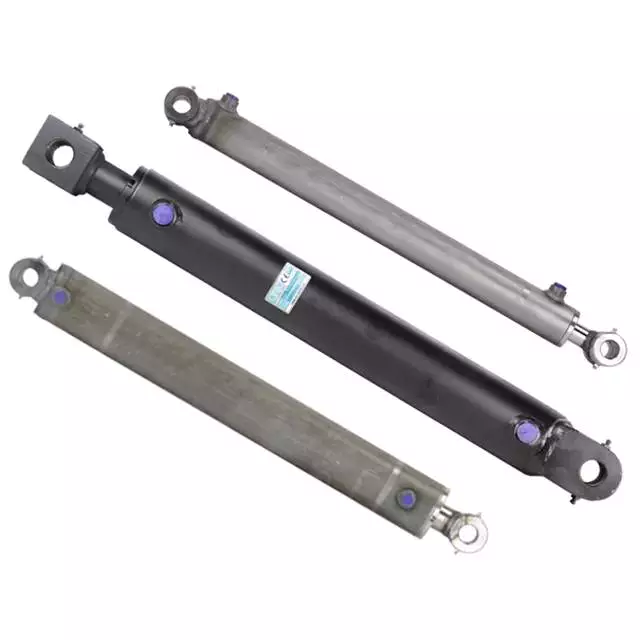
Double Acting Hydraulic Cylinder for Scissor Lift
About Our Company
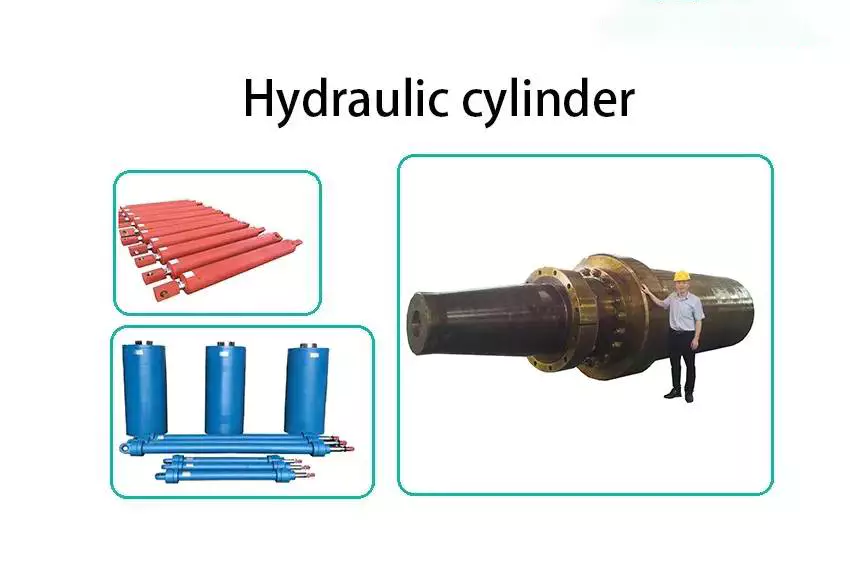
HangZhou GD Machinery Co., Ltd. is a specialized manufacturer and trader with main products: hydraulic cylinders, hydraulic power units, hydraulic manifolds-blocks, hydraulic flanges,pneumatic cylinders and custom-made components and parts, like industrial valves.
Our sales markets have covered our sales markets have covered North America, Europe, Australia and Japan.
About Hydraulic Cylinder for Scissor Lift
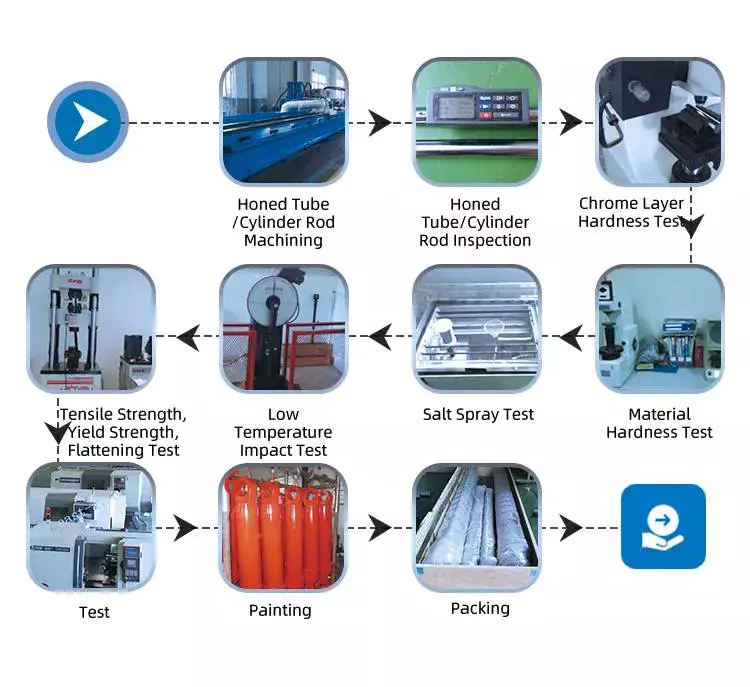
The Process Flow of Hydraulic Cylinder for Scissor Lift
The Machinery to Produce Hydraulic Cylinder for Scissor Lift
The Packing of Hydraulic Cylinder for Scissor Lift
Welcome to send us a quotation. We’d like to give you the best survice.
| Certification: | ISO9001 |
|---|---|
| Pressure: | 2500psi |
| Work Temperature: | Normal Temperature |
| Samples: | US$ 100/Piece 1 Piece(Min.Order) | Order Sample |
|---|
| Customization: | Available |
|
|---|
.shipping-cost-tm .tm-status-off{background: none;padding:0;color: #1470cc}
| Shipping Cost: Estimated freight per unit. | about shipping cost and estimated delivery time. |
|---|
| Payment Method: |
|
|---|---|
| Initial Payment Full Payment |
| Currency: | US$ |
|---|
| Return&refunds: | You can apply for a refund up to 30 days after receipt of the products. |
|---|
How do hydraulic cylinders handle variations in temperature and harsh operating environments?
Hydraulic cylinders are designed to handle variations in temperature and harsh operating environments by incorporating specific features and materials that ensure their durability, reliability, and performance. The ability of hydraulic cylinders to withstand extreme temperatures, corrosive environments, and other harsh conditions is crucial for their successful operation in a wide range of applications. Here’s a detailed explanation of how hydraulic cylinders handle variations in temperature and harsh operating environments:
1. Temperature Range:
– Hydraulic cylinders are designed to operate within a specified temperature range. The materials used in their construction, such as cylinder barrels, pistons, seals, and lubricants, are selected to withstand the anticipated temperature variations. Specialized seals and O-rings made from materials like nitrile, Viton, or polyurethane are used to maintain their sealing properties over a wide temperature range. Heat-resistant coatings or thermal insulation may be applied to certain components to protect them from high temperatures.
2. Thermal Expansion:
– Hydraulic cylinders are designed to accommodate thermal expansion and contraction that occurs with temperature changes. The materials used in their construction have different coefficients of thermal expansion, allowing the cylinder components to expand or contract at a similar rate. This design consideration prevents excessive stress, binding, or leakage that could result from thermal expansion or contraction.
3. Heat Dissipation:
– In applications where hydraulic cylinders are subjected to high temperatures, heat dissipation mechanisms are employed to prevent overheating. Cooling fins or heat sinks may be incorporated into the cylinder design to increase the surface area for heat transfer. In some cases, external cooling methods such as air or liquid cooling systems can be used to maintain optimal operating temperatures.
4. Corrosion Resistance:
– Hydraulic cylinders used in harsh operating environments are constructed from materials that exhibit excellent corrosion resistance. Stainless steel, chrome-plated steel, or other corrosion-resistant alloys are commonly used for cylinder components exposed to corrosive substances or environments. Additionally, surface treatments such as coatings, plating, or specialized paints can provide an extra layer of protection against corrosion.
5. Sealing Systems:
– Hydraulic cylinders employ sealing systems that are specifically designed to withstand harsh operating environments. The seals used in hydraulic cylinders are selected based on their resistance to temperature extremes, chemicals, abrasion, and other environmental factors. Specialized seal designs, such as wiper seals, rod seals, or high-temperature seals, are utilized to maintain effective sealing and prevent contamination of the hydraulic fluid.
6. Lubrication:
– Proper lubrication is essential for the smooth operation and longevity of hydraulic cylinders, particularly in harsh operating environments. Lubricants are selected based on their ability to withstand high temperatures, resist oxidation, and provide effective lubrication under extreme conditions. Regular maintenance and lubrication practices ensure that the cylinder components continue to operate smoothly and reduce the effects of wear and friction.
7. Robust Construction:
– Hydraulic cylinders designed for harsh operating environments are built with robust construction techniques to withstand the rigors of such conditions. The cylinder barrels, rods, and other components are manufactured to meet strict quality and durability standards. Welded or bolted construction methods are employed to ensure the structural integrity of the cylinders. Reinforcements, such as flanges or tie rods, may be added to enhance the cylinder’s strength and resistance to external forces.
8. Environmental Protection:
– Hydraulic cylinders can be equipped with additional protective features to shield them from harsh operating environments. Protective covers, boots, or bellows can be used to prevent contaminants, debris, or moisture from entering the cylinder and compromising its performance. These protective measures help extend the service life of hydraulic cylinders in demanding conditions.
9. Compliance with Standards:
– Hydraulic cylinders manufactured for specific industries or applications often comply with industry standards or regulations related to operating temperature ranges, environmental conditions, or safety requirements. Compliance with these standards ensures that hydraulic cylinders are designed and tested to meet the specific demands of their intended operating environments.
In summary, hydraulic cylinders are designed to handle variations in temperature and harsh operating environments by incorporating suitable materials, thermal expansion considerations, heat dissipation mechanisms, corrosion-resistant components, specialized sealing systems, proper lubrication, robust construction techniques, protective features, and compliance with industry standards. These design considerations and features enable hydraulic cylinders to operate reliably and effectively in a wide range of demanding applications and environmental conditions.
Anpassning av hydraulcylindrar för medicinsk utrustning och flyg- och rymdtillämpningar
Hydraulcylindrar har potential att anpassas för användning i medicinsk utrustning och flyg- och rymdtillämpningar, vilket erbjuder unika fördelar inom dessa industrier. Låt oss utforska hur hydraulcylindrar kan anpassas för dessa specialiserade områden:
- Medicinsk utrustning: Hydraulcylindrar kan anpassas för olika medicinska utrustningstillämpningar, inklusive sjukhussängar, patientlyftar, operationsbord och rehabiliteringsanordningar. Så här är hydraulcylindrar fördelaktiga inom medicinsk utrustning:
- Positionering och justerbarhet: Hydraulcylindrar ger exakt och smidig rörelse, vilket möjliggör korrekt positionering och justering av medicinsk utrustning. Detta är avgörande för att säkerställa patientkomfort, korrekt inriktning och användarvänlighet.
- Lasthantering: Hydraulcylindrar erbjuder hög kraftkapacitet, vilket möjliggör säker hantering av tunga laster i medicinsk utrustning. De kan bära upp patienters vikt, underlätta smidiga övergångar och ge stabilitet under procedurer.
- Kontrollerad rörelse: Hydraulcylindrar ger kontrollerad och stabil rörelse, vilket är avgörande för känsliga medicinska procedurer. Möjligheten att justera hastighet, position och kraft möjliggör exakta och kontrollerade rörelser, vilket minimerar patientens obehag och säkerställer korrekt behandling.
- Hållbarhet och tillförlitlighet: Hydraulcylindrar är konstruerade för att tåla tuff användning och krävande miljöer, vilket gör dem lämpliga för medicinsk utrustning. Deras hållbarhet och tillförlitlighet bidrar till medicintekniska produkters långsiktiga prestanda och säkerhet.
- Tillämpningar inom rymdfart: Hydraulcylindrar kan också anpassas för flyg- och rymdtillämpningar, där lätta men robusta system är avgörande. Så här är fördelarna med hydraulcylindrar inom flyg- och rymdteknik:
- Flygstyrsystem: Hydraulcylindrar spelar en avgörande roll i flygplans flygstyrsystem, inklusive skevroder, höjdroder, roder och landningsställ. De ger exakt och tillförlitlig manövrering, vilket gör det möjligt för piloter att kontrollera flygplanets rörelser med noggrannhet och respons.
- Viktoptimering: Hydraulcylindrar kan konstrueras med lättviktsmaterial, såsom aluminiumlegeringar eller kompositmaterial, för att minska den totala vikten. Denna viktoptimering är avgörande inom flyg- och rymdtillämpningar för att förbättra bränsleeffektivitet, nyttolastkapacitet och flygplansprestanda.
- Stöt- och vibrationstålighet: Flyg- och rymdmiljöer involverar betydande stöt- och vibrationskrafter. Hydraulcylindrar kan konstrueras för att motstå dessa dynamiska belastningar samtidigt som de bibehåller prestanda och tillförlitlighet, vilket säkerställer jämn drift även under extrema förhållanden.
- Utrymmesbegränsningar: Hydraulcylindrar kan utformas för att passa inom utrymmesbegränsningarna i flygplan eller rymdfarkoster. Deras kompakta storlek och flexibla monteringsalternativ möjliggör effektiv integration i det begränsade tillgängliga utrymmet.
Sammanfattningsvis kan hydraulcylindrar anpassas för användning i medicinsk utrustning och flyg- och rymdtillämpningar, vilket utnyttjar deras exakta positionering, lasthanteringsförmåga, kontrollerade rörelse, hållbarhet och tillförlitlighet. Inom medicinsk utrustning möjliggör hydraulcylindrar bekväm patientpositionering, smidiga övergångar och kontrollerade rörelser under procedurer. Inom flyg- och rymdindustrin ger hydraulcylindrar exakt manövrering, viktoptimering, stöt- och vibrationstålighet samt utrymmeseffektiva lösningar. Genom att anpassa hydraulcylindrar till dessa specialiserade områden kan tillverkare möta de unika kraven och förbättra prestandan hos medicinsk utrustning och flyg- och rymdsystem.
What factors should be considered when selecting the right hydraulic cylinder for an application?
When selecting the right hydraulic cylinder for an application, several important factors need to be considered. These factors help ensure that the chosen hydraulic cylinder is suitable for the specific requirements of the application and will perform reliably. Here are the key factors to consider:
1. Load Requirements:
– One of the crucial factors to consider is the load requirement of the application. Determine the maximum load that the hydraulic cylinder needs to handle. Consider both the static load (when the cylinder is stationary) and the dynamic load (when the cylinder is in motion). The load requirement will impact the cylinder’s bore size, rod diameter, and overall strength. Choose a hydraulic cylinder with a load capacity that exceeds the application’s maximum load to ensure safety and longevity.
2. Stroke Length:
– The stroke length refers to the distance the hydraulic cylinder needs to extend and retract to perform the desired motion. Measure the required stroke length based on the application’s operational requirements. It is essential to choose a hydraulic cylinder with a stroke length that matches or exceeds the required distance. Consider any potential variations or adjustments in the stroke length that may be needed in the future.
3. Operating Pressure:
– Consider the operating pressure required for the application. The hydraulic cylinder must be capable of withstanding the maximum pressure within the hydraulic system. Ensure that the selected cylinder has a pressure rating that exceeds the application’s maximum operating pressure. This ensures safety and prevents premature failure.
4. Speed Requirements:
– Determine the required speed of the hydraulic cylinder’s movement for the application. Consider both the extension and retraction speeds. Select a cylinder that can achieve the desired speed while maintaining precise control and stability. It is important to choose a cylinder that can handle the required speed without compromising performance or safety.
5. Mounting:
– Evaluate the available space and mounting requirements for the hydraulic cylinder. Consider the mounting type (such as flange, foot, trunnion, or clevis), the available mounting points, and any specific mounting constraints. Ensure that the selected cylinder can be easily and securely mounted in the desired location.
6. Environmental Factors:
– Assess the environmental conditions in which the hydraulic cylinder will operate. Consider factors such as temperature extremes, humidity, exposure to chemicals, dust, or corrosive substances. Choose a cylinder that is designed to withstand the specific environmental conditions of the application. This may involve selecting appropriate materials, coatings, or seals to ensure the longevity and performance of the cylinder.
7. Cylinder Configuration:
– Determine the appropriate cylinder configuration based on the application’s requirements. Consider factors such as single-acting or double-acting cylinders, telescopic cylinders for limited space, or custom configurations for unique applications. Evaluate the specific needs of the application to select the most suitable cylinder configuration.
8. Maintenance and Serviceability:
– Consider the maintenance and service requirements of the hydraulic cylinder. Evaluate factors such as ease of access for maintenance, availability of spare parts, and the reputation of the manufacturer or supplier in terms of customer support and after-sales service. Choosing a reliable and reputable brand can ensure ongoing support and availability of spare parts when needed.
9. Compliance and Standards:
– Depending on the industry and application, certain compliance standards may need to be met. Consider any industry-specific regulations, safety standards, or certifications that the hydraulic cylinder should comply with. Ensure that the selected cylinder meets the required standards and certifications for the application.
10. Cost and Budget:
– Finally, consider the cost and budget for the hydraulic cylinder. While it is important to select a cylinder that meets the application’s requirements, it is also necessary to consider the overall cost-effectiveness. Evaluate the initial purchase cost, long-term maintenance costs, and the expected lifespan of the cylinder. Balancing the cost and quality will help in selecting a hydraulic cylinder that provides the best value for the application.
By considering these factors in the selection process, it becomes possible to choose the right hydraulic cylinder that meets the specific requirements of the application in terms of load capacity, stroke length, operating pressure, speed, mounting, environmental conditions, maintenance needs, compliance, and cost-effectiveness. Proper selection ensures optimal performance, reliability, and longevity of the hydraulic cylinder in the intended application.


editor by CX 2023-10-29
 Swedish
  English
  Italian
  Portuguese
  Dutch
Dutch  Danish
  Finnish
  Polish
  Hindi
Hindi  Kazakh
  Turkish
  Ukrainian
  Romanian
  Spanish
  German
  Russian
  Korean
  Japanese
  Vietnamese
  Thai
Thai  Indonesian
  Malay
Malay  French
  Greek
Greek