
제품 설명
Single acting telescopic hydraulic oil cylinder for dump truck
제품 설명
Hyva & CHINAMFG & Custom hoist & Xihu (West Lake) Dis.r type hydraulic telescopic Cylinders are used for Dump Truck, Tipper Truck, Trailer, Agricultural Machinery, Garbage Truck, Landing Platform etc.
Tsingshi hydraulic Customers, MAN, JAC, VOLVO, SHACMAN, DAF, JMC, HUNO, CIMC, SINOTRUK, TATRA,BENS,XIHU (WEST LAKE) DIS.FENG, FOTON,etc.
1.Each stage electroplate hard chrome;
2.lighter and easier to maintenance hydraulic telescopic cylinder;
3.High quality alloy seamless steel pipe have better mechanical properties;
4.The world famous brands of seals, such as HALLITE, PARKER,etc;
5.World-class processing technology ensures stable and reliable quality.
| NO | ITEM | DATA OF dump truck hydraulic cylinder |
| 1 | 재료 | Carbon Steel, Alloy Steel, 27SiMn,45#,20#,etc |
| 2 | Honed tube | 40-300mm, Heat treatment, honing, rolling |
| 3 | Honed tube | 30-280mm, plated nickel or hard Chrome or ceramic |
| 4 | Seal kit | Parker, Merkel, Hallite, Kaden, etc |
| 5 | Coating | Sandblasting, primer paint, middle paint, finish paint, Color can paint according to customer demands. |
| 6 | Technology | Parker,custom hoist, hyco,HYVA, Meiller SAT,DAT |
| 7 | Mounting type | Pin-eye , flange, trunnion mount,ball mount, screw thread. FC, FE, FEE, FSE,TPIN |
| 8 | Working medium | Hydraulic Oil |
| 9 | Working pressure | 16-20Mpa telescopic hydraulic cylinder |
| 10 | Temperature range | -50°C to +100°C |
Detailed Photos
회사 소개
Tsingshi hydraulic is a hydraulic telescopic cylinder for dump tipper truck company which takes up with hydraulic design, R&D, manufacturer, sell and service hydraulic products-Telescopic hydraulic cylinder for dump truck.
-Hydraulic Cylinders Certification ISO9001 TS16949, etc;
-Telescopic jack Hydraulic Cylinder Export to North America, South America, Australia, South Korea, Southeast Asia, South Africa, Europe, Middle East, etc;
-ODM&OEM Single acting Hydraulic Telescopic Cylinder according to client’s requirements;
-Professional manufacturer& supplier of Hydraulic Cylinders over 30 years;
-The Hydraulic telescopic Cylinders can be used for Dump Truck, Tipper Truck, Trailer, Agricultural Machinery, Garbage Truck,Landing Platform etc; We can produce the follow brand hydraulic cylinder. HYVA, BINOTTO, EDBRO, PENTA, MAILHOT, CUSTOM HOIST, MUNCIE, METARIS, HYDRAULEX GLOBAL, HYCO, PARKER, COMMERCIAL HYDRAULICS, MEILLER. WTJX, XT, JX, HCIC, ZX, SZ, SJ.
CUSTOMERS PHOTOS
QUALITY GUARANTEE
HIGH QUALITITY GUARANTEE-Telescopic hydraulic cylinder for dump truck
-7*24 service.
-Competitive price.
-Professional technical team.
-Perfect after-sales service system.
-ODM&OEM according to customer needs.
-Strong production capacity to ensure fast delivery.
-Guarantee Quality. Every process must be inspected, all products need be tested before leaving the factory.
<Hydraulic Cylinder Leak Test
<Telescopic Hydraulic jack Buffer Test
<Hydraulic Telescopic Cylinder Reliability Test
<Dump truck Hydraulic Cylinder Full Stroke Test
<Dump trailer Hydraulic Cylinder Trial Operation Test
<Tipper truck Cylinder Pressure Tight Test
<Dump truck telescopic Hydraulic Cylinder Load Efficiency Test
<Dump trailer telescopic Hydraulic Cylinder Start-up Pressure Test
<Long stroke single acting hydraulic telescopic cylinder Testing the Effect of Limit
SALES AND SERVICE
ONE WORLD ONE LOVE
| 인증: | CE, ISO/Ts16949 |
|---|---|
| 압력: | Medium Pressure |
| 작동 온도: | Normal Temperature |
| 연기 방식: | Single Acting |
| 작업 방식: | Straight Trip |
| 수정된 형태: | Regulated Type |
| Samples: | US$ 1000/Piece 1 Piece(Min.Order) | |
|---|
| 맞춤 설정: | 사용 가능 |
|
|---|
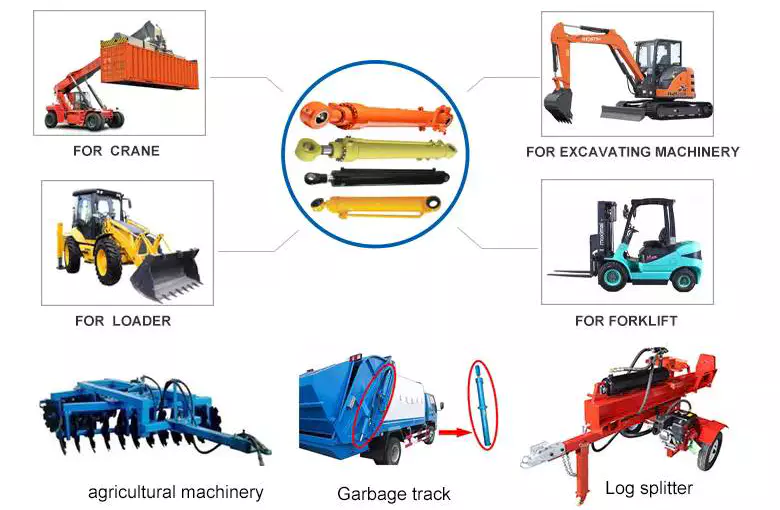
Can hydraulic cylinders be integrated with modern telematics and remote monitoring?
Yes, hydraulic cylinders can indeed be integrated with modern telematics and remote monitoring systems. The integration of hydraulic cylinders with telematics and remote monitoring technology offers numerous benefits, including enhanced operational efficiency, improved maintenance practices, and increased overall productivity. Here’s a detailed explanation of how hydraulic cylinders can be integrated with modern telematics and remote monitoring:
1. 센서 통합:
– Hydraulic cylinders can be equipped with various sensors to gather real-time data about their performance and operating conditions. Sensors such as pressure transducers, temperature sensors, position sensors, and load sensors can be integrated directly into the cylinder or its associated components. These sensors provide valuable information about parameters such as pressure, temperature, position, and load, enabling remote monitoring and analysis of the cylinder’s behavior.
2. Data Transmission:
– The data collected from the sensors in hydraulic cylinders can be transmitted wirelessly or through wired connections to a central monitoring system. Wireless communication technologies such as Bluetooth, Wi-Fi, or cellular networks can be employed to transmit data in real-time. Alternatively, wired connections such as Ethernet or CAN bus can be utilized for data transmission. The choice of communication method depends on the specific requirements of the application and the available infrastructure.
3. Remote Monitoring Systems:
– Remote monitoring systems receive and process the data transmitted from hydraulic cylinders. These systems can be cloud-based or hosted on local servers, depending on the implementation. Remote monitoring systems collect and analyze the data to provide insights into the cylinder’s performance, health, and usage patterns. Operators and maintenance personnel can access the monitoring system through web-based interfaces or dedicated software applications to view real-time data, receive alerts, and generate reports.
4. Condition Monitoring and Predictive Maintenance:
– Integration with telematics and remote monitoring enables condition monitoring and predictive maintenance of hydraulic cylinders. By analyzing the collected data, patterns and trends can be identified, allowing for the detection of potential issues or anomalies before they escalate into major problems. Predictive maintenance algorithms can be applied to the data to generate maintenance schedules, recommend component replacements, and optimize maintenance activities. This proactive approach helps prevent unexpected downtime, reduces maintenance costs, and maximizes the lifespan of hydraulic cylinders.
5. Performance Optimization:
– The data collected from hydraulic cylinders can also be utilized to optimize their performance. By analyzing parameters such as pressure, temperature, and load, operators can identify opportunities for improving operational efficiency. Insights gained from the remote monitoring system can guide adjustments in system settings, load management, or operational practices to optimize the performance of hydraulic cylinders and the overall hydraulic system. This optimization can result in energy savings, improved productivity, and reduced wear and tear.
6. Integration with Equipment Management Systems:
– Telematics and remote monitoring systems can be integrated with broader equipment management systems. This integration allows hydraulic cylinder data to be correlated with data from other components or related machinery, providing a comprehensive view of the overall system’s performance. This holistic approach enables operators to identify potential interdependencies, optimize system-wide performance, and make informed decisions regarding maintenance, repairs, or upgrades.
7. Enhanced Safety and Fault Diagnosis:
– Telematics and remote monitoring can contribute to enhanced safety and fault diagnosis in hydraulic systems. Real-time data from hydraulic cylinders can be used to detect abnormal conditions, such as excessive pressure or temperature, which may indicate potential safety risks. Fault diagnosis algorithms can analyze the data to identify specific issues or malfunctions, enabling prompt intervention and reducing the risk of catastrophic failures or accidents.
In summary, hydraulic cylinders can be effectively integrated with modern telematics and remote monitoring systems. This integration enables the collection of real-time data, remote monitoring of performance, condition monitoring, predictive maintenance, performance optimization, integration with equipment management systems, and enhanced safety. By harnessing the power of telematics and remote monitoring, hydraulic cylinder users can achieve improved efficiency, reduced downtime, optimized maintenance practices, and enhanced overall productivity in various applications and industries.
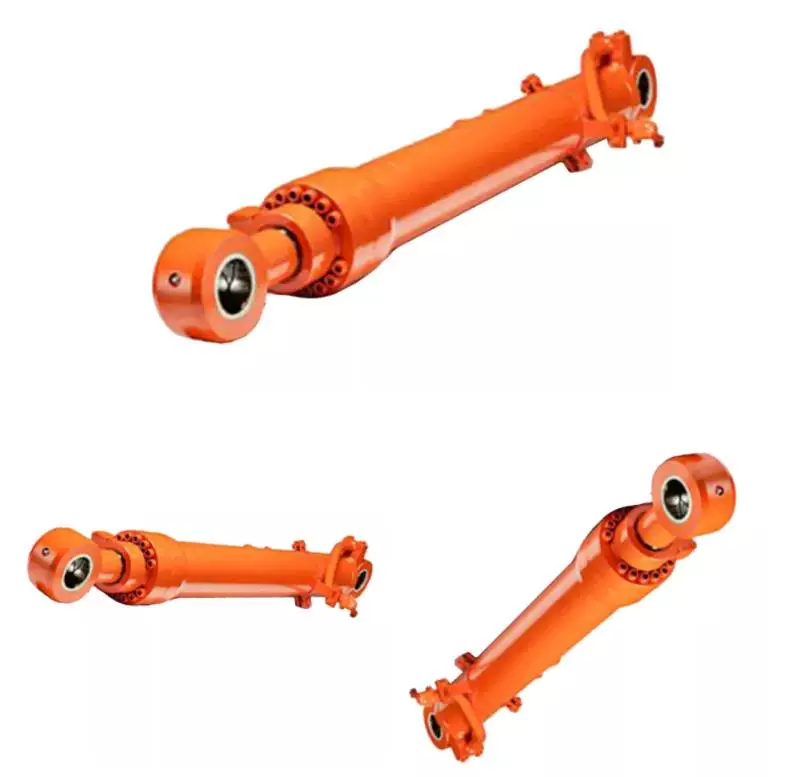
Handling the Challenges of Minimizing Fluid Leaks and Contamination in Hydraulic Cylinders
Hydraulic cylinders face challenges when it comes to minimizing fluid leaks and contamination, as these issues can impact the performance, reliability, and lifespan of the system. However, there are several measures and design considerations that help address these challenges effectively. Let’s explore how hydraulic cylinders handle the challenges of minimizing fluid leaks and contamination:
- Sealing Systems: Hydraulic cylinders employ advanced sealing systems to prevent fluid leaks. These systems typically include various types of seals, such as piston seals, rod seals, and wiper seals. The seals are designed to create a tight and reliable barrier between the moving components of the cylinder and the external environment, minimizing the risk of fluid leakage.
- Seal Material Selection: The choice of seal materials is crucial in minimizing fluid leaks and contamination. Hydraulic cylinder manufacturers carefully select seal materials that are compatible with the hydraulic fluid used and resistant to wear, abrasion, and chemical degradation. This ensures the longevity and effectiveness of the seals, reducing the likelihood of leaks or premature seal failure.
- Proper Installation and Maintenance: Ensuring proper installation and regular maintenance of hydraulic cylinders is essential for minimizing fluid leaks and contamination. During installation, attention should be given to proper alignment, torqueing of bolts, and adherence to recommended procedures. Regular maintenance includes inspecting seals, replacing worn-out components, and addressing any signs of leakage promptly. Proper maintenance practices help identify and rectify issues before they escalate and cause significant problems.
- Contamination Control: Hydraulic cylinders incorporate measures to control contamination and maintain fluid cleanliness. This includes the use of filtration systems, such as in-line filters, to remove particles and contaminants from the hydraulic fluid. Additionally, hydraulic reservoirs often have breathers and desiccant filters to prevent moisture and airborne contaminants from entering the system. By controlling contamination, hydraulic cylinders minimize the risk of damage to internal components and maintain optimal system performance.
- Environmental Protection: Hydraulic cylinders may be equipped with protective features to safeguard against external contaminants. For example, bellows or protective boots can be installed to shield the rod and seals from debris, dirt, or moisture present in the operating environment. These protective measures help extend the life of the seals and enhance the overall reliability of the hydraulic cylinder.
In summary, hydraulic cylinders employ sealing systems, appropriate seal materials, proper installation and maintenance practices, contamination control measures, and environmental protection features to handle the challenges of minimizing fluid leaks and contamination. By implementing these measures, manufacturers can ensure reliable and long-lasting hydraulic cylinder performance, minimize the risk of fluid leakage, and maintain the cleanliness of the hydraulic system.
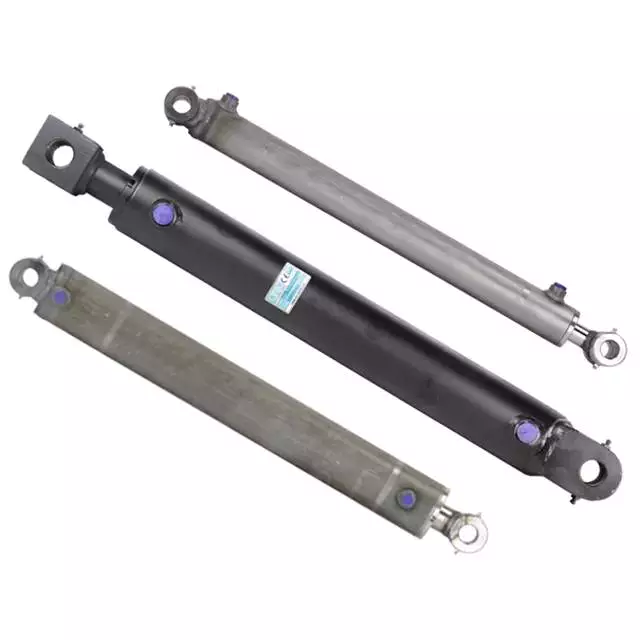
용도에 맞는 유압 실린더를 선택할 때 고려해야 할 요소는 무엇입니까?
용도에 맞는 유압 실린더를 선택할 때는 몇 가지 중요한 요소를 고려해야 합니다. 이러한 요소들을 통해 선택한 유압 실린더가 해당 용도의 특정 요구 사항에 적합하고 안정적으로 작동할 수 있도록 보장할 수 있습니다. 고려해야 할 주요 요소는 다음과 같습니다.
1. 부하 요구 사항:
고려해야 할 중요한 요소 중 하나는 적용 분야의 부하 요구 사항입니다. 유압 실린더가 처리해야 하는 최대 하중을 결정해야 합니다. 실린더가 정지해 있을 때의 정적 하중과 실린더가 움직일 때의 동적 하중을 모두 고려해야 합니다. 부하 요구 사항은 실린더의 내경, 로드 직경 및 전체 강도에 영향을 미칩니다. 안전과 수명 확보를 위해 적용 분야의 최대 하중을 초과하는 하중 용량을 가진 유압 실린더를 선택하십시오.
2. 스트로크 길이:
스트로크 길이는 유압 실린더가 원하는 동작을 수행하기 위해 늘어나고 줄어드는 거리를 말합니다. 사용 용도에 따른 작동 요구 사항을 기준으로 필요한 스트로크 길이를 측정하십시오. 필요한 거리와 같거나 그 이상의 스트로크 길이를 가진 유압 실린더를 선택하는 것이 중요합니다. 향후 스트로크 길이의 변동이나 조정이 필요할 수 있으므로 이를 고려해야 합니다.
3. 작동 압력:
– 적용 분야에 필요한 작동 압력을 고려하십시오. 유압 실린더는 유압 시스템 내의 최대 압력을 견딜 수 있어야 합니다. 선택한 실린더의 압력 등급이 적용 분야의 최대 작동 압력을 초과하는지 확인하십시오. 이는 안전을 확보하고 조기 고장을 방지합니다.
4. 속도 요구 사항:
– 용도에 필요한 유압 실린더의 작동 속도를 결정하십시오. 확장 속도와 수축 속도를 모두 고려해야 합니다. 원하는 속도를 구현하면서 정밀한 제어와 안정성을 유지할 수 있는 실린더를 선택하십시오. 성능이나 안전성을 저해하지 않으면서 필요한 속도를 처리할 수 있는 실린더를 선택하는 것이 중요합니다.
5. 설치:
유압 실린더 설치에 필요한 공간과 장착 요건을 평가하십시오. 장착 유형(플랜지, 풋, 트러니언 또는 클레비스 등), 사용 가능한 장착 지점 및 특정 장착 제약 조건을 고려하십시오. 선택한 실린더를 원하는 위치에 쉽고 안전하게 장착할 수 있는지 확인하십시오.
6. 환경적 요인:
유압 실린더가 작동할 환경 조건을 평가하십시오. 극한 온도, 습도, 화학 물질, 먼지 또는 부식성 물질 노출과 같은 요소를 고려해야 합니다. 특정 환경 조건에 견딜 수 있도록 설계된 실린더를 선택하십시오. 이를 위해서는 실린더의 수명과 성능을 보장하기 위해 적절한 재질, 코팅 또는 밀봉재를 선택해야 할 수 있습니다.
7. 실린더 구성:
– 적용 분야의 요구 사항에 따라 적절한 실린더 구성을 결정하십시오. 단동식 또는 복동식 실린더, 공간 제약이 있는 경우를 위한 텔레스코픽 실린더, 특수한 용도를 위한 맞춤형 구성 등을 고려하십시오. 적용 분야의 구체적인 요구 사항을 평가하여 가장 적합한 실린더 구성을 선택하십시오.
8. 유지보수 및 서비스 용이성:
유압 실린더의 유지보수 및 서비스 요구 사항을 고려하십시오. 유지보수를 위한 접근성, 예비 부품의 가용성, 고객 지원 및 사후 서비스 측면에서 제조업체 또는 공급업체의 평판과 같은 요소를 평가하십시오. 신뢰할 수 있고 평판이 좋은 브랜드를 선택하면 필요할 때 지속적인 지원과 예비 부품 확보가 가능합니다.
9. 규정 준수 및 표준:
– 산업 분야 및 적용 분야에 따라 특정 규정 준수 기준을 충족해야 할 수 있습니다. 유압 실린더가 준수해야 하는 산업별 규정, 안전 기준 또는 인증을 고려하십시오. 선택한 실린더가 해당 적용 분야에 필요한 기준 및 인증을 충족하는지 확인하십시오.
10. 비용 및 예산:
마지막으로 유압 실린더의 비용과 예산을 고려해야 합니다. 용도에 맞는 실린더를 선택하는 것도 중요하지만, 전반적인 비용 효율성 또한 고려해야 합니다. 초기 구매 비용, 장기 유지 보수 비용, 그리고 실린더의 예상 수명을 평가하십시오. 비용과 품질의 균형을 맞추면 용도에 가장 적합한 가성비 높은 유압 실린더를 선택할 수 있습니다.
선정 과정에서 이러한 요소들을 고려하면 하중 용량, 스트로크 길이, 작동 압력, 속도, 장착 방식, 환경 조건, 유지보수 필요성, 규정 준수 및 비용 효율성 측면에서 적용 분야의 특정 요구 사항을 충족하는 적합한 유압 실린더를 선택할 수 있습니다. 적절한 선택은 의도된 적용 분야에서 유압 실린더의 최적 성능, 신뢰성 및 긴 수명을 보장합니다.


editor by CX 2023-10-29
 Korean
  English
  Italian
  Portuguese
  Dutch
Dutch  Swedish
  Danish
  Finnish
  Polish
  Hindi
Hindi  Kazakh
  Turkish
  Ukrainian
  Romanian
  Spanish
  German
  Russian
  Japanese
  Vietnamese
  Thai
Thai  Indonesian
  Malay
Malay  French
  Greek
Greek