
Описание продукта
Single acting telescopic hydraulic oil cylinder for dump truck
Описание продукта
Hyva & CHINAMFG & Custom hoist & Xihu (West Lake) Dis.r type hydraulic telescopic Cylinders are used for Dump Truck, Tipper Truck, Trailer, Agricultural Machinery, Garbage Truck, Landing Platform etc.
Tsingshi hydraulic Customers, MAN, JAC, VOLVO, SHACMAN, DAF, JMC, HUNO, CIMC, SINOTRUK, TATRA,BENS,XIHU (WEST LAKE) DIS.FENG, FOTON,etc.
1.Each stage electroplate hard chrome;
2.lighter and easier to maintenance hydraulic telescopic cylinder;
3.High quality alloy seamless steel pipe have better mechanical properties;
4.The world famous brands of seals, such as HALLITE, PARKER,etc;
5.World-class processing technology ensures stable and reliable quality.
| NO | ITEM | DATA OF dump truck hydraulic cylinder |
| 1 | Материал | Carbon Steel, Alloy Steel, 27SiMn,45#,20#,etc |
| 2 | Honed tube | 40-300mm, Heat treatment, honing, rolling |
| 3 | Honed tube | 30-280mm, plated nickel or hard Chrome or ceramic |
| 4 | Seal kit | Parker, Merkel, Hallite, Kaden, etc |
| 5 | Coating | Sandblasting, primer paint, middle paint, finish paint, Color can paint according to customer demands. |
| 6 | Technology | Parker,custom hoist, hyco,HYVA, Meiller SAT,DAT |
| 7 | Mounting type | Pin-eye , flange, trunnion mount,ball mount, screw thread. FC, FE, FEE, FSE,TPIN |
| 8 | Working medium | Hydraulic Oil |
| 9 | Working pressure | 16-20Mpa telescopic hydraulic cylinder |
| 10 | Temperature range | -50°C to +100°C |
Detailed Photos
Профиль компании
Tsingshi hydraulic is a hydraulic telescopic cylinder for dump tipper truck company which takes up with hydraulic design, R&D, manufacturer, sell and service hydraulic products-Telescopic hydraulic cylinder for dump truck.
-Hydraulic Cylinders Certification ISO9001 TS16949, etc;
-Telescopic jack Hydraulic Cylinder Export to North America, South America, Australia, South Korea, Southeast Asia, South Africa, Europe, Middle East, etc;
-ODM&OEM Single acting Hydraulic Telescopic Cylinder according to client’s requirements;
-Professional manufacturer& supplier of Hydraulic Cylinders over 30 years;
-The Hydraulic telescopic Cylinders can be used for Dump Truck, Tipper Truck, Trailer, Agricultural Machinery, Garbage Truck,Landing Platform etc; We can produce the follow brand hydraulic cylinder. HYVA, BINOTTO, EDBRO, PENTA, MAILHOT, CUSTOM HOIST, MUNCIE, METARIS, HYDRAULEX GLOBAL, HYCO, PARKER, COMMERCIAL HYDRAULICS, MEILLER. WTJX, XT, JX, HCIC, ZX, SZ, SJ.
CUSTOMERS PHOTOS
QUALITY GUARANTEE
HIGH QUALITITY GUARANTEE-Telescopic hydraulic cylinder for dump truck
-7*24 service.
-Competitive price.
-Professional technical team.
-Perfect after-sales service system.
-ODM&OEM according to customer needs.
-Strong production capacity to ensure fast delivery.
-Guarantee Quality. Every process must be inspected, all products need be tested before leaving the factory.
<Hydraulic Cylinder Leak Test
<Telescopic Hydraulic jack Buffer Test
<Hydraulic Telescopic Cylinder Reliability Test
<Dump truck Hydraulic Cylinder Full Stroke Test
<Dump trailer Hydraulic Cylinder Trial Operation Test
<Tipper truck Cylinder Pressure Tight Test
<Dump truck telescopic Hydraulic Cylinder Load Efficiency Test
<Dump trailer telescopic Hydraulic Cylinder Start-up Pressure Test
<Long stroke single acting hydraulic telescopic cylinder Testing the Effect of Limit
SALES AND SERVICE
ONE WORLD ONE LOVE
| Сертификация: | CE, ISO/Ts16949 |
|---|---|
| Давление: | Medium Pressure |
| Рабочая температура: | Normal Temperature |
| Способ действия: | Single Acting |
| Метод работы: | Straight Trip |
| Скорректированная форма: | Regulated Type |
| Samples: | US$ 1000/Piece 1 Piece(Min.Order) | |
|---|
| Настройка: | Доступный |
|
|---|
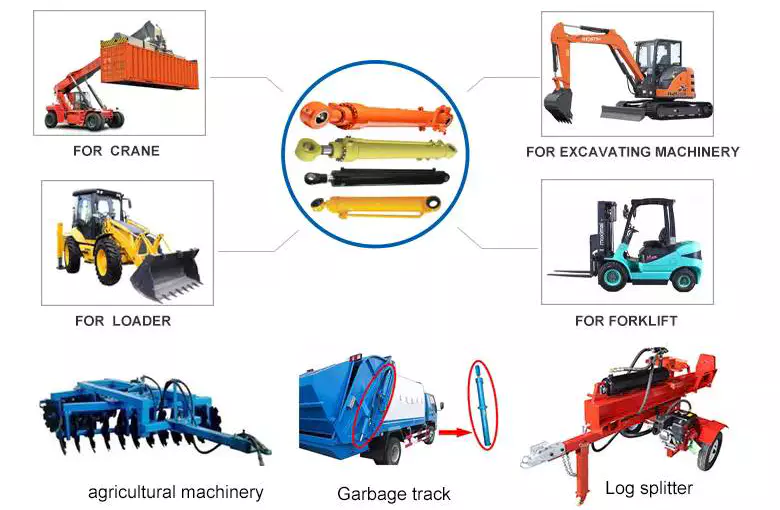
Can hydraulic cylinders be integrated with modern telematics and remote monitoring?
Yes, hydraulic cylinders can indeed be integrated with modern telematics and remote monitoring systems. The integration of hydraulic cylinders with telematics and remote monitoring technology offers numerous benefits, including enhanced operational efficiency, improved maintenance practices, and increased overall productivity. Here’s a detailed explanation of how hydraulic cylinders can be integrated with modern telematics and remote monitoring:
1. Интеграция датчиков:
– Hydraulic cylinders can be equipped with various sensors to gather real-time data about their performance and operating conditions. Sensors such as pressure transducers, temperature sensors, position sensors, and load sensors can be integrated directly into the cylinder or its associated components. These sensors provide valuable information about parameters such as pressure, temperature, position, and load, enabling remote monitoring and analysis of the cylinder’s behavior.
2. Data Transmission:
– The data collected from the sensors in hydraulic cylinders can be transmitted wirelessly or through wired connections to a central monitoring system. Wireless communication technologies such as Bluetooth, Wi-Fi, or cellular networks can be employed to transmit data in real-time. Alternatively, wired connections such as Ethernet or CAN bus can be utilized for data transmission. The choice of communication method depends on the specific requirements of the application and the available infrastructure.
3. Remote Monitoring Systems:
– Remote monitoring systems receive and process the data transmitted from hydraulic cylinders. These systems can be cloud-based or hosted on local servers, depending on the implementation. Remote monitoring systems collect and analyze the data to provide insights into the cylinder’s performance, health, and usage patterns. Operators and maintenance personnel can access the monitoring system through web-based interfaces or dedicated software applications to view real-time data, receive alerts, and generate reports.
4. Condition Monitoring and Predictive Maintenance:
– Integration with telematics and remote monitoring enables condition monitoring and predictive maintenance of hydraulic cylinders. By analyzing the collected data, patterns and trends can be identified, allowing for the detection of potential issues or anomalies before they escalate into major problems. Predictive maintenance algorithms can be applied to the data to generate maintenance schedules, recommend component replacements, and optimize maintenance activities. This proactive approach helps prevent unexpected downtime, reduces maintenance costs, and maximizes the lifespan of hydraulic cylinders.
5. Performance Optimization:
– The data collected from hydraulic cylinders can also be utilized to optimize their performance. By analyzing parameters such as pressure, temperature, and load, operators can identify opportunities for improving operational efficiency. Insights gained from the remote monitoring system can guide adjustments in system settings, load management, or operational practices to optimize the performance of hydraulic cylinders and the overall hydraulic system. This optimization can result in energy savings, improved productivity, and reduced wear and tear.
6. Integration with Equipment Management Systems:
– Telematics and remote monitoring systems can be integrated with broader equipment management systems. This integration allows hydraulic cylinder data to be correlated with data from other components or related machinery, providing a comprehensive view of the overall system’s performance. This holistic approach enables operators to identify potential interdependencies, optimize system-wide performance, and make informed decisions regarding maintenance, repairs, or upgrades.
7. Enhanced Safety and Fault Diagnosis:
– Telematics and remote monitoring can contribute to enhanced safety and fault diagnosis in hydraulic systems. Real-time data from hydraulic cylinders can be used to detect abnormal conditions, such as excessive pressure or temperature, which may indicate potential safety risks. Fault diagnosis algorithms can analyze the data to identify specific issues or malfunctions, enabling prompt intervention and reducing the risk of catastrophic failures or accidents.
In summary, hydraulic cylinders can be effectively integrated with modern telematics and remote monitoring systems. This integration enables the collection of real-time data, remote monitoring of performance, condition monitoring, predictive maintenance, performance optimization, integration with equipment management systems, and enhanced safety. By harnessing the power of telematics and remote monitoring, hydraulic cylinder users can achieve improved efficiency, reduced downtime, optimized maintenance practices, and enhanced overall productivity in various applications and industries.
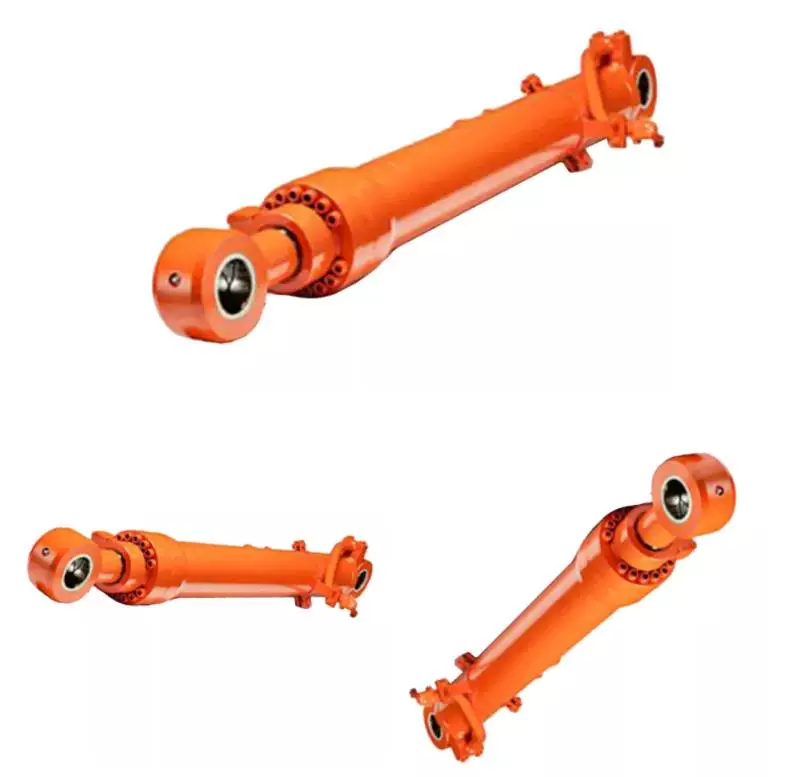
Handling the Challenges of Minimizing Fluid Leaks and Contamination in Hydraulic Cylinders
Hydraulic cylinders face challenges when it comes to minimizing fluid leaks and contamination, as these issues can impact the performance, reliability, and lifespan of the system. However, there are several measures and design considerations that help address these challenges effectively. Let’s explore how hydraulic cylinders handle the challenges of minimizing fluid leaks and contamination:
- Sealing Systems: Hydraulic cylinders employ advanced sealing systems to prevent fluid leaks. These systems typically include various types of seals, such as piston seals, rod seals, and wiper seals. The seals are designed to create a tight and reliable barrier between the moving components of the cylinder and the external environment, minimizing the risk of fluid leakage.
- Seal Material Selection: The choice of seal materials is crucial in minimizing fluid leaks and contamination. Hydraulic cylinder manufacturers carefully select seal materials that are compatible with the hydraulic fluid used and resistant to wear, abrasion, and chemical degradation. This ensures the longevity and effectiveness of the seals, reducing the likelihood of leaks or premature seal failure.
- Proper Installation and Maintenance: Ensuring proper installation and regular maintenance of hydraulic cylinders is essential for minimizing fluid leaks and contamination. During installation, attention should be given to proper alignment, torqueing of bolts, and adherence to recommended procedures. Regular maintenance includes inspecting seals, replacing worn-out components, and addressing any signs of leakage promptly. Proper maintenance practices help identify and rectify issues before they escalate and cause significant problems.
- Contamination Control: Hydraulic cylinders incorporate measures to control contamination and maintain fluid cleanliness. This includes the use of filtration systems, such as in-line filters, to remove particles and contaminants from the hydraulic fluid. Additionally, hydraulic reservoirs often have breathers and desiccant filters to prevent moisture and airborne contaminants from entering the system. By controlling contamination, hydraulic cylinders minimize the risk of damage to internal components and maintain optimal system performance.
- Environmental Protection: Hydraulic cylinders may be equipped with protective features to safeguard against external contaminants. For example, bellows or protective boots can be installed to shield the rod and seals from debris, dirt, or moisture present in the operating environment. These protective measures help extend the life of the seals and enhance the overall reliability of the hydraulic cylinder.
In summary, hydraulic cylinders employ sealing systems, appropriate seal materials, proper installation and maintenance practices, contamination control measures, and environmental protection features to handle the challenges of minimizing fluid leaks and contamination. By implementing these measures, manufacturers can ensure reliable and long-lasting hydraulic cylinder performance, minimize the risk of fluid leakage, and maintain the cleanliness of the hydraulic system.
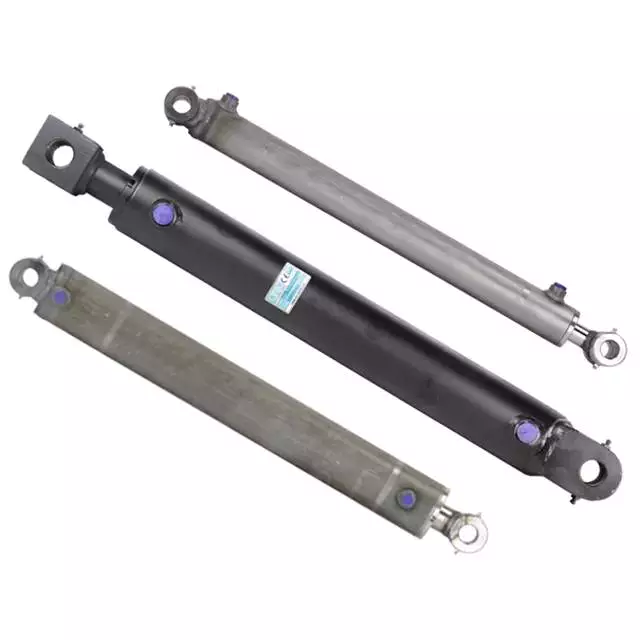
Какие факторы следует учитывать при выборе подходящего гидравлического цилиндра для конкретного применения?
При выборе подходящего гидравлического цилиндра для конкретного применения необходимо учитывать несколько важных факторов. Эти факторы помогают гарантировать, что выбранный гидравлический цилиндр будет соответствовать конкретным требованиям применения и будет работать надежно. Вот основные факторы, которые следует учитывать:
1. Требования к грузоподъемности:
– Одним из важнейших факторов, который следует учитывать, является требуемая нагрузка для конкретного применения. Определите максимальную нагрузку, которую должен выдерживать гидравлический цилиндр. Учитывайте как статическую нагрузку (когда цилиндр неподвижен), так и динамическую нагрузку (когда цилиндр находится в движении). Требуемая нагрузка повлияет на диаметр цилиндра, диаметр штока и общую прочность. Для обеспечения безопасности и долговечности выбирайте гидравлический цилиндр с грузоподъемностью, превышающей максимальную нагрузку для данного применения.
2. Длина хода поршня:
– Длина хода – это расстояние, на которое гидравлический цилиндр должен выдвинуться и втянуться для выполнения необходимого движения. Измерьте требуемую длину хода, исходя из эксплуатационных требований конкретного применения. Крайне важно выбрать гидравлический цилиндр с длиной хода, соответствующей или превышающей требуемое расстояние. Учитывайте любые возможные изменения или корректировки длины хода, которые могут потребоваться в будущем.
3. Рабочее давление:
– Учитывайте требуемое рабочее давление для данного применения. Гидравлический цилиндр должен выдерживать максимальное давление в гидравлической системе. Убедитесь, что выбранный цилиндр имеет номинальное давление, превышающее максимальное рабочее давление для данного применения. Это обеспечивает безопасность и предотвращает преждевременный выход из строя.
4. Требования к скорости:
– Определите необходимую скорость движения гидравлического цилиндра для данного применения. Учитывайте как скорость выдвижения, так и скорость втягивания. Выберите цилиндр, способный обеспечить требуемую скорость, сохраняя при этом точное управление и стабильность. Важно выбрать цилиндр, способный выдерживать требуемую скорость без ущерба для производительности или безопасности.
5. Монтаж:
– Оцените доступное пространство и требования к монтажу гидравлического цилиндра. Учитывайте тип крепления (например, фланец, опора, цапфа или вилка), доступные точки крепления и любые специфические ограничения при монтаже. Убедитесь, что выбранный цилиндр можно легко и надежно установить в нужном месте.
6. Факторы окружающей среды:
– Оцените условия окружающей среды, в которых будет работать гидравлический цилиндр. Учитывайте такие факторы, как экстремальные температуры, влажность, воздействие химических веществ, пыли или коррозионных веществ. Выберите цилиндр, разработанный для работы в конкретных условиях окружающей среды. Это может включать в себя выбор соответствующих материалов, покрытий или уплотнений для обеспечения долговечности и производительности цилиндра.
7. Конфигурация цилиндров:
– Определите подходящую конфигурацию цилиндра в зависимости от требований применения. Учитывайте такие факторы, как односторонние или двусторонние цилиндры, телескопические цилиндры для ограниченного пространства или индивидуальные конфигурации для уникальных применений. Оцените конкретные потребности применения, чтобы выбрать наиболее подходящую конфигурацию цилиндра.
8. Техническое обслуживание и ремонтопригодность:
– Учитывайте требования к техническому обслуживанию и ремонту гидравлического цилиндра. Оцените такие факторы, как удобство доступа для обслуживания, наличие запасных частей и репутация производителя или поставщика в плане поддержки клиентов и послепродажного обслуживания. Выбор надежного и авторитетного бренда может гарантировать постоянную поддержку и наличие запасных частей при необходимости.
9. Соответствие требованиям и стандартам:
– В зависимости от отрасли и области применения могут потребоваться определенные стандарты соответствия. Учитывайте любые отраслевые правила, стандарты безопасности или сертификаты, которым должен соответствовать гидравлический цилиндр. Убедитесь, что выбранный цилиндр соответствует требуемым стандартам и сертификатам для данного применения.
10. Стоимость и бюджет:
– Наконец, следует учесть стоимость и бюджет гидравлического цилиндра. Хотя важно выбрать цилиндр, соответствующий требованиям конкретного применения, необходимо также учитывать общую экономическую эффективность. Оцените первоначальные затраты на покупку, долгосрочные затраты на техническое обслуживание и ожидаемый срок службы цилиндра. Баланс между стоимостью и качеством поможет выбрать гидравлический цилиндр, обеспечивающий наилучшее соотношение цены и качества для конкретного применения.
Учитывая эти факторы в процессе выбора, становится возможным подобрать подходящий гидравлический цилиндр, отвечающий конкретным требованиям применения с точки зрения грузоподъемности, длины хода, рабочего давления, скорости, монтажа, условий окружающей среды, потребностей в техническом обслуживании, соответствия нормативным требованиям и экономической эффективности. Правильный выбор обеспечивает оптимальную производительность, надежность и долговечность гидравлического цилиндра в предполагаемом применении.


editor by CX 2023-10-29
 Russian
  English
  Italian
  Portuguese
  Dutch
Dutch  Swedish
  Danish
  Finnish
  Polish
  Hindi
Hindi  Kazakh
  Turkish
  Ukrainian
  Romanian
  Spanish
  German
  Korean
  Japanese
  Vietnamese
  Thai
Thai  Indonesian
  Malay
Malay  French
  Greek
Greek