
Penerangan Produk
hydraulic cylinder tipping gear system for dump truck manufacturer
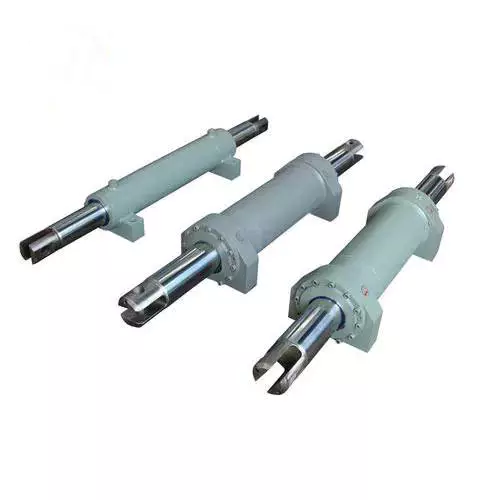
The hydraulc self-charging system for dump truck includes telescopic hydraulic cylinder,supporting bracket, hydraulic hose, gear pump, limit valve and other fittings. It has simple structure, high strength and safe operation with competitive price and excellent quality.
1. dump truck telescopic hydraulic cylinder drawing and parameter
Features | customer hydraulic cylinder |
Bore Diameter | 2′-60’/50-1500mm |
Rod Diameter | 1′ – 60’/25 -1500 mm |
Wall Thickness | 0.1′-4’/3-100 mm |
Max Stroke | 366’/9280 mm |
Max Pressure | 9600 psi/600 bar |
Test Pressure | 14500 psi/1000 bar |
Bahan | 20#,40#,45#,16Mn,27SiMn,etc |
Seal Kits | Hallite,Parker,NOK,DICHTOMATIK,Trelleborg,Merkel,etc |
Diamensional Accuracy | H7-H11 |
Bore Roughness | Ra 0.4-1.6mm |
Coating | hard chrome |
Purpose | Construction,metallurgical,mining,agricultural,forestry machinery,etc |
OEM | Yes |
MOQ | 1 Piece |
Certificates | ISO9001,ISO/TS16949,ABS,AQA,API,CCS,CCRI,DNV |
Product details:
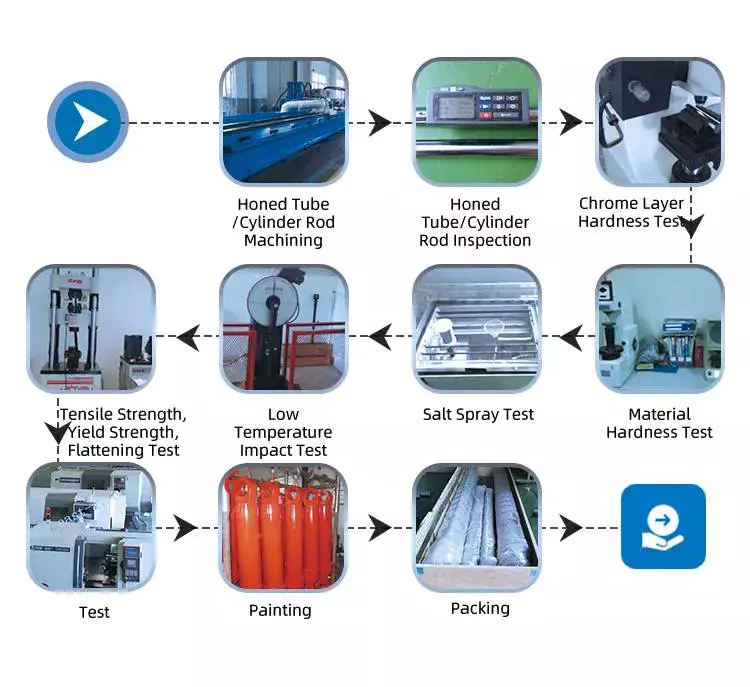
Production process:
hydraulic cylinder for dump truck , trail truck,garbage truck,crane
1.Sinciput telescopic hydraulic cylinder is used in lager-tonnage sinciput hydraulic system. Together with hydraulic pump, change valve, and limit valve, it can realize the function of lifting pausing and falling. And the product can be designed and made according to the demands of customers.
2.underbody telescopic hydraulic cylinder is used in large-tonnage side-dumping hydraulic system. Together with hydraulic pump, change valve, and limit valve, it can realize the function of lifting pausing and falling. And the product can be designed and made according to the demands of customers.
hydraulic cylinder for coal mine dump truck
3.Hydraulic cylinder is the most important component in hydraulic systems, it will transfer hydraulic energy into mechanical energy, and is matched with various transmission mechanism, to complete a variety of mechanical motion.
4.Hydraulic cylinder has the advantages of simple structure, large output force, stable and reliable performance, easy maintenance, wide application.
5. customer hydraulic cylinder can be used for dump truck, marine, drilling machine, industry, elevator , workover rig , mining, agriculture, industry, construction ,etc.
| Pensijilan: | GS, RoHS, CE, ISO9001 |
|---|---|
| Tekanan: | High Pressure |
| Suhu Kerja: | High Temperature |
| Cara Lakonan: | Double Acting |
| Kaedah Kerja: | Perjalanan Lurus |
| Structure: | Piston Type |
| Sampel: | US$ 200/Piece 1 Keping (Pesanan Minimum) | |
|---|
| Penyesuaian: | Tersedia |
|
|---|
Bagaimanakah pengeluar memastikan ketahanan dan kebolehpercayaan silinder hidraulik?
Pengilang menggunakan pelbagai strategi dan teknik untuk memastikan ketahanan dan kebolehpercayaan silinder hidraulik. Langkah-langkah ini penting kerana silinder hidraulik sering tertakluk kepada keadaan operasi yang mencabar dan beban berat. Untuk memastikan ketahanan dan prestasi yang boleh dipercayai, pengeluar memberi tumpuan kepada aspek berikut:
1. Bahan Berkualiti Tinggi:
– Pengilang menggunakan bahan berkualiti tinggi dalam pembinaan silinder hidraulik. Komponen seperti laras silinder, rod omboh, pengedap dan galas diperbuat daripada bahan yang mempunyai kekuatan, rintangan kakisan dan sifat rintangan haus yang sangat baik. Bahan biasa yang digunakan termasuk aloi keluli gred tinggi, rod bersalut krom dan salutan khusus. Pemilihan bahan yang sesuai memastikan silinder hidraulik dapat menahan tekanan, tekanan dan keadaan persekitaran yang dihadapi semasa operasi.
2. Reka Bentuk yang Kukuh:
– Silinder hidraulik direka bentuk untuk menahan beban tinggi dan keadaan operasi yang keras. Pengilang menggunakan perisian reka bentuk bantuan komputer (CAD) dan teknik analisis unsur terhingga (FEA) untuk mengoptimumkan integriti struktur dan prestasi silinder. Reka bentuk ini merangkumi faktor seperti ketebalan dinding yang betul, tetulang di kawasan kritikal dan saiz komponen yang sesuai. Amalan reka bentuk yang mantap memastikan silinder hidraulik dapat menahan daya dan tekanan yang dihadapinya, mencegah kegagalan pramatang dan memastikan ketahanan.
3. Proses Pembuatan Berkualiti:
– Pengilang mematuhi langkah kawalan kualiti yang ketat semasa proses pembuatan silinder hidraulik. Proses ini termasuk pemesinan jitu, kimpalan, rawatan haba dan kemasan permukaan. Juruteknik mahir dan jentera canggih digunakan untuk memastikan ketepatan dimensi, pemasangan komponen yang betul dan kualiti keseluruhan. Dengan mematuhi proses pembuatan dan piawaian kualiti yang ketat, pengeluar boleh menghasilkan silinder hidraulik dengan prestasi dan kebolehpercayaan yang konsisten.
4. Teknologi Pengedap:
– Sistem pengedap silinder hidraulik adalah penting untuk ketahanan dan kebolehpercayaannya. Pengilang menggunakan teknologi pengedap canggih seperti pengedap bibir, cincin-O dan pengedap komposit untuk mencegah kebocoran bendalir dan kemasukan bahan cemar. Pengedap yang direka bentuk dengan betul dan berkualiti tinggi memastikan silinder hidraulik dapat mengekalkan prestasinya dalam tempoh yang lama. Pengedap diuji untuk keserasiannya dengan bendalir hidraulik, rintangan tekanan dan daya tahan terhadap faktor persekitaran seperti suhu dan kelembapan.
5. Ujian Prestasi:
– Pengilang tertakluk kepada ujian prestasi yang ketat untuk silinder hidraulik bagi mengesahkan ketahanan dan kebolehpercayaannya. Ujian ini mensimulasikan keadaan operasi dunia sebenar dan menilai faktor seperti kapasiti beban, rintangan tekanan, hayat lesu dan kebocoran. Ujian prestasi membantu mengenal pasti sebarang kecacatan atau kelemahan reka bentuk dalam silinder hidraulik dan membolehkan pengeluar membuat penambahbaikan yang diperlukan. Dengan menjalankan ujian prestasi yang menyeluruh, pengeluar boleh memastikan bahawa silinder hidraulik memenuhi atau melebihi piawaian prestasi yang diperlukan.
6. Pematuhan dengan Piawaian Industri:
– Pengilang mematuhi piawaian dan peraturan industri untuk memastikan ketahanan dan kebolehpercayaan silinder hidraulik. Piawaian ini, seperti ISO 6020/6022 dan NFPA T3.6.7, menyediakan garis panduan untuk keperluan reka bentuk, pembuatan dan prestasi. Dengan mematuhi piawaian ini, pengeluar memastikan bahawa silinder hidraulik direka bentuk dan dibina untuk memenuhi kriteria kualiti dan keselamatan tertentu. Pematuhan dengan piawaian industri membantu mewujudkan garis dasar untuk ketahanan dan kebolehpercayaan serta menanamkan keyakinan terhadap prestasi silinder hidraulik.
7. Penyelenggaraan dan Servis Berkala:
– Pengilang memberikan cadangan untuk penyelenggaraan dan servis silinder hidraulik secara berkala. Ini termasuk garis panduan untuk pelinciran, pemeriksaan komponen dan penggantian bahagian haus seperti pengedap dan galas. Mematuhi garis panduan penyelenggaraan pengilang membantu memastikan ketahanan dan kebolehpercayaan silinder hidraulik jangka panjang. Penyelenggaraan yang kerap juga membolehkan pengesanan awal isu-isu yang berpotensi, mencegah kegagalan besar dan memanjangkan hayat perkhidmatan silinder hidraulik.
8. Sokongan Pelanggan dan Waranti:
– Pengilang menyediakan sokongan pelanggan dan perkhidmatan jaminan untuk menangani sebarang isu yang timbul dengan silinder hidraulik. Mereka menawarkan bantuan teknikal, panduan penyelesaian masalah dan penggantian komponen yang rosak. Jaminan ini memastikan pelanggan menerima silinder hidraulik yang andal dan tahan lama serta menyediakan jalan penyelesaian sekiranya berlaku sebarang kecacatan pembuatan atau kegagalan pramatang. Sokongan pelanggan yang kukuh dan dasar jaminan mencerminkan komitmen pengilang terhadap ketahanan dan kebolehpercayaan produk mereka.
Secara ringkasnya, pengeluar memastikan ketahanan dan kebolehpercayaan silinder hidraulik melalui penggunaan bahan berkualiti tinggi, amalan reka bentuk yang mantap, proses pembuatan yang ketat, teknologi pengedap canggih, ujian prestasi yang teliti, pematuhan dengan piawaian industri, garis panduan penyelenggaraan yang kerap dan sokongan pelanggan dengan perkhidmatan jaminan. Dengan memberi tumpuan kepada aspek-aspek ini, pengeluar boleh menghasilkan silinder hidraulik yang boleh menahan keadaan yang mencabar, menyediakan jangka hayat yang panjang dan memberikan prestasi yang boleh dipercayai dalam pelbagai aplikasi.
Handling Challenges of Different Fluid Viscosities in Hydraulic Cylinders
Hydraulic cylinders are designed to handle the challenges associated with different fluid viscosities. The viscosity of hydraulic fluid can vary based on temperature, type of fluid used, and other factors. Hydraulic systems need to accommodate these variations to ensure optimal performance and efficiency. Let’s explore how hydraulic cylinders handle the challenges of different fluid viscosities:
- Fluid Selection: Hydraulic cylinders are designed to work with a range of hydraulic fluids, each with its specific viscosity characteristics. The selection of an appropriate fluid with the desired viscosity is crucial to ensure optimal performance. Manufacturers provide guidelines regarding the recommended viscosity range for specific hydraulic systems and cylinders. By choosing the right fluid, hydraulic cylinders can effectively handle the challenges posed by different fluid viscosities.
- Viscosity Compensation: Hydraulic systems often incorporate features to compensate for variations in fluid viscosity. For example, some hydraulic systems utilize pressure compensating valves that adjust the flow rate based on the viscosity of the fluid. This compensation ensures consistent performance across different operating conditions and fluid viscosities. Hydraulic cylinders work in conjunction with these compensation mechanisms to maintain precision and control, regardless of the fluid viscosity.
- Temperature Control: Fluid viscosity is highly dependent on temperature. Hydraulic cylinders employ various temperature control mechanisms to address the challenges posed by temperature-induced viscosity changes. Heat exchangers, coolers, and thermostatic valves are commonly used to regulate the temperature of the hydraulic fluid within the system. By controlling the fluid temperature, hydraulic cylinders can maintain the desired viscosity range, ensuring reliable and efficient operation.
- Efficient Filtration: Contaminants in hydraulic fluid can affect its viscosity and overall performance. Hydraulic systems incorporate efficient filtration systems to remove particles and impurities from the fluid. Clean fluid with the appropriate viscosity ensures optimal functioning of hydraulic cylinders. Regular maintenance and filter replacements are essential to uphold the desired fluid viscosity and prevent issues related to fluid contamination.
- Proper Lubrication: Different fluid viscosities can impact the lubrication properties within hydraulic cylinders. Lubrication is essential for minimizing friction and wear between moving parts. Hydraulic systems employ lubricants specifically formulated for the anticipated fluid viscosity range. Adequate lubrication ensures smooth operation and extends the lifespan of hydraulic cylinders, even in the presence of varying fluid viscosities.
In summary, hydraulic cylinders employ various strategies to handle the challenges associated with different fluid viscosities. By selecting appropriate fluids, incorporating viscosity compensation mechanisms, controlling temperature, implementing efficient filtration, and ensuring proper lubrication, hydraulic cylinders can accommodate variations in fluid viscosity. These measures enable hydraulic systems to deliver consistent performance, precise control, and efficient operation across different fluid viscosity ranges.
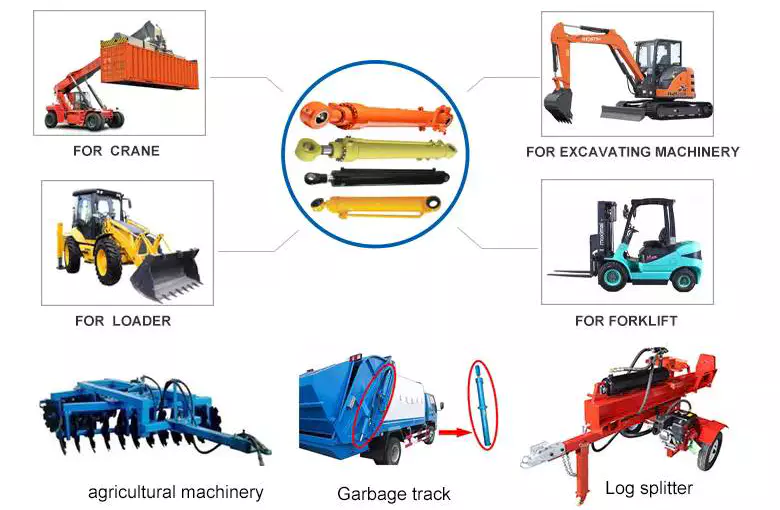
Which industries and machinery commonly use hydraulic cylinders for power transmission?
Hydraulic cylinders are widely used in various industries and machinery for power transmission due to their ability to generate high force, precise control, and reliable operation. They play a crucial role in converting hydraulic energy into mechanical force and motion. Here are the detailed industries and machinery that commonly utilize hydraulic cylinders for power transmission:
1. Construction and Heavy Equipment:
– Hydraulic cylinders are extensively used in the construction industry for tasks involving heavy lifting, pushing, and positioning. They are employed in cranes, excavators, loaders, bulldozers, and other heavy equipment to lift and move heavy loads, operate attachments, and manipulate construction materials. Hydraulic cylinders provide the necessary force and control for tasks such as lifting and lowering buckets, extending and retracting booms, and tilting blades.
2. Material Handling and Logistics:
– In material handling and logistics applications, hydraulic cylinders are vital components for the movement and manipulation of goods. They are used in forklifts, stackers, palletizers, and conveyor systems to lift, lower, and position loads with precision. Hydraulic cylinders enable the efficient transfer of heavy objects, facilitate stacking and sorting operations, and contribute to the smooth operation of material handling equipment.
3. Agriculture and Farming:
– The agricultural industry relies on hydraulic cylinders for various tasks in farming equipment. Tractors, harvesters, sprayers, and loaders utilize hydraulic cylinders to perform functions such as lifting and lowering implements, adjusting the position of attachments, and steering operations. Hydraulic cylinders enable efficient and precise control in tasks like plowing, tilling, harvesting, and baling, enhancing productivity and convenience in agricultural operations.
4. Mining and Extraction:
– Hydraulic cylinders are extensively utilized in the mining and extraction industry for their ability to handle heavy loads and operate in challenging environments. They are employed in mining equipment such as dump trucks, loaders, and excavators for tasks like ore extraction, rock breaking, and material transport. Hydraulic cylinders provide the force required for excavating, loading, and dumping operations, contributing to the efficiency and productivity of mining operations.
5. Manufacturing and Industrial Machinery:
– Hydraulic cylinders are an integral part of various manufacturing and industrial machinery. They are utilized in presses, stamping machines, injection molding machines, and metal forming equipment to apply force for shaping, bending, and pressing operations. Hydraulic cylinders enable precise control over the force and speed required for manufacturing processes, ensuring accurate and consistent results.
6. Automotive and Transportation:
– Hydraulic cylinders are employed in the automotive and transportation industry for a range of applications. They are used in vehicle lifting systems, such as car lifts and hydraulic jacks, for maintenance and repairs. Hydraulic cylinders are also utilized in bus doors, truck tailgates, and cargo handling systems to provide controlled movement and positioning. Additionally, hydraulic suspension systems in trucks, buses, and trailers use hydraulic cylinders for load leveling and stability.
7. Aerospace and Aviation:
– The aerospace and aviation industry relies on hydraulic cylinders for various applications, including aircraft landing gear, wing flaps, and flight control systems. Hydraulic cylinders provide the necessary force and precise control for extending and retracting landing gear, adjusting wing surfaces, and actuating control surfaces. They contribute to the safe and efficient operation of aircraft, ensuring reliable performance during takeoff, landing, and flight maneuvers.
8. Marine and Offshore:
– Hydraulic cylinders are utilized in marine and offshore equipment for a wide range of tasks. They are found in ship and boat steering systems, hatch covers, cranes, winches, and anchor handling equipment. Hydraulic cylinders enable precise control and powerful force transmission in maritime applications, supporting navigation, cargo handling, and offshore operations.
In summary, hydraulic cylinders are commonly used in industries such as construction, material handling, agriculture, mining, manufacturing, automotive, aerospace, marine, and more. They are integral components in machinery and equipment that require reliable power transmission, precise control, and the ability to handle heavy loads. The versatile nature of hydraulic cylinders allows them to be adapted to various applications, contributing to increased efficiency, productivity, and safety in numerous industries.


editor by CX 2023-10-17
 Malay
Malay  English
  Italian
  Portuguese
  Dutch
Dutch  Swedish
  Danish
  Finnish
  Polish
  Hindi
Hindi  Kazakh
  Turkish
  Ukrainian
  Romanian
  Spanish
  German
  Russian
  Korean
  Japanese
  Vietnamese
  Thai
Thai  Indonesian
  French
  Greek
Greek