
Penerangan Produk
FEATURES:
1.Our cylinders are ideally suited for construction and agricultural applications,as well as other industries like metal fabricating,waste/recycling. OEM is welcomed.
2.SAE, NPT, NPTF, BSP, Ports are available.
3.The base end clevis ensure greater swing ability and Maximum flexibility.
4.Every cylinder is functionally tested and pressurized to 1.5 times the normal working pressure to insure performance reliability.
5.Painted red, available in custom colors.
6.1 year limited warranty
7.Bore: 18mm – 800mm (0.75″ ~24″)
8.Stroke: 100mm – 8000mm. (4″ ~315″)
9.Main markets: America, Europe, Australia, Japan, China
10.As an ISO 9001:2008 certified factory, we own hundreds of different manufacturing and inspection facilities applied to machining, heat treatment, surface treatment, assembly of the finished products. We supply all types of hydraulic cylinder ranging from tie rod, welded cylinders to related components. With years’ manufacturing experiences, we are committed to a very competitive price and customer satisfied service.
| Part no. | Bore size | Strok | Rod | Column | Estimate |
| load | ship Wt.(lbs.) | ||||
| TR2008 | 2″ | 8″ | 1 1/8″ | 2500PSI | 19.1 |
| TR2508 | 2.5″ | 10″ | 1 1/8″ | 2500PSI | 22.5 |
| TR3008 | 3″ | 8″ | 1 1/4″ | 2500PSI | 26.7 |
| TR3016 | 3″ | 16″ | 1 3/8″ | 2500PSI | 24.5 |
| TR2T3508 | 3.5″ | 8″ | 1 1/4″ | 2500PSI | 36.0 |
| TR3516 | 3.5″ | 16″ | 1 1/2″ | 2500PSI | 46.1 |
| TR4008 | 4″ | 8″ | 1 1/2″ | 2500PSI | 38.0 |
| TR4016 | 4″ | 16″ | 1 3/4″ | 2500PSI | 55.2 |
| TR5008 | 5″ | 8″ | 1 1/2″ | 2500PSI | 48.5 |
| TR5016 | 5″ | 16″ | 2″ | 2500PSI | 63.8 |
Custom Hydraulic Cylinder
We can supply customized hydraulic cylinders with drawings or samples, or if you could provide following specification:
•diameter of bore & rod
•stroke
•mounting style
•mounting distance
•working pressure
•ports
•seals
•special modifications.
HangZhou GD Machinery CO.,LTD. | |
Produk | |
tie rod hydraulic cylinder, welded hydraulic cylinder, telescopic cylinders cylinder, flange type hydraulic cylinder, hydraulic cylinder with valve function, hydraulic power unit, Hydraulic manifold block, pneumatic fitting, | |
Bahan | Tube – Cold Drawn Precision seamless Tubing Mounts – Trunnion with angular Swivels |
Application | Agriculture, Concrete & Asphalt, Cranes, Fire & Rescue, Forestry & Logging,Mining & Rock Crushing,Oil & Gas, Snow & Ice Control,Waste Management and Material Recycling Industry , Engineering Equipment, Special Vehicle |
Feature | 1.High quality with a reasonable price 2.ISO9001-2008 3.Customized specification are accepted |
Payment | T/T;L/C,WESTERN UNION. |
Port | ZheJiang , HangZhou |
Quotation | According to the specific request |
MOQ | According to the product |
Pembungkusan | metal case;plywood case;carton or as requirement |
Delivery time | 30days CHINAMFG receipt of 30% deposit; or CHINAMFG receipt of relevant L/C; |
CONTACT:
Emma Hong
Please feel free to contact me at any time.
| Pensijilan: | ISO9001 |
|---|---|
| Tekanan: | Tekanan Sederhana |
| Suhu Kerja: | Suhu Biasa |
| Penyesuaian: | Tersedia |
|
|---|
.shipping-cost-tm .tm-status-off{background: none;padding:0;color: #1470cc}
| Shipping Cost: Estimated freight per unit. | about shipping cost and estimated delivery time. |
|---|
| Payment Method: |
|
|---|---|
| Initial Payment Full Payment |
| Currency: | US$ |
|---|
| Return&refunds: | You can apply for a refund up to 30 days after receipt of the products. |
|---|
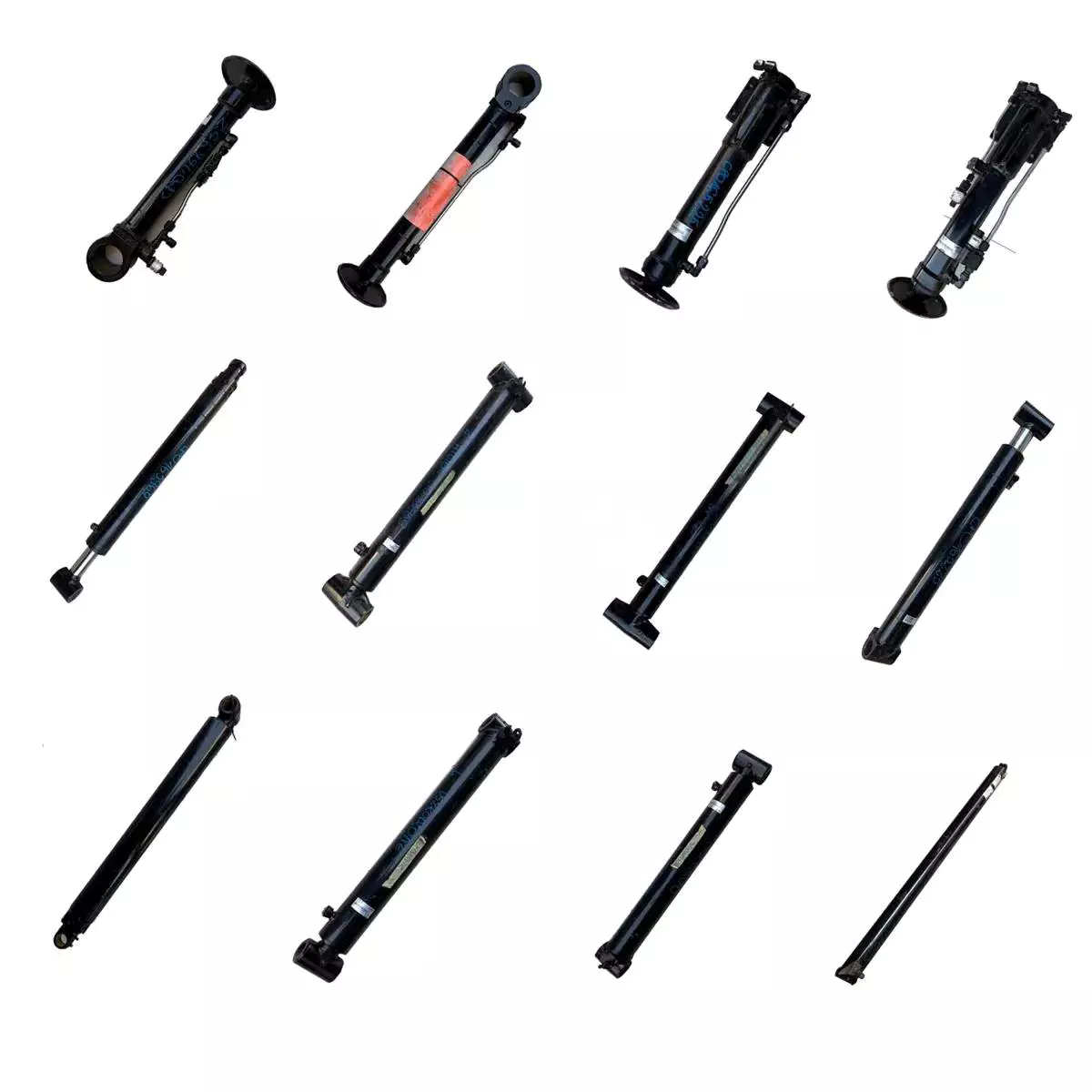
How do hydraulic cylinders handle the challenges of precise positioning and control?
Hydraulic cylinders are designed to handle the challenges of precise positioning and control with a combination of engineering principles and advanced control systems. These challenges often arise in applications where accurate and controlled movements are required, such as in industrial automation, construction, and material handling. Here’s a detailed explanation of how hydraulic cylinders overcome these challenges:
1. Fluid Power Control:
– Hydraulic cylinders utilize fluid power control to achieve precise positioning and control. The hydraulic system consists of a hydraulic pump, control valves, and hydraulic fluid. By regulating the flow of hydraulic fluid into and out of the cylinder, operators can control the speed, direction, and force exerted by the cylinder. The fluid power control allows for smooth and accurate movements, enabling precise positioning of the hydraulic cylinder and the attached load.
2. Control Valves:
– Control valves play a crucial role in handling the challenges of precise positioning and control. These valves are responsible for directing the flow of hydraulic fluid within the system. They can be manually operated or electronically controlled. Control valves allow operators to adjust the flow rate of the hydraulic fluid, controlling the speed of the cylinder’s movement. By modulating the flow, operators can achieve fine control over the positioning of the hydraulic cylinder, enabling precise and accurate movements.
3. Proportional Control:
– Hydraulic cylinders can be equipped with proportional control systems, which offer enhanced precision in positioning and control. Proportional control systems utilize electronic feedback and control algorithms to precisely regulate the flow and pressure of the hydraulic fluid. These systems provide accurate and proportional control over the movement of the hydraulic cylinder, allowing for precise positioning at various points along its stroke length. Proportional control enhances the cylinder’s ability to handle complex tasks that require precise movements and control.
4. Position Feedback Sensors:
– To achieve precise positioning, hydraulic cylinders often incorporate position feedback sensors. These sensors provide real-time information about the position of the cylinder’s piston rod. Common types of position feedback sensors include potentiometers, linear variable differential transformers (LVDTs), and magnetostrictive sensors. By continuously monitoring the position, the feedback sensors enable closed-loop control, allowing for accurate positioning and control of the hydraulic cylinder. The feedback information is used to adjust the flow of hydraulic fluid to achieve the desired position accurately.
5. Servo Control Systems:
– Advanced hydraulic systems employ servo control systems to handle the challenges of precise positioning and control. Servo control systems combine electronic control, position feedback sensors, and proportional control valves to achieve high levels of accuracy and responsiveness. The servo control system continuously compares the desired position with the actual position of the hydraulic cylinder and adjusts the flow of hydraulic fluid to minimize any positional error. This closed-loop control mechanism enables the hydraulic cylinder to maintain precise positioning and control, even under varying loads or external disturbances.
6. Integrated Automation:
– Hydraulic cylinders can be integrated into automated systems to achieve precise positioning and control. In such setups, the hydraulic cylinders are controlled by programmable logic controllers (PLCs) or other automation controllers. These controllers receive input signals from various sensors and use pre-programmed logic to command the hydraulic cylinder’s movements. The integration of hydraulic cylinders into automated systems allows for precise and repeatable positioning and control, enabling complex sequences of movements to be executed with high accuracy.
7. Advanced Control Algorithms:
– Advancements in control algorithms have also contributed to the precise positioning and control of hydraulic cylinders. These algorithms, such as PID (Proportional-Integral-Derivative) control, adaptive control, and model-based control, enable sophisticated control strategies to be implemented. These algorithms consider factors such as load variations, system dynamics, and environmental conditions to optimize the control of hydraulic cylinders. By employing advanced control algorithms, hydraulic cylinders can compensate for disturbances and achieve precise positioning and control over a wide range of operating conditions.
In summary, hydraulic cylinders overcome the challenges of precise positioning and control through the use of fluid power control, control valves, proportional control, position feedback sensors, servo control systems, integrated automation, and advanced control algorithms. By combining these elements, hydraulic cylinders can achieve accurate and controlled movements, enabling precise positioning and control in various applications. These capabilities are essential for industries that require high precision and repeatability in their operations, such as industrial automation, robotics, and material handling.
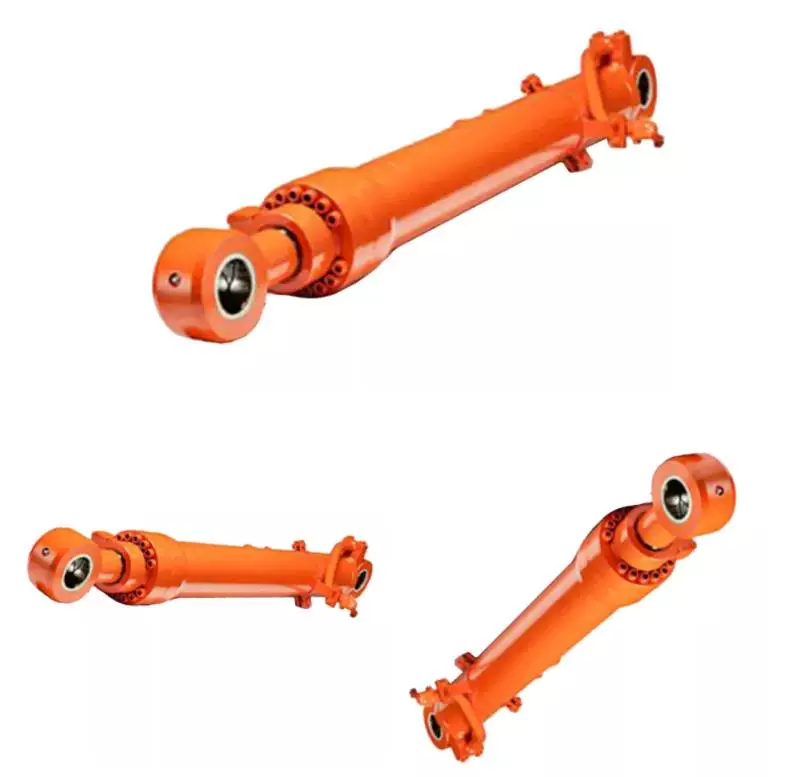
Handling the Challenges of Minimizing Fluid Leaks and Contamination in Hydraulic Cylinders
Hydraulic cylinders face challenges when it comes to minimizing fluid leaks and contamination, as these issues can impact the performance, reliability, and lifespan of the system. However, there are several measures and design considerations that help address these challenges effectively. Let’s explore how hydraulic cylinders handle the challenges of minimizing fluid leaks and contamination:
- Sealing Systems: Hydraulic cylinders employ advanced sealing systems to prevent fluid leaks. These systems typically include various types of seals, such as piston seals, rod seals, and wiper seals. The seals are designed to create a tight and reliable barrier between the moving components of the cylinder and the external environment, minimizing the risk of fluid leakage.
- Seal Material Selection: The choice of seal materials is crucial in minimizing fluid leaks and contamination. Hydraulic cylinder manufacturers carefully select seal materials that are compatible with the hydraulic fluid used and resistant to wear, abrasion, and chemical degradation. This ensures the longevity and effectiveness of the seals, reducing the likelihood of leaks or premature seal failure.
- Proper Installation and Maintenance: Ensuring proper installation and regular maintenance of hydraulic cylinders is essential for minimizing fluid leaks and contamination. During installation, attention should be given to proper alignment, torqueing of bolts, and adherence to recommended procedures. Regular maintenance includes inspecting seals, replacing worn-out components, and addressing any signs of leakage promptly. Proper maintenance practices help identify and rectify issues before they escalate and cause significant problems.
- Contamination Control: Hydraulic cylinders incorporate measures to control contamination and maintain fluid cleanliness. This includes the use of filtration systems, such as in-line filters, to remove particles and contaminants from the hydraulic fluid. Additionally, hydraulic reservoirs often have breathers and desiccant filters to prevent moisture and airborne contaminants from entering the system. By controlling contamination, hydraulic cylinders minimize the risk of damage to internal components and maintain optimal system performance.
- Environmental Protection: Hydraulic cylinders may be equipped with protective features to safeguard against external contaminants. For example, bellows or protective boots can be installed to shield the rod and seals from debris, dirt, or moisture present in the operating environment. These protective measures help extend the life of the seals and enhance the overall reliability of the hydraulic cylinder.
In summary, hydraulic cylinders employ sealing systems, appropriate seal materials, proper installation and maintenance practices, contamination control measures, and environmental protection features to handle the challenges of minimizing fluid leaks and contamination. By implementing these measures, manufacturers can ensure reliable and long-lasting hydraulic cylinder performance, minimize the risk of fluid leakage, and maintain the cleanliness of the hydraulic system.
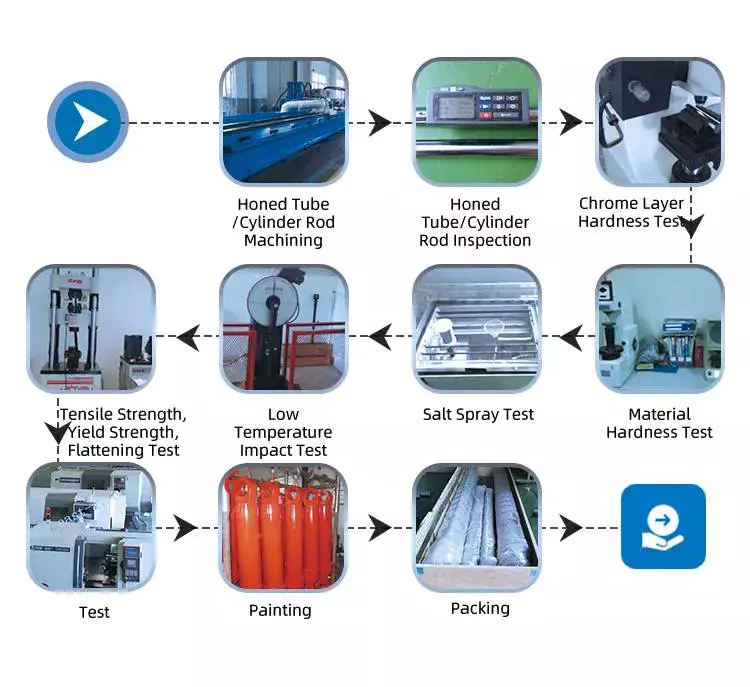
Bagaimanakah pengeluar memastikan kualiti dan keserasian silinder hidraulik?
Pengilang menggunakan pelbagai langkah untuk memastikan kualiti dan keserasian silinder hidraulik, memastikan ia memenuhi piawaian industri, keperluan prestasi dan keperluan khusus pelanggan mereka. Berikut ialah penjelasan terperinci tentang kaedah dan amalan yang digunakan oleh pengeluar untuk memastikan kualiti dan keserasian silinder hidraulik:
1. Reka Bentuk dan Kejuruteraan:
– Pengilang menggaji jurutera dan pereka mahir yang mempunyai kepakaran dalam sistem hidraulik dan reka bentuk silinder. Mereka menggunakan perisian dan alatan reka bentuk canggih untuk mencipta silinder hidraulik yang memenuhi spesifikasi dan keperluan prestasi yang dikehendaki. Melalui analisis dan simulasi yang teliti, pengeluar boleh memastikan bahawa silinder direka bentuk untuk berfungsi secara optimum dan memberikan daya, panjang lejang dan kebolehpercayaan yang diperlukan.
2. Pemilihan Bahan:
– Bahan berkualiti tinggi adalah penting untuk ketahanan, prestasi dan keserasian silinder hidraulik. Pengilang memilih bahan seperti keluli atau aloi lain dengan teliti berdasarkan kekuatan, rintangan kakisan dan kesesuaiannya untuk aplikasi hidraulik. Mereka mendapatkan bahan daripada pembekal yang bereputasi dan menjalankan pemeriksaan kualiti untuk memastikan bahan tersebut memenuhi piawaian dan spesifikasi yang diperlukan.
3. Kawalan Kualiti:
– Pengilang melaksanakan proses kawalan kualiti yang mantap sepanjang pengeluaran silinder hidraulik. Ini termasuk pemeriksaan dan ujian yang ketat pada pelbagai peringkat pembuatan, daripada pemeriksaan bahan mentah hingga pemasangan akhir. Kakitangan kawalan kualiti menjalankan pemeriksaan dimensi, pemeriksaan kemasan permukaan dan ujian fungsi untuk mengesahkan bahawa silinder memenuhi toleransi, kriteria prestasi dan keperluan keserasian yang ditetapkan.
4. Pengujian dan Pengesahan:
– Silinder hidraulik menjalani prosedur pengujian dan pengesahan untuk memastikan prestasi, kebolehpercayaan dan keserasiannya. Pengilang menjalankan pelbagai ujian, seperti ujian tekanan, ujian kebocoran, ujian beban dan ujian ketahanan. Ujian ini mensimulasikan keadaan operasi dunia sebenar dan mengesahkan bahawa silinder dapat menahan beban, tekanan dan faktor persekitaran yang dijangkakan. Di samping itu, pengeluar mungkin melakukan ujian keserasian untuk memastikan silinder dapat disepadukan dengan lancar dengan komponen sistem hidraulik yang lain.
5. Pematuhan dengan Piawaian:
– Pengilang mematuhi piawaian dan peraturan industri untuk memastikan kualiti dan keserasian silinder hidraulik. Mereka mematuhi piawaian seperti ISO 9001 untuk sistem pengurusan kualiti dan ISO 6020/2 atau ISO 6022 untuk silinder hidraulik. Pematuhan dengan piawaian ini memastikan proses pembuatan, langkah kawalan kualiti dan prestasi produk memenuhi penanda aras yang diiktiraf di peringkat antarabangsa.
6. Pensijilan dan Akreditasi:
– Pengilang boleh mendapatkan pensijilan dan akreditasi daripada organisasi yang diiktiraf untuk menunjukkan komitmen mereka terhadap kualiti dan keserasian. Pensijilan seperti pensijilan ISO atau pensijilan pihak ketiga memberikan jaminan kepada pelanggan bahawa silinder hidraulik telah menjalani penilaian yang ketat dan memenuhi piawaian kualiti dan keserasian tertentu.
7. Kerjasama Pelanggan:
– Pengilang secara aktif berinteraksi dengan pelanggan untuk memahami keperluan khusus mereka dan memastikan keserasian. Mereka bekerjasama rapat dengan pelanggan untuk mengumpulkan butiran khusus aplikasi, seperti keadaan operasi, keperluan beban dan faktor persekitaran. Pendekatan kolaboratif ini membolehkan pengeluar menyesuaikan silinder hidraulik dan menyediakan penyelesaian yang sepadan dengan keperluan pelanggan, memastikan keserasian dan prestasi optimum.
8. Penambahbaikan Berterusan:
– Pengilang komited terhadap penambahbaikan berterusan dalam proses dan produk mereka. Mereka melabur dalam penyelidikan dan pembangunan untuk menggabungkan teknologi, bahan dan teknik pembuatan terkini. Dengan sentiasa mengikuti perkembangan industri, pengeluar boleh meningkatkan kualiti, prestasi dan keserasian silinder hidraulik mereka dari semasa ke semasa.
Dengan melaksanakan amalan reka bentuk dan kejuruteraan yang berkesan, memilih bahan berkualiti tinggi, menjalankan kawalan kualiti, prosedur pengujian dan pengesahan yang ketat, mematuhi piawaian industri, mendapatkan pensijilan, bekerjasama dengan pelanggan dan melaksanakan penambahbaikan berterusan, pengeluar memastikan kualiti dan keserasian silinder hidraulik. Langkah-langkah ini membantu menghasilkan silinder berprestasi tinggi yang andal dan memenuhi pelbagai keperluan industri dan aplikasi.

editor by CX 2023-10-18
 Malay
Malay  English
  Italian
  Portuguese
  Dutch
Dutch  Swedish
  Danish
  Finnish
  Polish
  Hindi
Hindi  Kazakh
  Turkish
  Ukrainian
  Romanian
  Spanish
  German
  Russian
  Korean
  Japanese
  Vietnamese
  Thai
Thai  Indonesian
  French
  Greek
Greek