
Penerangan Produk
Specifications:
| Product Name | SGS Series Hydraulic Cylinder |
| Work Press | 7/14/16/21/31.5MPa |
| Bahan | Aluminum, Cast Iron,45mnb Steel, Stainless Steel |
| Stage | Up to 5 Stage |
| Bore Size | 40mm–320mm, Customizable |
| Shaft Diameter | 20mm–220mm, Customizable |
| Stroke Length | 30mm–14100mm, Customizable |
| Rod Surface Hardness | HRC48-54 |
| Operating Temperature | -40°C to +120 °C |
| Paint Color | Black, Yellow, Blue, Brown, Customizable |
| Perkhidmatan | OEM&ODM |
| Warranty | 1 Year |
| MOQ | 1 Piece |
| Delivery Time | 7-15 Days, Also depending on specific demands |
| Pensijilan | ISO9001,CE |
| Capacity | 50,000Pcs per year |
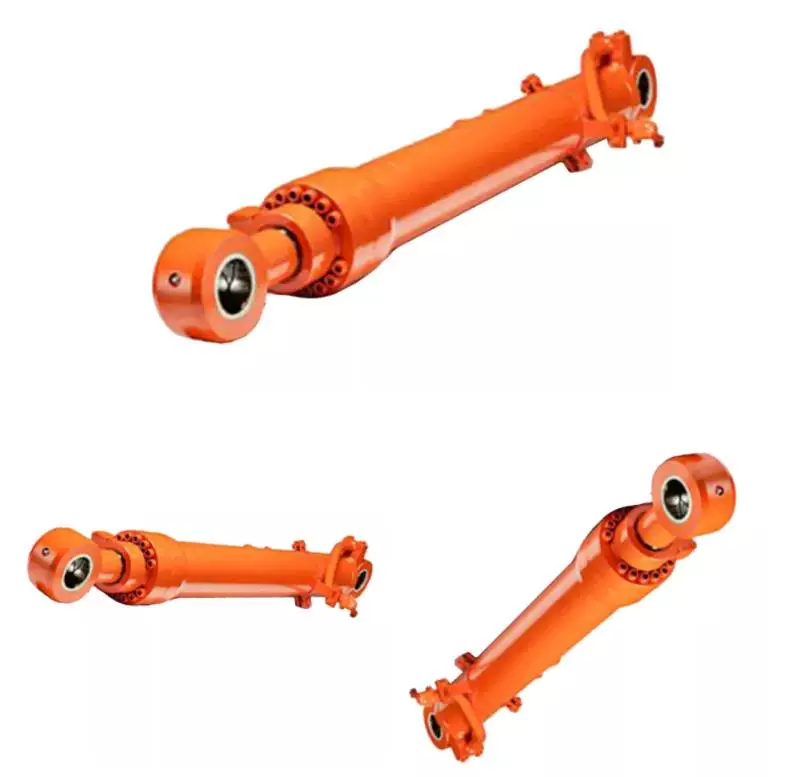
Paparan Produk:
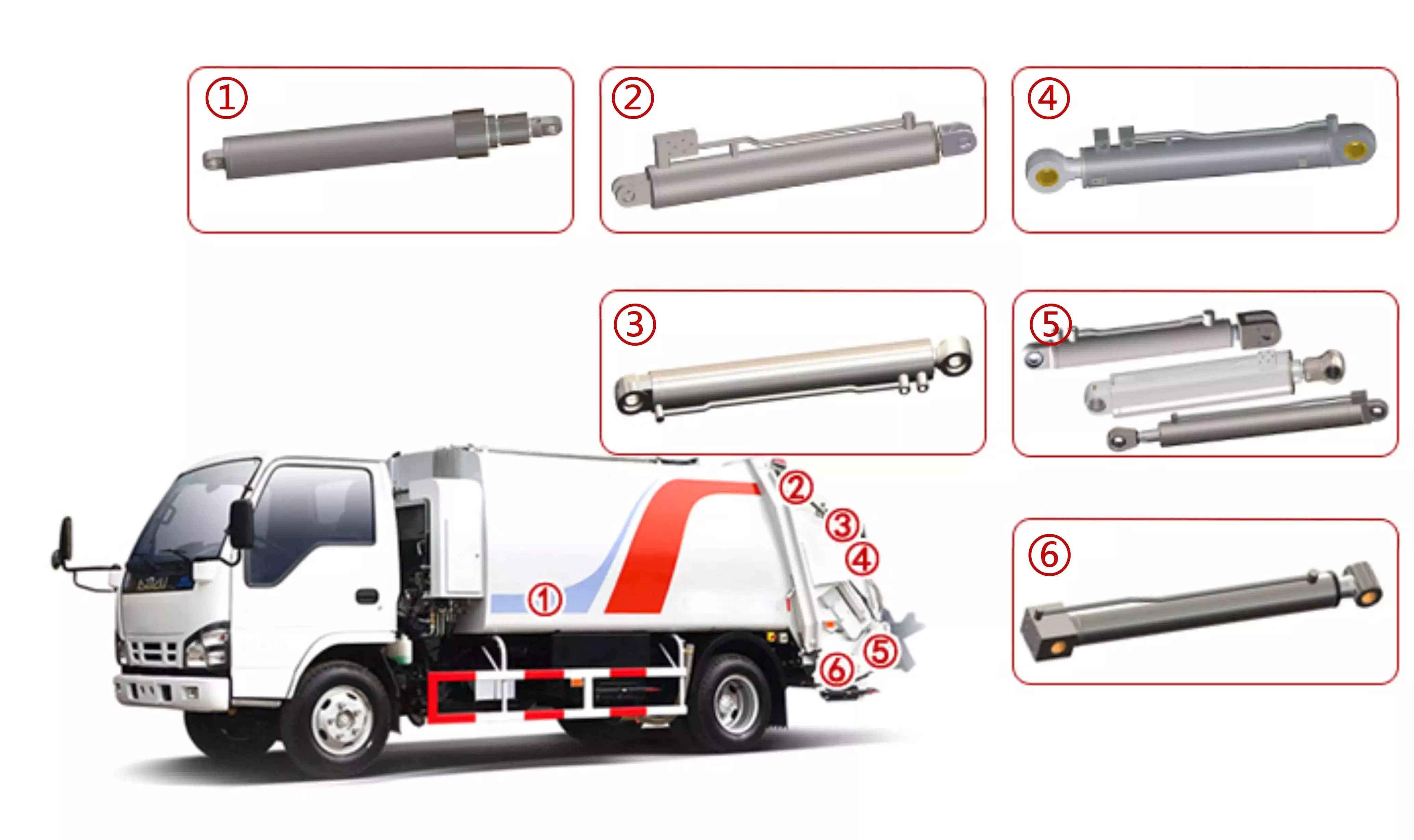
Mounting:
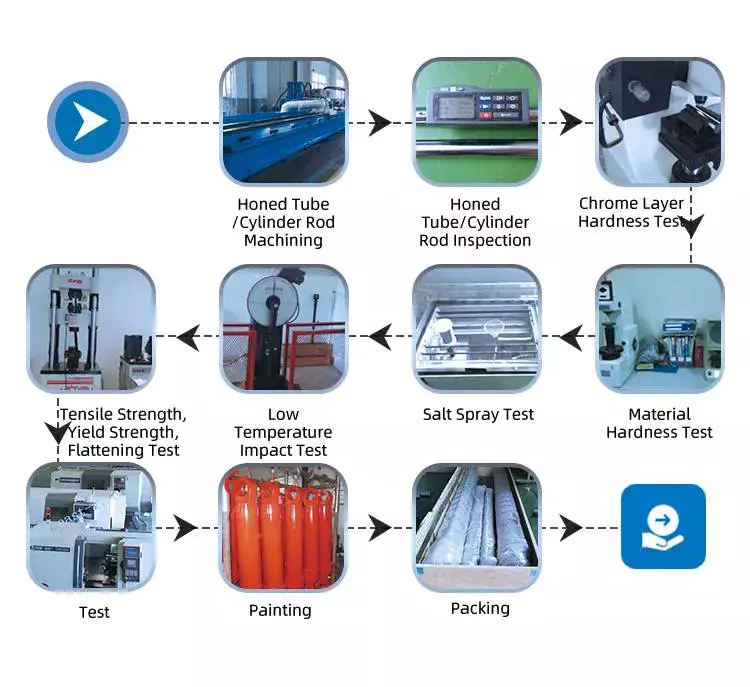
Working Flow: About Us
Tongte designs and manufactures durable, heavy-duty hydraulic products and accessories and offers lifecycle services to them. We constantly develop our machine base and operations to meet customer-specific needs and remain leaders in the industry. Beyond all else, we want to be the trusted, groundbreaking partner our customers truly need.
In addition to the customized cylinders, CHINAMFG offers hydraulic power units, Electric-Hydraulic linear actuators, piston accumulators, system configurations, and versatile services such as repair and manufacturing services. The modern production facilities are located in HangZhou, ZheJiang (China) where production started in 2001. The core values of Tongke guiding its business strongly are commitment, sustainability, interaction, and customer-first.
We possess over 20 years of experience in the industry and extensive global market experience, our customers are located all over the world, and we truly commit to the customers’ needs – these are the success factors of our family-owned company. Our vision is to grow and expand the business further into global markets.
Soalan Lazim:
Q1: What does your company do?
A: we are a supplier of high-quality hydraulic products including Hydraulic Cylinders, Hydraulic Power packs, Hydraulic Linear, and other Hydraulic components.
Q2:Are you a manufacturer or trading company?
A: We are a manufacturer.
Q3:Are you able to make Non-standard or customized products?
A: Yes, we can.
Q3: How long is your delivery time?
A: Normally, the delivery time is 7 days if we have stock, and 15-30 working days if we don’t. but it
also depends on the product
requirements and quantity.
Q4: Do you provide samples? are the samples free or not?
A: Yes, we can provide samples, but they are not free of charge.
Q5: What are your payment terms?
A: 30% deposit T/T or Irrevocable L/C at sight, If you have any questions, please feel free to
contact us.
Q6: What is your warranty policy?
A: All our products are warranted for 1 full year from the date of delivery against defects in materials and workmanship. Each individual product will be strictly inspected on our factory QC Process
System before shipment. We also have a Customer Service team to respond to customers’ questions within 12 hours.
| Pensijilan: | ISO9001 |
|---|---|
| Tekanan: | Tekanan Sederhana |
| Suhu Kerja: | Suhu Biasa |
| Penyesuaian: | Tersedia |
|
|---|
.shipping-cost-tm .tm-status-off{background: none;padding:0;color: #1470cc}
| Shipping Cost: Estimated freight per unit. | about shipping cost and estimated delivery time. |
|---|
| Payment Method: |
|
|---|---|
| Initial Payment Full Payment |
| Currency: | US$ |
|---|
| Return&refunds: | You can apply for a refund up to 30 days after receipt of the products. |
|---|
How do hydraulic cylinders handle variations in temperature and harsh operating environments?
Hydraulic cylinders are designed to handle variations in temperature and harsh operating environments by incorporating specific features and materials that ensure their durability, reliability, and performance. The ability of hydraulic cylinders to withstand extreme temperatures, corrosive environments, and other harsh conditions is crucial for their successful operation in a wide range of applications. Here’s a detailed explanation of how hydraulic cylinders handle variations in temperature and harsh operating environments:
1. Temperature Range:
– Hydraulic cylinders are designed to operate within a specified temperature range. The materials used in their construction, such as cylinder barrels, pistons, seals, and lubricants, are selected to withstand the anticipated temperature variations. Specialized seals and O-rings made from materials like nitrile, Viton, or polyurethane are used to maintain their sealing properties over a wide temperature range. Heat-resistant coatings or thermal insulation may be applied to certain components to protect them from high temperatures.
2. Thermal Expansion:
– Hydraulic cylinders are designed to accommodate thermal expansion and contraction that occurs with temperature changes. The materials used in their construction have different coefficients of thermal expansion, allowing the cylinder components to expand or contract at a similar rate. This design consideration prevents excessive stress, binding, or leakage that could result from thermal expansion or contraction.
3. Heat Dissipation:
– In applications where hydraulic cylinders are subjected to high temperatures, heat dissipation mechanisms are employed to prevent overheating. Cooling fins or heat sinks may be incorporated into the cylinder design to increase the surface area for heat transfer. In some cases, external cooling methods such as air or liquid cooling systems can be used to maintain optimal operating temperatures.
4. Corrosion Resistance:
– Hydraulic cylinders used in harsh operating environments are constructed from materials that exhibit excellent corrosion resistance. Stainless steel, chrome-plated steel, or other corrosion-resistant alloys are commonly used for cylinder components exposed to corrosive substances or environments. Additionally, surface treatments such as coatings, plating, or specialized paints can provide an extra layer of protection against corrosion.
5. Sealing Systems:
– Hydraulic cylinders employ sealing systems that are specifically designed to withstand harsh operating environments. The seals used in hydraulic cylinders are selected based on their resistance to temperature extremes, chemicals, abrasion, and other environmental factors. Specialized seal designs, such as wiper seals, rod seals, or high-temperature seals, are utilized to maintain effective sealing and prevent contamination of the hydraulic fluid.
6. Lubrication:
– Proper lubrication is essential for the smooth operation and longevity of hydraulic cylinders, particularly in harsh operating environments. Lubricants are selected based on their ability to withstand high temperatures, resist oxidation, and provide effective lubrication under extreme conditions. Regular maintenance and lubrication practices ensure that the cylinder components continue to operate smoothly and reduce the effects of wear and friction.
7. Robust Construction:
– Hydraulic cylinders designed for harsh operating environments are built with robust construction techniques to withstand the rigors of such conditions. The cylinder barrels, rods, and other components are manufactured to meet strict quality and durability standards. Welded or bolted construction methods are employed to ensure the structural integrity of the cylinders. Reinforcements, such as flanges or tie rods, may be added to enhance the cylinder’s strength and resistance to external forces.
8. Environmental Protection:
– Hydraulic cylinders can be equipped with additional protective features to shield them from harsh operating environments. Protective covers, boots, or bellows can be used to prevent contaminants, debris, or moisture from entering the cylinder and compromising its performance. These protective measures help extend the service life of hydraulic cylinders in demanding conditions.
9. Compliance with Standards:
– Hydraulic cylinders manufactured for specific industries or applications often comply with industry standards or regulations related to operating temperature ranges, environmental conditions, or safety requirements. Compliance with these standards ensures that hydraulic cylinders are designed and tested to meet the specific demands of their intended operating environments.
In summary, hydraulic cylinders are designed to handle variations in temperature and harsh operating environments by incorporating suitable materials, thermal expansion considerations, heat dissipation mechanisms, corrosion-resistant components, specialized sealing systems, proper lubrication, robust construction techniques, protective features, and compliance with industry standards. These design considerations and features enable hydraulic cylinders to operate reliably and effectively in a wide range of demanding applications and environmental conditions.
Handling the Challenges of Minimizing Fluid Leaks and Contamination in Hydraulic Cylinders
Hydraulic cylinders face challenges when it comes to minimizing fluid leaks and contamination, as these issues can impact the performance, reliability, and lifespan of the system. However, there are several measures and design considerations that help address these challenges effectively. Let’s explore how hydraulic cylinders handle the challenges of minimizing fluid leaks and contamination:
- Sealing Systems: Hydraulic cylinders employ advanced sealing systems to prevent fluid leaks. These systems typically include various types of seals, such as piston seals, rod seals, and wiper seals. The seals are designed to create a tight and reliable barrier between the moving components of the cylinder and the external environment, minimizing the risk of fluid leakage.
- Seal Material Selection: The choice of seal materials is crucial in minimizing fluid leaks and contamination. Hydraulic cylinder manufacturers carefully select seal materials that are compatible with the hydraulic fluid used and resistant to wear, abrasion, and chemical degradation. This ensures the longevity and effectiveness of the seals, reducing the likelihood of leaks or premature seal failure.
- Proper Installation and Maintenance: Ensuring proper installation and regular maintenance of hydraulic cylinders is essential for minimizing fluid leaks and contamination. During installation, attention should be given to proper alignment, torqueing of bolts, and adherence to recommended procedures. Regular maintenance includes inspecting seals, replacing worn-out components, and addressing any signs of leakage promptly. Proper maintenance practices help identify and rectify issues before they escalate and cause significant problems.
- Contamination Control: Hydraulic cylinders incorporate measures to control contamination and maintain fluid cleanliness. This includes the use of filtration systems, such as in-line filters, to remove particles and contaminants from the hydraulic fluid. Additionally, hydraulic reservoirs often have breathers and desiccant filters to prevent moisture and airborne contaminants from entering the system. By controlling contamination, hydraulic cylinders minimize the risk of damage to internal components and maintain optimal system performance.
- Environmental Protection: Hydraulic cylinders may be equipped with protective features to safeguard against external contaminants. For example, bellows or protective boots can be installed to shield the rod and seals from debris, dirt, or moisture present in the operating environment. These protective measures help extend the life of the seals and enhance the overall reliability of the hydraulic cylinder.
In summary, hydraulic cylinders employ sealing systems, appropriate seal materials, proper installation and maintenance practices, contamination control measures, and environmental protection features to handle the challenges of minimizing fluid leaks and contamination. By implementing these measures, manufacturers can ensure reliable and long-lasting hydraulic cylinder performance, minimize the risk of fluid leakage, and maintain the cleanliness of the hydraulic system.
Bagaimanakah silinder hidraulik dapat menampung variasi dalam panjang lejang dan keperluan daya?
Silinder hidraulik direka bentuk untuk menampung variasi dalam panjang lejang dan keperluan daya, memberikan fleksibiliti dan kebolehsuaian untuk aplikasi yang berbeza. Ia boleh disesuaikan untuk memenuhi keperluan khusus dengan mempertimbangkan faktor seperti diameter omboh, diameter rod, tekanan hidraulik dan reka bentuk silinder. Berikut ialah penjelasan terperinci tentang bagaimana silinder hidraulik menampung variasi dalam panjang lejang dan keperluan daya:
1. Saiz dan Reka Bentuk Silinder:
– Silinder hidraulik didatangkan dalam pelbagai saiz dan reka bentuk untuk menampung panjang lejang dan keperluan daya yang berbeza. Diameter silinder, luas omboh dan diameter rod adalah faktor utama yang menentukan output daya. Diameter silinder dan luas omboh yang lebih besar boleh menghasilkan daya yang lebih besar, manakala diameter yang lebih kecil sesuai untuk aplikasi yang memerlukan daya yang lebih rendah. Dengan memilih saiz dan reka bentuk silinder yang sesuai, panjang lejang dan keperluan daya boleh ditampung dengan berkesan.
2. Konfigurasi Omboh dan Rod:
– Silinder hidraulik boleh direka bentuk dengan konfigurasi omboh dan rod yang berbeza untuk menampung variasi panjang lejang. Silinder tindakan tunggal mempunyai omboh tunggal dan boleh memberikan lejang dalam satu arah. Silinder tindakan berganda mempunyai omboh di kedua-dua belah pihak, yang membolehkan lejang dalam kedua-dua arah. Silinder teleskopik terdiri daripada berbilang peringkat yang boleh memanjang dan menarik balik, memberikan panjang lejang yang lebih panjang berbanding silinder standard. Dengan memilih konfigurasi omboh dan rod yang sesuai, panjang lejang yang diingini dapat dicapai.
3. Tekanan dan Aliran Hidraulik:
– Tekanan dan kadar aliran hidraulik yang dibekalkan kepada silinder memainkan peranan penting dalam menampung variasi keperluan daya. Meningkatkan tekanan hidraulik meningkatkan output daya silinder, membolehkannya mengendalikan keperluan daya yang lebih tinggi. Dengan melaraskan tekanan dan kadar aliran melalui injap dan pam hidraulik, output daya boleh dikawal dan dipadankan dengan keperluan khusus aplikasi.
4. Pengubahsuaian dan Jahitan:
– Silinder hidraulik boleh disesuaikan dan dijahit untuk memenuhi keperluan panjang lejang dan daya tertentu. Pengilang menawarkan pelbagai saiz silinder, panjang lejang dan kapasiti daya untuk dipilih. Di samping itu, silinder yang direka khas boleh dikeluarkan untuk disesuaikan dengan aplikasi unik dengan panjang lejang dan permintaan daya tertentu. Dengan bekerjasama rapat dengan pengeluar silinder hidraulik, adalah mungkin untuk mendapatkan silinder yang sepadan dengan keperluan panjang lejang dan daya yang diperlukan.
5. Berbilang Silinder dan Penyegerakan:
– Dalam aplikasi yang memerlukan daya yang tinggi atau panjang lejang yang lebih panjang, berbilang silinder hidraulik boleh digunakan secara gabungan. Dengan menyegerakkan pergerakan berbilang silinder melalui sistem hidraulik, panjang lejang dan output daya boleh ditingkatkan dengan berkesan. Penyegerakan boleh dicapai menggunakan penghubung mekanikal, kawalan elektronik atau litar hidraulik, memastikan pergerakan yang diselaraskan dan pengagihan daya merentasi silinder.
6. Pengesanan Beban dan Kawalan Tekanan:
– Sistem hidraulik boleh menggabungkan mekanisme pengesanan beban dan kawalan tekanan untuk menampung variasi keperluan daya. Sistem pengesanan beban memantau permintaan beban dan melaraskan tekanan hidraulik dengan sewajarnya, memastikan silinder memberikan daya yang diperlukan tanpa mengenakan daya yang berlebihan. Injap kawalan tekanan mengawal tekanan dalam sistem hidraulik, membolehkan kawalan dan pelarasan output daya yang tepat berdasarkan keperluan aplikasi.
7. Pertimbangan Keselamatan:
– Apabila menampung variasi dalam panjang lejang dan keperluan daya, adalah penting untuk mempertimbangkan faktor keselamatan. Silinder hidraulik hendaklah dipilih dan direka bentuk dengan margin keselamatan yang sesuai untuk mengendalikan beban yang tidak dijangka atau variasi dalam keadaan operasi. Mekanisme keselamatan seperti injap perlindungan beban lampau dan injap pelega tekanan boleh digabungkan untuk mencegah kerosakan atau kegagalan dalam situasi di mana had daya dilampaui.
Dengan mempertimbangkan faktor-faktor seperti saiz dan reka bentuk silinder, konfigurasi omboh dan rod, tekanan dan aliran hidraulik, pilihan penyesuaian, penyegerakan, pengesanan beban, kawalan tekanan dan pertimbangan keselamatan, silinder hidraulik dapat menampung variasi panjang lejang dan keperluan daya dengan berkesan. Fleksibiliti ini membolehkan silinder hidraulik disesuaikan untuk memenuhi permintaan khusus pelbagai aplikasi, memastikan prestasi dan kecekapan yang optimum.


editor by CX 2023-10-26
 Malay
Malay  English
  Italian
  Portuguese
  Dutch
Dutch  Swedish
  Danish
  Finnish
  Polish
  Hindi
Hindi  Kazakh
  Turkish
  Ukrainian
  Romanian
  Spanish
  German
  Russian
  Korean
  Japanese
  Vietnamese
  Thai
Thai  Indonesian
  French
  Greek
Greek