
Penerangan Produk
Product description:
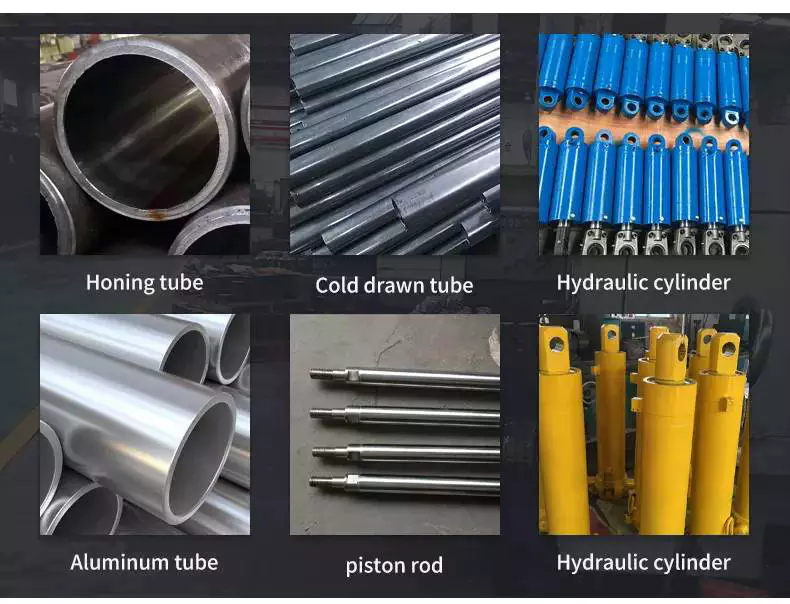
Junfu is famous brand in front-end cylinders, offering an extensive catalogue from 5 to 100 tons with bespoke solutions. Designed for rear-end tippers and tippers trailers, CHINAMFG brand front-end telescopic cylinders are known for their durability, reliability in all conditions and value for money. We believe in delivering a solution that can rapidly and successfully meet your requirements in demanding industries such as transportation, construction and mining. With high payload and longer service intervals for increased operating time, CHINAMFG brand front-end cylinders are also environmentally friendly solutions with lower oil & fuel consumption.
FC telescopic front-end cylinders are primarily designed for straight headboard dump trucks with a capacity range of over 100 tons tipping weight. Our trunnion type FC cylinder is lightweight, strong, maintenance free and offers the most added stability to the tipper. The CHINAMFG brand FC tipping cylinders have earned reputation for their reliability and value for money over many years.
Designed for Dump Truck applications, FC series cylinder with 3-6 stages is capable of lifting more weight which in return allows trucks to be equipped with smaller cylinders reducing space and saving weight. This CHINAMFG series cylinder is mostly used in combination with a Straight Headboard Type and Trunnion Type Body Connection.
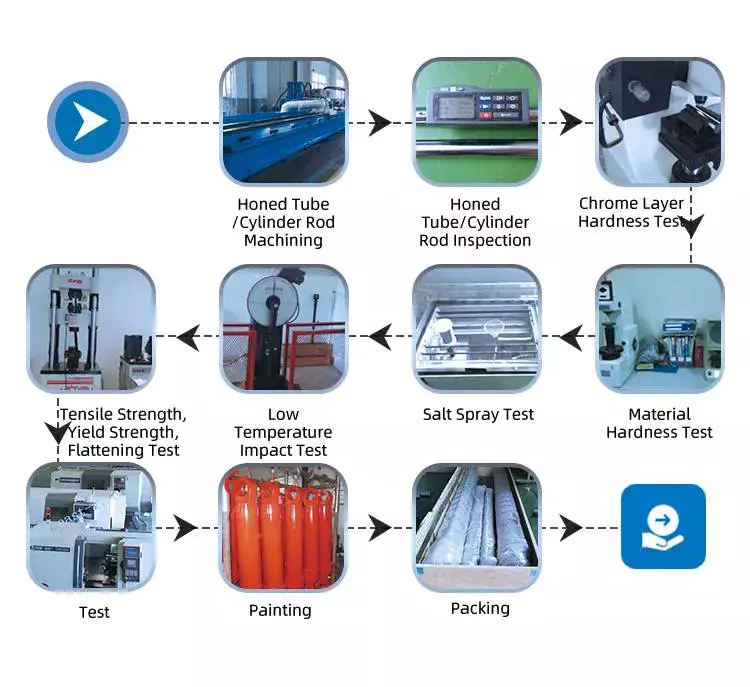
Workshop with advanced equipment:
Certificates: ISO9001, IATF 16949:2016, CE,etc.
Soalan Lazim:
Q1: How about your cylinders compared with HYVA cylinder ?
Our cylinders can replace HYVA cylinder well, with same technical details and mounting sizes
Q2: What’s your cylinder’s advantages ?
The cylinders are manufactured by advanced equipments and made under strictly quality control processing.
The steel is quenched and tempered and all raw materials are good quality from world famous companies.
Competitive price!
Q3: When your company be established ?
Our company be established in 2002, professional manufacturer of hydraulic cylinders more than 20 years.
We had passed IATF 16949:2016 Quality control system, ISO9001, CE,etc.
Q4: How about the delivery time ?
15 days approximately.
Q5: How about the cylinder’s quality gurantee ?
One year.
| Pensijilan: | CE, ISO9001, IATF 16949:2016, SGS |
|---|---|
| Tekanan: | High Pressure |
| Suhu Kerja: | Suhu Biasa |
| Cara Lakonan: | Lakonan Tunggal |
| Kaedah Kerja: | Perjalanan Lurus |
| Borang yang Diselaraskan: | Switching Type |
| Penyesuaian: | Tersedia |
|
|---|
How do hydraulic cylinders handle variations in temperature and harsh operating environments?
Hydraulic cylinders are designed to handle variations in temperature and harsh operating environments by incorporating specific features and materials that ensure their durability, reliability, and performance. The ability of hydraulic cylinders to withstand extreme temperatures, corrosive environments, and other harsh conditions is crucial for their successful operation in a wide range of applications. Here’s a detailed explanation of how hydraulic cylinders handle variations in temperature and harsh operating environments:
1. Temperature Range:
– Hydraulic cylinders are designed to operate within a specified temperature range. The materials used in their construction, such as cylinder barrels, pistons, seals, and lubricants, are selected to withstand the anticipated temperature variations. Specialized seals and O-rings made from materials like nitrile, Viton, or polyurethane are used to maintain their sealing properties over a wide temperature range. Heat-resistant coatings or thermal insulation may be applied to certain components to protect them from high temperatures.
2. Thermal Expansion:
– Hydraulic cylinders are designed to accommodate thermal expansion and contraction that occurs with temperature changes. The materials used in their construction have different coefficients of thermal expansion, allowing the cylinder components to expand or contract at a similar rate. This design consideration prevents excessive stress, binding, or leakage that could result from thermal expansion or contraction.
3. Heat Dissipation:
– In applications where hydraulic cylinders are subjected to high temperatures, heat dissipation mechanisms are employed to prevent overheating. Cooling fins or heat sinks may be incorporated into the cylinder design to increase the surface area for heat transfer. In some cases, external cooling methods such as air or liquid cooling systems can be used to maintain optimal operating temperatures.
4. Corrosion Resistance:
– Hydraulic cylinders used in harsh operating environments are constructed from materials that exhibit excellent corrosion resistance. Stainless steel, chrome-plated steel, or other corrosion-resistant alloys are commonly used for cylinder components exposed to corrosive substances or environments. Additionally, surface treatments such as coatings, plating, or specialized paints can provide an extra layer of protection against corrosion.
5. Sealing Systems:
– Hydraulic cylinders employ sealing systems that are specifically designed to withstand harsh operating environments. The seals used in hydraulic cylinders are selected based on their resistance to temperature extremes, chemicals, abrasion, and other environmental factors. Specialized seal designs, such as wiper seals, rod seals, or high-temperature seals, are utilized to maintain effective sealing and prevent contamination of the hydraulic fluid.
6. Lubrication:
– Proper lubrication is essential for the smooth operation and longevity of hydraulic cylinders, particularly in harsh operating environments. Lubricants are selected based on their ability to withstand high temperatures, resist oxidation, and provide effective lubrication under extreme conditions. Regular maintenance and lubrication practices ensure that the cylinder components continue to operate smoothly and reduce the effects of wear and friction.
7. Robust Construction:
– Hydraulic cylinders designed for harsh operating environments are built with robust construction techniques to withstand the rigors of such conditions. The cylinder barrels, rods, and other components are manufactured to meet strict quality and durability standards. Welded or bolted construction methods are employed to ensure the structural integrity of the cylinders. Reinforcements, such as flanges or tie rods, may be added to enhance the cylinder’s strength and resistance to external forces.
8. Environmental Protection:
– Hydraulic cylinders can be equipped with additional protective features to shield them from harsh operating environments. Protective covers, boots, or bellows can be used to prevent contaminants, debris, or moisture from entering the cylinder and compromising its performance. These protective measures help extend the service life of hydraulic cylinders in demanding conditions.
9. Compliance with Standards:
– Hydraulic cylinders manufactured for specific industries or applications often comply with industry standards or regulations related to operating temperature ranges, environmental conditions, or safety requirements. Compliance with these standards ensures that hydraulic cylinders are designed and tested to meet the specific demands of their intended operating environments.
In summary, hydraulic cylinders are designed to handle variations in temperature and harsh operating environments by incorporating suitable materials, thermal expansion considerations, heat dissipation mechanisms, corrosion-resistant components, specialized sealing systems, proper lubrication, robust construction techniques, protective features, and compliance with industry standards. These design considerations and features enable hydraulic cylinders to operate reliably and effectively in a wide range of demanding applications and environmental conditions.
Ensuring Consistent Force Output for Repetitive Tasks with Hydraulic Cylinders
Hydraulic cylinders are designed to ensure consistent force output for repetitive tasks. This consistency is essential for maintaining precise control, achieving uniform results, and optimizing the performance of hydraulic systems. Let’s explore how hydraulic cylinders achieve consistent force output for repetitive tasks:
- Design and Manufacturing Standards: Hydraulic cylinders are manufactured to meet strict design and manufacturing standards. These standards ensure that the cylinders are built with precision and accuracy, enabling them to deliver consistent force output. The components, such as the piston, cylinder barrel, seals, and valves, are engineered to work together harmoniously, minimizing variations in force generation.
- Pressure Regulation: Hydraulic systems incorporate pressure regulation mechanisms to maintain a constant pressure level. Pressure relief valves, pressure regulators, and pressure-compensated pumps help maintain a consistent hydraulic pressure throughout the system. By regulating the pressure, hydraulic cylinders receive a consistent supply of pressurized fluid, resulting in consistent force output for repetitive tasks.
- Flow Control: Flow control valves are utilized in hydraulic systems to manage the flow rate of hydraulic fluid. These valves regulate the speed at which the fluid enters and exits the hydraulic cylinder, influencing the force output. By controlling the flow rate, hydraulic cylinders can achieve consistent force output for repetitive tasks. This is particularly important when it comes to tasks that require precise and uniform force application.
- Effective Seal Performance: Sealing systems play a crucial role in hydraulic cylinders by preventing fluid leakage and maintaining pressure integrity. High-quality seals and proper installation ensure effective sealing throughout the cylinder’s operation. By minimizing internal leakage, hydraulic cylinders can maintain consistent force output, even during repetitive tasks.
- Maintenance and Inspection: Regular maintenance and inspection of hydraulic cylinders are essential for ensuring consistent force output. By following maintenance schedules, replacing worn-out components, and monitoring cylinder performance, any potential issues that could affect force consistency can be identified and addressed promptly. This proactive approach helps maintain the reliability and performance of hydraulic cylinders over time.
In summary, hydraulic cylinders employ various mechanisms to ensure consistent force output for repetitive tasks. Adherence to design and manufacturing standards, pressure regulation, flow control, effective seal performance, and regular maintenance all contribute to achieving consistent force output. By maintaining precision, minimizing variations, and addressing potential issues, hydraulic cylinders provide reliable and consistent force generation, facilitating the successful completion of repetitive tasks in various applications.
Bagaimanakah pengeluar memastikan kualiti dan keserasian silinder hidraulik?
Pengilang menggunakan pelbagai langkah untuk memastikan kualiti dan keserasian silinder hidraulik, memastikan ia memenuhi piawaian industri, keperluan prestasi dan keperluan khusus pelanggan mereka. Berikut ialah penjelasan terperinci tentang kaedah dan amalan yang digunakan oleh pengeluar untuk memastikan kualiti dan keserasian silinder hidraulik:
1. Reka Bentuk dan Kejuruteraan:
– Pengilang menggaji jurutera dan pereka mahir yang mempunyai kepakaran dalam sistem hidraulik dan reka bentuk silinder. Mereka menggunakan perisian dan alatan reka bentuk canggih untuk mencipta silinder hidraulik yang memenuhi spesifikasi dan keperluan prestasi yang dikehendaki. Melalui analisis dan simulasi yang teliti, pengeluar boleh memastikan bahawa silinder direka bentuk untuk berfungsi secara optimum dan memberikan daya, panjang lejang dan kebolehpercayaan yang diperlukan.
2. Pemilihan Bahan:
– Bahan berkualiti tinggi adalah penting untuk ketahanan, prestasi dan keserasian silinder hidraulik. Pengilang memilih bahan seperti keluli atau aloi lain dengan teliti berdasarkan kekuatan, rintangan kakisan dan kesesuaiannya untuk aplikasi hidraulik. Mereka mendapatkan bahan daripada pembekal yang bereputasi dan menjalankan pemeriksaan kualiti untuk memastikan bahan tersebut memenuhi piawaian dan spesifikasi yang diperlukan.
3. Kawalan Kualiti:
– Pengilang melaksanakan proses kawalan kualiti yang mantap sepanjang pengeluaran silinder hidraulik. Ini termasuk pemeriksaan dan ujian yang ketat pada pelbagai peringkat pembuatan, daripada pemeriksaan bahan mentah hingga pemasangan akhir. Kakitangan kawalan kualiti menjalankan pemeriksaan dimensi, pemeriksaan kemasan permukaan dan ujian fungsi untuk mengesahkan bahawa silinder memenuhi toleransi, kriteria prestasi dan keperluan keserasian yang ditetapkan.
4. Pengujian dan Pengesahan:
– Silinder hidraulik menjalani prosedur pengujian dan pengesahan untuk memastikan prestasi, kebolehpercayaan dan keserasiannya. Pengilang menjalankan pelbagai ujian, seperti ujian tekanan, ujian kebocoran, ujian beban dan ujian ketahanan. Ujian ini mensimulasikan keadaan operasi dunia sebenar dan mengesahkan bahawa silinder dapat menahan beban, tekanan dan faktor persekitaran yang dijangkakan. Di samping itu, pengeluar mungkin melakukan ujian keserasian untuk memastikan silinder dapat disepadukan dengan lancar dengan komponen sistem hidraulik yang lain.
5. Pematuhan dengan Piawaian:
– Pengilang mematuhi piawaian dan peraturan industri untuk memastikan kualiti dan keserasian silinder hidraulik. Mereka mematuhi piawaian seperti ISO 9001 untuk sistem pengurusan kualiti dan ISO 6020/2 atau ISO 6022 untuk silinder hidraulik. Pematuhan dengan piawaian ini memastikan proses pembuatan, langkah kawalan kualiti dan prestasi produk memenuhi penanda aras yang diiktiraf di peringkat antarabangsa.
6. Pensijilan dan Akreditasi:
– Pengilang boleh mendapatkan pensijilan dan akreditasi daripada organisasi yang diiktiraf untuk menunjukkan komitmen mereka terhadap kualiti dan keserasian. Pensijilan seperti pensijilan ISO atau pensijilan pihak ketiga memberikan jaminan kepada pelanggan bahawa silinder hidraulik telah menjalani penilaian yang ketat dan memenuhi piawaian kualiti dan keserasian tertentu.
7. Kerjasama Pelanggan:
– Pengilang secara aktif berinteraksi dengan pelanggan untuk memahami keperluan khusus mereka dan memastikan keserasian. Mereka bekerjasama rapat dengan pelanggan untuk mengumpulkan butiran khusus aplikasi, seperti keadaan operasi, keperluan beban dan faktor persekitaran. Pendekatan kolaboratif ini membolehkan pengeluar menyesuaikan silinder hidraulik dan menyediakan penyelesaian yang sepadan dengan keperluan pelanggan, memastikan keserasian dan prestasi optimum.
8. Penambahbaikan Berterusan:
– Pengilang komited terhadap penambahbaikan berterusan dalam proses dan produk mereka. Mereka melabur dalam penyelidikan dan pembangunan untuk menggabungkan teknologi, bahan dan teknik pembuatan terkini. Dengan sentiasa mengikuti perkembangan industri, pengeluar boleh meningkatkan kualiti, prestasi dan keserasian silinder hidraulik mereka dari semasa ke semasa.
Dengan melaksanakan amalan reka bentuk dan kejuruteraan yang berkesan, memilih bahan berkualiti tinggi, menjalankan kawalan kualiti, prosedur pengujian dan pengesahan yang ketat, mematuhi piawaian industri, mendapatkan pensijilan, bekerjasama dengan pelanggan dan melaksanakan penambahbaikan berterusan, pengeluar memastikan kualiti dan keserasian silinder hidraulik. Langkah-langkah ini membantu menghasilkan silinder berprestasi tinggi yang andal dan memenuhi pelbagai keperluan industri dan aplikasi.

editor by CX 2023-10-15
 Malay
Malay  English
  Italian
  Portuguese
  Dutch
Dutch  Swedish
  Danish
  Finnish
  Polish
  Hindi
Hindi  Kazakh
  Turkish
  Ukrainian
  Romanian
  Spanish
  German
  Russian
  Korean
  Japanese
  Vietnamese
  Thai
Thai  Indonesian
  French
  Greek
Greek