
Productbeschrijving
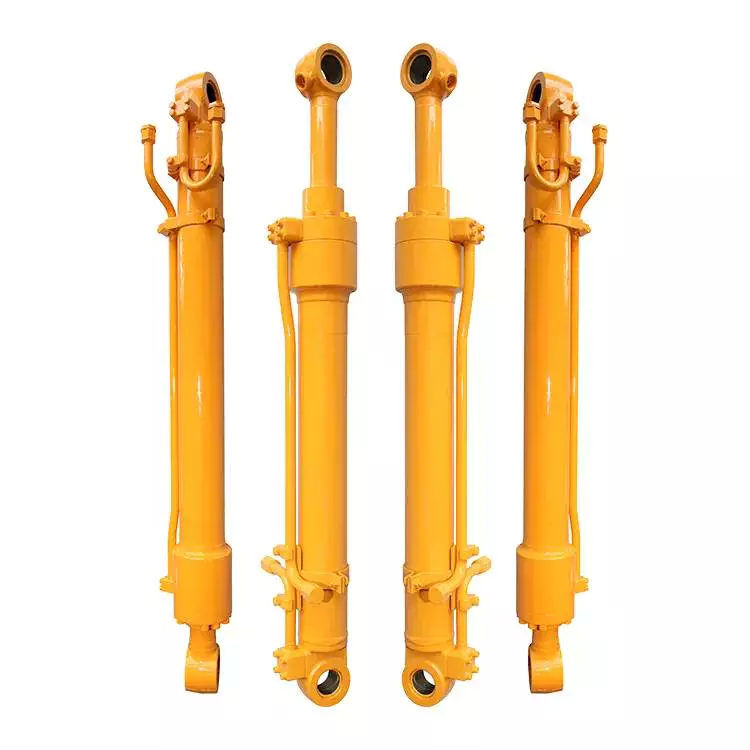
| Type: | Delivery cylinder |
| Standard: | As drawing |
| Material steel: | 45#, 16Mn(Q345B), 25Mn, 27SiMn, SY720, ZNP460 |
| Straightness /thickness/ roundness rate: | As agreement |
| Chrome-plated: | Area and thickness as request |
| Shape: | Round |
| Package: | Wooden case, as customer’s request |
| Usage: | Engineering machinery, mining machinery, construction machinery, metallurgy, water conservancy projects and other industries |
| Warranty: | 12 months |
| Capacity: | 1000 pcs /month |
| Trademark: | CSDLS, neutral, or as request |
| Remarks: | Concrete pump spare parts |
| Partial Model List for delivery cylinder | ||
| Brand/product | Cylinder diameter(mm) | Length(mm) |
| For SANY | Φ200 | 1446 |
| 1546 | ||
| 1570 | ||
| 1746 | ||
| 1946 | ||
| 2246 | ||
| Φ230 | 1746 | |
| 1756 | ||
| 2146 | ||
| Φ260 | 2045 | |
| 2090 | ||
| 2145 | ||
| 2245 | ||
| 2345 | ||
| For ZOOMLION | Φ200 | 1800 with round flange |
| 1800 with prismatic flange | ||
| 1862 with round flange | ||
| 1960 with prismatic flange | ||
| 2012 | ||
| 2306 | ||
| Φ230 | 1750 | |
| 1800 with round flange | ||
| 1800 with prismatic flange | ||
| 2250 with round flange | ||
| 2250 with prismatic flange | ||
| Φ260 | 2250 with round flange | |
| 2250 with prismatic flange | ||
| For FOTON | Φ230 | 2174 |
| Φ260 | 2264 | |
| For XCMG | Φ260 | 2142 |
| 2342 | ||
| For Filling Pump | Φ100 | 910 |
| Φ150 | 1330 | |
| Φ200 | 680 | |
| Φ250 | 2220 | |
| Φ300 | 2320 | |
| Φ300 | 2355 | |
| Φ300 | 2755 | |
| Φ300 | 3354 | |
| Φ400 | 2830 | |
| Φ400 | 3460 | |
| Φ560 | 3960 |
/* January 22, 2571 19:08:37 */!function(){function s(e,r){var a,o={};try{e&&e.split(“,”).forEach(function(e,t){e&&(a=e.match(/(.*?):(.*)$/))&&1
| After-sales Service: | Yes |
|---|---|
| Warranty: | 12 Months |
| Type: | Concrete Delivery Cylinder |
| Usage: | Mining |
| Package: | as Request |
| Capacity: | 1, 000PCS/Month |
| Samples: | US$ 590/Piece 1 Piece(Min.Order) | |
|---|
| Customization: | Available |
|
|---|
What advancements in hydraulic cylinder technology have improved sealing and reliability?
Advancements in hydraulic cylinder technology have continuously contributed to improving sealing and reliability in hydraulic systems. These advancements aim to address common challenges such as leakage, wear, and failure of seals, ensuring optimal performance and longevity. Here are several key advancements that have significantly improved sealing and reliability in hydraulic cylinders:
1. High-Performance Sealing Materials:
– The development of advanced sealing materials has greatly improved the sealing capabilities of hydraulic cylinders. Traditional sealing materials like rubber have been replaced or enhanced with high-performance materials such as polyurethane, PTFE (polytetrafluoroethylene), and various composite materials. These materials offer superior resistance to wear, temperature, and chemical degradation, resulting in improved sealing performance and extended seal life.
2. Enhanced Seal Designs:
– Advancements in seal designs have focused on improving sealing efficiency and reliability. Innovative seal profiles, such as lip seals, wipers, and scrapers, have been developed to optimize fluid retention and prevent contamination. These designs provide better sealing performance, minimizing the risk of fluid leakage and maintaining system integrity. Additionally, improved seal geometries and manufacturing techniques ensure tighter tolerances, reducing the potential for seal failure due to misalignment or extrusion.
3. Integrated Seal and Bearing Systems:
– Hydraulic cylinders now incorporate integrated seal and bearing systems, where the sealing elements also serve as bearing surfaces. This design approach reduces the number of components and potential failure points, improving overall reliability. By integrating seals and bearings, the risk of seal damage or displacement due to excessive loads or misalignment is minimized, resulting in enhanced sealing performance and increased reliability.
4. Advanced Coatings and Surface Treatments:
– The application of advanced coatings and surface treatments to hydraulic cylinder components has significantly improved sealing and reliability. Coatings such as chrome plating or ceramic coatings enhance surface hardness, wear resistance, and corrosion resistance. These surface treatments provide a smoother and more durable surface for seals to operate against, reducing friction and improving sealing performance. Moreover, specialized coatings can also provide self-lubricating properties, reducing the need for additional lubrication and enhancing reliability.
5. Sealing System Monitoring and Diagnostic Technologies:
– The integration of monitoring and diagnostic technologies in hydraulic systems has revolutionized seal performance and reliability. Sensors and monitoring systems can detect and alert operators to potential seal failures or leaks before they escalate. Real-time monitoring of pressure, temperature, and seal performance parameters allows for proactive maintenance and early intervention, preventing costly downtime and ensuring optimal sealing and reliability.
6. Computational Modeling and Simulation:
– Computational modeling and simulation techniques have played a significant role in advancing hydraulic cylinder sealing and reliability. These tools enable engineers to analyze and optimize seal designs, fluid flow dynamics, and contact stresses. By simulating various operating conditions, potential issues such as seal extrusion, wear, or leakage can be identified and mitigated early in the design phase, resulting in improved sealing performance and enhanced reliability.
7. Systematic Maintenance Practices:
– Advances in hydraulic cylinder technology have also emphasized the importance of systematic maintenance practices to ensure sealing and overall system reliability. Regular inspection, lubrication, and replacement of seals, as well as routine system flushing and filtration, help prevent premature seal failure and optimize sealing performance. Implementing preventive maintenance schedules and adhering to recommended service intervals contribute to extended seal life and enhanced reliability.
In summary, advancements in hydraulic cylinder technology have led to significant improvements in sealing and reliability. High-performance sealing materials, enhanced seal designs, integrated seal and bearing systems, advanced coatings and surface treatments, sealing system monitoring and diagnostics, computational modeling and simulation, and systematic maintenance practices have all played key roles in achieving optimal sealing performance and increased reliability. These advancements have resulted in more efficient and dependable hydraulic systems, minimizing leakage, wear, and failure of seals, and ultimately improving the overall performance and longevity of hydraulic cylinders in diverse applications.
Can you provide real-world examples of machinery that heavily rely on hydraulic cylinders?
Hydraulic cylinders are widely used in various industries and applications due to their ability to provide powerful and precise linear motion. They play a crucial role in enabling the operation of heavy machinery that requires controlled force and movement. Here are some real-world examples of machinery that heavily rely on hydraulic cylinders:
1. Construction Equipment:
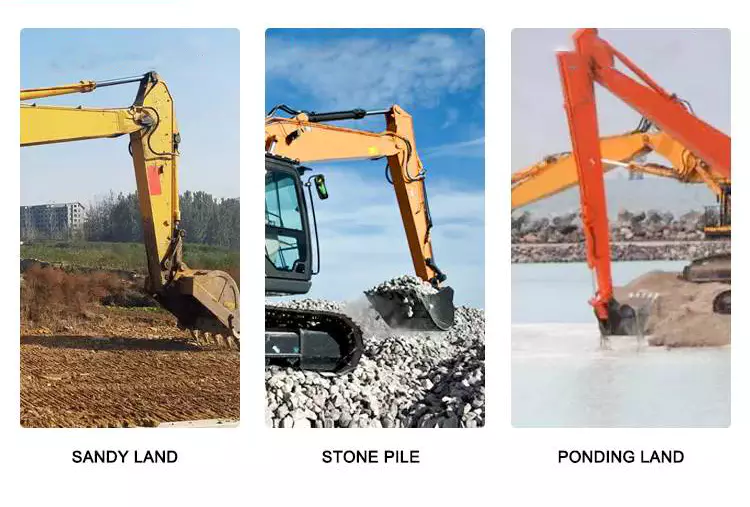
– Hydraulic cylinders are extensively used in construction machinery, such as excavators, bulldozers, loaders, and cranes. These machines rely on hydraulic cylinders to perform tasks like lifting heavy loads, extending and retracting booms, tilting buckets, and controlling the movement of various components. Hydraulic cylinders provide the power and precision required to handle the demanding conditions and heavy loads encountered in construction projects.
2. Agricultural Machinery:
– Many agricultural machines, including tractors, combine harvesters, and sprayers, utilize hydraulic cylinders for critical operations. Hydraulic cylinders are used to control the movement of attachments, such as front loaders, backhoes, and plows. They enable functions like lifting and lowering implements, adjusting cutting heights, and controlling the positioning of harvesting equipment. Hydraulic cylinders enhance efficiency and productivity in agricultural operations.
3. Material Handling Equipment:
– Hydraulic cylinders are integral components of material handling equipment, such as forklifts, pallet jacks, and cranes. These machines rely on hydraulic cylinders to lift and lower loads, tilt platforms or forks, and control the movement of lifting mechanisms. Hydraulic cylinders provide the necessary strength and precision to handle heavy loads and ensure safe and efficient material handling operations.
4. Industrial Machinery:
– Various industrial machinery and equipment heavily rely on hydraulic cylinders for critical functions. Examples include hydraulic presses, injection molding machines, metal-forming machines, and hydraulic-powered robots. Hydraulic cylinders enable precise control of force and movement in these applications, allowing for accurate shaping, pressing, and assembly processes.
5. Mining Equipment:
– Hydraulic cylinders are extensively used in mining machinery and equipment. Underground mining machines, such as continuous miners and longwall shearers, utilize hydraulic cylinders for cutting, shearing, and roof support operations. Surface mining equipment, including hydraulic shovels, draglines, and haul trucks, rely on hydraulic cylinders for tasks like bucket movement, boom extension, and vehicle suspension.
6. Automotive Industry:
– The automotive industry extensively utilizes hydraulic cylinders in various applications. Hydraulic cylinders are employed in vehicle suspension systems, power steering systems, convertible tops, and hydraulic brake systems. They enable smooth and controlled movement, precise steering, and efficient braking in automobiles.
7. Aerospace and Aviation:
– Hydraulic cylinders are utilized in aerospace and aviation applications, such as aircraft landing gear systems, wing flaps, and cargo handling equipment. Hydraulic cylinders provide the necessary force and control for extending and retracting landing gear, adjusting wing flaps, and operating cargo doors, ensuring safe and reliable aircraft operations.
8. Marine and Offshore Industry:
– Hydraulic cylinders are essential components in marine and offshore equipment, including ship cranes, winches, and hydraulic-powered anchor systems. They enable lifting, lowering, and positioning of heavy loads, as well as the control of various marine equipment.
These are just a few examples of machinery and industries that heavily rely on hydraulic cylinders. The versatility, power, and precise control offered by hydraulic cylinders make them indispensable in a wide range of applications, where controlled linear motion and force are essential.
Welke onderhoudsprocedures zijn essentieel voor het verlengen van de levensduur van hydraulische cilinders?
Het onderhouden van hydraulische cilinders is cruciaal voor het verlengen van hun levensduur en het garanderen van optimale prestaties. Regelmatig onderhoud helpt vroegtijdige slijtage, schade en storingen te voorkomen, waardoor uiteindelijk de stilstandtijd wordt verminderd en kosten worden bespaard. Hieronder volgen enkele essentiële onderhoudsmaatregelen om de levensduur van hydraulische cilinders te verlengen:
1. Regelmatige inspecties:
– Voer routinematige visuele inspecties uit van hydraulische cilinders om eventuele schade, lekkages of slijtage op te sporen. Inspecteer de cilinderbehuizing, de zuigerstang, de afdichtingen en de bevestigingspunten. Let op vloeistoflekkages, roest, deuken of abnormale slijtagepatronen. Vroegtijdige detectie van problemen maakt tijdige reparaties of vervangingen mogelijk, waardoor verdere schade wordt voorkomen en de levensduur van de cilinder wordt verlengd.
2. Netheid:
– Zorg voor een schone omgeving rond hydraulische cilinders om te voorkomen dat er vuil in het systeem terechtkomt. Stof, vuil en ander afval kunnen afdichtingen en andere interne onderdelen beschadigen, wat leidt tot versnelde slijtage en verminderde prestaties. Reinig de cilinder en de omgeving regelmatig om het risico op vervuiling te minimaliseren.
3. Juiste smering:
Voldoende smering is cruciaal voor een soepele werking en een lange levensduur van hydraulische cilinders. Volg de aanbevelingen van de fabrikant voor de smeerintervallen en gebruik het juiste smeermiddel. Breng smeermiddel aan op de bewegende delen van de cilinder, zoals de zuigerstang, om wrijving te verminderen en slijtage te minimaliseren.
4. Onderhoud van de afdichting:
– Afdichtingen spelen een cruciale rol bij het voorkomen van lekkage van hydraulische vloeistof en het behoud van de prestaties van de cilinder. Controleer en vervang versleten of beschadigde afdichtingen onmiddellijk. Zorg ervoor dat de afdichtingen correct zijn gemonteerd en gesmeerd. Reinig de groeven van de afdichtingen regelmatig om vuil te verwijderen dat de effectiviteit van de afdichting kan verminderen.
5. Drukcontroles:
– Controleer periodiek de druk in het hydraulische systeem om er zeker van te zijn dat deze binnen het aanbevolen werkingsbereik ligt. Overmatige druk kan de cilinder en de onderdelen ervan belasten, wat leidt tot voortijdige slijtage. Houd de drukniveaus in de gaten en pas deze indien nodig aan om overbelasting van de cilinder te voorkomen.
6. Onderhoud van de regelklep:
– Onderhoud en inspecteer de regelkleppen die de stroom en richting van de hydraulische vloeistof regelen. Zorg ervoor dat de kleppen correct functioneren en geen overmatige spanning of drukpieken in de cilinder veroorzaken. Reinig of vervang de regelkleppen indien ze beschadigd of defect zijn.
7. Cilinderuitlijning:
– Een correcte uitlijning van hydraulische cilinders is essentieel voor hun levensduur. Een verkeerde uitlijning kan leiden tot overmatige zijdelingse belasting, waardoor ongelijkmatige slijtage en mogelijke schade ontstaan. Zorg ervoor dat de cilinder correct is uitgelijnd met andere componenten en dat de bevestigingspunten goed vastzitten.
8. Overbelasting voorkomen:
– Vermijd het belasten van hydraulische cilinders met een belasting die hun nominale capaciteit overschrijdt. Overbelasting kan interne schade, defecten aan de afdichtingen en een kortere levensduur veroorzaken. Zorg ervoor dat de belasting binnen de mogelijkheden van de cilinder ligt en overweeg indien nodig het gebruik van veiligheidsvoorzieningen zoals overbelastingsbeveiligingssystemen.
9. Training en bewustwording bij de operator:
– Zorg voor een gedegen training van de operators over het correcte gebruik en de juiste hantering van hydraulische cilinders. Operators moeten op de hoogte zijn van de beperkingen van de cilinder, de veilige bedieningsprocedures en het belang van regelmatig onderhoud. Stimuleer een cultuur van proactief onderhoud en moedig operators aan om eventuele problemen direct te melden.
10. Documentatie en archivering:
– Houd gedetailleerde documentatie bij van alle onderhoudsactiviteiten, inclusief inspecties, reparaties en vervangingen. Registreer smeerschema's, drukmetingen en al het uitgevoerde onderhoud aan de hydraulische cilinders. Deze documentatie helpt bij het bijhouden van de geschiedenis van de cilinder, het identificeren van terugkerende problemen en het effectief plannen van toekomstig onderhoud.
Door deze onderhoudsprocedures te volgen, kan de levensduur van hydraulische cilinders worden verlengd, waardoor betrouwbare prestaties worden gegarandeerd en het risico op onverwachte storingen wordt verminderd. Regelmatige inspecties, reiniging, juiste smering, onderhoud van afdichtingen, drukcontroles, onderhoud van regelkleppen, uitlijning van cilinders, voorkomen van overbelasting, training van de operator en documentatie dragen bij aan de algehele levensduur en optimale werking van hydraulische cilinders.


editor by Dream 2024-05-15
 Dutch
Dutch  English
  Italian
  Portuguese
  Swedish
  Danish
  Finnish
  Polish
  Hindi
Hindi  Kazakh
  Turkish
  Ukrainian
  Romanian
  Spanish
  German
  Russian
  Korean
  Japanese
  Vietnamese
  Thai
Thai  Indonesian
  Malay
Malay  French
  Greek
Greek