
Ram Cylinder vs Piston Cylinder
Which Hydraulic Actuator Truly Fits Your Industrial Need? A deep-dive technical guide for UK engineering, manufacturing, and heavy plant operations.
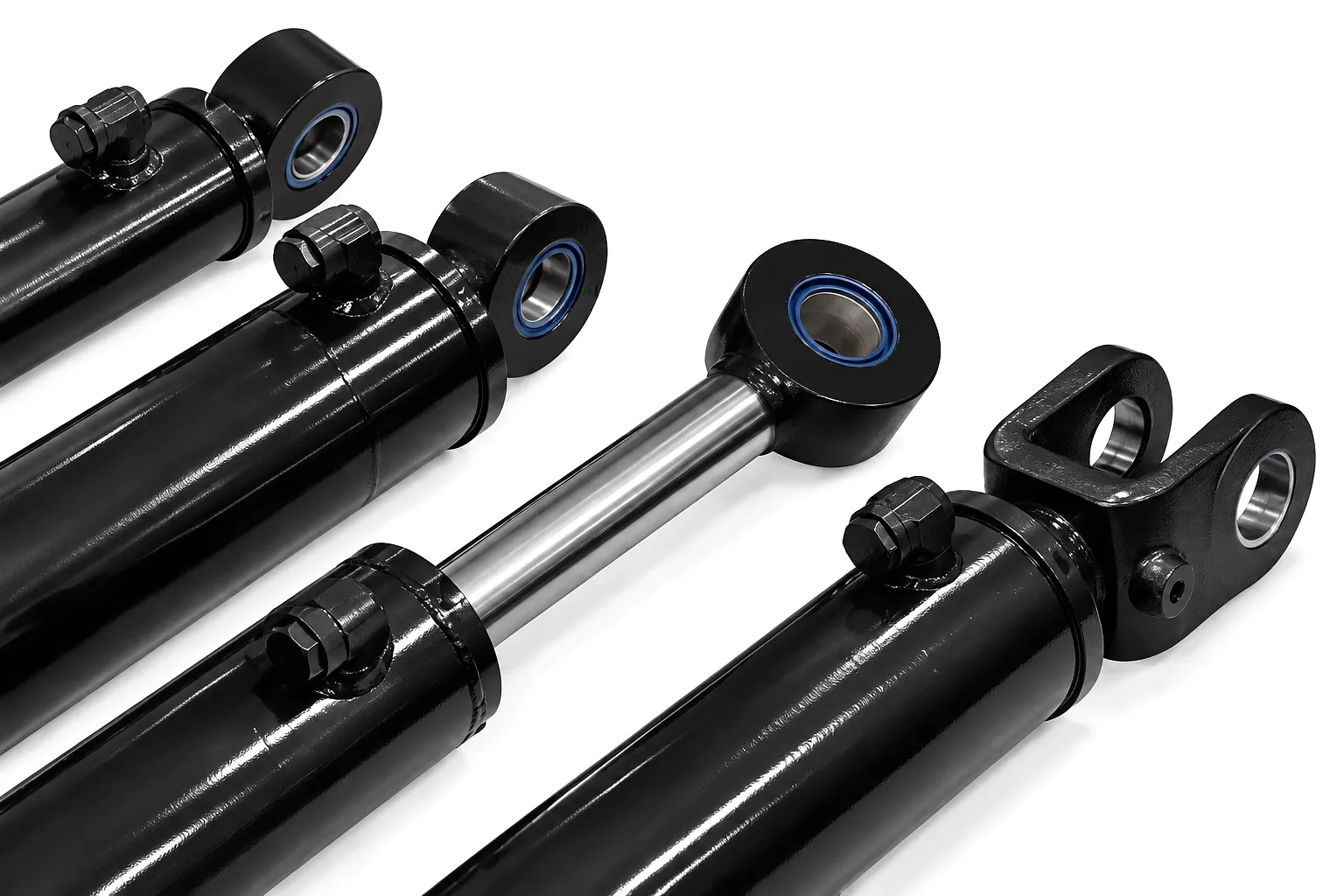 Hydraulic actuators sit at the heart of almost every piece of heavy machinery operating across British industry today — from agricultural combines rolling through Lincolnshire fields to steel-press lines running continuously in Sheffield. Two designs dominate the field: the ram cylinder and the piston cylinder. Each converts pressurised fluid into linear mechanical force, yet they do so through fundamentally different internal architectures, which makes one far better suited than the other for a given application. Choosing incorrectly means undersized output, premature seal failure, excessive maintenance cost, or catastrophic downtime in the middle of a production shift. This guide cuts through the ambiguity. It presents the engineering principles, material science, performance data, and real-world UK application context that procurement engineers and plant managers need to make a confident, specification-grade decision — without wasting time sifting through generic catalogue copy.
Understanding the Core Structural Difference
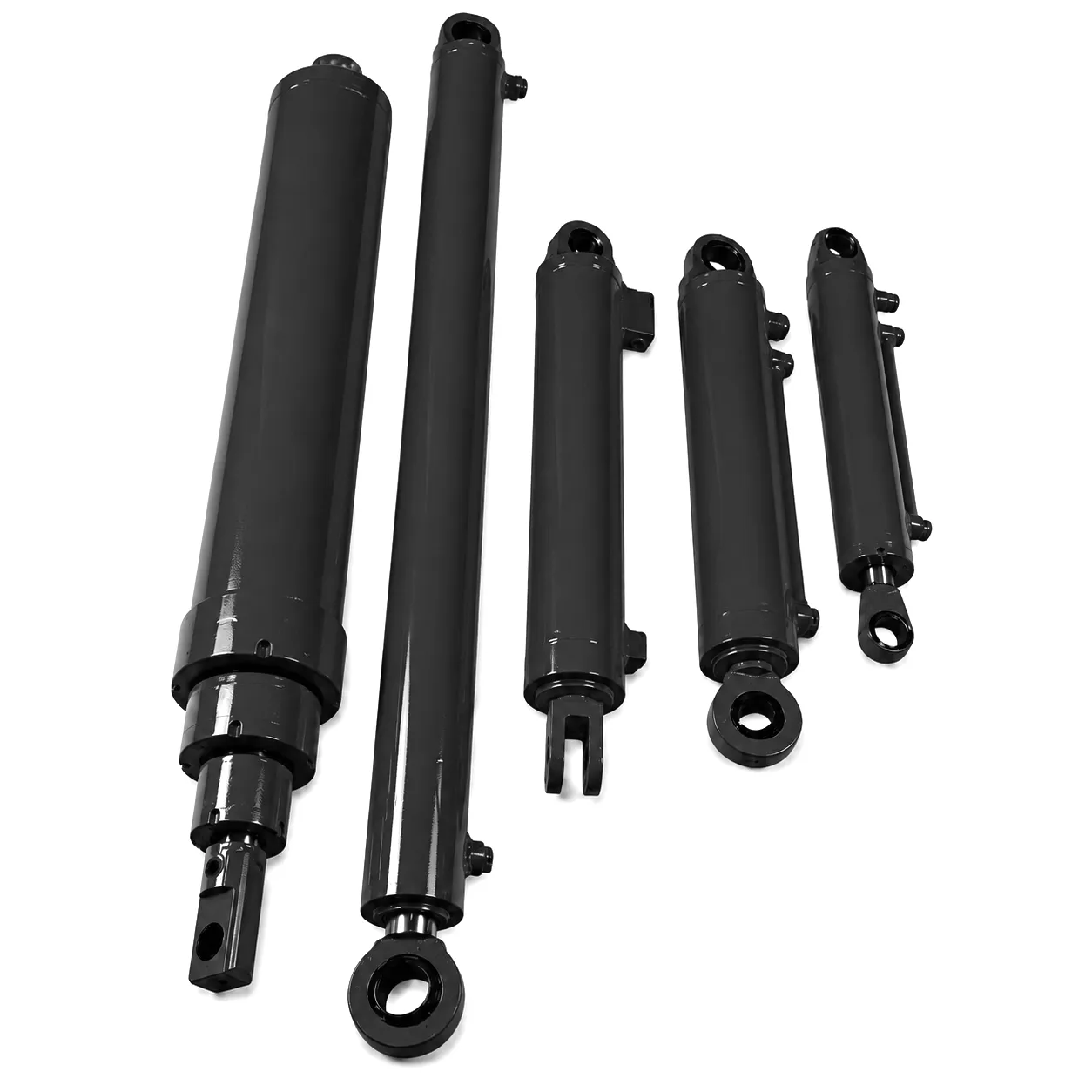
A ram cylinder — sometimes called a plunger cylinder — contains a single solid rod (the ram) that occupies the entire bore of the cylinder barrel. There is no separate piston head. The rod itself acts as both the displacement element and the structural load member. Because the rod diameter equals the bore diameter, the full cross-sectional area of the ram is exposed to hydraulic pressure on only one side, making it inherently a single-acting device. Extension force is generated by pressurised fluid pushing against the rod end face; retraction relies on gravity, an external spring load, or the mechanical weight of the connected equipment. Ram cylinders are exceptionally robust in compression and are the standard choice wherever a large push force is required in a vertically oriented or near-vertical installation, such as hydraulic presses, workshop lifts, and dock levellers.
A piston cylinder — the more prevalent type encountered in general hydraulics — features a rod of smaller diameter than the bore, attached to a disc-shaped piston that seals against the cylinder wall. The piston divides the barrel into two distinct chambers: the cap-end (full bore area) and the rod-end (annular area). Hydraulic fluid can be directed to either chamber independently. When pressure acts on the cap-end, the piston and rod extend; when pressure acts on the rod-end, they retract. This dual-direction capability — double-acting operation — makes the piston cylinder the standard solution for any application demanding controlled push-and-pull force, precise positioning, or repetitive reciprocating motion. From agricultural machinery to industrial automation, the double-acting piston cylinder is the workhorse of global fluid power engineering. Single-acting variants are also produced where return by spring or load is sufficient.
Working Principle: How Each Actuator Develops Force
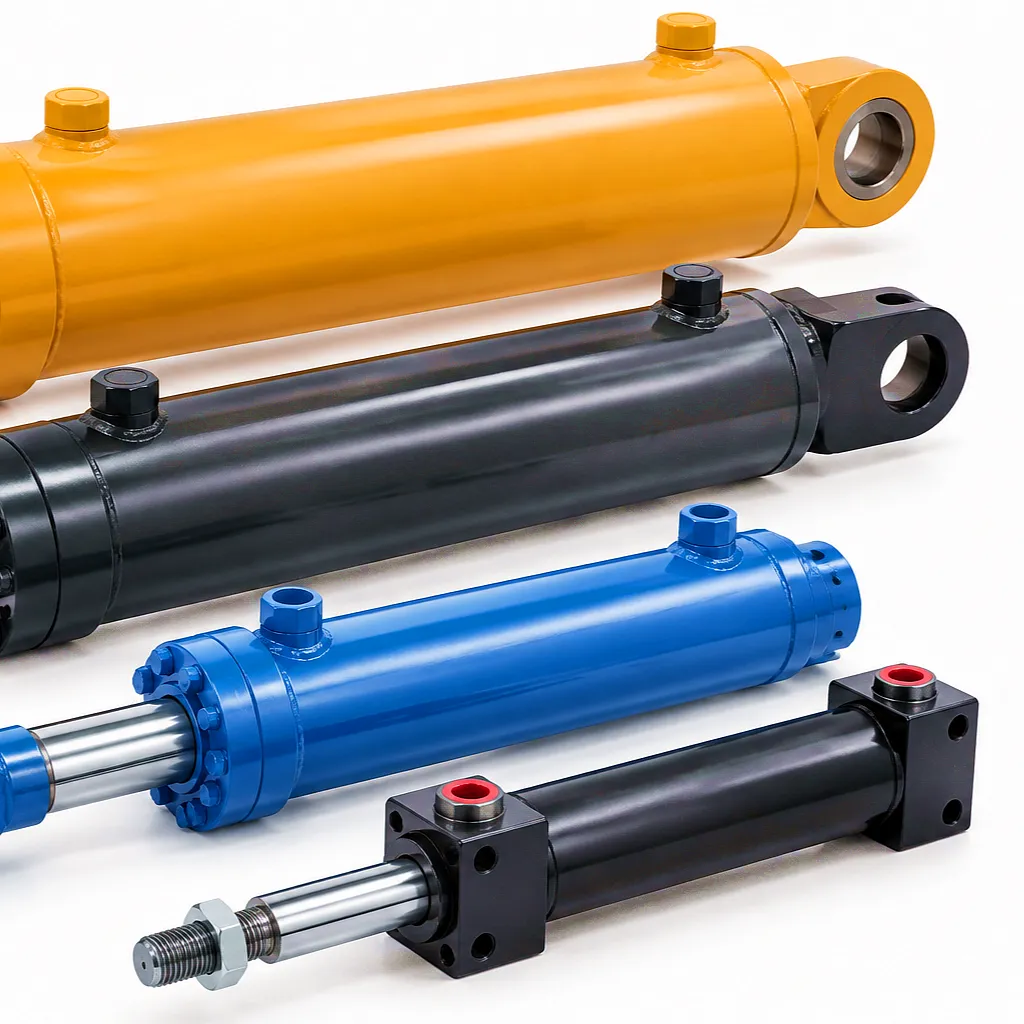
The output thrust of a ram cylinder is determined by the straightforward product of working pressure and the full bore cross-sectional area: Force (F) = Pressure (P) × Area (A), where Area = π/4 × D², D being the ram diameter. Because the rod fills the entire bore, there is no annular area reduction, so every unit of pressure translates maximally into push force. This is why ram cylinders can deliver extraordinarily high compressive loads within a compact envelope — a 150 mm bore ram at 250 bar operating pressure develops approximately 441 kN of thrust. This direct relationship also means that the hydraulic circuit driving a ram cylinder only needs to manage one fluid port; the return circuit is mechanical rather than hydraulic, simplifying manifold design and reducing valve count in systems where cost per actuator matters.
A piston cylinder produces two distinct force values depending on which chamber is pressurised. The extension (cap-end) force mirrors the ram formula: F_extend = P × π/4 × D_bore². The retraction (rod-end) force is reduced because the rod occupies part of the cross-section: F_retract = P × π/4 × (D_bore² − D_rod²). The ratio of extension to retraction force is determined by the rod-to-bore area ratio, a parameter that hydraulic system designers fine-tune during the specification phase. A common 2:1 ratio configuration delivers exactly twice the extension force of retraction force — ideal for clamping and unclamping cycles, for example. For combined harvester machinery requiring both lifting power and rapid retraction, this dual-force characteristic is indispensable. See our Hydraulische cilinders voor maaidorser for a representative product built around exactly this force balance.
Core Materials: What Goes Into a Precision Hydraulic Cylinder
Cold-drawn seamless steel tube (ST52 or E355 grade) is the global standard. The bore is precision honed to Ra 0.2–0.4 µm surface roughness, which is essential for seal longevity. For corrosive environments — offshore platforms, coastal processing plants in the South West of England, or chemical works in Teesside — stainless steel 304/316L barrels are specified. Some Ever Power builds for food-processing clients in Yorkshire use hard-anodised aluminium alloy barrels where weight saving is critical and operating pressures remain below 160 bar.
Induction-hardened and hard-chrome-plated carbon steel (42CrMo4) is used in standard piston cylinders. The chrome layer (typically 20–25 µm) provides a surface hardness of 850–1,000 HV, excellent corrosion resistance, and a low coefficient of friction against lip seals. Where environmental regulations restrict hard chrome (REACH compliance is particularly active in UK and EU markets), Ever Power offers HVOF-sprayed tungsten carbide coatings and electroless nickel alternatives that meet or exceed chrome performance.
Polyurethane (PU) and NBR (nitrile rubber) dominate standard service. PTFE-energised lip seals are used in high-pressure (over 350 bar) or high-cycle applications. FKM (Viton) seals handle elevated temperatures up to 200 °C and aggressive hydraulic fluid chemistries. For low-temperature operation — relevant to plant running outdoors during British winters, especially in Scotland and northern England — low-temperature NBR or HNBR compounds maintain flexibility down to −40 °C.
Ductile cast iron (GGG50/GGG70) or structural steel (S355J2) is standard for medium-duty cylinders. For heavy-duty single-acting and double-acting cylinders handling loads above 200 kN, forged steel end caps are CNC-machined to tight tolerances. The gland — the rod-end seal carrier — is frequently made from precision-machined aluminium bronze or ductile iron, providing a perfect bearing surface that prevents rod side-loading damage even under significant off-axis forces in mobile machinery applications.
Product Advantages: Ram Cylinder vs Piston Cylinder Side by Side
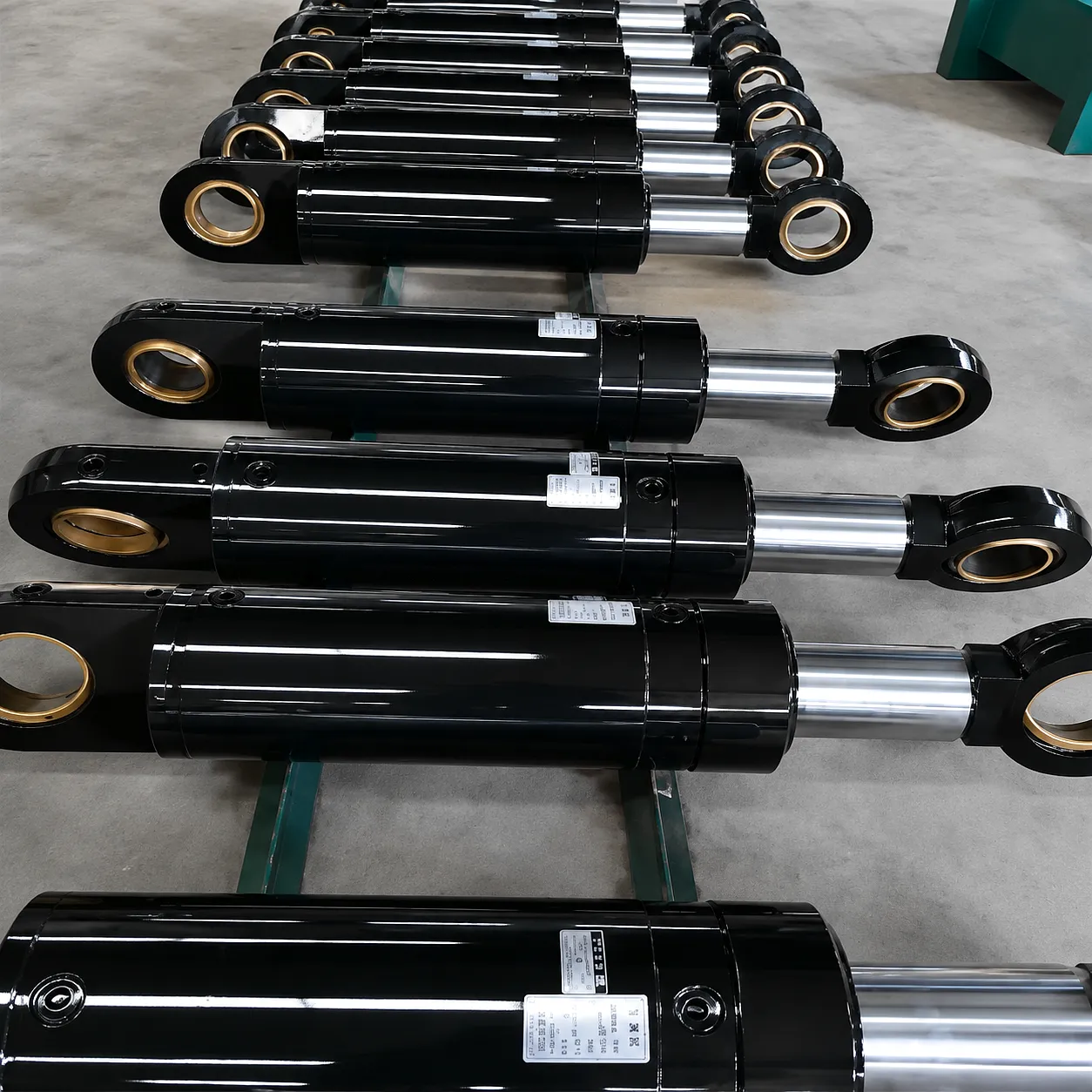
Product Technical and Performance Parameter Table
| Parameter | Ram Cylinder | Piston Cylinder (Single-Acting) | Piston Cylinder (Double-Acting) |
|---|---|---|---|
| Diameterbereik van de boring | 20 – 500 mm | 20 – 400 mm | 20 – 600 mm |
| Working Pressure (Max) | Up to 350 bar | Up to 250 bar | Up to 400 bar |
| Slaglengte | Up to 8,000 mm | Up to 6,000 mm | Up to 10,000 mm |
| Bedrijfstemperatuur | −40 °C to +120 °C | −30 °C to +110 °C | −40 °C to +150 °C |
| Vatmateriaal | ST52 / E355 / 316L SS | ST52 / E355 | ST52 / E355 / Alloy |
| Oppervlaktebehandeling van de staaf | Hard chrome / HVOF WC | Hard chrome / Ni plate | Hard chrome / HVOF WC |
| Seal Material Options | PU / NBR / FKM / HNBR | PU / NBR / PTFE | PU / FKM / PTFE / HNBR |
| Mounting Options | Flange / Foot / Clevis | Flange / Foot / Tie Rod | All types inc. trunnion |
| Typical Output Force | 2 kN – 6,800 kN | 1 kN – 3,200 kN | 0.5 kN – 8,000 kN |
| Direction of Operation | Single-acting only | Single-acting | Double-acting (both ways) |
| Surface Finish (Bore Ra) | 0.2 – 0.4 µm | 0.2 – 0.4 µm | 0.2 – 0.4 µm |
Industrial Application Scenarios: Where Each Type Excels
Matched to UK industry sectors and operating environments
Ram cylinders are the standard actuator in hydraulic press machinery throughout South Yorkshire’s remaining steel and forging sector. A vertical ram pushing straight down against a press platen needs nothing more than a single-acting cylinder: gravity returns the ram when pressure is released. The combination of massive bore diameter (often 300–500 mm), high operating pressure (250–350 bar), and the structural rigidity of the solid rod makes this the only technically rational choice. Leading press manufacturers in Sheffield and Rotherham specify ram cylinders for blanking presses, forging presses, and extrusion presses where consistent force repeatability across millions of cycles is a contractual requirement.
The vast arable farms of Lincolnshire, Norfolk, and Cambridgeshire rely heavily on combine harvesters and grain handling equipment fitted with double-acting piston cylinders. These cylinders control header height, reel positioning, and concave adjustment — tasks that demand precise, powered movement in both directions regardless of machine orientation or field gradient. The cylinder must respond accurately to ISOBUS electronic controls while withstanding severe vibration from uneven ground. Our purpose-engineered Hydraulische cilinders voor maaidorser are built specifically for this demanding duty cycle, with reinforced wiper seals and induction-hardened rods rated for years of continuous harvest-season service.
Ram cylinders dominate the UK’s vehicle workshop lift market, from the independent garages in Birmingham’s Digbeth district to the national tyre and service chains operating across the motorway network. A two-post or four-post lift relies on synchronised ram cylinders mounted vertically beneath the runway beams. The principle is elegantly simple: hydraulic pressure pushes the ram up, lifting the vehicle; releasing pressure allows the load weight to return the ram. The absence of a return hydraulic circuit simplifies the lift’s power unit and reduces the cost of the drive system — a material consideration when fitting out multiple service bays simultaneously.
Telescopic double-acting piston cylinders are the enabling technology for boom-type elevating work platforms (EWPs) and vehicle-mounted tail lifts throughout UK construction and logistics. The stroke-to-retracted-length ratio that telescopic stages provide allows a platform to reach 15–20 m while the cylinder retracts to a fraction of that length. For applications where compact retracted length is critical — such as narrow-body delivery vehicles operating on London’s congested streets — a Custom Double Acting Telescopic Hydraulic Cylinder For Lifting Platform delivers the stroke range without compromising payload capacity or vehicle dimensions within DVSA regulations.
Marine deck equipment — hatch covers, ramps, and mooring systems operating out of ports in Aberdeen, Hull, and the Humber estuary — frequently specify both ram and piston cylinder types depending on the function. Ram cylinders control hatch cover lift mechanisms where vertical load dominates; double-acting piston cylinders operate stern ramps and stabiliser fins where bi-directional controlled force is required. In all cases, stainless steel 316L barrels, HVOF tungsten carbide rod coatings, and FKM seals are specified to withstand the aggressive salt-water environment that dramatically shortens the service life of standard cylinder builds.
Excavator arms, grader blades, and compactor drums operating across the West Midlands’ ongoing infrastructure development schemes all depend on double-acting piston hydraulic cylinders for precise blade or bucket positioning. The cylinder must push against rock or compacted soil with high force, then retract quickly under powered return — a duty cycle impossible for a ram cylinder without an external retracting mechanism. Bucket cylinders on mid-size excavators typically operate at 250–320 bar working pressure with stroke lengths of 600–1,200 mm. The combination of high pressure and aggressive contamination in earthmoving environments demands precision bore honing to tight tolerances so that wiper seals strip debris effectively before it reaches the rod seal, protecting the cylinder interior from abrasive wear.
Ever Power Hydraulic Cylinder Product Range
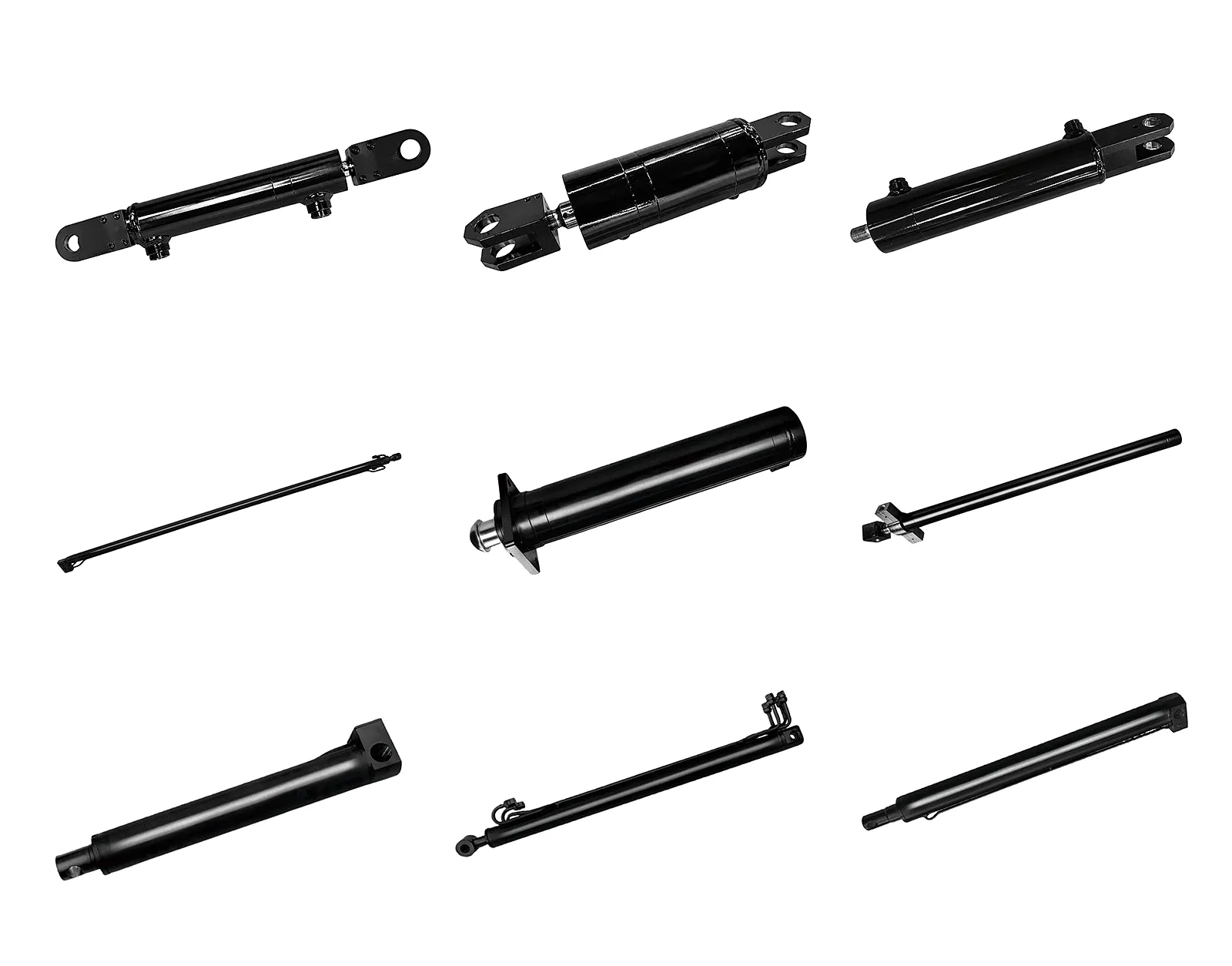
Ever Power — Precision Manufacturing & Custom Hydraulic Cylinder Solutions
OEM-grade engineering · Unlimited customisation · Global supply with UK-focused logistics
Ever Power’s engineering team works directly with OEM designers, plant engineers, and procurement managers to develop hydraulic cylinders that match exact operational requirements. Bore diameter, stroke length, rod diameter, end mounting configuration, port position, cushion type, seal compound, and surface treatment are all independently configurable. Custom internal ports, integrated position sensors, and load-holding valves can be incorporated into the cylinder body at the manufacturing stage, eliminating the external plumbing complexity that adds failure risk and assembly cost on the production line. From a single prototype for a machine builder in the Midlands to a 500-unit production run for a European agricultural OEM, Ever Power treats every order with the same precision manufacturing standard.
Every cylinder produced in the Ever Power manufacturing facility passes through a controlled, multi-stage production process. CNC-turned barrel blanks are deep-hole drilled from solid bar or cut from certified seamless tube stock. Internal honing is performed in a temperature-controlled environment on dedicated vertical honing machines to achieve bore roundness within 0.005 mm and Ra surface finish within specification. Rod turning, external grinding, and chrome plating are executed in-house. Full hydrostatic pressure testing at 1.5 times rated working pressure, combined with leakage measurement across all seal interfaces, is conducted on a 100% basis before dispatch — not on a sample basis. Dimensional reports and material traceability certificates accompany every shipment, meeting the documentation expectations of UK quality management systems operating under ISO 9001 and BS EN standards.
Ever Power maintains strategic stock of common bore-size barrel tube, rod bar, and seal kits, enabling short-notice production of standard configurations without waiting for raw material procurement cycles. Finished cylinders are containerised and shipped via established freight routes to UK ports including Felixstowe and Southampton, with onward domestic delivery coordinated through bonded warehouse partners. For urgent replacement orders — a pressed machine in Sheffield waiting for a cylinder to restart production — Ever Power’s express logistics programme can put a finished, tested cylinder on UK soil within an agreed lead time. All documentation is prepared to UK customs and HMRC import requirements, removing administrative complexity from the procurement team.
Customer Success Story: Birmingham Automotive Press Manufacturer
 A medium-sized automotive press-tool manufacturer based in Birmingham’s industrial corridor had been experiencing persistent issues with their existing hydraulic cylinder supplier: inconsistent bore tolerances leading to premature seal wear, inadequate documentation for their ISO 9001 quality management audit, and lead times that regularly slipped past committed delivery dates, stalling press tool installation projects for their automotive OEM clients in the West Midlands supply chain.
The engineering director contacted Ever Power to discuss a trial order of eight 300 mm bore ram cylinders for a new 800-tonne blanking press programme. Ever Power’s technical team reviewed the press specifications — including the operating pressure of 320 bar, a stroke requirement of 1,200 mm, and a duty cycle of approximately 1,800 strokes per shift — and proposed a specification using ST52 cold-drawn barrel tube with a bore finish of Ra 0.3 µm, 42CrMo4 induction-hardened solid rams with HVOF tungsten carbide coating, and PTFE-energised lip seals rated for 400 bar burst pressure. The entire trial batch was hydrostatic tested at 480 bar and dimensional reports were supplied to BS EN ISO 6020-2 format.
After twelve months of production operation, the Birmingham manufacturer reported zero seal failures across the trial cylinders — a stark contrast to the 11% annualised failure rate experienced with the previous supplier. The full programme was expanded to 24 cylinders across three press lines. Ever Power now functions as the preferred hydraulic cylinder partner for all new press tool development projects at this facility, with a call-off arrangement covering both standard and bespoke dimensions as the press programme continues to grow.
Klantenrecensies
“The bore tolerance consistency on the 300 mm rams was genuinely impressive — every cylinder gauged within 0.008 mm of nominal, which our seal supplier told us is tighter than most European press-grade cylinders they see. After a year of hard cycling, not one gland leak. We’ve moved all our new press hydraulic specifications to Ever Power.”
“We approached Ever Power needing a custom double-acting telescopic cylinder for a tail-lift application on a refrigerated vehicle body. The spec was non-standard — a very short retracted length with a 1,600 mm extended stroke. Their engineers turned around a detailed drawing within 48 hours and the prototype was on our test bench in six weeks. The finished product integrates perfectly and the documentation package satisfied our DVSA inspection.”
“Our combine harvester cylinder programme had been suffering from premature wiper seal degradation on the header lift cylinders due to Lincolnshire soil conditions. Ever Power recommended a switch to dual-lip HNBR wiper rings and an extended chrome length on the rod to keep the seal contact zone clean longer. The modification cost almost nothing over standard, but the field results after one full harvest season showed a dramatic improvement in service interval. That kind of application-specific thinking from a cylinder supplier is rare.”
Veelgestelde vragen
Get a Quote: [email protected]
 Dutch
Dutch  English
  Italian
  Portuguese
  Swedish
  Danish
  Finnish
  Polish
  Hindi
Hindi  Kazakh
  Turkish
  Ukrainian
  Romanian
  Spanish
  German
  Russian
  Korean
  Japanese
  Vietnamese
  Thai
Thai  Indonesian
  Malay
Malay  French
  Greek
Greek