
Opis produktu
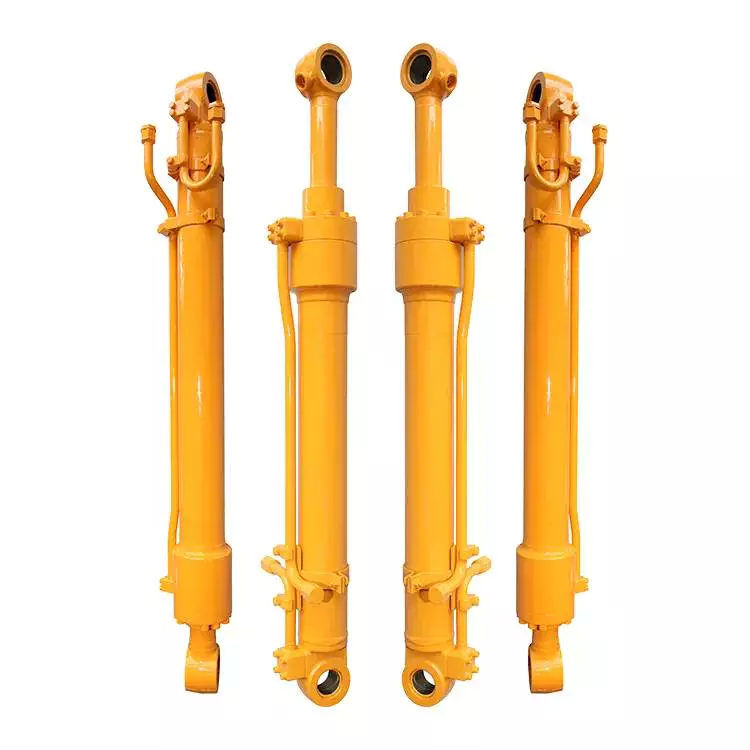
Special hydraulic cylinder Concrete pump hydraulic cylinder Wood hydraulic cylinder
Product Description:
Special hydraulic cylinder Concrete pump hydraulic cylinder Wood hydraulic cylinder has high requirements for security performance, as it works frequently with large shock and vibration, so the requirements of reliability is high. Limit working condition bear large lateral load, so it has higher requirements for hardness and wear resistance.
Product Features:
(1) Single cylinder latch interlock technology ensure reliability and security;
(2) New type counterweighing hooking technology ensure the stability performance;
(3) Large span guidance technology and oil & gas mixture suspension technology ensure the system stable and reliable.
Wyświetlacz produktu:
Specifications:
| Przedmiot | Specyfikacje |
| Product Name | Special hydraulic cylinder Concrete pump hydraulic cylinder Wood hydraulic cylinder |
| Certificate: | CE, ISO9001 |
| Production Capacity: | 5000pcs/Month |
| Sample Time | 7-10 days |
| Brand | GLIT or customer’s logo |
| Praca | OEM i ODM |
| Piston Rod | Chrome or nickel plated,ground & polished piston rod |
| Typ uszczelnienia | Parker,NOK, BUSAK SHAMBAN or as customer’s requirement |
| Tube | Rura ciągniona na zimno o wysokiej wytrzymałości, precyzyjnie honowana w celu wydłużenia żywotności uszczelnienia |
| Delivery Time | Based on order quantity. normally 15-30 days. |
| Zaleta cenowa | Konkurencyjna cena fabryczna z gwarantowaną jakością |
| Rodzaj działalności | Manufacturer & Exporter |
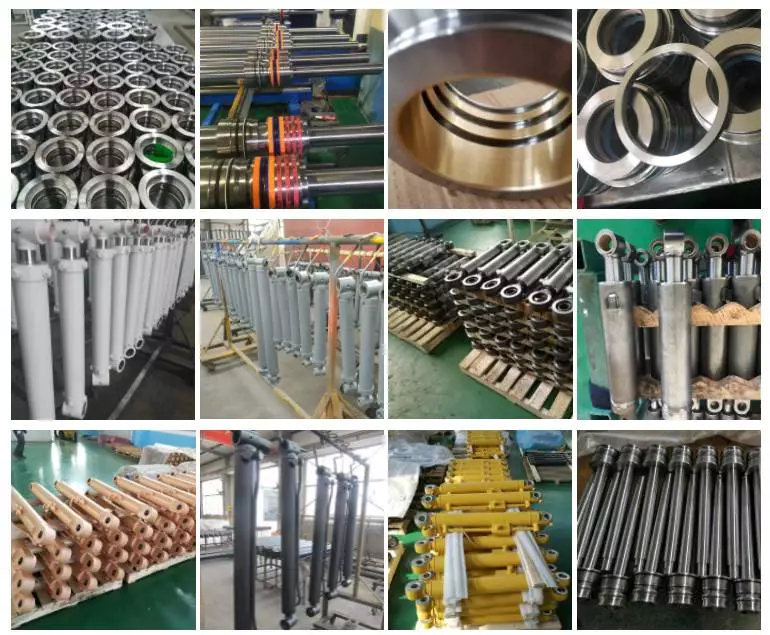
Nasza fabryka:
Proces inspekcji:
| Rodzaj inspekcji | Norma inspekcji |
| Kontrola surowców | Przed składowaniem kontrola jakości dokonuje pomiaru surowców. |
| Kontrola materiałów procesowych | W trakcie produkcji kontrolerzy jakości przeprowadzają losową kontrolę. Zanim części cylindra hydraulicznego zostaną przekazane do następnego procesu, kontrola jakości przeprowadza kontrolę. |
| Końcowe testowanie funkcji | Wszystkie siłowniki hydrauliczne przechodzą test funkcjonalności hydraulicznej |
Pakowanie i dostawa:
Zastosowania:
Application: Mobile Cranes, Trailer, excavator, log splitter, hydraulic press, garbage compactor,
lift platform, dock leveler
O nas:
HangZhou GLORIA INDUSTRIAL TECH Co., Ltd. is Specjalizujemy się w produkcji różnego rodzaju cylindrów hydraulicznych, a także cylindrów cylindrycznych, cylindrów tłokowych i innych akcesoriów do cylindrów.
As a highly specialized manufacturer of hydraulic cylinders, CHINAMFG provides design optimization solutions and reliable products to many customers at home and abroad. No matter in construction machinery, railway bridge machinery, port ship machinery, metallurgy and mining machinery, oil and light industry machinery, special vehicles and other industries, GLIT can provide various standard and non-standard hydraulic cylinder design optimization schemes and products according to users’ requirements, and provide integrated services for perfection and quality.
Jeśli to możliwe, kontaktując się z nami, prosimy o podanie poniższych informacji
Nudziarz | Pręt | Udar | Presja w pracy | Montowanie | Środowisko pracy |
|
|
|
|
|
|
Możesz też przesłać nam szkic, diagram lub zdjęcia, abyśmy mogli dokładnie zrozumieć, co masz na myśli, i tym samym uniknąć błędów.
Jeśli dysponujesz próbkami, możemy je wytworzyć na ich podstawie, po ich przesłaniu do nas.
Zapraszamy do naszej fabryki, jeśli masz chwilę czasu.
Twoja satysfakcja jest dla nas największą motywacją.
Teraz możesz się z nami skontaktować w sprawie jakichkolwiek pytań lub wątpliwości.
Najczęściej zadawane pytania:
1. Czym zajmuje się Twoja firma?
A: Jesteśmy dostawcą wysokiej jakości produktów hydraulicznych, w tym cylindrów hydraulicznych, silników hydraulicznych, agregatów hydraulicznych, stacji hydraulicznych i innych komponentów hydraulicznych.
2. Czy jesteś firmą produkcyjną czy handlową?
A: Jesteśmy producentem.
3. Jaki certyfikat posiadasz?
A: Wszystkie nasze fabryki posiadają certyfikaty ISO. Nasi główni dostawcy materiałów i części posiadają certyfikaty CE, RoHS, CSA i UL.
4. Jak długi jest czas dostawy?
A: The delivery time depends on different products and quantity. The cylinder usually need about 45-60 days and the Motor need about 20-30 days.
5. Czy możesz wykonać części według wymagań lub rysunków klienta?
O: Tak, możemy wykonać dla Ciebie OEM na podstawie Twoich rysunków. Nasz inżynier może również udzielić Ci profesjonalnego wsparcia w zakresie sugestii technicznych.
6. Jakie warunki płatności akceptujecie?
A: We prefer T/T through bank. 40% when order is confirmed and 60% before shipment. L/C is also acceptable for amount over 20,000USD.
9, What is your warranty policy?
A: Wszystkie nasze produkty objęte są roczną gwarancją od daty dostawy, obejmującą wady materiałowe i wykonawcze. Niniejsza gwarancja nie obejmuje części zużytych w trakcie normalnej eksploatacji lub uszkodzonych w wyniku zaniedbania. Z powagą przypominamy, że zanieczyszczony olej hydrauliczny z pewnością spowoduje uszkodzenie podzespołów hydraulicznych. Uszkodzenia te nie są objęte gwarancją. Dlatego zdecydowanie zalecamy stosowanie nowego, czystego oleju lub upewnienie się, że olej w układzie jest czysty podczas użytkowania naszych części.
| Certification: | GS, CE, ISO9001 |
|---|---|
| Ciśnienie: | Medium Pressure |
| Temperatura pracy: | 10-35 MPa |
| Sposób działania: | Double Acting |
| Metoda pracy: | Prosta podróż |
| Dostosowana forma: | Typ regulowany |
| Personalizacja: | Dostępny |
|
|---|
What advancements in hydraulic cylinder technology have improved energy efficiency?
Advancements in hydraulic cylinder technology have led to significant improvements in energy efficiency, allowing hydraulic systems to operate more efficiently and reduce energy consumption. These advancements aim to minimize energy losses, optimize system performance, and enhance overall efficiency. Here’s a detailed explanation of some key advancements in hydraulic cylinder technology that have improved energy efficiency:
1. Efficient Hydraulic Circuit Design:
– The design of hydraulic circuits has evolved to improve energy efficiency. Advancements in circuit design techniques, such as load-sensing, pressure-compensated systems, or variable displacement pumps, help match the hydraulic power output to the actual load requirements. These designs reduce unnecessary energy consumption by adjusting the flow and pressure levels according to the system demands, rather than operating at a fixed high pressure.
2. High-Efficiency Hydraulic Fluids:
– The development of high-efficiency hydraulic fluids, such as low-viscosity or synthetic fluids, has contributed to improved energy efficiency. These fluids offer lower internal friction and reduced resistance to flow, resulting in decreased energy losses within the system. Additionally, advanced fluid additives and formulations enhance lubrication properties, reducing friction and optimizing the overall efficiency of hydraulic cylinders.
3. Advanced Sealing Technologies:
– Seal technology has advanced significantly, leading to improved energy efficiency in hydraulic cylinders. High-performance seals, such as low-friction or low-leakage seals, minimize internal leakage and friction losses. Reduced internal leakage helps maintain system pressure more effectively, resulting in less energy waste. Additionally, innovative sealing materials and designs enhance durability and extend seal life, reducing the need for frequent maintenance and replacement.
4. Electro-Hydraulic Control Systems:
– The integration of advanced electro-hydraulic control systems has greatly contributed to energy efficiency improvements. By combining electronic control with hydraulic power, these systems enable precise control over cylinder operation, optimizing energy usage. Proportional or servo valves, along with position or force feedback sensors, allow for accurate and responsive control, ensuring that hydraulic cylinders operate at the required level of performance while minimizing energy waste.
5. Energy Recovery Systems:
– Energy recovery systems, such as hydraulic accumulators, have been increasingly utilized to improve energy efficiency in hydraulic cylinder applications. Accumulators store excess energy during low-demand periods and release it when there is a peak demand, reducing the need for the hydraulic pump to provide the full power continuously. By utilizing stored energy, these systems can significantly reduce energy consumption and improve overall system efficiency.
6. Smart Monitoring and Control:
– Advancements in smart monitoring and control technologies have enabled real-time monitoring of hydraulic systems, allowing for optimized energy usage. Integrated sensors, data analytics, and control algorithms provide insights into system performance and energy consumption, enabling operators to make informed decisions and adjustments. By identifying inefficiencies or suboptimal operating conditions, energy consumption can be minimized, leading to improved energy efficiency.
7. System Integration and Optimization:
– The integration and optimization of hydraulic systems as a whole have played a significant role in improving energy efficiency. By considering the entire system layout, component sizing, and interaction between different elements, engineers can design hydraulic systems that operate in the most energy-efficient manner. Proper sizing of components, minimizing pressure drops, and reducing unnecessary piping or valve restrictions all contribute to improved energy efficiency of hydraulic cylinders.
8. Research and Development:
– Ongoing research and development efforts in the field of hydraulic cylinder technology continue to drive energy efficiency advancements. Innovations in materials, component design, system modeling, and simulation techniques help identify areas for improvement and optimize energy usage. Additionally, collaboration between industry stakeholders, research institutions, and regulatory bodies fosters the development of energy-efficient hydraulic cylinder technologies.
In summary, advancements in hydraulic cylinder technology have resulted in notable improvements in energy efficiency. Efficient hydraulic circuit designs, high-efficiency hydraulic fluids, advanced sealing technologies, electro-hydraulic control systems, energy recovery systems, smart monitoring and control, system integration and optimization, as well as ongoing research and development efforts, all contribute to reducing energy consumption and enhancing the overall energy efficiency of hydraulic cylinders. These advancements not only benefit the environment but also offer cost savings and improved performance in various hydraulic applications.
Wykorzystanie cylindrów hydraulicznych w połączeniu z alternatywnymi źródłami energii
Siłowniki hydrauliczne rzeczywiście mogą być wykorzystywane w połączeniu z alternatywnymi źródłami energii. Wszechstronność układów hydraulicznych pozwala na ich integrację z różnymi technologiami energii alternatywnej w celu zwiększenia wydajności, kontroli i wytwarzania energii. Przyjrzyjmy się kilku przykładom wykorzystania siłowników hydraulicznych w połączeniu z alternatywnymi źródłami energii:
- Magazynowanie energii hydraulicznej: Siłowniki hydrauliczne mogą być stosowane w systemach magazynowania energii wykorzystujących alternatywne źródła energii, takie jak źródła odnawialne (np. energia słoneczna lub wiatrowa) lub odzysk energii odpadowej. Systemy te przekształcają nadmiar energii w energię potencjalną hydrauliczną poprzez pompowanie płynu do akumulatora wysokociśnieniowego. Gdy energia jest potrzebna, sprężony płyn jest uwalniany, napędzając siłownik hydrauliczny i generując energię mechaniczną.
- Konwersja energii fal i pływów: Siłowniki hydrauliczne mogą być wykorzystywane w systemach przetwarzania energii fal i pływów. Systemy te wykorzystują energię fal oceanicznych lub prądów pływowych i przekształcają ją w energię użyteczną. Siłowniki hydrauliczne, wraz z pompami i zaworami, mogą być wykorzystywane do przechwytywania i kontrolowania energii fal lub pływów, napędzając cylindry i generując energię mechaniczną lub elektryczną.
- Generowanie energii wodnej: Siłowniki hydrauliczne odgrywają kluczową rolę w tradycyjnym wytwarzaniu energii wodnej. Jednak alternatywne rozwiązania, takie jak małe lub mikroelektrownie wodne, również mogą skorzystać z cylindrów hydraulicznych. Systemy te wykorzystują naturalne lub sztuczne przepływy wody do napędzania turbin podłączonych do cylindrów hydraulicznych, które następnie przekształcają energię hydrauliczną w energię mechaniczną lub elektryczną.
- Napęd hydrauliczny w turbinach wiatrowych: Siłowniki hydrauliczne mogą być stosowane w turbinach wiatrowych w celu zwiększenia wydajności i kontroli. Na przykład, hydrauliczne systemy regulacji kąta nachylenia łopat turbiny wiatrowej wykorzystują siłowniki hydrauliczne do regulacji kąta nachylenia łopat, optymalizując ich osiągi aerodynamiczne w zależności od warunków wietrznych. Pozwala to na efektywne wytwarzanie energii i ochronę przed nadmiernym obciążeniem wiatrem.
- Ekstrakcja energii geotermalnej: Wydobycie energii geotermalnej polega na wykorzystaniu naturalnego ciepła z wnętrza Ziemi do wytwarzania energii. Cylindry hydrauliczne mogą być stosowane w systemach geotermalnych do sterowania i regulacji przepływu cieczy, umożliwiając efektywne wydobycie i wykorzystanie energii geotermalnej. Mogą być również stosowane w geotermalnych pompach ciepła do ogrzewania i chłodzenia.
Podsumowując, cylindry hydrauliczne można skutecznie wykorzystywać w połączeniu z alternatywnymi źródłami energii, aby usprawnić magazynowanie energii, jej wytwarzanie i kontrolę. Niezależnie od tego, czy chodzi o systemy magazynowania energii hydraulicznej, przetwarzanie energii fal i pływów, wytwarzanie energii wodnej, hydrauliczne sterowanie turbinami wiatrowymi, czy pozyskiwanie energii geotermalnej, cylindry hydrauliczne oferują wszechstronne i wydajne rozwiązania w zakresie wykorzystywania alternatywnych źródeł energii.
What are the common signs of wear or leakage that indicate hydraulic cylinder issues?
Hydraulic cylinders are critical components in hydraulic systems, and wear or leakage can lead to performance issues and potential system failures. It is important to be aware of the common signs that indicate hydraulic cylinder problems. Here’s a detailed explanation of the common signs of wear or leakage that indicate hydraulic cylinder issues:
1. Fluid Leakage:
– Fluid leakage is one of the most obvious signs of hydraulic cylinder problems. If you notice hydraulic fluid leaking from the cylinder, it indicates a seal failure or damage to the cylinder. Leaking fluid may be visible around the rod, piston, or cylinder body. It is important to address fluid leakage promptly as it can lead to a loss of system efficiency, contamination of the surrounding environment, and potential damage to other system components.
2. Reduced Performance:
– Wear or internal damage to the hydraulic cylinder can result in reduced performance. You may notice a decrease in the cylinder’s force output, slower operation, or difficulty in extending or retracting the cylinder. Reduced performance can be indicative of worn seals, damaged piston or rod, internal leakage, or contamination within the cylinder. Any noticeable decrease in the cylinder’s performance should be inspected and addressed to prevent further damage or system inefficiencies.
3. Abnormal Noise or Vibrations:
– Unusual noise or vibrations during the operation of a hydraulic cylinder can indicate internal wear or damage. Excessive noise, knocking sounds, or vibrations that are not typical for the system may suggest problems such as worn bearings, misalignment, or loose internal components. These signs should be investigated to identify the source of the issue and take appropriate corrective measures.
4. Excessive Heat:
– Overheating of the hydraulic cylinder is another sign of potential issues. If the cylinder feels excessively hot to the touch during normal operation, it may indicate problems such as internal leakage, fluid contamination, or inadequate lubrication. Excessive heat can lead to accelerated wear, reduced efficiency, and overall system malfunctions. Monitoring the temperature of the hydraulic cylinder is important to detect and address potential problems.
5. External Damage:
– Physical damage to the hydraulic cylinder, such as dents, scratches, or bent rods, can contribute to wear and leakage issues. External damage can compromise the integrity of the cylinder, leading to fluid leakage, misalignment, or inefficient operation. Regular inspection of the cylinder’s external condition is essential to identify any visible signs of damage and take appropriate actions.
6. Seal Failure:
– Hydraulic cylinder seals are critical components that prevent fluid leakage and maintain system integrity. Signs of seal failure include fluid leakage, reduced performance, and increased friction during cylinder operation. Damaged or worn seals should be replaced promptly to prevent further deterioration of the cylinder’s performance and potential damage to other system components.
7. Contamination:
– Contamination within the hydraulic cylinder can cause wear, damage to seals, and overall system inefficiencies. Signs of contamination include the presence of foreign particles, debris, or sludge in the hydraulic fluid or visible damage to seals and other internal components. Regular fluid analysis and maintenance practices should be implemented to prevent contamination and address any signs of contamination promptly.
8. Irregular Seal Wear:
– Hydraulic cylinder seals can wear over time due to friction, pressure, and operating conditions. Irregular seal wear patterns, such as uneven wear or excessive wear in specific areas, may indicate misalignment or improper installation. Monitoring the condition of the seals during regular maintenance can help identify potential issues and prevent premature seal failure.
It is important to address these common signs of wear or leakage promptly to prevent further damage, ensure the optimal performance of hydraulic cylinders, and maintain the overall efficiency and reliability of the hydraulic system. Regular inspection, maintenance, and timely repairs or replacements of damaged components are key to mitigating hydraulic cylinder issues and maximizing system longevity.

editor by CX 2023-10-21
 Polish
  English
  Italian
  Portuguese
  Dutch
Dutch  Swedish
  Danish
  Finnish
  Hindi
Hindi  Kazakh
  Turkish
  Ukrainian
  Romanian
  Spanish
  German
  Russian
  Korean
  Japanese
  Vietnamese
  Thai
Thai  Indonesian
  Malay
Malay  French
  Greek
Greek