
Descrição do produto
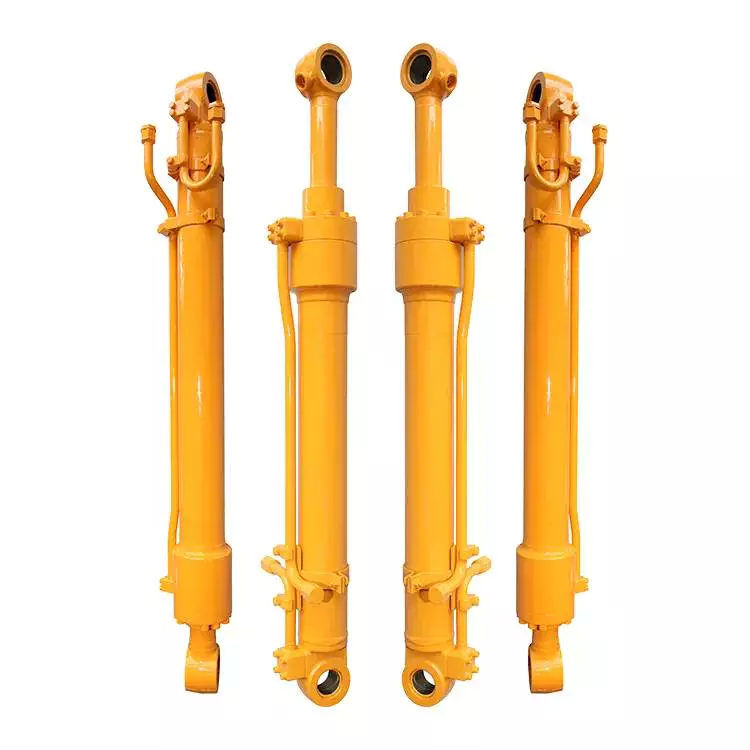
Special hydraulic cylinder Concrete pump hydraulic cylinder Wood hydraulic cylinder
Product Description:
Special hydraulic cylinder Concrete pump hydraulic cylinder Wood hydraulic cylinder has high requirements for security performance, as it works frequently with large shock and vibration, so the requirements of reliability is high. Limit working condition bear large lateral load, so it has higher requirements for hardness and wear resistance.
Product Features:
(1) Single cylinder latch interlock technology ensure reliability and security;
(2) New type counterweighing hooking technology ensure the stability performance;
(3) Large span guidance technology and oil & gas mixture suspension technology ensure the system stable and reliable.
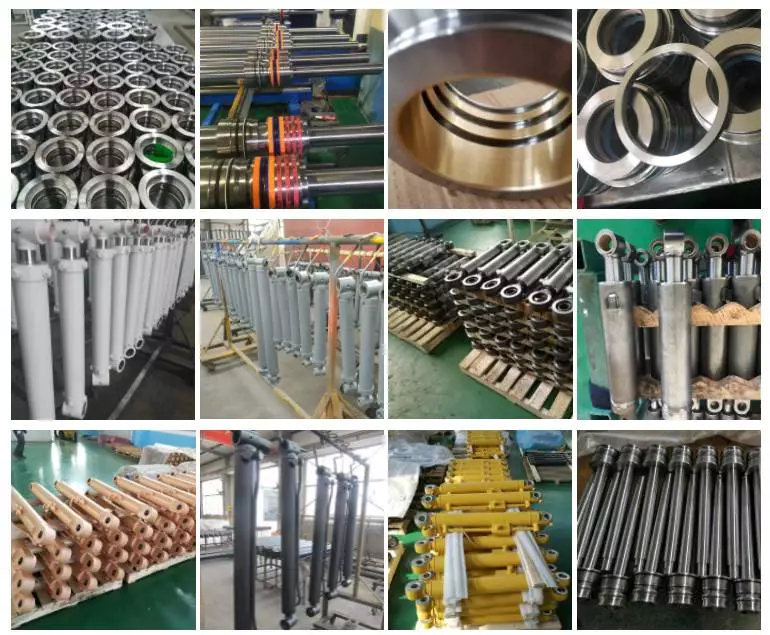
Exibição do produto:
Specifications:
| Item | Especificações |
| Product Name | Special hydraulic cylinder Concrete pump hydraulic cylinder Wood hydraulic cylinder |
| Certificate: | CE, ISO9001 |
| Production Capacity: | 5000pcs/Month |
| Sample Time | 7-10 days |
| Brand | GLIT or customer’s logo |
| Serviço | OEM e ODM |
| Piston Rod | Chrome or nickel plated,ground & polished piston rod |
| Tipo de vedação | Parker,NOK, BUSAK SHAMBAN or as customer’s requirement |
| Tube | Tubo trefilado a frio de alta resistência, brunido com precisão para maior vida útil da vedação. |
| Delivery Time | Based on order quantity. normally 15-30 days. |
| Vantagem de preço | Preço de fábrica competitivo com qualidade garantida. |
| Tipo de negócio | Manufacturer & Exporter |
Nossa fábrica:
Processo de inspeção:
| Tipo de inspeção | Padrão de Inspeção |
| Inspeção de matéria-prima | Antes do armazenamento, o controle de qualidade realiza a medição das matérias-primas. |
| Inspeção de Materiais de Processo | Durante a produção, o controle de qualidade realiza inspeções aleatórias. Antes de as peças do cilindro hidráulico serem transferidas para o próximo processo, o controle de qualidade realiza uma inspeção. |
| Teste de funcionamento final | Todos os cilindros hidráulicos passam por testes de funcionamento hidráulico. |
Embalagem e entrega:
Candidaturas:
Application: Mobile Cranes, Trailer, excavator, log splitter, hydraulic press, garbage compactor,
lift platform, dock leveler
Sobre nós:
HangZhou GLORIA INDUSTRIAL TECH Co., Ltd. is Especializada na produção de diversos tipos de cilindros hidráulicos, bem como de cilindros hidráulicos, cilindros de pistão e outros acessórios para cilindros.
As a highly specialized manufacturer of hydraulic cylinders, CHINAMFG provides design optimization solutions and reliable products to many customers at home and abroad. No matter in construction machinery, railway bridge machinery, port ship machinery, metallurgy and mining machinery, oil and light industry machinery, special vehicles and other industries, GLIT can provide various standard and non-standard hydraulic cylinder design optimization schemes and products according to users’ requirements, and provide integrated services for perfection and quality.
Se possível, ao entrar em contato conosco, utilize as informações abaixo.
Furo | Haste | AVC | Pressão no trabalho | Montagem | Ambiente de trabalho |
|
|
|
|
|
|
Ou você pode nos enviar um esboço ou fotos para que possamos entender exatamente o que você quer dizer e evitar erros.
E se você tiver amostras, podemos fabricar de acordo com elas após o envio.
Seja bem-vindo(a) à nossa fábrica, se tiver algum tempo disponível.
Sua satisfação é a nossa maior motivação.
Agora você pode entrar em contato conosco para qualquer dúvida ou solicitação.
PERGUNTAS FREQUENTES:
1. O que sua empresa faz?
A: Somos fornecedores de produtos hidráulicos de alta qualidade, incluindo cilindros hidráulicos, motores hidráulicos, unidades hidráulicas, estações hidráulicas e outros componentes hidráulicos.
2. Você é uma empresa fabricante ou comercial?
A: Somos um fabricante.
3. Que certificado você possui?
A: Todas as nossas fábricas possuem certificação ISO. E nossos principais fornecedores de materiais e peças possuem certificações CE, RoHS, CSA e UL.
4. Qual é o prazo de entrega?
A: The delivery time depends on different products and quantity. The cylinder usually need about 45-60 days and the Motor need about 20-30 days.
5. Vocês conseguem fabricar peças conforme as especificações ou desenhos do cliente?
A: Sim, podemos fabricar para você conforme seus desenhos. Nossos engenheiros também podem oferecer suporte profissional com sugestões técnicas.
6. Quais são as formas de pagamento aceitas?
A: We prefer T/T through bank. 40% when order is confirmed and 60% before shipment. L/C is also acceptable for amount over 20,000USD.
9, What is your warranty policy?
R: Todos os nossos produtos têm garantia de 1 ano a partir da data de entrega contra defeitos de materiais e fabricação. Esta garantia não cobre peças desgastadas pelo uso normal ou danificadas por negligência. Lembramos que o uso de óleo hidráulico sujo certamente causará danos aos seus componentes hidráulicos. E esses danos não estão cobertos pela garantia. Portanto, recomendamos fortemente que você use óleo novo e limpo ou certifique-se de que o óleo do sistema esteja limpo ao usar nossas peças.
| Certification: | GS, CE, ISO9001 |
|---|---|
| Pressure: | Medium Pressure |
| Work Temperature: | 10-35 MPa |
| Acting Way: | Double Acting |
| Working Method: | Straight Trip |
| Adjusted Form: | Regulated Type |
| Customization: | Available |
|
|---|
What advancements in hydraulic cylinder technology have improved energy efficiency?
Advancements in hydraulic cylinder technology have led to significant improvements in energy efficiency, allowing hydraulic systems to operate more efficiently and reduce energy consumption. These advancements aim to minimize energy losses, optimize system performance, and enhance overall efficiency. Here’s a detailed explanation of some key advancements in hydraulic cylinder technology that have improved energy efficiency:
1. Efficient Hydraulic Circuit Design:
– The design of hydraulic circuits has evolved to improve energy efficiency. Advancements in circuit design techniques, such as load-sensing, pressure-compensated systems, or variable displacement pumps, help match the hydraulic power output to the actual load requirements. These designs reduce unnecessary energy consumption by adjusting the flow and pressure levels according to the system demands, rather than operating at a fixed high pressure.
2. High-Efficiency Hydraulic Fluids:
– The development of high-efficiency hydraulic fluids, such as low-viscosity or synthetic fluids, has contributed to improved energy efficiency. These fluids offer lower internal friction and reduced resistance to flow, resulting in decreased energy losses within the system. Additionally, advanced fluid additives and formulations enhance lubrication properties, reducing friction and optimizing the overall efficiency of hydraulic cylinders.
3. Advanced Sealing Technologies:
– Seal technology has advanced significantly, leading to improved energy efficiency in hydraulic cylinders. High-performance seals, such as low-friction or low-leakage seals, minimize internal leakage and friction losses. Reduced internal leakage helps maintain system pressure more effectively, resulting in less energy waste. Additionally, innovative sealing materials and designs enhance durability and extend seal life, reducing the need for frequent maintenance and replacement.
4. Electro-Hydraulic Control Systems:
– The integration of advanced electro-hydraulic control systems has greatly contributed to energy efficiency improvements. By combining electronic control with hydraulic power, these systems enable precise control over cylinder operation, optimizing energy usage. Proportional or servo valves, along with position or force feedback sensors, allow for accurate and responsive control, ensuring that hydraulic cylinders operate at the required level of performance while minimizing energy waste.
5. Energy Recovery Systems:
– Energy recovery systems, such as hydraulic accumulators, have been increasingly utilized to improve energy efficiency in hydraulic cylinder applications. Accumulators store excess energy during low-demand periods and release it when there is a peak demand, reducing the need for the hydraulic pump to provide the full power continuously. By utilizing stored energy, these systems can significantly reduce energy consumption and improve overall system efficiency.
6. Smart Monitoring and Control:
– Advancements in smart monitoring and control technologies have enabled real-time monitoring of hydraulic systems, allowing for optimized energy usage. Integrated sensors, data analytics, and control algorithms provide insights into system performance and energy consumption, enabling operators to make informed decisions and adjustments. By identifying inefficiencies or suboptimal operating conditions, energy consumption can be minimized, leading to improved energy efficiency.
7. System Integration and Optimization:
– The integration and optimization of hydraulic systems as a whole have played a significant role in improving energy efficiency. By considering the entire system layout, component sizing, and interaction between different elements, engineers can design hydraulic systems that operate in the most energy-efficient manner. Proper sizing of components, minimizing pressure drops, and reducing unnecessary piping or valve restrictions all contribute to improved energy efficiency of hydraulic cylinders.
8. Research and Development:
– Ongoing research and development efforts in the field of hydraulic cylinder technology continue to drive energy efficiency advancements. Innovations in materials, component design, system modeling, and simulation techniques help identify areas for improvement and optimize energy usage. Additionally, collaboration between industry stakeholders, research institutions, and regulatory bodies fosters the development of energy-efficient hydraulic cylinder technologies.
In summary, advancements in hydraulic cylinder technology have resulted in notable improvements in energy efficiency. Efficient hydraulic circuit designs, high-efficiency hydraulic fluids, advanced sealing technologies, electro-hydraulic control systems, energy recovery systems, smart monitoring and control, system integration and optimization, as well as ongoing research and development efforts, all contribute to reducing energy consumption and enhancing the overall energy efficiency of hydraulic cylinders. These advancements not only benefit the environment but also offer cost savings and improved performance in various hydraulic applications.
Utilização de cilindros hidráulicos em conjunto com fontes de energia alternativas
Cilindros hidráulicos podem, de fato, ser usados em conjunto com fontes de energia alternativa. A versatilidade dos sistemas hidráulicos permite sua integração com diversas tecnologias de energia alternativa para aumentar a eficiência, o controle e a geração de energia. Vejamos alguns exemplos de como os cilindros hidráulicos podem ser utilizados em conjunto com fontes de energia alternativa:
- Armazenamento de energia hidráulica: Cilindros hidráulicos podem ser empregados em sistemas de armazenamento de energia que utilizam fontes de energia alternativas, como fontes renováveis (por exemplo, solar ou eólica) ou recuperação de energia residual. Esses sistemas convertem o excesso de energia em energia potencial hidráulica bombeando fluido para um acumulador de alta pressão. Quando a energia é necessária, o fluido pressurizado é liberado, acionando o cilindro hidráulico e gerando energia mecânica.
- Conversão de energia das ondas e das marés: Cilindros hidráulicos podem ser utilizados em sistemas de conversão de energia das ondas e das marés. Esses sistemas aproveitam a energia das ondas oceânicas ou das correntes de maré e a convertem em energia utilizável. Cilindros hidráulicos, juntamente com bombas e válvulas associadas, podem ser usados para capturar e controlar a energia das ondas ou das marés, acionando os cilindros e gerando energia mecânica ou produzindo eletricidade.
- Geração de energia hidrelétrica: Os cilindros hidráulicos desempenham um papel crucial na geração de energia hidrelétrica tradicional. No entanto, abordagens alternativas, como sistemas de microcentrais hidrelétricas ou de pequena escala, também podem se beneficiar dos cilindros hidráulicos. Esses sistemas utilizam fluxos de água naturais ou artificiais para acionar turbinas conectadas a cilindros hidráulicos, que convertem a energia hidráulica em energia mecânica ou elétrica.
- Acionamento hidráulico em turbinas eólicas: Cilindros hidráulicos podem ser empregados em turbinas eólicas para melhorar o desempenho e o controle. Por exemplo, sistemas de controle hidráulico de passo utilizam cilindros hidráulicos para ajustar o ângulo de inclinação das pás da turbina eólica, otimizando seu desempenho aerodinâmico com base nas condições de vento. Isso permite uma geração de energia eficiente e proteção contra cargas de vento excessivas.
- Extração de energia geotérmica: A extração de energia geotérmica envolve a utilização do calor natural do interior da Terra para gerar energia. Cilindros hidráulicos podem ser utilizados em sistemas geotérmicos para controlar e regular o fluxo de fluidos, permitindo a extração e utilização eficientes da energia geotérmica. Eles também podem ser usados em bombas de calor geotérmicas para aplicações de aquecimento e resfriamento.
Em resumo, os cilindros hidráulicos podem ser utilizados eficazmente em conjunto com fontes de energia alternativas para melhorar o armazenamento, a geração e o controle de energia. Seja através de sistemas de armazenamento de energia hidráulica, conversão de energia das ondas e das marés, geração de energia hidrelétrica, acionamento hidráulico em turbinas eólicas ou extração de energia geotérmica, os cilindros hidráulicos oferecem soluções versáteis e eficientes para o aproveitamento e a utilização de fontes de energia alternativas.
What are the common signs of wear or leakage that indicate hydraulic cylinder issues?
Hydraulic cylinders are critical components in hydraulic systems, and wear or leakage can lead to performance issues and potential system failures. It is important to be aware of the common signs that indicate hydraulic cylinder problems. Here’s a detailed explanation of the common signs of wear or leakage that indicate hydraulic cylinder issues:
1. Fluid Leakage:
– Fluid leakage is one of the most obvious signs of hydraulic cylinder problems. If you notice hydraulic fluid leaking from the cylinder, it indicates a seal failure or damage to the cylinder. Leaking fluid may be visible around the rod, piston, or cylinder body. It is important to address fluid leakage promptly as it can lead to a loss of system efficiency, contamination of the surrounding environment, and potential damage to other system components.
2. Reduced Performance:
– Wear or internal damage to the hydraulic cylinder can result in reduced performance. You may notice a decrease in the cylinder’s force output, slower operation, or difficulty in extending or retracting the cylinder. Reduced performance can be indicative of worn seals, damaged piston or rod, internal leakage, or contamination within the cylinder. Any noticeable decrease in the cylinder’s performance should be inspected and addressed to prevent further damage or system inefficiencies.
3. Abnormal Noise or Vibrations:
– Unusual noise or vibrations during the operation of a hydraulic cylinder can indicate internal wear or damage. Excessive noise, knocking sounds, or vibrations that are not typical for the system may suggest problems such as worn bearings, misalignment, or loose internal components. These signs should be investigated to identify the source of the issue and take appropriate corrective measures.
4. Excessive Heat:
– Overheating of the hydraulic cylinder is another sign of potential issues. If the cylinder feels excessively hot to the touch during normal operation, it may indicate problems such as internal leakage, fluid contamination, or inadequate lubrication. Excessive heat can lead to accelerated wear, reduced efficiency, and overall system malfunctions. Monitoring the temperature of the hydraulic cylinder is important to detect and address potential problems.
5. External Damage:
– Physical damage to the hydraulic cylinder, such as dents, scratches, or bent rods, can contribute to wear and leakage issues. External damage can compromise the integrity of the cylinder, leading to fluid leakage, misalignment, or inefficient operation. Regular inspection of the cylinder’s external condition is essential to identify any visible signs of damage and take appropriate actions.
6. Seal Failure:
– Hydraulic cylinder seals are critical components that prevent fluid leakage and maintain system integrity. Signs of seal failure include fluid leakage, reduced performance, and increased friction during cylinder operation. Damaged or worn seals should be replaced promptly to prevent further deterioration of the cylinder’s performance and potential damage to other system components.
7. Contamination:
– Contamination within the hydraulic cylinder can cause wear, damage to seals, and overall system inefficiencies. Signs of contamination include the presence of foreign particles, debris, or sludge in the hydraulic fluid or visible damage to seals and other internal components. Regular fluid analysis and maintenance practices should be implemented to prevent contamination and address any signs of contamination promptly.
8. Irregular Seal Wear:
– Hydraulic cylinder seals can wear over time due to friction, pressure, and operating conditions. Irregular seal wear patterns, such as uneven wear or excessive wear in specific areas, may indicate misalignment or improper installation. Monitoring the condition of the seals during regular maintenance can help identify potential issues and prevent premature seal failure.
It is important to address these common signs of wear or leakage promptly to prevent further damage, ensure the optimal performance of hydraulic cylinders, and maintain the overall efficiency and reliability of the hydraulic system. Regular inspection, maintenance, and timely repairs or replacements of damaged components are key to mitigating hydraulic cylinder issues and maximizing system longevity.

editor by CX 2023-10-21
 Portuguese
  English
  Italian
  Dutch
Dutch  Swedish
  Danish
  Finnish
  Polish
  Hindi
Hindi  Kazakh
  Turkish
  Ukrainian
  Romanian
  Spanish
  German
  Russian
  Korean
  Japanese
  Vietnamese
  Thai
Thai  Indonesian
  Malay
Malay  French
  Greek
Greek