
Opis produktu
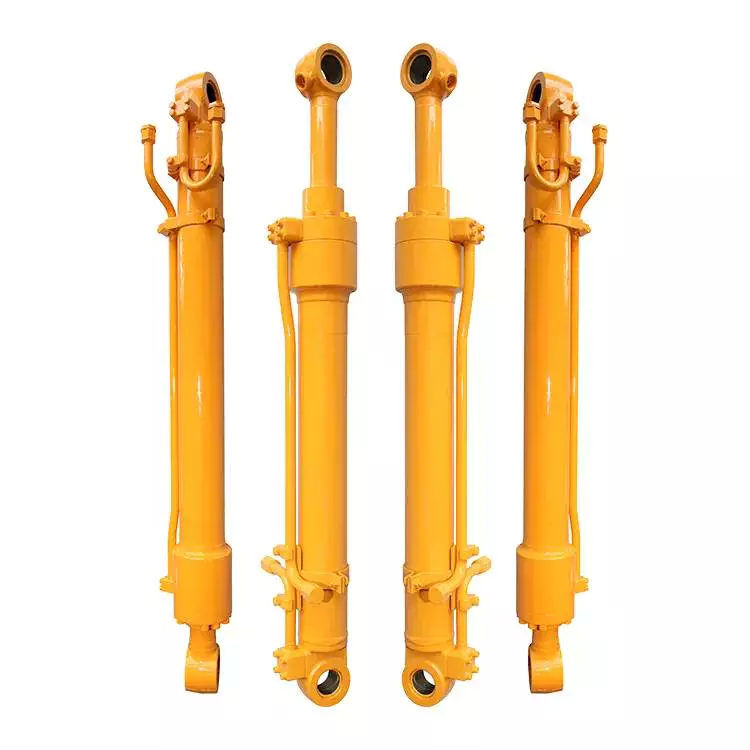
| name | cylinder dia | rated pressure Mpa | stroke range (mm) | K | Mouting distance (mm) | total length (mm) | upper trunnion | downside trunnion | weight (kg) |
| FC137-4-4280ZZ | 13 | 22 | 4280 | 325 | 343 | 1455 | 340/470 | 200/330 | 236 |
Product Advantage:
1. Safer Junfu hydraulic cylinder adopts excellent structural design and new material application, which can withstand the harshest working conditions and continue to work stably without disconnection, ensuring the safety of drivers and vehicles, and creating the most valuable safety for users.
2. faster unloading
Junfu series oil cylinder adopts excellent structural design to improve the unloading speed of the oil cylinder!
3.higher lift frequency
junfu series oil cylinders are suitable for all-weather short barge and high-frequency operations, with stable performance, extremely low failure rate, increasing the number of transfers and reducing downtime!
4. Greater adaptability to the environment
junfu series oil cylinder adopts innovative sealing technology and new material application, which can adapt to the temperature range of -40~110ºC, and can achieve excellent performance in high temperature and low temperature environment operation!
5. lighter
Compared with other products of the same series, CHINAMFG series cylinders reduce the dead weight by 15%~20%, and increase the lifting force by 10%~15%!
6. Greater lifting force
Compared with other products of the same series, the lifting force of CHINAMFG series cylinders is increased by 10%~15%. More lift, more load, more profit! Lighter dead weight, greater lifting force, more lightness!
+30 years experience in hydraulic parts production, CHINAMFG is famous brand in front-end cylinders, offering an extensive catalogue from 5 to 100 ton with bespoke solution. Designed for rear-end tippers and tippers trailers,from 3 to 7 stage. CHINAMFG brand front-end telescopic cyclinders are known for their durability, reliability in all conditions and value for money.
Certified, excellent quality management system and testing method make the product strong enough to resist all kindf of climate and environment and work stable. For now, we have the certification like CE,SGS,GB,ISO9001,AAAcertified.
Customized hydraulic solution, we can manufacture according to the technical drawing from the client or we can offer our professional suggestion or guidancefor our client according to our experience. The package can be done as the request of the clients. For now, we have export more than 15 countries like GUINEEE,USA,Australia etc wining the trust of the customer.
Enterprise Certificate
Our partner
Najczęściej zadawane pytania:
Q1: How about your cylinders compared with HYVA cylinder ?
Our cylinders can replace HYVA cylinder well, with same technical details and mounting sizes
Q2: What’s your cylinder’s advantages ?
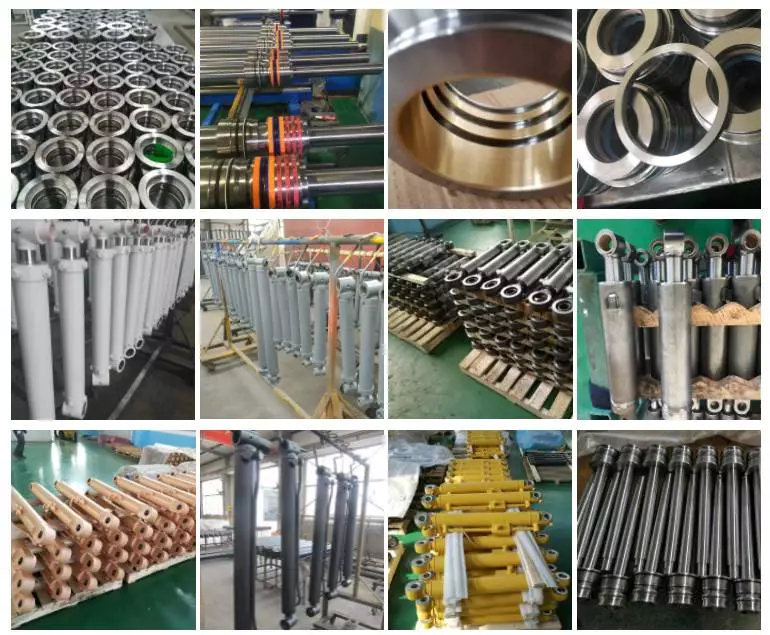
The cylinders are manufactured by advanced equipments and made under strictly quality control processing.
The steel is tempered and all raw materials are good quality from world famous companies.
Competitive price!
Q3: When your company be established ?
Our company be established in 2002, professional manufacturer of hydraulic cylinders more than 20 years.
We had passed IATF 16949:2016 Quality control system, ISO9001, CE.
Q4: How about the delivery time ?
15 days approximately.
Q5: How about the cylinder’s quality gurantee ?
One year.
| Certification: | GS, CE, ISO9001, SGS |
|---|---|
| Pressure: | High Pressure |
| Work Temperature: | Normal Temperature |
| Acting Way: | Single Acting |
| Working Method: | Straight Trip |
| Adjusted Form: | Switching Type |
| Samples: | US$ 550/Piece 1 Piece(Min.Order) | |
|---|
| Customization: | Available |
|
|---|
Can hydraulic cylinders be integrated with modern telematics and remote monitoring?
Yes, hydraulic cylinders can indeed be integrated with modern telematics and remote monitoring systems. The integration of hydraulic cylinders with telematics and remote monitoring technology offers numerous benefits, including enhanced operational efficiency, improved maintenance practices, and increased overall productivity. Here’s a detailed explanation of how hydraulic cylinders can be integrated with modern telematics and remote monitoring:
1. Sensor Integration:
– Hydraulic cylinders can be equipped with various sensors to gather real-time data about their performance and operating conditions. Sensors such as pressure transducers, temperature sensors, position sensors, and load sensors can be integrated directly into the cylinder or its associated components. These sensors provide valuable information about parameters such as pressure, temperature, position, and load, enabling remote monitoring and analysis of the cylinder’s behavior.
2. Data Transmission:
– The data collected from the sensors in hydraulic cylinders can be transmitted wirelessly or through wired connections to a central monitoring system. Wireless communication technologies such as Bluetooth, Wi-Fi, or cellular networks can be employed to transmit data in real-time. Alternatively, wired connections such as Ethernet or CAN bus can be utilized for data transmission. The choice of communication method depends on the specific requirements of the application and the available infrastructure.
3. Remote Monitoring Systems:
– Remote monitoring systems receive and process the data transmitted from hydraulic cylinders. These systems can be cloud-based or hosted on local servers, depending on the implementation. Remote monitoring systems collect and analyze the data to provide insights into the cylinder’s performance, health, and usage patterns. Operators and maintenance personnel can access the monitoring system through web-based interfaces or dedicated software applications to view real-time data, receive alerts, and generate reports.
4. Condition Monitoring and Predictive Maintenance:
– Integration with telematics and remote monitoring enables condition monitoring and predictive maintenance of hydraulic cylinders. By analyzing the collected data, patterns and trends can be identified, allowing for the detection of potential issues or anomalies before they escalate into major problems. Predictive maintenance algorithms can be applied to the data to generate maintenance schedules, recommend component replacements, and optimize maintenance activities. This proactive approach helps prevent unexpected downtime, reduces maintenance costs, and maximizes the lifespan of hydraulic cylinders.
5. Performance Optimization:
– The data collected from hydraulic cylinders can also be utilized to optimize their performance. By analyzing parameters such as pressure, temperature, and load, operators can identify opportunities for improving operational efficiency. Insights gained from the remote monitoring system can guide adjustments in system settings, load management, or operational practices to optimize the performance of hydraulic cylinders and the overall hydraulic system. This optimization can result in energy savings, improved productivity, and reduced wear and tear.
6. Integration with Equipment Management Systems:
– Telematics and remote monitoring systems can be integrated with broader equipment management systems. This integration allows hydraulic cylinder data to be correlated with data from other components or related machinery, providing a comprehensive view of the overall system’s performance. This holistic approach enables operators to identify potential interdependencies, optimize system-wide performance, and make informed decisions regarding maintenance, repairs, or upgrades.
7. Enhanced Safety and Fault Diagnosis:
– Telematics and remote monitoring can contribute to enhanced safety and fault diagnosis in hydraulic systems. Real-time data from hydraulic cylinders can be used to detect abnormal conditions, such as excessive pressure or temperature, which may indicate potential safety risks. Fault diagnosis algorithms can analyze the data to identify specific issues or malfunctions, enabling prompt intervention and reducing the risk of catastrophic failures or accidents.
In summary, hydraulic cylinders can be effectively integrated with modern telematics and remote monitoring systems. This integration enables the collection of real-time data, remote monitoring of performance, condition monitoring, predictive maintenance, performance optimization, integration with equipment management systems, and enhanced safety. By harnessing the power of telematics and remote monitoring, hydraulic cylinder users can achieve improved efficiency, reduced downtime, optimized maintenance practices, and enhanced overall productivity in various applications and industries.
Wykorzystanie cylindrów hydraulicznych w połączeniu z alternatywnymi źródłami energii
Siłowniki hydrauliczne rzeczywiście mogą być wykorzystywane w połączeniu z alternatywnymi źródłami energii. Wszechstronność układów hydraulicznych pozwala na ich integrację z różnymi technologiami energii alternatywnej w celu zwiększenia wydajności, kontroli i wytwarzania energii. Przyjrzyjmy się kilku przykładom wykorzystania siłowników hydraulicznych w połączeniu z alternatywnymi źródłami energii:
- Magazynowanie energii hydraulicznej: Siłowniki hydrauliczne mogą być stosowane w systemach magazynowania energii wykorzystujących alternatywne źródła energii, takie jak źródła odnawialne (np. energia słoneczna lub wiatrowa) lub odzysk energii odpadowej. Systemy te przekształcają nadmiar energii w energię potencjalną hydrauliczną poprzez pompowanie płynu do akumulatora wysokociśnieniowego. Gdy energia jest potrzebna, sprężony płyn jest uwalniany, napędzając siłownik hydrauliczny i generując energię mechaniczną.
- Konwersja energii fal i pływów: Siłowniki hydrauliczne mogą być wykorzystywane w systemach przetwarzania energii fal i pływów. Systemy te wykorzystują energię fal oceanicznych lub prądów pływowych i przekształcają ją w energię użyteczną. Siłowniki hydrauliczne, wraz z pompami i zaworami, mogą być wykorzystywane do przechwytywania i kontrolowania energii fal lub pływów, napędzając cylindry i generując energię mechaniczną lub elektryczną.
- Generowanie energii wodnej: Siłowniki hydrauliczne odgrywają kluczową rolę w tradycyjnym wytwarzaniu energii wodnej. Jednak alternatywne rozwiązania, takie jak małe lub mikroelektrownie wodne, również mogą skorzystać z cylindrów hydraulicznych. Systemy te wykorzystują naturalne lub sztuczne przepływy wody do napędzania turbin podłączonych do cylindrów hydraulicznych, które następnie przekształcają energię hydrauliczną w energię mechaniczną lub elektryczną.
- Napęd hydrauliczny w turbinach wiatrowych: Siłowniki hydrauliczne mogą być stosowane w turbinach wiatrowych w celu zwiększenia wydajności i kontroli. Na przykład, hydrauliczne systemy regulacji kąta nachylenia łopat turbiny wiatrowej wykorzystują siłowniki hydrauliczne do regulacji kąta nachylenia łopat, optymalizując ich osiągi aerodynamiczne w zależności od warunków wietrznych. Pozwala to na efektywne wytwarzanie energii i ochronę przed nadmiernym obciążeniem wiatrem.
- Ekstrakcja energii geotermalnej: Wydobycie energii geotermalnej polega na wykorzystaniu naturalnego ciepła z wnętrza Ziemi do wytwarzania energii. Cylindry hydrauliczne mogą być stosowane w systemach geotermalnych do sterowania i regulacji przepływu cieczy, umożliwiając efektywne wydobycie i wykorzystanie energii geotermalnej. Mogą być również stosowane w geotermalnych pompach ciepła do ogrzewania i chłodzenia.
Podsumowując, cylindry hydrauliczne można skutecznie wykorzystywać w połączeniu z alternatywnymi źródłami energii, aby usprawnić magazynowanie energii, jej wytwarzanie i kontrolę. Niezależnie od tego, czy chodzi o systemy magazynowania energii hydraulicznej, przetwarzanie energii fal i pływów, wytwarzanie energii wodnej, hydrauliczne sterowanie turbinami wiatrowymi, czy pozyskiwanie energii geotermalnej, cylindry hydrauliczne oferują wszechstronne i wydajne rozwiązania w zakresie wykorzystywania alternatywnych źródeł energii.
What are the common signs of wear or leakage that indicate hydraulic cylinder issues?
Hydraulic cylinders are critical components in hydraulic systems, and wear or leakage can lead to performance issues and potential system failures. It is important to be aware of the common signs that indicate hydraulic cylinder problems. Here’s a detailed explanation of the common signs of wear or leakage that indicate hydraulic cylinder issues:
1. Fluid Leakage:
– Fluid leakage is one of the most obvious signs of hydraulic cylinder problems. If you notice hydraulic fluid leaking from the cylinder, it indicates a seal failure or damage to the cylinder. Leaking fluid may be visible around the rod, piston, or cylinder body. It is important to address fluid leakage promptly as it can lead to a loss of system efficiency, contamination of the surrounding environment, and potential damage to other system components.
2. Reduced Performance:
– Wear or internal damage to the hydraulic cylinder can result in reduced performance. You may notice a decrease in the cylinder’s force output, slower operation, or difficulty in extending or retracting the cylinder. Reduced performance can be indicative of worn seals, damaged piston or rod, internal leakage, or contamination within the cylinder. Any noticeable decrease in the cylinder’s performance should be inspected and addressed to prevent further damage or system inefficiencies.
3. Abnormal Noise or Vibrations:
– Unusual noise or vibrations during the operation of a hydraulic cylinder can indicate internal wear or damage. Excessive noise, knocking sounds, or vibrations that are not typical for the system may suggest problems such as worn bearings, misalignment, or loose internal components. These signs should be investigated to identify the source of the issue and take appropriate corrective measures.
4. Excessive Heat:
– Overheating of the hydraulic cylinder is another sign of potential issues. If the cylinder feels excessively hot to the touch during normal operation, it may indicate problems such as internal leakage, fluid contamination, or inadequate lubrication. Excessive heat can lead to accelerated wear, reduced efficiency, and overall system malfunctions. Monitoring the temperature of the hydraulic cylinder is important to detect and address potential problems.
5. External Damage:
– Physical damage to the hydraulic cylinder, such as dents, scratches, or bent rods, can contribute to wear and leakage issues. External damage can compromise the integrity of the cylinder, leading to fluid leakage, misalignment, or inefficient operation. Regular inspection of the cylinder’s external condition is essential to identify any visible signs of damage and take appropriate actions.
6. Seal Failure:
– Hydraulic cylinder seals are critical components that prevent fluid leakage and maintain system integrity. Signs of seal failure include fluid leakage, reduced performance, and increased friction during cylinder operation. Damaged or worn seals should be replaced promptly to prevent further deterioration of the cylinder’s performance and potential damage to other system components.
7. Contamination:
– Contamination within the hydraulic cylinder can cause wear, damage to seals, and overall system inefficiencies. Signs of contamination include the presence of foreign particles, debris, or sludge in the hydraulic fluid or visible damage to seals and other internal components. Regular fluid analysis and maintenance practices should be implemented to prevent contamination and address any signs of contamination promptly.
8. Irregular Seal Wear:
– Hydraulic cylinder seals can wear over time due to friction, pressure, and operating conditions. Irregular seal wear patterns, such as uneven wear or excessive wear in specific areas, may indicate misalignment or improper installation. Monitoring the condition of the seals during regular maintenance can help identify potential issues and prevent premature seal failure.
It is important to address these common signs of wear or leakage promptly to prevent further damage, ensure the optimal performance of hydraulic cylinders, and maintain the overall efficiency and reliability of the hydraulic system. Regular inspection, maintenance, and timely repairs or replacements of damaged components are key to mitigating hydraulic cylinder issues and maximizing system longevity.

editor by CX 2023-11-06
 Polish
  English
  Italian
  Portuguese
  Dutch
Dutch  Swedish
  Danish
  Finnish
  Hindi
Hindi  Kazakh
  Turkish
  Ukrainian
  Romanian
  Spanish
  German
  Russian
  Korean
  Japanese
  Vietnamese
  Thai
Thai  Indonesian
  Malay
Malay  French
  Greek
Greek