
Opis produktu
Opis produktu
Company Profile
IATF16949 and ISO 9001 certified precision CNC machining service company, started in 2006, Infinity provides customers with more than 1 million sensor components every year, such as the hydraulic cylinder, sensor housing, processing connectors, adapters, mounting rods, and mounting plates for flow sensors, pressure sensors, and temperature sensors. Product materials include stainless steel, copper alloy, aluminum alloy, and special alloys. The complex, precise, reliable, and safe manufacturing process ensures the high-quality requirements of customers’ products.
With over 3000m2 production workshop, Infinity company provides whole processing from material cutting to inspection & packing and shipment service.
Workshop Overview
| Equipment List | |||||
| Name | No. of set | Model/Spec. | Origin | ||
| Infinity Precision Machining main Equipment | CNC Vertical Machining Center | 2 | VJ850,850X500X520/4-Axis | ZheJiang | |
| CNC Vertical Machining Center | 2 | Dooson DNM515,1571*540*510 | China | ||
| CNC Vertical Machining Center | 1 | MAZAK VCN530CL | China | ||
| Horizontal CNC Lathe | 8 | OKUMA L250-E | ZheJiang | ||
| Horizontal CNC Lathe | 1 | OKUMA L300-M/2.5-Axis | ZheJiang | ||
| Horizontal CNC Lathe | 1 | OKUMA L400-E | ZheJiang | ||
| Horizontal CNC Lathe | 3 | OKUMA L200EMY | ZheJiang | ||
| Ultrasonic Cleaning machine | 2 | KC-6000W | China | ||
| Automatic Metal Band Sawing machine | 4 | GHS4232 | China | ||
| Flat Grinder | 1 | M7132B | China | ||
| Wire Cutter | 1 | DK7740 | China | ||
| Pipe bending machine | 2 | China | |||
| Shape mill | 1 | China | |||
| Vibration Burnisher | 1 | N/A | China | ||
| Co2 gas-shielded welding | 4 | FN250 | China | ||
| Swiss-type CNC machine | 1 | CSBII 250 | ZheJiang | ||
| Drilling and tapping machine | 4 | ZS4116 | China | ||
Quality Control Process
Infinity Industries, Inc. provides customers with complete inspection services, from first article inspection, to process random inspection, and final inspection, all of which are implemented in strict accordance with the customer’s drawings.
| Name | No. of set | Model/Spec. | Origin | ||
| Inspection Instrument | 3D-Measuring System | 1 | Hexagon,06.08.06 | Switzerland | |
| Projector | 1 | 3D Family VME-300 | ZheJiang | ||
| Contour graph | 1 | Mitutoyo contracer CV-2100 | Japan | ||
| Surface rough meter | 1 | TR210 | China | ||
| Angle Measurement Instrument | 3 | 0~360° | China | ||
| Pin Gage | variety | φ25+/-0.05/φ25.3+/-0.05/φ35+/-0.05 | China | ||
| R-gage | 2 | R1~R6.5mm | China | ||
| Inside Micrometer | 5 | 0-30mm | China | ||
| Outside Micrometer | 5 | 25~50mm | China | ||
| Digital Height Guage | 20 | 0~300mm | China | ||
| Digital Inside Groove Capliers | 5 | 0~150mm | China | ||
| Digital Vernier Calipers | variety | 0~200mm/0~300mm | China | ||
| Mechanical Vernier Calipers | variety | 0~150mm | China | ||
| Thread Plug Guage | variety | 1/2-13UNC,3/4-16UNF,7/16-20UNF,1/4-20UNC-2B/NPSL1/8-27/1/2-14NPT/3/4NPT/M18,26,27X1.5-6h/M4-6h/1/2-14NPSM | China | ||
| Thread Ring Guage | variety | M12X0.5-6h/7/8-14UNF,3/4-16UNF,1/2-20UNF,5/8-18UNF,9/8-12UNF,5/8-24UNF,9/16-18UNF-2A/M18X1.5-6g/G1/2A/G1/4-2A/1/4-18NPT/M12X1-6g/M12X1-6h/1/2-14NPT | China | ||
Packaging & Logistics
In principle, all legal requirements must be complied with in our packaging and logistics process. These are in particular:
– dangerous goods regulation
– national/international regulations for the treatment of wooden pallets
– requirements of sea freight, if necessary
– requirements of air cargo, if necessary
– packaging directives from our customers
Further applies to:
– The transport safety always rests with the consignor. Regarding cargo securing the legal regulations apply according to StVO and HGB and the VDI Xihu (West Lake) Dis.line 2700.
– Infinity Company shall treat the goods during storage and shipping in such a way that the agreed-upon quality standard is preserved.
– The storage at our location shall be made according to the FIFO principle.
– All packaging materials must be free of attached silicone (e.g. silicone oil) and contain silicone.
Environmental Requirements / Occupational Safety
No danger to humans or the environment may occur through the delivery of the products. Hazardous materials (dangerous goods) must be labeled in such a way that the dangers are easily recognizable and visible from the outside.
– Individual packs / reusable packaging / refillable containers should not exceed an individual weight of 15 kg.
– The packing height of the loading unit must not exceed a maximum of 1600 mm.
– The maximum weight of the load unit must not exceed 1200 kg.
– The maximum dimension of pallets must not exceed 1200 mm x 1000 mm.
– Individual packs / reusable packaging / returnable containers/cargo units must not be damaged.
– Loading units must be accessible (at least 100 mm lower ride height).
/* 22 października 2571 15:47:17 */(()=>{function d(e,r){var a,o={};try{e&&e.split(„,”).forEach(function(e,t){e&&(a=e.match(/(.*?):(.*)$/))&&1
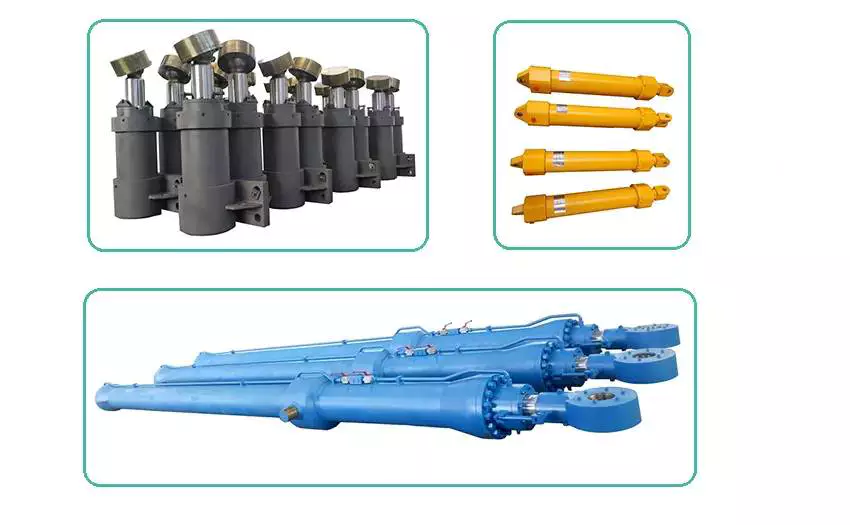
How do hydraulic cylinders compare to other methods of force generation like electric motors?
Hydraulic cylinders and electric motors are two different methods of force generation with distinct characteristics and applications. While both hydraulic cylinders and electric motors can generate force, they differ in terms of their working principles, performance attributes, and suitability for specific applications. Here’s a detailed comparison of hydraulic cylinders and electric motors:
1. Working Principle:
– Hydraulic Cylinders: Hydraulic cylinders generate force through the conversion of fluid pressure into linear motion. They consist of a cylinder barrel, piston, piston rod, and hydraulic fluid. When pressurized hydraulic fluid enters the cylinder, it pushes against the piston, causing the piston rod to extend or retract, thereby generating linear force.
– Electric Motors: Electric motors generate force through the conversion of electrical energy into rotational motion. They consist of a stator, rotor, and electromagnetic field. When an electrical current is applied to the motor’s windings, it creates a magnetic field that interacts with the rotor, causing it to rotate and generate torque.
2. Force and Power:
– Hydraulic Cylinders: Hydraulic cylinders are known for their high force capabilities. They can generate substantial linear forces, making them suitable for heavy-duty applications that require lifting, pushing, or pulling large loads. Hydraulic systems can provide high force output even at low speeds, allowing for precise control over force application. However, hydraulic systems typically operate at lower speeds compared to electric motors.
– Electric Motors: Electric motors excel in providing high rotational speeds and are commonly used for applications that require rapid motion. While electric motors can generate significant torque, they tend to have lower force output compared to hydraulic cylinders. Electric motors are suitable for applications that involve continuous rotary motion, such as driving conveyor belts, rotating machinery, or powering vehicles.
3. Control and Precision:
– Hydraulic Cylinders: Hydraulic systems offer excellent control over force, speed, and positioning. By regulating the flow of hydraulic fluid, the force and speed of hydraulic cylinders can be precisely controlled. Hydraulic systems can provide gradual acceleration and deceleration, allowing for smooth and precise movements. This level of control makes hydraulic cylinders well-suited for applications that require precise positioning, such as in industrial automation or construction equipment.
– Electric Motors: Electric motors also offer precise control over speed and positioning. Through motor control techniques such as varying voltage, frequency, or pulse width modulation (PWM), the rotational speed and position of electric motors can be accurately controlled. Electric motors are commonly used in applications that require precise speed control, such as robotics, CNC machines, or servo systems.
4. Efficiency and Energy Consumption:
– Hydraulic Cylinders: Hydraulic systems can be highly efficient, especially when properly sized and designed. However, hydraulic systems typically have higher energy losses due to factors such as fluid leakage, friction, and heat generation. The overall efficiency of a hydraulic system depends on the design, component selection, and maintenance practices. Hydraulic systems require a hydraulic power unit to pressurize the hydraulic fluid, which consumes additional energy.
– Electric Motors: Electric motors can have high efficiency, especially when operated at their optimal operating conditions. Electric motors have lower energy losses compared to hydraulic systems, primarily due to the absence of fluid leakage and lower friction losses. The overall efficiency of an electric motor depends on factors such as motor design, load conditions, and control techniques. Electric motors require an electrical power source, and their energy consumption depends on the motor’s power rating and the duration of operation.
5. Environmental Considerations:
– Hydraulic Cylinders: Hydraulic systems typically use hydraulic fluids that can pose environmental concerns if they leak or are not properly disposed of. The choice of hydraulic fluid can impact factors such as biodegradability, toxicity, and potential environmental hazards. Proper maintenance and leak prevention practices are essential to minimize the environmental impact of hydraulic systems.
– Electric Motors: Electric motors are generally considered more environmentally friendly since they do not require hydraulic fluids. However, the environmental impact of electric motors depends on the source of electricity used to power them. When powered by renewable energy sources, such as solar or wind, electric motors can offer a greener solution compared to hydraulic systems.
6. Application Suitability:
– Hydraulic Cylinders: Hydraulic cylinders are commonly used in applications that require high force output, precise control, and durability. They are widely employed in industries such as construction, manufacturing, mining, and aerospace. Hydraulic systems are well-suited for heavy-duty applications, such as lifting heavy objects, operating heavy machinery, or controlling large-scale movements.
– Electric Motors: Electric motors are widely used in various industries and applications that require rotational motion, speed control, and precise positioning. They are commonly found in appliances, transportation, robotics, HVAC systems, and automation. Electric motorsare suitable for applications that involve continuous rotary motion, such as driving conveyor belts, rotating machinery, or powering vehicles.In summary, hydraulic cylinders and electric motors have different working principles, force capabilities, control characteristics, efficiency levels, and application suitability. Hydraulic cylinders excel in providing high force output, precise control, and durability, making them ideal for heavy-duty applications. Electric motors, on the other hand, offer high rotational speeds, precise speed control, and are commonly used for applications that involve continuous rotary motion. The choice between hydraulic cylinders and electric motors depends on the specific requirements of the application, including the type of motion, force output, control precision, and environmental considerations.
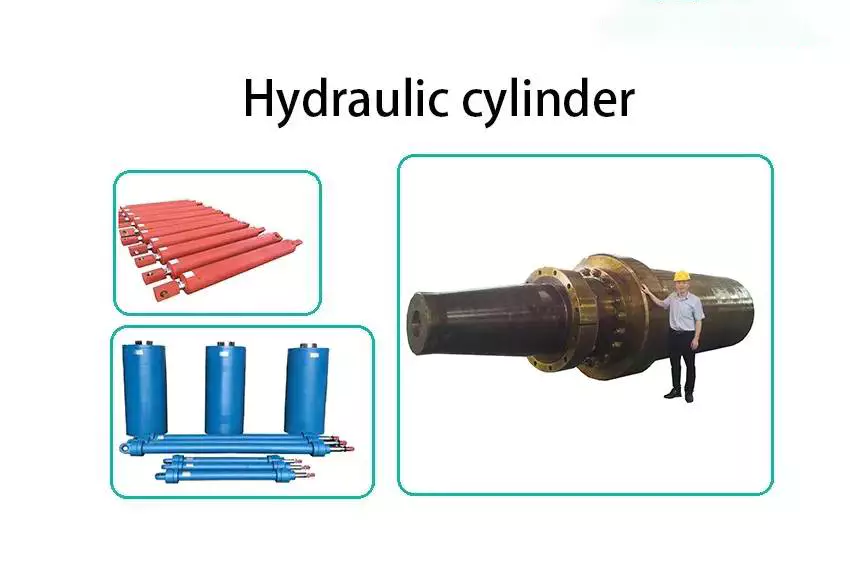
Adaptation of Hydraulic Cylinders for Medical Equipment and Aerospace Applications
Hydraulic cylinders have the potential to be adapted for use in medical equipment and aerospace applications, offering unique advantages in these industries. Let’s explore how hydraulic cylinders can be adapted for these specialized fields:
- Medical Equipment: Hydraulic cylinders can be adapted for various medical equipment applications, including hospital beds, patient lifts, surgical tables, and rehabilitation devices. Here’s how hydraulic cylinders are beneficial in medical equipment:
- Positioning and Adjustability: Hydraulic cylinders provide precise and smooth movement, allowing for accurate positioning and adjustments of medical equipment. This is crucial for ensuring patient comfort, proper alignment, and ease of use.
- Load Handling: Hydraulic cylinders offer high force capabilities, enabling the safe handling of heavy loads in medical equipment. They can support the weight of patients, facilitate smooth transitions, and provide stability during procedures.
- Controlled Motion: Hydraulic cylinders provide controlled and stable motion, which is essential for delicate medical procedures. The ability to adjust speed, position, and force allows for precise and controlled movements, minimizing patient discomfort and ensuring accurate treatment.
- Durability and Reliability: Hydraulic cylinders are designed to withstand rigorous use and demanding environments, making them suitable for medical equipment applications. Their durability and reliability contribute to the long-term performance and safety of medical devices.
- Aerospace Applications: Hydraulic cylinders can also be adapted for aerospace applications, where lightweight yet robust systems are essential. Here’s how hydraulic cylinders are advantageous in aerospace:
- Flight Control Systems: Hydraulic cylinders play a critical role in aircraft flight control systems, including ailerons, elevators, rudders, and landing gear. They provide precise and reliable actuation, allowing pilots to control the aircraft’s movements with accuracy and responsiveness.
- Weight Optimization: Hydraulic cylinders can be designed using lightweight materials, such as aluminum alloys or composite materials, to reduce overall weight. This weight optimization is crucial in aerospace applications to enhance fuel efficiency, payload capacity, and aircraft performance.
- Shock and Vibration Resistance: Aerospace environments involve significant shock and vibration forces. Hydraulic cylinders can be engineered to withstand these dynamic loads while maintaining performance and reliability, ensuring consistent operation even under extreme conditions.
- Space Constraints: Hydraulic cylinders can be designed to fit within the space constraints of aircraft or spacecraft. Their compact size and flexible mounting options allow for efficient integration into the limited available space.
In summary, hydraulic cylinders can be adapted for use in medical equipment and aerospace applications, leveraging their precise positioning, load handling capabilities, controlled motion, durability, and reliability. In medical equipment, hydraulic cylinders enable comfortable patient positioning, smooth transitions, and controlled movements during procedures. In aerospace, hydraulic cylinders provide precise actuation, weight optimization, shock and vibration resistance, and space-efficient solutions. By adapting hydraulic cylinders to these specialized fields, manufacturers can meet the unique requirements and enhance the performance of medical equipment and aerospace systems.
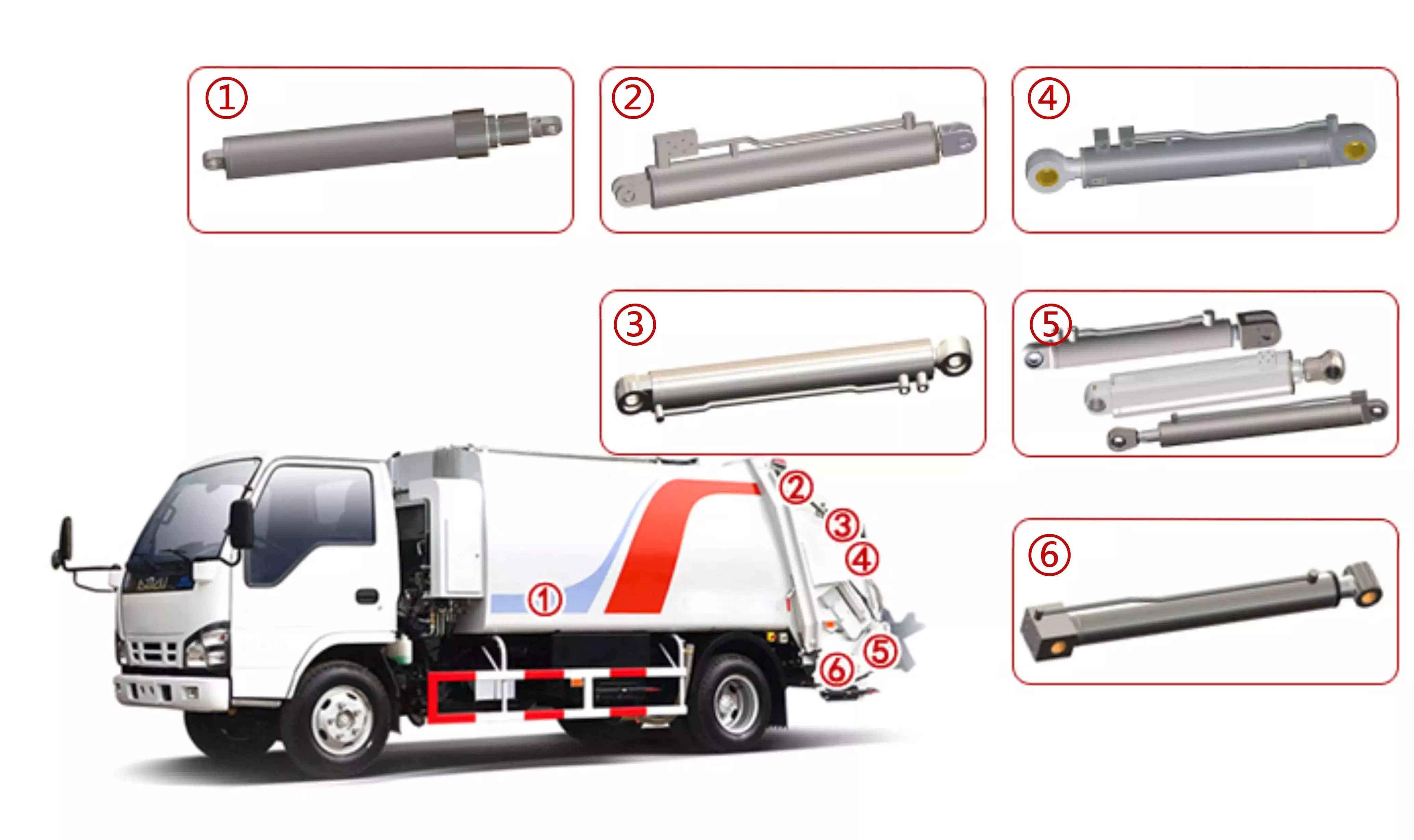
W jaki sposób siłowniki hydrauliczne dostosowują się do zmian długości skoku i wymagań dotyczących siły?
Siłowniki hydrauliczne są projektowane tak, aby uwzględniać zróżnicowaną długość skoku i wymagania dotyczące siły, zapewniając elastyczność i możliwość adaptacji do różnych zastosowań. Można je dostosować do konkretnych potrzeb, uwzględniając takie czynniki, jak średnica tłoka, średnica tłoczyska, ciśnienie hydrauliczne i konstrukcja cylindra. Poniżej znajduje się szczegółowe wyjaśnienie, w jaki sposób siłowniki hydrauliczne uwzględniają zróżnicowaną długość skoku i wymagania dotyczące siły:
1. Rozmiar i konstrukcja cylindra:
– Siłowniki hydrauliczne są dostępne w różnych rozmiarach i konstrukcjach, aby sprostać różnym długościom skoku i wymaganiom siły. Średnica cylindra, powierzchnia tłoka i średnica tłoczyska to kluczowe czynniki decydujące o sile wyjściowej. Większe średnice cylindrów i powierzchnie tłoków pozwalają na generowanie większej siły, natomiast mniejsze średnice są odpowiednie do zastosowań wymagających mniejszej siły. Wybierając odpowiedni rozmiar i konstrukcję cylindra, można skutecznie dostosować długości skoku i wymagania siły.
2. Konfiguracje tłoka i tłoczyska:
– Siłowniki hydrauliczne mogą być projektowane z różnymi konfiguracjami tłoka i tłoczyska, aby dostosować się do różnych długości skoku. Siłowniki jednostronnego działania mają pojedynczy tłok i mogą wykonywać skok w jednym kierunku. Siłowniki dwustronnego działania mają tłok po obu stronach, co umożliwia wykonywanie skoków w obu kierunkach. Siłowniki teleskopowe składają się z wielu stopni, które mogą się wysuwać i wsuwać, zapewniając dłuższy skok w porównaniu ze standardowymi cylindrami. Wybierając odpowiednią konfigurację tłoka i tłoczyska, można uzyskać pożądaną długość skoku.
3. Ciśnienie i przepływ hydrauliczny:
– Ciśnienie hydrauliczne i natężenie przepływu dostarczane do cylindra odgrywają kluczową rolę w dostosowywaniu się do zmian zapotrzebowania na siłę. Zwiększenie ciśnienia hydraulicznego zwiększa siłę wyjściową cylindra, umożliwiając mu obsługę wyższych wymagań siłowych. Poprzez regulację ciśnienia i natężenia przepływu za pomocą zaworów hydraulicznych i pomp, można kontrolować siłę wyjściową i dopasować ją do specyficznych wymagań danego zastosowania.
4. Personalizacja i szycie na miarę:
– Cylindry hydrauliczne można dostosować do konkretnych wymagań dotyczących długości skoku i siły. Producenci oferują szeroki wybór rozmiarów cylindrów, długości skoku i siły. Dodatkowo, cylindry projektowane na zamówienie mogą być produkowane w celu dopasowania do specyficznych zastosowań o określonych wymaganiach dotyczących długości skoku i siły. Dzięki ścisłej współpracy z producentami cylindrów hydraulicznych możliwe jest uzyskanie cylindrów precyzyjnie odpowiadających wymaganym długościom skoku i sile.
5. Wiele cylindrów i synchronizacja:
– W zastosowaniach wymagających dużej siły lub dłuższego skoku, możliwe jest zastosowanie kombinacji wielu cylindrów hydraulicznych. Synchronizacja ruchu wielu cylindrów w układzie hydraulicznym pozwala na efektywne zwiększenie długości skoku i siły wyjściowej. Synchronizację można osiągnąć za pomocą połączeń mechanicznych, sterowania elektronicznego lub układów hydraulicznych, zapewniając skoordynowany ruch i rozkład siły na cylindrach.
6. Czujnik obciążenia i kontrola ciśnienia:
– Układy hydrauliczne mogą zawierać mechanizmy pomiaru obciążenia i kontroli ciśnienia, aby dostosować się do zmian zapotrzebowania na siłę. Systemy pomiaru obciążenia monitorują zapotrzebowanie na obciążenie i odpowiednio dostosowują ciśnienie hydrauliczne, zapewniając, że siłownik dostarcza wymaganą siłę bez nadmiernego nacisku. Zawory regulacji ciśnienia regulują ciśnienie w układzie hydraulicznym, umożliwiając precyzyjną kontrolę i regulację siły wyjściowej w zależności od potrzeb danego zastosowania.
7. Zagadnienia bezpieczeństwa:
– Uwzględniając zróżnicowaną długość skoku i wymagania dotyczące siły, należy koniecznie uwzględnić czynniki bezpieczeństwa. Siłowniki hydrauliczne powinny być dobierane i projektowane z odpowiednim marginesem bezpieczeństwa, aby sprostać nieoczekiwanym obciążeniom lub zmianom warunków pracy. Mechanizmy bezpieczeństwa, takie jak zawory zabezpieczające przed przeciążeniem i zawory bezpieczeństwa, mogą być zastosowane, aby zapobiec uszkodzeniom lub awariom w sytuacjach przekroczenia limitów siły.
Uwzględniając takie czynniki, jak rozmiar i konstrukcja cylindra, konfiguracja tłoka i tłoczyska, ciśnienie i przepływ hydrauliczny, opcje personalizacji, synchronizacja, wykrywanie obciążenia, regulacja ciśnienia oraz względy bezpieczeństwa, cylindry hydrauliczne mogą skutecznie dostosowywać się do zmiennych długości skoku i wymagań dotyczących siły. Ta elastyczność pozwala na dostosowanie cylindrów hydraulicznych do specyficznych wymagań szerokiego zakresu zastosowań, zapewniając optymalną wydajność i sprawność.


redaktor przez Dream 2024-11-29
 Polish
  English
  Italian
  Portuguese
  Dutch
Dutch  Swedish
  Danish
  Finnish
  Hindi
Hindi  Kazakh
  Turkish
  Ukrainian
  Romanian
  Spanish
  German
  Russian
  Korean
  Japanese
  Vietnamese
  Thai
Thai  Indonesian
  Malay
Malay  French
  Greek
Greek