
Opis produktu
China Manufacturer Rear Suspension Nitrogen Cylinder of Mining Dump Truck Spare Part ISO 16949
Product Description:
Widely used in equipment for Coal&mine,Engineering.
Special structural design, high-strength material use, and special heat treatment and welding processes ensure that the oil cylinder has extremely high fatigue durability under high pressure and heavy load.
The front and rear suspension cylinders can be analyzed and calculated based on the parameters provided by customers, and the stiffness and damping curves required by customers can be designed.
Powierzchnia tłoczyska została poddana specjalnej obróbce, aby zapewnić doskonałą odporność tłoczyska na zużycie i korozję.
Select heavy-duty sealing rings to meet the harsh working conditions of the mining area, ensuring excellent dustproof and sealing performance of the oil cylinder.
Select a wide series and high bearing capacity integrated guide ring, with strong lateral force resistance.
The interior of the lifting cylinder can be designed with a buffer structure to avoid excessive impact during lifting and lowering processes.
The steering cylinder can be equipped with a built-in displacement sensor to monitor the cylinder stroke in real-time.
The piston accumulator adopts a dual piston design, with high and low pressure chambers to meet various road conditions.
The reliable sealing structure design of the piston accumulator ensures the separation of oil and gas.
Wyświetlacz produktu:
Rear Suspension Cylinder for Mining DumpTruck
Front Suspension Cylinder for Mining DumpTruck
Specifications:
| Przedmiot | Specyfikacje |
| Bore Diameter | 150mm-450mm,Customized |
| Rod Diameter | 120mm-400mm,Customized |
| Udar | 200-500mm,Customized |
| Ciśnienie robocze | 7-45Mpa,Customized |
| Obróbka powierzchni tłoczyska | Chromowanie twarde, galwaniczne chromowanie mlecznobiałe + twardy chrom, niklowanie + twarde chromowanie, szybki nadmuch tlenowo-paliwowy CrC12NiC, powłoka ceramiczna, azotowanie, napawanie laserowe |
| Tube&Barrel | Rura ciągniona na zimno o wysokiej wytrzymałości, precyzyjnie honowana w celu wydłużenia żywotności uszczelnienia |
| Typ uszczelnienia | Parker, NOK, Hallite GAPI lub zgodnie z wymaganiami klienta |
| Certificate | ISO9001,CE,SGS. |
| Kolor | Yellow,Red,Black,Pink,Customized |
| Opakowanie | metal case;plywood case;carton or as requirement |
| Minimalne zamówienie | 1pcs,According to products |
| Brand | tianjian or customer’s logo |
| Praca | OEM i ODM |
| Czas produkcji | Based on order quantity. normally 30-45days. |
| Zaleta cenowa | Konkurencyjna cena fabryczna z gwarantowaną jakością |
| Rodzaj działalności | Producent |
Metoda montażu:
Appliactions:Mining Dump Truck
Nasza fabryka:
Proces inspekcji:
| Rodzaj inspekcji | Norma inspekcji |
| Kontrola surowców | Przed składowaniem kontrola jakości dokonuje pomiaru surowców. |
| Kontrola materiałów procesowych | W trakcie produkcji kontrolerzy jakości przeprowadzają losową kontrolę. Zanim części cylindra hydraulicznego zostaną przekazane do następnego procesu, kontrola jakości przeprowadza kontrolę. |
| Końcowe testowanie funkcji | Wszystkie siłowniki hydrauliczne przechodzą test funkcjonalności hydraulicznej |
Pakowanie i dostawa:
About US:Certificates
ZheJiang Tianjian Hydraulic Technology Co.,Ltd is Specjalizujemy się w produkcji różnego rodzaju cylindrów hydraulicznych, a także cylindrów cylindrycznych, cylindrów tłokowych i innych akcesoriów do cylindrów.
As a highly specialized manufacturer of hydraulic cylinders, tianjian provides design optimization solutions and reliable products to many customers at home and abroad. No matter in construction machinery, railway bridge machinery, port ship machinery, metallurgy and mining machinery, oil and light industry machinery, special vehicles and other industries, tianjian can provide various standard and non-standard hydraulic cylinder design optimization schemes and products according to users’ requirements, and provide integrated services for perfection and quality.
Our Customers
Jeśli to możliwe, kontaktując się z nami, prosimy o podanie poniższych informacji
Nudziarz | Pręt | Udar | Presja w pracy | Montowanie | Środowisko pracy |
|
|
|
|
|
|
Możesz też przesłać nam szkic, diagram lub zdjęcia, abyśmy mogli dokładnie zrozumieć, co masz na myśli, i tym samym uniknąć błędów.
Jeśli dysponujesz próbkami, możemy je wytworzyć na ich podstawie, po ich przesłaniu do nas.
Zapraszamy do naszej fabryki, jeśli masz chwilę czasu.
Twoja satysfakcja jest dla nas największą motywacją.
Teraz możesz się z nami skontaktować w sprawie jakichkolwiek pytań lub wątpliwości.
Najczęściej zadawane pytania:
1. Czym zajmuje się Twoja firma?
A: Jesteśmy dostawcą wysokiej jakości produktów hydraulicznych, w tym cylindrów hydraulicznych, silników hydraulicznych, agregatów hydraulicznych, stacji hydraulicznych i innych komponentów hydraulicznych.
2. Czy jesteś firmą produkcyjną czy handlową?
A: Jesteśmy producentem.
3. Jaki certyfikat posiadasz?
A: Wszystkie nasze fabryki posiadają certyfikaty ISO. Nasi główni dostawcy materiałów i części posiadają certyfikaty CE, RoHS, CSA i UL.
4. Jak długi jest czas dostawy?
A: The delivery time depends on different products and quantity. The cylinder usually need about 45-60 days and the Motor need about 30-50days.
5. Czy możesz wykonać części według wymagań lub rysunków klienta?
O: Tak, możemy wykonać dla Ciebie OEM na podstawie Twoich rysunków. Nasz inżynier może również udzielić Ci profesjonalnego wsparcia w zakresie sugestii technicznych.
6. Jakie warunki płatności akceptujecie?
A: Preferujemy płatność przelewem bankowym. 30% po potwierdzeniu zamówienia i 70% przed wysyłką. L/C jest również akceptowane dla kwot powyżej 20 000 USD.
7. Jaka jest polityka gwarancyjna?
A: All our products are warranted for 1 full year from date of delivery against defects in materials and workmanship. This warranty does not cover parts that are worn out through the course of normal operation or are damaged through negligence. We serious remind that unclean hydraulic oil will definitely cause damage to your Hydraulic components. And this damage is not included in the warranty range. So we strongly suggest you to use new clean oil or make sure the system oil are clean when using our parts.
/* March 10, 2571 17:59:20 */!function(){function s(e,r){var a,o={};try{e&&e.split(“,”).forEach(function(e,t){e&&(a=e.match(/(.*?):(.*)$/))&&1
| Certification: | GS, RoHS, CE, ISO9001 |
|---|---|
| Pressure: | Medium Pressure |
| Work Temperature: | High Temperature |
| Acting Way: | Double Acting |
| Working Method: | Straight Trip |
| Adjusted Form: | Regulated Type |
| Samples: | US$ 1000/Piece 1 Piece(Min.Order) | |
|---|
| Customization: | Available |
|
|---|
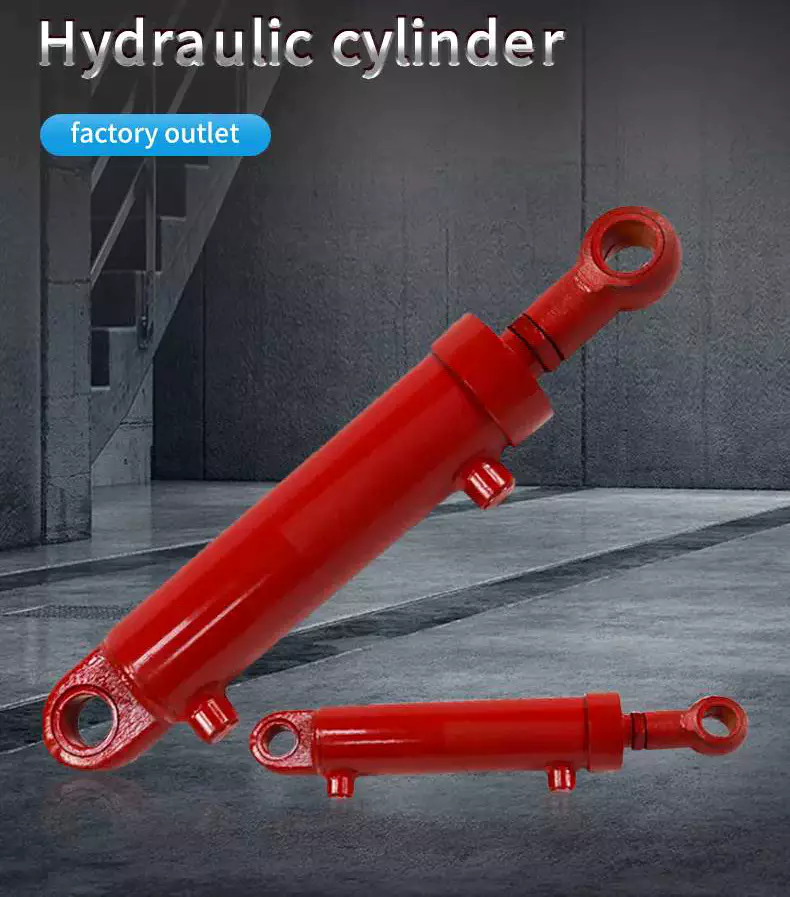
How do hydraulic cylinders ensure smooth and consistent movement in heavy machinery?
Hydraulic cylinders play a vital role in ensuring smooth and consistent movement in heavy machinery. Their design and operation allow for precise control over the motion of heavy loads, resulting in efficient and reliable performance. Here’s a detailed explanation of how hydraulic cylinders contribute to smooth and consistent movement in heavy machinery:
1. Hydraulic Fluid and Pressure:
– Hydraulic cylinders operate by utilizing hydraulic fluid, typically oil, to transmit force and motion. The fluid is pressurized by a hydraulic pump, creating a force that acts on the piston inside the cylinder. The pressure of the hydraulic fluid can be precisely controlled, allowing for smooth and gradual movement of heavy machinery. The fluid’s incompressibility ensures that the force is evenly distributed, resulting in consistent and predictable motion.
2. Piston and Cylinder Design:
– Hydraulic cylinders are designed with precision to ensure smooth movement. The piston and cylinder bore are machined to tight tolerances, reducing friction and minimizing internal leakage. This precise fit between the piston and cylinder walls helps maintain consistent motion without jerks or sudden changes in speed. Additionally, the use of high-quality seals and lubrication further enhances the smooth operation of the cylinder.
3. Control Valves and Flow Control:
– Hydraulic systems incorporate control valves that regulate the flow of hydraulic fluid into and out of the cylinder. These valves allow for precise control over the speed and direction of the cylinder’s movement. By adjusting the flow rate, operators can achieve smooth and controlled motion of heavy machinery, avoiding sudden starts or stops. Flow control valves also enable speed adjustment, ensuring consistent movement even under varying loads or operating conditions.
4. Cushioning and Damping:
– Hydraulic cylinders can be equipped with cushioning mechanisms to absorb shock and minimize impacts during the movement of heavy machinery. Cushioning is achieved by incorporating specialized valves or adjustable orifices in the cylinder, which restrict the flow of hydraulic fluid near the end of the stroke. This gradual deceleration helps prevent sudden jolts or vibrations, maintaining smooth and consistent movement while reducing stress on the machinery and its components.
5. Load Balancing:
– Hydraulic cylinders can be designed and arranged in a system to balance the load and distribute forces evenly. By utilizing multiple cylinders in parallel or series configurations, heavy machinery can achieve balanced movement, preventing uneven stress and ensuring smooth operation. Load balancing also helps minimize the risk of component failure and enhances the overall stability and longevity of the machinery.
6. Feedback and Control Systems:
– Advanced hydraulic systems incorporate feedback sensors and control systems to monitor and adjust the movement of heavy machinery. These sensors provide real-time information about the position, speed, and force exerted by the hydraulic cylinders. The control system processes this data and adjusts the flow of hydraulic fluid accordingly to maintain smooth and consistent movement. By continuously monitoring and regulating the cylinder’s operation, feedback and control systems contribute to precise and reliable motion control.
7. Maintenance and Servicing:
– Regular maintenance and servicing of hydraulic cylinders are essential to ensure their smooth and consistent movement in heavy machinery. Proper lubrication, inspection of seals, and replacement of worn-out components help maintain optimal performance. Preventive maintenance practices, such as filter replacements and fluid analysis, also contribute to the longevity and reliability of hydraulic systems, ensuring consistent movement over time.
In summary, hydraulic cylinders ensure smooth and consistent movement in heavy machinery through the use of hydraulic fluid and pressure, precise piston and cylinder design, control valves and flow control, cushioning and damping mechanisms, load balancing, feedback and control systems, and regular maintenance and servicing. By leveraging these features, hydraulic cylinders provide the necessary force and control to handle heavy loads while maintaining precise and reliable motion, enhancing the overall performance and productivity of heavy machinery in various industrial applications.
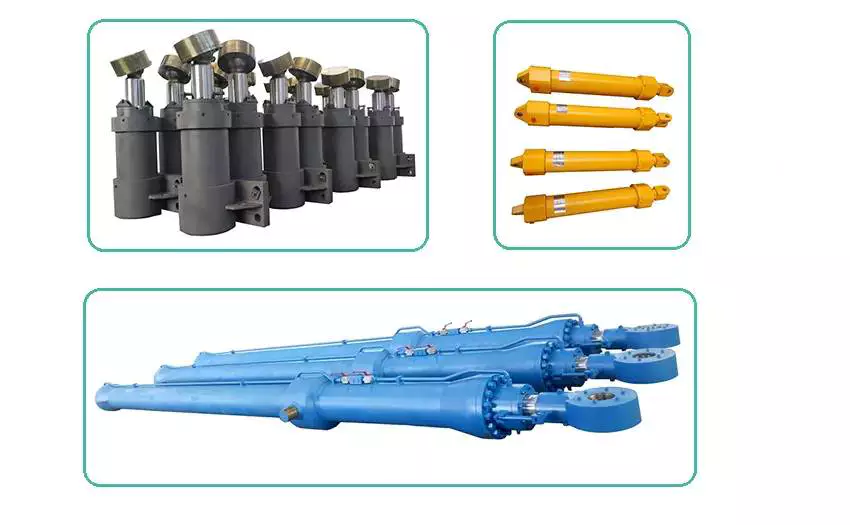
Contribution of Hydraulic Cylinders to the Efficiency of Agricultural Tasks like Plowing
Hydraulic cylinders play a significant role in enhancing the efficiency of agricultural tasks, including plowing. By providing power, control, and versatility, hydraulic cylinders enable agricultural machinery to perform tasks more effectively and with greater precision. Let’s explore how hydraulic cylinders contribute to the efficiency of plowing and other agricultural tasks:
- Powerful Force Generation: Hydraulic cylinders are capable of generating high forces, making them ideal for tasks that require substantial power, such as plowing. The hydraulic system provides pressurized fluid to the cylinders, which convert this hydraulic energy into mechanical force. This force is then utilized to drive plow blades through the soil, overcoming resistance and facilitating efficient soil penetration.
- Adjustable Working Depth: Hydraulic cylinders allow for easy and precise adjustment of plow working depth. By controlling the extension or retraction of the hydraulic cylinder, the depth of the plow blades can be adjusted according to soil conditions, crop requirements, or the farmer’s preferences. This adjustability enhances efficiency by ensuring optimal soil tillage and minimizing unnecessary energy expenditure.
- Responsive Control: Hydraulic systems offer highly responsive control, enabling farmers to make quick adjustments during plowing operations. Hydraulic cylinders respond rapidly to changes in hydraulic pressure and valve settings, allowing for immediate modifications in the plow’s position, depth, or angle. This responsiveness enhances efficiency by facilitating on-the-go adjustments based on soil variations, obstacles, or changing field conditions.
- Implement Versatility: Hydraulic cylinders enable the attachment of various implements to agricultural machinery, expanding their functionality and versatility. In the case of plowing, hydraulic cylinders allow for the attachment and detachment of plow blades or other tillage implements. This versatility enables farmers to adapt their equipment to different soil types, field sizes, or specific plowing requirements, enhancing efficiency by maximizing the utility of the machinery.
- Efficient Time Management: Hydraulic cylinders contribute to time efficiency in agricultural tasks like plowing. With hydraulic systems, farmers can operate plows at higher speeds while maintaining control and precision. The responsive nature of hydraulic cylinders allows for efficient turning, maneuvering, and repositioning of plows, minimizing downtime and optimizing field coverage. This time efficiency translates into increased productivity and reduced overall operational costs.
In summary, hydraulic cylinders significantly contribute to the efficiency of agricultural tasks like plowing. Through powerful force generation, adjustable working depth, responsive control, implement versatility, and efficient time management, hydraulic systems equipped with cylinders enhance the performance and productivity of agricultural machinery. These contributions allow farmers to accomplish plowing tasks more effectively, optimize field operations, and achieve improved overall efficiency in their agricultural practices.
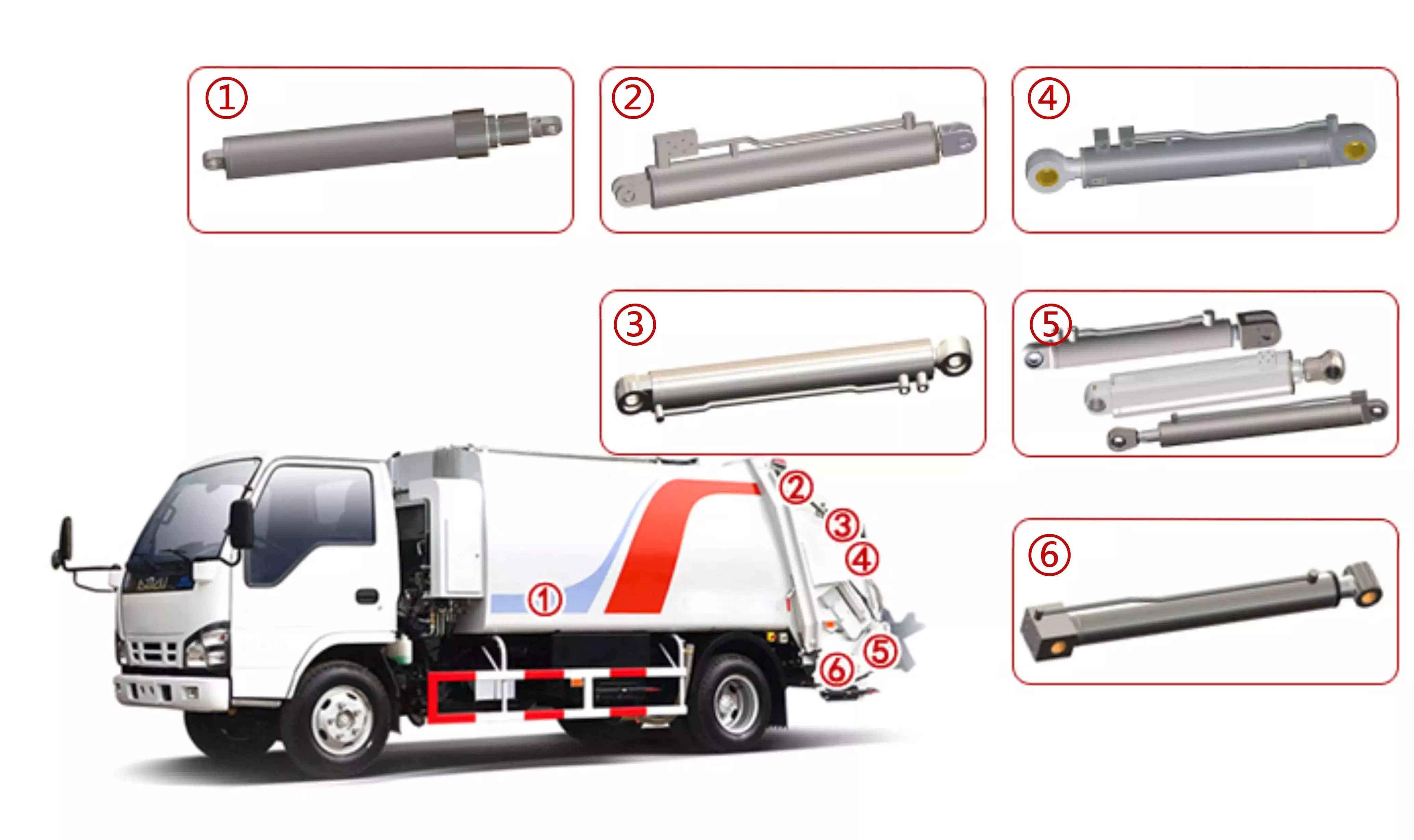
W jaki sposób siłowniki hydrauliczne dostosowują się do zmian długości skoku i wymagań dotyczących siły?
Siłowniki hydrauliczne są projektowane tak, aby uwzględniać zróżnicowaną długość skoku i wymagania dotyczące siły, zapewniając elastyczność i możliwość adaptacji do różnych zastosowań. Można je dostosować do konkretnych potrzeb, uwzględniając takie czynniki, jak średnica tłoka, średnica tłoczyska, ciśnienie hydrauliczne i konstrukcja cylindra. Poniżej znajduje się szczegółowe wyjaśnienie, w jaki sposób siłowniki hydrauliczne uwzględniają zróżnicowaną długość skoku i wymagania dotyczące siły:
1. Rozmiar i konstrukcja cylindra:
– Siłowniki hydrauliczne są dostępne w różnych rozmiarach i konstrukcjach, aby sprostać różnym długościom skoku i wymaganiom siły. Średnica cylindra, powierzchnia tłoka i średnica tłoczyska to kluczowe czynniki decydujące o sile wyjściowej. Większe średnice cylindrów i powierzchnie tłoków pozwalają na generowanie większej siły, natomiast mniejsze średnice są odpowiednie do zastosowań wymagających mniejszej siły. Wybierając odpowiedni rozmiar i konstrukcję cylindra, można skutecznie dostosować długości skoku i wymagania siły.
2. Konfiguracje tłoka i tłoczyska:
– Siłowniki hydrauliczne mogą być projektowane z różnymi konfiguracjami tłoka i tłoczyska, aby dostosować się do różnych długości skoku. Siłowniki jednostronnego działania mają pojedynczy tłok i mogą wykonywać skok w jednym kierunku. Siłowniki dwustronnego działania mają tłok po obu stronach, co umożliwia wykonywanie skoków w obu kierunkach. Siłowniki teleskopowe składają się z wielu stopni, które mogą się wysuwać i wsuwać, zapewniając dłuższy skok w porównaniu ze standardowymi cylindrami. Wybierając odpowiednią konfigurację tłoka i tłoczyska, można uzyskać pożądaną długość skoku.
3. Ciśnienie i przepływ hydrauliczny:
– Ciśnienie hydrauliczne i natężenie przepływu dostarczane do cylindra odgrywają kluczową rolę w dostosowywaniu się do zmian zapotrzebowania na siłę. Zwiększenie ciśnienia hydraulicznego zwiększa siłę wyjściową cylindra, umożliwiając mu obsługę wyższych wymagań siłowych. Poprzez regulację ciśnienia i natężenia przepływu za pomocą zaworów hydraulicznych i pomp, można kontrolować siłę wyjściową i dopasować ją do specyficznych wymagań danego zastosowania.
4. Personalizacja i szycie na miarę:
– Cylindry hydrauliczne można dostosować do konkretnych wymagań dotyczących długości skoku i siły. Producenci oferują szeroki wybór rozmiarów cylindrów, długości skoku i siły. Dodatkowo, cylindry projektowane na zamówienie mogą być produkowane w celu dopasowania do specyficznych zastosowań o określonych wymaganiach dotyczących długości skoku i siły. Dzięki ścisłej współpracy z producentami cylindrów hydraulicznych możliwe jest uzyskanie cylindrów precyzyjnie odpowiadających wymaganym długościom skoku i sile.
5. Wiele cylindrów i synchronizacja:
– W zastosowaniach wymagających dużej siły lub dłuższego skoku, możliwe jest zastosowanie kombinacji wielu cylindrów hydraulicznych. Synchronizacja ruchu wielu cylindrów w układzie hydraulicznym pozwala na efektywne zwiększenie długości skoku i siły wyjściowej. Synchronizację można osiągnąć za pomocą połączeń mechanicznych, sterowania elektronicznego lub układów hydraulicznych, zapewniając skoordynowany ruch i rozkład siły na cylindrach.
6. Czujnik obciążenia i kontrola ciśnienia:
– Układy hydrauliczne mogą zawierać mechanizmy pomiaru obciążenia i kontroli ciśnienia, aby dostosować się do zmian zapotrzebowania na siłę. Systemy pomiaru obciążenia monitorują zapotrzebowanie na obciążenie i odpowiednio dostosowują ciśnienie hydrauliczne, zapewniając, że siłownik dostarcza wymaganą siłę bez nadmiernego nacisku. Zawory regulacji ciśnienia regulują ciśnienie w układzie hydraulicznym, umożliwiając precyzyjną kontrolę i regulację siły wyjściowej w zależności od potrzeb danego zastosowania.
7. Zagadnienia bezpieczeństwa:
– Uwzględniając zróżnicowaną długość skoku i wymagania dotyczące siły, należy koniecznie uwzględnić czynniki bezpieczeństwa. Siłowniki hydrauliczne powinny być dobierane i projektowane z odpowiednim marginesem bezpieczeństwa, aby sprostać nieoczekiwanym obciążeniom lub zmianom warunków pracy. Mechanizmy bezpieczeństwa, takie jak zawory zabezpieczające przed przeciążeniem i zawory bezpieczeństwa, mogą być zastosowane, aby zapobiec uszkodzeniom lub awariom w sytuacjach przekroczenia limitów siły.
Uwzględniając takie czynniki, jak rozmiar i konstrukcja cylindra, konfiguracja tłoka i tłoczyska, ciśnienie i przepływ hydrauliczny, opcje personalizacji, synchronizacja, wykrywanie obciążenia, regulacja ciśnienia oraz względy bezpieczeństwa, cylindry hydrauliczne mogą skutecznie dostosowywać się do zmiennych długości skoku i wymagań dotyczących siły. Ta elastyczność pozwala na dostosowanie cylindrów hydraulicznych do specyficznych wymagań szerokiego zakresu zastosowań, zapewniając optymalną wydajność i sprawność.


editor by CX 2024-01-30
 Polish
  English
  Italian
  Portuguese
  Dutch
Dutch  Swedish
  Danish
  Finnish
  Hindi
Hindi  Kazakh
  Turkish
  Ukrainian
  Romanian
  Spanish
  German
  Russian
  Korean
  Japanese
  Vietnamese
  Thai
Thai  Indonesian
  Malay
Malay  French
  Greek
Greek