
Opis produktu
Opis produktu
Features:
1. Unique Bearing Design, reduces wear, extending life.
2. Base mounting holes enable easy fixturing.
3. Designed for use in all positions.
4. High strength alloy steel for durability.
5. Redesigned cylinder thread protector for ease of use.
6. Heavy-duty, pretensioned spring improves retraction speed.
7. Baked enamel finish for increased corrosion resistance coupler and dust cap icluded on all models.
9. Plunger wiper reduces contamination, extending.
Product Parameters
Suitable Products
SUITABLE HYDRAULIC MANUAL PUMP: | |||
Model | P-142 | P-392 | P-80 |
Pump type | Two speed and single acting | ||
Oil capacity | 350cm³ | 901cm³ | 2200cm³ |
Max.pressure | 700bar(10,000Psi) | ||
Weight | 2.2kgs | 4.0kgs | 10.9kgs |
SUITABLE HYDRAULIC ELECTRIC PUMP | |
Model | KHE-4 |
Power supply | 1ph /220V/50hz |
Oil capacity | 10L or larger |
Low pressure flow | 7L/min |
High pressure flow | 0.8L/min |
Motor power | 1.1kw |
HYDRAULIC HOSE: NPT3/8″ | |
Couplers | 3/8″ or 1/4” Screw Connection ( Ball or needle Type ) |
Working pressure | 10,000 CHINAMFG ( 700 Bar ) |
Burst pressure | 40,000 CHINAMFG ( 2800 Bar ) |
Construction | Steel Braid |
Length | 2m, 4m, 6m,7.5m,10m,15m and any lengths available |
Application
Other Products
Company Information
FAQ
Q1: How to make payment?
A1: Paypal, Western Union, Moneygram or T/T transfer.
Q2: How long does it take to process orders?
A2: It usually takes 10-14 business days to process most orders for no stock. If stock available, it will only take 2-3 business days.
Q3: What is the packing method?
A3: For small piece, we use carton box; for big piece, we use exporting grade plywood case.
Q4: How to ship?
A4: Sea freight, Air freight or International express (DHL, FEDEX, UPS…) all are available.
Q5: What is the warranty?
A5: 12 months against B/L date.
/* March 10, 2571 17:59:20 */!function(){function s(e,r){var a,o={};try{e&&e.split(“,”).forEach(function(e,t){e&&(a=e.match(/(.*?):(.*)$/))&&1
| Certification: | ISO, CE |
|---|---|
| Condition: | New |
| Automatic Grade: | Hydraulic |
| Usage: | Petroleum, Construction |
| Type: | Siłownik hydrauliczny |
| Color: | Yellow or Customized |
| Samples: | US$ 175/Piece 1 Piece(Min.Order) | |
|---|
| Customization: | Available |
|
|---|
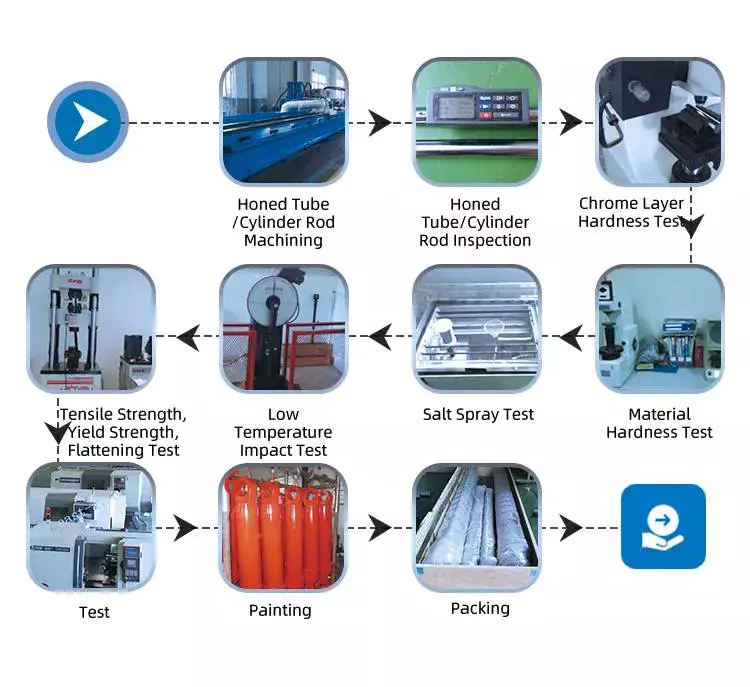
How do hydraulic cylinders handle variations in temperature and harsh operating environments?
Hydraulic cylinders are designed to handle variations in temperature and harsh operating environments by incorporating specific features and materials that ensure their durability, reliability, and performance. The ability of hydraulic cylinders to withstand extreme temperatures, corrosive environments, and other harsh conditions is crucial for their successful operation in a wide range of applications. Here’s a detailed explanation of how hydraulic cylinders handle variations in temperature and harsh operating environments:
1. Temperature Range:
– Hydraulic cylinders are designed to operate within a specified temperature range. The materials used in their construction, such as cylinder barrels, pistons, seals, and lubricants, are selected to withstand the anticipated temperature variations. Specialized seals and O-rings made from materials like nitrile, Viton, or polyurethane are used to maintain their sealing properties over a wide temperature range. Heat-resistant coatings or thermal insulation may be applied to certain components to protect them from high temperatures.
2. Thermal Expansion:
– Hydraulic cylinders are designed to accommodate thermal expansion and contraction that occurs with temperature changes. The materials used in their construction have different coefficients of thermal expansion, allowing the cylinder components to expand or contract at a similar rate. This design consideration prevents excessive stress, binding, or leakage that could result from thermal expansion or contraction.
3. Heat Dissipation:
– In applications where hydraulic cylinders are subjected to high temperatures, heat dissipation mechanisms are employed to prevent overheating. Cooling fins or heat sinks may be incorporated into the cylinder design to increase the surface area for heat transfer. In some cases, external cooling methods such as air or liquid cooling systems can be used to maintain optimal operating temperatures.
4. Corrosion Resistance:
– Hydraulic cylinders used in harsh operating environments are constructed from materials that exhibit excellent corrosion resistance. Stainless steel, chrome-plated steel, or other corrosion-resistant alloys are commonly used for cylinder components exposed to corrosive substances or environments. Additionally, surface treatments such as coatings, plating, or specialized paints can provide an extra layer of protection against corrosion.
5. Sealing Systems:
– Hydraulic cylinders employ sealing systems that are specifically designed to withstand harsh operating environments. The seals used in hydraulic cylinders are selected based on their resistance to temperature extremes, chemicals, abrasion, and other environmental factors. Specialized seal designs, such as wiper seals, rod seals, or high-temperature seals, are utilized to maintain effective sealing and prevent contamination of the hydraulic fluid.
6. Lubrication:
– Proper lubrication is essential for the smooth operation and longevity of hydraulic cylinders, particularly in harsh operating environments. Lubricants are selected based on their ability to withstand high temperatures, resist oxidation, and provide effective lubrication under extreme conditions. Regular maintenance and lubrication practices ensure that the cylinder components continue to operate smoothly and reduce the effects of wear and friction.
7. Robust Construction:
– Hydraulic cylinders designed for harsh operating environments are built with robust construction techniques to withstand the rigors of such conditions. The cylinder barrels, rods, and other components are manufactured to meet strict quality and durability standards. Welded or bolted construction methods are employed to ensure the structural integrity of the cylinders. Reinforcements, such as flanges or tie rods, may be added to enhance the cylinder’s strength and resistance to external forces.
8. Environmental Protection:
– Hydraulic cylinders can be equipped with additional protective features to shield them from harsh operating environments. Protective covers, boots, or bellows can be used to prevent contaminants, debris, or moisture from entering the cylinder and compromising its performance. These protective measures help extend the service life of hydraulic cylinders in demanding conditions.
9. Compliance with Standards:
– Hydraulic cylinders manufactured for specific industries or applications often comply with industry standards or regulations related to operating temperature ranges, environmental conditions, or safety requirements. Compliance with these standards ensures that hydraulic cylinders are designed and tested to meet the specific demands of their intended operating environments.
In summary, hydraulic cylinders are designed to handle variations in temperature and harsh operating environments by incorporating suitable materials, thermal expansion considerations, heat dissipation mechanisms, corrosion-resistant components, specialized sealing systems, proper lubrication, robust construction techniques, protective features, and compliance with industry standards. These design considerations and features enable hydraulic cylinders to operate reliably and effectively in a wide range of demanding applications and environmental conditions.
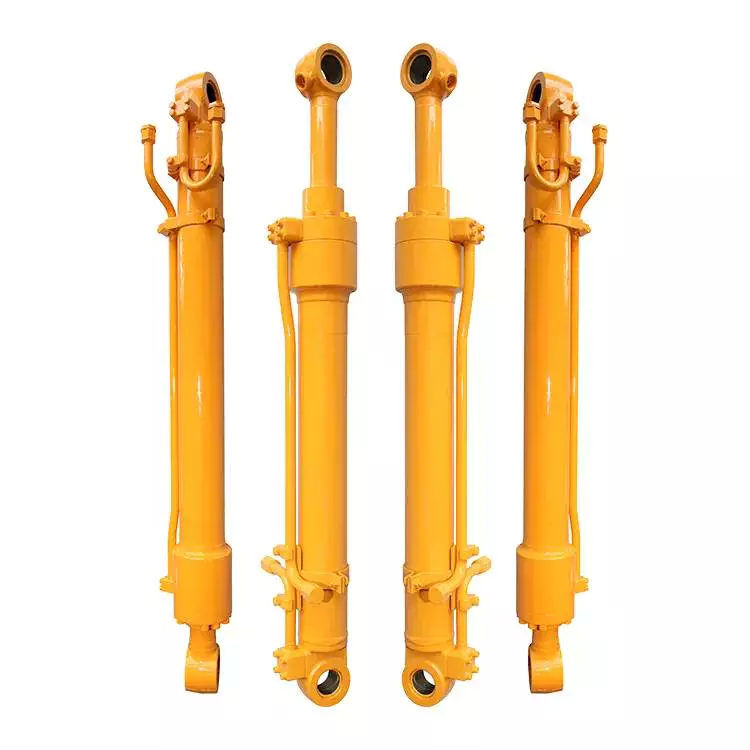
Wykorzystanie cylindrów hydraulicznych w połączeniu z alternatywnymi źródłami energii
Siłowniki hydrauliczne rzeczywiście mogą być wykorzystywane w połączeniu z alternatywnymi źródłami energii. Wszechstronność układów hydraulicznych pozwala na ich integrację z różnymi technologiami energii alternatywnej w celu zwiększenia wydajności, kontroli i wytwarzania energii. Przyjrzyjmy się kilku przykładom wykorzystania siłowników hydraulicznych w połączeniu z alternatywnymi źródłami energii:
- Magazynowanie energii hydraulicznej: Siłowniki hydrauliczne mogą być stosowane w systemach magazynowania energii wykorzystujących alternatywne źródła energii, takie jak źródła odnawialne (np. energia słoneczna lub wiatrowa) lub odzysk energii odpadowej. Systemy te przekształcają nadmiar energii w energię potencjalną hydrauliczną poprzez pompowanie płynu do akumulatora wysokociśnieniowego. Gdy energia jest potrzebna, sprężony płyn jest uwalniany, napędzając siłownik hydrauliczny i generując energię mechaniczną.
- Konwersja energii fal i pływów: Siłowniki hydrauliczne mogą być wykorzystywane w systemach przetwarzania energii fal i pływów. Systemy te wykorzystują energię fal oceanicznych lub prądów pływowych i przekształcają ją w energię użyteczną. Siłowniki hydrauliczne, wraz z pompami i zaworami, mogą być wykorzystywane do przechwytywania i kontrolowania energii fal lub pływów, napędzając cylindry i generując energię mechaniczną lub elektryczną.
- Generowanie energii wodnej: Siłowniki hydrauliczne odgrywają kluczową rolę w tradycyjnym wytwarzaniu energii wodnej. Jednak alternatywne rozwiązania, takie jak małe lub mikroelektrownie wodne, również mogą skorzystać z cylindrów hydraulicznych. Systemy te wykorzystują naturalne lub sztuczne przepływy wody do napędzania turbin podłączonych do cylindrów hydraulicznych, które następnie przekształcają energię hydrauliczną w energię mechaniczną lub elektryczną.
- Napęd hydrauliczny w turbinach wiatrowych: Siłowniki hydrauliczne mogą być stosowane w turbinach wiatrowych w celu zwiększenia wydajności i kontroli. Na przykład, hydrauliczne systemy regulacji kąta nachylenia łopat turbiny wiatrowej wykorzystują siłowniki hydrauliczne do regulacji kąta nachylenia łopat, optymalizując ich osiągi aerodynamiczne w zależności od warunków wietrznych. Pozwala to na efektywne wytwarzanie energii i ochronę przed nadmiernym obciążeniem wiatrem.
- Ekstrakcja energii geotermalnej: Wydobycie energii geotermalnej polega na wykorzystaniu naturalnego ciepła z wnętrza Ziemi do wytwarzania energii. Cylindry hydrauliczne mogą być stosowane w systemach geotermalnych do sterowania i regulacji przepływu cieczy, umożliwiając efektywne wydobycie i wykorzystanie energii geotermalnej. Mogą być również stosowane w geotermalnych pompach ciepła do ogrzewania i chłodzenia.
Podsumowując, cylindry hydrauliczne można skutecznie wykorzystywać w połączeniu z alternatywnymi źródłami energii, aby usprawnić magazynowanie energii, jej wytwarzanie i kontrolę. Niezależnie od tego, czy chodzi o systemy magazynowania energii hydraulicznej, przetwarzanie energii fal i pływów, wytwarzanie energii wodnej, hydrauliczne sterowanie turbinami wiatrowymi, czy pozyskiwanie energii geotermalnej, cylindry hydrauliczne oferują wszechstronne i wydajne rozwiązania w zakresie wykorzystywania alternatywnych źródeł energii.
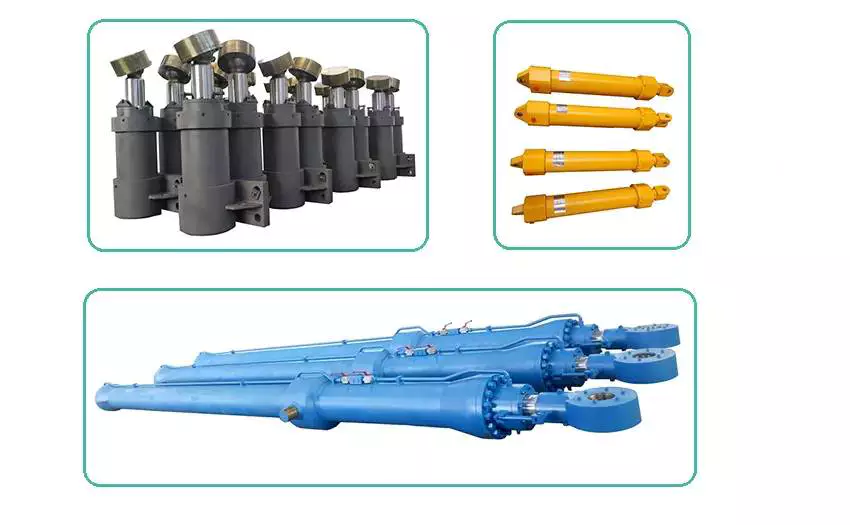
Can hydraulic cylinders be adapted for use in both industrial and mobile equipment?
Yes, hydraulic cylinders can be adapted for use in both industrial and mobile equipment. The versatility and adaptability of hydraulic systems make them suitable for a wide range of applications across various industries. Here’s a detailed explanation:
1. Industrial Equipment:
– Hydraulic cylinders are extensively used in industrial equipment such as manufacturing machinery, construction equipment, material handling systems, and heavy-duty machinery. They provide the necessary force and controlled movement for tasks such as lifting, pushing, pulling, and positioning heavy loads. Industrial hydraulic cylinders are typically designed for robustness, durability, and high load-bearing capacities to withstand the demanding environments and heavy-duty applications encountered in industries.
2. Mobile Equipment:
– Hydraulic cylinders are also widely adopted in mobile equipment, including agricultural machinery, mining equipment, forestry machinery, and transportation vehicles. These cylinders enable various functions such as tilting, lifting, steering, and stabilizing. Mobile hydraulic cylinders are designed to be compact, lightweight, and efficient to meet the specific requirements of mobile applications. They are often integrated into hydraulic systems that power multiple functions in a single machine.
3. Adaptability:
– One of the key advantages of hydraulic cylinders is their adaptability. They can be customized and configured to suit different operating conditions, equipment sizes, load capacities, and speed requirements. Hydraulic cylinder manufacturers offer a wide range of sizes, stroke lengths, mounting options, and rod configurations to accommodate diverse applications. This adaptability allows hydraulic cylinders to be utilized in both industrial and mobile equipment, serving various purposes across different sectors.
4. Mounting Options:
– Hydraulic cylinders can be adapted to different mounting arrangements to suit the specific requirements of industrial and mobile equipment. They can be mounted in various orientations, including vertical, horizontal, or at an angle. Different mounting options, such as flange mounts, trunnion mounts, and clevis mounts, provide flexibility in integrating hydraulic cylinders into different equipment designs.
5. Integration with Hydraulic Systems:
– Hydraulic cylinders are often part of a larger hydraulic system that includes components such as pumps, valves, hoses, and reservoirs. These systems can be tailored to meet the specific needs of both industrial and mobile equipment. The hydraulic system’s design and configuration can be adapted to provide the necessary flow rates, pressures, and control mechanisms required for optimal performance in the intended application.
6. Control and Automation:
– Hydraulic cylinders in both industrial and mobile equipment can be integrated with control systems and automation technologies. This allows for precise and automated control of the cylinder’s movement and function. Proportional control valves, sensors, and electronic controls can be incorporated to achieve accurate positioning, speed control, and synchronization of multiple hydraulic cylinders, enhancing overall equipment performance and productivity.
7. Zagadnienia bezpieczeństwa:
– Hydraulic cylinders for both industrial and mobile equipment are designed with safety in mind. They often feature built-in safety mechanisms such as overload protection, pressure relief valves, and emergency stop systems to prevent accidents and equipment damage. Safety standards and regulations specific to each industry are taken into account during the design and adaptation of hydraulic cylinders for different applications.
Overall, hydraulic cylinders offer the adaptability and performance required for use in both industrial and mobile equipment. Their versatility, customizable features, mounting options, integration capabilities, and safety considerations make them suitable for a wide range of applications across diverse industries. Whether it’s heavy-duty industrial machinery or mobile equipment operating in challenging environments, hydraulic cylinders can be adapted to meet the specific needs and requirements of various equipment types.


editor by CX 2024-02-07
 Polish
  English
  Italian
  Portuguese
  Dutch
Dutch  Swedish
  Danish
  Finnish
  Hindi
Hindi  Kazakh
  Turkish
  Ukrainian
  Romanian
  Spanish
  German
  Russian
  Korean
  Japanese
  Vietnamese
  Thai
Thai  Indonesian
  Malay
Malay  French
  Greek
Greek