
Descriere produs
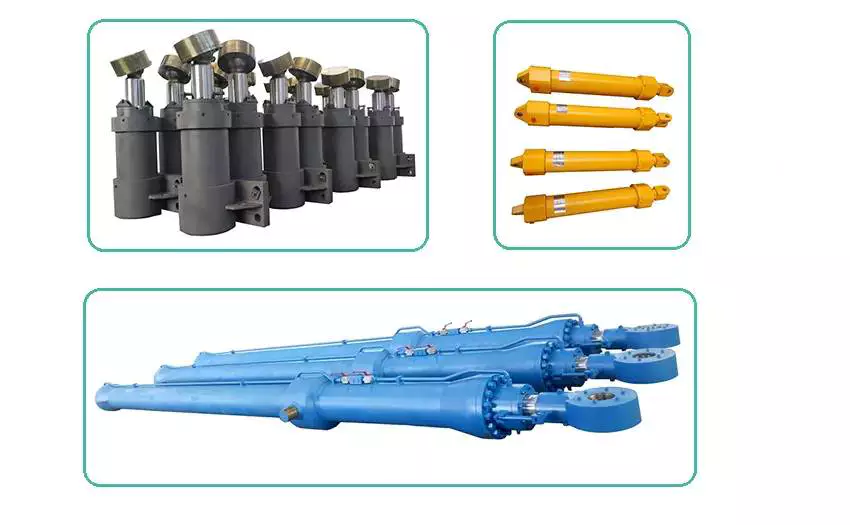
FE/FC/FEE/FSE Telescopic Hydraulic Cylinder For Dump Truck/Trailer
| Articol | Dump Truck Telescopic Hydraulic Cylinder |
| Type | FC/FE/FEE/FSE/Pin to Pin Mounting/Pin to Trunnion Mounting |
| HS Code | 8412210090 |
| Each Stage Diameter(mm) | 221/196/172/150/129/110/91/75/60; 214/191/169/149/129/110/91/75/60; 202/179/157/137/118/99/80/63; 9.375”/8.125”/7”/6”/5”/4”/3”; |
| Max.Stroke(mm) | 12000mm |
| Raw Materials | 27SiMn,16Mn,45#,20# seamless steel pipe with quenched&tempered |
| Seal Kits | Kaden,Hallite,Merkel,Guarnitec etc |
| Max.Pressure | 25MPa/250Bar |
| Chrome Plating | Hard chrome plated |
| Chrome Thickness | 0.015-0.571mm |
| Color | According to your needs,you can choose your favorite color (Black/Blue/Red/Yellow/Gray/White etc) |
| Quality Check | All the parts and the finished hydraulic cylinders will be tested before delivery |
| Warranty | 14 Months |
| Lead Time | 30-35 working days after deposit payment |
| Package | Plywood pallet or steel box suitable for export |
| Customers | USA,Canada,Mexico,Russia,Australia,New Zealand,Netherlands,Poland,Italy,South Korea, South America,South Africa etc |
| OEM/ODM | Da |
Hydraulic Cylinder Production Process
Hydraulic Cylinder Test
Each hydraulic cylinder is strictly tested before delivery.
Hydraulic Cylinder Application
Other Hot Selling Hydraulic Cylinders
Hydraulic System
Package&Shipping
Our Overseas Customers
FAQ
A. Compared with CHINAMFG cylinder, what are your cylinder advantages?
1. Rod are chrome plated.
2. Tubes are quenched and tempered.
3.Tube inner hole goes through deep hole boring machine processing. Surface roughness is 0.4Ra
and circular degree is 0.571.
4. Good quality yet lower price.
B: Are you a manufacture or a trade company?
Manufacture, we are the leader manufacturer of hydraulic industry in China with 14 years’ experience and technology accumulation.
With strong technical team we could solve any annoyance of you.
C: How can I get a booklet and buy a cylinder from you?
Just leave me a message or email or call me directly, let me know you are interesting in our products. I will talk with you for the details soon!
1. Please advice the drawing with technical requirement.
2. Please advice the model No. after you check our booklet.
3. Please advice the tipping capacity, number of stages, closed length, mounting type and size.
4. Please also help advice the quantities, this is very important.
D: Do your products come with a warranty?
Yes, we have 14 months warranty. In this year, if the quality problem we will free repair for you.
E: What about the quality feedback of your products?
We have never received even once quality complaint for many years of international business.
F: Can you help me to install or recommend what kind of hydraulic cylinder or power pack should I use for specific machine?
Yes, we have 6 experienced engineers who are always ready to help you. If you do not know what kind of hydraulic cylinders should be used in your machine, please just contact us, our engineers will design the exact products match your need.
G: What is the delivery time?
Within 15 days for samples.
25-30 days for bulk production, which is depend on quality, production process and so on.
H: What is your main payment term?
T/T, L/C, either is available.
| Certificare: | CE, ISO9001 |
|---|---|
| Presiune: | High Pressure |
| Temperatura de lucru: | Normal Temperature |
| Mod de acțiune: | Single Acting |
| Metodă de lucru: | Straight Trip |
| Formă ajustată: | Regulated Type |
| Samples: | US$ 280/Piece 1 Piece(Min.Order) | |
|---|
| Personalizare: | Disponibil |
|
|---|
How do hydraulic cylinders compare to other methods of force generation like electric motors?
Hydraulic cylinders and electric motors are two different methods of force generation with distinct characteristics and applications. While both hydraulic cylinders and electric motors can generate force, they differ in terms of their working principles, performance attributes, and suitability for specific applications. Here’s a detailed comparison of hydraulic cylinders and electric motors:
1. Working Principle:
– Hydraulic Cylinders: Hydraulic cylinders generate force through the conversion of fluid pressure into linear motion. They consist of a cylinder barrel, piston, piston rod, and hydraulic fluid. When pressurized hydraulic fluid enters the cylinder, it pushes against the piston, causing the piston rod to extend or retract, thereby generating linear force.
– Electric Motors: Electric motors generate force through the conversion of electrical energy into rotational motion. They consist of a stator, rotor, and electromagnetic field. When an electrical current is applied to the motor’s windings, it creates a magnetic field that interacts with the rotor, causing it to rotate and generate torque.
2. Force and Power:
– Hydraulic Cylinders: Hydraulic cylinders are known for their high force capabilities. They can generate substantial linear forces, making them suitable for heavy-duty applications that require lifting, pushing, or pulling large loads. Hydraulic systems can provide high force output even at low speeds, allowing for precise control over force application. However, hydraulic systems typically operate at lower speeds compared to electric motors.
– Electric Motors: Electric motors excel in providing high rotational speeds and are commonly used for applications that require rapid motion. While electric motors can generate significant torque, they tend to have lower force output compared to hydraulic cylinders. Electric motors are suitable for applications that involve continuous rotary motion, such as driving conveyor belts, rotating machinery, or powering vehicles.
3. Control and Precision:
– Hydraulic Cylinders: Hydraulic systems offer excellent control over force, speed, and positioning. By regulating the flow of hydraulic fluid, the force and speed of hydraulic cylinders can be precisely controlled. Hydraulic systems can provide gradual acceleration and deceleration, allowing for smooth and precise movements. This level of control makes hydraulic cylinders well-suited for applications that require precise positioning, such as in industrial automation or construction equipment.
– Electric Motors: Electric motors also offer precise control over speed and positioning. Through motor control techniques such as varying voltage, frequency, or pulse width modulation (PWM), the rotational speed and position of electric motors can be accurately controlled. Electric motors are commonly used in applications that require precise speed control, such as robotics, CNC machines, or servo systems.
4. Efficiency and Energy Consumption:
– Hydraulic Cylinders: Hydraulic systems can be highly efficient, especially when properly sized and designed. However, hydraulic systems typically have higher energy losses due to factors such as fluid leakage, friction, and heat generation. The overall efficiency of a hydraulic system depends on the design, component selection, and maintenance practices. Hydraulic systems require a hydraulic power unit to pressurize the hydraulic fluid, which consumes additional energy.
– Electric Motors: Electric motors can have high efficiency, especially when operated at their optimal operating conditions. Electric motors have lower energy losses compared to hydraulic systems, primarily due to the absence of fluid leakage and lower friction losses. The overall efficiency of an electric motor depends on factors such as motor design, load conditions, and control techniques. Electric motors require an electrical power source, and their energy consumption depends on the motor’s power rating and the duration of operation.
5. Environmental Considerations:
– Hydraulic Cylinders: Hydraulic systems typically use hydraulic fluids that can pose environmental concerns if they leak or are not properly disposed of. The choice of hydraulic fluid can impact factors such as biodegradability, toxicity, and potential environmental hazards. Proper maintenance and leak prevention practices are essential to minimize the environmental impact of hydraulic systems.
– Electric Motors: Electric motors are generally considered more environmentally friendly since they do not require hydraulic fluids. However, the environmental impact of electric motors depends on the source of electricity used to power them. When powered by renewable energy sources, such as solar or wind, electric motors can offer a greener solution compared to hydraulic systems.
6. Application Suitability:
– Hydraulic Cylinders: Hydraulic cylinders are commonly used in applications that require high force output, precise control, and durability. They are widely employed in industries such as construction, manufacturing, mining, and aerospace. Hydraulic systems are well-suited for heavy-duty applications, such as lifting heavy objects, operating heavy machinery, or controlling large-scale movements.
– Electric Motors: Electric motors are widely used in various industries and applications that require rotational motion, speed control, and precise positioning. They are commonly found in appliances, transportation, robotics, HVAC systems, and automation. Electric motorsare suitable for applications that involve continuous rotary motion, such as driving conveyor belts, rotating machinery, or powering vehicles.In summary, hydraulic cylinders and electric motors have different working principles, force capabilities, control characteristics, efficiency levels, and application suitability. Hydraulic cylinders excel in providing high force output, precise control, and durability, making them ideal for heavy-duty applications. Electric motors, on the other hand, offer high rotational speeds, precise speed control, and are commonly used for applications that involve continuous rotary motion. The choice between hydraulic cylinders and electric motors depends on the specific requirements of the application, including the type of motion, force output, control precision, and environmental considerations.
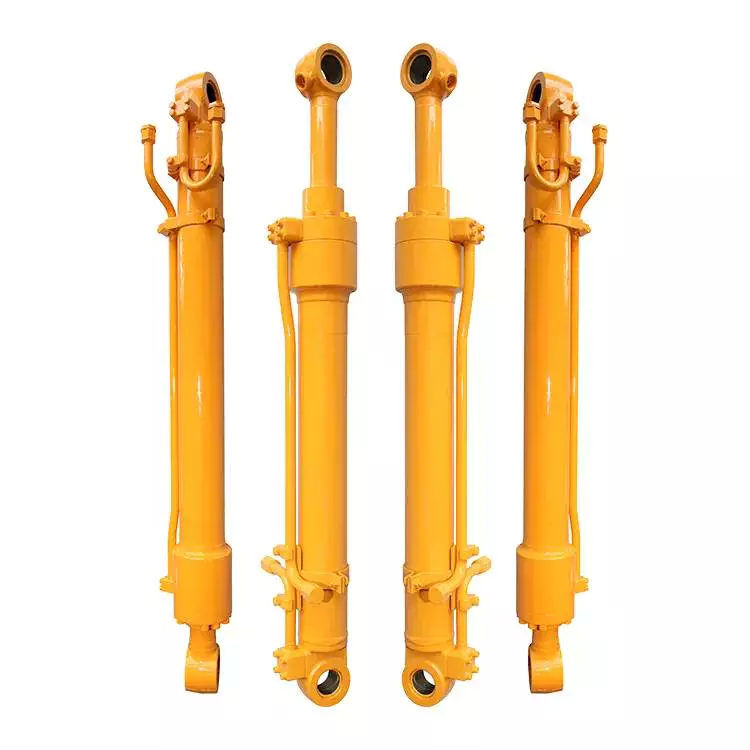
Utilizing Hydraulic Cylinders in Conjunction with Alternative Energy Sources
Hydraulic cylinders can indeed be used in conjunction with alternative energy sources. The versatile nature of hydraulic systems allows them to be integrated with various alternative energy technologies to enhance efficiency, control, and power generation. Let’s explore some examples of how hydraulic cylinders can be utilized alongside alternative energy sources:
- Hydraulic Energy Storage: Hydraulic cylinders can be employed in energy storage systems that utilize alternative energy sources such as renewable sources (e.g., solar or wind) or waste energy recovery. These systems convert excess energy into hydraulic potential energy by pumping fluid into a high-pressure accumulator. When the energy is needed, the pressurized fluid is released, driving the hydraulic cylinder and generating mechanical power.
- Wave and Tidal Energy Conversion: Hydraulic cylinders can be utilized in wave and tidal energy conversion systems. These systems harness the power of ocean waves or tidal currents and convert it into usable energy. Hydraulic cylinders, along with associated pumps and valves, can be used to capture and control the energy from the waves or tides, driving the cylinders and generating mechanical power or producing electricity.
- Hydroelectric Power Generation: Hydraulic cylinders play a crucial role in traditional hydroelectric power generation. However, alternative approaches such as small-scale or micro-hydropower systems can also benefit from hydraulic cylinders. These systems utilize natural or man-made water flows to drive turbines connected to hydraulic cylinders, which then convert the hydraulic energy into mechanical power or electricity.
- Hydraulic Actuation in Wind Turbines: Hydraulic cylinders can be employed in wind turbines to enhance performance and control. For example, hydraulic pitch control systems use hydraulic cylinders to adjust the pitch angle of wind turbine blades, optimizing their aerodynamic performance based on wind conditions. This allows for efficient power generation and protection against excessive wind loads.
- Geothermal Energy Extraction: Geothermal energy extraction involves utilizing the natural heat from the Earth’s interior to generate power. Hydraulic cylinders can be utilized in geothermal systems to control and regulate fluid flow, allowing for efficient extraction and utilization of geothermal energy. They can also be used in geothermal heat pumps for heating and cooling applications.
In summary, hydraulic cylinders can be effectively utilized in conjunction with alternative energy sources to enhance energy storage, power generation, and control. Whether it’s through hydraulic energy storage systems, wave and tidal energy conversion, hydroelectric power generation, hydraulic actuation in wind turbines, or geothermal energy extraction, hydraulic cylinders offer versatile and efficient solutions for harnessing and utilizing alternative energy sources.
Ce practici de întreținere sunt esențiale pentru prelungirea duratei de viață a cilindrilor hidraulici?
Întreținerea cilindrilor hidraulici este crucială pentru prelungirea duratei lor de viață și asigurarea performanțelor optime. Întreținerea regulată ajută la prevenirea uzurii premature, a deteriorării și a defecțiunilor, reducând în cele din urmă timpul de nefuncționare și economisind costuri. Iată câteva practici esențiale de întreținere de luat în considerare pentru prelungirea duratei de viață a cilindrilor hidraulici:
1. Inspecții regulate:
– Efectuați inspecții vizuale de rutină ale cilindrilor hidraulici pentru a identifica orice semne de deteriorare, scurgeri sau uzură. Inspectați corpul cilindrului, tija pistonului, garniturile și punctele de montare. Căutați scurgeri de lichid, rugină, adâncituri sau orice modele anormale de uzură. Depistarea timpurie a problemelor permite reparații sau înlocuiri la timp, prevenind deteriorarea ulterioară și prelungind durata de viață a cilindrului.
2. Curățenie:
– Mențineți un mediu curat în jurul cilindrilor hidraulici pentru a preveni pătrunderea contaminanților în sistem. Praful, murdăria și resturile pot deteriora garniturile și alte componente interne, ducând la uzură accelerată și performanță redusă. Curățați periodic cilindrul și împrejurimile sale pentru a minimiza riscul de contaminare.
3. Lubrifiere adecvată:
– Lubrifierea adecvată este esențială pentru funcționarea fără probleme și longevitatea cilindrilor hidraulici. Urmați recomandările producătorului privind intervalele de lubrifiere și utilizați lubrifiantul corespunzător. Aplicați lubrifiere pe piesele mobile ale cilindrului, cum ar fi tija pistonului, pentru a reduce frecarea și a minimiza uzura.
4. Întreținerea etanșării:
– Garniturile joacă un rol vital în prevenirea scurgerilor de fluid hidraulic și în menținerea performanței cilindrului. Inspectați și înlocuiți prompt garniturile uzate sau deteriorate. Asigurați-vă că garniturile sunt instalate și lubrifiate corespunzător. Curățați periodic canelurile garniturilor pentru a îndepărta orice reziduuri care ar putea compromite eficacitatea garniturii.
5. Verificări ale presiunii:
– Verificați periodic presiunea sistemului hidraulic pentru a vă asigura că se încadrează în intervalul de funcționare recomandat. Presiunea excesivă poate solicita cilindrul și componentele acestuia, ducând la uzură prematură. Monitorizați nivelurile de presiune și efectuați ajustările necesare pentru a preveni supraîncărcarea cilindrului.
6. Întreținerea supapei de control:
– Întrețineți și inspectați supapele de control care reglează debitul și direcția fluidului hidraulic. Asigurați-vă că supapele funcționează corect și nu provoacă solicitări excesive sau vârfuri de presiune în cilindru. Curățați sau înlocuiți supapele de control dacă sunt deteriorate sau funcționează defectuos.
7. Alinierea cilindrilor:
– Alinierea corectă a cilindrilor hidraulici este esențială pentru longevitatea lor. Nealinierea poate cauza sarcini laterale excesive, ceea ce duce la uzură neuniformă și potențiale deteriorări. Asigurați-vă că cilindrul este aliniat corect cu alte componente și că punctele de montare sunt fixate.
8. Prevenirea supraîncărcării:
– Evitați supunerea cilindrilor hidraulici la sarcini care depășesc capacitatea lor nominală. Supraîncărcarea poate provoca deteriorări interne, defectarea etanșării și o durată de viață redusă. Asigurați-vă că cerințele de sarcină se încadrează în capacitățile cilindrului și luați în considerare utilizarea dispozitivelor de siguranță, cum ar fi sistemele de protecție la supraîncărcare, atunci când este necesar.
9. Instruire și conștientizare a operatorilor:
– Asigurați o instruire adecvată operatorilor de echipamente cu privire la utilizarea și manipularea corectă a cilindrilor hidraulici. Operatorii trebuie să fie conștienți de limitele cilindrului, de procedurile de operare în siguranță și de importanța întreținerii regulate. Promovați o cultură a întreținerii proactive și încurajați operatorii să raporteze prompt orice probleme potențiale.
10. Documentație și păstrarea evidențelor:
– Mențineți o documentație detaliată a tuturor activităților de întreținere, inclusiv inspecții, reparații și înlocuiri. Păstrați evidența programelor de lubrifiere, a verificărilor de presiune și a oricărei lucrări de întreținere efectuate asupra cilindrilor hidraulici. Această documentație ajută la urmărirea istoricului cilindrului, la identificarea problemelor recurente și la planificarea eficientă a întreținerii viitoare.
Prin respectarea acestor practici de întreținere, durata de viață a cilindrilor hidraulici poate fi prelungită, asigurând performanțe fiabile și reducând riscul de defecțiuni neașteptate. Inspecțiile regulate, curățenia, lubrifierea corespunzătoare, întreținerea etanșărilor, verificările presiunii, întreținerea supapelor de control, alinierea cilindrilor, prevenirea supraîncărcării, instruirea operatorilor și documentația contribuie la longevitatea generală și funcționarea optimă a cilindrilor hidraulici.


editor by CX 2023-10-27
 Romanian
  English
  Italian
  Portuguese
  Dutch
Dutch  Swedish
  Danish
  Finnish
  Polish
  Hindi
Hindi  Kazakh
  Turkish
  Ukrainian
  Spanish
  German
  Russian
  Korean
  Japanese
  Vietnamese
  Thai
Thai  Indonesian
  Malay
Malay  French
  Greek
Greek