
Descriere produs
Good quality full set hydraulic cylinder sepecially for backhoe excavator
| Loader Bucket Tilt Also called bucket dump or curl cylinders, the loader bucket tilt changes the angle of the bucket, or tilts it, up and down. | Loader Bucket Lift The loader lift cylinders moves the bucket up and down and is usually fixed on 1 side to the lift arm and the other to the tractor. |
| Backhoe Stabilizer/Outrigger These cylinders fold the Stabilizers, or Outriggers, out to land on the ground and provide support for the tractor while the backhoe is being operated. | Backhoe Stabilizer/Outrigger These cylinders fold the Stabilizers, or Outriggers, out to land on the ground and provide support for the tractor while the backhoe is being operated. |
| Backhoe Swing The Swing cylinders are found at the base of the backhoe’s boom and allow the operator to swing the entire backhoe boom either left or right. | Backhoe Boom Backhoes have either 1 or 2 of the boom cylinders and their main function is to angle the boom section of the backhoe in or out. On some older backhoes the boom cylinder is inside the boom itself. |
| Backhoe Dipper The Dipper cylinder (also called the Arm, Crowd, or Stick) is attached on 1 end to the boom and the other to the dipper (Arm, Crowd, or Stick) and articulates the dipper in and out. | Backhoe Bucket The Bucket cylinder is attached on 1 side to the dipper and the other to the bucket linkage or coupler. Its main function is to curl the backhoe bucket in and out. |
Profilul Companiei
+30 years experience in hydraulic parts production, CHINAMFG brand hydraulic cylinder are known for their durability, reliability in all conditions and value for money. OEM is available
Certified, excellent quality management system and testing method make the product strong enough to resist all kindf of climate and environment and work stable. For now, we have the certification like CE,SGS,GB,ISO9001,AAAcertified.
Customized hydraulic solution, we can manufacture according to the technical drawing from the client or we can offer our professional suggestion or guidance for our client according to our experience. The package can be done as the request of the clients. For now, we have export more than 20 countries like GUINEEE,USA,Australia etc wining the trust of the customer.
Packaging & Shipping
FAQ
Q1: How about the quality?
Our cylinders can work well even in extreme condition and temperature
Q2: What’s your cylinder’s advantages ?
The cylinders are manufactured by advanced equipments and made under strictly quality control processing.
The steel is tempered and all raw materials are good quality from world famous companies.
Competitive price!
Q3: When your company be established ?
Our company be established in 2002, professional manufacturer of hydraulic cylinders more than 20 years.
We had passed IATF 16949:2016 Quality control system, ISO9001, CE.
Q4: How about the delivery time ?
depends the quantity, normally 1 month is no problem.
Q5: How about the cylinder’s quality gurantee ?
One year.
/* May 10, 2571 16:49:51 */!function(){function d(e,r){var a,o={};try{e&&e.split(“,”).forEach(function(e,t){e&&(a=e.match(/(.*?):(.*)$/))&&1
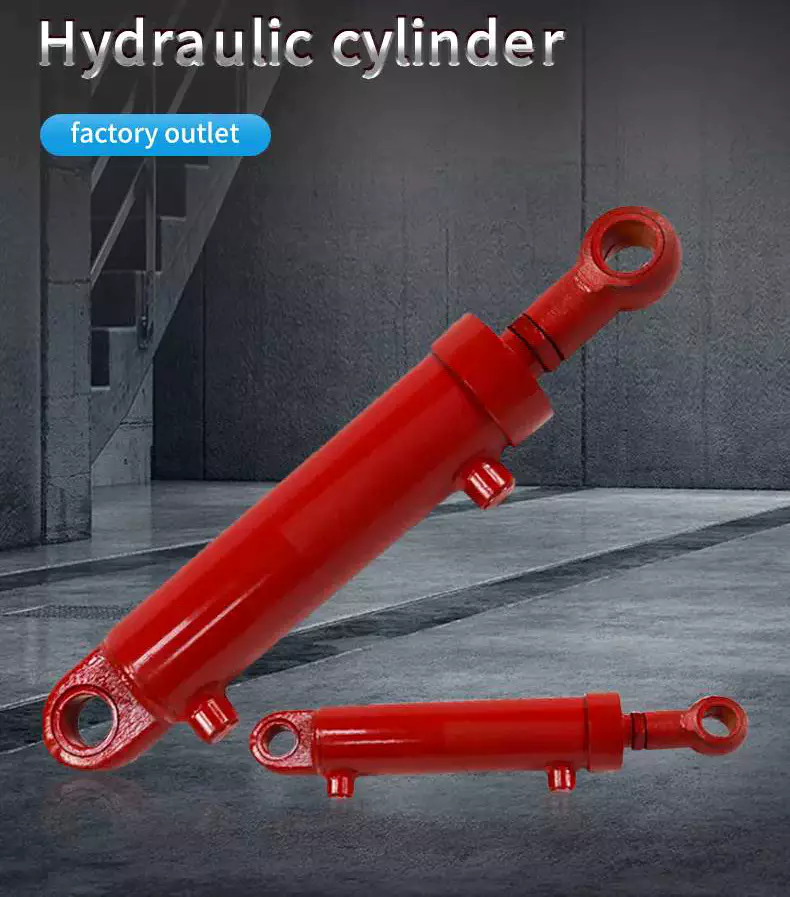
How do hydraulic cylinders ensure smooth and consistent movement in heavy machinery?
Hydraulic cylinders play a vital role in ensuring smooth and consistent movement in heavy machinery. Their design and operation allow for precise control over the motion of heavy loads, resulting in efficient and reliable performance. Here’s a detailed explanation of how hydraulic cylinders contribute to smooth and consistent movement in heavy machinery:
1. Hydraulic Fluid and Pressure:
– Hydraulic cylinders operate by utilizing hydraulic fluid, typically oil, to transmit force and motion. The fluid is pressurized by a hydraulic pump, creating a force that acts on the piston inside the cylinder. The pressure of the hydraulic fluid can be precisely controlled, allowing for smooth and gradual movement of heavy machinery. The fluid’s incompressibility ensures that the force is evenly distributed, resulting in consistent and predictable motion.
2. Piston and Cylinder Design:
– Hydraulic cylinders are designed with precision to ensure smooth movement. The piston and cylinder bore are machined to tight tolerances, reducing friction and minimizing internal leakage. This precise fit between the piston and cylinder walls helps maintain consistent motion without jerks or sudden changes in speed. Additionally, the use of high-quality seals and lubrication further enhances the smooth operation of the cylinder.
3. Control Valves and Flow Control:
– Hydraulic systems incorporate control valves that regulate the flow of hydraulic fluid into and out of the cylinder. These valves allow for precise control over the speed and direction of the cylinder’s movement. By adjusting the flow rate, operators can achieve smooth and controlled motion of heavy machinery, avoiding sudden starts or stops. Flow control valves also enable speed adjustment, ensuring consistent movement even under varying loads or operating conditions.
4. Cushioning and Damping:
– Hydraulic cylinders can be equipped with cushioning mechanisms to absorb shock and minimize impacts during the movement of heavy machinery. Cushioning is achieved by incorporating specialized valves or adjustable orifices in the cylinder, which restrict the flow of hydraulic fluid near the end of the stroke. This gradual deceleration helps prevent sudden jolts or vibrations, maintaining smooth and consistent movement while reducing stress on the machinery and its components.
5. Load Balancing:
– Hydraulic cylinders can be designed and arranged in a system to balance the load and distribute forces evenly. By utilizing multiple cylinders in parallel or series configurations, heavy machinery can achieve balanced movement, preventing uneven stress and ensuring smooth operation. Load balancing also helps minimize the risk of component failure and enhances the overall stability and longevity of the machinery.
6. Feedback and Control Systems:
– Advanced hydraulic systems incorporate feedback sensors and control systems to monitor and adjust the movement of heavy machinery. These sensors provide real-time information about the position, speed, and force exerted by the hydraulic cylinders. The control system processes this data and adjusts the flow of hydraulic fluid accordingly to maintain smooth and consistent movement. By continuously monitoring and regulating the cylinder’s operation, feedback and control systems contribute to precise and reliable motion control.
7. Maintenance and Servicing:
– Regular maintenance and servicing of hydraulic cylinders are essential to ensure their smooth and consistent movement in heavy machinery. Proper lubrication, inspection of seals, and replacement of worn-out components help maintain optimal performance. Preventive maintenance practices, such as filter replacements and fluid analysis, also contribute to the longevity and reliability of hydraulic systems, ensuring consistent movement over time.
In summary, hydraulic cylinders ensure smooth and consistent movement in heavy machinery through the use of hydraulic fluid and pressure, precise piston and cylinder design, control valves and flow control, cushioning and damping mechanisms, load balancing, feedback and control systems, and regular maintenance and servicing. By leveraging these features, hydraulic cylinders provide the necessary force and control to handle heavy loads while maintaining precise and reliable motion, enhancing the overall performance and productivity of heavy machinery in various industrial applications.
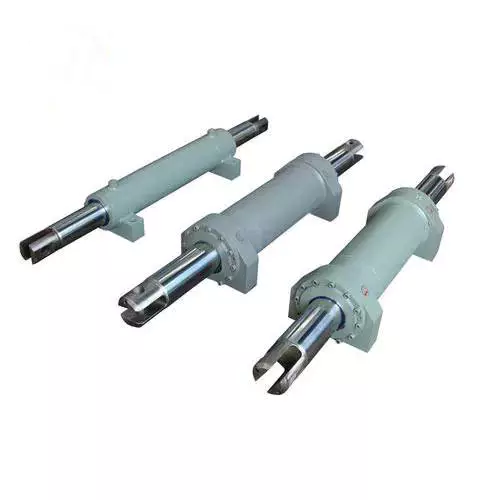
Ensuring Stable Performance of Hydraulic Cylinders Under Fluctuating Loads
Hydraulic cylinders are designed to provide stable performance even under fluctuating loads. They achieve this through various mechanisms and features that allow for efficient load control and compensation. Let’s explore how hydraulic cylinders ensure stable performance under fluctuating loads:
- Piston Design: The piston inside the hydraulic cylinder plays a crucial role in load control. It is typically equipped with seals and rings that prevent leakage of hydraulic fluid and ensure effective transfer of force. The piston design may incorporate features such as stepped or tandem pistons, which provide enhanced load-bearing capabilities and improved stability by distributing the load across multiple surfaces.
- Cylinder Cushioning: Hydraulic cylinders often incorporate cushioning mechanisms to minimize the impact and shock caused by fluctuating loads. Cushioning can be achieved through various methods, such as adjustable cushion screws, hydraulic cushioning valves, or elastomeric cushioning rings. These mechanisms slow down the piston’s movement near the end of the stroke, reducing the impact and preventing sudden stops that could lead to instability.
- Pressure Compensation: Fluctuating loads can result in pressure variations within the hydraulic system. To ensure stable performance, hydraulic cylinders are equipped with pressure compensation mechanisms. These mechanisms maintain a consistent pressure level in the system, regardless of load changes. Pressure compensation can be achieved through the use of pressure relief valves, compensating pistons, or pressure-compensated flow control valves.
- Flow Control: Hydraulic cylinders often incorporate flow control valves to regulate the speed of the cylinder’s movement. By controlling the flow rate of hydraulic fluid, the cylinder’s motion can be adjusted to match the changing load conditions. Flow control valves allow for smooth and controlled movement, preventing abrupt changes that could lead to instability.
- Feedback Systems: To ensure stable performance under fluctuating loads, hydraulic cylinders can be integrated with feedback systems. These systems provide real-time information on the cylinder’s position, velocity, and force. By continuously monitoring these parameters, the hydraulic system can make immediate adjustments to maintain stability and compensate for load fluctuations. Feedback systems can include position sensors, pressure sensors, or load sensors, depending on the specific application.
- Proper Sizing and Selection: Ensuring stable performance under fluctuating loads starts with proper sizing and selection of hydraulic cylinders. It is crucial to choose cylinders with appropriate bore size, rod diameter, and stroke length to match the anticipated load conditions. Oversized or undersized cylinders can lead to instability and reduced performance. Proper sizing also involves considering factors such as the required force, speed, and duty cycle of the application.
In summary, hydraulic cylinders ensure stable performance under fluctuating loads through features such as piston design, cushioning mechanisms, pressure compensation, flow control, feedback systems, and proper sizing and selection. These mechanisms and considerations allow hydraulic cylinders to provide consistent and controlled movement, even in dynamic load conditions, resulting in reliable and stable performance.
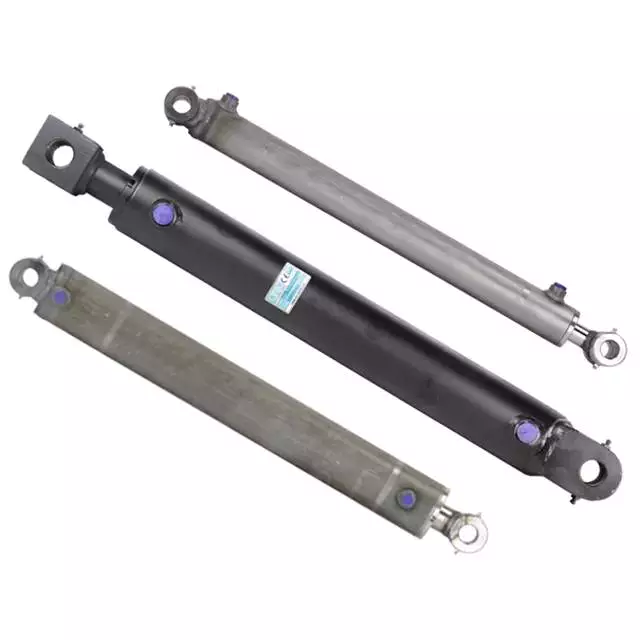
Ce factori ar trebui luați în considerare la alegerea cilindrului hidraulic potrivit pentru o aplicație?
Atunci când se selectează cilindrul hidraulic potrivit pentru o aplicație, trebuie luați în considerare câțiva factori importanți. Acești factori ajută la asigurarea faptului că cilindrul hidraulic ales este potrivit pentru cerințele specifice ale aplicației și va funcționa fiabil. Iată factorii cheie de luat în considerare:
1. Cerințe privind sarcina:
– Unul dintre factorii cruciali de luat în considerare este sarcina necesară pentru aplicație. Determinați sarcina maximă pe care cilindrul hidraulic trebuie să o suporte. Luați în considerare atât sarcina statică (când cilindrul este staționar), cât și sarcina dinamică (când cilindrul este în mișcare). Sarcina necesară va avea impact asupra dimensiunii alezajului cilindrului, diametrului tijei și rezistenței generale. Alegeți un cilindru hidraulic cu o capacitate de încărcare care depășește sarcina maximă a aplicației pentru a asigura siguranța și longevitatea.
2. Lungimea cursei:
– Lungimea cursei se referă la distanța pe care cilindrul hidraulic trebuie să o extindă și să o retragă pentru a efectua mișcarea dorită. Măsurați lungimea cursei necesare în funcție de cerințele operaționale ale aplicației. Este esențial să alegeți un cilindru hidraulic cu o lungime a cursei care să corespundă sau să depășească distanța necesară. Luați în considerare orice variații sau ajustări potențiale ale lungimii cursei care ar putea fi necesare în viitor.
3. Presiune de funcționare:
– Luați în considerare presiunea de funcționare necesară pentru aplicație. Cilindrul hidraulic trebuie să fie capabil să reziste presiunii maxime din sistemul hidraulic. Asigurați-vă că cilindrul selectat are o presiune nominală care depășește presiunea maximă de funcționare a aplicației. Acest lucru asigură siguranța și previne defecțiunile premature.
4. Cerințe de viteză:
– Determinați viteza necesară de mișcare a cilindrului hidraulic pentru aplicație. Luați în considerare atât viteza de extensie, cât și cea de retragere. Selectați un cilindru care poate atinge viteza dorită, menținând în același timp un control precis și stabilitate. Este important să alegeți un cilindru care poate gestiona viteza necesară fără a compromite performanța sau siguranța.
5. Montare:
– Evaluați spațiul disponibil și cerințele de montare pentru cilindrul hidraulic. Luați în considerare tipul de montare (cum ar fi flanșă, picior, pivot sau articulație), punctele de montare disponibile și orice constrângeri specifice de montare. Asigurați-vă că cilindrul selectat poate fi montat ușor și sigur în locația dorită.
6. Factori de mediu:
– Evaluați condițiile de mediu în care va funcționa cilindrul hidraulic. Luați în considerare factori precum temperaturile extreme, umiditatea, expunerea la substanțe chimice, praf sau substanțe corozive. Alegeți un cilindru proiectat să reziste condițiilor de mediu specifice aplicației. Aceasta poate implica selectarea materialelor, acoperirilor sau etanșărilor adecvate pentru a asigura longevitatea și performanța cilindrului.
7. Configurația cilindrului:
– Determinați configurația adecvată a cilindrului în funcție de cerințele aplicației. Luați în considerare factori precum cilindrii cu acțiune simplă sau dublă, cilindrii telescopici pentru spațiu limitat sau configurații personalizate pentru aplicații unice. Evaluați nevoile specifice ale aplicației pentru a selecta cea mai potrivită configurație a cilindrului.
8. Întreținere și service:
– Luați în considerare cerințele de întreținere și service ale cilindrului hidraulic. Evaluați factori precum ușurința accesului pentru întreținere, disponibilitatea pieselor de schimb și reputația producătorului sau furnizorului în ceea ce privește asistența pentru clienți și serviciile post-vânzare. Alegerea unei mărci fiabile și cu reputație bună poate asigura asistență continuă și disponibilitatea pieselor de schimb atunci când este nevoie.
9. Conformitate și standarde:
– În funcție de industrie și aplicație, poate fi necesară respectarea anumitor standarde de conformitate. Luați în considerare orice reglementări specifice industriei, standarde de siguranță sau certificări pe care cilindrul hidraulic trebuie să le respecte. Asigurați-vă că cilindrul selectat îndeplinește standardele și certificările necesare pentru aplicație.
10. Cost și buget:
– În cele din urmă, luați în considerare costul și bugetul pentru cilindrul hidraulic. Deși este important să selectați un cilindru care să îndeplinească cerințele aplicației, este necesar să luați în considerare și raportul cost-eficiență general. Evaluați costul inițial de achiziție, costurile de întreținere pe termen lung și durata de viață așteptată a cilindrului. Echilibrarea costului și a calității va ajuta la selectarea unui cilindru hidraulic care oferă cea mai bună valoare pentru aplicație.
Prin luarea în considerare a acestor factori în procesul de selecție, devine posibilă alegerea cilindrului hidraulic potrivit care să îndeplinească cerințele specifice aplicației în ceea ce privește capacitatea de încărcare, lungimea cursei, presiunea de funcționare, viteza, montarea, condițiile de mediu, nevoile de întreținere, conformitatea și rentabilitatea. Selecția corectă asigură performanța optimă, fiabilitatea și longevitatea cilindrului hidraulic în aplicația dorită.
<img src="https://img.jiansujichilun.com/img/hydrauliccylinders/hydrauliccylinders-l1.webp" alt="China Hot selling Double-Acting Backhoe Excavator Hydraulic RAM Piston Cylinder Factory Price vacuum pump electric”><img src="https://img.jiansujichilun.com/img/hydrauliccylinders/hydrauliccylinders-l2.webp" alt="China Hot selling Double-Acting Backhoe Excavator Hydraulic RAM Piston Cylinder Factory Price vacuum pump electric”>
editor by Dream 2024-10-08
 Romanian
  English
  Italian
  Portuguese
  Dutch
Dutch  Swedish
  Danish
  Finnish
  Polish
  Hindi
Hindi  Kazakh
  Turkish
  Ukrainian
  Spanish
  German
  Russian
  Korean
  Japanese
  Vietnamese
  Thai
Thai  Indonesian
  Malay
Malay  French
  Greek
Greek