
Descrizione del prodotto
Good quality full set hydraulic cylinder sepecially for backhoe excavator
| Loader Bucket Tilt Also called bucket dump or curl cylinders, the loader bucket tilt changes the angle of the bucket, or tilts it, up and down. | Loader Bucket Lift The loader lift cylinders moves the bucket up and down and is usually fixed on 1 side to the lift arm and the other to the tractor. |
| Backhoe Stabilizer/Outrigger These cylinders fold the Stabilizers, or Outriggers, out to land on the ground and provide support for the tractor while the backhoe is being operated. | Backhoe Stabilizer/Outrigger These cylinders fold the Stabilizers, or Outriggers, out to land on the ground and provide support for the tractor while the backhoe is being operated. |
| Backhoe Swing The Swing cylinders are found at the base of the backhoe’s boom and allow the operator to swing the entire backhoe boom either left or right. | Backhoe Boom Backhoes have either 1 or 2 of the boom cylinders and their main function is to angle the boom section of the backhoe in or out. On some older backhoes the boom cylinder is inside the boom itself. |
| Backhoe Dipper The Dipper cylinder (also called the Arm, Crowd, or Stick) is attached on 1 end to the boom and the other to the dipper (Arm, Crowd, or Stick) and articulates the dipper in and out. | Backhoe Bucket The Bucket cylinder is attached on 1 side to the dipper and the other to the bucket linkage or coupler. Its main function is to curl the backhoe bucket in and out. |
Profilo Aziendale
+30 years experience in hydraulic parts production, CHINAMFG brand hydraulic cylinder are known for their durability, reliability in all conditions and value for money. OEM is available
Certified, excellent quality management system and testing method make the product strong enough to resist all kindf of climate and environment and work stable. For now, we have the certification like CE,SGS,GB,ISO9001,AAAcertified.
Customized hydraulic solution, we can manufacture according to the technical drawing from the client or we can offer our professional suggestion or guidance for our client according to our experience. The package can be done as the request of the clients. For now, we have export more than 20 countries like GUINEEE,USA,Australia etc wining the trust of the customer.
Packaging & Shipping
FAQ
Q1: How about the quality?
Our cylinders can work well even in extreme condition and temperature
Q2: What’s your cylinder’s advantages ?
The cylinders are manufactured by advanced equipments and made under strictly quality control processing.
The steel is tempered and all raw materials are good quality from world famous companies.
Competitive price!
Q3: When your company be established ?
Our company be established in 2002, professional manufacturer of hydraulic cylinders more than 20 years.
We had passed IATF 16949:2016 Quality control system, ISO9001, CE.
Q4: How about the delivery time ?
depends the quantity, normally 1 month is no problem.
Q5: How about the cylinder’s quality gurantee ?
One year.
/* May 10, 2571 16:49:51 */!function(){function d(e,r){var a,o={};try{e&&e.split(“,”).forEach(function(e,t){e&&(a=e.match(/(.*?):(.*)$/))&&1
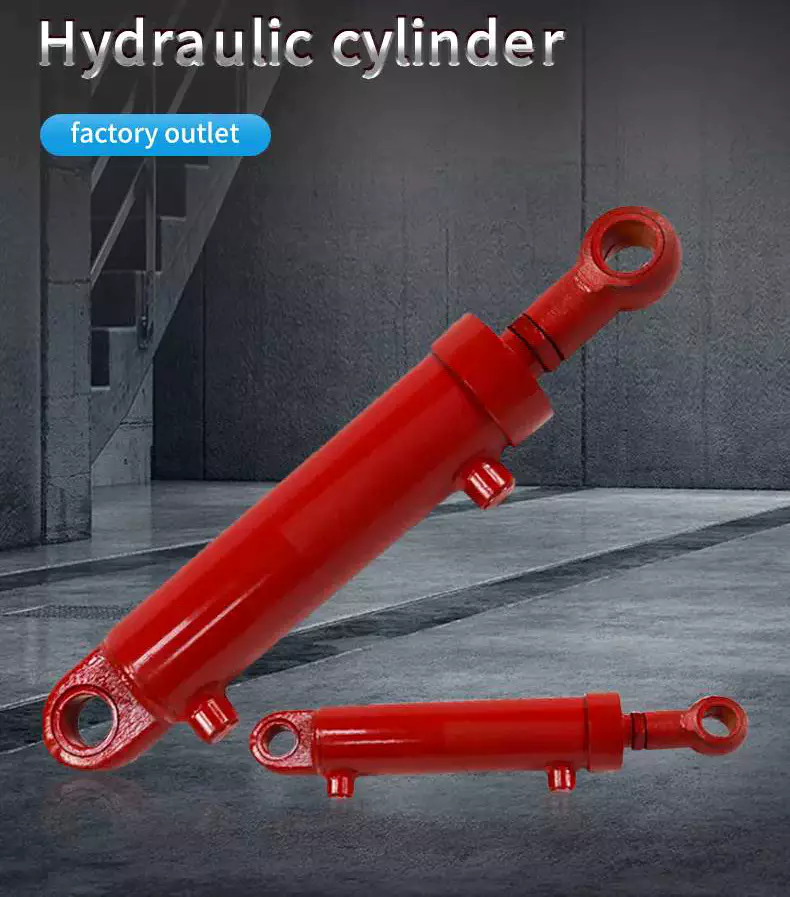
In che modo i cilindri idraulici garantiscono un movimento fluido e costante nei macchinari pesanti?
I cilindri idraulici svolgono un ruolo fondamentale nel garantire un movimento fluido e costante nei macchinari pesanti. La loro progettazione e il loro funzionamento consentono un controllo preciso del movimento di carichi pesanti, con conseguenti prestazioni efficienti e affidabili. Ecco una spiegazione dettagliata di come i cilindri idraulici contribuiscono al movimento fluido e costante nei macchinari pesanti:
1. Fluido idraulico e pressione:
I cilindri idraulici funzionano utilizzando un fluido idraulico, in genere olio, per trasmettere forza e movimento. Il fluido viene pressurizzato da una pompa idraulica, creando una forza che agisce sul pistone all'interno del cilindro. La pressione del fluido idraulico può essere controllata con precisione, consentendo un movimento fluido e graduale dei macchinari pesanti. L'incomprimibilità del fluido garantisce che la forza sia distribuita uniformemente, con conseguente movimento costante e prevedibile.
2. Progettazione del pistone e del cilindro:
I cilindri idraulici sono progettati con precisione per garantire un movimento fluido. Il pistone e l'alesaggio del cilindro sono lavorati con tolleranze ristrette, riducendo l'attrito e minimizzando le perdite interne. Questo accoppiamento preciso tra pistone e pareti del cilindro contribuisce a mantenere un movimento costante, senza scatti o brusche variazioni di velocità. Inoltre, l'utilizzo di guarnizioni e lubrificanti di alta qualità migliora ulteriormente la fluidità di funzionamento del cilindro.
3. Valvole di controllo e regolazione del flusso:
I sistemi idraulici incorporano valvole di controllo che regolano il flusso del fluido idraulico in entrata e in uscita dal cilindro. Queste valvole consentono un controllo preciso della velocità e della direzione del movimento del cilindro. Regolando la portata, gli operatori possono ottenere un movimento fluido e controllato dei macchinari pesanti, evitando partenze o arresti improvvisi. Le valvole di controllo del flusso consentono anche la regolazione della velocità, garantendo un movimento costante anche in presenza di carichi o condizioni operative variabili.
4. Ammortizzazione e smorzamento:
I cilindri idraulici possono essere dotati di meccanismi di ammortizzazione per assorbire gli urti e ridurre al minimo gli impatti durante il movimento di macchinari pesanti. L'ammortizzazione si ottiene mediante l'inserimento nel cilindro di valvole speciali o orifizi regolabili, che limitano il flusso del fluido idraulico verso la fine della corsa. Questa decelerazione graduale contribuisce a prevenire scosse o vibrazioni improvvise, mantenendo un movimento fluido e costante e riducendo le sollecitazioni sui macchinari e sui loro componenti.
5. Bilanciamento del carico:
I cilindri idraulici possono essere progettati e disposti in un sistema per bilanciare il carico e distribuire le forze in modo uniforme. Utilizzando più cilindri in configurazioni in parallelo o in serie, i macchinari pesanti possono ottenere un movimento bilanciato, prevenendo sollecitazioni irregolari e garantendo un funzionamento regolare. Il bilanciamento del carico contribuisce inoltre a minimizzare il rischio di guasti ai componenti e migliora la stabilità complessiva e la durata del macchinario.
6. Sistemi di feedback e controllo:
I sistemi idraulici avanzati integrano sensori di feedback e sistemi di controllo per monitorare e regolare il movimento dei macchinari pesanti. Questi sensori forniscono informazioni in tempo reale sulla posizione, la velocità e la forza esercitata dai cilindri idraulici. Il sistema di controllo elabora questi dati e regola di conseguenza il flusso del fluido idraulico per mantenere un movimento fluido e costante. Monitorando e regolando continuamente il funzionamento dei cilindri, i sistemi di feedback e di controllo contribuiscono a un controllo del movimento preciso e affidabile.
7. Manutenzione e assistenza:
– La manutenzione e l'assistenza regolari dei cilindri idraulici sono essenziali per garantire un movimento fluido e costante nei macchinari pesanti. Una lubrificazione adeguata, l'ispezione delle guarnizioni e la sostituzione dei componenti usurati contribuiscono a mantenere prestazioni ottimali. Anche le pratiche di manutenzione preventiva, come la sostituzione dei filtri e l'analisi dei fluidi, contribuiscono alla longevità e all'affidabilità dei sistemi idraulici, garantendo un movimento costante nel tempo.
In sintesi, i cilindri idraulici garantiscono un movimento fluido e costante nei macchinari pesanti grazie all'utilizzo di fluido idraulico e pressione, alla progettazione precisa di pistoni e cilindri, a valvole di controllo e regolazione del flusso, a meccanismi di ammortizzazione e smorzamento, al bilanciamento del carico, ai sistemi di feedback e controllo, nonché a una manutenzione e assistenza regolari. Sfruttando queste caratteristiche, i cilindri idraulici forniscono la forza e il controllo necessari per movimentare carichi pesanti, mantenendo al contempo un movimento preciso e affidabile, migliorando le prestazioni complessive e la produttività dei macchinari pesanti in diverse applicazioni industriali.
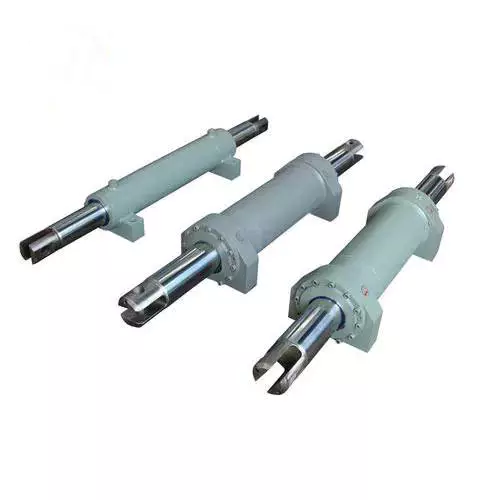
Ensuring Stable Performance of Hydraulic Cylinders Under Fluctuating Loads
Hydraulic cylinders are designed to provide stable performance even under fluctuating loads. They achieve this through various mechanisms and features that allow for efficient load control and compensation. Let’s explore how hydraulic cylinders ensure stable performance under fluctuating loads:
- Piston Design: The piston inside the hydraulic cylinder plays a crucial role in load control. It is typically equipped with seals and rings that prevent leakage of hydraulic fluid and ensure effective transfer of force. The piston design may incorporate features such as stepped or tandem pistons, which provide enhanced load-bearing capabilities and improved stability by distributing the load across multiple surfaces.
- Cylinder Cushioning: Hydraulic cylinders often incorporate cushioning mechanisms to minimize the impact and shock caused by fluctuating loads. Cushioning can be achieved through various methods, such as adjustable cushion screws, hydraulic cushioning valves, or elastomeric cushioning rings. These mechanisms slow down the piston’s movement near the end of the stroke, reducing the impact and preventing sudden stops that could lead to instability.
- Pressure Compensation: Fluctuating loads can result in pressure variations within the hydraulic system. To ensure stable performance, hydraulic cylinders are equipped with pressure compensation mechanisms. These mechanisms maintain a consistent pressure level in the system, regardless of load changes. Pressure compensation can be achieved through the use of pressure relief valves, compensating pistons, or pressure-compensated flow control valves.
- Flow Control: Hydraulic cylinders often incorporate flow control valves to regulate the speed of the cylinder’s movement. By controlling the flow rate of hydraulic fluid, the cylinder’s motion can be adjusted to match the changing load conditions. Flow control valves allow for smooth and controlled movement, preventing abrupt changes that could lead to instability.
- Feedback Systems: To ensure stable performance under fluctuating loads, hydraulic cylinders can be integrated with feedback systems. These systems provide real-time information on the cylinder’s position, velocity, and force. By continuously monitoring these parameters, the hydraulic system can make immediate adjustments to maintain stability and compensate for load fluctuations. Feedback systems can include position sensors, pressure sensors, or load sensors, depending on the specific application.
- Proper Sizing and Selection: Ensuring stable performance under fluctuating loads starts with proper sizing and selection of hydraulic cylinders. It is crucial to choose cylinders with appropriate bore size, rod diameter, and stroke length to match the anticipated load conditions. Oversized or undersized cylinders can lead to instability and reduced performance. Proper sizing also involves considering factors such as the required force, speed, and duty cycle of the application.
In summary, hydraulic cylinders ensure stable performance under fluctuating loads through features such as piston design, cushioning mechanisms, pressure compensation, flow control, feedback systems, and proper sizing and selection. These mechanisms and considerations allow hydraulic cylinders to provide consistent and controlled movement, even in dynamic load conditions, resulting in reliable and stable performance.
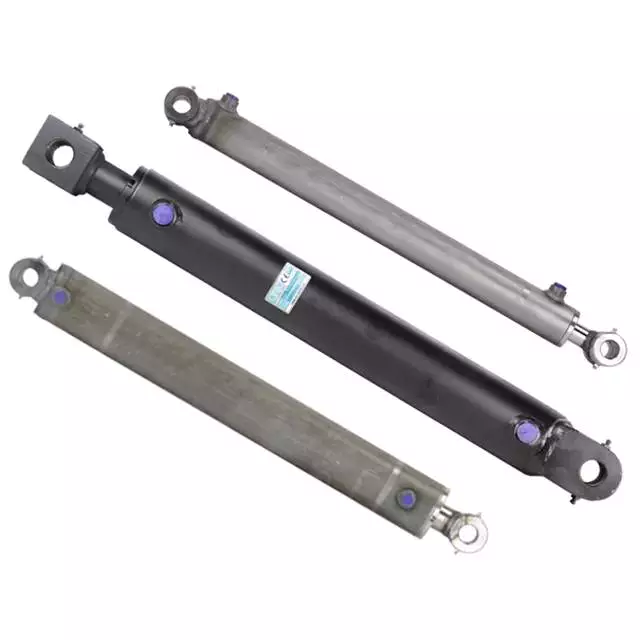
What factors should be considered when selecting the right hydraulic cylinder for an application?
When selecting the right hydraulic cylinder for an application, several important factors need to be considered. These factors help ensure that the chosen hydraulic cylinder is suitable for the specific requirements of the application and will perform reliably. Here are the key factors to consider:
1. Load Requirements:
– One of the crucial factors to consider is the load requirement of the application. Determine the maximum load that the hydraulic cylinder needs to handle. Consider both the static load (when the cylinder is stationary) and the dynamic load (when the cylinder is in motion). The load requirement will impact the cylinder’s bore size, rod diameter, and overall strength. Choose a hydraulic cylinder with a load capacity that exceeds the application’s maximum load to ensure safety and longevity.
2. Stroke Length:
– The stroke length refers to the distance the hydraulic cylinder needs to extend and retract to perform the desired motion. Measure the required stroke length based on the application’s operational requirements. It is essential to choose a hydraulic cylinder with a stroke length that matches or exceeds the required distance. Consider any potential variations or adjustments in the stroke length that may be needed in the future.
3. Operating Pressure:
– Consider the operating pressure required for the application. The hydraulic cylinder must be capable of withstanding the maximum pressure within the hydraulic system. Ensure that the selected cylinder has a pressure rating that exceeds the application’s maximum operating pressure. This ensures safety and prevents premature failure.
4. Speed Requirements:
– Determine the required speed of the hydraulic cylinder’s movement for the application. Consider both the extension and retraction speeds. Select a cylinder that can achieve the desired speed while maintaining precise control and stability. It is important to choose a cylinder that can handle the required speed without compromising performance or safety.
5. Mounting:
– Evaluate the available space and mounting requirements for the hydraulic cylinder. Consider the mounting type (such as flange, foot, trunnion, or clevis), the available mounting points, and any specific mounting constraints. Ensure that the selected cylinder can be easily and securely mounted in the desired location.
6. Environmental Factors:
– Assess the environmental conditions in which the hydraulic cylinder will operate. Consider factors such as temperature extremes, humidity, exposure to chemicals, dust, or corrosive substances. Choose a cylinder that is designed to withstand the specific environmental conditions of the application. This may involve selecting appropriate materials, coatings, or seals to ensure the longevity and performance of the cylinder.
7. Cylinder Configuration:
– Determine the appropriate cylinder configuration based on the application’s requirements. Consider factors such as single-acting or double-acting cylinders, telescopic cylinders for limited space, or custom configurations for unique applications. Evaluate the specific needs of the application to select the most suitable cylinder configuration.
8. Maintenance and Serviceability:
– Consider the maintenance and service requirements of the hydraulic cylinder. Evaluate factors such as ease of access for maintenance, availability of spare parts, and the reputation of the manufacturer or supplier in terms of customer support and after-sales service. Choosing a reliable and reputable brand can ensure ongoing support and availability of spare parts when needed.
9. Compliance and Standards:
– Depending on the industry and application, certain compliance standards may need to be met. Consider any industry-specific regulations, safety standards, or certifications that the hydraulic cylinder should comply with. Ensure that the selected cylinder meets the required standards and certifications for the application.
10. Cost and Budget:
– Finally, consider the cost and budget for the hydraulic cylinder. While it is important to select a cylinder that meets the application’s requirements, it is also necessary to consider the overall cost-effectiveness. Evaluate the initial purchase cost, long-term maintenance costs, and the expected lifespan of the cylinder. Balancing the cost and quality will help in selecting a hydraulic cylinder that provides the best value for the application.
By considering these factors in the selection process, it becomes possible to choose the right hydraulic cylinder that meets the specific requirements of the application in terms of load capacity, stroke length, operating pressure, speed, mounting, environmental conditions, maintenance needs, compliance, and cost-effectiveness. Proper selection ensures optimal performance, reliability, and longevity of the hydraulic cylinder in the intended application.
<img src="https://img.jiansujichilun.com/img/hydrauliccylinders/hydrauliccylinders-l1.webp" alt="China Hot selling Double-Acting Backhoe Excavator Hydraulic RAM Piston Cylinder Factory Price vacuum pump electric”><img src="https://img.jiansujichilun.com/img/hydrauliccylinders/hydrauliccylinders-l2.webp" alt="China Hot selling Double-Acting Backhoe Excavator Hydraulic RAM Piston Cylinder Factory Price vacuum pump electric”>
editor by Dream 2024-10-08
 Italian
  English
  Portuguese
  Dutch
Dutch  Swedish
  Danish
  Finnish
  Polish
  Hindi
Hindi  Kazakh
  Turkish
  Ukrainian
  Romanian
  Spanish
  German
  Russian
  Korean
  Japanese
  Vietnamese
  Thai
Thai  Indonesian
  Malay
Malay  French
  Greek
Greek