
Descriere produs
The ripper loosens and aerates soil while leaving organic matter at the top of the soil. Reduces the effects of compaction. Ripper cuts weed roots below the surface. Optional wide range of roller/ crumbler available, which helps in breaking bigger lumps to smaller clouds. At the heart of the ripper lies the hydraulic cylinder. This cylinder is connected to the ripper’s hydraulic system and converts the its mechanical energy into hydraulic power.
About Us
Established in 1988, HangZhou LD Machinery Co., LTD. is a leading manufacturer specializing in the design, research, development, manufacture and marketing in the hydraulic industry. Being 1 of major suppliers of customized components and cylinders for manufacturers spreaded all over the world, the company is committed to offer high quality products with competitive prices and excellent service world wide.
Our factory covers over 500,000 square meters, processing the best technical strength. LD has a senior engineering technical team with over 10 experienced technical engineers and 250 skilled workers, accquiring more than 36 years experience in machinin industry.
Photos with Clients
FAQ
Q1. What is LD product’s quality assurance?
100% inspection for each product before shipping with inspection rereport for tracking.
Q2: How long is the warranty on LD products?
The warranty is 2 years for general products since the date of shipment.
Q3: How LD deal with the quality problem during warranty period?
1. LD will take the corresponding cost caused by customer local reparing.
2. LD will provide the product by free if the repair cost is higher than the product value, but the freight involved shall be borne by customer side.
Q4: How to ensure the order can be shipped on time?
LD will send the “production schedule” every week after receiving customers’ orders. If any delays, LD will inform customers 3 weeks in advance, so as to facilitate the customer to arrange the schedule.
Q5: Does LD offer delivery service?
Yes. LD has deep cooperation with logistics companies all over the world to provide customers with quick and convenient “Door-to-Door services”, including sea, air and express.
Q6: How LD produce a high-quality hydraulic cylinder?
Our products are subsequently delivered to customers folowing 7 stringently controlled processes, additionally, we maintain strict oversight over raw materials, processing, welding and assembly pressure test.
/* May 10, 2571 16:49:51 */!function(){function d(e,r){var a,o={};try{e&&e.split(“,”).forEach(function(e,t){e&&(a=e.match(/(.*?):(.*)$/))&&1
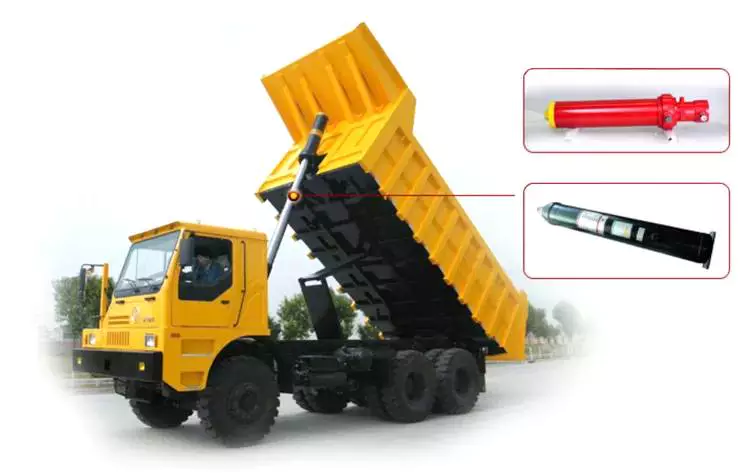
Can hydraulic cylinders be adapted for specialized applications like material handling?
Yes, hydraulic cylinders can be effectively adapted for specialized applications such as material handling. The versatility, power, and precise control offered by hydraulic cylinders make them well-suited for a wide range of material handling tasks. Hydraulic systems, including cylinders, are commonly used in industrial settings to lift, position, push, pull, and manipulate various types of materials. Here’s a detailed explanation of how hydraulic cylinders can be adapted for specialized material handling applications:
1. Lifting and Lowering:
– Hydraulic cylinders are commonly used for lifting and lowering heavy loads in material handling applications. By utilizing the force generated by hydraulic pressure, cylinders can provide the necessary power to lift and hold loads at different elevations. The precise control offered by hydraulic systems allows for accurate positioning of materials, ensuring efficient and safe lifting operations.
2. Pushing and Pulling:
– Hydraulic cylinders are capable of generating substantial pushing and pulling forces, making them ideal for applications that involve moving or manipulating materials. They can be used to push or pull heavy objects, control the movement of conveyors or rollers, or engage mechanisms for material transfer. The ability to exert high forces with precise control enables hydraulic cylinders to efficiently handle a variety of material handling tasks.
3. Tilting and Rotating:
– Hydraulic cylinders can be adapted to provide tilting and rotating functions in material handling equipment. By integrating cylinders into the design, equipment such as forklifts, cranes, or material handling arms can tilt or rotate to facilitate material placement or maneuvering. Hydraulic cylinders offer the required force and control to achieve smooth and controlled tilting or rotating motions, enhancing operational efficiency in material handling processes.
4. Gripping and Clamping:
– Hydraulic cylinders can be utilized to provide gripping and clamping functions for secure material handling. By incorporating specialized gripping or clamping mechanisms with hydraulic actuation, materials of various shapes and sizes can be securely held or clamped during transportation or processing. Hydraulic cylinders enable precise and adjustable gripping or clamping forces, ensuring the safe and reliable handling of materials.
5. Material Compaction and Forming:
– Hydraulic cylinders can be adapted for material compaction and forming applications. For example, in the production of bricks, hydraulic cylinders are used to apply high pressure and force to compact the raw materials into desired shapes. Similarly, in metal forming processes, hydraulic cylinders are employed to exert force on metal sheets or components, enabling precise shaping and forming operations.
6. Conveyor and Sorting Systems:
– Hydraulic cylinders can be integrated into conveyor and sorting systems to facilitate material movement and sorting. By incorporating hydraulic actuators, conveyor belts or sorting mechanisms can be efficiently controlled for optimal material flow and distribution. Hydraulic cylinders provide the necessary force and control to handle varying load capacities and adjust the speed and position of material transfer, improving the overall efficiency of handling and sorting operations.
7. Customized Designs:
– Hydraulic cylinders can be customized and adapted to meet specific requirements of specialized material handling applications. Engineers can design cylinders with unique dimensions, stroke lengths, mounting options, and sealing arrangements to fit into equipment or systems with specific space limitations or operating conditions. Customized hydraulic cylinders ensure optimal performance and compatibility for specialized material handling tasks.
In summary, hydraulic cylinders can be effectively adapted for specialized material handling applications, offering the necessary force, control, and versatility required in various material handling tasks. Whether it involves lifting and lowering, pushing and pulling, tilting and rotating, gripping and clamping, material compaction and forming, or integration into conveyor and sorting systems, hydraulic cylinders provide reliable and efficient solutions. Their adaptability, precise control, and ability to handle heavy loads make hydraulic cylinders a valuable component in optimizing material handling processes across different industries.
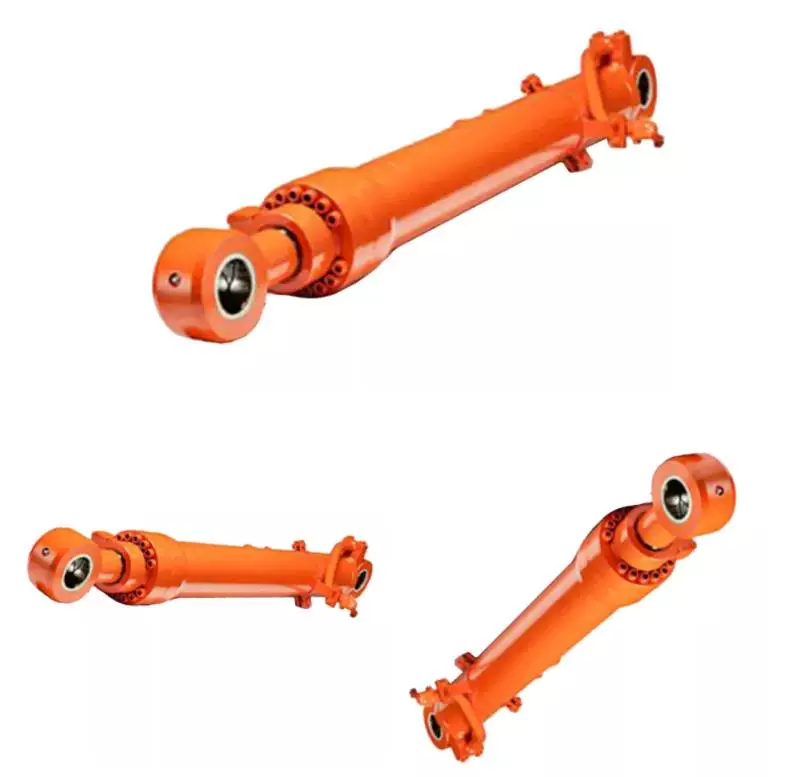
Handling the Challenges of Minimizing Fluid Leaks and Contamination in Hydraulic Cylinders
Hydraulic cylinders face challenges when it comes to minimizing fluid leaks and contamination, as these issues can impact the performance, reliability, and lifespan of the system. However, there are several measures and design considerations that help address these challenges effectively. Let’s explore how hydraulic cylinders handle the challenges of minimizing fluid leaks and contamination:
- Sealing Systems: Hydraulic cylinders employ advanced sealing systems to prevent fluid leaks. These systems typically include various types of seals, such as piston seals, rod seals, and wiper seals. The seals are designed to create a tight and reliable barrier between the moving components of the cylinder and the external environment, minimizing the risk of fluid leakage.
- Seal Material Selection: The choice of seal materials is crucial in minimizing fluid leaks and contamination. Hydraulic cylinder manufacturers carefully select seal materials that are compatible with the hydraulic fluid used and resistant to wear, abrasion, and chemical degradation. This ensures the longevity and effectiveness of the seals, reducing the likelihood of leaks or premature seal failure.
- Proper Installation and Maintenance: Ensuring proper installation and regular maintenance of hydraulic cylinders is essential for minimizing fluid leaks and contamination. During installation, attention should be given to proper alignment, torqueing of bolts, and adherence to recommended procedures. Regular maintenance includes inspecting seals, replacing worn-out components, and addressing any signs of leakage promptly. Proper maintenance practices help identify and rectify issues before they escalate and cause significant problems.
- Contamination Control: Hydraulic cylinders incorporate measures to control contamination and maintain fluid cleanliness. This includes the use of filtration systems, such as in-line filters, to remove particles and contaminants from the hydraulic fluid. Additionally, hydraulic reservoirs often have breathers and desiccant filters to prevent moisture and airborne contaminants from entering the system. By controlling contamination, hydraulic cylinders minimize the risk of damage to internal components and maintain optimal system performance.
- Environmental Protection: Hydraulic cylinders may be equipped with protective features to safeguard against external contaminants. For example, bellows or protective boots can be installed to shield the rod and seals from debris, dirt, or moisture present in the operating environment. These protective measures help extend the life of the seals and enhance the overall reliability of the hydraulic cylinder.
In summary, hydraulic cylinders employ sealing systems, appropriate seal materials, proper installation and maintenance practices, contamination control measures, and environmental protection features to handle the challenges of minimizing fluid leaks and contamination. By implementing these measures, manufacturers can ensure reliable and long-lasting hydraulic cylinder performance, minimize the risk of fluid leakage, and maintain the cleanliness of the hydraulic system.
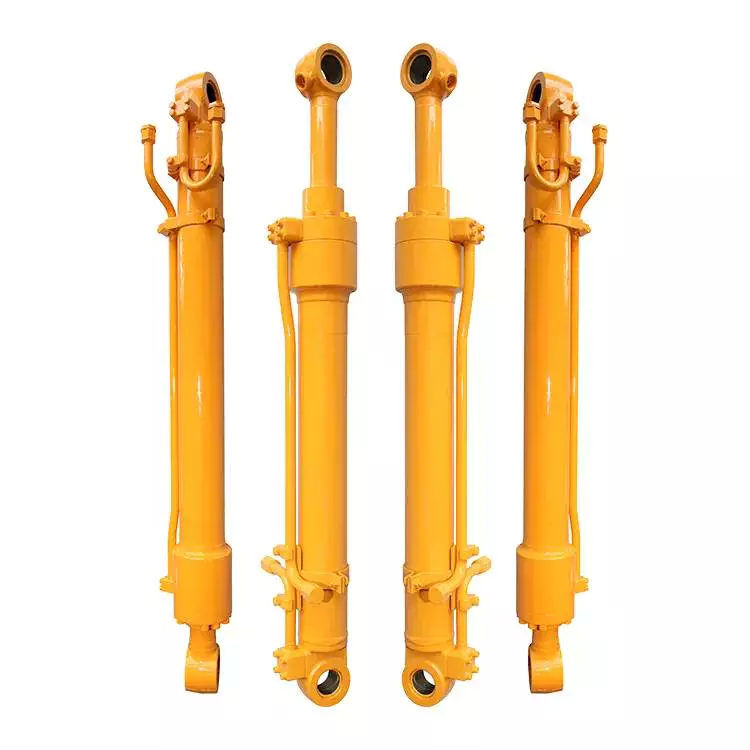
Ce practici de întreținere sunt esențiale pentru prelungirea duratei de viață a cilindrilor hidraulici?
Întreținerea cilindrilor hidraulici este crucială pentru prelungirea duratei lor de viață și asigurarea performanțelor optime. Întreținerea regulată ajută la prevenirea uzurii premature, a deteriorării și a defecțiunilor, reducând în cele din urmă timpul de nefuncționare și economisind costuri. Iată câteva practici esențiale de întreținere de luat în considerare pentru prelungirea duratei de viață a cilindrilor hidraulici:
1. Inspecții regulate:
– Efectuați inspecții vizuale de rutină ale cilindrilor hidraulici pentru a identifica orice semne de deteriorare, scurgeri sau uzură. Inspectați corpul cilindrului, tija pistonului, garniturile și punctele de montare. Căutați scurgeri de lichid, rugină, adâncituri sau orice modele anormale de uzură. Depistarea timpurie a problemelor permite reparații sau înlocuiri la timp, prevenind deteriorarea ulterioară și prelungind durata de viață a cilindrului.
2. Curățenie:
– Mențineți un mediu curat în jurul cilindrilor hidraulici pentru a preveni pătrunderea contaminanților în sistem. Praful, murdăria și resturile pot deteriora garniturile și alte componente interne, ducând la uzură accelerată și performanță redusă. Curățați periodic cilindrul și împrejurimile sale pentru a minimiza riscul de contaminare.
3. Lubrifiere adecvată:
– Lubrifierea adecvată este esențială pentru funcționarea fără probleme și longevitatea cilindrilor hidraulici. Urmați recomandările producătorului privind intervalele de lubrifiere și utilizați lubrifiantul corespunzător. Aplicați lubrifiere pe piesele mobile ale cilindrului, cum ar fi tija pistonului, pentru a reduce frecarea și a minimiza uzura.
4. Întreținerea etanșării:
– Garniturile joacă un rol vital în prevenirea scurgerilor de fluid hidraulic și în menținerea performanței cilindrului. Inspectați și înlocuiți prompt garniturile uzate sau deteriorate. Asigurați-vă că garniturile sunt instalate și lubrifiate corespunzător. Curățați periodic canelurile garniturilor pentru a îndepărta orice reziduuri care ar putea compromite eficacitatea garniturii.
5. Verificări ale presiunii:
– Verificați periodic presiunea sistemului hidraulic pentru a vă asigura că se încadrează în intervalul de funcționare recomandat. Presiunea excesivă poate solicita cilindrul și componentele acestuia, ducând la uzură prematură. Monitorizați nivelurile de presiune și efectuați ajustările necesare pentru a preveni supraîncărcarea cilindrului.
6. Întreținerea supapei de control:
– Întrețineți și inspectați supapele de control care reglează debitul și direcția fluidului hidraulic. Asigurați-vă că supapele funcționează corect și nu provoacă solicitări excesive sau vârfuri de presiune în cilindru. Curățați sau înlocuiți supapele de control dacă sunt deteriorate sau funcționează defectuos.
7. Alinierea cilindrilor:
– Alinierea corectă a cilindrilor hidraulici este esențială pentru longevitatea lor. Nealinierea poate cauza sarcini laterale excesive, ceea ce duce la uzură neuniformă și potențiale deteriorări. Asigurați-vă că cilindrul este aliniat corect cu alte componente și că punctele de montare sunt fixate.
8. Prevenirea supraîncărcării:
– Evitați supunerea cilindrilor hidraulici la sarcini care depășesc capacitatea lor nominală. Supraîncărcarea poate provoca deteriorări interne, defectarea etanșării și o durată de viață redusă. Asigurați-vă că cerințele de sarcină se încadrează în capacitățile cilindrului și luați în considerare utilizarea dispozitivelor de siguranță, cum ar fi sistemele de protecție la supraîncărcare, atunci când este necesar.
9. Instruire și conștientizare a operatorilor:
– Asigurați o instruire adecvată operatorilor de echipamente cu privire la utilizarea și manipularea corectă a cilindrilor hidraulici. Operatorii trebuie să fie conștienți de limitele cilindrului, de procedurile de operare în siguranță și de importanța întreținerii regulate. Promovați o cultură a întreținerii proactive și încurajați operatorii să raporteze prompt orice probleme potențiale.
10. Documentație și păstrarea evidențelor:
– Mențineți o documentație detaliată a tuturor activităților de întreținere, inclusiv inspecții, reparații și înlocuiri. Păstrați evidența programelor de lubrifiere, a verificărilor de presiune și a oricărei lucrări de întreținere efectuate asupra cilindrilor hidraulici. Această documentație ajută la urmărirea istoricului cilindrului, la identificarea problemelor recurente și la planificarea eficientă a întreținerii viitoare.
Prin respectarea acestor practici de întreținere, durata de viață a cilindrilor hidraulici poate fi prelungită, asigurând performanțe fiabile și reducând riscul de defecțiuni neașteptate. Inspecțiile regulate, curățenia, lubrifierea corespunzătoare, întreținerea etanșărilor, verificările presiunii, întreținerea supapelor de control, alinierea cilindrilor, prevenirea supraîncărcării, instruirea operatorilor și documentația contribuie la longevitatea generală și funcționarea optimă a cilindrilor hidraulici.
<img src="https://img.jiansujichilun.com/img/hydrauliccylinders/hydrauliccylinders-l1.webp" alt="China Professional High Quality Hydraulic Cylinder for Agricultural Ripper in USA with Best Sales “><img src="https://img.jiansujichilun.com/img/hydrauliccylinders/hydrauliccylinders-l2.webp" alt="China Professional High Quality Hydraulic Cylinder for Agricultural Ripper in USA with Best Sales “>
editor by Dream 2024-10-11
 Romanian
  English
  Italian
  Portuguese
  Dutch
Dutch  Swedish
  Danish
  Finnish
  Polish
  Hindi
Hindi  Kazakh
  Turkish
  Ukrainian
  Spanish
  German
  Russian
  Korean
  Japanese
  Vietnamese
  Thai
Thai  Indonesian
  Malay
Malay  French
  Greek
Greek