
Mô tả sản phẩm
The ripper loosens and aerates soil while leaving organic matter at the top of the soil. Reduces the effects of compaction. Ripper cuts weed roots below the surface. Optional wide range of roller/ crumbler available, which helps in breaking bigger lumps to smaller clouds. At the heart of the ripper lies the hydraulic cylinder. This cylinder is connected to the ripper’s hydraulic system and converts the its mechanical energy into hydraulic power.
Về chúng tôi
Established in 1988, HangZhou LD Machinery Co., LTD. is a leading manufacturer specializing in the design, research, development, manufacture and marketing in the hydraulic industry. Being 1 of major suppliers of customized components and cylinders for manufacturers spreaded all over the world, the company is committed to offer high quality products with competitive prices and excellent service world wide.
Our factory covers over 500,000 square meters, processing the best technical strength. LD has a senior engineering technical team with over 10 experienced technical engineers and 250 skilled workers, accquiring more than 36 years experience in machinin industry.
Photos with Clients
Câu hỏi thường gặp
Q1. What is LD product’s quality assurance?
100% inspection for each product before shipping with inspection rereport for tracking.
Q2: How long is the warranty on LD products?
The warranty is 2 years for general products since the date of shipment.
Q3: How LD deal with the quality problem during warranty period?
1. LD will take the corresponding cost caused by customer local reparing.
2. LD will provide the product by free if the repair cost is higher than the product value, but the freight involved shall be borne by customer side.
Q4: How to ensure the order can be shipped on time?
LD will send the “production schedule” every week after receiving customers’ orders. If any delays, LD will inform customers 3 weeks in advance, so as to facilitate the customer to arrange the schedule.
Q5: Does LD offer delivery service?
Yes. LD has deep cooperation with logistics companies all over the world to provide customers with quick and convenient “Door-to-Door services”, including sea, air and express.
Q6: How LD produce a high-quality hydraulic cylinder?
Our products are subsequently delivered to customers folowing 7 stringently controlled processes, additionally, we maintain strict oversight over raw materials, processing, welding and assembly pressure test.
/* May 10, 2571 16:49:51 */!function(){function d(e,r){var a,o={};try{e&&e.split(“,”).forEach(function(e,t){e&&(a=e.match(/(.*?):(.*)$/))&&1
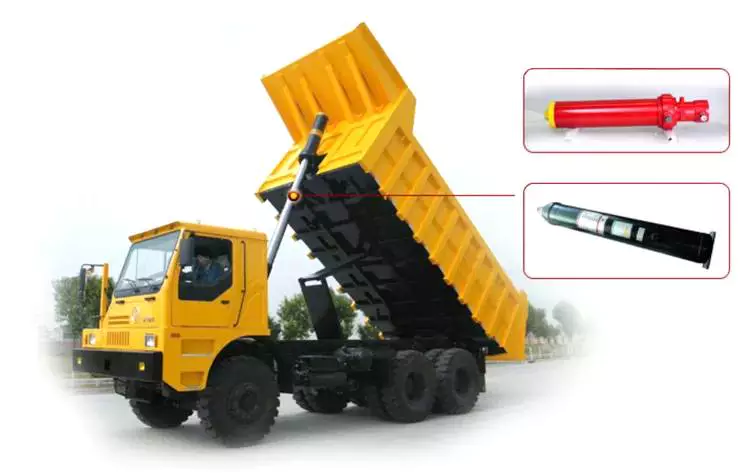
Can hydraulic cylinders be adapted for specialized applications like material handling?
Yes, hydraulic cylinders can be effectively adapted for specialized applications such as material handling. The versatility, power, and precise control offered by hydraulic cylinders make them well-suited for a wide range of material handling tasks. Hydraulic systems, including cylinders, are commonly used in industrial settings to lift, position, push, pull, and manipulate various types of materials. Here’s a detailed explanation of how hydraulic cylinders can be adapted for specialized material handling applications:
1. Lifting and Lowering:
– Hydraulic cylinders are commonly used for lifting and lowering heavy loads in material handling applications. By utilizing the force generated by hydraulic pressure, cylinders can provide the necessary power to lift and hold loads at different elevations. The precise control offered by hydraulic systems allows for accurate positioning of materials, ensuring efficient and safe lifting operations.
2. Pushing and Pulling:
– Hydraulic cylinders are capable of generating substantial pushing and pulling forces, making them ideal for applications that involve moving or manipulating materials. They can be used to push or pull heavy objects, control the movement of conveyors or rollers, or engage mechanisms for material transfer. The ability to exert high forces with precise control enables hydraulic cylinders to efficiently handle a variety of material handling tasks.
3. Tilting and Rotating:
– Hydraulic cylinders can be adapted to provide tilting and rotating functions in material handling equipment. By integrating cylinders into the design, equipment such as forklifts, cranes, or material handling arms can tilt or rotate to facilitate material placement or maneuvering. Hydraulic cylinders offer the required force and control to achieve smooth and controlled tilting or rotating motions, enhancing operational efficiency in material handling processes.
4. Gripping and Clamping:
– Hydraulic cylinders can be utilized to provide gripping and clamping functions for secure material handling. By incorporating specialized gripping or clamping mechanisms with hydraulic actuation, materials of various shapes and sizes can be securely held or clamped during transportation or processing. Hydraulic cylinders enable precise and adjustable gripping or clamping forces, ensuring the safe and reliable handling of materials.
5. Material Compaction and Forming:
– Hydraulic cylinders can be adapted for material compaction and forming applications. For example, in the production of bricks, hydraulic cylinders are used to apply high pressure and force to compact the raw materials into desired shapes. Similarly, in metal forming processes, hydraulic cylinders are employed to exert force on metal sheets or components, enabling precise shaping and forming operations.
6. Conveyor and Sorting Systems:
– Hydraulic cylinders can be integrated into conveyor and sorting systems to facilitate material movement and sorting. By incorporating hydraulic actuators, conveyor belts or sorting mechanisms can be efficiently controlled for optimal material flow and distribution. Hydraulic cylinders provide the necessary force and control to handle varying load capacities and adjust the speed and position of material transfer, improving the overall efficiency of handling and sorting operations.
7. Customized Designs:
– Hydraulic cylinders can be customized and adapted to meet specific requirements of specialized material handling applications. Engineers can design cylinders with unique dimensions, stroke lengths, mounting options, and sealing arrangements to fit into equipment or systems with specific space limitations or operating conditions. Customized hydraulic cylinders ensure optimal performance and compatibility for specialized material handling tasks.
In summary, hydraulic cylinders can be effectively adapted for specialized material handling applications, offering the necessary force, control, and versatility required in various material handling tasks. Whether it involves lifting and lowering, pushing and pulling, tilting and rotating, gripping and clamping, material compaction and forming, or integration into conveyor and sorting systems, hydraulic cylinders provide reliable and efficient solutions. Their adaptability, precise control, and ability to handle heavy loads make hydraulic cylinders a valuable component in optimizing material handling processes across different industries.
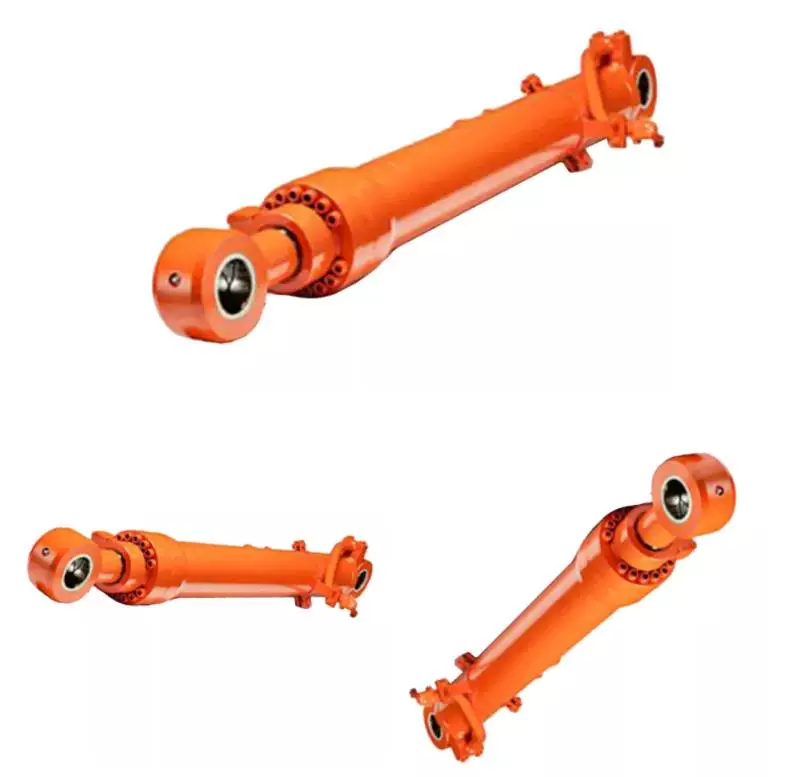
Handling the Challenges of Minimizing Fluid Leaks and Contamination in Hydraulic Cylinders
Hydraulic cylinders face challenges when it comes to minimizing fluid leaks and contamination, as these issues can impact the performance, reliability, and lifespan of the system. However, there are several measures and design considerations that help address these challenges effectively. Let’s explore how hydraulic cylinders handle the challenges of minimizing fluid leaks and contamination:
- Sealing Systems: Hydraulic cylinders employ advanced sealing systems to prevent fluid leaks. These systems typically include various types of seals, such as piston seals, rod seals, and wiper seals. The seals are designed to create a tight and reliable barrier between the moving components of the cylinder and the external environment, minimizing the risk of fluid leakage.
- Seal Material Selection: The choice of seal materials is crucial in minimizing fluid leaks and contamination. Hydraulic cylinder manufacturers carefully select seal materials that are compatible with the hydraulic fluid used and resistant to wear, abrasion, and chemical degradation. This ensures the longevity and effectiveness of the seals, reducing the likelihood of leaks or premature seal failure.
- Proper Installation and Maintenance: Ensuring proper installation and regular maintenance of hydraulic cylinders is essential for minimizing fluid leaks and contamination. During installation, attention should be given to proper alignment, torqueing of bolts, and adherence to recommended procedures. Regular maintenance includes inspecting seals, replacing worn-out components, and addressing any signs of leakage promptly. Proper maintenance practices help identify and rectify issues before they escalate and cause significant problems.
- Contamination Control: Hydraulic cylinders incorporate measures to control contamination and maintain fluid cleanliness. This includes the use of filtration systems, such as in-line filters, to remove particles and contaminants from the hydraulic fluid. Additionally, hydraulic reservoirs often have breathers and desiccant filters to prevent moisture and airborne contaminants from entering the system. By controlling contamination, hydraulic cylinders minimize the risk of damage to internal components and maintain optimal system performance.
- Environmental Protection: Hydraulic cylinders may be equipped with protective features to safeguard against external contaminants. For example, bellows or protective boots can be installed to shield the rod and seals from debris, dirt, or moisture present in the operating environment. These protective measures help extend the life of the seals and enhance the overall reliability of the hydraulic cylinder.
In summary, hydraulic cylinders employ sealing systems, appropriate seal materials, proper installation and maintenance practices, contamination control measures, and environmental protection features to handle the challenges of minimizing fluid leaks and contamination. By implementing these measures, manufacturers can ensure reliable and long-lasting hydraulic cylinder performance, minimize the risk of fluid leakage, and maintain the cleanliness of the hydraulic system.
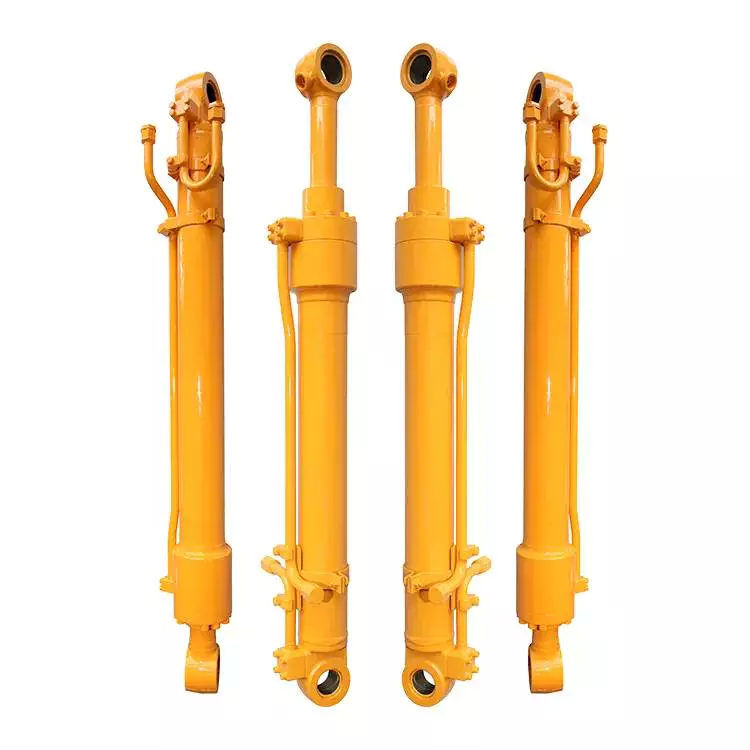
Những biện pháp bảo dưỡng nào là cần thiết để kéo dài tuổi thọ của xi lanh thủy lực?
Việc bảo trì xi lanh thủy lực rất quan trọng để kéo dài tuổi thọ và đảm bảo hiệu suất tối ưu. Bảo trì thường xuyên giúp ngăn ngừa sự hao mòn, hư hỏng và sự cố sớm, cuối cùng giúp giảm thời gian ngừng hoạt động và tiết kiệm chi phí. Dưới đây là một số biện pháp bảo trì thiết yếu cần xem xét để kéo dài tuổi thọ của xi lanh thủy lực:
1. Kiểm tra định kỳ:
– Tiến hành kiểm tra trực quan định kỳ các xi lanh thủy lực để phát hiện bất kỳ dấu hiệu hư hỏng, rò rỉ hoặc mài mòn nào. Kiểm tra thân xi lanh, cần piston, gioăng và các điểm lắp đặt. Tìm kiếm các vết rò rỉ chất lỏng, rỉ sét, vết lõm hoặc bất kỳ kiểu mài mòn bất thường nào. Phát hiện sớm các vấn đề cho phép sửa chữa hoặc thay thế kịp thời, ngăn ngừa hư hỏng thêm và kéo dài tuổi thọ của xi lanh.
2. Vệ sinh:
– Duy trì môi trường sạch sẽ xung quanh các xi lanh thủy lực để ngăn ngừa chất gây ô nhiễm xâm nhập vào hệ thống. Bụi, bẩn và mảnh vụn có thể làm hỏng các gioăng và các bộ phận bên trong khác, dẫn đến mài mòn nhanh hơn và giảm hiệu suất. Thường xuyên vệ sinh xi lanh và khu vực xung quanh để giảm thiểu nguy cơ ô nhiễm.
3. Bôi trơn đúng cách:
– Bôi trơn đầy đủ là yếu tố then chốt cho hoạt động trơn tru và tuổi thọ của xi lanh thủy lực. Hãy tuân theo khuyến nghị của nhà sản xuất về khoảng thời gian bôi trơn và sử dụng chất bôi trơn phù hợp. Bôi trơn các bộ phận chuyển động của xi lanh, chẳng hạn như cần piston, để giảm ma sát và giảm thiểu mài mòn.
4. Bảo trì gioăng:
– Gioăng phớt đóng vai trò quan trọng trong việc ngăn ngừa rò rỉ dầu thủy lực và duy trì hiệu suất hoạt động của xi lanh. Kiểm tra và thay thế gioăng phớt bị mòn hoặc hư hỏng kịp thời. Đảm bảo gioăng phớt được lắp đặt và bôi trơn đúng cách. Thường xuyên làm sạch các rãnh gioăng để loại bỏ cặn bẩn có thể làm giảm hiệu quả làm kín.
5. Kiểm tra áp suất:
– Thường xuyên kiểm tra áp suất hệ thống thủy lực để đảm bảo nằm trong phạm vi hoạt động khuyến nghị. Áp suất quá cao có thể gây quá tải cho xi lanh và các bộ phận của nó, dẫn đến mài mòn sớm. Theo dõi mức áp suất và điều chỉnh khi cần thiết để tránh quá tải xi lanh.
6. Bảo trì van điều khiển:
– Bảo trì và kiểm tra các van điều khiển điều chỉnh lưu lượng và hướng dòng chảy của chất lỏng thủy lực. Đảm bảo các van hoạt động chính xác và không gây ra ứng suất quá mức hoặc tăng áp đột ngột trong xi lanh. Vệ sinh hoặc thay thế các van điều khiển nếu chúng bị hư hỏng hoặc trục trặc.
7. Căn chỉnh xi lanh:
– Việc căn chỉnh đúng cách các xi lanh thủy lực là rất cần thiết cho tuổi thọ của chúng. Sự sai lệch có thể gây ra tải trọng ngang quá mức, dẫn đến mài mòn không đều và có thể gây hư hỏng. Hãy đảm bảo rằng xi lanh được căn chỉnh chính xác với các bộ phận khác và các điểm lắp đặt được chắc chắn.
8. Ngăn ngừa tình trạng quá tải:
– Tránh để các xi lanh thủy lực chịu tải vượt quá khả năng định mức của chúng. Quá tải có thể gây hư hỏng bên trong, hỏng gioăng và giảm tuổi thọ. Hãy đảm bảo rằng yêu cầu tải trọng nằm trong khả năng của xi lanh và cân nhắc sử dụng các thiết bị an toàn như hệ thống bảo vệ quá tải khi cần thiết.
9. Đào tạo và nâng cao nhận thức của người vận hành:
– Cung cấp đào tạo bài bản cho người vận hành thiết bị về cách sử dụng và vận hành đúng cách các xi lanh thủy lực. Người vận hành cần nắm rõ giới hạn của xi lanh, quy trình vận hành an toàn và tầm quan trọng của việc bảo trì thường xuyên. Thúc đẩy văn hóa bảo trì chủ động và khuyến khích người vận hành báo cáo kịp thời mọi sự cố tiềm ẩn.
10. Tài liệu và lưu trữ hồ sơ:
– Duy trì hồ sơ chi tiết về tất cả các hoạt động bảo trì, bao gồm kiểm tra, sửa chữa và thay thế. Ghi chép lịch bôi trơn, kiểm tra áp suất và mọi hoạt động bảo trì được thực hiện trên các xi lanh thủy lực. Hồ sơ này giúp theo dõi lịch sử của xi lanh, xác định các sự cố thường xuyên xảy ra và lập kế hoạch bảo trì hiệu quả trong tương lai.
Bằng cách tuân thủ các quy trình bảo dưỡng này, tuổi thọ của xi lanh thủy lực có thể được kéo dài, đảm bảo hiệu suất đáng tin cậy và giảm nguy cơ hỏng hóc bất ngờ. Việc kiểm tra thường xuyên, vệ sinh, bôi trơn đúng cách, bảo dưỡng gioăng, kiểm tra áp suất, bảo dưỡng van điều khiển, căn chỉnh xi lanh, ngăn ngừa quá tải, đào tạo người vận hành và lập hồ sơ góp phần vào tuổi thọ tổng thể và hoạt động tối ưu của xi lanh thủy lực.
<img src="https://img.jiansujichilun.com/img/hydrauliccylinders/hydrauliccylinders-l1.webp" alt="China Professional High Quality Hydraulic Cylinder for Agricultural Ripper in USA with Best Sales “><img src="https://img.jiansujichilun.com/img/hydrauliccylinders/hydrauliccylinders-l2.webp" alt="China Professional High Quality Hydraulic Cylinder for Agricultural Ripper in USA with Best Sales “>
editor by Dream 2024-10-11
 Vietnamese
  English
  Italian
  Portuguese
  Dutch
Dutch  Swedish
  Danish
  Finnish
  Polish
  Hindi
Hindi  Kazakh
  Turkish
  Ukrainian
  Romanian
  Spanish
  German
  Russian
  Korean
  Japanese
  Thai
Thai  Indonesian
  Malay
Malay  French
  Greek
Greek