
Описание продукта
Описание продукта
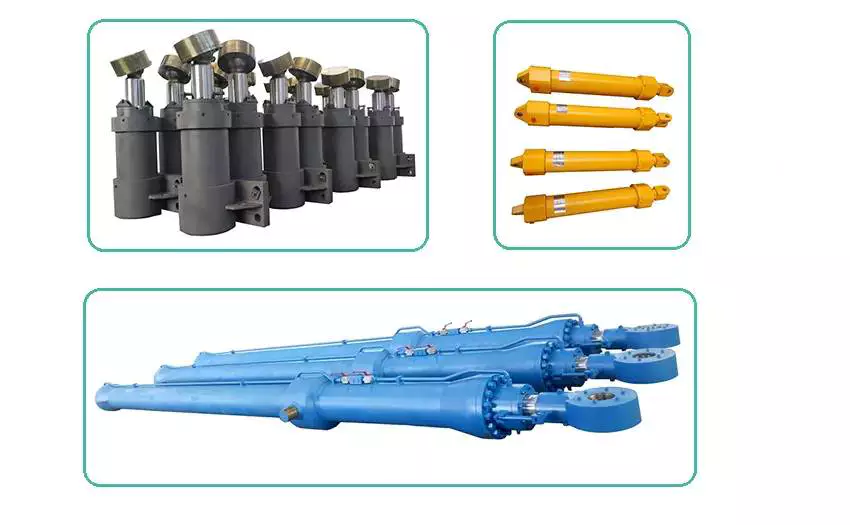
There are 2 main types of F lifting mechanism and T lifting mechanism.
It can meet the lifting requirement from 8 tons-45 tons, and the hydraulic cylinder has a limiting device and a buffer device.
Production KRM series lifting institutions are sold to Southeast Asia and Africa.
| HG-E198*875EZ technical parameters |
| 1.Cylinder diameter:Ø198 |
| 2.Piston rod diameter:Ø80 |
| 3.Stroke:875 |
| 4.Rated pressure:16Mpa |
| Closed length:1275 |
Профиль компании
Certifications
Packaging & Shipping
FAQ
Q1: Can your cylinders with HYVA ones?
Yes, our cylinders can replace HYVA ones well, with same technical details and mounting sizes
Q2: What’s your cylinder’s advantages?
The cylinders are made under strictly quality control processing.
All the raw materials and seals we used are all from world famous companies.
Cost effective
Q3: When your company be established ?
Our company be established in 1996, and we are professional for hydraulic cylinders for more than 25 years.
And we had passed IATF 16949:2016 Quality control system.
Q4: How about the delivery time ?
For samples about 20 days. And 15 to 30 days about mass orders.
Q5: How about the cylinder’s quality gurantee?
We have 1 year quality grantee of the cylinders.
| Сертификация: | ISO9001, IATF 16949:2016 |
|---|---|
| Давление: | High Pressure |
| Рабочая температура: | Normal Temperature |
| Способ действия: | Double Acting |
| Метод работы: | Straight Trip |
| Скорректированная форма: | Regulated Type |
| Samples: | US$ 1000/Piece 1 Piece(Min.Order) | |
|---|
| Настройка: | Доступный |
|
|---|
Чем гидравлические цилиндры отличаются от других методов создания силы, таких как электродвигатели?
Гидравлические цилиндры и электродвигатели — это два разных способа создания силы, обладающие различными характеристиками и областями применения. Хотя и гидравлические цилиндры, и электродвигатели способны создавать силу, они различаются по принципам работы, рабочим характеристикам и пригодности для конкретных задач. Ниже приведено подробное сравнение гидравлических цилиндров и электродвигателей:
1. Принцип работы:
– Гидравлические цилиндры: Гидравлические цилиндры создают усилие за счет преобразования давления жидкости в линейное движение. Они состоят из цилиндра, поршня, штока поршня и гидравлической жидкости. Когда гидравлическая жидкость под давлением поступает в цилиндр, она давит на поршень, заставляя шток поршня выдвигаться или втягиваться, тем самым создавая линейную силу.
– Электродвигатели: Электродвигатели создают силу за счет преобразования электрической энергии во вращательное движение. Они состоят из статора, ротора и электромагнитного поля. Когда к обмоткам двигателя подается электрический ток, он создает магнитное поле, которое взаимодействует с ротором, заставляя его вращаться и создавать крутящий момент.
2. Сила и мощь:
– Гидравлические цилиндры: Гидравлические цилиндры известны своими высокими силовыми возможностями. Они способны создавать значительные линейные усилия, что делает их подходящими для тяжелых работ, требующих подъема, толкания или перемещения больших грузов. Гидравлические системы могут обеспечивать высокую выходную силу даже на низких скоростях, что позволяет точно контролировать приложение силы. Однако гидравлические системы обычно работают на более низких скоростях по сравнению с электродвигателями.
– Электродвигатели: Электродвигатели отличаются высокой скоростью вращения и широко используются в системах, требующих быстрого перемещения. Хотя электродвигатели могут создавать значительный крутящий момент, их выходная сила, как правило, ниже по сравнению с гидравлическими цилиндрами. Электродвигатели подходят для применений, связанных с непрерывным вращательным движением, таких как привод конвейерных лент, вращающихся механизмов или привод транспортных средств.
3. Контроль и точность:
– Гидравлические цилиндры: Гидравлические системы обеспечивают превосходный контроль над усилием, скоростью и положением. Регулируя поток гидравлической жидкости, можно точно контролировать усилие и скорость гидравлических цилиндров. Гидравлические системы обеспечивают плавное ускорение и замедление, позволяя осуществлять плавные и точные движения. Такой уровень контроля делает гидравлические цилиндры хорошо подходящими для применений, требующих точного позиционирования, например, в промышленной автоматизации или строительной технике.
– Электродвигатели: Электродвигатели также обеспечивают точное управление скоростью и положением. Благодаря таким методам управления двигателем, как изменение напряжения, частоты или широтно-импульсной модуляции (ШИМ), скорость вращения и положение электродвигателей могут точно контролироваться. Электродвигатели широко используются в приложениях, требующих точного управления скоростью, таких как робототехника, станки с ЧПУ или сервосистемы.
4. Эффективность и энергопотребление:
– Гидравлические цилиндры: Гидравлические системы могут быть очень эффективными, особенно при правильном подборе размеров и проектировании. Однако гидравлические системы обычно имеют более высокие потери энергии из-за таких факторов, как утечка жидкости, трение и выделение тепла. Общая эффективность гидравлической системы зависит от конструкции, выбора компонентов и методов технического обслуживания. Гидравлическим системам требуется гидравлический силовой агрегат для создания давления в гидравлической жидкости, что потребляет дополнительную энергию.
– Электродвигатели: Электродвигатели могут обладать высокой эффективностью, особенно при работе в оптимальных условиях. Электродвигатели имеют меньшие потери энергии по сравнению с гидравлическими системами, главным образом из-за отсутствия утечек жидкости и меньших потерь на трение. Общая эффективность электродвигателя зависит от таких факторов, как конструкция двигателя, условия нагрузки и методы управления. Электродвигателям требуется источник электроэнергии, а их энергопотребление зависит от номинальной мощности двигателя и продолжительности работы.
5. Экологические аспекты:
– Гидравлические цилиндры: В гидравлических системах обычно используются гидравлические жидкости, утечки или неправильная утилизация которых могут представлять опасность для окружающей среды. Выбор гидравлической жидкости может влиять на такие факторы, как биоразлагаемость, токсичность и потенциальные экологические риски. Надлежащее техническое обслуживание и предотвращение утечек имеют важное значение для минимизации воздействия гидравлических систем на окружающую среду.
– Электродвигатели: Электродвигатели, как правило, считаются более экологичными, поскольку не требуют использования гидравлической жидкости. Однако воздействие электродвигателей на окружающую среду зависит от источника электроэнергии, используемого для их питания. При использовании возобновляемых источников энергии, таких как солнечная или ветровая энергия, электродвигатели могут предложить более экологичное решение по сравнению с гидравлическими системами.
6. Пригодность для применения:
– Гидравлические цилиндры: Гидравлические цилиндры широко используются в областях, требующих высокой мощности, точного управления и долговечности. Они широко применяются в таких отраслях, как строительство, производство, горнодобывающая промышленность и аэрокосмическая отрасль. Гидравлические системы хорошо подходят для тяжелых условий эксплуатации, таких как подъем тяжелых предметов, управление тяжелой техникой или контроль крупномасштабных перемещений.
– Электродвигатели: Электродвигатели широко используются в различных отраслях промышленности и областях применения, требующих вращательного движения, регулирования скорости и точного позиционирования. Они часто встречаются в бытовой технике, транспорте, робототехнике, системах отопления, вентиляции и кондиционирования воздуха, а также в автоматизации. Электродвигатели подходят для применений, связанных с непрерывным вращательным движением, таких как привод конвейерных лент, вращающихся механизмов или привод транспортных средств. В целом, гидравлические цилиндры и электродвигатели имеют разные принципы работы, силовые возможности, характеристики управления, уровни эффективности и пригодность для различных применений. Гидравлические цилиндры отличаются высокой выходной силой, точным управлением и долговечностью, что делает их идеальными для тяжелых условий эксплуатации. Электродвигатели, с другой стороны, обеспечивают высокие скорости вращения, точное регулирование скорости и обычно используются для применений, связанных с непрерывным вращательным движением. Выбор между гидравлическими цилиндрами и электродвигателями зависит от конкретных требований применения, включая тип движения, выходную силу, точность управления и экологические условия.
What considerations are important when selecting hydraulic cylinders for mobile equipment?
To select hydraulic cylinders for mobile equipment, several important considerations need to be taken into account. Here are the key factors to consider:
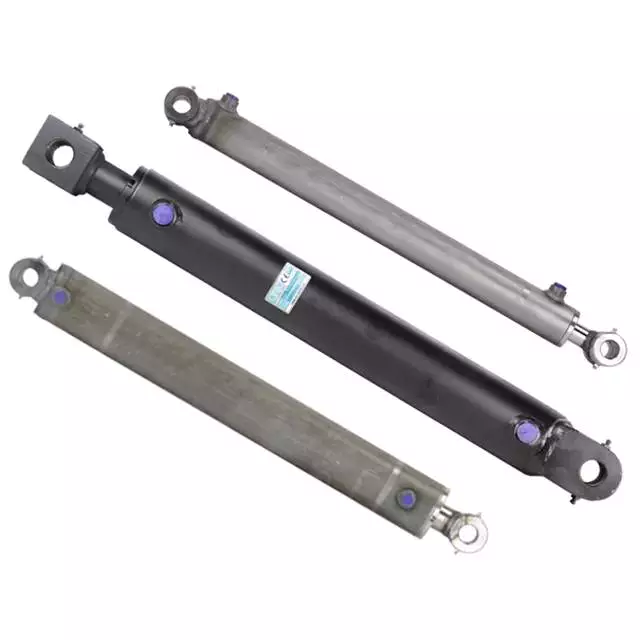
- Load Capacity: Determine the maximum load or force that the hydraulic cylinder will need to support. This includes both the static load and any dynamic or shock loads that may be encountered during operation.
- Stroke Length: Consider the required stroke length, which is the distance the hydraulic cylinder can extend and retract. Ensure that the stroke length is sufficient for the specific application and range of motion needed.
- Operating Pressure: Determine the maximum operating pressure required for the hydraulic system. This will depend on the load and the specific application. Select a hydraulic cylinder with a pressure rating that exceeds the maximum operating pressure to ensure safety and durability.
- Mounting Style: Consider the available space and the mounting requirements of the mobile equipment. Hydraulic cylinders come in various mounting styles, such as flange, trunnion, clevis, and pivot, among others. Choose a mounting style that is compatible with the equipment and provides the necessary support and stability.
- Size and Weight: Take into account the physical dimensions and weight of the hydraulic cylinder. Ensure that it can fit within the available space and that the equipment can support its weight without compromising performance or safety.
- Speed and Precision: Evaluate the required speed and precision of the hydraulic cylinder’s movement. Different cylinder designs and configurations can affect the speed and accuracy of motion. Consider factors such as cylinder bore size, rod diameter, and the presence of cushioning or dampening features.
- Environmental Factors: Assess the operating environment of the mobile equipment. Consider factors such as temperature extremes, exposure to moisture, dust, and chemicals. Select hydraulic cylinders with appropriate seals and coatings that can withstand the environmental conditions and prevent corrosion or damage.
- Reliability and Maintenance: Consider the reliability and maintenance requirements of the hydraulic cylinders. Look for reputable manufacturers that provide high-quality products with a proven track record. Evaluate factors such as expected service life, availability of spare parts, and ease of maintenance.
- Cost: Finally, consider the cost of the hydraulic cylinders, including the initial purchase price, installation costs, and long-term maintenance expenses. While it is essential to find a cost-effective solution, prioritize quality and performance to ensure safe and efficient operation.
Which industries and machinery commonly use hydraulic cylinders for power transmission?
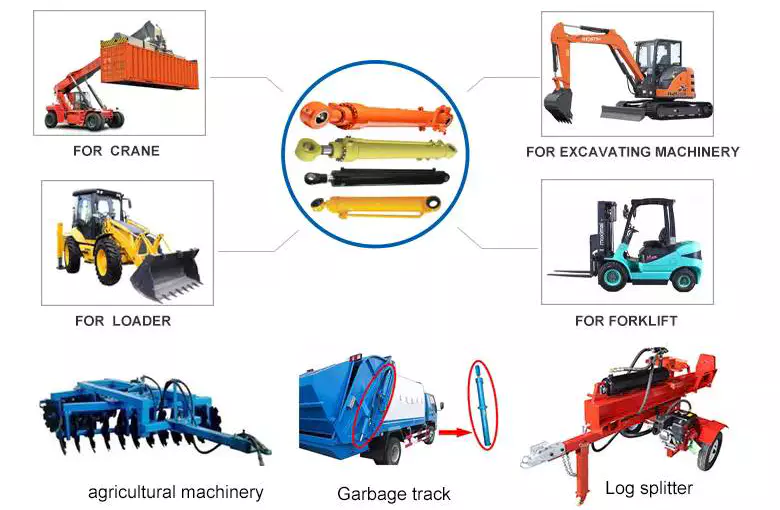
Hydraulic cylinders are widely used in various industries and machinery for power transmission due to their ability to generate high force, precise control, and reliable operation. They play a crucial role in converting hydraulic energy into mechanical force and motion. Here are the detailed industries and machinery that commonly utilize hydraulic cylinders for power transmission:
1. Construction and Heavy Equipment:
– Hydraulic cylinders are extensively used in the construction industry for tasks involving heavy lifting, pushing, and positioning. They are employed in cranes, excavators, loaders, bulldozers, and other heavy equipment to lift and move heavy loads, operate attachments, and manipulate construction materials. Hydraulic cylinders provide the necessary force and control for tasks such as lifting and lowering buckets, extending and retracting booms, and tilting blades.
2. Material Handling and Logistics:
– In material handling and logistics applications, hydraulic cylinders are vital components for the movement and manipulation of goods. They are used in forklifts, stackers, palletizers, and conveyor systems to lift, lower, and position loads with precision. Hydraulic cylinders enable the efficient transfer of heavy objects, facilitate stacking and sorting operations, and contribute to the smooth operation of material handling equipment.
3. Agriculture and Farming:
– The agricultural industry relies on hydraulic cylinders for various tasks in farming equipment. Tractors, harvesters, sprayers, and loaders utilize hydraulic cylinders to perform functions such as lifting and lowering implements, adjusting the position of attachments, and steering operations. Hydraulic cylinders enable efficient and precise control in tasks like plowing, tilling, harvesting, and baling, enhancing productivity and convenience in agricultural operations.
4. Mining and Extraction:
– Hydraulic cylinders are extensively utilized in the mining and extraction industry for their ability to handle heavy loads and operate in challenging environments. They are employed in mining equipment such as dump trucks, loaders, and excavators for tasks like ore extraction, rock breaking, and material transport. Hydraulic cylinders provide the force required for excavating, loading, and dumping operations, contributing to the efficiency and productivity of mining operations.
5. Manufacturing and Industrial Machinery:
– Hydraulic cylinders are an integral part of various manufacturing and industrial machinery. They are utilized in presses, stamping machines, injection molding machines, and metal forming equipment to apply force for shaping, bending, and pressing operations. Hydraulic cylinders enable precise control over the force and speed required for manufacturing processes, ensuring accurate and consistent results.
6. Automotive and Transportation:
– Hydraulic cylinders are employed in the automotive and transportation industry for a range of applications. They are used in vehicle lifting systems, such as car lifts and hydraulic jacks, for maintenance and repairs. Hydraulic cylinders are also utilized in bus doors, truck tailgates, and cargo handling systems to provide controlled movement and positioning. Additionally, hydraulic suspension systems in trucks, buses, and trailers use hydraulic cylinders for load leveling and stability.
7. Aerospace and Aviation:
– The aerospace and aviation industry relies on hydraulic cylinders for various applications, including aircraft landing gear, wing flaps, and flight control systems. Hydraulic cylinders provide the necessary force and precise control for extending and retracting landing gear, adjusting wing surfaces, and actuating control surfaces. They contribute to the safe and efficient operation of aircraft, ensuring reliable performance during takeoff, landing, and flight maneuvers.
8. Marine and Offshore:
– Hydraulic cylinders are utilized in marine and offshore equipment for a wide range of tasks. They are found in ship and boat steering systems, hatch covers, cranes, winches, and anchor handling equipment. Hydraulic cylinders enable precise control and powerful force transmission in maritime applications, supporting navigation, cargo handling, and offshore operations.
In summary, hydraulic cylinders are commonly used in industries such as construction, material handling, agriculture, mining, manufacturing, automotive, aerospace, marine, and more. They are integral components in machinery and equipment that require reliable power transmission, precise control, and the ability to handle heavy loads. The versatile nature of hydraulic cylinders allows them to be adapted to various applications, contributing to increased efficiency, productivity, and safety in numerous industries.


editor by CX 2023-11-19
 Russian
  English
  Italian
  Portuguese
  Dutch
Dutch  Swedish
  Danish
  Finnish
  Polish
  Hindi
Hindi  Kazakh
  Turkish
  Ukrainian
  Romanian
  Spanish
  German
  Korean
  Japanese
  Vietnamese
  Thai
Thai  Indonesian
  Malay
Malay  French
  Greek
Greek