
Описание продукта
- Product Information
- Working Process
- Packing and Shipping
The products are fully protected by metal shelves, wood boxes and plastic fillers.
- Company Information
HangZhou GD Machinery is specialized to offer high precision all kind of hydraulic valves and hydraulic cylinder.we also have some hydraulic valve from CHINAMFG brand aboard
With a wide range, good quality ,reasonable price,our products are extensively used in the industries of construction machinery,machine tool,plastic machinery,vehicle. mining equipment,metallurgy,shipyard,food machinery,agricultural machinery,and other industries.
Our products are widely recognized and trusted by users and can meet continuously changing economic and social needs.
Welcome new and old customers to contact us for future business. we will offer you good quality and best price.
HangZhou GD Machinery CO.,LTD. | |
Product | |
tie rod hydraulic cylinder, welded hydraulic cylinder, telescopic cylinders cylinder, flange type hydraulic cylinder, hydraulic cylinder with valve function, hydraulic power unit, Hydraulic manifold block, pneumatic fitting, | |
Материал | Tube – Cold Drawn Precision seamless Tubing Mounts – Trunnion with angular Swivels |
Application | Agriculture, Concrete & Asphalt, Cranes, Fire & Rescue, Forestry & Logging,Mining & Rock Crushing,Oil & Gas, Snow & Ice Control,Waste Management and Material Recycling Industry , Engineering Equipment, Special Vehicle |
Feature | 1.High quality with a reasonable price 2.ISO9001-2008 3.Customized specification are accepted |
Payment | T/T;L/C, Paypal |
Port | HangZhou ,China |
Quotation | According to the specific request |
MOQ | According to the product |
Packaging | metal case;plywood case;carton or as requirement |
Delivery time | 30days upon receipt of 30% deposit; or upon receipt of relevant L/C; |
- Company Show
- Our Service
1. Sample service: samples will be provided according to customer’s instruction.
2. Customized services: a variety of cylinders can be customized according to customer demand.
3. Warranty service: In case of quality problems under 1 year warranty period, free replacement will be made for customer.
- FAQ
Q: Do you accept OEM manufacturing?
A: Yes! We do accept OEM manufacturing. We will quote you the exact price and make the exact cylinder according to your specification and drawing.
| Material: | Steel |
|---|---|
| Usage: | Construction Machine |
| Structure: | Piston Cylinder |
| Samples: | US$ 60/Piece 1 Piece(Min.Order) | Order Sample |
|---|
| Настройка: | Доступный |
|
|---|
.shipping-cost-tm .tm-status-off{background: none;padding:0;color: #1470cc}
| Shipping Cost: Estimated freight per unit. | about shipping cost and estimated delivery time. |
|---|
| Payment Method: |
|
|---|---|
| Initial Payment Full Payment |
| Currency: | US$ |
|---|
| Return&refunds: | You can apply for a refund up to 30 days after receipt of the products. |
|---|
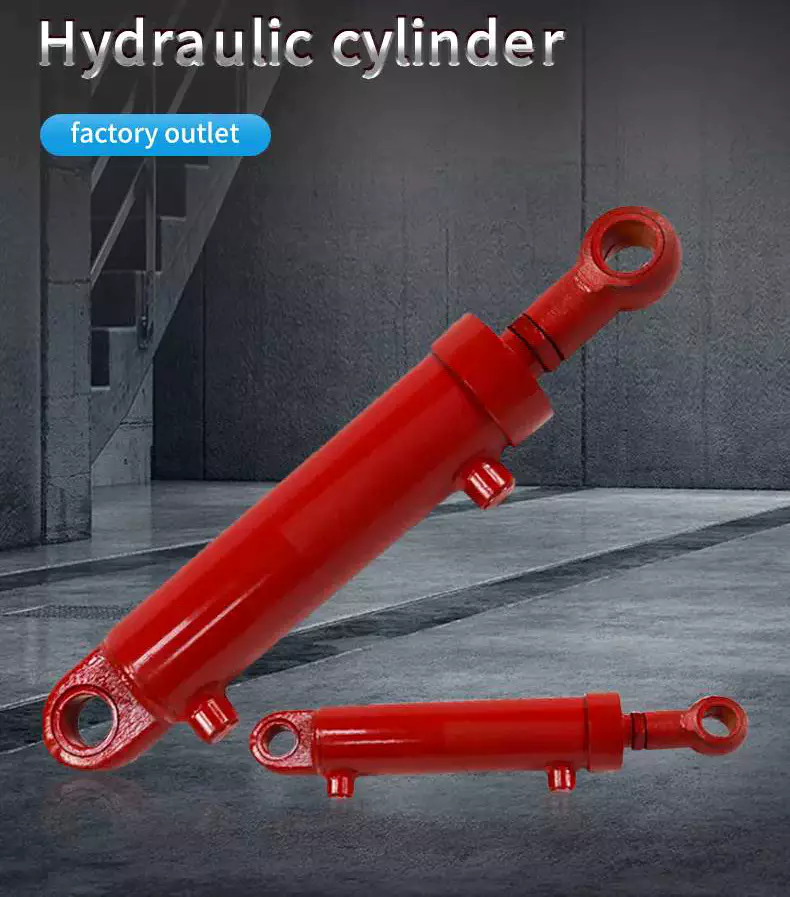
How do hydraulic cylinders ensure smooth and consistent movement in heavy machinery?
Hydraulic cylinders play a vital role in ensuring smooth and consistent movement in heavy machinery. Their design and operation allow for precise control over the motion of heavy loads, resulting in efficient and reliable performance. Here’s a detailed explanation of how hydraulic cylinders contribute to smooth and consistent movement in heavy machinery:
1. Hydraulic Fluid and Pressure:
– Hydraulic cylinders operate by utilizing hydraulic fluid, typically oil, to transmit force and motion. The fluid is pressurized by a hydraulic pump, creating a force that acts on the piston inside the cylinder. The pressure of the hydraulic fluid can be precisely controlled, allowing for smooth and gradual movement of heavy machinery. The fluid’s incompressibility ensures that the force is evenly distributed, resulting in consistent and predictable motion.
2. Piston and Cylinder Design:
– Hydraulic cylinders are designed with precision to ensure smooth movement. The piston and cylinder bore are machined to tight tolerances, reducing friction and minimizing internal leakage. This precise fit between the piston and cylinder walls helps maintain consistent motion without jerks or sudden changes in speed. Additionally, the use of high-quality seals and lubrication further enhances the smooth operation of the cylinder.
3. Control Valves and Flow Control:
– Hydraulic systems incorporate control valves that regulate the flow of hydraulic fluid into and out of the cylinder. These valves allow for precise control over the speed and direction of the cylinder’s movement. By adjusting the flow rate, operators can achieve smooth and controlled motion of heavy machinery, avoiding sudden starts or stops. Flow control valves also enable speed adjustment, ensuring consistent movement even under varying loads or operating conditions.
4. Cushioning and Damping:
– Hydraulic cylinders can be equipped with cushioning mechanisms to absorb shock and minimize impacts during the movement of heavy machinery. Cushioning is achieved by incorporating specialized valves or adjustable orifices in the cylinder, which restrict the flow of hydraulic fluid near the end of the stroke. This gradual deceleration helps prevent sudden jolts or vibrations, maintaining smooth and consistent movement while reducing stress on the machinery and its components.
5. Load Balancing:
– Hydraulic cylinders can be designed and arranged in a system to balance the load and distribute forces evenly. By utilizing multiple cylinders in parallel or series configurations, heavy machinery can achieve balanced movement, preventing uneven stress and ensuring smooth operation. Load balancing also helps minimize the risk of component failure and enhances the overall stability and longevity of the machinery.
6. Feedback and Control Systems:
– Advanced hydraulic systems incorporate feedback sensors and control systems to monitor and adjust the movement of heavy machinery. These sensors provide real-time information about the position, speed, and force exerted by the hydraulic cylinders. The control system processes this data and adjusts the flow of hydraulic fluid accordingly to maintain smooth and consistent movement. By continuously monitoring and regulating the cylinder’s operation, feedback and control systems contribute to precise and reliable motion control.
7. Maintenance and Servicing:
– Regular maintenance and servicing of hydraulic cylinders are essential to ensure their smooth and consistent movement in heavy machinery. Proper lubrication, inspection of seals, and replacement of worn-out components help maintain optimal performance. Preventive maintenance practices, such as filter replacements and fluid analysis, also contribute to the longevity and reliability of hydraulic systems, ensuring consistent movement over time.
In summary, hydraulic cylinders ensure smooth and consistent movement in heavy machinery through the use of hydraulic fluid and pressure, precise piston and cylinder design, control valves and flow control, cushioning and damping mechanisms, load balancing, feedback and control systems, and regular maintenance and servicing. By leveraging these features, hydraulic cylinders provide the necessary force and control to handle heavy loads while maintaining precise and reliable motion, enhancing the overall performance and productivity of heavy machinery in various industrial applications.
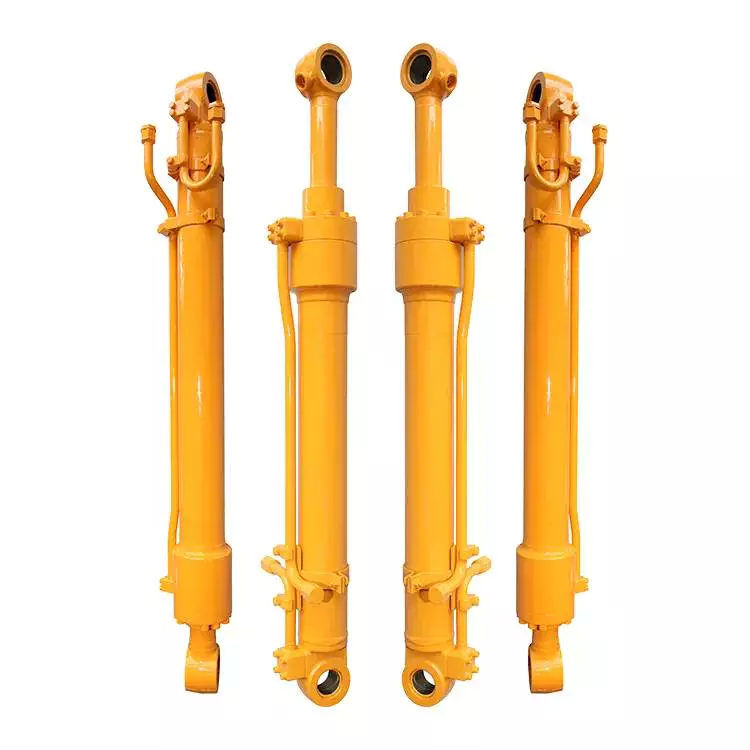
Utilizing Hydraulic Cylinders in Conjunction with Alternative Energy Sources
Hydraulic cylinders can indeed be used in conjunction with alternative energy sources. The versatile nature of hydraulic systems allows them to be integrated with various alternative energy technologies to enhance efficiency, control, and power generation. Let’s explore some examples of how hydraulic cylinders can be utilized alongside alternative energy sources:
- Hydraulic Energy Storage: Hydraulic cylinders can be employed in energy storage systems that utilize alternative energy sources such as renewable sources (e.g., solar or wind) or waste energy recovery. These systems convert excess energy into hydraulic potential energy by pumping fluid into a high-pressure accumulator. When the energy is needed, the pressurized fluid is released, driving the hydraulic cylinder and generating mechanical power.
- Wave and Tidal Energy Conversion: Hydraulic cylinders can be utilized in wave and tidal energy conversion systems. These systems harness the power of ocean waves or tidal currents and convert it into usable energy. Hydraulic cylinders, along with associated pumps and valves, can be used to capture and control the energy from the waves or tides, driving the cylinders and generating mechanical power or producing electricity.
- Hydroelectric Power Generation: Hydraulic cylinders play a crucial role in traditional hydroelectric power generation. However, alternative approaches such as small-scale or micro-hydropower systems can also benefit from hydraulic cylinders. These systems utilize natural or man-made water flows to drive turbines connected to hydraulic cylinders, which then convert the hydraulic energy into mechanical power or electricity.
- Hydraulic Actuation in Wind Turbines: Hydraulic cylinders can be employed in wind turbines to enhance performance and control. For example, hydraulic pitch control systems use hydraulic cylinders to adjust the pitch angle of wind turbine blades, optimizing their aerodynamic performance based on wind conditions. This allows for efficient power generation and protection against excessive wind loads.
- Geothermal Energy Extraction: Geothermal energy extraction involves utilizing the natural heat from the Earth’s interior to generate power. Hydraulic cylinders can be utilized in geothermal systems to control and regulate fluid flow, allowing for efficient extraction and utilization of geothermal energy. They can also be used in geothermal heat pumps for heating and cooling applications.
In summary, hydraulic cylinders can be effectively utilized in conjunction with alternative energy sources to enhance energy storage, power generation, and control. Whether it’s through hydraulic energy storage systems, wave and tidal energy conversion, hydroelectric power generation, hydraulic actuation in wind turbines, or geothermal energy extraction, hydraulic cylinders offer versatile and efficient solutions for harnessing and utilizing alternative energy sources.
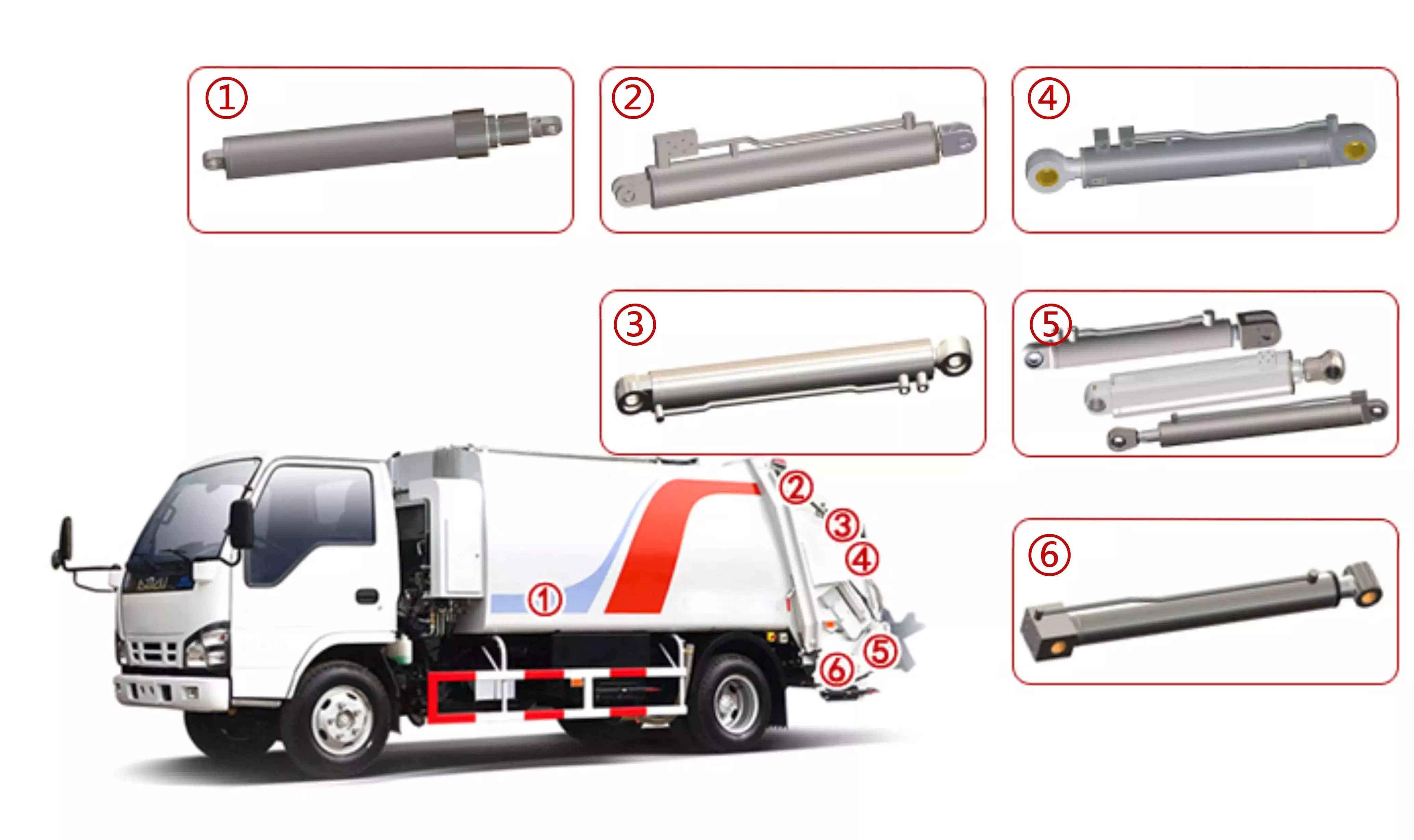
Как гидравлические цилиндры адаптируются к изменениям длины хода и требуемой силы?
Гидравлические цилиндры разработаны с учетом изменений длины хода и требуемого усилия, обеспечивая гибкость и адаптивность для различных применений. Их можно настроить под конкретные нужды, учитывая такие факторы, как диаметр поршня, диаметр штока, гидравлическое давление и конструкция цилиндра. Вот подробное объяснение того, как гидравлические цилиндры адаптируются к изменениям длины хода и требуемого усилия:
1. Размеры и конструкция цилиндра:
– Гидравлические цилиндры выпускаются различных размеров и конструкций для обеспечения разной длины хода и требуемой силы. Диаметр цилиндра, площадь поршня и диаметр штока являются ключевыми факторами, определяющими выходную силу. Большие диаметры цилиндров и площади поршня позволяют создавать большую силу, в то время как меньшие диаметры подходят для применений, требующих меньшей силы. Выбирая соответствующий размер и конструкцию цилиндра, можно эффективно обеспечить необходимую длину хода и требуемую силу.
2. Конфигурации поршня и шатуна:
– Гидравлические цилиндры могут быть спроектированы с различными конфигурациями поршня и штока для компенсации изменения длины хода. Цилиндры одностороннего действия имеют один поршень и обеспечивают ход в одном направлении. Цилиндры двустороннего действия имеют поршень с обеих сторон, что позволяет осуществлять ход в обоих направлениях. Телескопические цилиндры состоят из нескольких ступеней, которые могут выдвигаться и втягиваться, обеспечивая большую длину хода по сравнению со стандартными цилиндрами. Выбирая соответствующую конфигурацию поршня и штока, можно достичь желаемой длины хода.
3. Гидравлическое давление и расход:
– Гидравлическое давление и расход, подаваемые в цилиндр, играют решающую роль в компенсации изменений требуемой силы. Увеличение гидравлического давления повышает выходную силу цилиндра, позволяя ему справляться с более высокими нагрузками. Регулируя давление и расход с помощью гидравлических клапанов и насосов, можно контролировать выходную силу и подбирать ее в соответствии с конкретными требованиями применения.
4. Индивидуальный заказ и персонализация:
– Гидравлические цилиндры могут быть изготовлены на заказ и адаптированы под конкретные требования к длине хода и усилию. Производители предлагают широкий выбор размеров цилиндров, длин хода и усилий. Кроме того, могут быть изготовлены цилиндры по индивидуальному заказу для уникальных применений с заданными длиной хода и усилием. Тесное сотрудничество с производителями гидравлических цилиндров позволяет получить цилиндры, точно соответствующие требуемой длине хода и усилию.
5. Многоцилиндровый двигатель и синхронизация:
– В тех случаях, когда требуется большая сила или больший ход поршня, можно использовать несколько гидравлических цилиндров в комбинации. Синхронизация движения нескольких цилиндров через гидравлическую систему позволяет эффективно увеличить длину хода и выходную силу. Синхронизация может быть достигнута с помощью механических соединений, электронного управления или гидравлической схемы, обеспечивая скоординированное движение и распределение силы между цилиндрами.
6. Датчик нагрузки и регулирование давления:
– Гидравлические системы могут включать в себя механизмы измерения нагрузки и регулирования давления для компенсации изменений требуемой силы. Системы измерения нагрузки отслеживают требуемую нагрузку и соответствующим образом регулируют гидравлическое давление, обеспечивая подачу необходимой силы цилиндром без чрезмерного усилия. Клапаны регулирования давления регулируют давление в гидравлической системе, обеспечивая точное управление и регулировку выходной силы в зависимости от потребностей применения.
7. Вопросы безопасности:
– При учете изменений длины хода и требуемой силы необходимо принимать во внимание факторы безопасности. Гидравлические цилиндры следует выбирать и проектировать с соответствующим запасом прочности для работы с непредвиденными нагрузками или изменениями условий эксплуатации. Для предотвращения повреждений или отказов в ситуациях превышения предельных значений силы могут быть предусмотрены механизмы безопасности, такие как клапаны защиты от перегрузки и предохранительные клапаны.
Учитывая такие факторы, как размер и конструкция цилиндра, конфигурация поршня и штока, гидравлическое давление и расход, возможности индивидуальной настройки, синхронизация, датчик нагрузки, регулирование давления и соображения безопасности, гидравлические цилиндры могут эффективно адаптироваться к изменениям длины хода и требуемого усилия. Такая гибкость позволяет адаптировать гидравлические цилиндры к конкретным требованиям широкого спектра применений, обеспечивая оптимальную производительность и эффективность.


editor by CX 2023-10-23
 Russian
  English
  Italian
  Portuguese
  Dutch
Dutch  Swedish
  Danish
  Finnish
  Polish
  Hindi
Hindi  Kazakh
  Turkish
  Ukrainian
  Romanian
  Spanish
  German
  Korean
  Japanese
  Vietnamese
  Thai
Thai  Indonesian
  Malay
Malay  French
  Greek
Greek