
Описание продукта
Single Acting Ultra Low Height Hydraulic Cylinder
Ultra low height hydraulic cylinder is widely used in synchronous lifting to replace the rubber bearing for bridge maintenance, synchronous lifting for large equipment maintenance , welding positioning of structural parts, assembly of equipment, piping flange tray separation and other application occasions, spring return design applys to place with a high degree of closure and maximum stroke is the primary factor.
Features
* Compact, flat design for where other cylinders will not fit.
* SOV-RSM-750, 1000 and 1500 have handles for easy carrying
* Mounting holes permit easy fixturing
* High strength alloy steel for durability
* Single acting, spring return.
* Hard chrome plated high-quality steel plungers.
* Built-in scraper seal reduces contamination , extending cylinder life
* Baked enamel finish for increased corrosion resistance.
* 3/8 “- 18NPT coupler and dust cap included on all models
Details lmages
Product Specifications
| Item No | Capacity
(T) | Max. Working Pressure
(MPa) | Closed Height A (mm) | Sroke
(mm) | Outside Diameter D (mm) |
| SOV-RSM-500 | 50 | 70 | 66 | 16 | 140*114 |
Recommend Products
Профиль компании
SOV Hydraulic Technoloy (ZheJiang ) Co., Ltd. is a professional manufacturing in hydraulic tools and products, we have been in the industry for more than 20 years. Since the establishment in 1995, we successfully transformed from OEM manufacturer to create our own brand SOV, and our factory has been approved by CE, ISO9001:2008 consecutively. Our Products have been widely used in petrochemical, cement, shipbuilding, steel plant and heavy constructions areas, etc.
We produce and supply Hydraulic tools, such as:
* Hydraulic cylinders, jacks (5-1000ton), single acting and double acting, hollow plunger;
* Hydraulic/ electric /pneumatic torque wrench (100-72000Nm);
* Hydraulic bolt tensioner (100-11486NM);
* Hydraulic pumps, manual and electric type (max up to 3000bar);
* Integrated hydraulic lifting system solutions ( 4-72 points lifting system for house translation or leveling, bridge supporting and tank welding supporting)
* Hydraulic nut and couplings. (M50-Tr1000)
FAQ
Q1: How can contact sales ?
A1: Please click the contact find our website and email address.
Q2: How can I buy CHINAMFG products in my country?
A2: Please send us an inquiry or email , we will reply to your if there is distributor in your country.
Q3: Can I have CHINAMFG products catalog and price list ?
A3: Please visit our English website:sov-china to download our E-catalog, and send us an email for price list.
Q4: How long does it take to get the product If I place an order?
A4: If products stock available, after confirmation of your payment or advance payment , we will pack and deliver in 3-7 days. If you select international parcel service, it can be arrived in 3-7 days. If it is by sea shipment, it will take 15-45 days depending on different locations
Q5: How to make payment ?
A5: First send us an inquiry, and we will reply you quotation, if our price suits you, we will prepare proforma invoice with our banking details.
Q6: Manufacturing time?
A6: Please send us an inquiry for stock condition, if we don’t have stock, and it is our standard products (refer to our model), it can be produced in 10-20 days. If it is customized, not our standard products, it will take 20-45 days to produce.
WHY CHOOSE US
Our Services:
* 24 hours online service;
* One year warranty, repair and service for the whole life;
* Question report will be replied in 48 hours;
* Quality guaranteed.
Packaging:
* All products will be packed with wooden case.
Shipping:
* Small quantity: by international exress, such as DHL, TNT, FEDEX, UPS, etc. depending on the customers’ choice. Goods will arrive within 7 days in normal cicumstances;
* Large quantity: by sea transportation. Goods will arrive in 10~45 days, according to the diatance.
| Type: | Hydraulic Jack |
|---|---|
| Structure: | Hydraulic Jack |
| Capacity (Load): | 10 – 50 T |
| Power Source: | Hydraulic |
| Max Height: | >400mm |
| Сертификация: | CE, ISO 9001:2000 |
| Настройка: | Доступный |
|
|---|
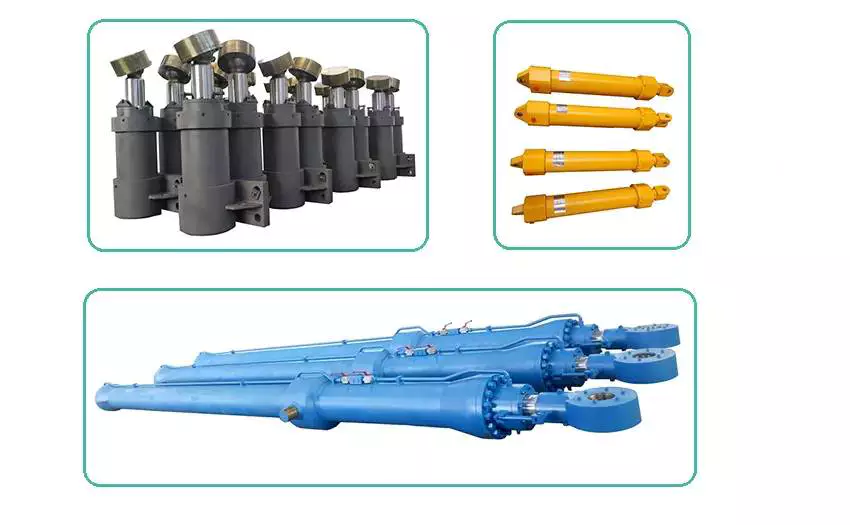
Чем гидравлические цилиндры отличаются от других методов создания силы, таких как электродвигатели?
Гидравлические цилиндры и электродвигатели — это два разных способа создания силы, обладающие различными характеристиками и областями применения. Хотя и гидравлические цилиндры, и электродвигатели способны создавать силу, они различаются по принципам работы, рабочим характеристикам и пригодности для конкретных задач. Ниже приведено подробное сравнение гидравлических цилиндров и электродвигателей:
1. Принцип работы:
– Гидравлические цилиндры: Гидравлические цилиндры создают усилие за счет преобразования давления жидкости в линейное движение. Они состоят из цилиндра, поршня, штока поршня и гидравлической жидкости. Когда гидравлическая жидкость под давлением поступает в цилиндр, она давит на поршень, заставляя шток поршня выдвигаться или втягиваться, тем самым создавая линейную силу.
– Электродвигатели: Электродвигатели создают силу за счет преобразования электрической энергии во вращательное движение. Они состоят из статора, ротора и электромагнитного поля. Когда к обмоткам двигателя подается электрический ток, он создает магнитное поле, которое взаимодействует с ротором, заставляя его вращаться и создавать крутящий момент.
2. Сила и мощь:
– Гидравлические цилиндры: Гидравлические цилиндры известны своими высокими силовыми возможностями. Они способны создавать значительные линейные усилия, что делает их подходящими для тяжелых работ, требующих подъема, толкания или перемещения больших грузов. Гидравлические системы могут обеспечивать высокую выходную силу даже на низких скоростях, что позволяет точно контролировать приложение силы. Однако гидравлические системы обычно работают на более низких скоростях по сравнению с электродвигателями.
– Электродвигатели: Электродвигатели отличаются высокой скоростью вращения и широко используются в системах, требующих быстрого перемещения. Хотя электродвигатели могут создавать значительный крутящий момент, их выходная сила, как правило, ниже по сравнению с гидравлическими цилиндрами. Электродвигатели подходят для применений, связанных с непрерывным вращательным движением, таких как привод конвейерных лент, вращающихся механизмов или привод транспортных средств.
3. Контроль и точность:
– Гидравлические цилиндры: Гидравлические системы обеспечивают превосходный контроль над усилием, скоростью и положением. Регулируя поток гидравлической жидкости, можно точно контролировать усилие и скорость гидравлических цилиндров. Гидравлические системы обеспечивают плавное ускорение и замедление, позволяя осуществлять плавные и точные движения. Такой уровень контроля делает гидравлические цилиндры хорошо подходящими для применений, требующих точного позиционирования, например, в промышленной автоматизации или строительной технике.
– Электродвигатели: Электродвигатели также обеспечивают точное управление скоростью и положением. Благодаря таким методам управления двигателем, как изменение напряжения, частоты или широтно-импульсной модуляции (ШИМ), скорость вращения и положение электродвигателей могут точно контролироваться. Электродвигатели широко используются в приложениях, требующих точного управления скоростью, таких как робототехника, станки с ЧПУ или сервосистемы.
4. Эффективность и энергопотребление:
– Гидравлические цилиндры: Гидравлические системы могут быть очень эффективными, особенно при правильном подборе размеров и проектировании. Однако гидравлические системы обычно имеют более высокие потери энергии из-за таких факторов, как утечка жидкости, трение и выделение тепла. Общая эффективность гидравлической системы зависит от конструкции, выбора компонентов и методов технического обслуживания. Гидравлическим системам требуется гидравлический силовой агрегат для создания давления в гидравлической жидкости, что потребляет дополнительную энергию.
– Электродвигатели: Электродвигатели могут обладать высокой эффективностью, особенно при работе в оптимальных условиях. Электродвигатели имеют меньшие потери энергии по сравнению с гидравлическими системами, главным образом из-за отсутствия утечек жидкости и меньших потерь на трение. Общая эффективность электродвигателя зависит от таких факторов, как конструкция двигателя, условия нагрузки и методы управления. Электродвигателям требуется источник электроэнергии, а их энергопотребление зависит от номинальной мощности двигателя и продолжительности работы.
5. Экологические аспекты:
– Гидравлические цилиндры: В гидравлических системах обычно используются гидравлические жидкости, утечки или неправильная утилизация которых могут представлять опасность для окружающей среды. Выбор гидравлической жидкости может влиять на такие факторы, как биоразлагаемость, токсичность и потенциальные экологические риски. Надлежащее техническое обслуживание и предотвращение утечек имеют важное значение для минимизации воздействия гидравлических систем на окружающую среду.
– Электродвигатели: Электродвигатели, как правило, считаются более экологичными, поскольку не требуют использования гидравлической жидкости. Однако воздействие электродвигателей на окружающую среду зависит от источника электроэнергии, используемого для их питания. При использовании возобновляемых источников энергии, таких как солнечная или ветровая энергия, электродвигатели могут предложить более экологичное решение по сравнению с гидравлическими системами.
6. Пригодность для применения:
– Гидравлические цилиндры: Гидравлические цилиндры широко используются в областях, требующих высокой мощности, точного управления и долговечности. Они широко применяются в таких отраслях, как строительство, производство, горнодобывающая промышленность и аэрокосмическая отрасль. Гидравлические системы хорошо подходят для тяжелых условий эксплуатации, таких как подъем тяжелых предметов, управление тяжелой техникой или контроль крупномасштабных перемещений.
– Электродвигатели: Электродвигатели широко используются в различных отраслях промышленности и областях применения, требующих вращательного движения, регулирования скорости и точного позиционирования. Они часто встречаются в бытовой технике, транспорте, робототехнике, системах отопления, вентиляции и кондиционирования воздуха, а также в автоматизации. Электродвигатели подходят для применений, связанных с непрерывным вращательным движением, таких как привод конвейерных лент, вращающихся механизмов или привод транспортных средств. В целом, гидравлические цилиндры и электродвигатели имеют разные принципы работы, силовые возможности, характеристики управления, уровни эффективности и пригодность для различных применений. Гидравлические цилиндры отличаются высокой выходной силой, точным управлением и долговечностью, что делает их идеальными для тяжелых условий эксплуатации. Электродвигатели, с другой стороны, обеспечивают высокие скорости вращения, точное регулирование скорости и обычно используются для применений, связанных с непрерывным вращательным движением. Выбор между гидравлическими цилиндрами и электродвигателями зависит от конкретных требований применения, включая тип движения, выходную силу, точность управления и экологические условия.
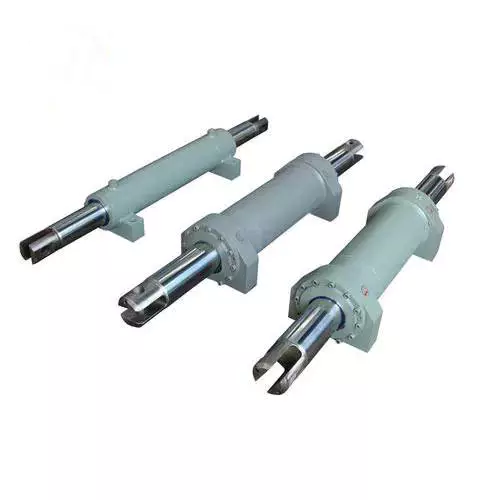
Ensuring Stable Performance of Hydraulic Cylinders Under Fluctuating Loads
Hydraulic cylinders are designed to provide stable performance even under fluctuating loads. They achieve this through various mechanisms and features that allow for efficient load control and compensation. Let’s explore how hydraulic cylinders ensure stable performance under fluctuating loads:
- Piston Design: The piston inside the hydraulic cylinder plays a crucial role in load control. It is typically equipped with seals and rings that prevent leakage of hydraulic fluid and ensure effective transfer of force. The piston design may incorporate features such as stepped or tandem pistons, which provide enhanced load-bearing capabilities and improved stability by distributing the load across multiple surfaces.
- Cylinder Cushioning: Hydraulic cylinders often incorporate cushioning mechanisms to minimize the impact and shock caused by fluctuating loads. Cushioning can be achieved through various methods, such as adjustable cushion screws, hydraulic cushioning valves, or elastomeric cushioning rings. These mechanisms slow down the piston’s movement near the end of the stroke, reducing the impact and preventing sudden stops that could lead to instability.
- Pressure Compensation: Fluctuating loads can result in pressure variations within the hydraulic system. To ensure stable performance, hydraulic cylinders are equipped with pressure compensation mechanisms. These mechanisms maintain a consistent pressure level in the system, regardless of load changes. Pressure compensation can be achieved through the use of pressure relief valves, compensating pistons, or pressure-compensated flow control valves.
- Flow Control: Hydraulic cylinders often incorporate flow control valves to regulate the speed of the cylinder’s movement. By controlling the flow rate of hydraulic fluid, the cylinder’s motion can be adjusted to match the changing load conditions. Flow control valves allow for smooth and controlled movement, preventing abrupt changes that could lead to instability.
- Feedback Systems: To ensure stable performance under fluctuating loads, hydraulic cylinders can be integrated with feedback systems. These systems provide real-time information on the cylinder’s position, velocity, and force. By continuously monitoring these parameters, the hydraulic system can make immediate adjustments to maintain stability and compensate for load fluctuations. Feedback systems can include position sensors, pressure sensors, or load sensors, depending on the specific application.
- Proper Sizing and Selection: Ensuring stable performance under fluctuating loads starts with proper sizing and selection of hydraulic cylinders. It is crucial to choose cylinders with appropriate bore size, rod diameter, and stroke length to match the anticipated load conditions. Oversized or undersized cylinders can lead to instability and reduced performance. Proper sizing also involves considering factors such as the required force, speed, and duty cycle of the application.
In summary, hydraulic cylinders ensure stable performance under fluctuating loads through features such as piston design, cushioning mechanisms, pressure compensation, flow control, feedback systems, and proper sizing and selection. These mechanisms and considerations allow hydraulic cylinders to provide consistent and controlled movement, even in dynamic load conditions, resulting in reliable and stable performance.
Can hydraulic cylinders be adapted for use in both industrial and mobile equipment?
Yes, hydraulic cylinders can be adapted for use in both industrial and mobile equipment. The versatility and adaptability of hydraulic systems make them suitable for a wide range of applications across various industries. Here’s a detailed explanation:
1. Industrial Equipment:
– Hydraulic cylinders are extensively used in industrial equipment such as manufacturing machinery, construction equipment, material handling systems, and heavy-duty machinery. They provide the necessary force and controlled movement for tasks such as lifting, pushing, pulling, and positioning heavy loads. Industrial hydraulic cylinders are typically designed for robustness, durability, and high load-bearing capacities to withstand the demanding environments and heavy-duty applications encountered in industries.
2. Mobile Equipment:
– Hydraulic cylinders are also widely adopted in mobile equipment, including agricultural machinery, mining equipment, forestry machinery, and transportation vehicles. These cylinders enable various functions such as tilting, lifting, steering, and stabilizing. Mobile hydraulic cylinders are designed to be compact, lightweight, and efficient to meet the specific requirements of mobile applications. They are often integrated into hydraulic systems that power multiple functions in a single machine.
3. Adaptability:
– One of the key advantages of hydraulic cylinders is their adaptability. They can be customized and configured to suit different operating conditions, equipment sizes, load capacities, and speed requirements. Hydraulic cylinder manufacturers offer a wide range of sizes, stroke lengths, mounting options, and rod configurations to accommodate diverse applications. This adaptability allows hydraulic cylinders to be utilized in both industrial and mobile equipment, serving various purposes across different sectors.
4. Mounting Options:
– Hydraulic cylinders can be adapted to different mounting arrangements to suit the specific requirements of industrial and mobile equipment. They can be mounted in various orientations, including vertical, horizontal, or at an angle. Different mounting options, such as flange mounts, trunnion mounts, and clevis mounts, provide flexibility in integrating hydraulic cylinders into different equipment designs.
5. Integration with Hydraulic Systems:
– Hydraulic cylinders are often part of a larger hydraulic system that includes components such as pumps, valves, hoses, and reservoirs. These systems can be tailored to meet the specific needs of both industrial and mobile equipment. The hydraulic system’s design and configuration can be adapted to provide the necessary flow rates, pressures, and control mechanisms required for optimal performance in the intended application.
6. Control and Automation:
– Hydraulic cylinders in both industrial and mobile equipment can be integrated with control systems and automation technologies. This allows for precise and automated control of the cylinder’s movement and function. Proportional control valves, sensors, and electronic controls can be incorporated to achieve accurate positioning, speed control, and synchronization of multiple hydraulic cylinders, enhancing overall equipment performance and productivity.
7. Вопросы безопасности:
– Hydraulic cylinders for both industrial and mobile equipment are designed with safety in mind. They often feature built-in safety mechanisms such as overload protection, pressure relief valves, and emergency stop systems to prevent accidents and equipment damage. Safety standards and regulations specific to each industry are taken into account during the design and adaptation of hydraulic cylinders for different applications.
Overall, hydraulic cylinders offer the adaptability and performance required for use in both industrial and mobile equipment. Their versatility, customizable features, mounting options, integration capabilities, and safety considerations make them suitable for a wide range of applications across diverse industries. Whether it’s heavy-duty industrial machinery or mobile equipment operating in challenging environments, hydraulic cylinders can be adapted to meet the specific needs and requirements of various equipment types.


editor by CX 2023-10-18
 Russian
  English
  Italian
  Portuguese
  Dutch
Dutch  Swedish
  Danish
  Finnish
  Polish
  Hindi
Hindi  Kazakh
  Turkish
  Ukrainian
  Romanian
  Spanish
  German
  Korean
  Japanese
  Vietnamese
  Thai
Thai  Indonesian
  Malay
Malay  French
  Greek
Greek