
Produktbeskrivning
hydraulic cylinder tipping gear system for dump truck manufacturer
The hydraulc self-charging system for dump truck includes telescopic hydraulic cylinder,supporting bracket, hydraulic hose, gear pump, limit valve and other fittings. It has simple structure, high strength and safe operation with competitive price and excellent quality.
1. dump truck telescopic hydraulic cylinder drawing and parameter
Features | customer hydraulic cylinder |
Bore Diameter | 2′-60’/50-1500mm |
Rod Diameter | 1′ – 60’/25 -1500 mm |
Wall Thickness | 0.1′-4’/3-100 mm |
Max Stroke | 366’/9280 mm |
Max Pressure | 9600 psi/600 bar |
Test Pressure | 14500 psi/1000 bar |
Material | 20#,40#,45#,16Mn,27SiMn,etc |
Seal Kits | Hallite,Parker,NOK,DICHTOMATIK,Trelleborg,Merkel,etc |
Diamensional Accuracy | H7-H11 |
Bore Roughness | Ra 0.4-1.6mm |
Coating | hard chrome |
Purpose | Construction,metallurgical,mining,agricultural,forestry machinery,etc |
OEM | Yes |
MOQ | 1 Piece |
Certificates | ISO9001,ISO/TS16949,ABS,AQA,API,CCS,CCRI,DNV |
Product details:
Production process:
hydraulic cylinder for dump truck , trail truck,garbage truck,crane
1.Sinciput telescopic hydraulic cylinder is used in lager-tonnage sinciput hydraulic system. Together with hydraulic pump, change valve, and limit valve, it can realize the function of lifting pausing and falling. And the product can be designed and made according to the demands of customers.
2.underbody telescopic hydraulic cylinder is used in large-tonnage side-dumping hydraulic system. Together with hydraulic pump, change valve, and limit valve, it can realize the function of lifting pausing and falling. And the product can be designed and made according to the demands of customers.
hydraulic cylinder for coal mine dump truck
3.Hydraulic cylinder is the most important component in hydraulic systems, it will transfer hydraulic energy into mechanical energy, and is matched with various transmission mechanism, to complete a variety of mechanical motion.
4.Hydraulic cylinder has the advantages of simple structure, large output force, stable and reliable performance, easy maintenance, wide application.
5. customer hydraulic cylinder can be used for dump truck, marine, drilling machine, industry, elevator , workover rig , mining, agriculture, industry, construction ,etc.
| Certification: | GS, RoHS, CE, ISO9001 |
|---|---|
| Pressure: | High Pressure |
| Work Temperature: | High Temperature |
| Acting Way: | Double Acting |
| Working Method: | Straight Trip |
| Structure: | Piston Type |
| Samples: | US$ 200/Piece 1 Piece(Min.Order) | |
|---|
| Customization: | Available |
|
|---|
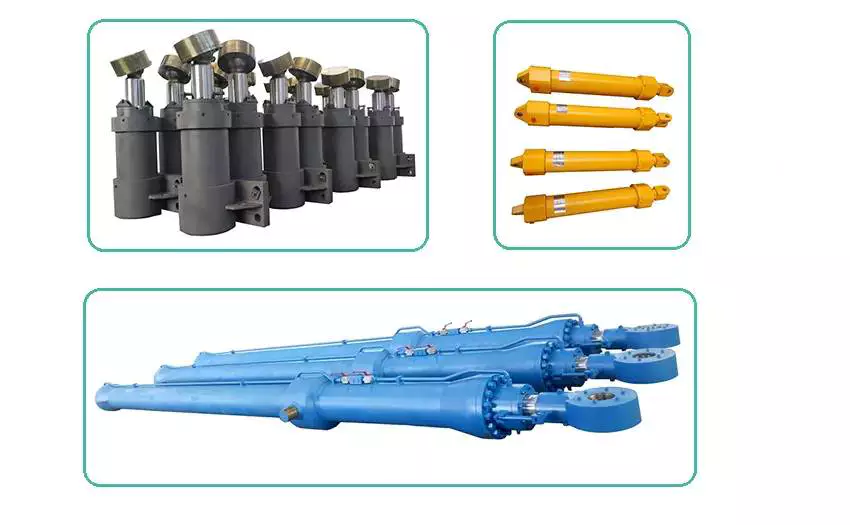
Hur står sig hydraulcylindrar i jämförelse med andra metoder för kraftgenerering, som elmotorer?
Hydraulcylindrar och elmotorer är två olika metoder för kraftgenerering med distinkta egenskaper och tillämpningar. Även om både hydraulcylindrar och elmotorer kan generera kraft, skiljer de sig åt vad gäller deras arbetsprinciper, prestandaegenskaper och lämplighet för specifika tillämpningar. Här är en detaljerad jämförelse av hydraulcylindrar och elmotorer:
1. Arbetsprincip:
– Hydraulcylindrar: Hydraulcylindrar genererar kraft genom att omvandla vätsketryck till linjär rörelse. De består av en cylindercylinder, kolv, kolvstång och hydraulvätska. När trycksatt hydraulvätska kommer in i cylindern trycker den mot kolven, vilket får kolvstången att förlängas eller dras tillbaka, vilket genererar en linjär kraft.
– Elmotorer: Elmotorer genererar kraft genom att omvandla elektrisk energi till rotationsrörelse. De består av en stator, rotor och ett elektromagnetiskt fält. När en elektrisk ström appliceras på motorns lindningar skapas ett magnetfält som interagerar med rotorn, vilket får den att rotera och generera vridmoment.
2. Kraft och makt:
– Hydraulcylindrar: Hydraulcylindrar är kända för sin höga kraftkapacitet. De kan generera betydande linjära krafter, vilket gör dem lämpliga för tunga applikationer som kräver lyft, skjutning eller dragning av stora laster. Hydraulsystem kan ge hög kraftuttag även vid låga hastigheter, vilket möjliggör exakt kontroll över krafttillämpningen. Hydraulsystem arbetar dock vanligtvis vid lägre hastigheter jämfört med elmotorer.
– Elmotorer: Elmotorer utmärker sig genom att ge höga rotationshastigheter och används ofta för applikationer som kräver snabb rörelse. Även om elmotorer kan generera betydande vridmoment tenderar de att ha lägre kraftuttag jämfört med hydraulcylindrar. Elmotorer är lämpliga för applikationer som involverar kontinuerlig rotationsrörelse, såsom att driva transportband, roterande maskiner eller driva fordon.
3. Kontroll och precision:
– Hydraulcylindrar: Hydraulsystem erbjuder utmärkt kontroll över kraft, hastighet och positionering. Genom att reglera flödet av hydraulvätska kan kraften och hastigheten hos hydraulcylindrarna styras exakt. Hydraulsystem kan ge gradvis acceleration och retardation, vilket möjliggör smidiga och precisa rörelser. Denna kontrollnivå gör hydraulcylindrar väl lämpade för applikationer som kräver exakt positionering, till exempel inom industriell automation eller byggutrustning.
– Elmotorer: Elmotorer erbjuder också exakt kontroll över hastighet och positionering. Genom motorstyrningstekniker som varierande spänning, frekvens eller pulsbreddsmodulering (PWM) kan rotationshastigheten och positionen för elmotorer styras noggrant. Elmotorer används ofta i applikationer som kräver exakt hastighetsreglering, såsom robotteknik, CNC-maskiner eller servosystem.
4. Effektivitet och energiförbrukning:
– Hydraulcylindrar: Hydraulsystem kan vara mycket effektiva, särskilt när de är rätt dimensionerade och utformade. Hydraulsystem har dock vanligtvis högre energiförluster på grund av faktorer som vätskeläckage, friktion och värmeutveckling. Den totala effektiviteten hos ett hydraulsystem beror på design, komponentval och underhållspraxis. Hydraulsystem kräver en hydraulisk kraftenhet för att trycksätta hydraulvätskan, vilket förbrukar ytterligare energi.
– Elmotorer: Elmotorer kan ha hög verkningsgrad, särskilt när de används under optimala driftsförhållanden. Elmotorer har lägre energiförluster jämfört med hydrauliska system, främst på grund av avsaknaden av vätskeläckage och lägre friktionsförluster. Den totala verkningsgraden hos en elmotor beror på faktorer som motordesign, belastningsförhållanden och styrtekniker. Elmotorer kräver en elektrisk strömkälla, och deras energiförbrukning beror på motorns nominella effekt och drifttiden.
5. Miljöhänsyn:
– Hydraulcylindrar: Hydraulsystem använder vanligtvis hydraulvätskor som kan orsaka miljöproblem om de läcker eller inte kasseras på rätt sätt. Valet av hydraulvätska kan påverka faktorer som biologisk nedbrytbarhet, toxicitet och potentiella miljörisker. Korrekt underhåll och läckageförebyggande åtgärder är avgörande för att minimera miljöpåverkan från hydraulsystem.
– Elmotorer: Elmotorer anses generellt vara mer miljövänliga eftersom de inte kräver hydraulvätskor. Miljöpåverkan från elmotorer beror dock på vilken elkälla som används för att driva dem. När de drivs av förnybara energikällor, såsom sol eller vind, kan elmotorer erbjuda en grönare lösning jämfört med hydrauliska system.
6. Lämplighet för tillämpning:
– Hydraulcylindrar: Hydraulcylindrar används ofta i applikationer som kräver hög kraftuttag, exakt kontroll och hållbarhet. De används ofta inom industrier som bygg, tillverkning, gruvdrift och flygindustrin. Hydraulsystem är väl lämpade för tunga applikationer, såsom att lyfta tunga föremål, använda tunga maskiner eller styra storskaliga rörelser.
– Elmotorer: Elmotorer används ofta inom olika industrier och tillämpningar som kräver rotationsrörelse, hastighetsreglering och exakt positionering. De finns ofta inom apparater, transport, robotteknik, VVS-system och automation. Elmotorer är lämpliga för tillämpningar som involverar kontinuerlig rotationsrörelse, såsom att driva transportband, roterande maskiner eller driva fordon. Sammanfattningsvis har hydraulcylindrar och elmotorer olika arbetsprinciper, kraftkapacitet, styregenskaper, effektivitetsnivåer och tillämpningslämplighet. Hydraulcylindrar utmärker sig genom att ge hög kraftuttag, exakt styrning och hållbarhet, vilket gör dem idealiska för tunga tillämpningar. Elmotorer, å andra sidan, erbjuder höga rotationshastigheter, exakt hastighetsreglering och används ofta för tillämpningar som involverar kontinuerlig rotationsrörelse. Valet mellan hydraulcylindrar och elmotorer beror på tillämpningens specifika krav, inklusive typ av rörelse, kraftuttag, styrprecision och miljöhänsyn.
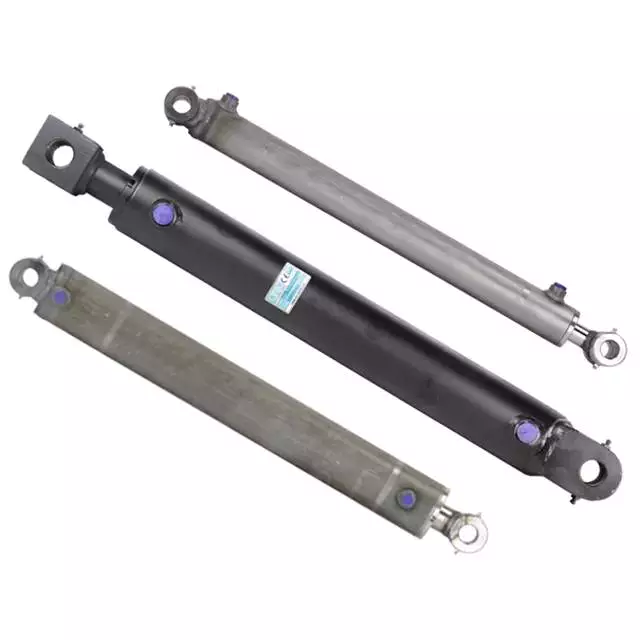
What considerations are important when selecting hydraulic cylinders for mobile equipment?
To select hydraulic cylinders for mobile equipment, several important considerations need to be taken into account. Here are the key factors to consider:
- Load Capacity: Determine the maximum load or force that the hydraulic cylinder will need to support. This includes both the static load and any dynamic or shock loads that may be encountered during operation.
- Stroke Length: Consider the required stroke length, which is the distance the hydraulic cylinder can extend and retract. Ensure that the stroke length is sufficient for the specific application and range of motion needed.
- Operating Pressure: Determine the maximum operating pressure required for the hydraulic system. This will depend on the load and the specific application. Select a hydraulic cylinder with a pressure rating that exceeds the maximum operating pressure to ensure safety and durability.
- Mounting Style: Consider the available space and the mounting requirements of the mobile equipment. Hydraulic cylinders come in various mounting styles, such as flange, trunnion, clevis, and pivot, among others. Choose a mounting style that is compatible with the equipment and provides the necessary support and stability.
- Size and Weight: Take into account the physical dimensions and weight of the hydraulic cylinder. Ensure that it can fit within the available space and that the equipment can support its weight without compromising performance or safety.
- Speed and Precision: Evaluate the required speed and precision of the hydraulic cylinder’s movement. Different cylinder designs and configurations can affect the speed and accuracy of motion. Consider factors such as cylinder bore size, rod diameter, and the presence of cushioning or dampening features.
- Environmental Factors: Assess the operating environment of the mobile equipment. Consider factors such as temperature extremes, exposure to moisture, dust, and chemicals. Select hydraulic cylinders with appropriate seals and coatings that can withstand the environmental conditions and prevent corrosion or damage.
- Reliability and Maintenance: Consider the reliability and maintenance requirements of the hydraulic cylinders. Look for reputable manufacturers that provide high-quality products with a proven track record. Evaluate factors such as expected service life, availability of spare parts, and ease of maintenance.
- Cost: Finally, consider the cost of the hydraulic cylinders, including the initial purchase price, installation costs, and long-term maintenance expenses. While it is essential to find a cost-effective solution, prioritize quality and performance to ensure safe and efficient operation.
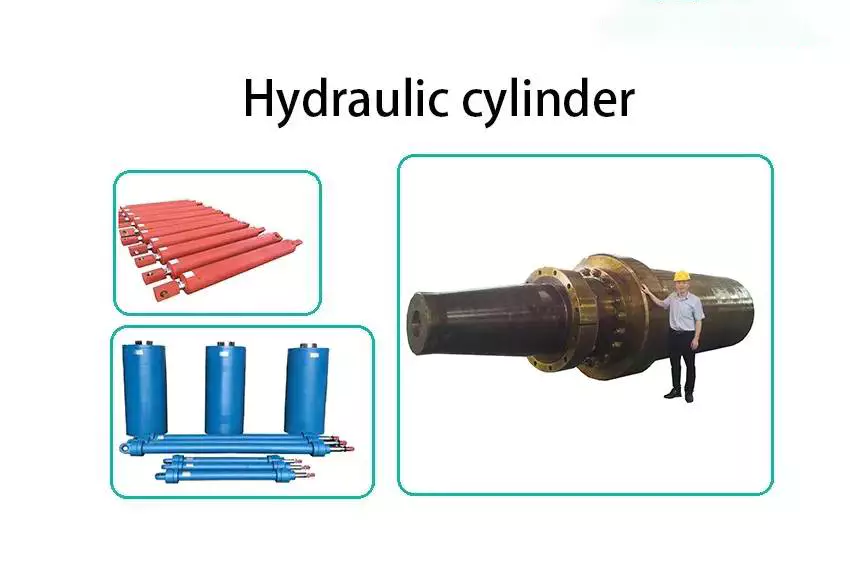
Can you explain the role and significance of hydraulic cylinders in machinery?
Hydraulic cylinders play a crucial role in machinery across various industries. They are essential components that provide controlled and powerful linear motion, enabling the operation of heavy equipment and facilitating numerous tasks. The role and significance of hydraulic cylinders in machinery can be explained in detail as follows:
Role of Hydraulic Cylinders:
– Conversion of Hydraulic Energy: Hydraulic cylinders convert hydraulic energy, typically in the form of pressurized hydraulic fluid, into linear force and motion. This conversion allows machinery to perform tasks such as lifting, pushing, pulling, clamping, tilting, and controlling various mechanisms.
– Generation of Linear Motion: Hydraulic cylinders generate linear motion by utilizing the principles of Pascal’s law. When hydraulic fluid is directed into one side of the cylinder, it applies pressure on the piston, resulting in linear movement of the piston and the attached piston rod. This linear motion can be used to actuate other components within the machinery or directly perform the required task.
– Force Generation: Hydraulic cylinders are capable of generating high forces due to the hydraulic pressure applied to the piston. The force output of a hydraulic cylinder depends on the surface area of the piston and the pressure of the hydraulic fluid. This force allows machinery to exert significant power for lifting heavy loads, applying pressure, or overcoming resistance.
– Precise Control: Hydraulic cylinders offer precise control over the linear motion and force exerted. By regulating the flow of hydraulic fluid, the speed and direction of the cylinder’s movement can be accurately adjusted. This level of control is crucial in machinery that requires precise positioning, delicate movements, or synchronization of multiple cylinders.
– Integration with Hydraulic Systems: Hydraulic cylinders are integral parts of hydraulic systems used in machinery. They work in conjunction with hydraulic pumps, valves, and actuators to create a complete hydraulic circuit. This integration allows for efficient power transmission, control, and coordination of various machine functions.
Significance of Hydraulic Cylinders:
– Heavy Equipment Operation: Hydraulic cylinders are vital in heavy machinery used in construction, mining, agriculture, material handling, and other industries. They enable the lifting and movement of heavy loads, the operation of attachments, and the performance of tasks that require high force and precision.
– Versatility and Adaptability: Hydraulic cylinders are versatile components that can be designed and tailored to meet specific machinery requirements. They can be integrated into various types of equipment and customized based on factors such as force capacity, stroke length, speed, and mounting options. This adaptability makes hydraulic cylinders suitable for diverse applications.
– Durability and Reliability: Hydraulic cylinders are built to withstand rigorous operating conditions, including high pressures, heavy loads, and continuous use. They are designed with robust materials, precise machining, and effective sealing systems to ensure durability and reliability over extended periods of operation.
– Safety and Load Control: Hydraulic cylinders provide safe and controlled operation in machinery. They offer overload protection mechanisms, such as relief valves, to prevent damage caused by excessive force or pressure. Additionally, hydraulic cylinders allow for precise load control, minimizing the risk of accidents during lifting, lowering, or positioning of heavy loads.
– Compact Design: Hydraulic cylinders offer a high power-to-size ratio, allowing for compact machinery design. Their relatively small size compared to the forces they can generate makes them suitable for applications where space is limited or weight restrictions apply.
– Energy Efficiency: Hydraulic cylinders contribute to energy efficiency in machinery. The use of hydraulic systems allows for the transfer of power over long distances without significant power losses. Additionally, hydraulic cylinders can incorporate energy-saving features such as load-sensing technology and regenerative circuits, reducing energy consumption.
Overall, hydraulic cylinders play a vital role in machinery by providing controlled and powerful linear motion. Their significance lies in their ability to convert hydraulic energy, generate high forces, offer precise control, integrate with hydraulic systems, and facilitate the operation of heavy equipment across various industries. Hydraulic cylinders contribute to increased productivity, safety, and efficiency in machinery applications, making them indispensable components in modern-day engineering.


editor by CX 2023-11-24
 Swedish
  English
  Italian
  Portuguese
  Dutch
Dutch  Danish
  Finnish
  Polish
  Hindi
Hindi  Kazakh
  Turkish
  Ukrainian
  Romanian
  Spanish
  German
  Russian
  Korean
  Japanese
  Vietnamese
  Thai
Thai  Indonesian
  Malay
Malay  French
  Greek
Greek