
Опис продукту
hydraulic cylinder tipping gear system for dump truck manufacturer
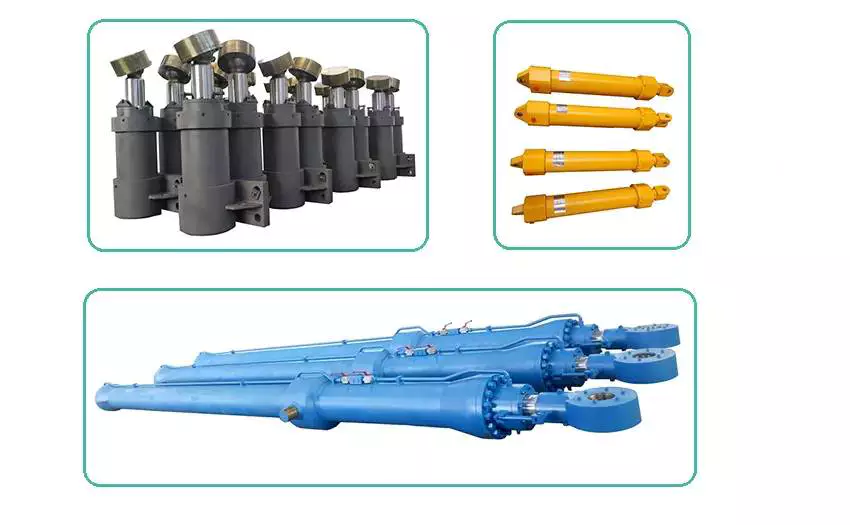
The hydraulc self-charging system for dump truck includes telescopic hydraulic cylinder,supporting bracket, hydraulic hose, gear pump, limit valve and other fittings. It has simple structure, high strength and safe operation with competitive price and excellent quality.
1. dump truck telescopic hydraulic cylinder drawing and parameter
Features | customer hydraulic cylinder |
Bore Diameter | 2′-60’/50-1500mm |
Rod Diameter | 1′ – 60’/25 -1500 mm |
Wall Thickness | 0.1′-4’/3-100 mm |
Max Stroke | 366’/9280 mm |
Max Pressure | 9600 psi/600 bar |
Test Pressure | 14500 psi/1000 bar |
Material | 20#,40#,45#,16Mn,27SiMn,etc |
Seal Kits | Hallite,Parker,NOK,DICHTOMATIK,Trelleborg,Merkel,etc |
Diamensional Accuracy | H7-H11 |
Bore Roughness | Ra 0.4-1.6mm |
Coating | hard chrome |
Purpose | Construction,metallurgical,mining,agricultural,forestry machinery,etc |
OEM | Yes |
MOQ | 1 Piece |
Certificates | ISO9001,ISO/TS16949,ABS,AQA,API,CCS,CCRI,DNV |
Product details:
Production process:
hydraulic cylinder for dump truck , trail truck,garbage truck,crane
1.Sinciput telescopic hydraulic cylinder is used in lager-tonnage sinciput hydraulic system. Together with hydraulic pump, change valve, and limit valve, it can realize the function of lifting pausing and falling. And the product can be designed and made according to the demands of customers.
2.underbody telescopic hydraulic cylinder is used in large-tonnage side-dumping hydraulic system. Together with hydraulic pump, change valve, and limit valve, it can realize the function of lifting pausing and falling. And the product can be designed and made according to the demands of customers.
hydraulic cylinder for coal mine dump truck
3.Hydraulic cylinder is the most important component in hydraulic systems, it will transfer hydraulic energy into mechanical energy, and is matched with various transmission mechanism, to complete a variety of mechanical motion.
4.Hydraulic cylinder has the advantages of simple structure, large output force, stable and reliable performance, easy maintenance, wide application.
5. customer hydraulic cylinder can be used for dump truck, marine, drilling machine, industry, elevator , workover rig , mining, agriculture, industry, construction ,etc.
| Certification: | GS, RoHS, CE, ISO9001 |
|---|---|
| Pressure: | High Pressure |
| Work Temperature: | High Temperature |
| Acting Way: | Double Acting |
| Working Method: | Straight Trip |
| Structure: | Piston Type |
| Samples: | US$ 200/Piece 1 Piece(Min.Order) | |
|---|
| Customization: | Available |
|
|---|
Як гідравлічні циліндри порівнюються з іншими методами створення сили, такими як електродвигуни?
Гідроциліндри та електродвигуни – це два різні методи створення сили з різними характеристиками та застосуванням. Хоча як гідроциліндри, так і електродвигуни можуть створювати силу, вони відрізняються за принципами роботи, експлуатаційними характеристиками та придатністю для конкретних застосувань. Ось детальне порівняння гідроциліндрів та електродвигунів:
1. Принцип роботи:
– Гідравлічні циліндри: Гідравлічні циліндри створюють силу шляхом перетворення тиску рідини в лінійний рух. Вони складаються з циліндра, поршня, штока поршня та гідравлічної рідини. Коли гідравлічна рідина під тиском потрапляє в циліндр, вона тисне на поршень, змушуючи шток поршня висуватися або втягуватися, тим самим створюючи лінійну силу.
– Електродвигуни: Електродвигуни генерують силу шляхом перетворення електричної енергії в обертальний рух. Вони складаються зі статора, ротора та електромагнітного поля. Коли до обмоток двигуна подається електричний струм, він створює магнітне поле, яке взаємодіє з ротором, змушуючи його обертатися та створювати крутний момент.
2. Сила та влада:
– Гідравлічні циліндри: Гідравлічні циліндри відомі своїми високими силовими можливостями. Вони можуть створювати значні лінійні сили, що робить їх придатними для важких застосувань, які потребують підіймання, штовхання або буксирування великих вантажів. Гідравлічні системи можуть забезпечувати високу вихідну силу навіть на низьких швидкостях, що дозволяє точно контролювати прикладену силу. Однак, гідравлічні системи зазвичай працюють на нижчих швидкостях порівняно з електродвигунами.
– Електродвигуни: Електродвигуни чудово забезпечують високі швидкості обертання та зазвичай використовуються для застосувань, що потребують швидкого руху. Хоча електродвигуни можуть генерувати значний крутний момент, вони, як правило, мають меншу вихідну силу порівняно з гідравлічними циліндрами. Електродвигуни підходять для застосувань, що передбачають безперервний обертальний рух, таких як приведення в дію конвеєрних стрічок, обертових машин або живлення транспортних засобів.
3. Контроль та точність:
– Гідравлічні циліндри: Гідравлічні системи забезпечують чудовий контроль над силою, швидкістю та позиціонуванням. Регулюючи потік гідравлічної рідини, можна точно контролювати силу та швидкість гідроциліндрів. Гідравлічні системи можуть забезпечувати поступове прискорення та уповільнення, що дозволяє здійснювати плавні та точні рухи. Такий рівень контролю робить гідроциліндри добре придатними для застосувань, що потребують точного позиціонування, наприклад, у промисловій автоматизації або будівельному обладнанні.
– Електродвигуни: Електродвигуни також забезпечують точний контроль швидкості та позиціонування. За допомогою методів керування двигуном, таких як зміна напруги, частоти або широтно-імпульсна модуляція (ШІМ), можна точно контролювати швидкість обертання та положення електродвигунів. Електродвигуни зазвичай використовуються в системах, що потребують точного контролю швидкості, таких як робототехніка, верстати з ЧПК або сервосистеми.
4. Ефективність та енергоспоживання:
– Гідравлічні циліндри: Гідравлічні системи можуть бути дуже ефективними, особливо за умови правильного підбору розміру та конструкції. Однак гідравлічні системи зазвичай мають більші втрати енергії через такі фактори, як витік рідини, тертя та виділення тепла. Загальна ефективність гідравлічної системи залежить від конструкції, вибору компонентів та методів технічного обслуговування. Гідравлічні системи потребують гідравлічного силового агрегату для створення тиску в гідравлічній рідині, що споживає додаткову енергію.
– Електродвигуни: Електродвигуни можуть мати високий ККД, особливо за умови експлуатації в оптимальних робочих умовах. Електродвигуни мають менші втрати енергії порівняно з гідравлічними системами, головним чином через відсутність витоку рідини та менші втрати на тертя. Загальний ККД електродвигуна залежить від таких факторів, як конструкція двигуна, умови навантаження та методи керування. Електродвигуни потребують джерела електроенергії, а їх споживання енергії залежить від номінальної потужності двигуна та тривалості роботи.
5. Екологічні міркування:
– Гідравлічні циліндри: У гідравлічних системах зазвичай використовуються гідравлічні рідини, які можуть становити загрозу для навколишнього середовища у разі протікання або неправильної утилізації. Вибір гідравлічної рідини може впливати на такі фактори, як біорозкладність, токсичність та потенційна небезпека для навколишнього середовища. Належне технічне обслуговування та методи запобігання протіканням є важливими для мінімізації впливу гідравлічних систем на навколишнє середовище.
– Електродвигуни: Електродвигуни загалом вважаються більш екологічними, оскільки вони не потребують гідравлічних рідин. Однак вплив електродвигунів на навколишнє середовище залежить від джерела електроенергії, що використовується для їх живлення. При живленні від відновлюваних джерел енергії, таких як сонячна або вітрова енергія, електродвигуни можуть запропонувати більш екологічне рішення порівняно з гідравлічними системами.
6. Придатність до застосування:
– Гідравлічні циліндри: Гідравлічні циліндри зазвичай використовуються в сферах, що потребують високої вихідної сили, точного керування та довговічності. Вони широко застосовуються в таких галузях, як будівництво, виробництво, гірничодобувна промисловість та аерокосмічна промисловість. Гідравлічні системи добре підходять для важких робіт, таких як підйом важких предметів, керування важкою технікою або керування великомасштабними рухами.
– Електродвигуни: Електродвигуни широко використовуються в різних галузях промисловості та застосуваннях, що потребують обертального руху, контролю швидкості та точного позиціонування. Вони зазвичай зустрічаються в побутовій техніці, транспорті, робототехніці, системах опалення, вентиляції та кондиціонування повітря (HVAC) та автоматизації. Електродвигуни підходять для застосувань, що передбачають безперервний обертальний рух, таких як керування конвеєрними стрічками, обертовими механізмами або живлення транспортних засобів. Підсумовуючи, гідравлічні циліндри та електродвигуни мають різні принципи роботи, зусилля, характеристики керування, рівні ефективності та придатність до застосування. Гідравлічні циліндри переважають у забезпеченні високої вихідної сили, точного керування та довговічності, що робить їх ідеальними для важких застосувань. Електродвигуни, з іншого боку, пропонують високі швидкості обертання, точне керування швидкістю та зазвичай використовуються для застосувань, що передбачають безперервний обертальний рух. Вибір між гідравлічними циліндрами та електродвигунами залежить від конкретних вимог застосування, включаючи тип руху, вихідну силу, точність керування та екологічні міркування.
What considerations are important when selecting hydraulic cylinders for mobile equipment?
To select hydraulic cylinders for mobile equipment, several important considerations need to be taken into account. Here are the key factors to consider:
- Load Capacity: Determine the maximum load or force that the hydraulic cylinder will need to support. This includes both the static load and any dynamic or shock loads that may be encountered during operation.
- Stroke Length: Consider the required stroke length, which is the distance the hydraulic cylinder can extend and retract. Ensure that the stroke length is sufficient for the specific application and range of motion needed.
- Operating Pressure: Determine the maximum operating pressure required for the hydraulic system. This will depend on the load and the specific application. Select a hydraulic cylinder with a pressure rating that exceeds the maximum operating pressure to ensure safety and durability.
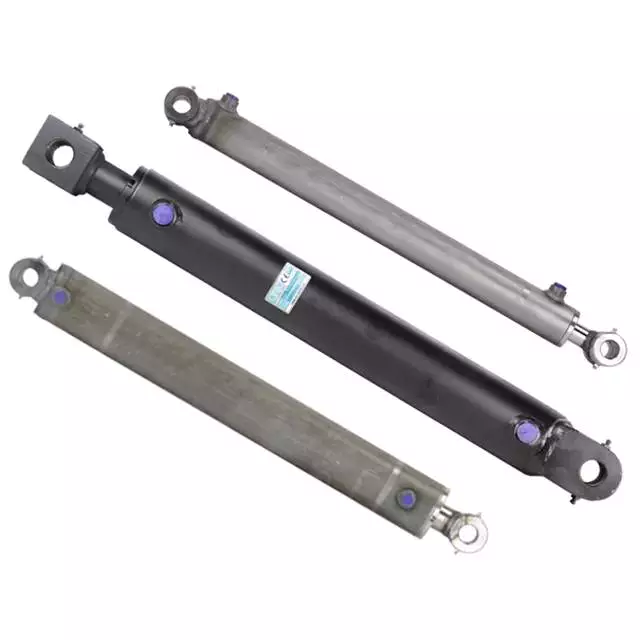
- Mounting Style: Consider the available space and the mounting requirements of the mobile equipment. Hydraulic cylinders come in various mounting styles, such as flange, trunnion, clevis, and pivot, among others. Choose a mounting style that is compatible with the equipment and provides the necessary support and stability.
- Size and Weight: Take into account the physical dimensions and weight of the hydraulic cylinder. Ensure that it can fit within the available space and that the equipment can support its weight without compromising performance or safety.
- Speed and Precision: Evaluate the required speed and precision of the hydraulic cylinder’s movement. Different cylinder designs and configurations can affect the speed and accuracy of motion. Consider factors such as cylinder bore size, rod diameter, and the presence of cushioning or dampening features.
- Environmental Factors: Assess the operating environment of the mobile equipment. Consider factors such as temperature extremes, exposure to moisture, dust, and chemicals. Select hydraulic cylinders with appropriate seals and coatings that can withstand the environmental conditions and prevent corrosion or damage.
- Reliability and Maintenance: Consider the reliability and maintenance requirements of the hydraulic cylinders. Look for reputable manufacturers that provide high-quality products with a proven track record. Evaluate factors such as expected service life, availability of spare parts, and ease of maintenance.
- Cost: Finally, consider the cost of the hydraulic cylinders, including the initial purchase price, installation costs, and long-term maintenance expenses. While it is essential to find a cost-effective solution, prioritize quality and performance to ensure safe and efficient operation.
Can you explain the role and significance of hydraulic cylinders in machinery?
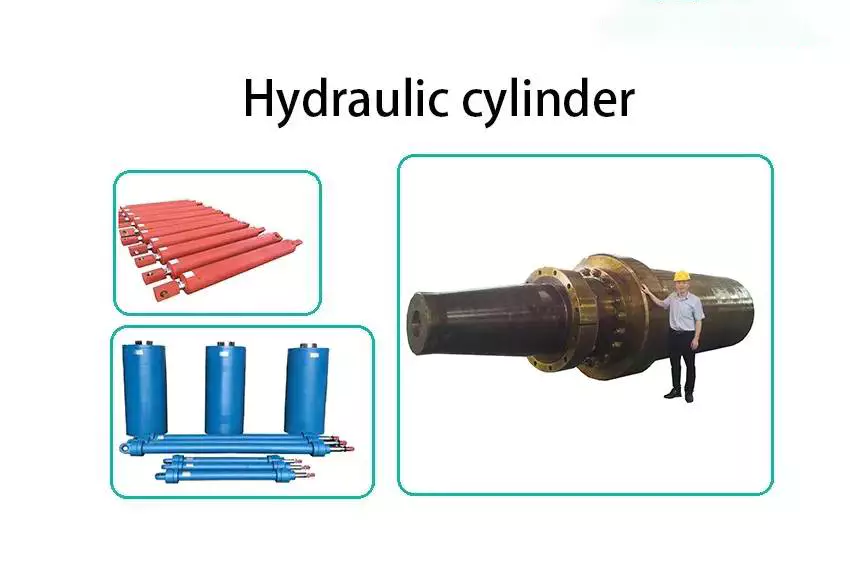
Hydraulic cylinders play a crucial role in machinery across various industries. They are essential components that provide controlled and powerful linear motion, enabling the operation of heavy equipment and facilitating numerous tasks. The role and significance of hydraulic cylinders in machinery can be explained in detail as follows:
Role of Hydraulic Cylinders:
– Conversion of Hydraulic Energy: Hydraulic cylinders convert hydraulic energy, typically in the form of pressurized hydraulic fluid, into linear force and motion. This conversion allows machinery to perform tasks such as lifting, pushing, pulling, clamping, tilting, and controlling various mechanisms.
– Generation of Linear Motion: Hydraulic cylinders generate linear motion by utilizing the principles of Pascal’s law. When hydraulic fluid is directed into one side of the cylinder, it applies pressure on the piston, resulting in linear movement of the piston and the attached piston rod. This linear motion can be used to actuate other components within the machinery or directly perform the required task.
– Force Generation: Hydraulic cylinders are capable of generating high forces due to the hydraulic pressure applied to the piston. The force output of a hydraulic cylinder depends on the surface area of the piston and the pressure of the hydraulic fluid. This force allows machinery to exert significant power for lifting heavy loads, applying pressure, or overcoming resistance.
– Precise Control: Hydraulic cylinders offer precise control over the linear motion and force exerted. By regulating the flow of hydraulic fluid, the speed and direction of the cylinder’s movement can be accurately adjusted. This level of control is crucial in machinery that requires precise positioning, delicate movements, or synchronization of multiple cylinders.
– Integration with Hydraulic Systems: Hydraulic cylinders are integral parts of hydraulic systems used in machinery. They work in conjunction with hydraulic pumps, valves, and actuators to create a complete hydraulic circuit. This integration allows for efficient power transmission, control, and coordination of various machine functions.
Significance of Hydraulic Cylinders:
– Heavy Equipment Operation: Hydraulic cylinders are vital in heavy machinery used in construction, mining, agriculture, material handling, and other industries. They enable the lifting and movement of heavy loads, the operation of attachments, and the performance of tasks that require high force and precision.
– Versatility and Adaptability: Hydraulic cylinders are versatile components that can be designed and tailored to meet specific machinery requirements. They can be integrated into various types of equipment and customized based on factors such as force capacity, stroke length, speed, and mounting options. This adaptability makes hydraulic cylinders suitable for diverse applications.
– Durability and Reliability: Hydraulic cylinders are built to withstand rigorous operating conditions, including high pressures, heavy loads, and continuous use. They are designed with robust materials, precise machining, and effective sealing systems to ensure durability and reliability over extended periods of operation.
– Safety and Load Control: Hydraulic cylinders provide safe and controlled operation in machinery. They offer overload protection mechanisms, such as relief valves, to prevent damage caused by excessive force or pressure. Additionally, hydraulic cylinders allow for precise load control, minimizing the risk of accidents during lifting, lowering, or positioning of heavy loads.
– Compact Design: Hydraulic cylinders offer a high power-to-size ratio, allowing for compact machinery design. Their relatively small size compared to the forces they can generate makes them suitable for applications where space is limited or weight restrictions apply.
– Energy Efficiency: Hydraulic cylinders contribute to energy efficiency in machinery. The use of hydraulic systems allows for the transfer of power over long distances without significant power losses. Additionally, hydraulic cylinders can incorporate energy-saving features such as load-sensing technology and regenerative circuits, reducing energy consumption.
Overall, hydraulic cylinders play a vital role in machinery by providing controlled and powerful linear motion. Their significance lies in their ability to convert hydraulic energy, generate high forces, offer precise control, integrate with hydraulic systems, and facilitate the operation of heavy equipment across various industries. Hydraulic cylinders contribute to increased productivity, safety, and efficiency in machinery applications, making them indispensable components in modern-day engineering.


editor by CX 2023-11-24
 Ukrainian
  English
  Italian
  Portuguese
  Dutch
Dutch  Swedish
  Danish
  Finnish
  Polish
  Hindi
Hindi  Kazakh
  Turkish
  Romanian
  Spanish
  German
  Russian
  Korean
  Japanese
  Vietnamese
  Thai
Thai  Indonesian
  Malay
Malay  French
  Greek
Greek