
Produktbeskrivning
Tie rod Hydraulic Cylinder
GD Machinery Co., Ltd. is a specialized manufacturer and trader with main products: hydraulic cylinders, hydraulic power units, hydraulic manifolds-blocks, hydraulic flanges,pneumatic cylinders and custom-made components and parts, like industrial valves.
Our sales markets have covered our sales markets have covered North America, Europe, Australia and Japan.
|
HangZhou GD Machinery CO.,LTD. |
|
|
Produkt |
|
|
tie rod hydraulic cylinder, welded hydraulic cylinder, telescopic cylinders cylinder, flange type hydraulic cylinder, hydraulic cylinder with valve function, hydraulic power unit, Hydraulic manifold block, pneumatic fitting, |
|
|
Material |
Tube – Cold Drawn Precision seamless Tubing Mounts – Trunnion with angular Swivels |
|
Application |
Agriculture, Concrete & Asphalt, Cranes, Fire & Rescue Forestry & Logging,Mining & Rock Crushing,Oil & Gas Snow & Ice Control,Waste Management and Material Recycling Industry , Engineering Equipment, Special Vehicle |
|
Feature |
1.High quality with a reasonable price 2.ISO9001-2008 3.Customized specification are accepted |
|
Payment |
T/T;L/C,WESTERN UNION. |
|
Port |
HangZhou ,China |
|
Quotation |
According to the specific request |
|
MOQ |
According to the product |
|
Förpackning |
metal case;plywood case;carton or as requirement |
|
Delivery time |
30days CHINAMFG receipt of 30% deposit; or CHINAMFG receipt of relevant L/C; |
Tie rod hydraulic cylinders
Specificattions:
Applications:
- Leveling Jacks
- Marine Steering
- Snow Plow Blade Control
- Trash Truck Automation
- Loader Bucket Angle & Height
- Paver Height
- 3 Point Hitch Position
- Steering Control
Förpackning
We use metal case/plywood case /carton or as Customer’s requirements
Delivery time:
30-40 days
Hydraulic cylinders can be built according to your drawings or technical requirement.
Sample order are acceptable
Please kindly contact:
| Certification: | ISO9001 |
|---|---|
| Pressure: | Medium Pressure |
| Work Temperature: | Normal Temperature |
| Samples: |
US$ 30/Piece
1 Piece(Min.Order) | Order Sample |
|---|
| Customization: |
Available
|
|
|---|
.shipping-cost-tm .tm-status-off{background: none;padding:0;color: #1470cc}
| Shipping Cost:
Estimated freight per unit. |
about shipping cost and estimated delivery time. |
|---|
| Payment Method: |
|
|---|---|
|
Initial Payment Full Payment |
| Currency: | US$ |
|---|
| Return&refunds: | You can apply for a refund up to 30 days after receipt of the products. |
|---|
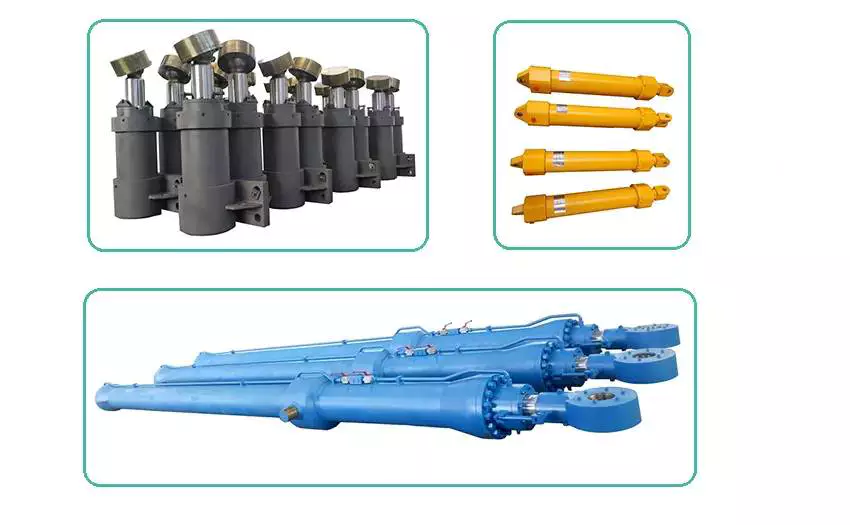
Hur står sig hydraulcylindrar i jämförelse med andra metoder för kraftgenerering, som elmotorer?
Hydraulcylindrar och elmotorer är två olika metoder för kraftgenerering med distinkta egenskaper och tillämpningar. Även om både hydraulcylindrar och elmotorer kan generera kraft, skiljer de sig åt vad gäller deras arbetsprinciper, prestandaegenskaper och lämplighet för specifika tillämpningar. Här är en detaljerad jämförelse av hydraulcylindrar och elmotorer:
1. Arbetsprincip:
– Hydraulcylindrar: Hydraulcylindrar genererar kraft genom att omvandla vätsketryck till linjär rörelse. De består av en cylindercylinder, kolv, kolvstång och hydraulvätska. När trycksatt hydraulvätska kommer in i cylindern trycker den mot kolven, vilket får kolvstången att förlängas eller dras tillbaka, vilket genererar en linjär kraft.
– Elmotorer: Elmotorer genererar kraft genom att omvandla elektrisk energi till rotationsrörelse. De består av en stator, rotor och ett elektromagnetiskt fält. När en elektrisk ström appliceras på motorns lindningar skapas ett magnetfält som interagerar med rotorn, vilket får den att rotera och generera vridmoment.
2. Kraft och makt:
– Hydraulcylindrar: Hydraulcylindrar är kända för sin höga kraftkapacitet. De kan generera betydande linjära krafter, vilket gör dem lämpliga för tunga applikationer som kräver lyft, skjutning eller dragning av stora laster. Hydraulsystem kan ge hög kraftuttag även vid låga hastigheter, vilket möjliggör exakt kontroll över krafttillämpningen. Hydraulsystem arbetar dock vanligtvis vid lägre hastigheter jämfört med elmotorer.
– Elmotorer: Elmotorer utmärker sig genom att ge höga rotationshastigheter och används ofta för applikationer som kräver snabb rörelse. Även om elmotorer kan generera betydande vridmoment tenderar de att ha lägre kraftuttag jämfört med hydraulcylindrar. Elmotorer är lämpliga för applikationer som involverar kontinuerlig rotationsrörelse, såsom att driva transportband, roterande maskiner eller driva fordon.
3. Kontroll och precision:
– Hydraulcylindrar: Hydraulsystem erbjuder utmärkt kontroll över kraft, hastighet och positionering. Genom att reglera flödet av hydraulvätska kan kraften och hastigheten hos hydraulcylindrarna styras exakt. Hydraulsystem kan ge gradvis acceleration och retardation, vilket möjliggör smidiga och precisa rörelser. Denna kontrollnivå gör hydraulcylindrar väl lämpade för applikationer som kräver exakt positionering, till exempel inom industriell automation eller byggutrustning.
– Elmotorer: Elmotorer erbjuder också exakt kontroll över hastighet och positionering. Genom motorstyrningstekniker som varierande spänning, frekvens eller pulsbreddsmodulering (PWM) kan rotationshastigheten och positionen för elmotorer styras noggrant. Elmotorer används ofta i applikationer som kräver exakt hastighetsreglering, såsom robotteknik, CNC-maskiner eller servosystem.
4. Effektivitet och energiförbrukning:
– Hydraulcylindrar: Hydraulsystem kan vara mycket effektiva, särskilt när de är rätt dimensionerade och utformade. Hydraulsystem har dock vanligtvis högre energiförluster på grund av faktorer som vätskeläckage, friktion och värmeutveckling. Den totala effektiviteten hos ett hydraulsystem beror på design, komponentval och underhållspraxis. Hydraulsystem kräver en hydraulisk kraftenhet för att trycksätta hydraulvätskan, vilket förbrukar ytterligare energi.
– Elmotorer: Elmotorer kan ha hög verkningsgrad, särskilt när de används under optimala driftsförhållanden. Elmotorer har lägre energiförluster jämfört med hydrauliska system, främst på grund av avsaknaden av vätskeläckage och lägre friktionsförluster. Den totala verkningsgraden hos en elmotor beror på faktorer som motordesign, belastningsförhållanden och styrtekniker. Elmotorer kräver en elektrisk strömkälla, och deras energiförbrukning beror på motorns nominella effekt och drifttiden.
5. Miljöhänsyn:
– Hydraulcylindrar: Hydraulsystem använder vanligtvis hydraulvätskor som kan orsaka miljöproblem om de läcker eller inte kasseras på rätt sätt. Valet av hydraulvätska kan påverka faktorer som biologisk nedbrytbarhet, toxicitet och potentiella miljörisker. Korrekt underhåll och läckageförebyggande åtgärder är avgörande för att minimera miljöpåverkan från hydraulsystem.
– Elmotorer: Elmotorer anses generellt vara mer miljövänliga eftersom de inte kräver hydraulvätskor. Miljöpåverkan från elmotorer beror dock på vilken elkälla som används för att driva dem. När de drivs av förnybara energikällor, såsom sol eller vind, kan elmotorer erbjuda en grönare lösning jämfört med hydrauliska system.
6. Lämplighet för tillämpning:
– Hydraulcylindrar: Hydraulcylindrar används ofta i applikationer som kräver hög kraftuttag, exakt kontroll och hållbarhet. De används ofta inom industrier som bygg, tillverkning, gruvdrift och flygindustrin. Hydraulsystem är väl lämpade för tunga applikationer, såsom att lyfta tunga föremål, använda tunga maskiner eller styra storskaliga rörelser.
– Elmotorer: Elmotorer används ofta inom olika industrier och tillämpningar som kräver rotationsrörelse, hastighetsreglering och exakt positionering. De finns ofta inom apparater, transport, robotteknik, VVS-system och automation. Elmotorer är lämpliga för tillämpningar som involverar kontinuerlig rotationsrörelse, såsom att driva transportband, roterande maskiner eller driva fordon. Sammanfattningsvis har hydraulcylindrar och elmotorer olika arbetsprinciper, kraftkapacitet, styregenskaper, effektivitetsnivåer och tillämpningslämplighet. Hydraulcylindrar utmärker sig genom att ge hög kraftuttag, exakt styrning och hållbarhet, vilket gör dem idealiska för tunga tillämpningar. Elmotorer, å andra sidan, erbjuder höga rotationshastigheter, exakt hastighetsreglering och används ofta för tillämpningar som involverar kontinuerlig rotationsrörelse. Valet mellan hydraulcylindrar och elmotorer beror på tillämpningens specifika krav, inklusive typ av rörelse, kraftuttag, styrprecision och miljöhänsyn.
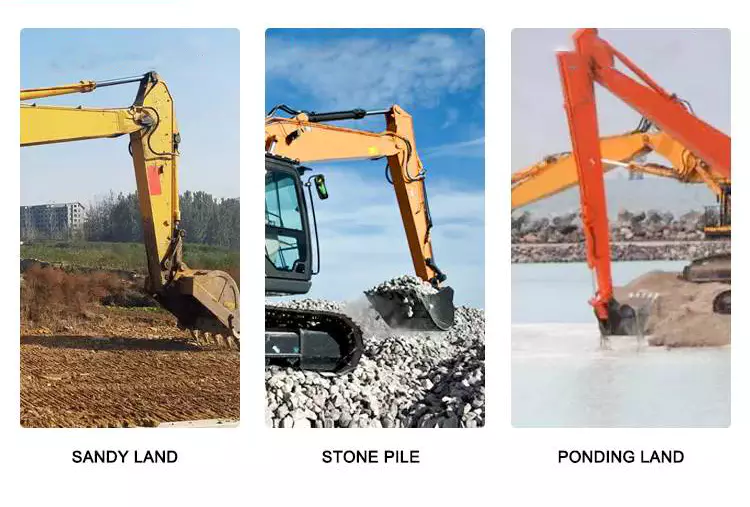
Contribution of Hydraulic Cylinders to the Precision of Robotic and Automation Systems
Hydraulic cylinders play a significant role in enhancing the precision of robotic and automation systems. These systems rely on precise and controlled movements to perform various tasks with accuracy and repeatability. Let’s explore how hydraulic cylinders contribute to the precision of robotic and automation systems:
- Precise Positioning: Hydraulic cylinders enable precise positioning of robotic arms or automation components. They provide accurate control over the linear motion required for tasks such as picking, placing, and assembly. By precisely controlling the extension and retraction of the hydraulic cylinder, the system can achieve the desired position with high accuracy, ensuring precise alignment and consistent results.
- Controlled Motion: Hydraulic cylinders offer controlled and smooth motion, which is crucial for precise operation in robotic and automation systems. The flow of hydraulic fluid can be precisely regulated to control the speed and acceleration of the cylinder’s movement. This precise control allows for gentle and controlled movements, minimizing vibrations, overshooting, or jerky motions that could affect the accuracy of the system.
- Force Control: Hydraulic cylinders provide force control capabilities that contribute to precision in robotic and automation systems. By adjusting the hydraulic pressure, the force exerted by the cylinder can be precisely controlled. This is particularly valuable in applications that require delicate force-sensitive tasks, such as gripping fragile objects or performing precise force feedback during assembly or testing processes.
- Load Handling: Hydraulic cylinders are capable of handling heavy loads, allowing robotic and automation systems to manipulate and transport objects with precision. The high force capabilities of hydraulic cylinders ensure secure and stable handling of loads, minimizing the risk of slippage or imprecise positioning. This is crucial in applications where precise control over heavy objects is required, such as material handling or industrial assembly processes.
- Durability and Reliability: Hydraulic cylinders are known for their durability and reliability in demanding industrial environments. The ability to withstand repeated use, high loads, and harsh conditions ensures consistent performance over time. This reliability contributes to the precision of robotic and automation systems, as any deviation or failure in the cylinder’s movement could lead to inaccuracies or disruptions in the system’s operation.
In summary, hydraulic cylinders make significant contributions to the precision of robotic and automation systems by enabling precise positioning, controlled motion, force control, load handling, and offering durability and reliability. These capabilities ensure accurate and repeatable movements, minimize errors, and enhance the overall precision of the system. By incorporating hydraulic cylinders into robotic and automation systems, manufacturers can achieve higher levels of precision, efficiency, and productivity in various industrial applications.
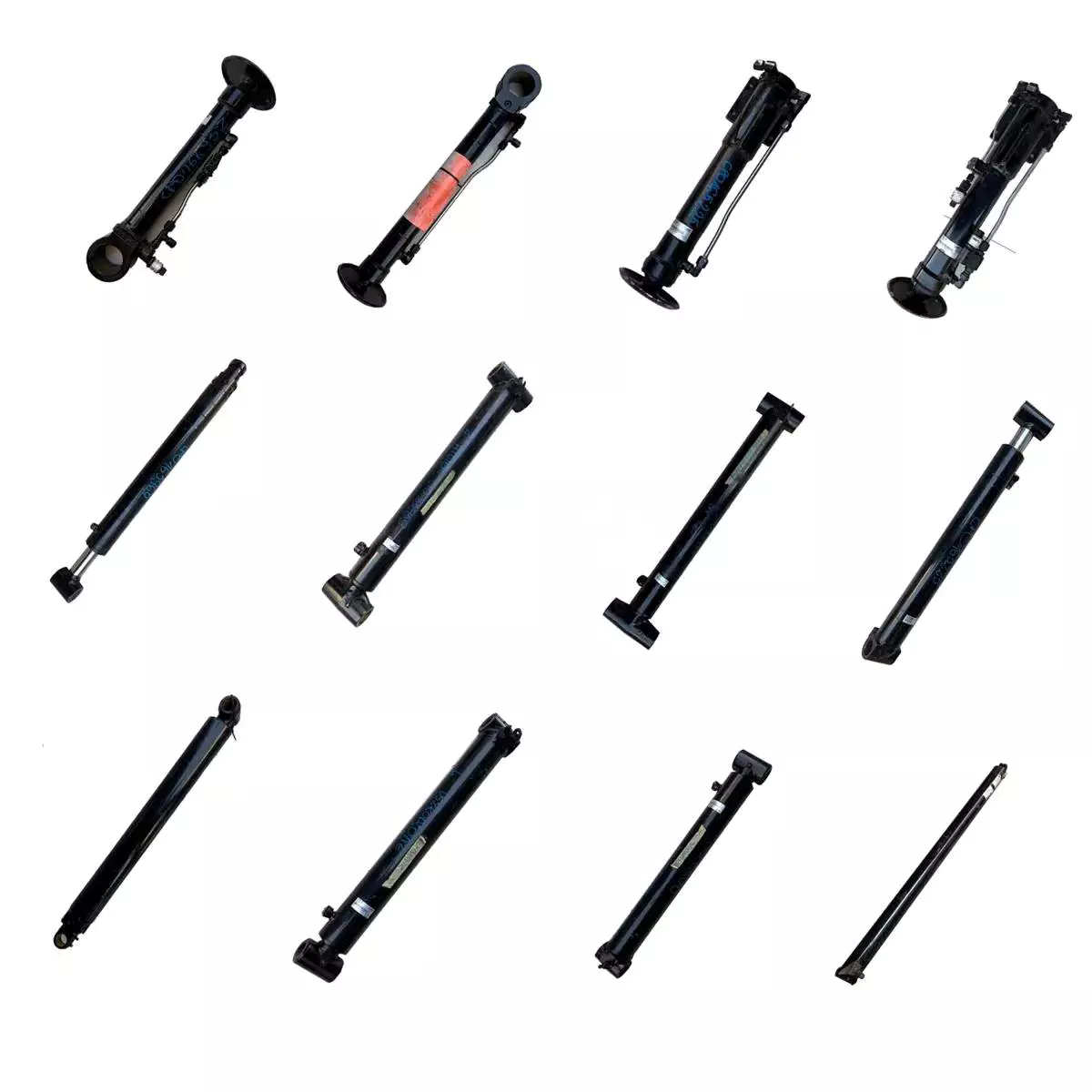
How do hydraulic cylinders handle variations in load, pressure, and speed?
Hydraulic cylinders are designed to handle variations in load, pressure, and speed effectively. They incorporate features and components that allow them to adapt to changing operating conditions and maintain optimal performance. Here’s a detailed explanation of how hydraulic cylinders handle variations in load, pressure, and speed:
Variations in Load:
– Hydraulic cylinders are capable of handling variations in load by adjusting the force they exert. The force output of a hydraulic cylinder is determined by the hydraulic pressure and the surface area of the piston. When the load increases, the pressure in the hydraulic system can be adjusted to generate a higher force. This adjustment can be achieved by regulating the flow of hydraulic fluid into the cylinder using control valves. By controlling the pressure and flow, hydraulic cylinders can adapt to different load requirements, ensuring that the force applied is sufficient to handle the load while preventing excessive force that could cause damage.
Variations in Pressure:
– Hydraulic cylinders are designed to handle variations in pressure within the hydraulic system. They are equipped with seals and other components that can withstand high-pressure conditions. When the pressure within the hydraulic system fluctuates, the hydraulic cylinder adjusts accordingly to maintain its performance. The seals prevent fluid leakage and ensure that the hydraulic pressure is effectively transmitted to the piston, allowing the cylinder to generate the required force. Additionally, hydraulic systems often incorporate pressure relief valves and other safety mechanisms to protect the cylinder and the entire system from overpressure conditions.
Variations in Speed:
– Hydraulic cylinders can handle variations in speed through the control of hydraulic fluid flow. The speed of a hydraulic cylinder’s extension or retraction is determined by the rate at which hydraulic fluid enters or exits the cylinder. By adjusting the flow rate using flow control valves, the speed of the cylinder’s movement can be regulated. This allows for precise control over the speed, enabling operators to adapt to varying speed requirements based on the specific task or load. Furthermore, hydraulic systems can incorporate flow control valves with adjustable orifice sizes to fine-tune the speed of the cylinder’s movement.
Load-Sensing Technology:
– Advanced hydraulic systems may incorporate load-sensing technology to further enhance the ability of hydraulic cylinders to handle variations in load, pressure, and speed. Load-sensing systems monitor the load demand and adjust the hydraulic pressure and flow accordingly to meet that demand. This technology ensures that the hydraulic cylinder provides the necessary force while optimizing energy efficiency. Load-sensing systems are particularly beneficial in applications where the load requirements can vary significantly, allowing hydraulic cylinders to adapt in real-time and maintain precise control over force and speed.
Accumulators:
– Hydraulic systems can also utilize accumulators to assist in handling variations in load, pressure, and speed. Accumulators store hydraulic fluid under pressure, which can be released when needed to supplement the flow and pressure in the system. When there are sudden increases in load or pressure demands, accumulators can provide additional fluid to the hydraulic cylinder, ensuring smooth operation and preventing pressure drops. Similarly, accumulators can assist in maintaining consistent speed by compensating for fluctuations in flow rate. They act as a supplemental energy source, helping hydraulic cylinders respond effectively to variations in operating conditions.
In summary, hydraulic cylinders handle variations in load, pressure, and speed through various mechanisms and components. They can adjust the force output to accommodate different load requirements by regulating hydraulic pressure. The seals and components within hydraulic cylinders allow them to withstand variations in pressure within the hydraulic system. By controlling the flow of hydraulic fluid, hydraulic cylinders can regulate the speed of their movement. Advanced technologies such as load-sensing systems and the use of accumulators further enhance the adaptability of hydraulic cylinders to changing operating conditions. These features and mechanisms enable hydraulic cylinders to maintain optimal performance and provide reliable force and motion control in a wide range of applications.


editor by CX 2023-10-27
 Swedish
  English
  Italian
  Portuguese
  Dutch
Dutch  Danish
  Finnish
  Polish
  Hindi
Hindi  Kazakh
  Turkish
  Ukrainian
  Romanian
  Spanish
  German
  Russian
  Korean
  Japanese
  Vietnamese
  Thai
Thai  Indonesian
  Malay
Malay  French
  Greek
Greek