
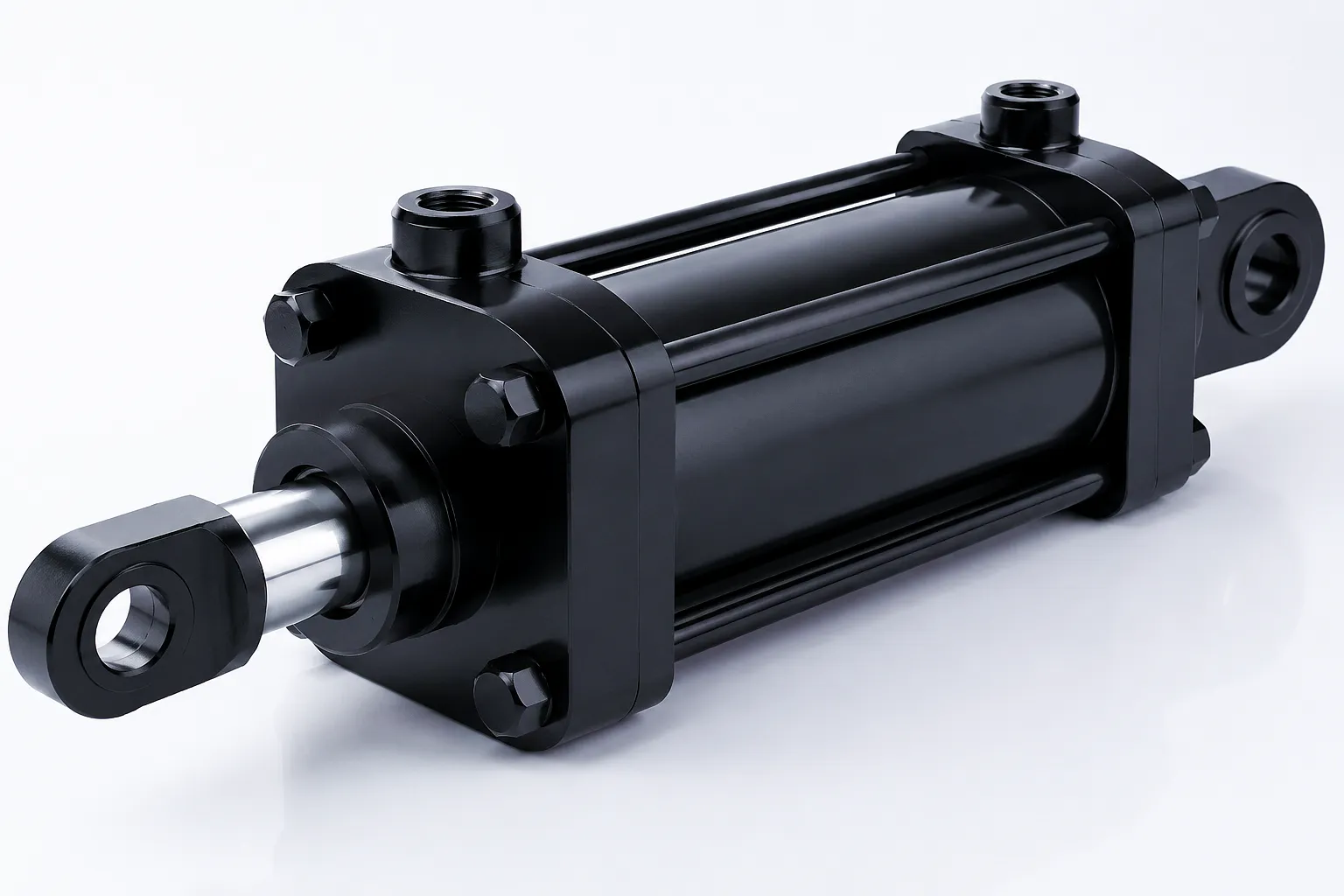
 The conversation about hydraulic cylinders versus electric actuators has intensified across British manufacturing floors over the past decade. As automation technologies multiply and energy regulations tighten, engineers at facilities from Sheffield’s steel processing plants to Birmingham’s automotive assembly lines face a genuine strategic question: which actuation technology delivers the right combination of force, reliability, and whole-life value? The answer is rarely binary. Understanding the physics, materials, and operational profiles of each system is the starting point for any sound engineering decision — and the data consistently shows that for high-force, continuous-duty, and harsh-environment applications, hydraulic cylinders retain a decisive technical edge that electric actuators have yet to overcome.
How Hydraulic Cylinders Actually Work
Working Principle
Pascal’s Law in Motion
A hydraulic cylinder converts fluid pressure into linear mechanical force using Pascal’s Law: pressure applied to a contained fluid transmits equally in all directions. Hydraulic oil — typically mineral-based or fire-resistant synthetic fluid — is pumped under pressure into one or both sides of a piston chamber. The force generated is the product of working pressure and the effective piston area. At 250 bar operating pressure across a 100mm bore cylinder, the output force approaches 196 kN — a figure no equivalently-sized electric actuator can match. The rod retracts or extends as fluid is ported between chambers, with precise control achievable via proportional or servo valves. This mechanism operates continuously without thermal accumulation in the actuator itself, unlike electric motors where resistive heating degrades performance under sustained loads.
How Electric Actuators Operate
Electric linear actuators convert rotational motor torque into linear displacement, typically through a lead screw, ball screw, or roller screw mechanism. A servo or stepper motor drives the screw, translating angular motion to axial rod movement. Positional accuracy is high — ball-screw actuators routinely achieve ±0.01mm repeatability under light loads — and they integrate cleanly with digital control systems via fieldbus protocols. However, the torque-to-force conversion introduces mechanical efficiency losses (typically 70–90% depending on screw type and preload), and the motor’s thermal rating limits sustained force output. Duty cycle constraints mean that at high loads, intermittent operation is often required to prevent motor overheating, a limitation that simply does not apply to hydraulic systems.
The working principle difference is fundamental, not incremental. Hydraulic systems store and transmit energy through fluid dynamics; electric systems convert electromagnetic energy through mechanical linkages. Each path has efficiency characteristics, maintenance profiles, and failure modes that directly shape equipment lifecycle costs. Understanding these differences at a system level — rather than comparing headline specification numbers — is what allows procurement engineers at facilities in Leeds, Coventry, and Teesside to make informed capital investment decisions.
Core Materials in Hydraulic Cylinder Manufacturing
Material Engineering
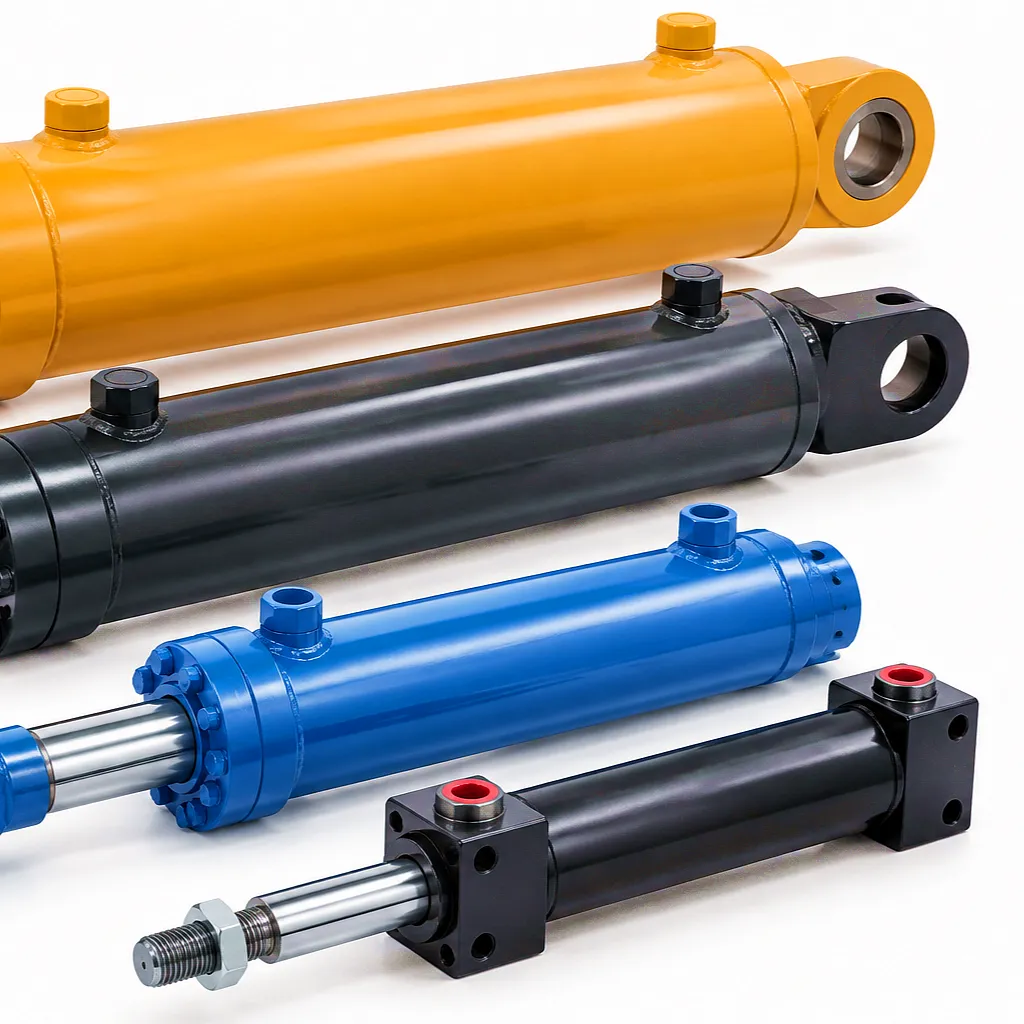
Cylinderrör
Cold-Drawn Seamless Steel Tube
ST52 or E355 cold-drawn seamless steel is the industry standard barrel material. Internal honing to Ra 0.2–0.4 µm ensures seal compatibility and minimises friction. Yield strength of ST52 exceeds 355 MPa, providing the pressure containment required for working pressures up to 350 bar in demanding applications.
Kolvstång
Chrome-Plated Induction Hardened Steel
Piston rods are typically manufactured from C45 or 42CrMo4 alloy steel, induction hardened to 55–60 HRC surface hardness, then hard chrome plated to 20–25 µm thickness. Chrome plating delivers corrosion resistance and a slick bearing surface (Ra ≤ 0.2 µm) that extends seal life and maintains efficiency across millions of cycles in offshore or coastal UK environments.
Sealing Systems
Polyurethane & PTFE Composite Seals
Modern seal packages combine polyurethane wiper seals, PTFE-backed piston seals, and nitrile O-ring face seals. Polyurethane grades offer temperature ratings from -40°C to +100°C, making them suitable for outdoor agricultural machinery exposed to the variable British climate, while PTFE composites handle higher-temperature industrial wash-down environments.
End Caps & Ports
Ductile Iron & Forged Steel
Head and cap end components are machined from GGG40 ductile iron or forged steel, delivering impact toughness that cast iron cannot match. Port threads conform to BSP, SAE, or JIC standards — a detail that matters enormously for UK buyers who need hydraulic cylinders to integrate directly with existing fluid power circuits designed to British standards.
Core Technical Advantages of Hydraulic Cylinders
Why Hydraulics Still Win in Heavy Industry
Unmatched Force Density
Hydraulic cylinders generate forces from 1 kN to well over 10,000 kN from compact envelopes. An equivalent electric actuator would require a dramatically larger motor, gearbox, and structural housing — making hydraulics the only viable solution for applications like ship lock gates, press brakes, and mining roof supports where physical space is constrained but force requirements are massive.
100% Duty Cycle Capability
A hydraulic cylinder can maintain full rated force continuously, indefinitely, without thermal de-rating. The cylinder itself generates negligible heat — thermal load is managed at the power unit through heat exchangers. Electric actuators operating at maximum load typically require duty cycles of 25–50% to prevent motor burnout, making them unsuitable for continuous clamping, pressing, or holding applications in production environments.
Shock Load Absorption
Hydraulic fluid acts as a natural shock absorber. Impact loads — common in forestry equipment, demolition machinery, and agricultural harvesters operating across uneven Yorkshire farmland — are cushioned through the fluid column rather than transmitted directly to the mechanical structure. Electric actuators, with their rigid ball-screw mechanisms, suffer rapid fatigue failure under repetitive shock loading, often requiring expensive gearbox replacements within the first operational year.
Environmental Resilience
Hydraulic cylinders are inherently sealed pressure vessels with IP65 or higher ratings achievable as standard. They operate reliably in temperatures from -40°C to +200°C, in submerged conditions, in ATEX-rated explosive atmospheres, and under high-pressure washdown. The North Sea offshore sector, where UK-registered platforms rely on hydraulic actuation for subsea equipment and topside automation, demonstrates that no electric alternative exists for these operating environments.
Customisation Flexibility
Bore diameter, stroke length, mounting style, port position, cushioning, and seal specification are all independently variable in a hydraulic cylinder design. This means a cylinder can be engineered around an existing machine’s geometry rather than forcing the machine to accommodate a standard actuator envelope. Ever Power’s engineering team works directly with UK OEMs and end-users to produce bespoke hydraulic cylinder specifications, with tolerance control traceable to ISO 6020 and ISO 6022 standards.
Hydraulic Cylinder Technical Performance Parameters
Specification Reference Table
| Parameter | Hydraulcylinder | Electric Actuator |
|---|---|---|
| Bore Range | 25 mm – 1000+ mm | 10 mm – 320 mm (typical) |
| Maximum Working Pressure | Up to 700 bar (specialist) | N/A (force limited by screw) |
| Force Output Range | 0.5 kN – 10,000+ kN | 0.1 kN – 150 kN (standard) |
| Stroke Length | 10 mm – 10,000+ mm | Up to 3,000 mm (typical) |
| Driftstemperatur | -40°C to +200°C | -20°C to +80°C (typical) |
| Duty Cycle at Rated Load | 100% continuous | 25–50% (thermal limit) |
| Positional Repeatability | ±0.05 mm (servo valve) | ±0.01 mm (ball screw) |
| Shock Load Resistance | Excellent (fluid damping) | Poor (screw fatigue risk) |
| Typical Seal Material | PU / PTFE / NBR / FKM | N/A (lubrication grease) |
| Rod Surface Finish (Ra) | ≤ 0.2 µm (chrome plated) | ≤ 0.4 µm (ground steel) |
| IP Rating (standard) | IP65 – IP68 achievable | IP44 – IP65 (typical) |
| Fluid / Medium | Mineral oil, HFA, HFB, HFC | None (dry mechanical) |
Industrial Application Scenarios Across the UK
Where Hydraulic Cylinders Prove Their Worth
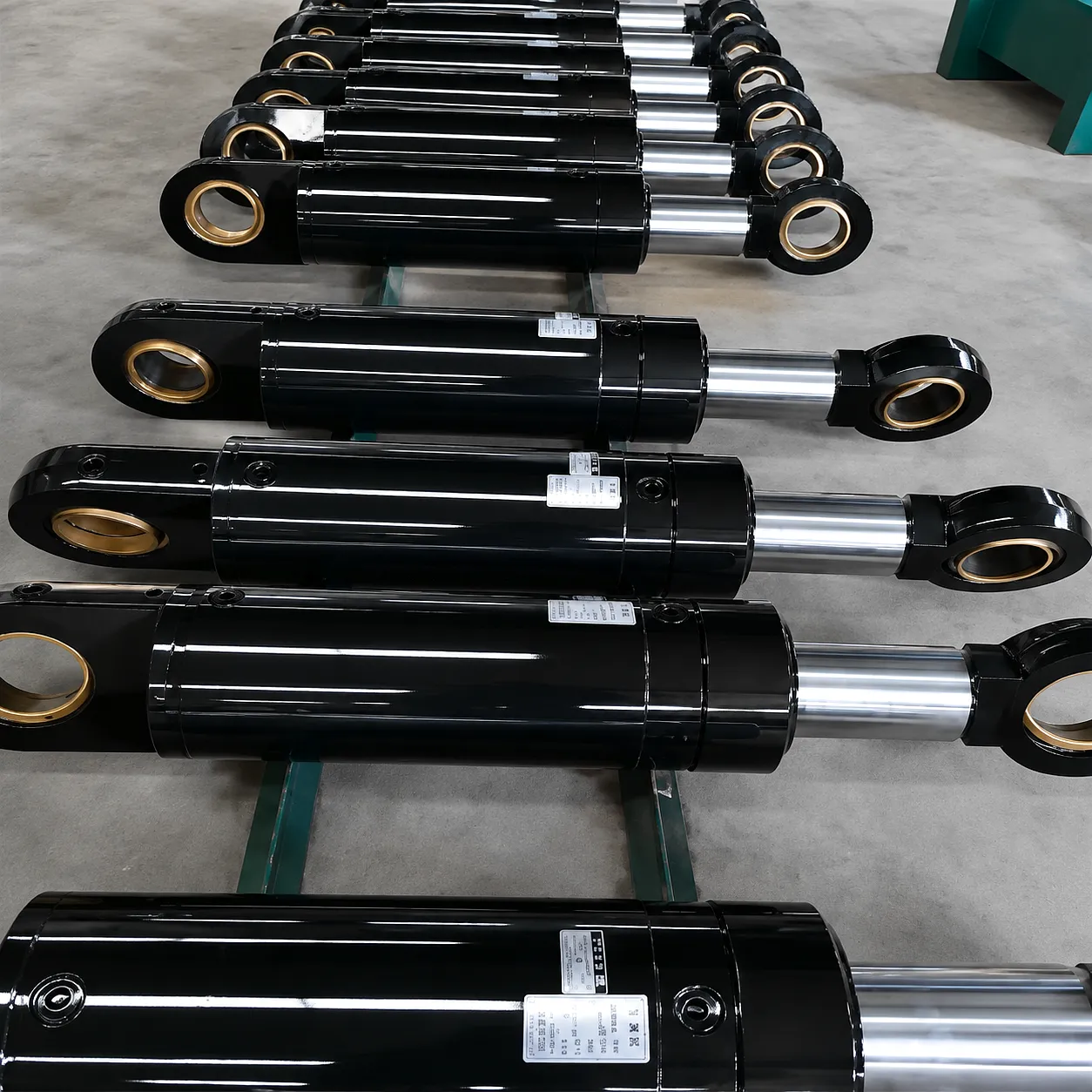
Agricultural Machinery — Yorkshire & East Midlands Arable Regions
Across the wheat and barley belts of Yorkshire and the East Midlands, combine harvesters, straw balers, and grain trailers depend on hydraulic cylinders to manage header height, reel position, unloading auger deployment, and folding transport frames. The Hydraulic Cylinders for Combine Harvester Machine must withstand continuous vibration, stone strikes, and seasonal exposure to wet soils from October through April — operating conditions that have seen multiple electric actuator pilot programmes quietly abandoned and replaced with proven hydraulic solutions. The key specification drivers for this application are robust rod guiding, aggressive wiper seal design to exclude crop debris, and bore diameters from 50mm to 120mm to suit different machine tonnage classes. Cycle life expectations exceed 500,000 full-stroke cycles before first major service, a requirement hydraulic cylinders meet comfortably when correctly specified.
Lifting Platforms & Scissor Lifts — Construction Sites Nationwide
Mobile elevated work platforms and scissor lifts deployed across UK construction projects — from HS2 infrastructure works to commercial fit-outs in Manchester and London — rely on telescopic and double-acting hydraulic cylinders as their primary lifting mechanism. The Custom Double Acting Telescopic Hydraulic Cylinders for Lifting Platform offer compact collapsed lengths with extended travel ratios of up to 3:1, enabling work platform heights of 8–20 metres from a chassis that complies with road transport regulations. The double-acting circuit allows powered lowering — critical for emergency recovery when primary power fails — a safety function that gravity-return single-acting cylinders or electric actuators cannot provide without complex failsafe circuitry. Platform manufacturers in the West Midlands specify bore diameters from 80mm to 200mm at working pressures of 180–250 bar for this category of equipment.
Steel Processing — Sheffield & Rotherham Heavy Industry
Sheffield’s remaining special steel producers and Rotherham’s rolling mill operators deploy single-acting and double-acting hydraulic cylinders in mill pass-line adjustment, billet-clamping systems, and ladle-tilting mechanisms. Working in ambient temperatures that can spike to 80°C near furnace areas, with airborne scale and steam contamination, these hydraulic cylinders must perform reliably on 24/7 production schedules with zero unplanned downtime tolerance. FKM (Viton) seal packages replace standard polyurethane in these thermal environments, and chrome plating specifications increase to 30–40 µm to resist the abrasive particulate present in steel-making facilities. Force requirements in this sector frequently exceed 2,000 kN, placing these applications categorically beyond electric actuator capability at any commercially viable size or cost point.
Marine & Offshore — North Sea Platform Operations
The North Sea offshore sector remains one of the most demanding environments for any actuation technology. Subsea wellhead intervention equipment, topside crane systems, and riser tensioner arrays on platforms operating out of Aberdeen and the Shetland supply chain all rely on hydraulic cylinders qualified to DNV or Lloyd’s Register certification. Stainless steel rod options (316L or duplex grades) replace chrome plate where seawater immersion is unavoidable, and HFA water-glycol fluid replaces mineral oil in fire-sensitive locations near accommodation modules. The ability to route high-pressure hydraulic lines over long distances to centralised power units — rather than placing a motor at each actuation point — is a systems-design advantage that dramatically simplifies hazardous area classification management on offshore topsides.
Waste & Recycling — Municipal Infrastructure
Refuse collection vehicles, baling presses, and materials recovery facility (MRF) equipment handling mixed recyclates across Birmingham, Manchester, and Glasgow city contracts demand hydraulic cylinders that can absorb the irregular shock loading of compaction cycles, operate in -10°C overnight temperatures during British winters, and resist contamination from process liquids that include corrosive leachate. Single-acting cylinders with spring-return for compaction body ejection and double-acting cylinders for tailgate and jointing operations make up the bulk of this fleet. DIN standard mounting interfaces allow interchangeability across OEM bodybuilders, simplifying the fleet maintenance burden on local authority vehicle workshops. This sector sees hydraulic cylinder replacement as a routine consumable maintenance item, with bore diameters of 63–160mm across typical municipal vehicle specifications.
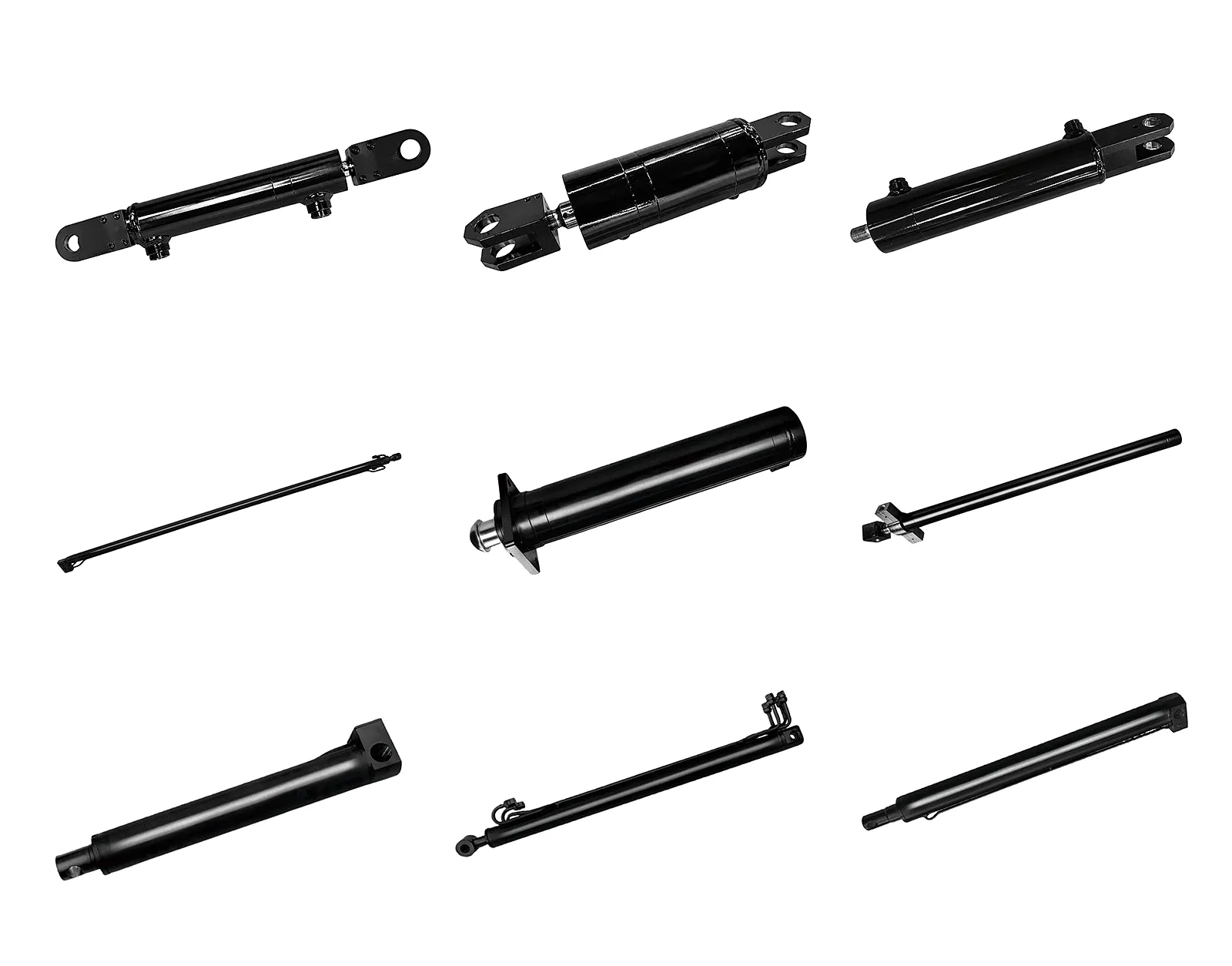
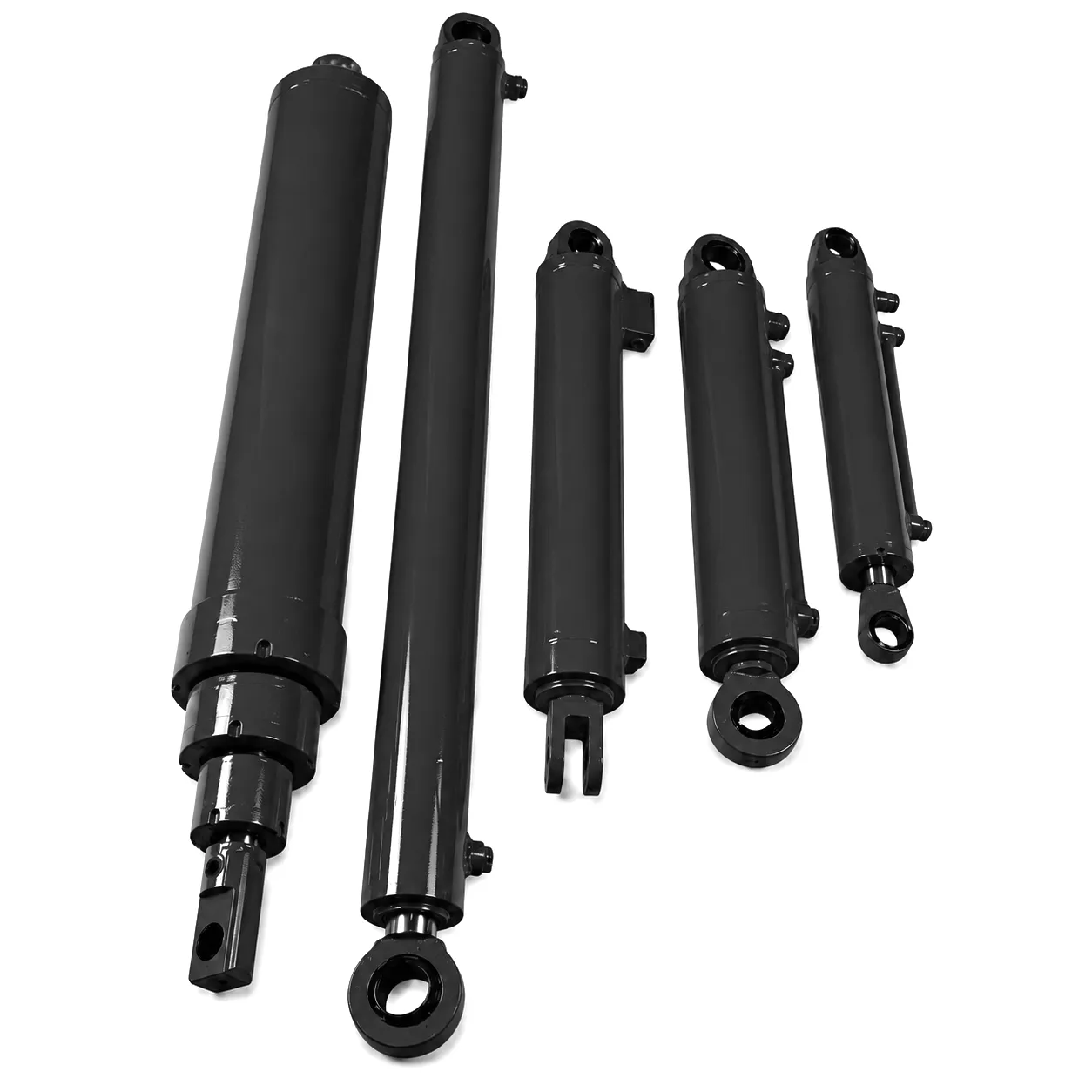
Ever Power hydraulic cylinder product range — custom specifications available for any industrial application
Manufacturing Partner
Ever Power: Precision Hydraulic Cylinder Manufacturing & Global Supply
Ever Power operates a state-of-the-art hydraulic cylinder manufacturing facility equipped with CNC deep-hole boring machines, honing lines calibrated to 0.005mm tolerance, and automated welding cells qualified to EN ISO 15614. Our quality management system is certified to ISO 9001:2015, with material traceability from mill certificate through to finished product documentation — a requirement that UK OEMs and end-users increasingly specify as standard.
The Ever Power engineering team handles enquiries ranging from single replacement cylinders for legacy equipment — a common requirement for plant managers maintaining older machinery at facilities in Derby, Wolverhampton, and Stockton-on-Tees — through to multi-thousand-unit OEM supply contracts with scheduled delivery programmes. Our in-house design office uses SolidWorks simulation to validate rod buckling, seal life predictions, and fatigue analysis before any prototype enters production.
Customisation capabilities span bore diameters from 20mm to 800mm, stroke lengths up to 10 metres, and a complete range of mounting styles — clevis, flange, trunnion, foot, and spherical-bearing eye configurations. Surface treatment options include hard chrome, electroless nickel, HVOF thermal spray coating, and stainless-steel rod as standard offerings, with lead times from 2 weeks for standard configurations to 6 weeks for complex bespoke assemblies. DDP delivery to any UK port or facility address is available on all orders.
800mm
Maximum bore diameter in standard production range
700 bar
Maximum working pressure — specialist high-pressure range
ISO 9001
Quality management certified — full material traceability
2 Weeks
Lead time for standard hydraulic cylinder configurations
When to Specify Hydraulic Cylinders vs Electric Actuators
Decision Framework for UK Engineers
The shift in industrial automation discourse towards electrification has been real and in some sectors well-founded. For precise, clean-room, food-grade, or lightly loaded applications — pharmaceutical tablet presses, pick-and-place robotics, or medical imaging equipment — electric actuators offer genuine advantages in positional accuracy, cleanliness, and digital integration. The engineering decision becomes one of matching technology to the specific force, environment, duty cycle, and economic profile of each application rather than following a blanket industry trend.
Choose Hydraulic Cylinders When:
- Force requirements exceed 50 kN
- Continuous duty cycle at full load is needed
- Operating environment is wet, dusty, or high-temperature
- Stroke length exceeds 1,500mm
- Shock or impact loads are present in the application cycle
- ATEX or hazardous area certification is required
- Long-run cost of ownership is the primary purchasing criterion
- The existing machine architecture is hydraulic-based
Consider Electric Actuators When:
- Force requirements are below 30 kN
- High positional accuracy (±0.01mm) is the primary specification
- Clean-room or food-contact environments prohibit fluid leakage risk
- Energy regeneration during deceleration has system-level value
- Digital communication protocols must be native (no valve manifold)
- Intermittent duty cycle at partial load is the normal operating mode
- Installation space prohibits hydraulic power unit placement
Customer Success Story: Doncaster Bulk Handling Systems
Case Study · South Yorkshire · Conveyor & Materials Handling
Client
Doncaster Bulk Handling Ltd
Plats
Doncaster, South Yorkshire
Industri
Aggregates & Bulk Materials Handling
Application
Mobile Screen & Crusher Plant Actuation
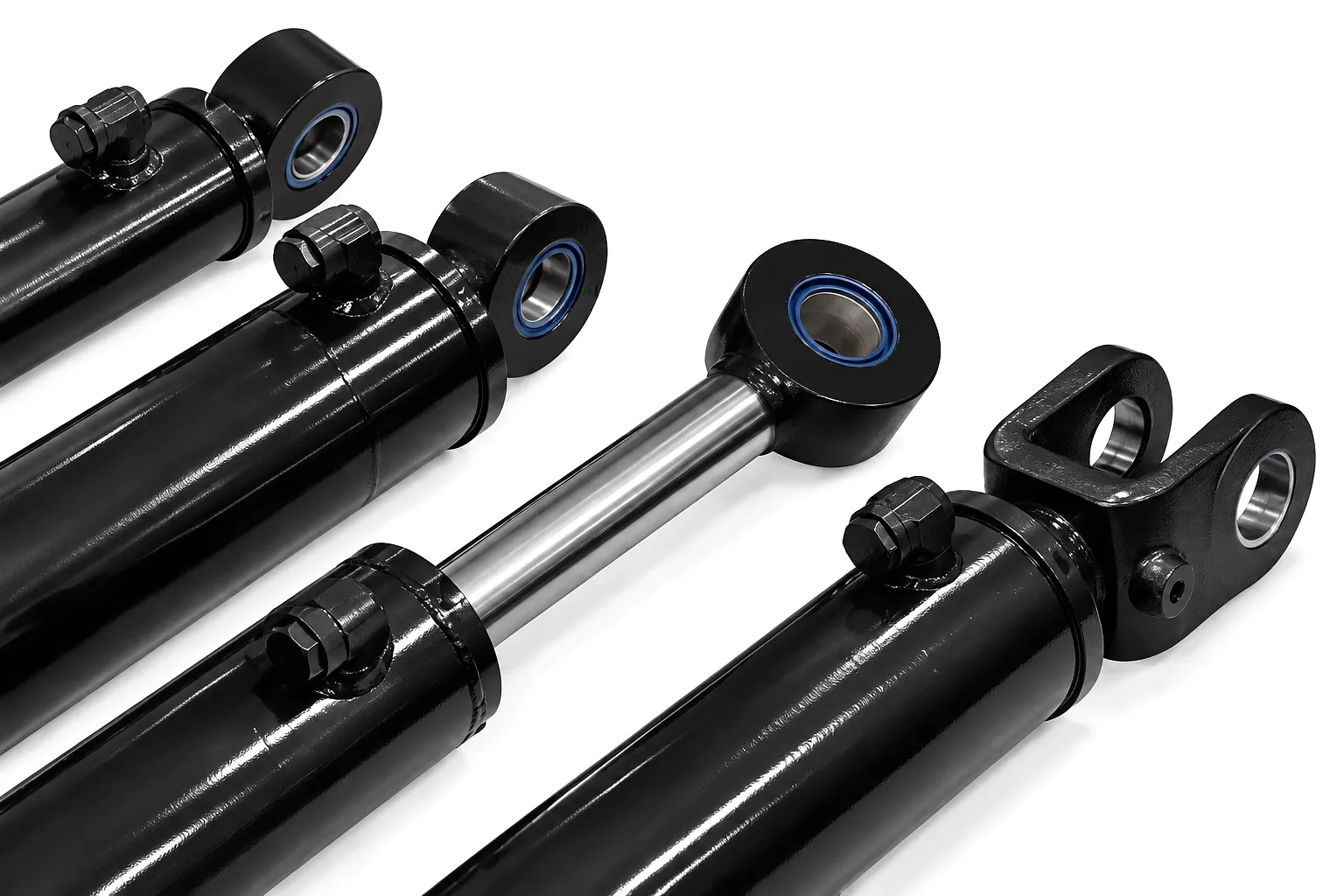 Doncaster Bulk Handling Ltd operates a fleet of mobile crushing and screening plant serving quarry contracts across South Yorkshire, Lincolnshire, and Nottinghamshire. Their existing fleet carried a mix of third-party hydraulic cylinders from multiple suppliers, creating a parts management problem — non-interchangeable seal kits, inconsistent rod quality, and variable lead times on replacement units were adding approximately £42,000 per year in unplanned downtime costs, based on the company’s own maintenance records.
The engineering manager at Doncaster Bulk Handling engaged Ever Power following a recommendation from a fellow plant operator at a Quarrying Equipment Show in Birmingham. The initial scope was a standardisation project: define a rationalised set of hydraulic cylinder specifications that could cover 85% of the applications across the entire fleet using a common bore and seal kit. Ever Power’s technical team reviewed the existing fleet documentation, identified seven distinct cylinder types that could be consolidated into three standard specifications, and produced sample units within three weeks for fitment trials.
The standardised Ever Power hydraulic cylinders — bore diameters of 80mm and 125mm, both with chrome-plated C45 rods, PU/NBR seal packs, and SAE flange ports — were fitted across 14 machines over a six-month period. After 18 months of operation, the client’s maintenance log recorded zero seal failures on the Ever Power units compared to an average of 3.2 seal failures per machine per year on the previous supplier’s products. The consolidated spare parts inventory reduced stock-holding costs by £11,400, and the standardised specification meant that the workshop team could now rebuild any cylinder on the fleet from a single sealed parts kit held in stock. A framework supply agreement was subsequently signed for ongoing annual replenishment deliveries DDP to the company’s Doncaster yard.
What Our UK Customers Say
“We had been through three different suppliers over four years trying to find a cylinder that would handle the shock loading on our jaw crusher’s toggle plate actuator without the rod seal failing within 200 hours. Ever Power’s heavy-duty specification with the reinforced wiper seal and thicker chrome plate has now run past 1,100 hours without a single leak. The technical support team actually asked the right questions before quoting — they understood the application.”
— Plant Engineering Manager, Doncaster Bulk Handling Ltd, South Yorkshire
“The customisation capability at Ever Power is genuinely impressive. We specified a non-standard bore of 110mm with a 2,400mm stroke and a bespoke trunnion mounting to fit a legacy tilting vessel at our Sheffield site — dimensions that no catalogue supplier could provide. The drawings were turned around in four days and the finished cylinder was with us in five weeks. Dimensional accuracy was spot-on and the weld inspection documentation was thorough.”
— Maintenance Director, Specialty Steel Processing, Sheffield, South Yorkshire
“We use Ever Power cylinders across our telehandler product line — both the single-acting boom cylinders and the double-acting stabiliser pads. The consistent quality between production batches has eliminated the variation we used to see from our previous supplier, which was causing assembly-line stoppages when cylinders fell outside our go/no-go gauge. On-time delivery performance is 97% over the past two years, which is what you need when you’re running a just-in-time assembly schedule.”
— Supply Chain Manager, Agricultural Machinery OEM, Birmingham, West Midlands
Vanliga frågor
Voice Search Friendly · B2B Buyer Queries
Ready to Specify Your Hydraulic Cylinder?
Ever Power engineers are ready to support your UK project with custom design, competitive pricing, and reliable DDP delivery. Contact us today.
Get a Quote: [email protected] →
redigerad av gzl
 Swedish
  English
  Italian
  Portuguese
  Dutch
Dutch  Danish
  Finnish
  Polish
  Hindi
Hindi  Kazakh
  Turkish
  Ukrainian
  Romanian
  Spanish
  German
  Russian
  Korean
  Japanese
  Vietnamese
  Thai
Thai  Indonesian
  Malay
Malay  French
  Greek
Greek