
สารเคลือบป้องกันการกัดกร่อนช่วยยืดอายุการใช้งานของกระบอกไฮดรอลิกบูมในสภาพแวดล้อมทางทะเลและสภาพอากาศหนาวเย็นได้อย่างไร
A deep technical resource for procurement engineers, OEM specifiers, and maintenance managers across the UK’s offshore, port, and cold-climate construction sectors.
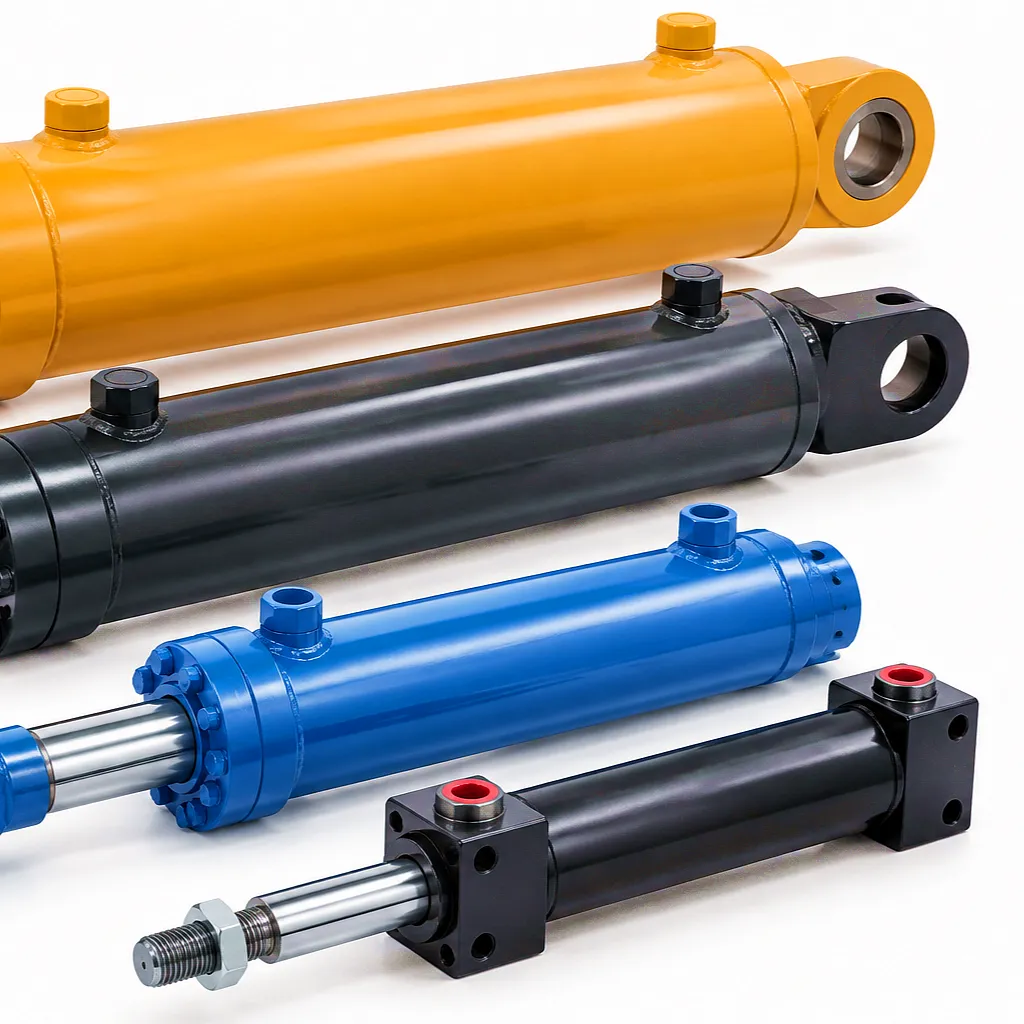 Boom cylinders installed on marine cranes along the Humber Estuary, lifting gear at Aberdeen’s offshore supply terminals, or excavating frozen ground on civil projects near Inverness share one defining challenge: the environment attacks them every single day. Salt aerosol, condensation cycles, sub-zero temperatures, and seasonal freeze-thaw sequences conspire to degrade exposed metal surfaces far more rapidly than any inland, climate-controlled application. The hydraulic rod — that precision-ground steel surface that slides in and out of the barrel thousands of times per working day — is the most vulnerable element. Corrosion on a rod surface does not merely look bad; it destroys the integrity of the wiper and sealing system, introduces contaminants into the hydraulic fluid, accelerates wear on the barrel bore, and ultimately results in costly unscheduled downtime that can run to tens of thousands of pounds per incident on a busy port gantry or offshore deck.
Understanding how modern protective surface treatments work — and how to specify the right coating system for a given duty cycle — is therefore not a peripheral concern for engineers in these sectors. It is a core competency that directly affects total cost of ownership, safety compliance, and plant availability.
The Real Cost of Corrosion on Boom Cylinders in Marine Settings
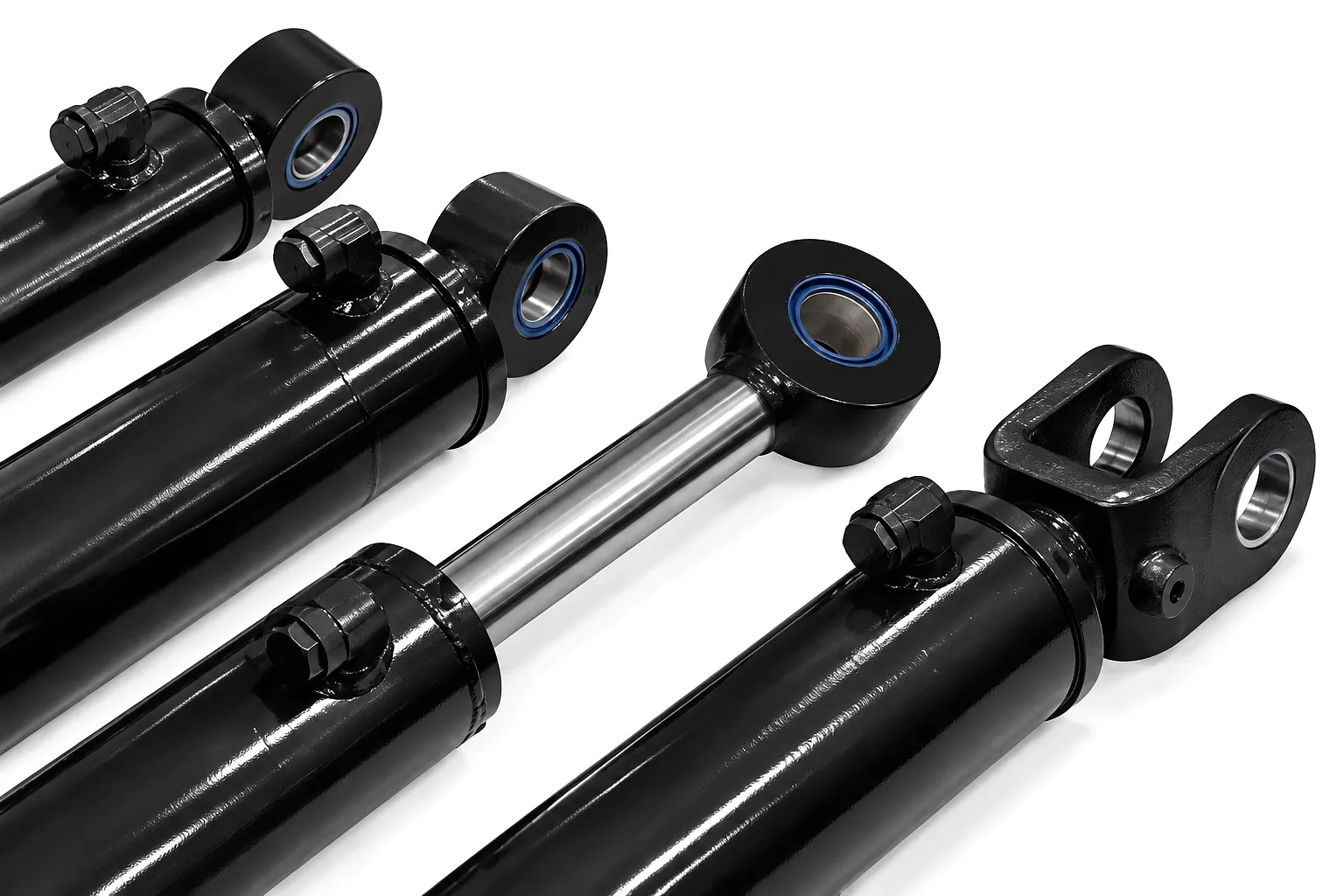
When a boom cylinder is mounted on a ship-to-shore crane in Felixstowe, Tilbury, or Southampton, it operates in one of the most chemically aggressive environments that mechanical equipment can encounter outside a chemical plant. Salt deposition rates in UK coastal zones routinely exceed the thresholds defined in ISO 9223 Category C4 (High), and offshore platforms in the North Sea frequently classify at C5-M (Very High, Marine). At these exposure levels, bare carbon steel will develop red rust within hours of first wetting, and even conventional electroplated chromium — the traditional choice for hydraulic rod surfaces — can show corrosion initiation within weeks if the chrome layer carries any micro-cracks or pinholes.
Cold-weather degradation adds a second, quite distinct mechanism. When temperatures drop below freezing — common across Scotland, Northern England, and during winter operations on North Sea platforms — water trapped in surface micro-features expands by approximately 9% as it transitions to ice. This volumetric expansion generates internal pressures that can crack or delaminate thin hard-chrome layers that would otherwise perform perfectly in temperate conditions. The result is a surface that is simultaneously mechanically damaged and stripped of its corrosion barrier, exactly the opposite of what a cylinder needs in a harsh-climate application.
The maintenance cost consequences are well documented in the UK offshore and heavy construction sectors. Cylinder rod refurbishment — grinding out corrosion pitting, re-plating, reassembling and pressure-testing — typically costs between £800 and £4,500 depending on rod diameter and length. If that refurbishment is unscheduled and requires taking a crane or excavator off-hire, the consequential loss quickly dwarfs the direct repair cost. Specifying the correct protective coating at the design stage is therefore one of the highest-return engineering decisions available when procuring boom cylinders for demanding environments.
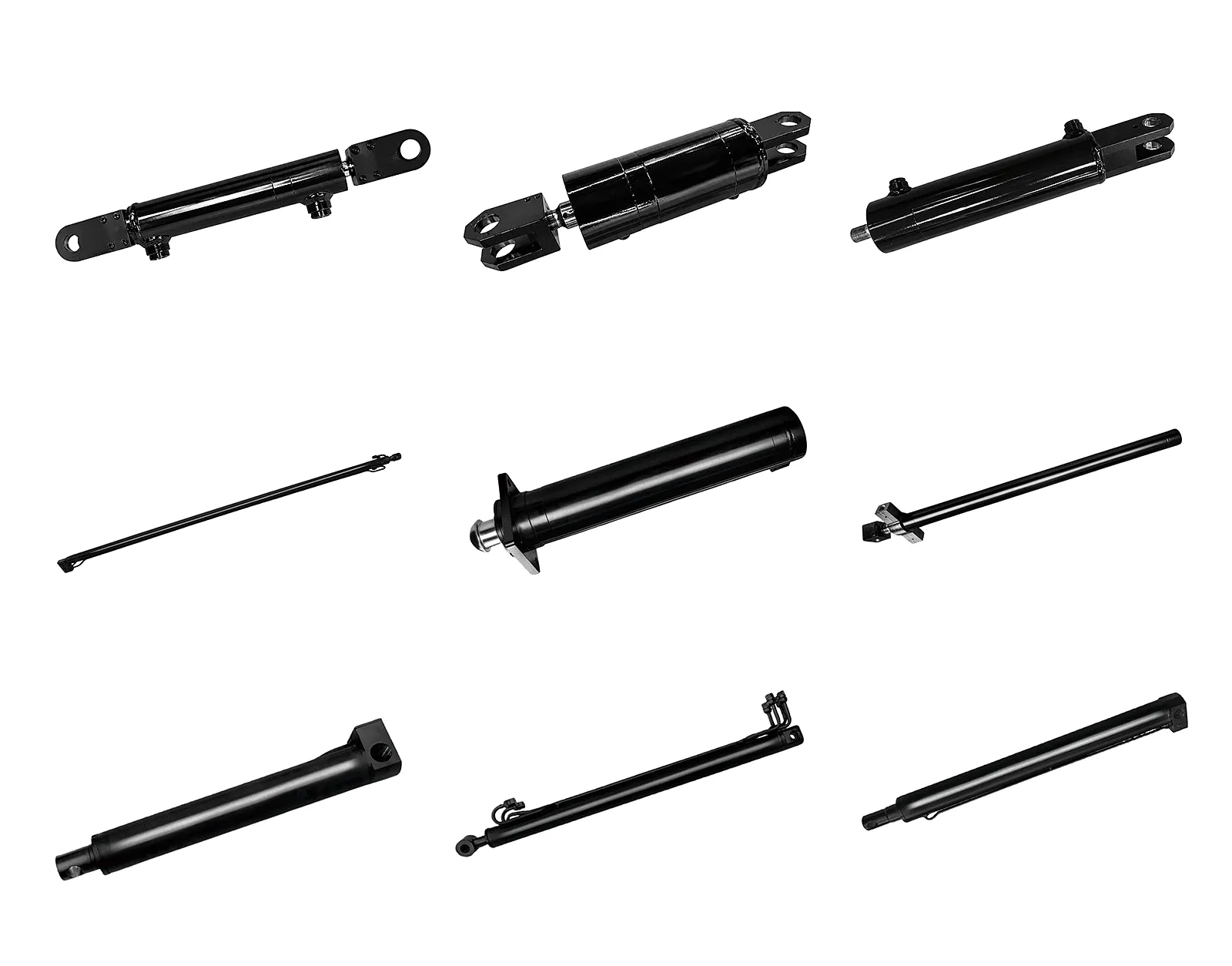
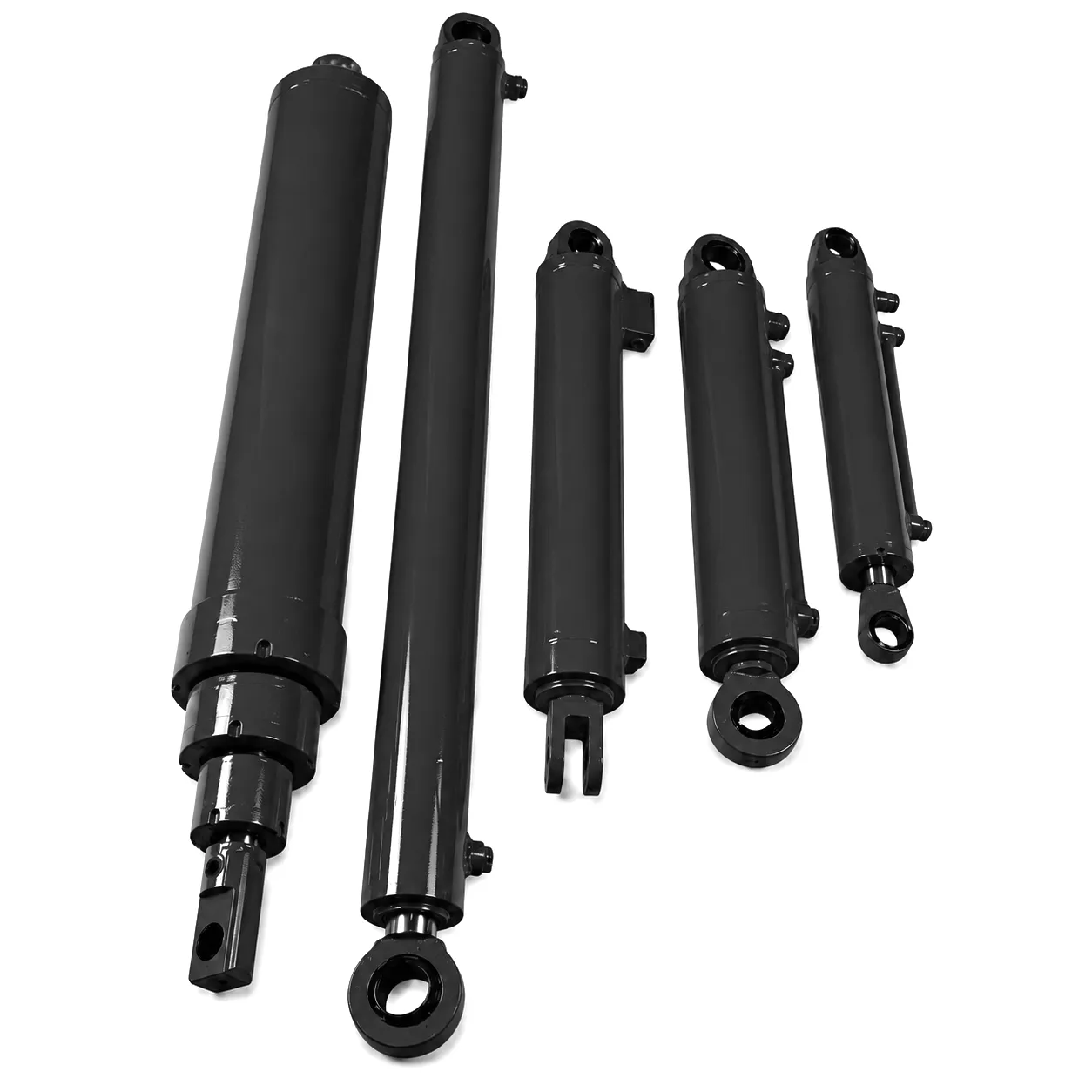
Ever Power boom cylinder product range — engineered for marine and extreme-climate duty
How Corrosion-Resistant Coating Systems Actually Work: The Engineering Principles
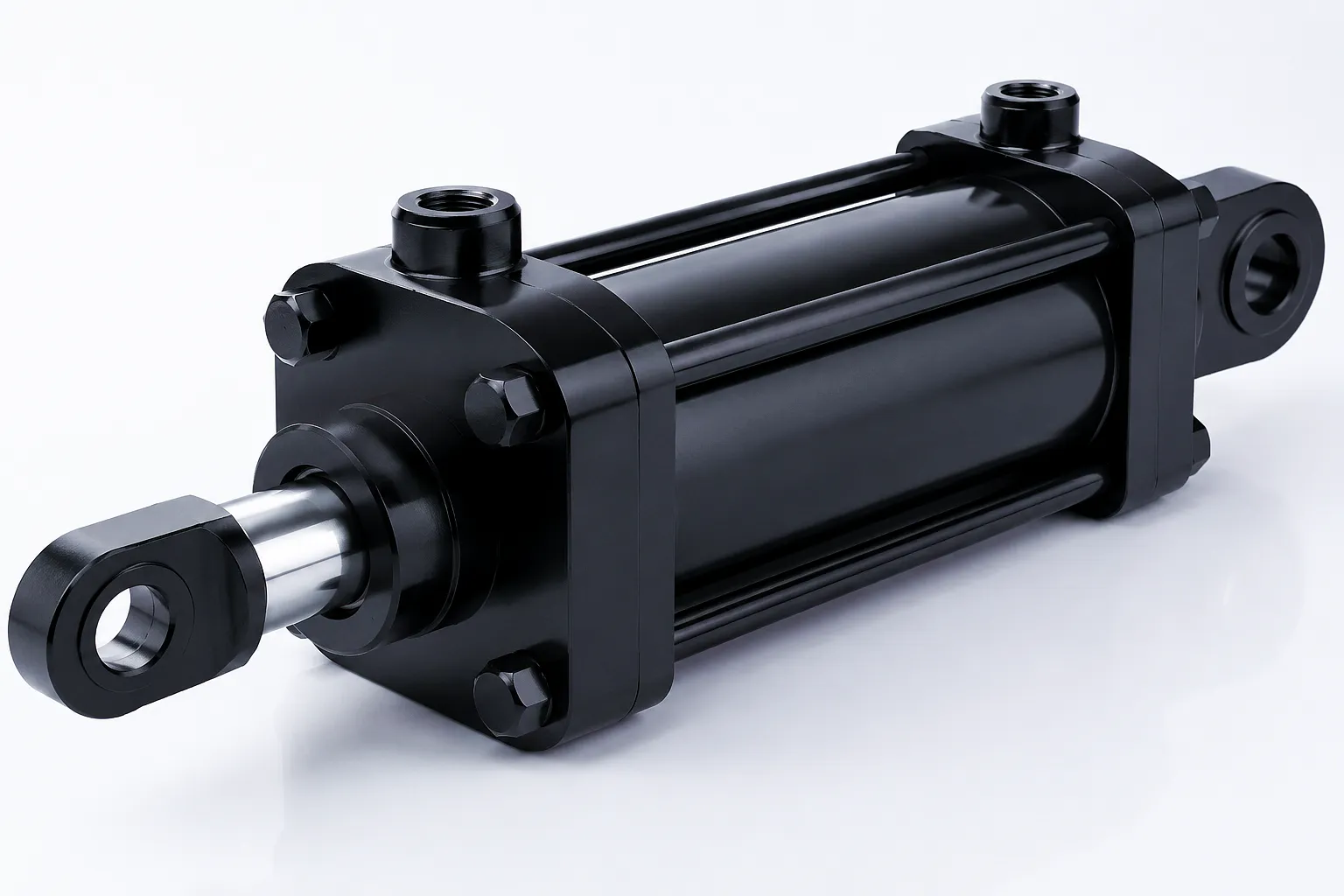
Modern corrosion protection for boom cylinder rods operates through three distinct but complementary mechanisms: barrier protection, electrochemical (sacrificial) protection, and passivation. Understanding which mechanism dominates in a given coating system is essential for matching the specification to the exposure conditions and maintenance regime that will actually be encountered in service.
Barrier protection is the simplest concept: a dense, adherent layer physically separates the substrate steel from the corrosive electrolyte. The effectiveness of a barrier coating depends on its thickness, its porosity, its adhesion strength, and its chemical inertness. Hard chrome electroplating — the incumbent technology for hydraulic rods — works almost entirely through this mechanism. A chrome layer of 20–50 micrometres provides a hard, relatively smooth surface that resists abrasion from rod seals and wiper rings. The critical weakness is that chrome is a cathode relative to steel; any defect in the layer creates a galvanic couple that accelerates attack on the exposed steel substrate. In marine environments, chloride ions are adept at finding and exploiting these defects.
Thermal spray coatings — including High Velocity Oxygen Fuel (HVOF) tungsten carbide and ceramic-metallic composites — operate through a refined version of barrier protection. The high kinetic energy of the spray process produces layers with porosity levels below 0.5%, significantly outperforming electroplated alternatives. More importantly, the bond strength of HVOF coatings typically exceeds 70 MPa, compared with 30–50 MPa for electrodeposited chrome. This superior adhesion is what prevents the freeze-thaw delamination that afflicts thin-film coatings in cold-climate applications.
Electrochemical protection is most relevant in the context of zinc-based primer systems used beneath topcoat layers on cylinder bodies and mounting hardware. Zinc is anodic relative to steel, so it sacrifices itself preferentially, protecting adjacent steel even at coating defects and cut edges. In boom cylinders destined for Aberdeen’s offshore supply vessels or the port equipment at Immingham, zinc-rich epoxy primers applied to all external surfaces that are not ground to a sealing tolerance provide a meaningful additional layer of protection between full maintenance intervals.
Principal Coating Technologies Compared
The established baseline for hydraulic rods. Delivers surface hardness of 800–1,000 HV and good seal compatibility. Performance degrades rapidly at ISO C5-M exposure; hexavalent chromium regulation under REACH creates increasing supply chain complexity for UK manufacturers. Suitable for sheltered or inland applications where cost pressure is dominant.
C4 max recommended
The premium choice for marine and cold-climate boom cylinders. Porosity below 0.5%, hardness 1,100–1,400 HV, and bond strength exceeding 70 MPa. Demonstrates outstanding resistance to chloride-induced attack in salt spray testing beyond 2,000 hours. The preferred specification for offshore crane cylinders on UK Continental Shelf operations and port handling equipment at deep-water berths.
C5-M rated
An excellent intermediate option where both corrosion resistance and reduced seal friction are design priorities. The phosphorous content of the nickel matrix provides excellent chemical resistance; co-deposited PTFE reduces the dynamic friction coefficient to 0.05–0.10. Popular on tipper body and snowplough blade cylinders operating in salted road environments across Scotland and Northern England, where the combination of salt spray and abrasion demands a dual-property response.
Low friction / anti-ice
Where operating temperatures fluctuate dramatically — as on deck cranes exposed to direct sun in summer and sub-zero air masses in Scottish winters — ceramic plasma coatings provide a thermal barrier function alongside their corrosion resistance. The low thermal conductivity of alumina-titania composites reduces the thermal gradient the coating layer must sustain, limiting thermally induced stress cracking. This makes them a strong candidate for cylinders on waste-to-energy plant conveyors and outdoor process equipment in the north of England and Scotland.
Wide temp range
Core Materials in the Boom Cylinder — Why Substrate Matters as Much as Coating
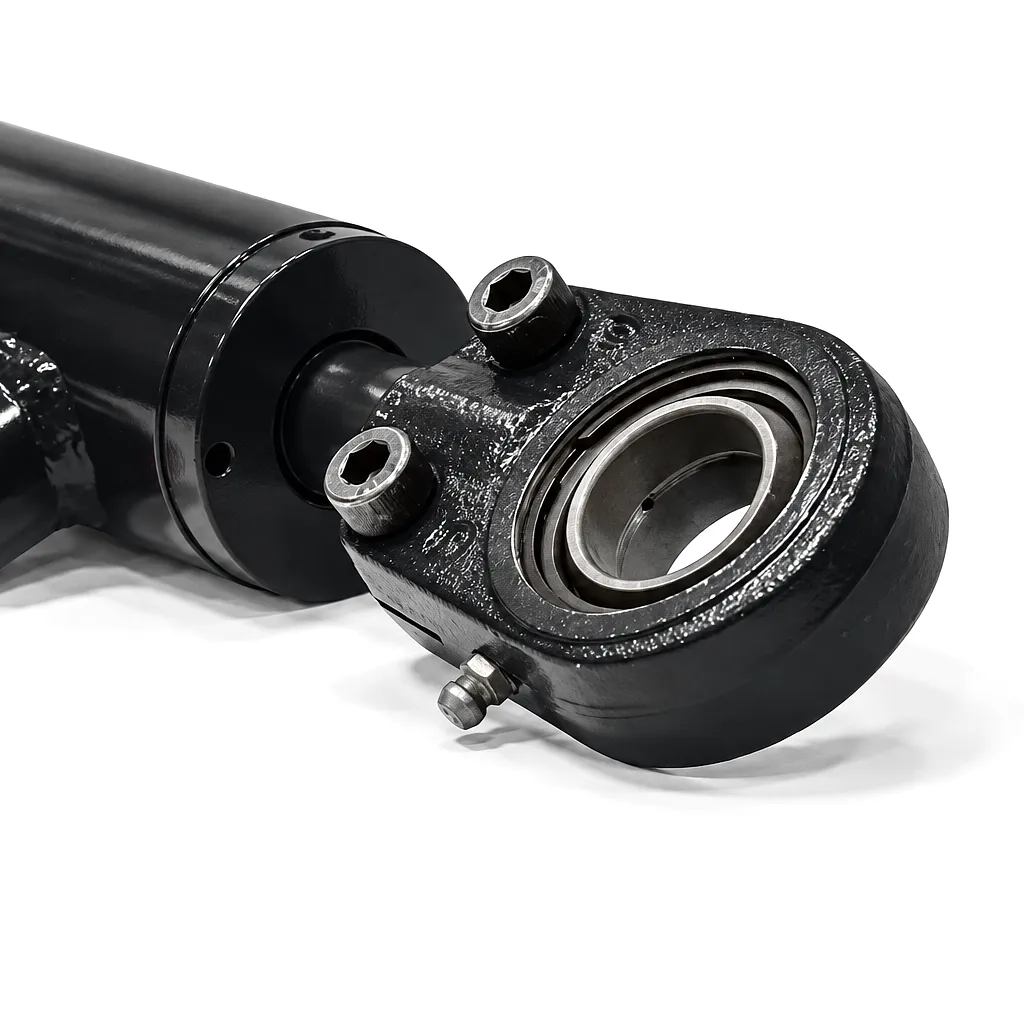 A coating is only as reliable as the substrate it bonds to. The choice of substrate steel grade for the cylinder rod fundamentally determines whether an applied coating will provide its rated service life or delaminate prematurely under combined mechanical and thermal cycling loads. For boom cylinders destined for marine or cold-weather service, the rod material specification carries particular weight.
Standard hydraulic cylinder rods are typically produced from EN 10083-3 grade 42CrMo4 (equivalent to SAE 4140), a chromium-molybdenum alloy steel that combines reasonable tensile strength with good hardenability. This is an adequate substrate for HVOF coatings in general industrial service. However, for the most aggressive marine conditions — specifically offshore platforms in the North Sea, where cylinders on knuckle-boom cranes handle heavy lifts in wave-induced motion — a higher-alloy substrate such as 17-4PH stainless steel provides corrosion resistance from the inside out, reducing the consequence of any through-defect in the applied coating.
Cylinder barrels are typically produced from precision cold-drawn seamless (CDS) tube to EN 10305-1, with honing of the bore to achieve Ra 0.4–0.8 micrometres to ensure uniform oil film distribution and consistent seal life. For cold-weather applications, the material specification must also address low-temperature toughness: a steel barrel that is tough and ductile at operating temperatures of -20°C to -30°C (consistent with Northern Scotland and North Sea winter conditions) must have a notch toughness — assessed by Charpy impact test — adequate to survive accidental impact loads during deck operations in rough weather. EN 10083 grades tested at -40°C are typically specified for these conditions, with minimum absorbed energy values of 27 J or greater.
Seals in marine and cold-climate boom cylinders represent a further material selection challenge. Standard nitrile rubber (NBR) seals, which perform excellently in the temperature range of 0°C to +80°C, become brittle at temperatures below -20°C, generating rapid leakage and rod scoring. Hydrogenated nitrile (HNBR) or fluoroelastomer (FKM) seals extend the reliable operating range to -30°C and -40°C respectively, and both grades demonstrate superior resistance to water contamination and biological attack compared with standard NBR — a genuine advantage in the humid bilge environments found on working vessels.
Frame Support Cylinder
Engineered for structural frame stabilisation duties where corrosion resistance and sustained load-holding are paramount. Available with HVOF rod coating as standard for marine-grade specification.
Product Technical and Performance Parameters — Corrosion-Resistant Boom Cylinders
| พารามิเตอร์ | Standard HCP | HVOF WC-CoCr | EN-PTFE | Ceramic Spray |
|---|---|---|---|---|
| Surface Hardness (HV) | 800–1,000 | 1,100–1,400 | 500–700 | 900–1,200 |
| Coating Porosity (%) | 0.5–2.0 | <0.5 | <1.0 | 1.0–5.0 |
| Bond Strength (MPa) | 30–50 | >70 | 40–60 | 30–50 |
| Salt Spray Resistance (hrs, ASTM B117) | 400–800 | >2,000 | 1,000–1,500 | 600–1,000 |
| Min. Operating Temp (°C) | -20 | -40 | -30 | -35 |
| Max. Operating Temp (°C) | 300 | 450 | 200 | 600 |
| Typical Rod Surface Finish Ra (µm) | 0.1–0.2 | 0.1–0.25 (post-grind) | 0.1–0.3 | 0.2–0.6 |
| ISO Corrosivity Category | Up to C4 | C5-M | C4–C5 | C4–C5 |
| Rod Bore Diameter Range (mm) | 40–250 | 50–300 | 40–200 | 50–250 |
Industrial Application Scenarios: Where Coated Boom Cylinders Deliver Decisive Value
Offshore and Port Material Handling — Aberdeen, Tilbury, Immingham
Knuckle-boom cranes on offshore support vessels operating out of Aberdeen, and the heavy port handling gantries at Immingham and Tilbury, represent the most demanding operating environment for boom cylinders in the UK. Salt spray is constant; wash-down with seawater and cleaning chemicals is routine; temperature swings between hull-radiated heat and sea-cold air create aggressive condensation cycling. HVOF tungsten carbide rod coatings, applied over a high-phosphorus electroless nickel bond coat, provide the barrier integrity needed to achieve maintenance intervals of 6,000 operating hours or more — compared with 1,500–2,000 hours typical for hard chrome in the same duty. For the procurement teams at Aberdeen’s offshore logistics companies, this extension in maintenance interval directly reduces total fluid system cost and improves vessel availability metrics on charter contracts where day-rate penalties for unscheduled downtime are substantial.
Winter Road Maintenance and Gritting — Scotland, Northern England
Boom cylinders fitted to tipper bodies, spreader arms, and plough blade lift mechanisms on gritting wagons operated by Scottish local authorities and Highways England contractors face a compound attack: they are coated externally in rock salt brine — one of the most aggressive chloride solutions in normal service — while simultaneously operating through repeated freeze-thaw cycles as ambient temperatures oscillate around the freezing point. Electroless nickel with PTFE, combined with FKM seal packs and a zinc-rich epoxy topcoat on all non-sliding surfaces, provides a cost-effective corrosion solution matched to a municipal fleet maintenance budget. Salt spray test data from EN-PTFE coated specimens consistently exceeds 1,200 hours without red rust, providing a meaningful corrosion margin over a typical winter season’s exposure.
Coastal and Estuarine Civil Engineering — Bristol Channel, Thames Estuary
Piling rigs, excavators, and hydraulic grabs working on coastal flood defence schemes — such as those undertaken along the Thames Estuary under the Environment Agency’s flood risk management programmes — operate in brackish tidal environments where the combination of salt exposure and abrasive silts creates a particularly hostile duty for hydraulic cylinder rods. The piston rod must maintain its dimensional integrity and surface smoothness under conditions that simultaneously abrade the wiper ring and expose fresh metal to chloride attack. HVOF WC-CoCr coatings, with their superior abrasion resistance alongside corrosion protection, are the specification of choice for leading plant hire companies operating in these coastal civil engineering applications. Their hardness effectively prevents the seal-damaging grooves from forming on the rod surface even when fine silt particles are carried past the wiper.
Marine Vessel Deck Equipment — Grimsby, Hull, and Shetland Fishing Fleets
The UK’s working fishing fleets — from the trawler operators based in Grimsby and Hull to the pelagic vessels working out of Lerwick in Shetland — rely on hydraulic boom cylinders to control net drum frames, crane outreach arms, and hatch cover mechanisms. These cylinders are directly exposed to seawater throughout normal operations, often without any shelter, and maintenance windows are dictated by the fishing calendar rather than engineering optimum. The correct coating specification dramatically reduces the risk of cylinder failure at sea, which can have both operational and safety consequences. HVOF-coated cylinders fitted with stainless steel rod end clevis pins and polyurethane wiper seals provide a system-level approach to marine corrosion resistance that goes beyond the rod surface alone.
Outrigger Rack Support Cylinder
Designed for outrigger stabilisation on mobile cranes and access platforms where consistent deployment in wet, salted, or exposed conditions demands superior surface protection and dimensional reliability over thousands of cycles.
Ever Power — Precision Manufacturing and Customisation for Marine and Cold-Climate Duty
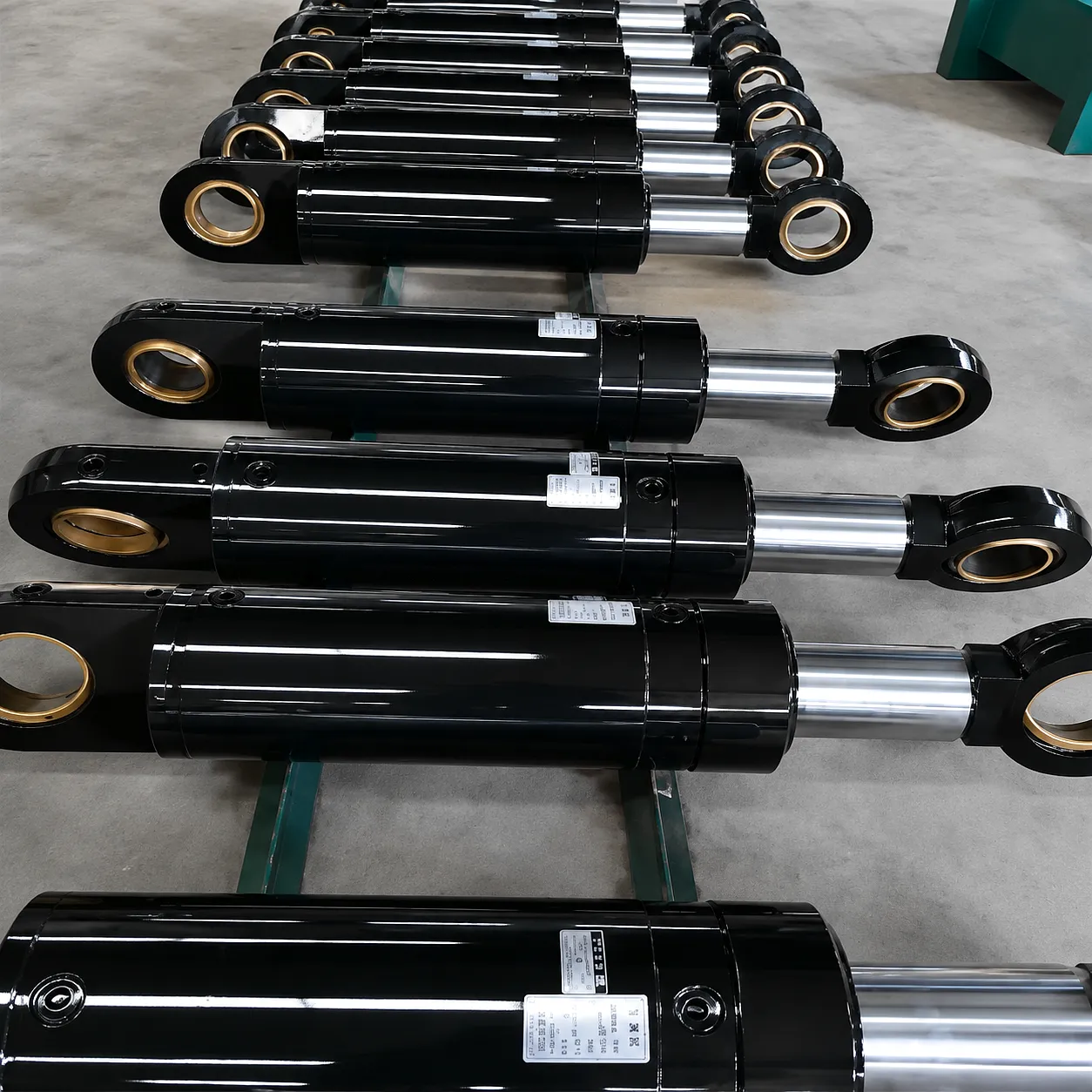 Ever Power operates a vertically integrated manufacturing facility with in-house machining, surface treatment, and assembly capability that enables end-to-end quality control at every stage of boom cylinder production. The coating application process is carried out under controlled environmental conditions — temperature and humidity monitored continuously — to ensure the substrate surface is correctly prepared before coating, coating thickness is uniform across the rod length, and post-coat grinding achieves the specified surface finish within tolerance. This is not a subcontracted operation: it is a core production competency that Ever Power has invested in because the consequences of coating failure at sea or in a Scottish winter are simply too serious to leave to chance.
Customisation is a fundamental part of the Ever Power proposition, not an afterthought. UK customers in the marine and cold-climate sectors routinely require non-standard rod diameters, custom stroke lengths, bespoke mounting geometries, and specific seal material selections. Ever Power’s engineering team handles these requirements from initial drawing review through FEA simulation, prototype manufacture, and factory acceptance testing. With a supply chain that spans premium European steel mills for rod and barrel blanks, accredited coating materials, and seal compounds from tier-one elastomer manufacturers, the lead time performance and material traceability that UK customers require for safety-critical equipment are reliably delivered.
Full application, grinding, and quality verification on-site
Full mill certificate and heat-number tracking for every rod and barrel
Non-standard dimensions from 40 mm to 500 mm bore, any stroke
NBR, HNBR, FKM, and PTFE seal options matched to duty
Pressure cycling, leak testing, and dimensional checks before despatch
FEA-backed design review for non-standard applications and load cases
Grimsby Port Handling — Reducing Cylinder Downtime by 71% on a Bulk Cargo Gantry
 A bulk cargo terminal operator at the Port of Grimsby — one of the UK’s busiest on the Humber Estuary — was experiencing unacceptable levels of hydraulic cylinder failure on the boom arm assembly of their primary ship-to-quay grab crane. The cylinders, originally fitted with standard hard chrome rods, were failing within 14 months of installation due to pitting corrosion on the rod surface propagating into the seal interface. Each failure required a minimum of three days’ off-hire for the crane, during which bulk cargo operations were severely disrupted. With the crane on charter to a major agribusiness company for grain unloading, the consequential penalties were significant.
The terminal’s maintenance engineering manager contacted Ever Power to discuss a replacement cylinder specification. After reviewing the operating exposure data — continuous salt spray, daily wash-down, and temperatures regularly reaching -8°C in winter — Ever Power’s application engineering team recommended a full replacement set with HVOF WC-CoCr rod coating on 42CrMo4 substrate, upgraded FKM seal packs, and stainless steel hardware for all external fasteners and pins. A modified barrel coating system using a two-part polyurethane topcoat over zinc-epoxy primer was applied to all non-sliding external surfaces to C5-M specification.
The replacement cylinders were delivered to Grimsby within six weeks of order, complete with full documentation and a factory acceptance test certificate. At the 14-month mark — the point at which the previous cylinders had already failed — a scheduled inspection found zero evidence of corrosion, no seal leakage, and rod surface condition well within the acceptable band. The crane operator estimated the avoided downtime cost at approximately £68,000 over the same period. By the 26-month mark, the cylinders remained in service, delivering a maintenance-interval extension of 71% compared to their predecessors.
“We had resigned ourselves to annual cylinder replacement as an operating cost. The Ever Power HVOF-coated units changed that completely — we are now over two years in service with no failures and the rods still look factory-fresh on inspection. The payback on the premium specification was under eight months.”
“What impressed us most was how thoroughly Ever Power’s engineers interrogated our application before recommending a solution. They asked about wash-down chemistry, ambient temperature ranges, and our maintenance cycle before committing to a specification. That level of application knowledge is rare and gave us confidence the solution was genuinely right for our duty, not a catalogue product dressed up as custom.”
“We operate a fleet of gritting wagons across seven Scottish council areas and the cylinders on spreader arms historically needed replacing every other winter. Ever Power’s EN-PTFE coated cylinders with FKM seals have now completed three full winter seasons without a single rod failure. Lead times were met and documentation for our maintenance records was complete and accurate. We have rolled this specification across the whole fleet.”
Common Questions from UK Engineers and Procurement Teams
An HVOF tungsten carbide coated boom cylinder typically carries a unit price premium of 25–40% over an equivalent hard chrome specification, depending on rod diameter and production quantity. However, when assessed over a 5-year total cost of ownership — factoring in the extended maintenance interval (typically 3x that of HCP in C5-M exposure), reduced hydraulic fluid contamination costs, and eliminated unscheduled downtime — the HVOF specification consistently delivers a lower lifecycle cost, often by a margin of 40% or more in port and marine applications. Ever Power can provide a detailed total cost of ownership comparison based on your specific application; contact [email protected] to request one.
For North Sea offshore platform duty at temperatures below -15°C combined with ISO C5-M salt exposure, HVOF WC-CoCr (tungsten carbide cobalt-chrome) is the coating of choice. Its bond strength of more than 70 MPa means it resists the thermally induced delamination that affects thinner-film systems in freeze-thaw cycling. The coating also demonstrates negligible change in adhesion down to -40°C. This should be combined with HNBR or FKM seal packs and low-temperature hydraulic fluid rated for the operating temperature range. Ever Power routinely specifies this combination for North Sea crane cylinder orders.
The quickest route is to email the Ever Power technical sales team at [email protected] with your bore diameter, stroke length, working pressure, rod end configuration, and a brief description of the operating environment (exposure category, temperature range, and duty cycle). The team will respond with a technical pre-qualification and a formal quotation within 48 hours for standard configurations and five working days for custom designs. Drawing review and DXF file submissions are welcomed for dimensionally complex applications.
Ever Power supplies corrosion-resistant boom cylinders to customers across Scotland, Northern England, and the wider UK market through a combination of direct order and established distributor relationships. Deliveries to Aberdeen, Glasgow, Newcastle, Leeds, Sheffield, and other northern industrial centres are handled through standard pallet freight services with delivery windows of 3–5 working days for standard stock items. Custom-manufactured cylinders are shipped from the production facility with full documentation to any UK delivery address. Contact the sales team at [email protected] to discuss stocking arrangements or urgent supply requirements.
The decision point is clearest when your maintenance records show two or more chrome rod failures within a single service interval, when cylinders are operating at ISO C4 or above with wash-down exposure, or when unscheduled downtime costs from cylinder failure are running at more than 1.5 times the cost of the cylinder itself annually. In practice, for most UK port and marine applications, the switch to HVOF at the next scheduled replacement cycle — rather than at failure — delivers the maximum return and avoids the disruption of emergency procurement. Ever Power’s sales engineers are happy to review your fleet maintenance records and provide a recommendation.
For road salt brine exposure combined with operating temperatures below -20°C, FKM (fluoroelastomer) seals are the recommended specification. FKM provides reliable sealing performance down to -30°C to -40°C depending on the specific compound grade, combined with excellent resistance to the calcium chloride and magnesium chloride brine solutions used in modern UK winter road maintenance. HNBR seals are a viable alternative if the budget for FKM is not available, with useful service to approximately -30°C. Whichever seal material is selected, it should be paired with an EN-PTFE or HVOF coated rod to ensure the seal lip runs on a surface that will not corrode between maintenance visits and damage the seal edge.
Specify the Right Coating for Your Application
Ever Power’s engineering team is ready to review your operating environment, confirm the optimum coating specification, and provide a competitive price for custom or standard marine-grade boom cylinders. Response within 48 hours guaranteed.
 Thai
Thai  English
  Italian
  Portuguese
  Dutch
Dutch  Swedish
  Danish
  Finnish
  Polish
  Hindi
Hindi  Kazakh
  Turkish
  Ukrainian
  Romanian
  Spanish
  German
  Russian
  Korean
  Japanese
  Vietnamese
  Indonesian
  Malay
Malay  French
  Greek
Greek