
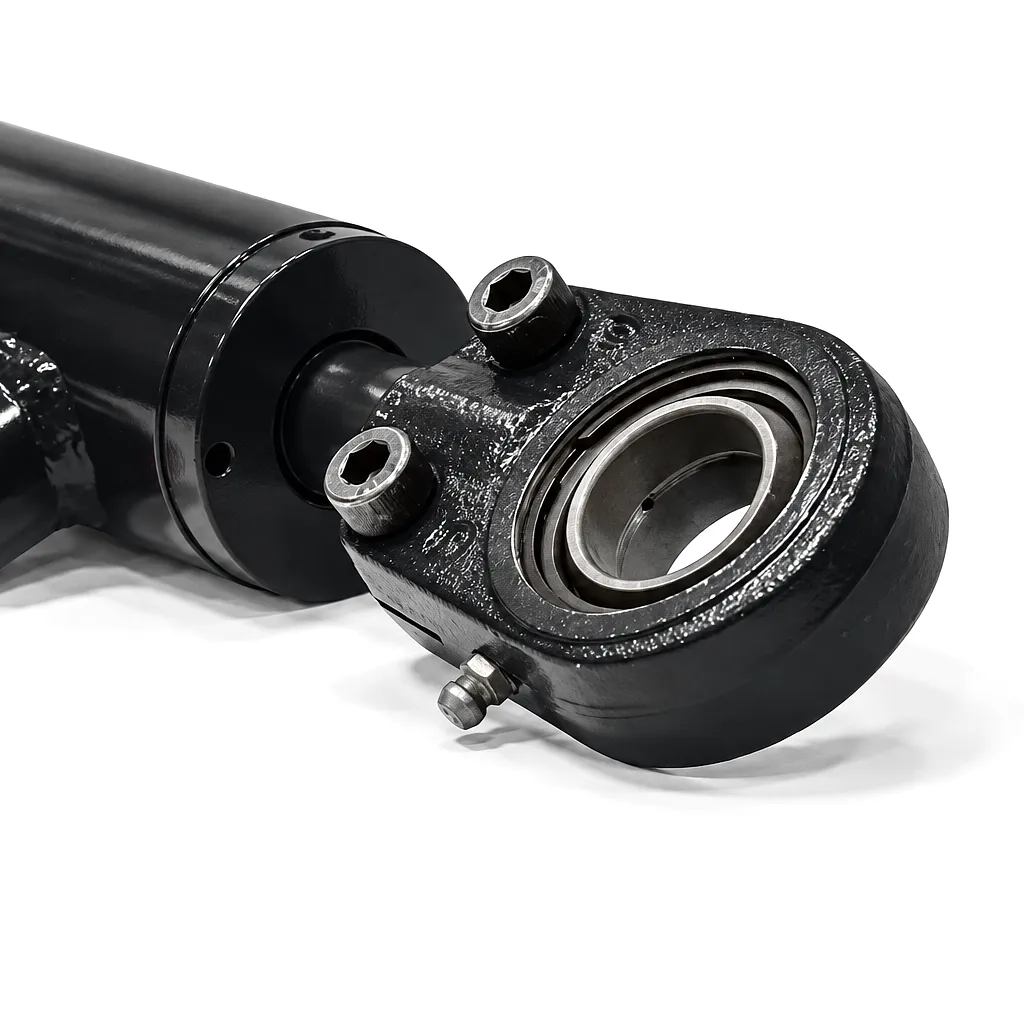
 There are few things more frustrating on a job site than a boom cylinder that won’t hold its position. You raise the arm, walk away, come back ten minutes later, and the whole thing has crept downward — sometimes dramatically, sometimes just enough to throw off precision work. In the UK’s heavy civil engineering, agricultural, and materials handling sectors, boom cylinder drift is one of the most reported hydraulic complaints, and yet it remains widely misunderstood. Operators often blame the pump first, when the root cause is almost always closer to the cylinder itself or the valve block feeding it. Understanding exactly why hydraulic boom cylinders drift — and knowing how to diagnose each cause systematically — saves enormous amounts of time and money, and prevents the kind of catastrophic failure that turns a slow creep into a sudden drop.
What Boom Cylinder Drift Actually Tells You About Your System
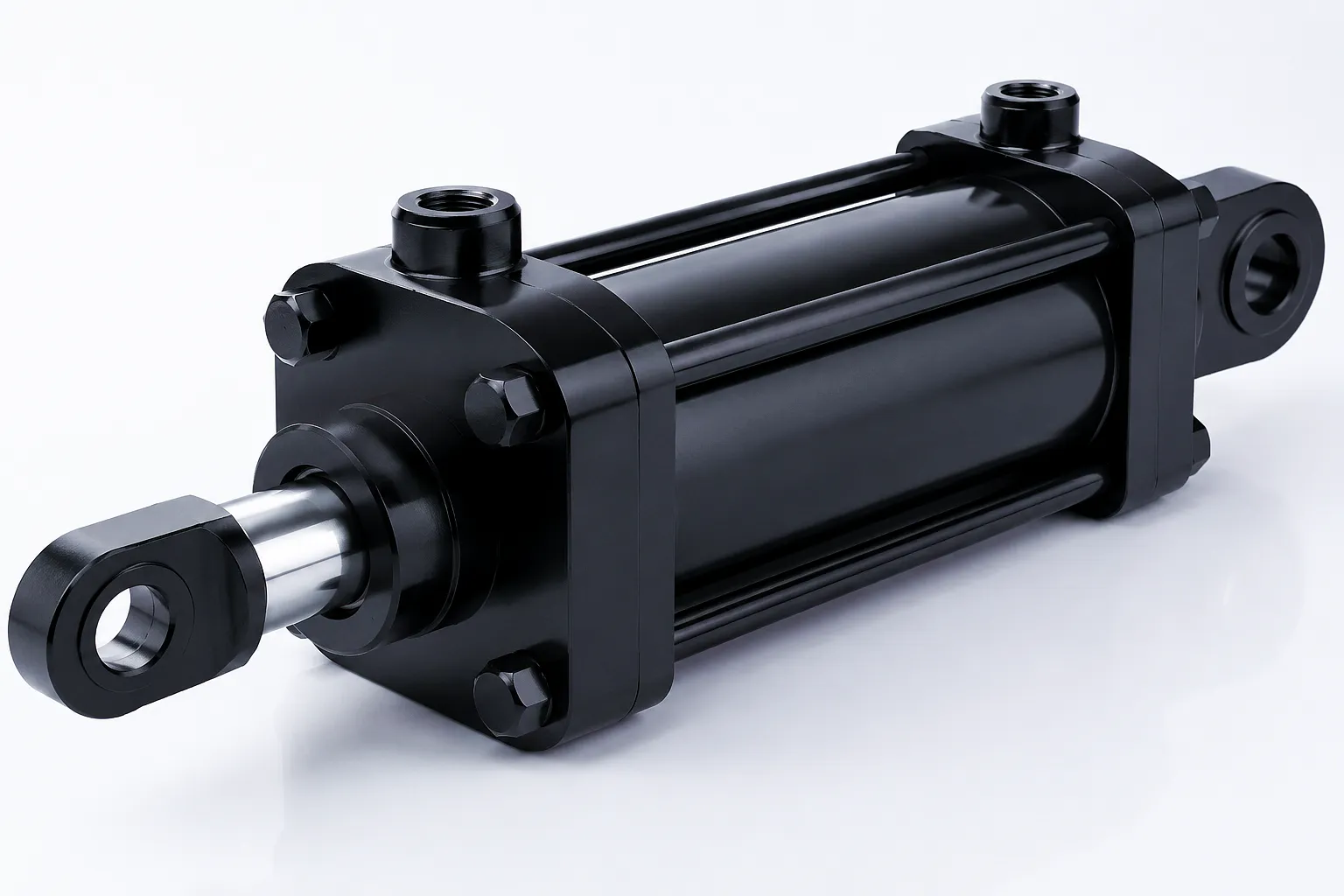 Before diving into specific causes, it helps to understand what the hydraulic circuit is supposed to do when the control valve is centred. In a properly functioning system, the cylinder chambers are isolated. Hydraulic fluid cannot escape through the valve, and the load — whether it is the boom arm of a telehandler working on a construction site in Birmingham, a crane jib at a Sheffield steel plant, or the lifting ram of an agricultural front loader in the Yorkshire Dales — remains suspended indefinitely without any continuous pump input. Drift tells you that this isolation has failed somewhere. Fluid is escaping from the high-pressure side of the cylinder, either internally past worn seals, externally through leaking connections, or externally back through a valve that is not seating correctly. Identifying which of these three pathways is responsible is the central diagnostic task, and the methodology is straightforward once you know what to look for.
Cause One: Internal Seal Failure — The Most Common Culprit
Piston seal wear is, by a considerable margin, the most frequent source of boom cylinder drift in machines that have been in regular service for more than two to three years. The piston carries sealing elements — typically a combination of a primary piston seal, a backup ring, and sometimes a separate wear ring — that separate the rod-end chamber from the cap-end chamber inside the cylinder bore. When these seals degrade, hydraulic fluid migrates from the high-pressure chamber to the low-pressure chamber, and the pressure differential that holds the load collapses. The load then descends under its own weight.
Seal degradation happens for several reasons. The most common in UK working environments is simple thermal cycling — the repeated heating and cooling of the hydraulic fluid as machines work hard and then stand idle in cold ambient temperatures. British winters are particularly hard on polyurethane and nitrile seal compounds, which lose elasticity at low temperatures and then expand under operating heat. Over repeated cycles, the material fatigues and begins to allow bypass flow. Contamination is the second major cause: abrasive particles in the hydraulic fluid act like very fine sandpaper against the bore wall and the seal face. If the return line filter has not been changed on schedule — something that happens more often than maintenance managers care to admit — particle counts in the fluid climb rapidly, and seal life drops accordingly. To test for internal bypass, raise the boom to full extension under load, shut the engine down, and monitor the rate of descent. A steady, relatively rapid drop with no external fluid visible is almost certainly piston seal bypass.
Cause Two: Rod Seal and Wiper Seal Breakdown
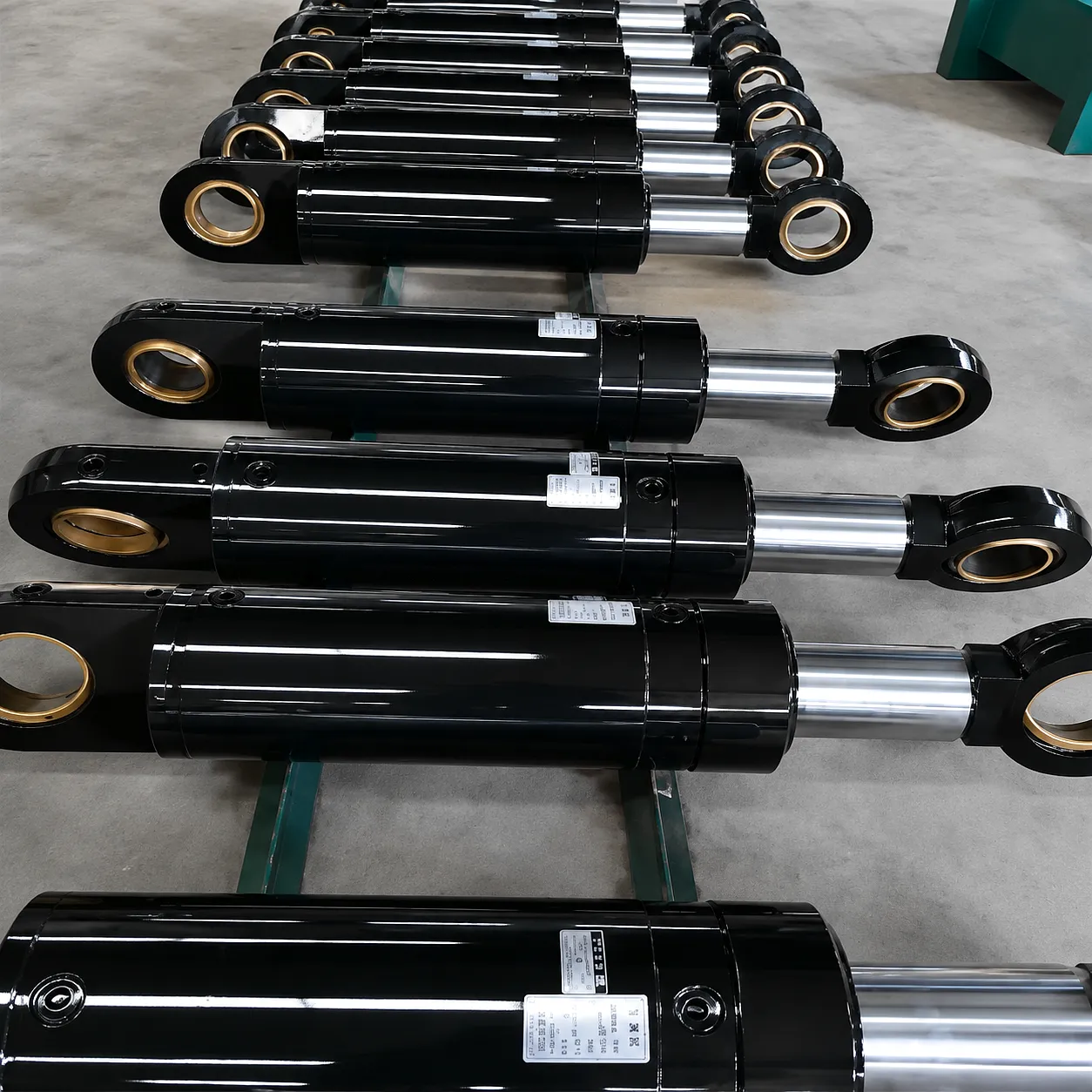
Rod seals operate under very different conditions than piston seals. They are exposed to the environment on every stroke — the rod passes through the gland seal and wiper assembly on every cycle, bringing with it whatever is on the rod surface: mud, grit, moisture, salt spray in coastal locations, or the fine carbon dust present in some Sheffield and Birmingham industrial environments. The wiper seal’s job is to scrape this contamination off the rod before it can enter the gland cavity and damage the primary rod seal. When the wiper seal wears or takes physical damage — a nick from a stone, a deformation from side loading — contaminants bypass it and work into the rod seal. The result is a compound problem: fluid that should stay inside the cylinder begins to weep or stream out past the rod seal, and the loss of fluid volume in the rod-end chamber allows the cylinder to retract.
External leakage from the rod seal is actually easier to diagnose than internal bypass because you can see it. Look for hydraulic oil tracking down the rod, collecting at the gland, or dripping from the cylinder body during or after operation. Even a slow weep that might only produce a small oil slick on the workshop floor is enough to cause measurable drift over a working shift. In agricultural machinery operating in wet UK conditions, rod surface corrosion compounds the problem: pitting on the chrome or hard-chrome surface destroys the smooth sealing interface, and no replacement seal, however high-quality, will seal reliably against a pitted rod. In these cases, the rod itself must be assessed for repair or replacement alongside any seal kit work.
Cause Three: Control Valve Leakage and Counterbalance Valve Failure
Not all drift originates inside the cylinder itself. A significant proportion of boom cylinder drift complaints — particularly in machines where the cylinders have recently been resealed or are still relatively new — trace back to the directional control valve or the counterbalance valve (also called a load-holding valve or over-centre valve, depending on the circuit design). The directional control valve, when in neutral, should block all four ports completely. If the spool inside the valve is worn, contaminated, or incorrectly centred by a failing spring, it can allow small quantities of fluid to bypass from the work port back to the tank line. The volume of bypass may be small, but given enough time, even a very slow valve leak will allow a loaded boom cylinder to creep downward.
Counterbalance valves are specifically designed to prevent exactly this kind of load-induced drift. They sit in the circuit between the directional control valve and the cylinder, and they require a positive pilot signal — derived from the opposite work port — to open and allow the load to descend in a controlled manner. When the pilot signal is absent (i.e., when the control lever is in neutral), the counterbalance valve should hold tight. If it fails to do so — typically because its poppet seat is worn, its spring has fatigued, or contamination is preventing full poppet closure — the load will drift. A counterbalance valve that is cracked open by contamination between the poppet and seat may only allow very slow bypass, making this a particularly deceptive cause of drift that can be easily mistaken for piston seal failure. The best diagnostic for this is to disconnect the cylinder’s port hoses, cap them, and observe whether drift continues. If the capped cylinder holds with no drift, the valve assembly is the source of the problem.
Related Products from Ever Power
Cause Four: Thermal Expansion and Fluid Compressibility Effects
Not every instance of apparent drift is caused by fluid escaping the circuit. Thermal effects can produce what looks and feels like drift but is actually the result of hydraulic fluid contracting as it cools. When a hydraulic machine has been working hard — say, a telehandler on a large logistics warehouse construction project near Coventry — the fluid temperature may rise to 60 to 70 degrees Celsius during operation. When the machine is parked and the engine is shut down, the fluid cools. As it contracts, the volume in the cylinder chambers decreases slightly, and the rod can appear to retract even though no fluid has physically escaped the circuit. This kind of “thermal drift” is generally slow, predictable, and uniform, and it stops once the fluid reaches ambient temperature equilibrium.
Similarly, hydraulic fluid is not perfectly incompressible, despite the common assumption. Under very high pressure — which boom cylinders working with heavy loads absolutely do experience — the fluid compresses by a small but measurable amount. When the load is first applied and then the valve is centred, some of this compression energy gradually relaxes, and the piston can move a tiny amount as the fluid returns to its uncompressed volume. In most operational situations, this effect is negligible and falls within normal engineering tolerances. However, in applications requiring extremely precise load holding — such as precision lifting in aerospace maintenance facilities in Bristol or Filton — even small fluid compressibility effects may need to be compensated for by specifying cylinders with enhanced load-holding valves or by using lower-compressibility synthetic hydraulic fluids.
Boom Cylinder Drift: Diagnostic Reference and Performance Parameters
Cause Five: Bore Scoring and Surface Damage — When a Seal Kit Alone Won’t Fix It
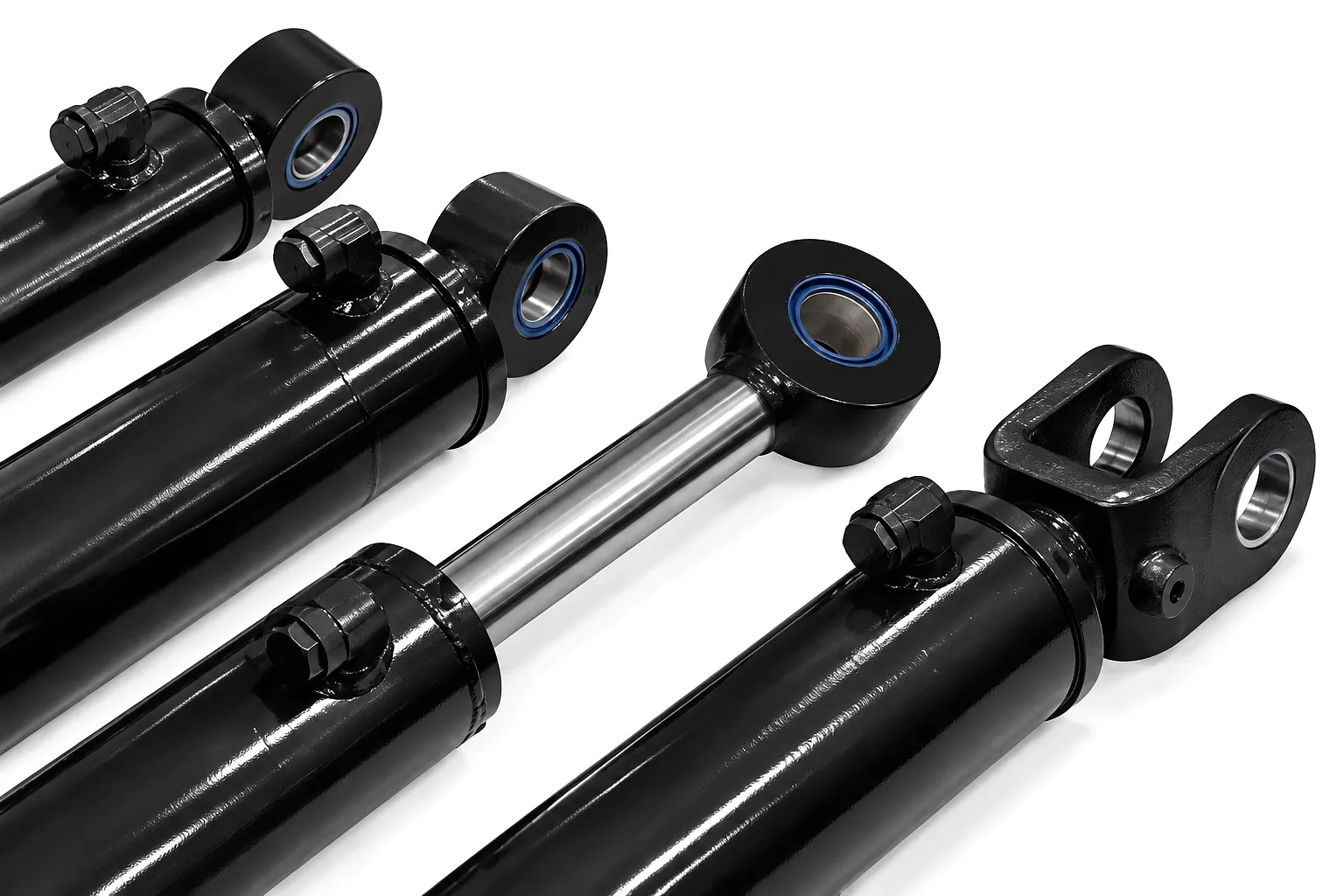
There is a failure mode that catches many maintenance teams by surprise: a boom cylinder that continues to drift even after a complete, correctly specified seal replacement. When this happens, the instinct is often to blame the new seal kit — the wrong material specification, a manufacturing defect, incorrect installation. In reality, the cause is almost always damage to the cylinder bore surface itself. If the hydraulic fluid has become sufficiently contaminated with hard particles, those particles do not just damage the seal faces — they score the honed bore wall. The scoring creates longitudinal channels through which fluid bypasses the piston seal regardless of how good the seal compound is. No amount of resealing will cure a scored bore.
Bore scoring diagnosis requires removing the piston and inspecting the bore with a light source and a bore gauge. Scoring is typically visible as bright scratch lines running parallel to the cylinder axis, and a bore gauge will reveal out-of-round or tapered bore geometry that has developed from wear concentrated at the piston’s travel limit points. Mild scoring can sometimes be addressed by honing the bore back to a smooth finish, provided the oversize is within allowable tolerance for the replacement seal set. More significant scoring requires the cylinder to be remanufactured or replaced. This is an area where the quality of the original cylinder manufacturing matters enormously — cylinders with harder, more precisely finished bores, produced to tighter dimensional tolerances, resist contamination scoring far better than those manufactured to loose specifications.
Step-by-Step Fix: Resolving Boom Cylinder Drift Systematically
Begin by capping both work port hose connections at the cylinder end and observing whether drift continues. If the cylinder holds perfectly with ports capped, the problem lies in the valve assembly, hoses, or fittings upstream. If it still drifts, the fault is inside the cylinder itself. This single test eliminates half the possible causes in under ten minutes and prevents expensive cylinder removal when the problem is actually a cheap valve cartridge.
Take a fluid sample before any disassembly. A fluid analysis from a laboratory — a service widely available across UK hydraulic service centres from Glasgow to London — will quantify particle counts, water content, and additive depletion. If the fluid is heavily contaminated, fitting a new seal kit without flushing and refilling the system will simply destroy the new seals as quickly as the old ones were destroyed. Check the return line filter element condition. A blocked filter that has been bypassing for any period will have allowed particle counts to rise dramatically throughout the system.
Before removing the gland and extracting the rod seal, inspect the visible portion of the rod carefully. Run a clean cloth along the rod surface and check for oil tracking, pitting, raised edges from impact damage, or corrosion staining. In UK environments where salt and moisture ingress are common — particularly in coastal Wales, Scottish highland operations, and winter road maintenance applications — rod corrosion is a major contributor to premature rod seal failure. A rod surface that fails a visual inspection should be assessed for hard-chrome re-plating or replacement before resealing.
Not all hydraulic seal materials are interchangeable. Nitrile (NBR) seals are the standard choice for mineral oil systems operating in moderate temperature ranges and are the most widely stocked in the UK. Polyurethane (PU or AU) seals offer better wear resistance and are often preferred for high-cycle applications such as those seen in UK quarrying and recycling equipment, but they are less tolerant of high-water-based fluid (HWBF) environments. Fluorocarbon (FKM/Viton) seals tolerate wider temperature ranges and are compatible with fire-resistant fluids — important in underground mining applications in Wales or colliery rehabilitation sites. Specifying the wrong seal compound will result in premature failure regardless of how carefully the cylinder is assembled.
Preventive Maintenance: Keeping Boom Cylinders Drift-Free Across the UK Working Season
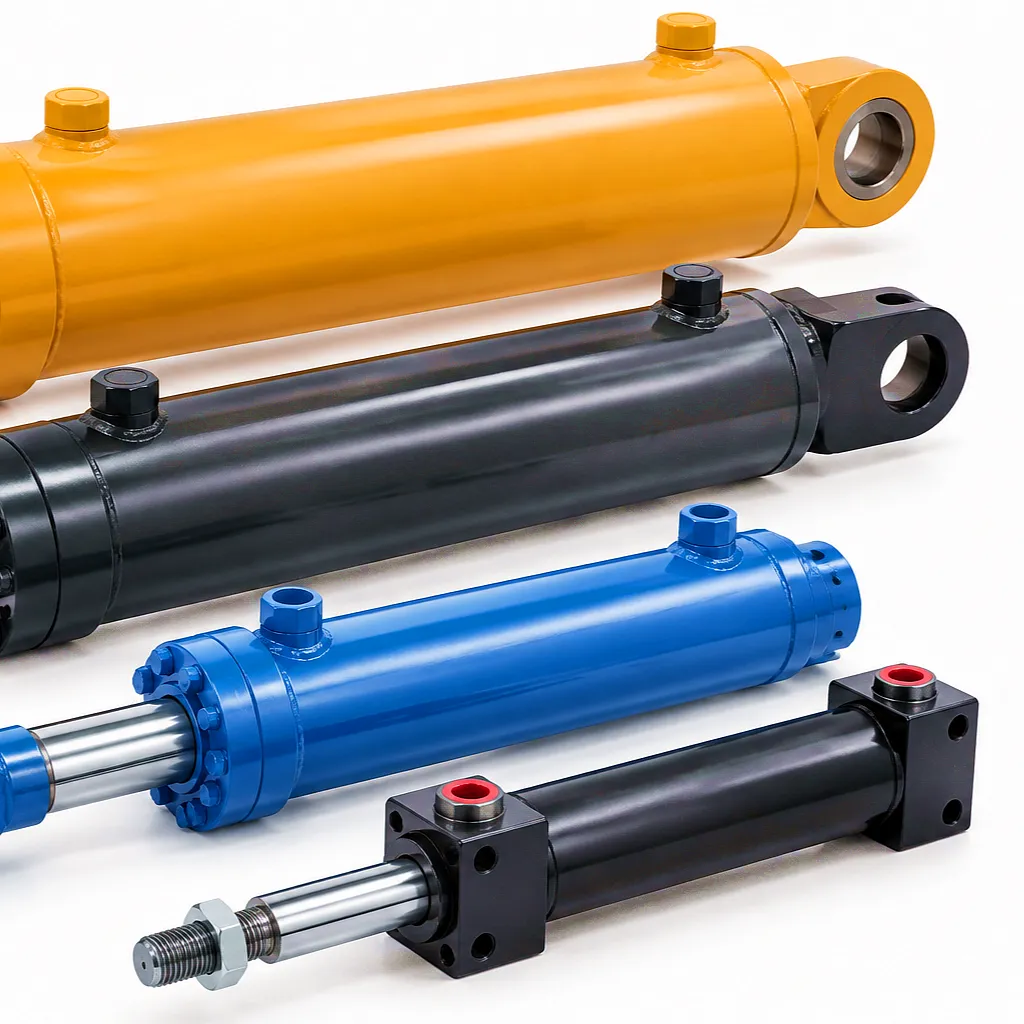 The most effective strategy for avoiding boom cylinder drift is a rigorous preventive maintenance programme. In UK agricultural and construction operations, which follow seasonal rhythms of intensive use and relative downtime, this means taking advantage of quieter periods — typically late autumn and mid-winter for farming equipment, and the pre-season period before major construction programmes resume — to carry out thorough cylinder inspections and proactive seal replacements.
A cylinder inspection programme should include a drift rate test at the start and end of each operating season: raise the boom to full extension under rated load, shut the engine off, mark the rod position, and return after 30 minutes to quantify any movement. Industry guidance for many UK plant categories accepts a drift limit of no more than 25 mm over a 30-minute period under rated load; if your machine exceeds this, action is needed before the drift progresses to a safety-critical level. Regular fluid sampling is equally important — a quarterly fluid analysis costs very little and provides early warning of rising particle counts or water contamination long before seal damage becomes severe. Maintaining fluid cleanliness to ISO 4406 class 16/14/11 or better is the single most effective measure for extending seal and bore life across all boom cylinder applications.
Ever Power: Precision-Engineered Boom Cylinders for UK Industrial Demand
Ever Power has developed a manufacturing approach that directly addresses the most common failure modes behind boom cylinder drift. The company’s hydraulic cylinders are produced in a modern factory environment with honed bore finishes held to Ra 0.2–0.4 µm — a surface roughness specification that significantly reduces the abrasive wear rate on piston seal faces from the very first operating cycle. Every cylinder that leaves the Ever Power facility undergoes a 100% pressure and drift test under rated load before shipping, meaning that the drift performance of your cylinder is verified against specification before it ever reaches your site.
For UK procurement managers and plant engineers dealing with unusual or demanding applications — whether that is an extended-stroke cylinder for a specialist lifting gantry in a Manchester aerospace facility, a corrosion-resistant variant for marine deck equipment in Aberdeen, or a high-pressure design for a hydraulic press at a Birmingham metal forming operation — Ever Power’s customisation capability is comprehensive. Ever Power’s engineering team can specify seal materials, bore hardness treatments, rod coatings, port configurations, and mounting geometries to exacting customer requirements, with full dimensional certification and material traceability documentation included as standard on each order. Lead times are competitive, and the supply chain is structured to support UK customers with responsive communication and efficient international logistics.
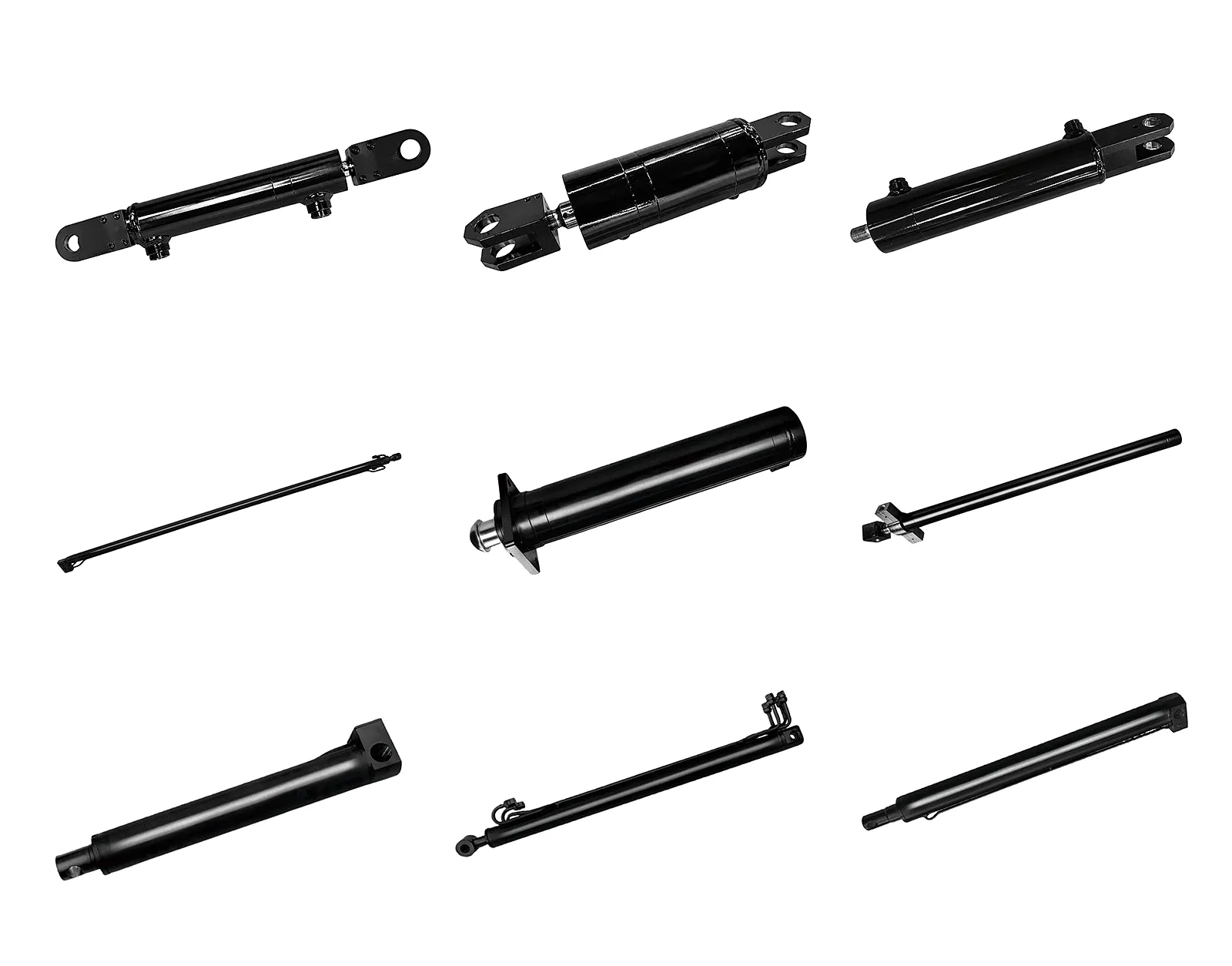
Ever Power hydraulic cylinder range — custom specifications available for UK industrial customers
Customer Success Story: Eliminating Chronic Drift on a Recycling Crane Fleet in Sheffield
A Sheffield-based metal recycling company operating a fleet of twelve scrap-handling cranes had been living with boom cylinder drift for the better part of two years. The cranes were working in three shifts across a large outdoor yard processing ferrous and non-ferrous scrap, with the boom cylinders cycling several thousand times per day under loads frequently approaching rated capacity. The drift problem had been partially addressed on three occasions by a local hydraulic repair shop, which had replaced piston and rod seals. Each time, the repair held for between six and ten weeks before drift resumed — on one occasion within just three weeks of seal replacement, which the maintenance manager described at the time as a seal kit quality problem.
When Ever Power’s technical team conducted a remote diagnostic consultation — reviewing the maintenance records, fluid analysis history, and the specific cylinder specifications — a different picture emerged. The combination of heavy cycle rates, outdoor exposure to Yorkshire winter conditions, and fluid that had not been sampled or changed in over 18 months had produced ISO 4406 particle counts in the class 20/18/15 range — far above the ISO 16/14/11 or better that these cylinders required. The bore surfaces of the removed cylinders showed clear radial scoring, confirmed by bore gauge measurement. New seals installed in scored bores were failing almost immediately, not because of seal quality but because the bore itself was now acting as an abrasion surface for the seal compound.
Ever Power supplied six replacement cylinders — built to the original mounting and port specifications but with upgraded chromium-molybdenum steel tubes, ceramic-coated rods for corrosion resistance, and polyurethane piston seal kits rated for the high-cycle application. The remaining six cylinders were returned to Ever Power’s facility for bore assessment; four were recoverable by honing and resealing to the new specification. A complete hydraulic fluid flush and filter replacement programme was carried out simultaneously. After ten months in continuous operation, none of the twelve cranes has required any boom cylinder intervention, and the latest fluid sample shows particle counts well within the target cleanliness class. The company has since standardised on Ever Power cylinders for all replacement procurement.
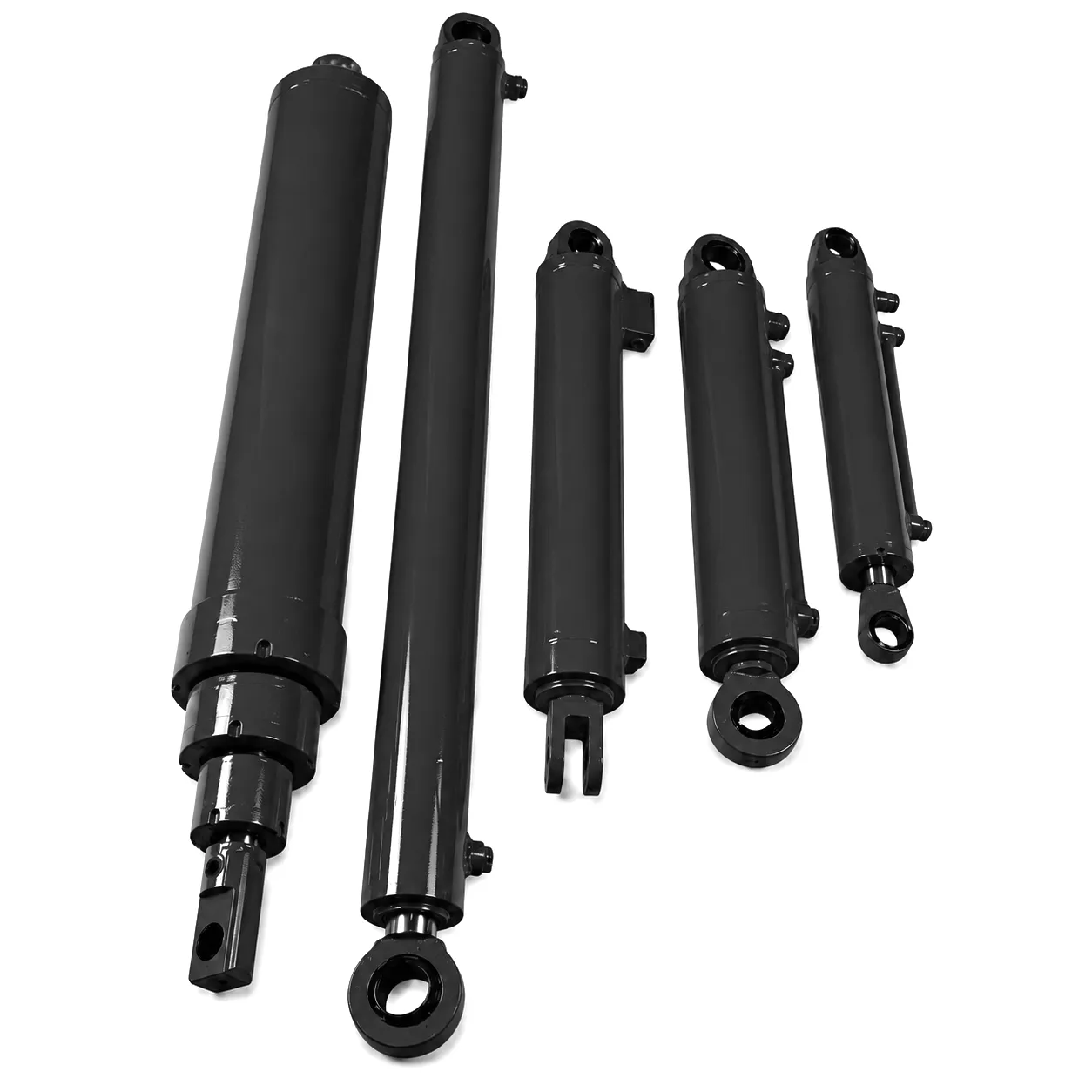
“We had been resealing those cranes every six to ten weeks and just accepted it as a maintenance cost. Ever Power’s team was the first supplier to actually analyse why the seals kept failing rather than just quoting us another kit. The cylinder replacements they supplied have now run for nearly a year without a single drift complaint. That is genuinely transformative for our maintenance budget.”
“The customisation service is what sets Ever Power apart. We needed cylinders with ceramic-coated rods because of the salt and chemical environment in our yard — other suppliers simply quoted us off-the-shelf units and said it would be fine. Ever Power specified exactly the right rod treatment, provided full material certificates, and delivered within the lead time they promised. The cylinders hold load perfectly.”
“Having twelve cranes back in full operation with zero drift issues has had a measurable effect on throughput. Our crane operators are no longer repositioning loads after minor descents or waiting while maintenance checks positions. The improvement in cycle efficiency across the yard is something our management team can see directly on the daily output numbers. We would not look elsewhere for boom cylinders now.”
Industrial Application Scenarios Where Boom Cylinder Drift Has Critical Consequences
คำถามที่พบบ่อย
Ever Power’s engineering team is available to assess your specific application, recommend the correct cylinder specification, and provide a competitive quote for UK delivery. Reach out now and resolve the problem before it becomes a safety issue.
📧 Get a Quote: [email protected]
แก้ไขโดย gzl
 Thai
Thai  English
  Italian
  Portuguese
  Dutch
Dutch  Swedish
  Danish
  Finnish
  Polish
  Hindi
Hindi  Kazakh
  Turkish
  Ukrainian
  Romanian
  Spanish
  German
  Russian
  Korean
  Japanese
  Vietnamese
  Indonesian
  Malay
Malay  French
  Greek
Greek