
Опис продукту
1 YEAR WARRANTY AND EXCELLENT SERVICE
7 DAYS REFUND PAYMENT IN CASE OF QUALITY
24 HOURS SMOOTHLY COMMUNICATION
Опис продукту
Hydraulic Cylinder Jack
Capacity: 50-800ton
Stroke: 50-300mm
Max.pressure: 700bar
SSJ Series Single-Acting High Tonnage Hydraulic Cylinders
1. Single acting, loads return.
2. Hard chrome plated high quality steel plungers.
3. Plunger wiper reduces contamination, extending cylinder life.
4. The exclusive guide Ring is designed absorbs eccentric loading without galling cylinder parts, reduces wear and extending life.
5. Special painted surface to increase corrosion resistance.
6. Easy fixturing with base mounting holes.
7. All model include quick couplings (NPT3/8″-18) and dust-proof cap.
8. Removable hardened saddles protect plunger during lifting and pressing.
9. According to different work environment, special cylinder could be customized.
| Cylinder Capacity | Інсульт | Model Number | Cylinder Effective Area | Oil Capacity | Collapsed Height | Extended Height | Outside Dia. | Cylinder Bore Dia | Plunger Dia. | Base to Advance Port | Saddle Dia. | Saddle Protrusion from Plgr. | Mounting Hole Dimensions | Weight | ||
| Bolt Circle | Thread | Thread Depth | ||||||||||||||
| A | B | C | D | E | F | H | J | O | P | W | ||||||
| ton(KN) | (mm) | (cm2) | (cm3) | (mm) | (mm) | (mm) | (mm) | (mm) | (mm) | (mm) | (mm) | (mm) | (mm) | (kg) | ||
| 50 (550) | 50 | SSJ50-50 | 78.5 | 392 | 172 | 222 | 140 | 100 | 70 | 41 | 70 | 24 | 70 | 4-M16 | 13 | 21.5 |
| 100 | SSJ50-100 | 78.5 | 784 | 222 | 322 | 140 | 100 | 70 | 41 | 70 | 24 | 70 | 4-M16 | 13 | 26 | |
| 150 | SSJ50-150 | 78.5 | 1176 | 272 | 432 | 140 | 100 | 70 | 41 | 70 | 24 | 70 | 4-M16 | 13 | 31 | |
| 200 | SSJ50-200 | 78.5 | 1568 | 322 | 522 | 140 | 100 | 70 | 41 | 70 | 24 | 70 | 4-M16 | 13 | 35 | |
| 300 | SSJ50-300 | 78.5 | 2352 | 422 | 722 | 140 | 100 | 70 | 41 | 70 | 24 | 70 | 4-M16 | 13 | 44 | |
| 100 (1077) | 50 | SSJ100-50 | 153.9 | 770 | 197 | 247 | 188 | 140 | 100 | 54 | 100 | 24 | 100 | 4-M20 | 16 | 42 |
| 100 | SSJ100-100 | 153.9 | 1540 | 247 | 347 | 188 | 140 | 100 | 54 | 100 | 24 | 100 | 4-M20 | 16 | 49 | |
| 150 | SSJ100-150 | 153.9 | 2310 | 297 | 447 | 188 | 140 | 100 | 54 | 100 | 24 | 100 | 4-M20 | 16 | 56 | |
| 200 | SSJ100-200 | 153.9 | 3080 | 347 | 547 | 188 | 140 | 100 | 54 | 100 | 24 | 100 | 4-M20 | 16 | 63 | |
| 300 | SSJ100-300 | 153.9 | 4620 | 447 | 747 | 188 | 140 | 100 | 54 | 100 | 24 | 100 | 4-M20 | 16 | 70 | |
| 150 (1588) | 50 | SSJ150-50 | 226.9 | 1134 | 206 | 256 | 228 | 170 | 120 | 58 | 120 | 24 | 130 | 4-M20 | 16 | 44 |
| 100 | SSJ150-100 | 226.9 | 2269 | 256 | 356 | 228 | 170 | 120 | 58 | 120 | 24 | 130 | 4-M20 | 16 | 57 | |
| 150 | SSJ150-150 | 226.9 | 3403 | 306 | 456 | 228 | 170 | 120 | 58 | 120 | 24 | 130 | 4-M20 | 16 | 70 | |
| 200 | SSJ150-200 | 226.9 | 4538 | 356 | 556 | 228 | 170 | 120 | 58 | 120 | 24 | 130 | 4-M20 | 16 | 83 | |
| 300 | SSJ150-300 | 226.9 | 6806 | 456 | 756 | 228 | 170 | 120 | 58 | 120 | 24 | 130 | 4-M20 | 16 | 109 | |
| 200 (2198) | 50 | SSJ200-50 | 314 | 1570 | 221 | 296 | 268 | 200 | 150 | 64 | 150 | 29 | 160 | 4-M24 | 24 | 84 |
| 150 | SSJ200-150 | 314 | 4712 | 321 | 496 | 268 | 200 | 150 | 64 | 150 | 29 | 160 | 4-M24 | 24 | 118 | |
| 300 | SSJ200-300 | 314 | 9423 | 471 | 796 | 268 | 200 | 150 | 64 | 150 | 29 | 160 | 4-M24 | 24 | 152 | |
| 300 (3434) | 50 | SSJ300-50 | 490.6 | 2453 | 277 | 327 | 320 | 250 | 180 | 74 | 180 | 35 | 220 | 4-M24 | 24 | 155 |
| 150 | SSJ300-150 | 490.6 | 7359 | 377 | 527 | 320 | 250 | 180 | 74 | 180 | 35 | 220 | 4-M24 | 24 | 195 | |
| 300 | SSJ300-300 | 490.6 | 14718 | 527 | 827 | 320 | 250 | 180 | 74 | 180 | 35 | 220 | 4-M24 | 24 | 255 | |
| 400 (4308) | 50 | SSJ400-50 | 615.4 | 3077 | 305 | 355 | 370 | 280 | 210 | 83 | 210 | 35 | 240 | 4-M24 | 24 | 240 |
| 150 | SSJ400-150 | 615.4 | 9231 | 405 | 555 | 370 | 280 | 210 | 83 | 210 | 35 | 240 | 4-M24 | 24 | 310 | |
| 300 | SSJ400-300 | 615.4 | 18462 | 555 | 855 | 370 | 280 | 210 | 83 | 210 | 35 | 240 | 4-M24 | 24 | 415 | |
| 500 (5114) | 50 | SSJ500-50 | 803.8 | 4019 | 325 | 375 | 420 | 320 | 250 | 93 | 246 | 35 | 280 | 4-M24 | 24 | 285 |
| 150 | SSJ500-150 | 803.8 | 12057 | 425 | 575 | 420 | 320 | 250 | 93 | 246 | 35 | 280 | 4-M24 | 24 | 353 | |
| 300 | SSJ500-300 | 803.8 | 24114 | 575 | 875 | 420 | 320 | 250 | 93 | 246 | 35 | 280 | 4-M24 | 24 | 455 | |
| 600 (6300) | 50 | SSJ600-50 | 1017.4 | 5087 | 386 | 436 | 500 | 360 | 280 | 113 | 280 | 40 | 300 | 4-M24 | 24 | 487 |
| 150 | SSJ600-150 | 1017.4 | 15261 | 486 | 636 | 500 | 360 | 280 | 113 | 280 | 40 | 300 | 4-M24 | 24 | 579 | |
| 300 | SSJ600-300 | 1017.4 | 30522 | 636 | 936 | 500 | 360 | 280 | 113 | 280 | 40 | 300 | 4-M24 | 24 | 717 | |
| 800 (8790) | 50 | SSJ800-50 | 1256 | 6280 | 427 | 477 | 550 | 400 | 320 | 113 | 320 | 57 | 380 | 4-M24 | 24 | 712 |
| 150 | SSJ800-150 | 1256 | 18840 | 527 | 677 | 550 | 400 | 320 | 113 | 320 | 57 | 380 | 4-M24 | 24 | 860 | |
| 300 | SSJ800-300 | 1256 | 37698 | 677 | 977 | 550 | 400 | 320 | 113 | 320 | 57 | 380 | 4-M24 | 24 | 1082 | |
All SAIVS Hydraulic Lifting Cylinders Jack go with calibration certificates,
Your Requirements Can Be Customized, Please Contact Us Freely!
Детальні фотографії
Single-Acting High Tonnage Hydraulic Cylinders
SAIVS is a professional manufacturer in hydraulic tools and products, Hydraulic lifting cylinder & jack and Hydraulic pumps.
Our full rang of popular hydraulic cylinder reserviors including jacking, pushing, pulling, supporting etc.
Our hydraulic products have been widely used in petrochemical, Building, shipbuilding, steel plant and heavy constructions areas etc.
Application
Certifications
Packaging & Shipping
Профіль компанії
Established in HangZhou, China, CHINAMFG began as a manufacturer and exporter of different kinds of casting and precision CNC machining components, industrial customized parts. CHINAMFG has the experience to develop thousands of tooling and fixtures in house according to customers’ drawings.
In 2002, hydraulic tools research department was settled and company developed its first line of hydraulic tools and equipment. Today CHINAMFG is reckoned as 1 of the most preferred experienced manufacturer and exporter of hydraulic tools, hydraulic pumps & hydraulic components in the industrial market.
We have more than 200 employees total, that work at casting foundries, CNC machining plant. we have nice reputation in components supply chain, as we have better management system, positive teamwork cooperation and advanced equipment. We obtained certificates of TS16949, ISO9001, ISO14001 and OSHAS ISO 18001.
FAQ
Q: Are you trading company or manufacturer?
A: We are factory with more than 20 years experience.
Q: How long for delivery?
A: Generally it is 15-30days as we are customized service we confirm with customer when place order.
Q: What is the MOQ?
A: It depends on what you are buying. Normally, our minimum order is 1 20′ full container and LCL container (less than a
container load) can be acceptable.
Q: Can you customize my products?
A: Yes, we can customized products with your design drawings like DWG, DXF, DXW, IGES, STEP, PDF etc.
Q: What is your terms of payment?
A: 30% T/T in advance, balance before shipment, or as per discussion.
Q: What about your quality control?
A: * . Checking the raw material after they reach our factory—–Incoming quality control(IQC)
* . Checking the details before the production line operated
* . Have full inspection and routing inspection during mass production—-In-process quality control(IPQC)
* . Checking the goods after they are finished—-Final quality control(FQC)
* . Checking the goods after they are finished—-Outgoing quality control(QC)
* . 100% inspection and delivery before shipment
| After-sales Service: | Yes |
|---|---|
| Warranty: | 1 Year |
| Type: | Hydraulic Jack |
| Structure: | Hydraulic Jack |
| Capacity (Load): | 50-800 T |
| Power Source: | Hydraulic |
| Налаштування: | Доступно |
|
|---|
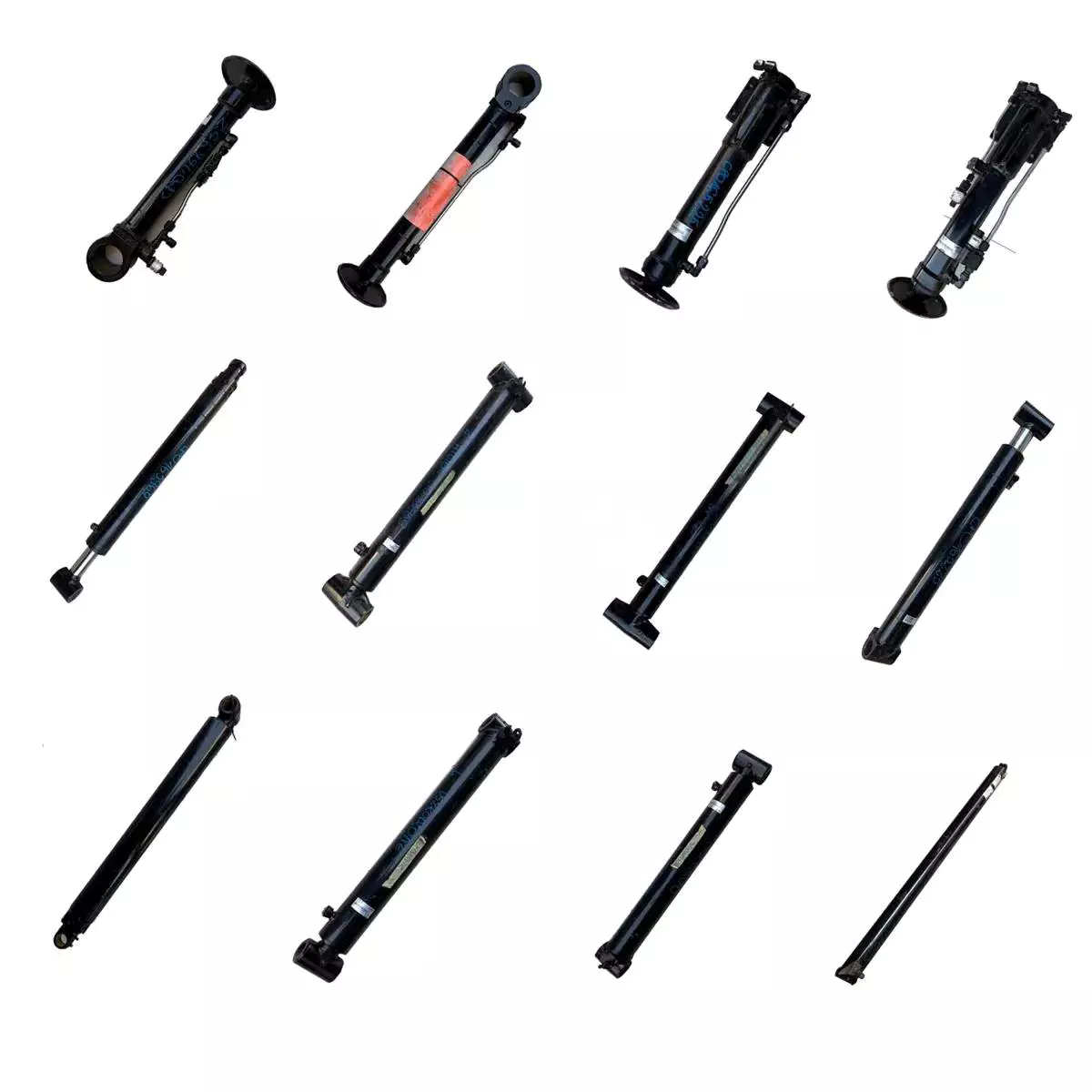
How do hydraulic cylinders handle the challenges of precise positioning and control?
Hydraulic cylinders are designed to handle the challenges of precise positioning and control with a combination of engineering principles and advanced control systems. These challenges often arise in applications where accurate and controlled movements are required, such as in industrial automation, construction, and material handling. Here’s a detailed explanation of how hydraulic cylinders overcome these challenges:
1. Fluid Power Control:
– Hydraulic cylinders utilize fluid power control to achieve precise positioning and control. The hydraulic system consists of a hydraulic pump, control valves, and hydraulic fluid. By regulating the flow of hydraulic fluid into and out of the cylinder, operators can control the speed, direction, and force exerted by the cylinder. The fluid power control allows for smooth and accurate movements, enabling precise positioning of the hydraulic cylinder and the attached load.
2. Control Valves:
– Control valves play a crucial role in handling the challenges of precise positioning and control. These valves are responsible for directing the flow of hydraulic fluid within the system. They can be manually operated or electronically controlled. Control valves allow operators to adjust the flow rate of the hydraulic fluid, controlling the speed of the cylinder’s movement. By modulating the flow, operators can achieve fine control over the positioning of the hydraulic cylinder, enabling precise and accurate movements.
3. Proportional Control:
– Hydraulic cylinders can be equipped with proportional control systems, which offer enhanced precision in positioning and control. Proportional control systems utilize electronic feedback and control algorithms to precisely regulate the flow and pressure of the hydraulic fluid. These systems provide accurate and proportional control over the movement of the hydraulic cylinder, allowing for precise positioning at various points along its stroke length. Proportional control enhances the cylinder’s ability to handle complex tasks that require precise movements and control.
4. Position Feedback Sensors:
– To achieve precise positioning, hydraulic cylinders often incorporate position feedback sensors. These sensors provide real-time information about the position of the cylinder’s piston rod. Common types of position feedback sensors include potentiometers, linear variable differential transformers (LVDTs), and magnetostrictive sensors. By continuously monitoring the position, the feedback sensors enable closed-loop control, allowing for accurate positioning and control of the hydraulic cylinder. The feedback information is used to adjust the flow of hydraulic fluid to achieve the desired position accurately.
5. Servo Control Systems:
– Advanced hydraulic systems employ servo control systems to handle the challenges of precise positioning and control. Servo control systems combine electronic control, position feedback sensors, and proportional control valves to achieve high levels of accuracy and responsiveness. The servo control system continuously compares the desired position with the actual position of the hydraulic cylinder and adjusts the flow of hydraulic fluid to minimize any positional error. This closed-loop control mechanism enables the hydraulic cylinder to maintain precise positioning and control, even under varying loads or external disturbances.
6. Integrated Automation:
– Hydraulic cylinders can be integrated into automated systems to achieve precise positioning and control. In such setups, the hydraulic cylinders are controlled by programmable logic controllers (PLCs) or other automation controllers. These controllers receive input signals from various sensors and use pre-programmed logic to command the hydraulic cylinder’s movements. The integration of hydraulic cylinders into automated systems allows for precise and repeatable positioning and control, enabling complex sequences of movements to be executed with high accuracy.
7. Advanced Control Algorithms:
– Advancements in control algorithms have also contributed to the precise positioning and control of hydraulic cylinders. These algorithms, such as PID (Proportional-Integral-Derivative) control, adaptive control, and model-based control, enable sophisticated control strategies to be implemented. These algorithms consider factors such as load variations, system dynamics, and environmental conditions to optimize the control of hydraulic cylinders. By employing advanced control algorithms, hydraulic cylinders can compensate for disturbances and achieve precise positioning and control over a wide range of operating conditions.
In summary, hydraulic cylinders overcome the challenges of precise positioning and control through the use of fluid power control, control valves, proportional control, position feedback sensors, servo control systems, integrated automation, and advanced control algorithms. By combining these elements, hydraulic cylinders can achieve accurate and controlled movements, enabling precise positioning and control in various applications. These capabilities are essential for industries that require high precision and repeatability in their operations, such as industrial automation, robotics, and material handling.
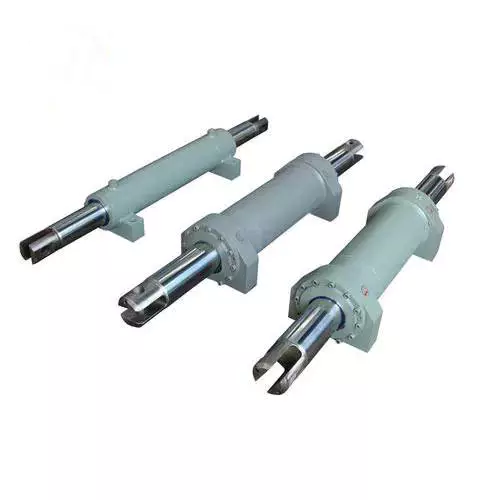
Забезпечення стабільної роботи гідравлічних циліндрів при коливальних навантаженнях
Гідравлічні циліндри розроблені для забезпечення стабільної роботи навіть за коливань навантажень. Вони досягають цього за допомогою різних механізмів та функцій, які дозволяють ефективно контролювати та компенсувати навантаження. Давайте розглянемо, як гідравлічні циліндри забезпечують стабільну роботу за коливань навантажень:
- Конструкція поршня: Поршень усередині гідравлічного циліндра відіграє вирішальну роль у контролі навантаження. Зазвичай він оснащений ущільненнями та кільцями, які запобігають витоку гідравлічної рідини та забезпечують ефективну передачу зусилля. Конструкція поршня може включати такі елементи, як ступінчасті або тандемні поршні, які забезпечують покращену несучу здатність та покращену стійкість, розподіляючи навантаження по кількох поверхнях.
- Амортизація циліндра: Гідравлічні циліндри часто містять механізми амортизації для мінімізації ударів та поштовхів, спричинених коливаннями навантажень. Амортизації можна досягти різними методами, такими як регульовані гвинти амортизації, гідравлічні клапани амортизації або еластомерні кільця амортизації. Ці механізми уповільнюють рух поршня ближче до кінця ходу, зменшуючи удар та запобігаючи раптовим зупинкам, які можуть призвести до нестабільності.
- Компенсація тиску: Коливання навантаження можуть призвести до коливань тиску в гідравлічній системі. Для забезпечення стабільної роботи гідравлічні циліндри оснащені механізмами компенсації тиску. Ці механізми підтримують постійний рівень тиску в системі, незалежно від змін навантаження. Компенсації тиску можна досягти за допомогою запобіжних клапанів, компенсаційних поршнів або клапанів регулювання потоку з компенсацією тиску.
- Контроль потоку: Гідравлічні циліндри часто оснащені клапанами регулювання потоку для регулювання швидкості руху циліндра. Контролюючи швидкість потоку гідравлічної рідини, рух циліндра можна регулювати відповідно до змінних умов навантаження. Клапани регулювання потоку забезпечують плавний та контрольований рух, запобігаючи різким змінам, які можуть призвести до нестабільності.
- Системи зворотного зв'язку: Для забезпечення стабільної роботи при коливаннях навантажень гідравлічні циліндри можна інтегрувати із системами зворотного зв'язку. Ці системи надають інформацію в режимі реального часу про положення, швидкість та силу циліндра. Завдяки постійному контролю цих параметрів гідравлічна система може негайно вносити корективи для підтримки стабільності та компенсації коливань навантаження. Системи зворотного зв'язку можуть включати датчики положення, датчики тиску або датчики навантаження, залежно від конкретного застосування.
- Правильний підбір розміру та розміру: Забезпечення стабільної роботи за коливальних навантажень починається з правильного вибору розмірів та гідравлічних циліндрів. Вкрай важливо вибрати циліндри з відповідним розміром отвору, діаметром штока та довжиною ходу, щоб відповідати очікуваним умовам навантаження. Завеликі або замалі циліндри можуть призвести до нестабільності та зниження продуктивності. Правильний вибір розмірів також включає врахування таких факторів, як необхідна сила, швидкість та робочий цикл застосування.
Підсумовуючи, гідроциліндри забезпечують стабільну роботу при коливаннях навантажень завдяки таким функціям, як конструкція поршня, механізми амортизації, компенсація тиску, регулювання потоку, системи зворотного зв'язку, а також правильний вибір та визначення розмірів. Ці механізми та міркування дозволяють гідроциліндрам забезпечувати стабільний та контрольований рух навіть в умовах динамічного навантаження, що призводить до надійної та стабільної роботи.
How do hydraulic cylinders handle variations in load, pressure, and speed?
Hydraulic cylinders are designed to handle variations in load, pressure, and speed effectively. They incorporate features and components that allow them to adapt to changing operating conditions and maintain optimal performance. Here’s a detailed explanation of how hydraulic cylinders handle variations in load, pressure, and speed:
Variations in Load:
– Hydraulic cylinders are capable of handling variations in load by adjusting the force they exert. The force output of a hydraulic cylinder is determined by the hydraulic pressure and the surface area of the piston. When the load increases, the pressure in the hydraulic system can be adjusted to generate a higher force. This adjustment can be achieved by regulating the flow of hydraulic fluid into the cylinder using control valves. By controlling the pressure and flow, hydraulic cylinders can adapt to different load requirements, ensuring that the force applied is sufficient to handle the load while preventing excessive force that could cause damage.
Variations in Pressure:
– Hydraulic cylinders are designed to handle variations in pressure within the hydraulic system. They are equipped with seals and other components that can withstand high-pressure conditions. When the pressure within the hydraulic system fluctuates, the hydraulic cylinder adjusts accordingly to maintain its performance. The seals prevent fluid leakage and ensure that the hydraulic pressure is effectively transmitted to the piston, allowing the cylinder to generate the required force. Additionally, hydraulic systems often incorporate pressure relief valves and other safety mechanisms to protect the cylinder and the entire system from overpressure conditions.
Variations in Speed:
– Hydraulic cylinders can handle variations in speed through the control of hydraulic fluid flow. The speed of a hydraulic cylinder’s extension or retraction is determined by the rate at which hydraulic fluid enters or exits the cylinder. By adjusting the flow rate using flow control valves, the speed of the cylinder’s movement can be regulated. This allows for precise control over the speed, enabling operators to adapt to varying speed requirements based on the specific task or load. Furthermore, hydraulic systems can incorporate flow control valves with adjustable orifice sizes to fine-tune the speed of the cylinder’s movement.
Load-Sensing Technology:
– Advanced hydraulic systems may incorporate load-sensing technology to further enhance the ability of hydraulic cylinders to handle variations in load, pressure, and speed. Load-sensing systems monitor the load demand and adjust the hydraulic pressure and flow accordingly to meet that demand. This technology ensures that the hydraulic cylinder provides the necessary force while optimizing energy efficiency. Load-sensing systems are particularly beneficial in applications where the load requirements can vary significantly, allowing hydraulic cylinders to adapt in real-time and maintain precise control over force and speed.
Accumulators:
– Hydraulic systems can also utilize accumulators to assist in handling variations in load, pressure, and speed. Accumulators store hydraulic fluid under pressure, which can be released when needed to supplement the flow and pressure in the system. When there are sudden increases in load or pressure demands, accumulators can provide additional fluid to the hydraulic cylinder, ensuring smooth operation and preventing pressure drops. Similarly, accumulators can assist in maintaining consistent speed by compensating for fluctuations in flow rate. They act as a supplemental energy source, helping hydraulic cylinders respond effectively to variations in operating conditions.
In summary, hydraulic cylinders handle variations in load, pressure, and speed through various mechanisms and components. They can adjust the force output to accommodate different load requirements by regulating hydraulic pressure. The seals and components within hydraulic cylinders allow them to withstand variations in pressure within the hydraulic system. By controlling the flow of hydraulic fluid, hydraulic cylinders can regulate the speed of their movement. Advanced technologies such as load-sensing systems and the use of accumulators further enhance the adaptability of hydraulic cylinders to changing operating conditions. These features and mechanisms enable hydraulic cylinders to maintain optimal performance and provide reliable force and motion control in a wide range of applications.


editor by CX 2023-11-11
 Ukrainian
  English
  Italian
  Portuguese
  Dutch
Dutch  Swedish
  Danish
  Finnish
  Polish
  Hindi
Hindi  Kazakh
  Turkish
  Romanian
  Spanish
  German
  Russian
  Korean
  Japanese
  Vietnamese
  Thai
Thai  Indonesian
  Malay
Malay  French
  Greek
Greek