
Опис продукту
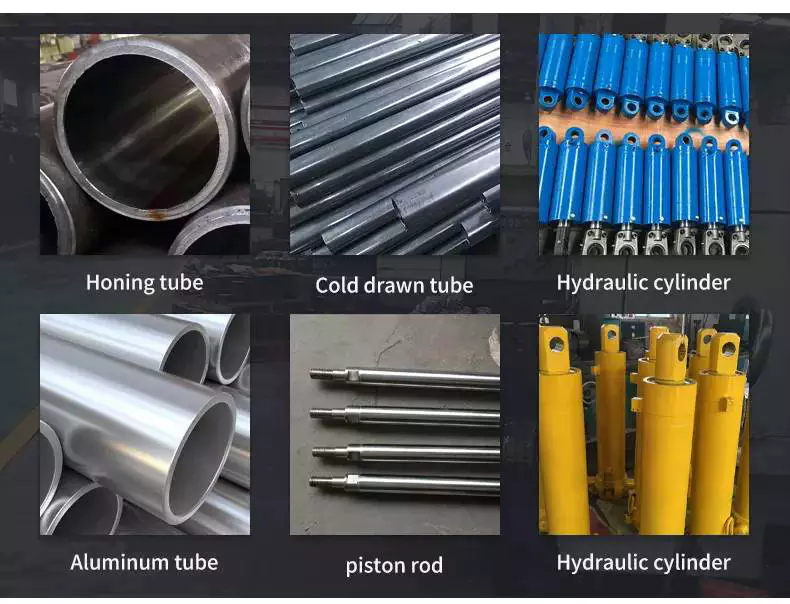
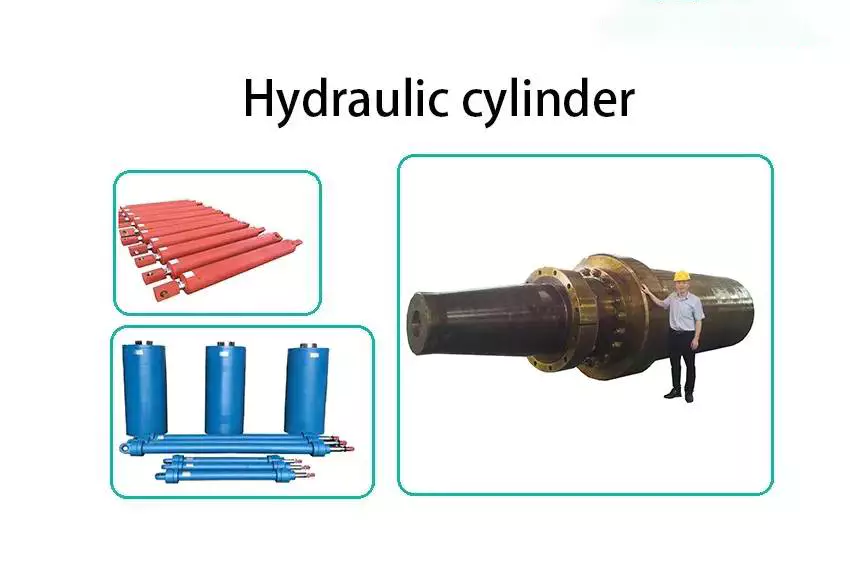
Our company produces all series of hydraulic cylinders, including engineering cylinders, tie rod cylinders, earring cylinders, multi-section cylinders, flange cylinders, high pressure cylinders, heavy-duty cylinders, HSG series hydraulic cylinders, single-acting cylinders, two-way cylinders, and other non-standard customized hydraulic product. After years of practice, our company has accumulated rich experience in processing and installation. The parts are precision CNC machined by all series of horizontal lathe, and the seals are made of CHINAMFG imported famous brand products. The products are continuously improved and improved, and the quality and accuracy are reliable and stable. Our cylinder products have been exported to the Middle East. , Asia, Europe and the United States and other places, we have more than 10 years of cooperation with oil cylinder customers.
In order to achieve maximum quality control, 80% of our parts are produced by ourselves, among which we can process super-large hydraulic cylinder body parts and telescopic shaft parts with our large horizontal lathes, we can even turn hydraulic cylinders with a length of more than 11 meters, and The surface finish of the shaft cylinder can reach Ra1.6 directly through the lathe.
Our main products :
tie rod cylinder, welding cylinder, double-acting cylinder, single-acting cylinder, piston cylinder, plunger cylinder, single-rod cylinder, double-rod cylinder, etc.;
Technical parameters: The cylinder diameter is 32~320mm, the stroke is 5~6000mm, and the working pressure is 2.5~31Mpa;
The installation methods include flange, single ear, double ear, foot seat, hinge shaft, welded pipe, etc., and provide rod end connectors, including Y-type joint, I-type joint, joint bearing, welded pipe, etc.;
Workshop overview:
Our sheet metal fabrication workshop equipped with a series of cutting machines, including laser cutter, flame cutter, water jet cutter, and plasma cutter, with these advanced CNC machine we can cut the materials with high efficiency and high accuracy.
| Laser Cutting | Plasma Cutting | Flame Cutting | Water-jet Cutting | |
| Cutting Depth | 25mm | 100mm | 450mm | 250mm |
| Cutting Width | 3500mm | 4000mm | 6000mm | 3500mm |
| Cutting Length | 28000mm | 20000mm | 20000mm | 10000mm |
| Accuracy | ±0.2mm | ±1mm | ±0.8mm |
We have a series of imported CNC Machining equipment, including large gantry machining center, horizontal boring and milling machine, turning and milling compound center, large vertical lathe machining center, heavy horizontal lathe machining center, dmulti-hole drilling and other machining equipment facilities.
Our processing capabilities are as follows:
| Gantry Machining Center | Max Height:4000mm | Max Width:4500mm | Max Length: 12000mm | ||
| Large Boring Mill | X: 15000mm | Y:4000mm | Z+W:900+1000 mm | Max Weight: 250T | Bore Tool Dia: 280mm |
| Truning and Milling center | Height: 4500mm | Weight: 350T | Max Diameter:11000mm | ||
| Vertical Lathe | Height: 4000mm | Weight: 50T | Max Diameter: 5000mm | ||
| Horizontal Lathe | Max Length: 12m | Weight: 50T | |||
| Deep hole drilling | X:3000mm | Y:2500mm | Z:700mm | Hole Dia: 16-80mm | Depth: 700mm |
| Multi-hole drilling | X:7000mm | Y:3000mm | Z:700mm | Hole Dia:2-120mm | Depth: 320mm |
We have a complete welding platform, including plasma welding, strip surfacing, argon arc welding, TIG welding, laser welding, hand arc welding, and submerged arc welding equipment clusters.Welding methods include tube-sheet strip surfacing, automatic submerged arc welding, carbon dioxide gas shielded welding, argon tungsten arc welding, electrode arc welding, plasma welding, etc. The materials that can be welded are carbon steel, alloy steel, stainless steel, and non-ferrous metals such as copper, aluminum, and titanium.
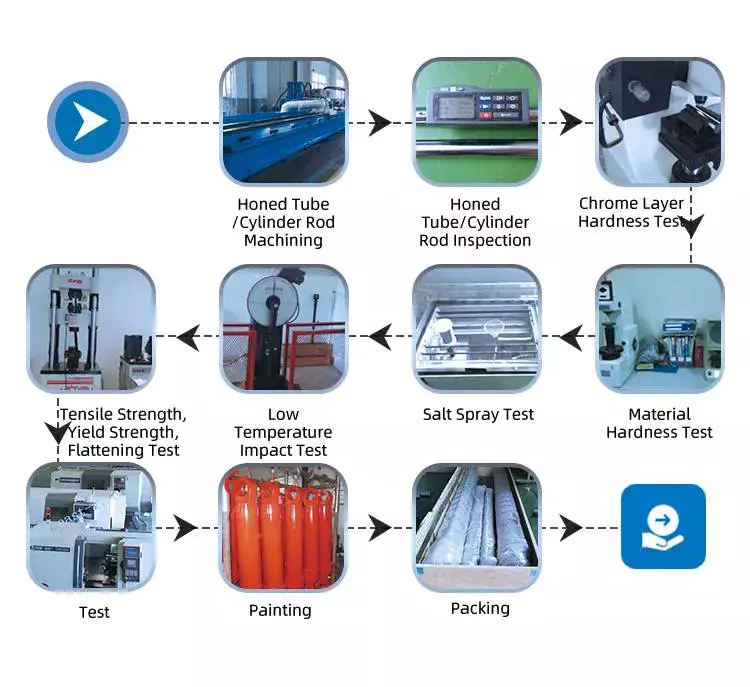
To ensure that the quality strictly meets the requirements, we have special quality inspectors to supervise and review the product quality for all projects, and we are equipped with a variety of inspection methods. For welding, we have magnetic particle inspection, X-ray inspection and other methods to inspect the weld quality. For precision machined products, we use advanced three-coordinate testing equipment to check product size, flatness, parallelism, concentricity, etc. For precision machined surfaces, we will also use special testing equipment to check that the surface roughness perfectly meets the acceptance criteria. Moreover, we will custom make inspection methods to serve for their project.
Inspection Facilites:
| Сертифікація: | RoHS, ISO9001 |
|---|---|
| Тиск: | Low Pressure |
| Робоча температура: | Висока температура |
| Акторський шлях: | Подвійна дія |
| Метод роботи: | Rotary |
| Скоригована форма: | Switching Type |
| Зразки: |
US$ 2500/Ton
1 Ton(Min.Order) | |
|---|
| Налаштування: |
Доступно
|
|
|---|
How do hydraulic cylinders contribute to the overall cost-effectiveness of industrial processes?
Hydraulic cylinders play a crucial role in enhancing the overall cost-effectiveness of industrial processes. They offer several advantages and contribute to increased productivity, improved efficiency, reduced maintenance costs, and enhanced operational performance. Here’s a detailed explanation of how hydraulic cylinders contribute to the cost-effectiveness of industrial processes:
1. High Power Density:
– Hydraulic cylinders provide a high power-to-weight ratio, allowing them to generate substantial force in a compact design. This power density enables the use of smaller and lighter equipment, reducing material and manufacturing costs, and increasing the efficiency of industrial processes.
2. Precise Force and Position Control:
– Hydraulic cylinders offer precise force and position control, allowing for accurate movement and positioning of machinery or workpieces. This level of control enhances process efficiency, reduces material waste, and improves overall product quality. Precise force control also minimizes the risk of equipment damage, further reducing maintenance and repair costs.
3. High Load Handling Capacity:
– Hydraulic cylinders are known for their ability to handle high loads. They can exert significant force, making them suitable for heavy-duty industrial applications. By efficiently handling heavy loads, hydraulic cylinders contribute to increased productivity and throughput, reducing the need for additional equipment and streamlining industrial processes.
4. Flexibility and Versatility:
– Hydraulic cylinders offer a high degree of flexibility and versatility in industrial processes. They can be easily integrated into various types of machinery and equipment, allowing for diverse applications. This adaptability reduces the need for specialized equipment, resulting in cost savings and increased operational efficiency.
5. Energy Efficiency:
– Hydraulic systems, including hydraulic cylinders, can be designed to operate with high energy efficiency. By utilizing efficient hydraulic circuit designs, advanced control systems, and energy recovery mechanisms, hydraulic cylinders minimize energy waste and reduce operational costs. Energy-efficient hydraulic systems also contribute to a more sustainable and environmentally friendly industrial operation.
6. Durability and Longevity:
– Hydraulic cylinders are built to withstand demanding industrial environments and heavy usage. They are constructed with robust materials and undergo stringent quality control measures to ensure durability and longevity. Their ability to withstand harsh conditions and repetitive motion reduces the need for frequent replacements, minimizing downtime and maintenance costs.
7. Reduced Maintenance Requirements:
– Hydraulic cylinders require relatively low maintenance compared to other types of actuators. Properly designed hydraulic systems with efficient filtration and contamination control mechanisms can prevent damage to the cylinders and extend their service life. Reduced maintenance requirements result in lower downtime, decreased labor costs, and improved cost-effectiveness of industrial processes.
8. System Integration and Automation:
– Hydraulic cylinders can be seamlessly integrated into automated industrial processes. By incorporating hydraulic cylinders into automated systems, tasks can be performed with precision and repeatability, reducing human error and optimizing efficiency. Automation also allows for continuous operation, increasing productivity and overall cost-effectiveness.
9. Cost-Effective Replacement:
– In situations where hydraulic cylinders require replacement or repair, the cost-effectiveness of the process is still maintained. Hydraulic cylinders are typically modular in design, allowing for easy replacement of individual components or complete units. This modularity reduces downtime and associated costs, as only the affected components need to be replaced, rather than the entire system.
In summary, hydraulic cylinders contribute to the overall cost-effectiveness of industrial processes through their high power density, precise control capabilities, high load handling capacity, flexibility, energy efficiency, durability, reduced maintenance requirements, system integration, and cost-effective replacement options. Their ability to enhance productivity, efficiency, and operational performance while minimizing maintenance and downtime costs makes hydraulic cylinders a valuable component in various industrial applications.
Handling Challenges of Different Fluid Viscosities in Hydraulic Cylinders
Hydraulic cylinders are designed to handle the challenges associated with different fluid viscosities. The viscosity of hydraulic fluid can vary based on temperature, type of fluid used, and other factors. Hydraulic systems need to accommodate these variations to ensure optimal performance and efficiency. Let’s explore how hydraulic cylinders handle the challenges of different fluid viscosities:
- Fluid Selection: Hydraulic cylinders are designed to work with a range of hydraulic fluids, each with its specific viscosity characteristics. The selection of an appropriate fluid with the desired viscosity is crucial to ensure optimal performance. Manufacturers provide guidelines regarding the recommended viscosity range for specific hydraulic systems and cylinders. By choosing the right fluid, hydraulic cylinders can effectively handle the challenges posed by different fluid viscosities.
- Viscosity Compensation: Hydraulic systems often incorporate features to compensate for variations in fluid viscosity. For example, some hydraulic systems utilize pressure compensating valves that adjust the flow rate based on the viscosity of the fluid. This compensation ensures consistent performance across different operating conditions and fluid viscosities. Hydraulic cylinders work in conjunction with these compensation mechanisms to maintain precision and control, regardless of the fluid viscosity.
- Temperature Control: Fluid viscosity is highly dependent on temperature. Hydraulic cylinders employ various temperature control mechanisms to address the challenges posed by temperature-induced viscosity changes. Heat exchangers, coolers, and thermostatic valves are commonly used to regulate the temperature of the hydraulic fluid within the system. By controlling the fluid temperature, hydraulic cylinders can maintain the desired viscosity range, ensuring reliable and efficient operation.
- Efficient Filtration: Contaminants in hydraulic fluid can affect its viscosity and overall performance. Hydraulic systems incorporate efficient filtration systems to remove particles and impurities from the fluid. Clean fluid with the appropriate viscosity ensures optimal functioning of hydraulic cylinders. Regular maintenance and filter replacements are essential to uphold the desired fluid viscosity and prevent issues related to fluid contamination.
- Proper Lubrication: Different fluid viscosities can impact the lubrication properties within hydraulic cylinders. Lubrication is essential for minimizing friction and wear between moving parts. Hydraulic systems employ lubricants specifically formulated for the anticipated fluid viscosity range. Adequate lubrication ensures smooth operation and extends the lifespan of hydraulic cylinders, even in the presence of varying fluid viscosities.
In summary, hydraulic cylinders employ various strategies to handle the challenges associated with different fluid viscosities. By selecting appropriate fluids, incorporating viscosity compensation mechanisms, controlling temperature, implementing efficient filtration, and ensuring proper lubrication, hydraulic cylinders can accommodate variations in fluid viscosity. These measures enable hydraulic systems to deliver consistent performance, precise control, and efficient operation across different fluid viscosity ranges.
Як гідроциліндри справляються зі змінами навантаження та тиску під час роботи?
Гідравлічні циліндри розроблені для роботи зі змінами навантаження та тиску, що робить їх універсальними та ефективними в різних застосуваннях. Гідравлічні системи використовують принцип передачі зусилля через нестисливу рідину для створення лінійного руху. Ось детальне пояснення того, як гідравлічні циліндри справляються зі змінами навантаження та тиску:
1. Вантажопідйомність:
– Гідравлічні циліндри здатні витримувати різні навантаження, використовуючи принцип закону Паскаля. Згідно із законом Паскаля, коли тиск прикладається до рідини в замкнутому просторі, тиск передається однаково в усіх напрямках. У гідравлічному циліндрі сила, що прикладається до поршня, призводить до однакової вихідної сили на штоковому кінці циліндра. Розмір поршня та тиск, що прикладається, визначають силу, що створюється циліндром. Таким чином, гідравлічні циліндри можуть витримувати широкий діапазон навантажень, регулюючи тиск, що прикладається до рідини.
2. Компенсація тиску:
– Гідравлічні системи містять механізми компенсації тиску для обробки коливань тиску під час роботи. Клапани або регулятори компенсації тиску часто використовуються для підтримки постійного тиску в гідравлічній системі, незалежно від змін навантаження. Ці клапани автоматично регулюють швидкість потоку або тиск, щоб забезпечити стабільну та контрольовану роботу гідравлічного циліндра. Компенсуючи коливання тиску, гідравлічні циліндри можуть підтримувати постійну вихідну силу та запобігати пошкодженням або нестабільності через надмірний тиск.
3. Регулювальні клапани:
– Регулювальні клапани відіграють вирішальну роль в управлінні коливаннями тиску та навантаження під час роботи гідравлічного циліндра. Розподільні регулювальні клапани, такі як золотникові або тарілчасті клапани, керують потоком гідравлічної рідини в циліндр і з нього, що дозволяє точно контролювати висування та втягування циліндра. Регулюючи положення регулювального клапана, можна регулювати швидкість і зусилля, що діють на гідравлічний циліндр, відповідно до вимог навантаження та тиску в даному застосуванні. Регулювальні клапани дозволяють ефективно обробляти коливання навантаження та тиску, забезпечуючи точне керування гідравлічною системою.
4. Акумулятори:
– Гідроакумулятори часто використовуються для обробки коливань тиску та навантаження. Акумулятори зберігають гідравлічну рідину під тиском, яка може бути вивільнена або поглинена за потреби для компенсації раптових змін навантаження або тиску. Коли навантаження на гідравлічний циліндр зменшується, акумулятор вивільняє накопичену рідину для підтримки тиску та запобігання стрибкам тиску. І навпаки, коли навантаження на циліндр збільшується, акумулятор поглинає надлишок рідини для підтримки стабільності системи. Використовуючи акумулятори, гідравлічні циліндри можуть ефективно обробляти коливання навантаження та тиску, забезпечуючи плавну та контрольовану роботу.
5. Системи зворотного зв'язку та керування:
– Удосконалені гідравлічні системи можуть включати системи зворотного зв’язку та керування для моніторингу та регулювання роботи гідравлічних циліндрів у режимі реального часу. Датчики положення або датчики тиску забезпечують зворотний зв’язок щодо положення циліндра, сили та тиску, що дозволяє системі керування постійно коригувати роботу для оптимізації продуктивності. Ці системи можуть автоматично адаптуватися до змін навантаження та тиску, забезпечуючи точне керування та ефективну роботу гідравлічного циліндра.
6. Міркування щодо проектування:
– Правильні конструктивні міркування, такі як вибір відповідного розміру циліндра, діаметра поршня та діаметра штока, є важливими для обробки коливань навантаження та тиску. Конструкція повинна враховувати максимальні очікувані умови навантаження та тиску, щоб забезпечити роботу гідравлічного циліндра в заданому діапазоні. Крім того, вибір відповідних ущільнень, матеріалів та компонентів, які можуть витримувати очікувані коливання навантаження та тиску, має вирішальне значення для підтримки надійності та довговічності гідравлічного циліндра.
Використовуючи принципи гідравлічних систем, включаючи механізми компенсації тиску, застосовуючи регулювальні клапани та акумулятори, а також впроваджуючи системи зворотного зв'язку та керування, гідравлічні циліндри можуть ефективно справлятися з коливаннями навантаження та тиску під час роботи. Ці особливості та конструктивні особливості дозволяють гідравлічним циліндрам адаптуватися та оптимально працювати в широкому діапазоні застосувань та умов експлуатації.


editor by CX 2023-10-14
 Ukrainian
  English
  Italian
  Portuguese
  Dutch
Dutch  Swedish
  Danish
  Finnish
  Polish
  Hindi
Hindi  Kazakh
  Turkish
  Romanian
  Spanish
  German
  Russian
  Korean
  Japanese
  Vietnamese
  Thai
Thai  Indonesian
  Malay
Malay  French
  Greek
Greek