
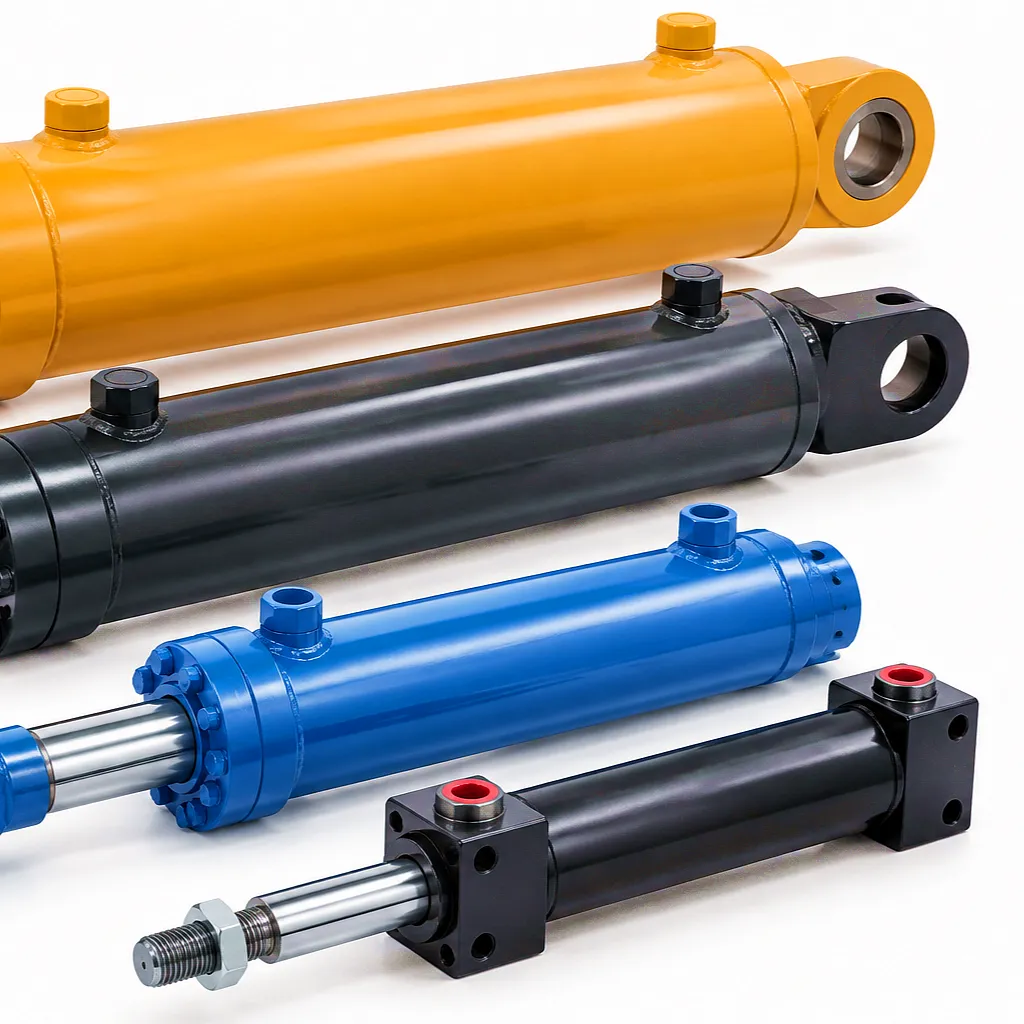
 ПОРІВНЯННЯ ТЕХНІЧНИХ СТАНДАРТІВ · BOOM-CYLINDERS.COM
EN ISO 6020 проти NFPA T3.6.7: Який стандарт гідравлічних циліндрів застосовується у Великій Британії та Європі?
When procurement managers and design engineers in Birmingham, Sheffield, or Manchester specify hydraulic cylinders for industrial machinery, the choice of standard is not merely a compliance checkbox. It defines dimensional interchangeability, pressure rating philosophy, material qualification, and—critically—how your supply chain behaves when a cylinder needs replacing at three in the morning during a production shutdown. Understanding the technical and commercial differences between EN ISO 6020 and NFPA T3.6.7 is essential for any UK or European manufacturer sourcing hydraulic actuators from global suppliers.
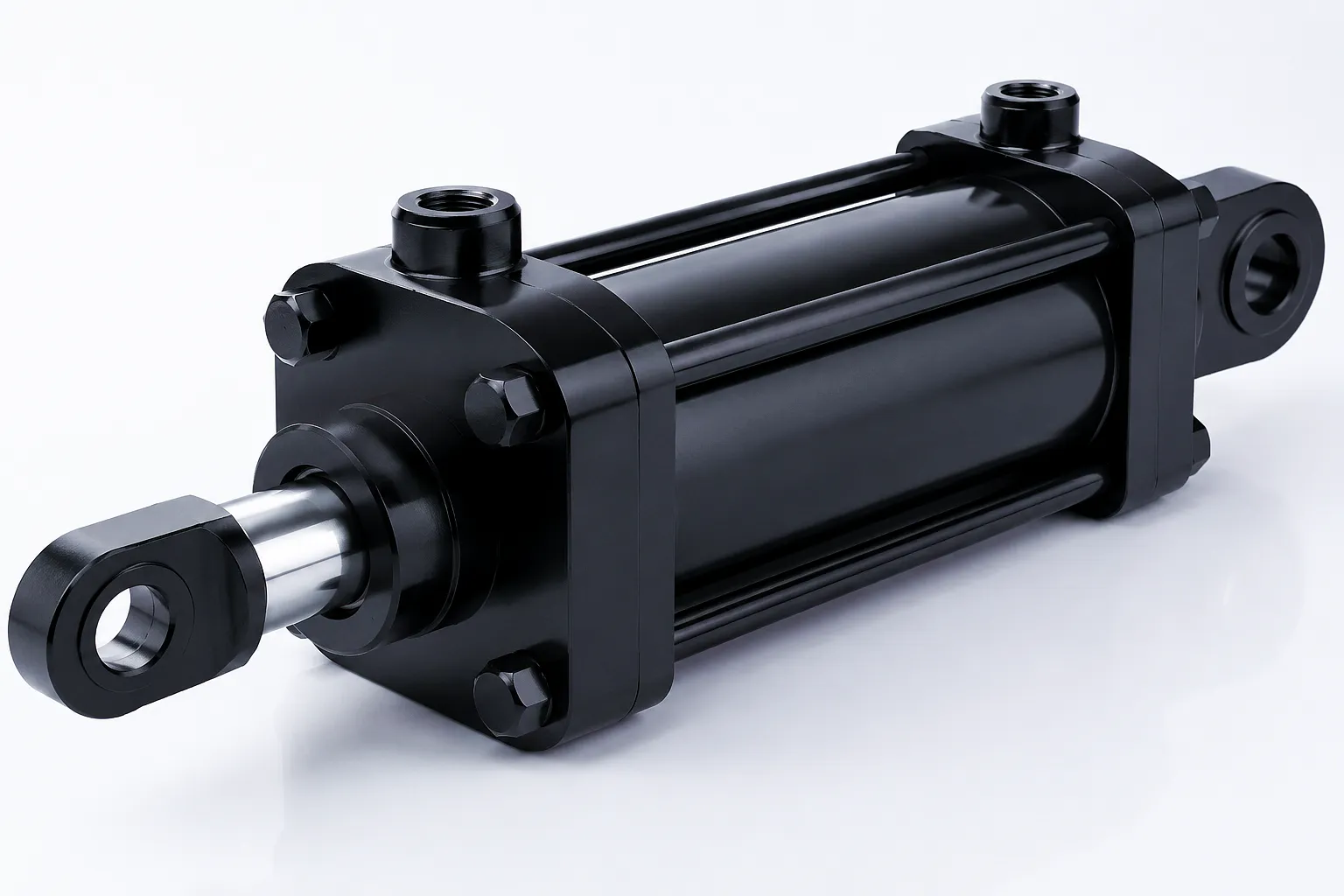
Why Standards Determine More Than Dimensions
The hydraulic cylinder market in the United Kingdom operates within a layered regulatory and commercial environment. Post-Brexit, UK industry retains strong alignment with European EN/ISO standards through UKCA and CE-marking obligations that many exporters and OEM builders still maintain for dual-market access. Yet many American-designed machines entering the UK—particularly construction equipment, agricultural spreaders, and forestry machinery shipped from North America—arrive with cylinders specified to NFPA T3.6.7, the standard developed and maintained by the National Fluid Power Association. The result is a practical tension on British factory floors and in maintenance workshops across the Midlands and Yorkshire: a cylinder needs replacing, the machine documentation calls out NFPA dimensions, but the nearest stocked replacement follows ISO geometry. This mismatch costs time, money, and unplanned downtime. The deeper you understand how each standard was designed and what philosophy underpins it, the more confidently you can specify, source, and substitute cylinders without risk to either safety or productivity.
Two Standards, Two Philosophies
EN ISO 6020 — The European and Global Benchmark
EN ISO 6020 is a family of international standards published jointly by the International Organization for Standardization and adopted as a European Norm. It comprises three main parts: Part 1 covers 160 bar (2,320 psi) medium-pressure cylinders in the MH mounting configuration; Part 2 addresses 160 bar compact cylinders; and Part 3 deals with 250 bar (3,625 psi) cylinders for heavier-duty applications. This tiered architecture reflects the reality of European industrial hydraulics, where high-cycle presses in the Black Country, steel-forming equipment in Sheffield, and material handling systems in the logistics parks around Bristol all demand different operating pressures but share a common requirement for dimensional interchangeability between manufacturers. The standard specifies bore diameters from 25 mm up to 320 mm, rod diameters, thread forms using metric coarse pitch (ISO 965), port sizes in ISO 228 Whitworth pipe thread (commonly referred to as BSPP in the UK), and detailed tolerance grades that govern fit, stroke accuracy, and seal-groove geometry. The metric foundation of EN ISO 6020 aligns seamlessly with the SI unit system used across UK and European engineering drawings, making specification, quality inspection, and documentation straightforwardly compatible with British Standard practices.
NFPA T3.6.7 — The North American Industrial Standard
NFPA T3.6.7, published by the National Fluid Power Association and aligned with JIC (Joint Industry Council) practice, defines hydraulic cylinder dimensions in inch-based imperial units. Its design philosophy centres on a modular approach where bore sizes follow a set inch series—2″, 2.5″, 3″, 3.5″, 4″, 5″, 6″, 7″, 8″, 10″, 12″, 14″—and rod diameters, clevis dimensions, and port thread forms follow suit in National Pipe Tapered (NPT) or National Pipe Straight (NPS) conventions. The operating pressure rating for standard NFPA cylinders is typically 3,000 psi (approximately 207 bar), with heavy-duty variants rated to 5,000 psi. The mounting code system—CB, CD, CE, CN, CS, etc.—provides a standardised way to describe how the cylinder attaches to the machine structure, and this mounting code approach has been widely adopted by North American OEMs. When machinery manufactured in the United States, Canada, or Mexico arrives in the UK for use in quarrying, aggregate processing, or specialist construction applications, the hydraulic cylinders on that equipment will almost certainly follow NFPA T3.6.7. Understanding the geometric and threading differences between NFPA and ISO is therefore not academic for British maintenance engineers—it is an immediate, practical requirement.
Technical and Performance Parameters: EN ISO 6020 vs NFPA T3.6.7
The table below consolidates the critical dimensional, pressure, material, and connection parameters that engineers and procurement professionals must evaluate when selecting or cross-referencing hydraulic cylinders between the two standards. These figures reflect current published specifications and industry-standard manufacturing practice.
| Параметр | EN ISO 6020 (European Standard) | NFPA T3.6.7 (North American Standard) |
|---|---|---|
| Unit System | Metric (SI) — mm, bar, kg | Imperial — inch, psi, lbf |
| Standard Bore Series | 25, 32, 40, 50, 63, 80, 100, 125, 160, 200, 250, 320 mm | 2″, 2.5″, 3″, 3.5″, 4″, 5″, 6″, 7″, 8″, 10″, 12″, 14″ |
| Working Pressure (standard) | 160 bar (Pt 1 & 2); 250 bar (Pt 3) | 3,000 psi (~207 bar); HD: 5,000 psi |
| Rod Thread Form | ISO metric coarse (e.g. M20×2.5) | UNC/UNF Unified National Thread (e.g. 1″-14 UNF) |
| Port Connection Thread | ISO 228 BSPP (parallel); ISO 6149 metric | NPT (tapered); SAE O-ring boss |
| Cylinder Barrel Material | E355 (St 52) cold-drawn precision tube; optional St 45 honed | 1026 DOM (Drawn Over Mandrel) steel; honed bore |
| Rod Material / Surface | C45E / Ck45 steel; hard chrome plate 20–25 µm; Ra ≤ 0.2 µm | 1045 CF steel; hard chrome plate; Ra ≤ 8 µin |
| Seal Standard Reference | ISO 5597 groove dimensions; ISO 3320/3321 O-ring sizes | SAE J1926; Parker / Trelleborg seal series |
| Mounting Codes | MH (heavy-duty flange); MP (pivot/clevis) | CB, CD, CE, CF, CG, CH, CN, CS, CT series |
| Test Pressure Requirement | 1.5× working pressure (static proof test) | 1.5× working pressure (per NFPA T2.12.10) |
| Stroke Tolerance | +1.5 mm / -0 mm standard | +0.06″ / -0″ standard |
| Geographic Primary Use | UK, EU, Asia-Pacific, Middle East | USA, Canada, Mexico; exported machinery |
Where the Standards Diverge: A Practical Engineering Assessment
Bore Diameter Near-Equivalencies — and Why They Are Not Interchangeable
One of the most common misconceptions encountered on British factory floors is that a 3″ NFPA bore (76.2 mm) is functionally equivalent to a 80 mm ISO bore. The area difference is approximately 7.7%, which translates directly to a force output differential at any given system pressure. For a hydraulic cylinder operating at 160 bar, that error compounds into a meaningful deviation from the designed clamping or lifting force. Similarly, a 4″ NFPA bore (101.6 mm) appears close to the ISO 100 mm bore, but the 1.6 mm difference in diameter produces a 3.2% area mismatch. For agricultural machinery operating around Lincolnshire or combine harvester equipment serviced in East Yorkshire, this can mean calibrated seed-spacing arms or header cutterbar mechanisms that do not respond to hydraulic commands as the OEM intended. Understanding this near-equivalency trap is the difference between a competent cylinder substitution and an engineering liability.
Thread and Port Incompatibility: The Maintenance Engineer’s Headache
Port thread incompatibility is the single most frequent cause of field failures when mixing ISO and NFPA cylinders in UK installations. ISO 6020 cylinders use BSPP (British Standard Pipe Parallel) threads, which are sealed at the face using a bonded washer or an O-ring in the port mouth. NFPA cylinders typically use NPT (National Pipe Tapered) threads, which rely on taper interference and thread sealant for the hydraulic seal. Attempting to install a BSPP hose fitting into an NPT port—or vice versa—either will not achieve adequate engagement or will produce an apparent seal that fails under thermal cycling and pressure pulsation. On rigs operating in the offshore support yards along Aberdeen or in the pressure-washing and mixing plant operations common around Leeds and Huddersfield, such a mismatch can trigger hydraulic oil releases that carry both safety risk and significant environmental compliance obligations under UK environmental law. The rod end thread differences are equally hazardous: ISO metric threads are specified in pitch (e.g. M30×3.5) while NFPA rods use UNF or UNC unified thread, and the thread engagement length, root radius, and tolerance classes are not compatible even when nominal diameters approximate each other.
Seal Groove Geometry and ISO 5597 Compliance
ISO 6020 cylinders reference ISO 5597 for piston and rod seal groove dimensions, ensuring that any seal kit manufactured to this standard will correctly fit and function in any compliant cylinder bore. The groove depth, width, and radii are precisely defined in relation to the bore diameter, enabling British sealing distributors in Birmingham or hydraulic service centres in Coventry to stock a relatively compact range of seal kits that cover an enormous variety of ISO cylinders from multiple global manufacturers. NFPA cylinders follow American standard groove geometry defined by Parker Hannifin and Trelleborg design guides, which differ in groove width-to-depth ratios and chamfer angles. Attempting to fit ISO 5597 seals into NFPA-dimensioned grooves—or the reverse—risks seal extrusion, inadequate radial compression, or insufficient back-up ring support under high-pressure pulses. For a maintenance team managing a fleet of plant in the East Midlands or servicing road rehabilitation equipment in the North West, maintaining two separate seal inventories significantly increases parts cost and the risk of mis-kitting during a time-pressured breakdown repair.
Application Scenarios Where Standard Choice Defines System Reliability
Crane and Elevated Access Equipment — Sheffield and the North East
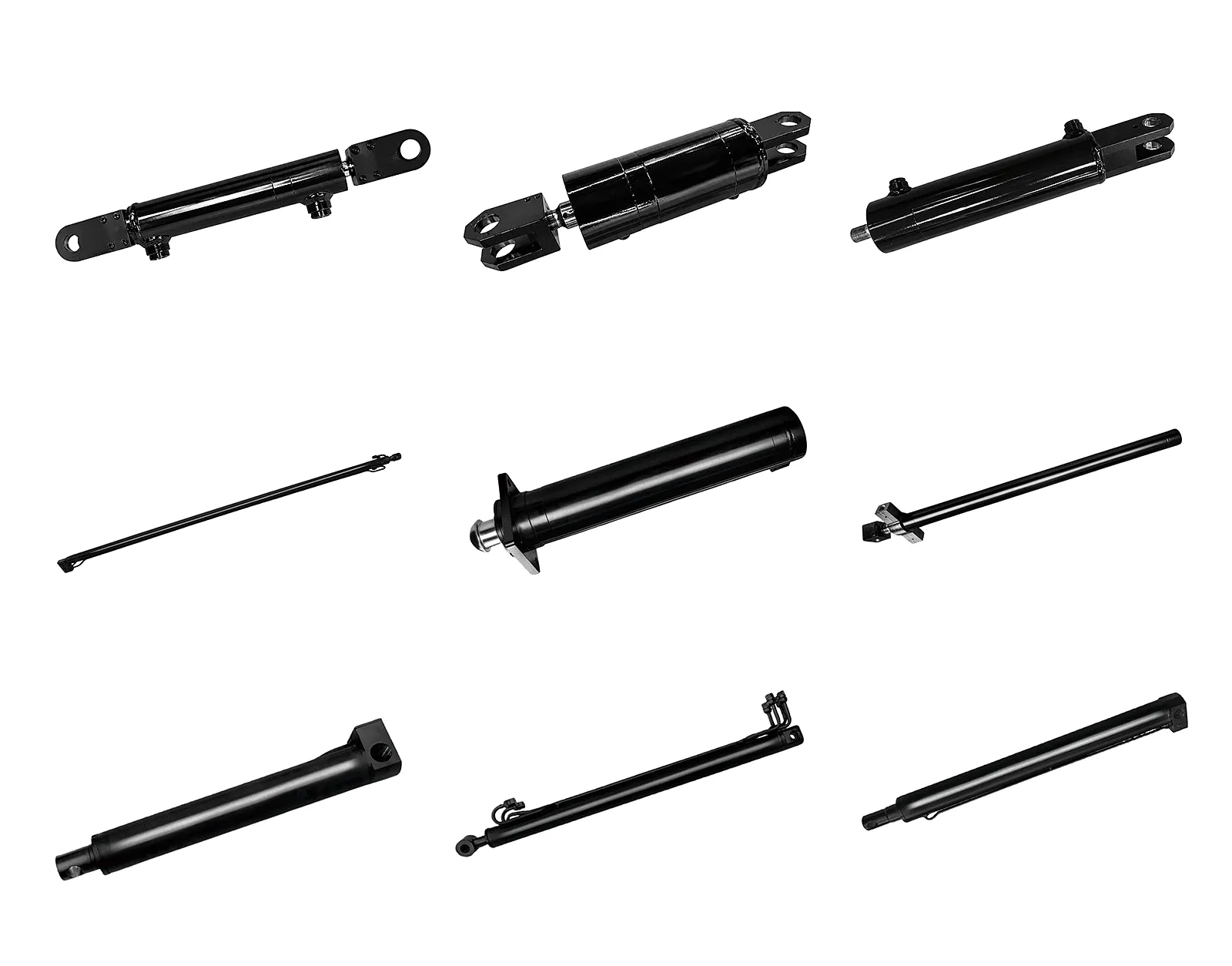
Mobile cranes and elevated work platforms operating in the construction corridors around Sheffield, Doncaster, and the Humber estuary industrial sites are subject to LOLER (Lifting Operations and Lifting Equipment Regulations 1998) in the UK. The hydraulic cylinders in the boom extension and outrigger stabiliser assemblies must be traceable to a recognised technical standard to satisfy the statutory examination records. EN ISO 6020 Part 3, covering 250 bar cylinders, is the standard most directly specified in British and European crane OEM documentation. Cylinders used in telescopic boom sections—such as the Циліндр опори рами—need to demonstrate traceability to a dimensional and material standard that LOLER thorough examiners will recognise. Using a cylinder specified only to NFPA T3.6.7 without a parallel ISO dimensional certification creates a documentation gap that can lead to examination failures and insurance invalidation. British plant hire companies have increasingly required ISO-standard documentation as a condition of contract in recent years, making the standard selection a commercial as well as an engineering decision.
Outrigger and Stabiliser Systems — Construction Sites Across the Midlands
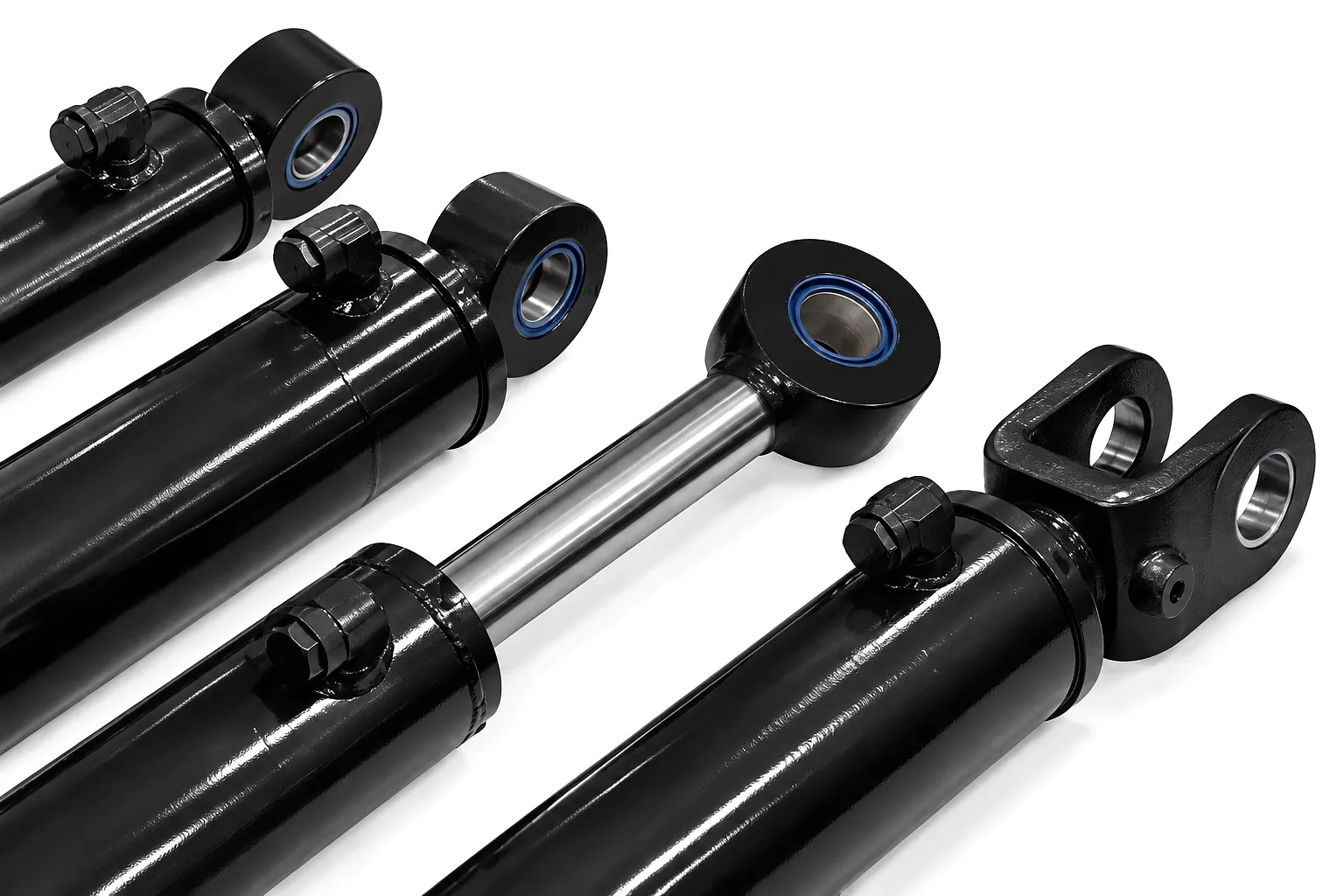
Outrigger cylinders on mobile work platforms, concrete pump trucks, and specialist lifting rigs represent a category where the hydraulic cylinder standard choice directly intersects with UK ground-bearing-pressure calculations and PUWER (Provision and Use of Work Equipment Regulations) compliance. An outrigger system designed and documented to EN ISO 6020 can be assessed by a UK-qualified engineer using universally understood metric parameters—bore cross-section, rod tensile load, seal extrusion pressure limit—without any unit conversion ambiguity. The Циліндр опори стійки аутригера series manufactured by Ever Power exemplifies this approach: full ISO 6020 Part 3 dimensional compliance, E355 precision tube construction, and hard-chrome rod surface to Ra ≤ 0.2 µm—all documented in SI units, making third-party inspection and insurance assessment straightforward for British plant operators from Birmingham to Bristol. The growing civil engineering pipeline in the UK, including HS2 contractor equipment and offshore wind turbine installation vessels operating from ports in Hull and Grimsby, amplifies demand for cylinders with unambiguous ISO documentation that satisfies both British and European inspection regimes.
Agricultural Machinery — East Anglian Arable and Yorkshire Pastoral Applications
Hydraulic cylinders in front-loader arms, round baler ejectors, slurry spreader tilting bodies, and combine harvester reel-height systems across the agricultural heartland of Lincolnshire, Norfolk, and North Yorkshire predominantly follow ISO dimensional standards in line with European CEMA (Committee for European Construction Equipment Association) guidance and the requirements of Tractors CE Directive compliance. The seasonal nature of agricultural operations means that cylinder failures during harvest present acute downtime risks, and parts sourcing must be fast. A maintenance workshop in Spalding or Beverley that stocks ISO 6020-compatible replacement cylinders can service any of the major European-manufactured tractor brands—John Deere European production, Claas, AGCO-Deutz-Fahr, and Case IH European spec—from a single parts inventory. Importing NFPA-dimensioned cylinders for agricultural applications in the UK market adds complexity without benefit, as the primary agricultural OEM base for British farming is European and ISO-aligned. The exception remains American-market machines privately imported, where NFPA cylinders may be found and where a UK supplier with cross-standard manufacturing capability becomes genuinely valuable.
Offshore and Marine Equipment — Aberdeen, Great Yarmouth, and the North Sea Supply Chain
Hydraulic cylinders used on North Sea platform supply vessels, subsea ROV deployment frames, and offshore crane systems must satisfy DNV GL, Lloyd’s Register, or Bureau Veritas certification requirements in addition to any manufacturer’s base standard. ISO 6020 provides the dimensional foundation, but offshore-grade cylinders typically call for additional material upgrades: stainless-steel rod variants, Hastelloy or Inconel port inserts for subsea applications, and HNBR or EPDM seals for cold-water service below 5°C. Aberdeen remains the logistics hub for North Sea offshore support, and cylinder suppliers serving the offshore sector from the Scottish gateway must be able to demonstrate not only ISO 6020 compliance but also traceable material certification to EN 10204 3.1 or 3.2 level—a requirement that NFPA specifications do not inherently address in the same framework. Specifying cylinders with both ISO 6020 dimensional compliance and EN 10204 material traceability gives offshore procurement teams a single, auditable standard reference that satisfies the classification society surveyor, the insurance underwriter, and the OPEX budget manager simultaneously.
Core Materials and Manufacturing Principles Behind ISO 6020 Compliance
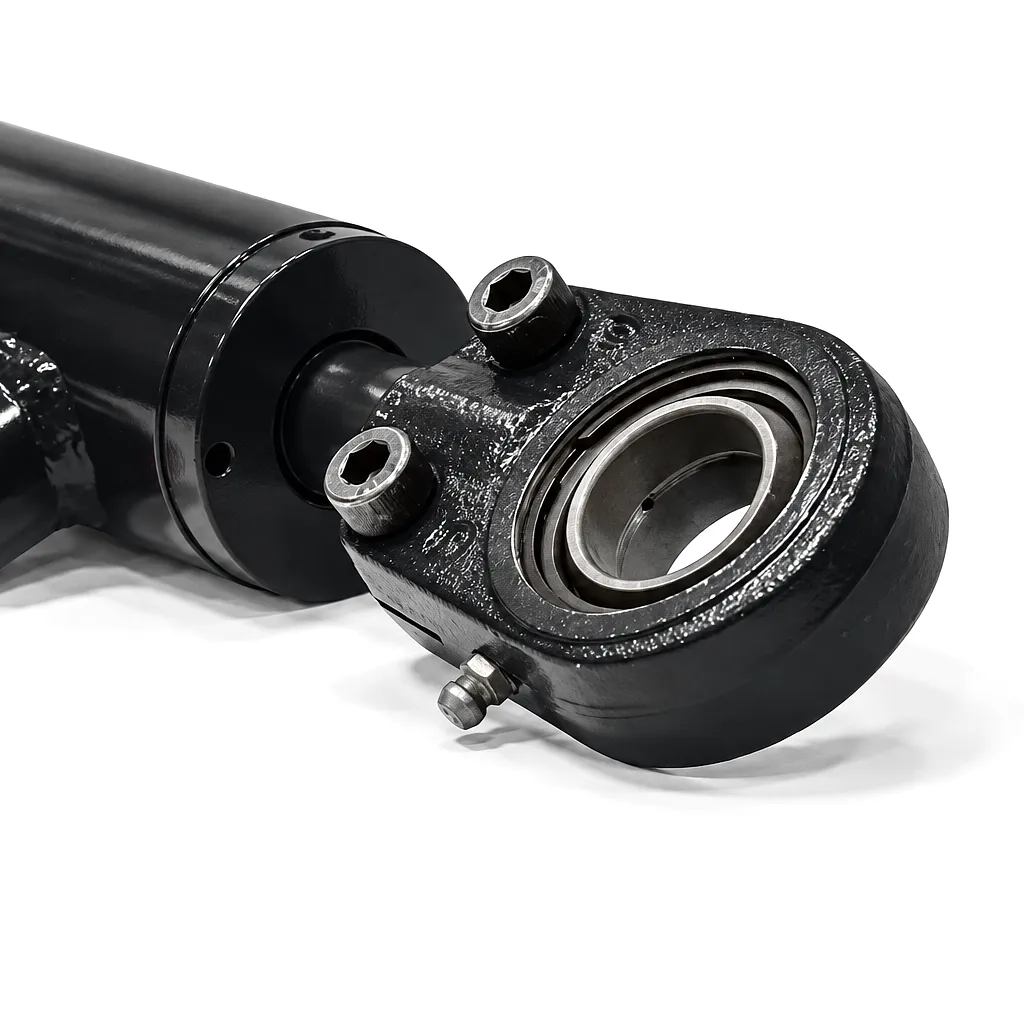 The material selection framework within EN ISO 6020 reflects decades of European hydraulic engineering practice and the particular corrosion, temperature, and cyclic load environments encountered in Northern European industrial service. Understanding the material hierarchy helps specification engineers evaluate whether a given supplier is truly delivering to the standard or simply applying its name to a product built to a lesser specification.
Cylinder barrels in ISO 6020 compliant hydraulic cylinders are manufactured from E355 (formerly designated St 52-3) cold-drawn precision seamless tube, processed to EN 10305-1. This material delivers a minimum yield strength of 355 N/mm² combined with the dimensional precision required for direct honing to finish bore tolerances of H8 or better. The honed bore surface finish, typically Ra 0.2 to 0.4 µm, provides the seal contact geometry needed for leak-free operation at 250 bar without relying on the seal doing corrective work against a rough bore surface. In NFPA practice, 1026 DOM (Drawn Over Mandrel) tube is the standard equivalent, offering comparable tensile properties but specified in imperial tensile units (typically 60,000–70,000 psi yield), and the bore finish requirement is expressed in micro-inches rather than Ra micrometres—a translation issue that matters when writing cross-standard purchase specifications.
Piston rods in ISO 6020 cylinders are specified from C45E (EN 10083-2) or Ck45 carbon steel bar, hard chrome plated to a deposit thickness of 20–25 µm minimum over a base surface preparation ground to Ra ≤ 0.2 µm. The hard chrome layer must achieve a minimum hardness of 850–1050 HV and adhere to ISO 6157 adhesion testing. Piston rod end threads are produced to ISO 965-1 tolerance 6h for male threads, providing the precise fit required for rod-eye, clevis, and threaded-flange rod-end attachments. For applications where corrosion exposure is severe—such as marine deck equipment or outdoor hydraulic presses in Wales or Scotland’s wet climate—nickel-chrome duplex plating, laser cladding with 316L stainless, or electroless nickel undercoat beneath hard chrome are all options that a capable ISO 6020 cylinder manufacturer can document within the same framework.
PRECISION MANUFACTURING · GLOBAL SUPPLY
Ever Power: ISO 6020 Certified Hydraulic Cylinder Manufacturing with Deep Customisation Capability
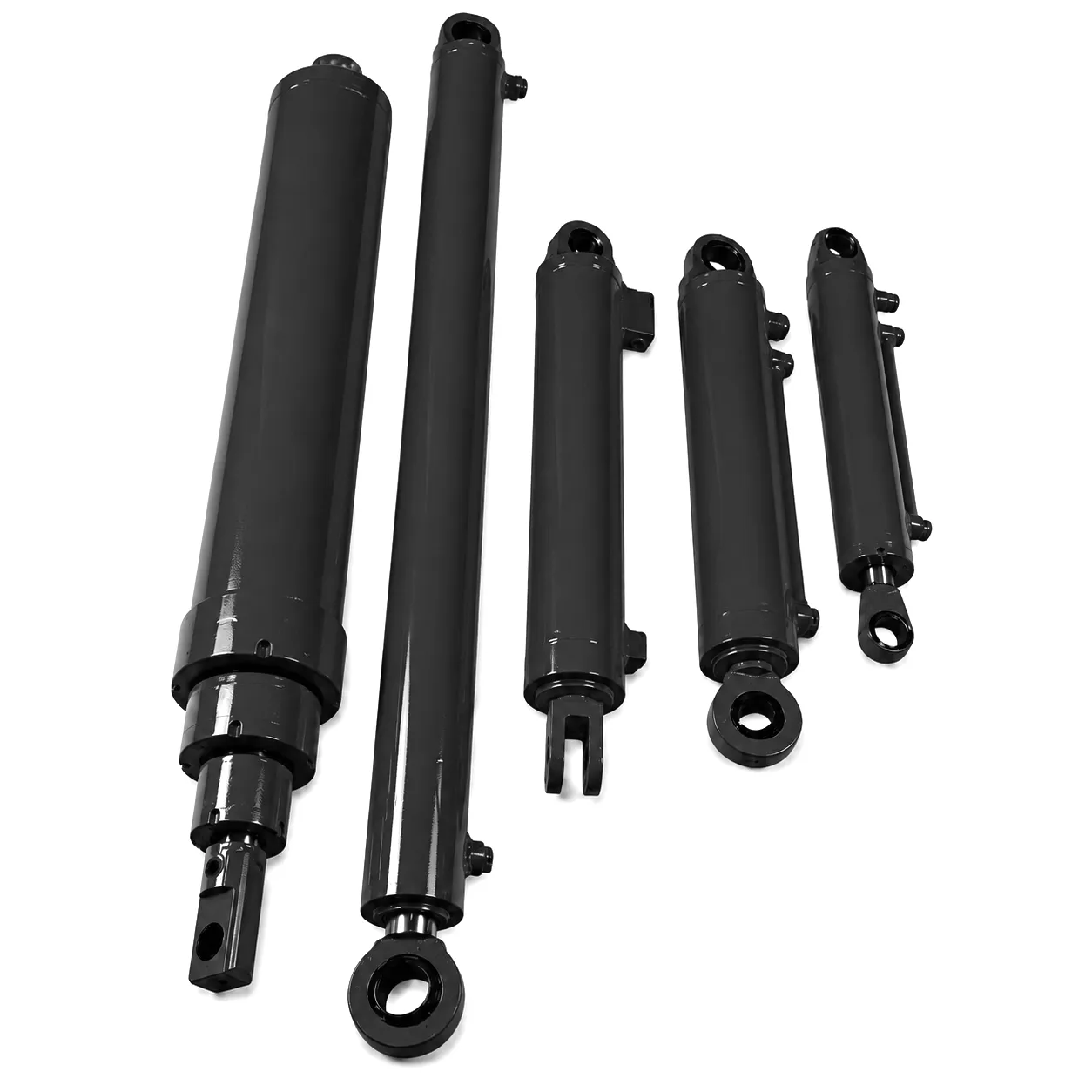
Ever Power has built its manufacturing reputation on the ability to produce hydraulic cylinders that not only meet EN ISO 6020 dimensional requirements out of the catalogue, but can be engineered to any non-standard bore, stroke, rod diameter, or mounting configuration that a customer’s application demands. The Ever Power facility operates CNC deep-hole boring centres capable of producing barrels from 25 mm to 500 mm bore with honed finishes to Ra 0.15 µm—exceeding the ISO minimum—and cylindricity tolerances held to within 0.02 mm over strokes up to 4 metres. Rod turning and grinding is performed on a dedicated line with hard chrome plating in-house, enabling full traceability from raw bar to finished rod in a single supply chain controlled by Ever Power quality management. This vertical integration is a significant differentiator for UK buyers who have experienced the quality inconsistencies that arise when barrel, rod, seals, and end caps are sourced from different sub-tier suppliers by a trading house rather than a manufacturer.
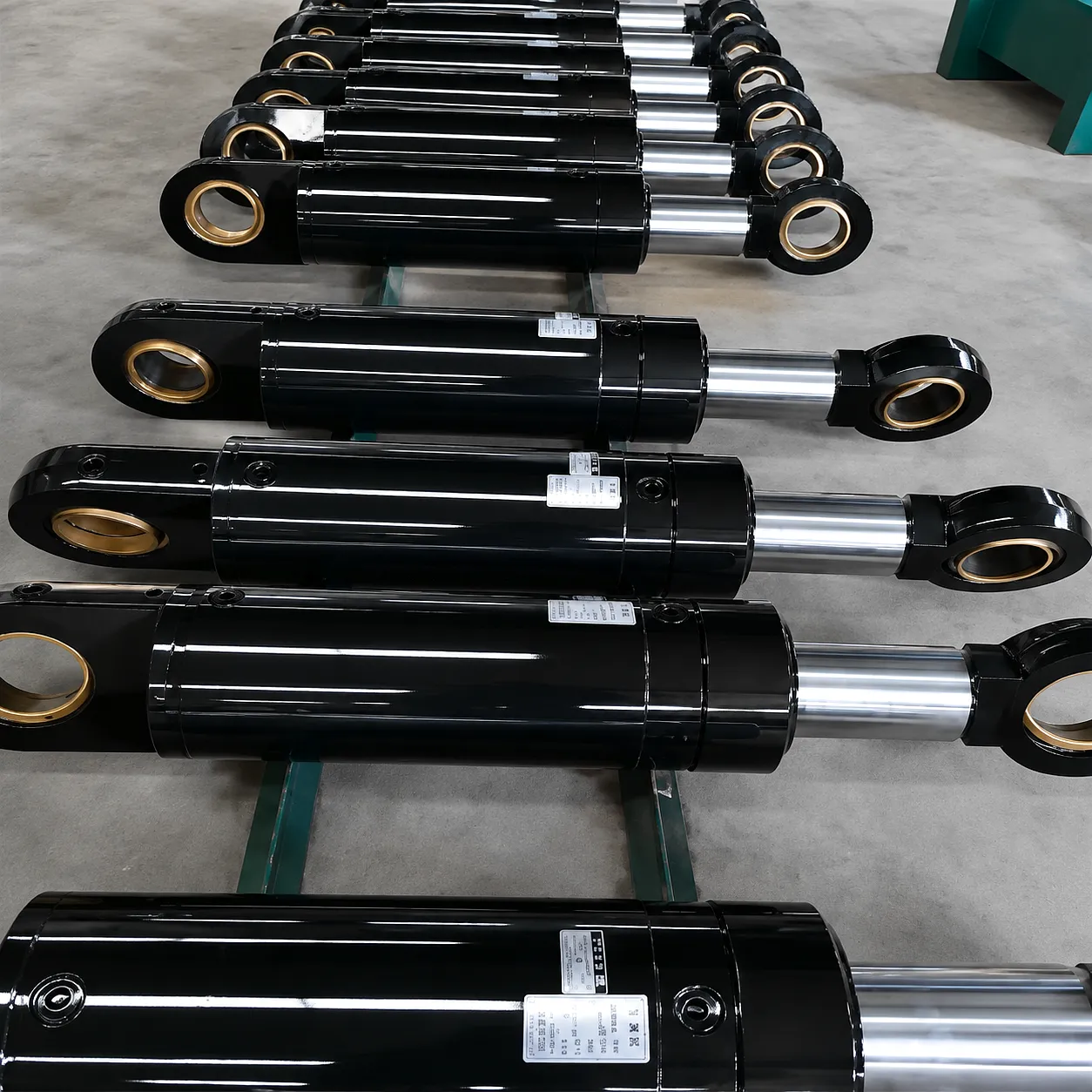
Customisation at Ever Power extends to a level of engineering dialogue that distinguishes the company from standard catalogue suppliers. When a Birmingham-based hydraulic press manufacturer needed a 160 bar cylinder with an integrated position transducer bore milled into the rod end cap, and rod sealing upgraded to Trelleborg Turcon T-seal for high-speed operation, Ever Power’s engineering team produced dimensioned drawings within 72 hours and delivered prototype samples within 21 days. For a Scottish offshore equipment builder requiring 250 bar cylinders with Inconel-lined ports, duplex stainless rod, and DNV 3.2 material certificates, Ever Power coordinated the entire third-party inspection process, eliminating the administrative burden that typically falls on the customer when dealing with a non-certified manufacturer. The company’s ISO 9001:2015 quality management system provides the documented framework that British regulatory bodies, class societies, and OEM approval processes require before a supplier can be placed on an approved vendor list.
Customer Success Story: Steel Fabrication Plant, Sheffield, South Yorkshire
A structural steel fabrication business operating two shifts in the Lower Don Valley east of Sheffield city centre had been running a fleet of CNC beam-punching machines and angle-straightening presses equipped with hydraulic clamping and ejection cylinders specified to NFPA T3.6.7—a legacy of the machines having been purchased second-hand from a North American plant closure. When the facility expanded its capacity in 2023 and needed to add six additional clamping cylinders to the straightening press, the maintenance manager discovered that the NFPA bore sizes could not be matched from any UK hydraulic cylinder distributor’s stock without a six-week lead time from an American manufacturer, which would delay the expansion commissioning and trigger a penalty clause with the customer for late delivery of fabricated sections.
The maintenance manager contacted Ever Power’s technical sales team, who identified that the 4″ NFPA bore clamp cylinders could be replaced with ISO 100 mm bore equivalents manufactured to EN ISO 6020 Part 3, with a 3.2% force output adjustment accommodated by a minor system pressure reduction of 3 bar—well within the press’s hydraulic pump range. Ever Power re-engineered the rod end thread from 1″-12 UNF to M30×3.5 metric, fabricated matched clevis rod-eyes to the ISO pin dimensions already used on the press frame, and supplied cylinders with BSPP port threads matching the existing hose fitting inventory in the Sheffield workshop. The six-unit order was delivered to the fabrication plant within 16 days of order placement, the press expansion commissioned on schedule, and the ISO-dimensioned documentation satisfied the Sheffield-based safety consultancy conducting the PUWER assessment on the expanded machinery installation. The facility subsequently placed a standing agreement with Ever Power for annual cylinder inspections and seal replacement kits, eliminating the previous reliance on US-sourced parts with unpredictable lead times and currency exposure.
Robert Ashworth, Maintenance Manager
Steel Fabricator, Sheffield, South Yorkshire
“Ever Power turned a potential production disaster into a smooth commissioning. The cross-standard engineering work they did—converting our NFPA clamp cylinders to ISO 6020 specification—was exactly right first time. Force outputs matched our calculations, the BSPP fittings went straight onto our existing hose assemblies, and the ISO documentation sailed through our PUWER assessment without a single query. We have never had a cylinder supplier engage at that technical level and still hit a 16-day delivery. They are on our approved vendor list permanently.”
Susan Morley, Procurement Director
Offshore Equipment OEM, Aberdeen
“We specified duplex stainless rod and DNV 3.2 material certificates for a subsea deployment frame project—requirements that eliminated most hydraulic cylinder manufacturers immediately. Ever Power not only confirmed they could supply to this specification, they managed the entire DNV inspection process and delivered the certificates alongside the cylinders. The bore surface finish was measured at Ra 0.18 µm on arrival inspection, below the 0.20 µm maximum we had specified. For offshore procurement, that level of consistency and documentation integrity is exactly what we need.”
Thomas Keane, Chief Engineer
Agricultural Machinery Manufacturer, Lincoln
“We shifted our entire baler ejection and header-lift cylinder supply to Ever Power after a competitor supplied cylinders with out-of-tolerance bore finishes that caused premature seal wear in field service. Ever Power’s ISO 6020 compliant cylinders have been running through two full harvest seasons without a single seal failure reported from our dealer network across the East Midlands. Their custom stroke lengths and integrated cushion valves were produced exactly to our drawings. The price point for ISO-compliant quality at this level from a direct manufacturer is genuinely competitive against the UK distributors we were using previously.”
Decision Framework: Which Standard Should UK Engineers Specify?
 For the overwhelming majority of hydraulic system design work undertaken by UK engineering teams—whether in bespoke machine design for Midlands manufacturers, plant specification for Scottish renewable energy installations, or replacement part sourcing for European-OEM machinery in use across Britain—EN ISO 6020 is the correct standard to specify. It aligns with the metric unit system in use across UK engineering, satisfies the dimensional traceability requirements of British regulatory frameworks including LOLER and PUWER, and ensures parts interchangeability from the broad global supplier base that manufactures to ISO standards. UKCA and CE marking obligations for hydraulic machinery placed on the UK and European markets both reference ISO standards rather than NFPA, and the EN 10204 material certification framework that ISO 6020 references aligns with the quality management language of ISO 9001—the certification standard that British procurement functions most commonly require of approved vendors.
NFPA T3.6.7 remains the correct choice when you are maintaining North American OEM machinery that was built to NFPA dimensions and where you need exact dimensional replacement rather than engineered substitution. It is also relevant if you are supplying cylinders to a North American market—directly or through an OEM—or if you are working on a project where the system integration point (manifold, valve body, actuator housing) has been machined to NFPA port and face dimensions. In these cases, forcing an ISO cylinder into an NFPA space creates adaptation costs and risks that exceed any theoretical sourcing benefit. The pragmatic answer for sophisticated UK hydraulic cylinder buyers is to work with a manufacturer—like Ever Power—that has the engineering capability to produce to either standard, or to produce a dimensionally bespoke cylinder that interfaces correctly with either standard’s connection geometry.
Часті запитання
What is the difference between EN ISO 6020 and NFPA T3.6.7 hydraulic cylinder standards for UK industrial applications?
EN ISO 6020 uses metric dimensions, BSPP port threads, and ISO metric rod threads, making it the standard directly applicable to UK and European industrial machinery. NFPA T3.6.7 uses imperial dimensions, NPT port threads, and UNF/UNC rod threads, and is predominant in North American-manufactured equipment. For most UK applications, EN ISO 6020 is the correct specification choice because it aligns with British regulatory frameworks, material certification standards, and the parts availability from European and Asian manufacturers serving the UK market.
How much does a custom ISO 6020 hydraulic cylinder cost when ordering from a UK-serving supplier, and how do I get an accurate quote?
The price of a custom EN ISO 6020 hydraulic cylinder depends on bore diameter, stroke length, operating pressure rating, material specification, and any additional features such as position sensors, integrated cushion valves, or special surface treatments. Standard bores in the 50–100 mm range at 160 bar typically represent the most cost-effective tier. For a detailed quote from Ever Power, contact [email protected] with your bore, stroke, rod diameter, pressure rating, mounting configuration, and quantity—Ever Power’s engineering team will respond with a dimensioned drawing and price within 48 hours for standard configurations.
Which hydraulic cylinder standard is required for LOLER compliance on lifting equipment used on construction sites in Birmingham or Manchester?
LOLER (Lifting Operations and Lifting Equipment Regulations 1998) does not mandate a specific cylinder dimensional standard by name, but thorough examiners in the UK work within a metric, ISO-aligned engineering environment. Cylinder documentation referencing EN ISO 6020 Part 3 (for 250 bar cylinders) alongside EN 10204 3.1 material certificates provides the most straightforward compliance pathway for lifting equipment on British construction sites. NFPA-specified cylinders are not inherently non-compliant, but they require additional documentation effort to translate imperial specifications into the metric parameters that UK structural and mechanical safety assessors typically use in their LOLER examination reports.
Where can I find a reliable hydraulic cylinder supplier in the UK who can cross-reference NFPA cylinders to ISO 6020 equivalents without lengthy lead times?
Ever Power, reached via [email protected], provides exactly this cross-standard engineering service. The company’s team can evaluate your existing NFPA cylinder specifications, calculate the nearest ISO equivalent bore and rod size, address thread and port differences, and produce a matched ISO 6020 replacement—often within 16–21 days for standard configurations. Ever Power serves UK customers directly, with documentation produced in English and metric units and payments accepted in GBP, making the procurement process straightforward for British buyers.
When is it appropriate for a Scottish offshore engineer to specify EN ISO 6020 Part 3 rather than a proprietary offshore cylinder standard for North Sea equipment?
EN ISO 6020 Part 3 (250 bar) provides the dimensional and material foundation for offshore hydraulic cylinders when combined with additional specification layers—EN 10204 3.2 material certificates, upgraded rod surface treatments, low-temperature seal compounds, and class society approval documentation. For applications where DNV GL, Lloyd’s Register, or Bureau Veritas approval is required, EN ISO 6020 Part 3 serves as the starting point that class society surveyors recognise, with the supplementary requirements documented in the cylinder’s manufacturing data record. Specifying a proprietary offshore standard only makes commercial sense if the cylinder must interface with an existing proprietary hydraulic system—otherwise, ISO 6020 Part 3 offers broader supplier competition and better global parts availability, both of which are valuable for the long operational life of North Sea installations.
How do I know which seal kit to order for an ISO 6020 hydraulic cylinder installed on a press in our Sheffield factory, and what is the typical replacement cost?
ISO 6020 cylinders reference ISO 5597 for piston and rod seal groove dimensions. With the bore diameter and rod diameter in hand, a standard ISO 5597 seal kit from any major UK sealing distributor—Parker, Trelleborg, Hallite, or Eriks—will be geometrically compatible. Rod wiper seal kits are dimensioned from the rod diameter per ISO 6195. Typical seal kit costs for a 100 mm bore, 70 mm rod cylinder range from £25 to £80 depending on seal material (NBR, PU, or PTFE compound), with Trelleborg and Parker premium kits at the higher end of this range. Ever Power can supply matched seal kits for any cylinder they manufacture.
Ready to Specify ISO 6020 Compliant Hydraulic Cylinders for Your UK Project?
Ever Power manufactures EN ISO 6020 hydraulic cylinders with full customisation capability—bore, stroke, rod diameter, mounting, material grade, and certification level all tailored to your specification. Contact our technical sales team for a no-obligation engineering review and quote.
редагування від gzl
 Ukrainian
  English
  Italian
  Portuguese
  Dutch
Dutch  Swedish
  Danish
  Finnish
  Polish
  Hindi
Hindi  Kazakh
  Turkish
  Romanian
  Spanish
  German
  Russian
  Korean
  Japanese
  Vietnamese
  Thai
Thai  Indonesian
  Malay
Malay  French
  Greek
Greek