
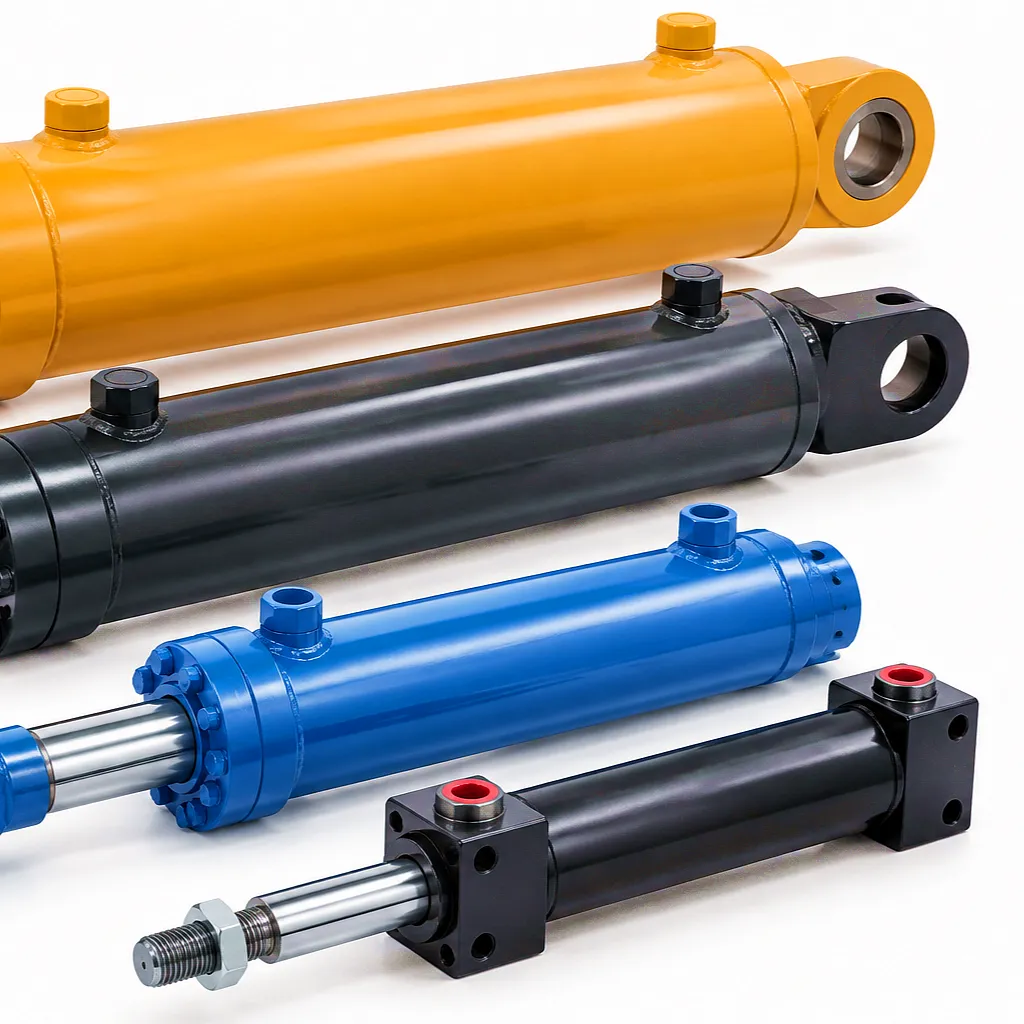
 Rod scoring — the formation of longitudinal scratches, gouges, or grooves along the polished surface of a hydraulic cylinder rod — might appear at first glance to be a cosmetic problem. In practice, it is anything but. Once scoring penetrates the chrome or nitriding layer of a cylinder rod, it breaks the seal geometry, introduces fluid bypass paths, and triggers a cascade of secondary failures that can bring a machine or an entire production line to an unscheduled halt. For UK manufacturers operating in sectors from steel fabrication in Sheffield to agricultural processing in Lincolnshire, the costs can run into tens of thousands of pounds per incident when downtime, component replacement, and lost output are combined.
What Rod Scoring Actually Is — and Why It Develops
The Tribological Mechanism
Rod scoring occurs when hard particles, metallic debris, or surface asperities are dragged along the rod’s surface under load. The contact stresses in the wiper seal and rod seal zones are significant — typically measured in MPa — and when contamination enters that zone, abrasive cutting takes over. The hard particle acts as a cutting tool against the rod surface, which despite being chrome-plated or nitride-hardened to 60+ HRC, is still vulnerable to micro-cutting by particles approaching similar or higher hardness. Over repeated strokes, these micro-cuts merge into macroscopic grooves that compromise both the sealing surface and the rod’s structural fatigue resistance. Understanding this mechanism clarifies why simply replacing seals without addressing the root contamination source will never be a lasting solution.
Surface Hardness and Its Limits
The rod surface in a hydraulic cylinder is precision-ground and then treated — most commonly via hard chrome plating (HCP) achieving 65–70 HRC, or increasingly via advanced alternatives such as High Velocity Oxygen Fuel (HVOF) thermal spray coatings and electroless nickel-composite plating. These surfaces deliver the hardness, corrosion resistance, and low friction coefficient demanded by demanding duty cycles. But hardness alone does not prevent scoring when the contamination particle itself exceeds the rod’s surface hardness. Silica particles from ingested soil or blast media, for example, sit at approximately 7 on the Mohs scale — translating to an effective hardness that can abrade even the best chrome surface under high contact stress. This is why hydraulic systems operating in outdoor or dusty environments — common across UK agriculture and quarrying — are disproportionately affected.
Root Causes of Hydraulic Cylinder Rod Scoring
Fluid Contamination
Particulate contamination is the single most frequently cited cause of rod scoring in both academic literature and field service reports. ISO 4406 cleanliness codes of 18/16/13 or worse are commonly found in field hydraulic systems that have not been maintained to schedule. Particles in the 10–25 micron range are particularly destructive because they are small enough to pass through many standard return-line filters yet large enough to cause significant abrasive wear in the wiper seal interface. In UK sites where older machinery remains in service — particularly in Birmingham’s manufacturing belt and Yorkshire’s engineering shops — fluid cleanliness is often neglected until failure occurs.
Wiper Seal Failure and Degradation
The wiper seal — sometimes called the scraper seal — is the rod’s first line of defence against environmental contamination entering the cylinder bore. When this seal ages, hardens, or is installed incorrectly, its wiping lip loses the precise contact geometry required to clear debris from the rod surface on the return stroke. The result is that contaminants are dragged inward rather than expelled, embedding into the rod-seal zone and initiating scoring. Wiper seals in UK outdoor machinery are subjected to wide temperature swings — from sub-zero Scottish winter mornings to summer heat on construction sites in the South East — which accelerates the elastomer aging process and shortens effective service life compared to laboratory estimates.
Side Loading and Misalignment
Hydraulic cylinders are designed to transmit force along their central axis. When mounting brackets are misaligned — whether from installation error, structural flex, or wear in the attachment points — the rod experiences bending moments that force it against the rod guide and seal in an asymmetric pattern. This concentrated contact stress on one quadrant of the rod surface accelerates surface fatigue and scoring in that localised zone. Side loading is particularly common in mobile plant and agricultural machinery, where attachment points flex under operational loads and where the geometry of implement mounting frames varies between manufacturers. In port handling equipment in cities like Liverpool and Bristol, where cylinders must accommodate significant angular variation, misalignment-induced scoring is a recurring maintenance challenge.
Corrosion and Electrolytic Attack
The UK’s maritime climate means that corrosion is not merely a coastal concern — humidity levels across the Midlands, Wales, and northern England are consistently high enough to attack cylinder rods that are exposed during extended stroke positions or inadequate storage. Pitting corrosion on the rod surface creates stress concentration points that transition rapidly into scoring under dynamic load. Stray electrical currents in industrial environments — particularly around welding stations or cathodic protection systems in marine applications — can trigger electrolytic attack on chrome surfaces. Once chrome pitting initiates, the irregularity it creates will begin scoring the rod seal on every stroke, turning a corrosion problem into a concurrent mechanical wear problem within weeks.
The Cascade of Consequences When Rod Scoring Goes Unaddressed
Rod scoring rarely presents as an isolated, contained failure. Left unaddressed, it initiates a chain of increasingly serious and expensive secondary problems that compound in severity with every operating hour. Understanding this cascade is essential for justifying the investment in proper prevention measures — and for explaining to management why a scored rod is never simply a “monitor and defer” situation.
01
Seal Destruction and External Leakage
Scoring ridges act as cutting edges against the rod seal’s lip, accelerating seal wear by orders of magnitude compared to operation on a smooth rod. Within tens to hundreds of hours depending on severity, dynamic seals fail completely, generating visible external leakage. In the UK, this immediately creates a health and safety concern under the Workplace (Health, Safety and Welfare) Regulations 1992 — hydraulic oil on workshop floors generates slip hazards — as well as an environmental liability if the leakage reaches drainage or groundwater.
02
Loss of Positioning Accuracy and Control
Bypass leakage — fluid passing the scored rod seal into the annular space or vice versa — reduces the effective differential pressure across the piston. This causes the actuator to drift under sustained load, losing the positional accuracy that precision applications in press tools, injection moulding, and CNC machine tooling depend on. In Sheffield’s precision engineering sector, where hydraulic presses must hold tolerances within fractions of a millimetre, the accuracy degradation from rod seal bypass can cause out-of-specification parts long before the operator identifies the hydraulic cylinder as the root cause.
03
System Fluid Degradation
Metal particles produced by the scoring process are released into the hydraulic fluid. These particles join any pre-existing contamination burden, accelerating wear at pumps, valves, and other precision hydraulic components across the entire circuit. A single severely scored rod can generate enough metallic debris to elevate the entire system’s ISO cleanliness level by two or three codes — effectively turning an adequately maintained system into a self-contaminating loop where multiple components begin degrading simultaneously. This is a particularly expensive consequence for integrated systems where the hydraulic circuit is shared across many functions, as is common in large agricultural machinery and steel plant equipment.
04
Structural Fatigue and Catastrophic Rod Failure
Severe scoring notches act as stress risers on the rod. Under repeated pressure cycling — particularly in high-cycle applications like hydraulic presses or vibrating screening equipment — these notches initiate fatigue cracks that propagate transversely through the rod cross-section. The failure mode is fracture: sudden, without prior warning, under a load the rod has successfully handled hundreds of thousands of times. A fractured hydraulic cylinder rod under pressure is a serious safety incident. In the context of UK Provision and Use of Work Equipment Regulations (PUWER), an operator cannot legally continue using equipment where such a risk is identified, making unplanned shutdown the only outcome regardless of production pressures.
Core Materials, Surface Treatments, and Performance Parameters
The material and surface treatment specification of a hydraulic cylinder rod is the single most influential design decision affecting its resistance to scoring. The following table summarises the principal rod materials and surface treatment options, their key measurable properties, and the application environments for which they are best suited. These parameters represent industry-standard specifications as deployed in Ever Power’s manufacturing programme.
| Матеріал стрижня | Surface Treatment | Surface Hardness | Coating Thickness | Roughness Ra | Corrosion Resistance | Best Application |
|---|---|---|---|---|---|---|
| CK45 Carbon Steel | Hard Chrome Plate (HCP) | 65–70 HRC | 0.02–0.05 mm | Ra 0.2–0.4 µm | Good (indoor/protected) | General industrial, press tools, plant |
| 42CrMo4 Alloy Steel | Hard Chrome + Induction Hardened | 62–68 HRC | 0.02–0.06 mm | Ra 0.15–0.35 µm | Very Good | Heavy-duty mobile plant, mining, crane |
| CK45 Steel | HVOF Tungsten Carbide Coating | 68–72 HRC (equiv.) | 0.15–0.40 mm | Ra 0.1–0.25 µm | Excellent | High abrasion: quarrying, offshore, coastal |
| 316L Stainless Steel | Electropolished / Nitrided | 50–58 HRC (nitrided) | 0.1–0.2 mm diffusion | Ra 0.2–0.5 µm | Superior (marine/wash-down) | Food processing, offshore, marine |
| 42CrMo4 Steel | Hard Chrome + PTFE Seal Pack | 65–70 HRC | 0.03–0.06 mm | Ra 0.1–0.3 µm | Very Good | High-frequency cycling, precision tooling |
| Hollow Rod (Drawn Steel) | Hard Chrome Plate | 65–68 HRC | 0.02–0.04 mm | Ra 0.2–0.4 µm | Good | Weight-sensitive: aerospace, light mobile |
A Structured Prevention Strategy for Rod Scoring
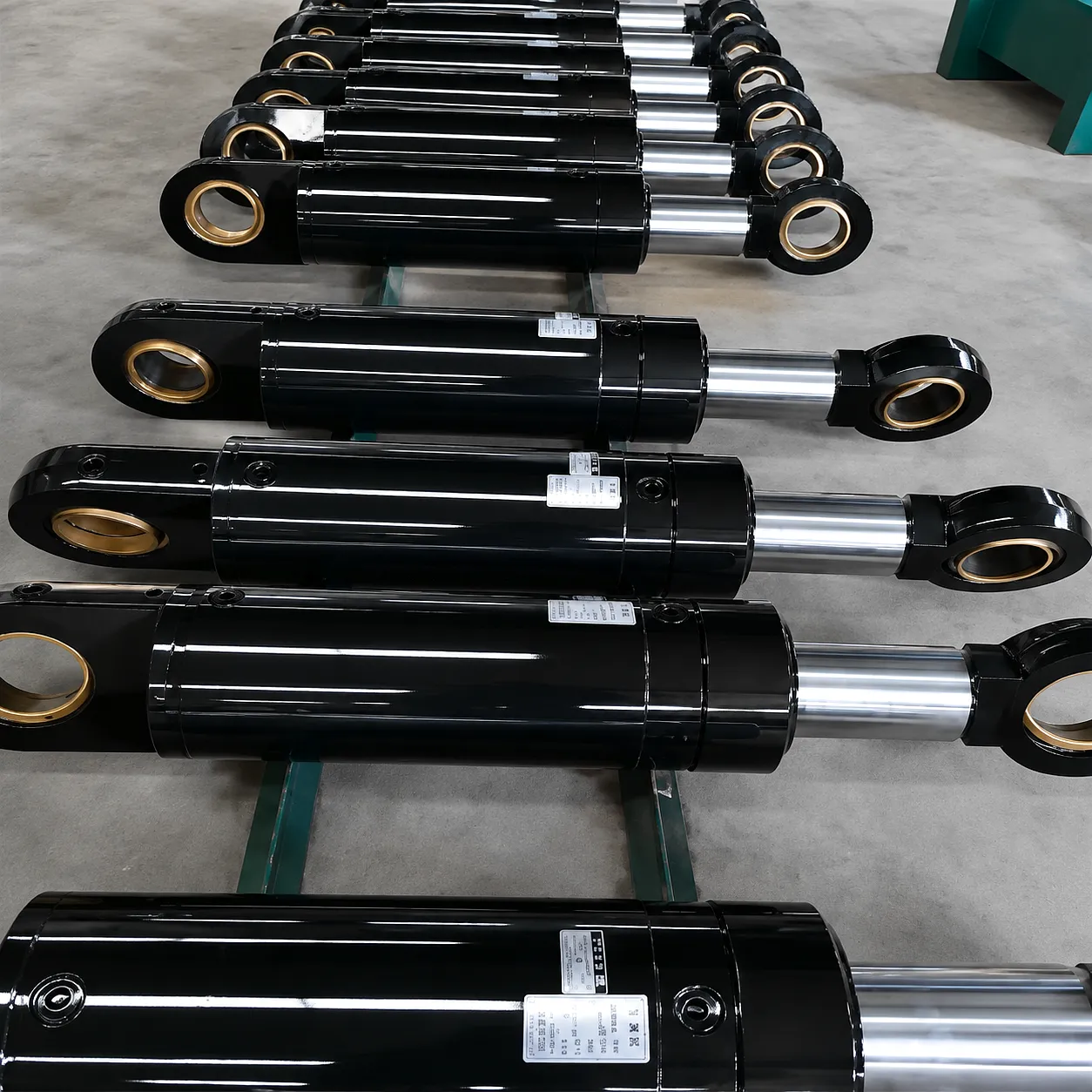
Effective prevention of rod scoring is not a single action but a layered strategy operating at the design, installation, fluid management, and maintenance levels. Each layer independently reduces risk; together they create a defence-in-depth approach that dramatically extends hydraulic cylinder service life even in the most demanding UK operating environments.
Fluid Cleanliness Management
Establish and maintain a target ISO cleanliness code appropriate for your component types — typically ISO 16/14/11 or better for servo and proportional valve circuits. This requires implementing kidney-loop filtration on reservoirs, specifying the correct filter rating (typically beta-10 >= 200 for critical circuits), and implementing a rigorous oil sampling and analysis programme with a qualified laboratory. In the UK, services such as Hydraflex and Parker’s ILC programme offer fluid analysis with typically 3–5 working day turnaround, providing actionable data before a contamination level becomes destructive. Maintain a change record and set maximum acceptable particle count thresholds that trigger intervention before reaching the scoring threshold.
Seal Specification and Scheduled Replacement
The wiper seal must be selected to match the operating temperature range, fluid type, and the environmental contamination level at the rod exposure point. Polyurethane wiper seals offer excellent abrasion resistance and are generally preferred over standard NBR for environments with significant particulate exposure. Implementing time-based or condition-based wiper seal replacement — rather than waiting for leakage to occur — is the single most cost-effective maintenance action available. A wiper seal replacement costs tens of pounds and takes minutes; the downstream consequence of failing to replace it on schedule can cost thousands. In UK food processing facilities in areas like Grimsby or Humberside where frequent washdowns are mandatory, FDA-compliant seal materials including PTFE and EPDM must be specified.
Alignment Verification and Mounting Design
Trunnion and clevis mounting arrangements must be verified for true axial alignment using dial test indicators or laser alignment tools during installation. For applications where angular deflection is inherent — as in tipping bodies, crane jibs, and articulated steering — spherical rod eye bearings should be specified to accommodate angular misalignment without transmitting bending stress to the rod. Where vibration is present, verify that the rod does not resonate at operational frequencies. Document mounting torques and recheck after the first 50–100 hours of operation. UK plant hire companies managing large equipment fleets — concentrated in areas such as the East Midlands and North West — find that standardised alignment checklists applied at every machine service interval significantly reduce scoring-related warranty claims.
Rod Surface Inspection Protocol
Regular visual inspection of the exposed rod surface should be part of every routine maintenance visit. Use a clean cloth to wipe the full stroke of the rod and inspect for the following: longitudinal scratches or grooves visible to the naked eye, pitting or corrosion spots, staining suggesting oil bypass, and any deformation suggesting side-load contact. For critical cylinders — those supporting safety-critical functions or carrying high financial consequence in downtime — consider profilometry measurements using portable surface roughness gauges to quantify Ra values and track deterioration trend over time. When surface roughness exceeds Ra 0.8 µm or when scoring depth exceeds 0.1 mm, plan cylinder rehabilitation or replacement before the next scheduled production window, not reactively during a breakdown.
Application Scenarios: Where Rod Scoring Risk Is Highest
Certain application environments combine multiple scoring risk factors simultaneously — high contamination, side loading, wide temperature variation, and high duty cycles — creating conditions where even well-maintained standard cylinders are challenged. The following scenarios represent the most demanding environments encountered across UK industry, along with the cylinder specification approaches that address them.
Agricultural Machinery
Combine harvesters, balers, and soil-working implements expose cylinder rods to high levels of silica dust, crop debris, and moisture cycling. Wiper seal life is dramatically shortened in harvest conditions. For combine harvester hydraulics operating across the UK’s grain-growing regions in East Anglia and Yorkshire, HVOF-coated rods with double-lip polyurethane wipers provide the best field-tested resistance to scoring in service.
Lifting Platforms and Aerial Access
Telescopic hydraulic cylinders used in lifting platforms are particularly vulnerable to scoring because their extended stroke lengths maximise rod exposure to environmental contamination. In urban construction sites across London and Manchester, where dust levels from demolition and earthworks are high, telescopic cylinder rods require enhanced wiper pack specifications and more frequent inspection intervals than equivalent fixed-length cylinders.
Mining and Quarrying
Underground and surface mining operations in Wales and the North of England present perhaps the most aggressive cylinder operating environments in UK industry. Abrasive rock dust, acidic groundwater seepage, and extreme mechanical shock loading all act simultaneously on cylinder rods. In these environments, HVOF tungsten carbide rod coatings — combined with multi-stage wiper seal housings including dust excluders — are the only specification combination that delivers service lives measured in months rather than weeks.
Steel and Metal Processing
In Birmingham and Sheffield’s steel and metal processing facilities, hydraulic cylinders on rolling mills, presses, and shear lines cycle at extremely high frequencies under heavy loads. Scale particles shed from hot workpieces — which are exceedingly hard and angular — become the dominant contamination threat. High-pressure point filtration at the cylinder inlet, combined with induction-hardened 42CrMo4 rods, gives the best performance in these environments.
Ever Power: Precision Manufacturing and Custom Cylinder Supply
Ever Power operates a dedicated hydraulic cylinder manufacturing facility equipped with CNC turning centres, deep-hole boring machines, honing lines, and hard chrome plating plant — the full vertical manufacturing chain required to produce cylinders where rod scoring resistance is engineered in from the material selection stage rather than addressed retrospectively. Every rod produced undergoes surface roughness measurement with calibrated profilometers and hardness verification with portable Rockwell testers before release. Bore honing is performed to ISO H8 tolerance with measured surface finish, ensuring optimal seal contact geometry from day one.
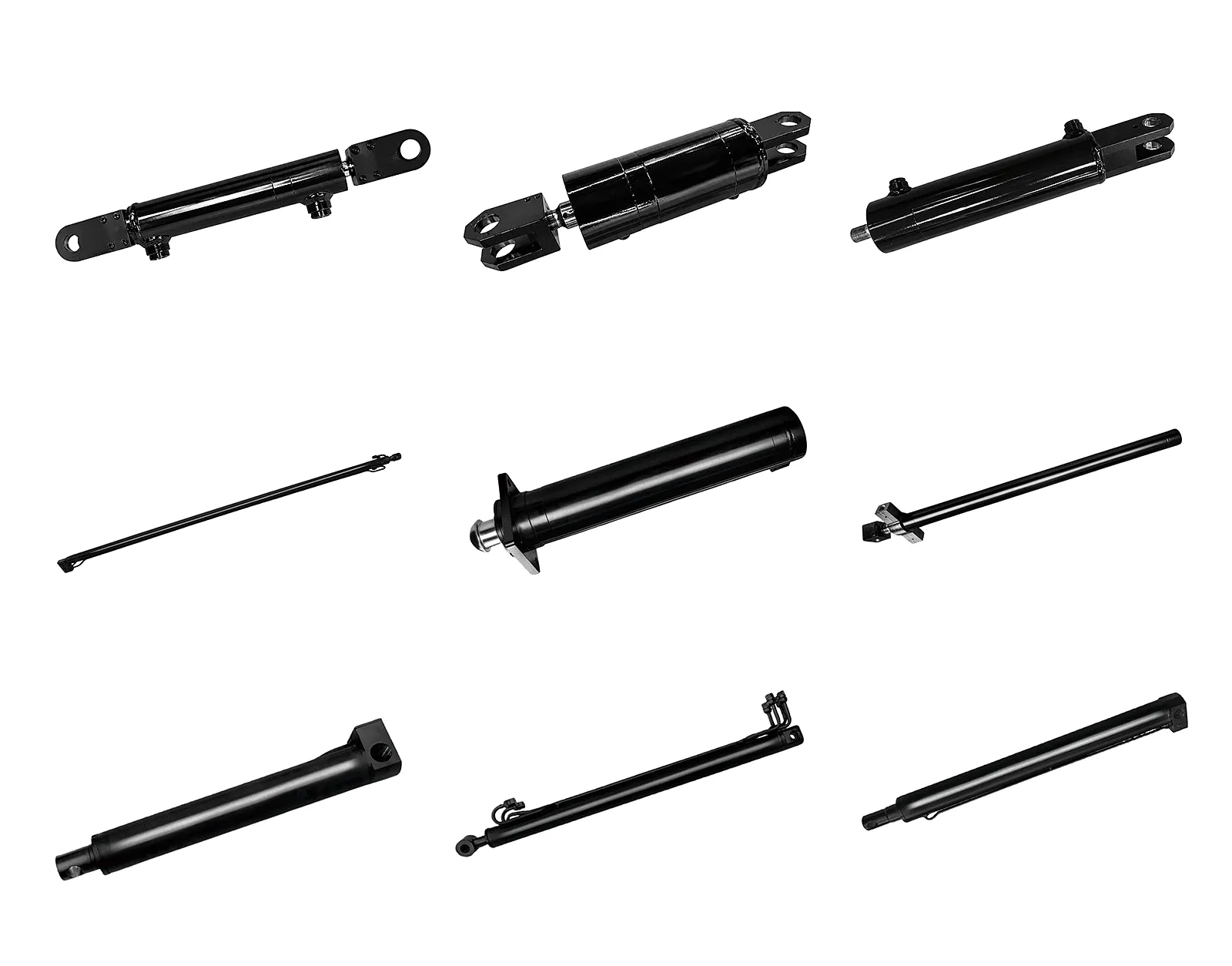
The customisation capability at Ever Power extends across every dimension that affects rod scoring resistance. Material selection, surface treatment type and thickness, seal material and configuration, wiper seal housing design, port positions, and mounting arrangements are all available as specified parameters — not as catalogue limitations. For UK clients in construction, agriculture, steel processing, and specialist engineering, Ever Power’s technical team provides free application review, recommending the optimal specification based on operating environment, duty cycle, and service life expectations. Lead times from drawing approval to delivery are typically 3–5 weeks for custom single-acting and double-acting cylinders, with expedited options available for urgent replacement requirements.
▶ Ever Power Custom Cylinder Capabilities at a Glance
Stroke: up to 8,000 mm
Pressure: up to 350 bar
Rod: HCP / HVOF / Stainless
Seals: NBR / PU / PTFE / EPDM
Certifications: CE / ISO 9001
Lead Time: 3–5 weeks standard
MOQ: 1 piece custom accepted
Customer Success Story: Reducing Rod Scoring Failures at a Sheffield Forging Plant
⚒ Heavy Forging Manufacturing
📈 78% Reduction in Cylinder Failures
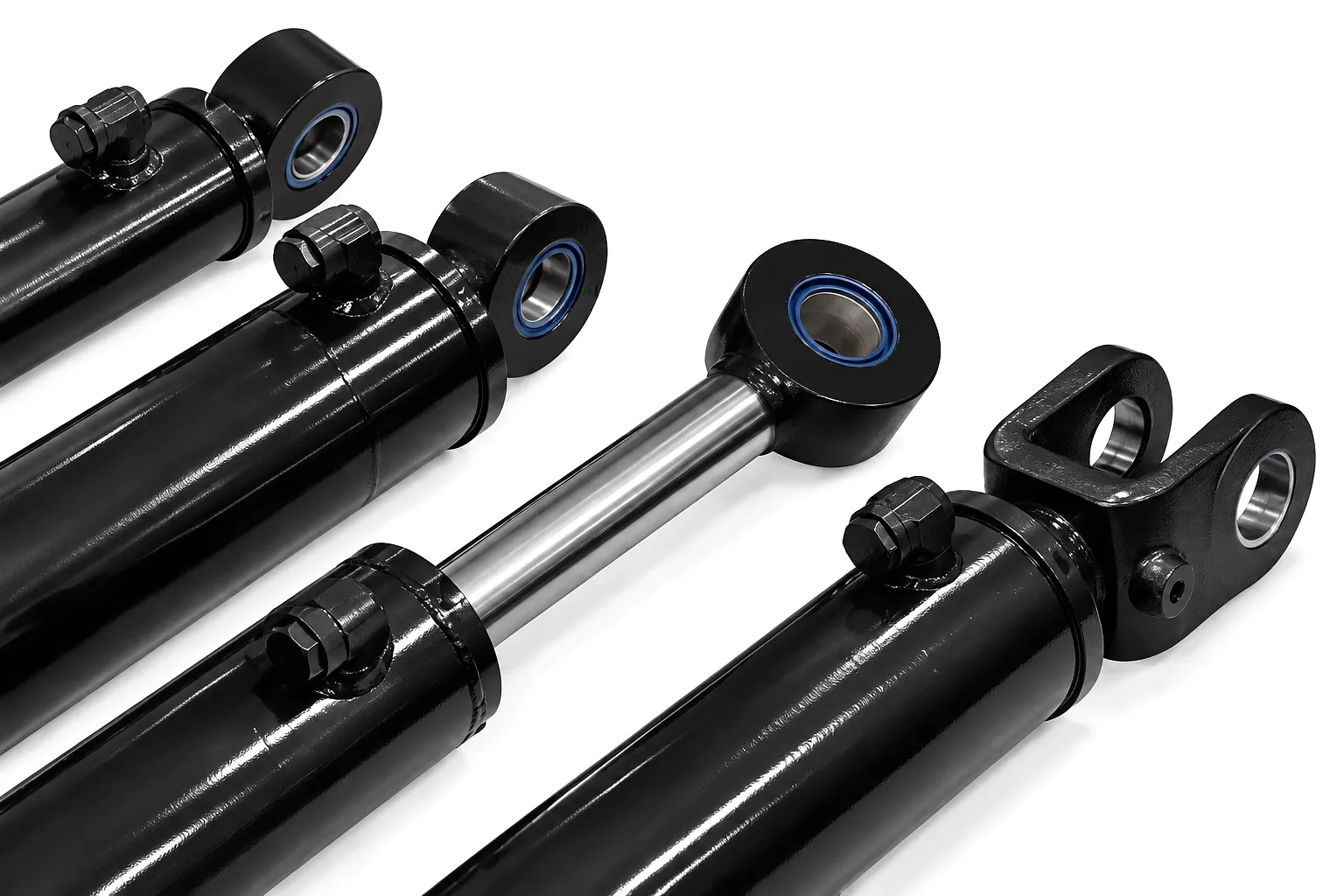 A precision forging company operating a drop-forging production line in Sheffield approached Ever Power after experiencing persistent hydraulic cylinder failures across three of their press hydraulic actuators. The actuators — double-acting cylinders with 100 mm bore, 600 mm stroke, operating at 280 bar — were exhibiting external leakage within 4–6 months of each seal replacement, generating both safety concerns and significant maintenance costs amounting to approximately £28,000 per year in seals, labour, and production downtime.
Ever Power’s application engineering team visited the site and conducted a detailed failure analysis. Rod surface profilometry on the removed cylinders revealed Ra values of 1.8–2.4 µm — far above the 0.4 µm threshold at which seal damage accelerates rapidly. Microscopic examination of scoring marks showed angular particles 15–30 µm in size, consistent with mill scale from the hot forging process entering the system through the return-line filter, which was found to be bypassing due to a faulty bypass indicator. The original CK45 chrome-plated rods had been specified to a standard that was adequate for a clean industrial environment but wholly insufficient for the contamination level present in the forge.
Ever Power supplied replacement cylinders built to a revised specification: 42CrMo4 alloy steel rods with HVOF tungsten carbide coating to 0.25 mm thickness and ground to Ra 0.2 µm, combined with a multi-lip polyurethane wiper seal in a deep housing with a separate metallic scraper ring, and an upgraded port filtration arrangement. The fluid system filter was simultaneously upgraded to a beta-10 >= 200 absolute element with a functional bypass indicator and visual contamination particle monitor. Eighteen months after commissioning, not a single scoring-related seal failure had occurred. Total annual maintenance cost for those three actuators dropped from £28,000 to approximately £6,200 — a saving that covered the cost of the new cylinders within the first year of operation.
What UK Customers Say About Ever Power Cylinders
“We’d fought rod scoring problems on our press line cylinders for years before switching to Ever Power’s HVOF-coated specification. Eighteen months in and the surface finish is still within original tolerance on profilometry — something we’ve never achieved with standard chrome rods in this environment.”
— Maintenance Director, Heavy Press Manufacturing, Sheffield
“Ever Power’s technical team actually came back and reviewed the installation after six months without us asking. They noticed a minor misalignment developing in one mounting bracket and flagged it before it caused any scoring. That kind of proactive service is genuinely rare from an overseas cylinder supplier — the quality of the product matches the quality of the support.”
— Engineering Manager, Agricultural Equipment OEM, Lincolnshire
“We specified custom stainless-bodied cylinders with EPDM seal packs for our seafood processing line in Grimsby — a notoriously difficult environment for any hydraulic component. Ever Power delivered exactly to drawing within four weeks, the surface finish was immaculate on arrival, and after eight months of daily high-pressure washdowns with hot water and cleaning chemicals, there is not a single sign of scoring or pitting.”
— Plant Manager, Food Processing Facility, Grimsby, Lincolnshire
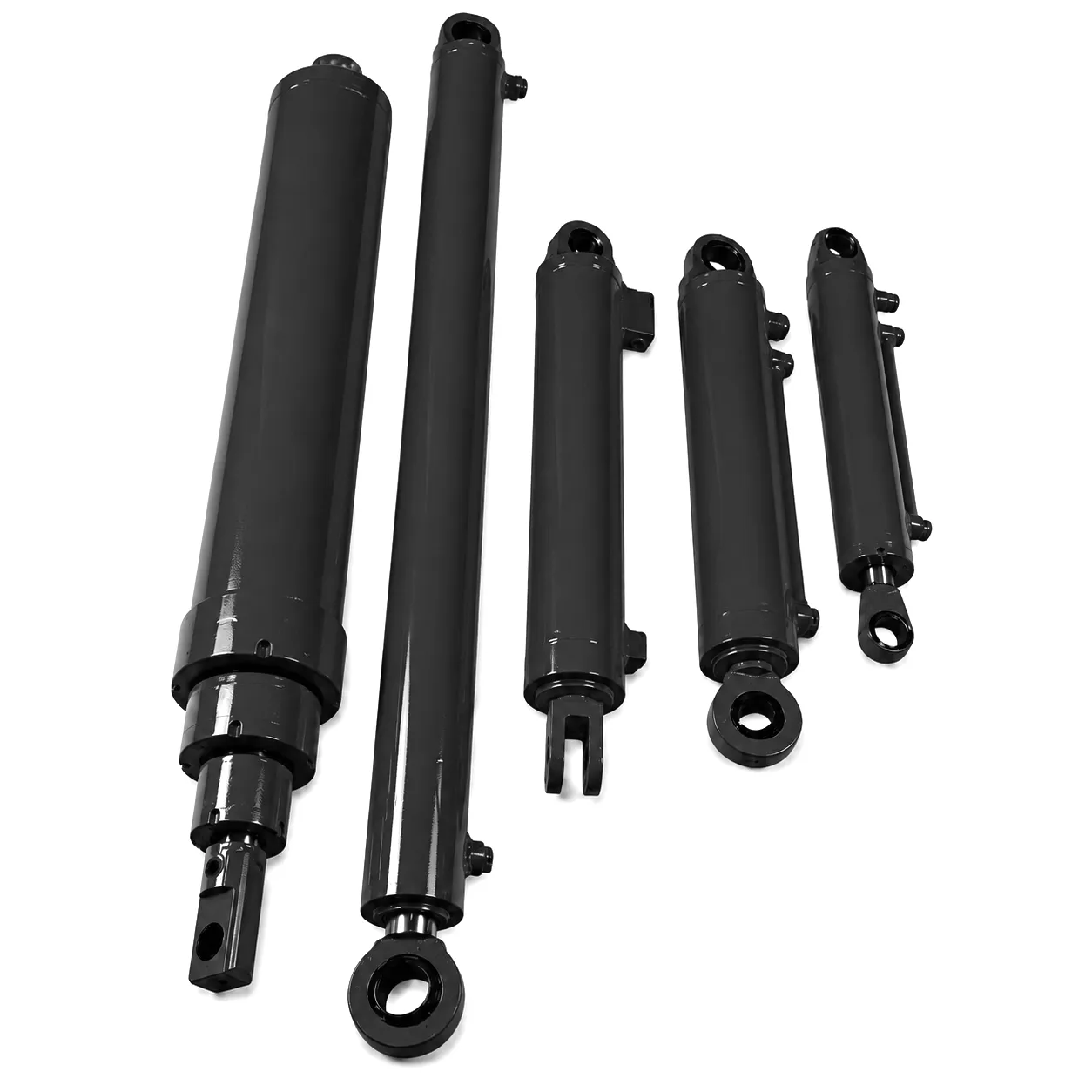
Frequently Asked Questions About Hydraulic Cylinder Rod Scoring
Real questions from UK engineers and plant managers — answered directly.
Ready to Eliminate Rod Scoring Problems in Your Operation?
Ever Power’s engineering team is ready to review your application, recommend the right specification, and supply cylinders built to outlast the problem. Contact us today for a no-obligation technical consultation and quotation.
редагування від gzl
 Ukrainian
  English
  Italian
  Portuguese
  Dutch
Dutch  Swedish
  Danish
  Finnish
  Polish
  Hindi
Hindi  Kazakh
  Turkish
  Romanian
  Spanish
  German
  Russian
  Korean
  Japanese
  Vietnamese
  Thai
Thai  Indonesian
  Malay
Malay  French
  Greek
Greek