
Mô tả sản phẩm
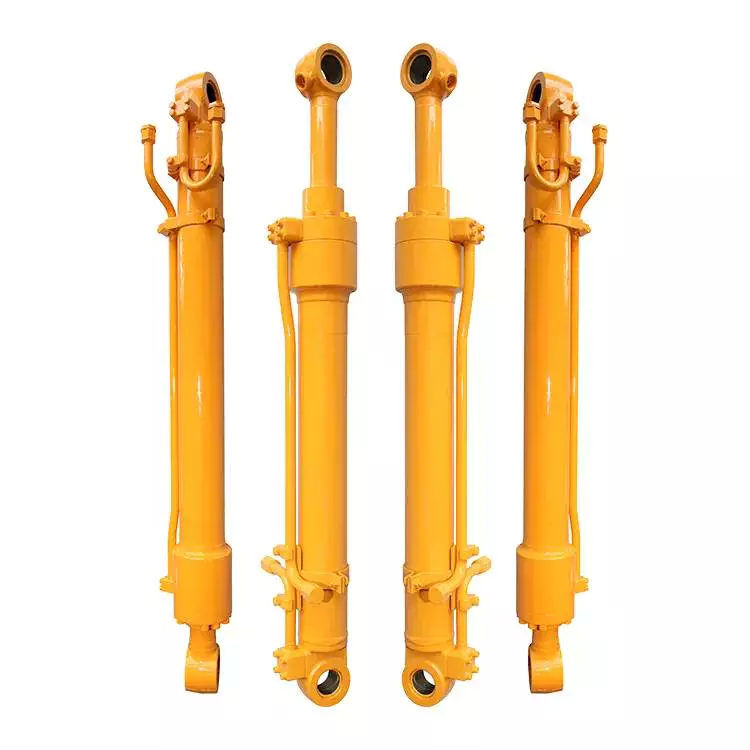
1.All cylinder in this series use carbon streel for both front/rear cover.
2.strong structure.
3.Medium carbon steel S45C is used for the piston rod,with hard chromate plated then polished to mirror class . lt has very high rigidity and resistance to erosion and corrosion.
4.The cylinder is mode by honed carbon steel tube.
5.Adjustable cushions and bleeding holes at both ends.
Specification
| Cylinder bore | 32,40,50,63,80,100,125,150,200,250,300 |
| Tatal Stroke | 10~1000 |
| Maximum use pressure | 350kgf/cm |
| Minimum use pressure | 3kgf/cm |
| Actuation oil | ISO Vg68 |
| Speed range | 8~400 mm/s |
| Operating temperature range | -10~+200ºC |
How to order
| Broe | Φ32,Φ40,Φ50,Φ63,Φ80,Φ100,Φ125,Φ150 |
| Semsomh device(magnetic) | with magnetic,without magnetic |
| Đột quỵ | 20~2000mm |
| Mounting accessories | basic type,Front flange mounting,front foot mounting, center trunnion mounting,single swivel mounting,double swivel mounting |
| Rod accessories | i type rod clevis,y type rod clevis |
| Oil port location | custom made |
Contact us to support customization
Packaging & Delivery
Về chúng tôi
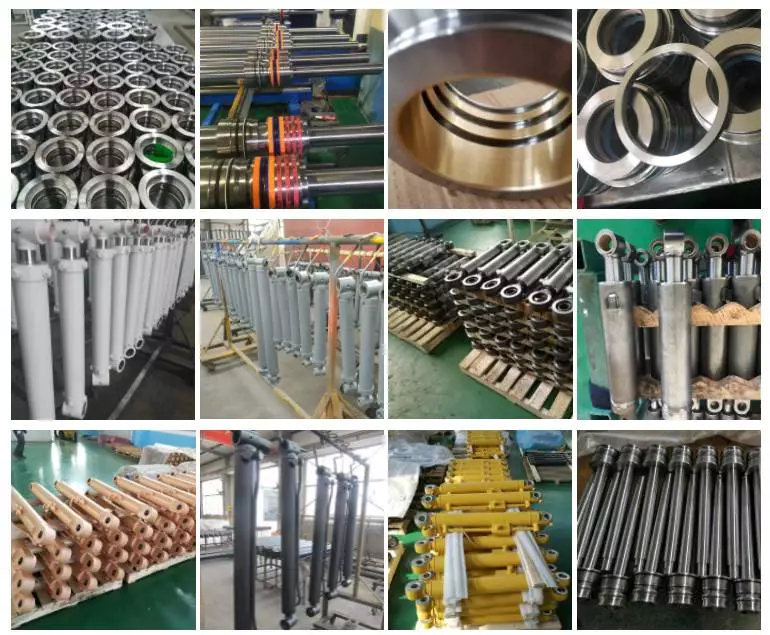
Youjiaxin is an experienced manufacturer specializes in CNC machining, CNC turning, stamping and laser cutting parts with different materials and many finished surface.
We are in the business of providing value-added services to assist you in completing your projects. The high quality and reliability of our service has enabled us to maintain long-standing relationships with our clients in various industries.
Rich experience, engineering expertise and high performance equipment help us in offering our customers top quality products.
If you have any question, please kindly refer to the FAQs below or contact us directly.
Câu hỏi thường gặp
- Do you accept OEM manufacturing?
Yes! We do accept OEM manufacturing. so we can provide the best price as well as the first class service. - Could we get small quantity samples?
Yes! We understand the quality test is important and we are glad to make the sample for you. The MOQ could be 1pcs. - Can you provide free sample? How long can we expect to get the sample?
Sample can be free of charge if deposit for future order received. samples need 5-10days if need custom make . standard can be ship out in 2 days. - How long is the production time?
Normally about 30 days. - What is the warranty?
1year against B/L date.
| Certification: | ISO9001 |
|---|---|
| Pressure: | High Pressure |
| Work Temperature: | High Temperature |
| Acting Way: | Double Acting |
| Working Method: | Straight Trip |
| Adjusted Form: | Regulated Type |
| Samples: | US$ 200/Piece 1 Piece(Min.Order) | |
|---|
| Customization: | Available |
|
|---|
Liệu có thể lắp thêm xi lanh thủy lực vào thiết bị hiện có để cải thiện chức năng không?
Đúng vậy, xi lanh thủy lực có thể được lắp đặt thêm vào thiết bị hiện có để nâng cao chức năng và hiệu suất. Việc lắp đặt thêm xi lanh thủy lực vào máy móc hoặc thiết bị hiện có mang lại nhiều lợi ích, bao gồm tăng công suất, cải thiện khả năng điều khiển, độ chính xác cao hơn và tính linh hoạt. Dưới đây là giải thích chi tiết về cách xi lanh thủy lực có thể được lắp đặt thêm vào thiết bị hiện có để cải thiện chức năng:
1. Tăng cường sức mạnh:
– Việc trang bị thêm xi lanh thủy lực cho phép bổ sung công suất thủy lực cho thiết bị hiện có. Bằng cách tích hợp xi lanh thủy lực, thiết bị có thể tạo ra lực lớn hơn và xử lý tải trọng nặng hơn. Công suất tăng lên này cho phép thiết bị thực hiện các nhiệm vụ trước đây khó khăn hoặc không thể thực hiện được. Ví dụ, việc trang bị thêm xi lanh thủy lực trên cần cẩu có thể tăng khả năng nâng và cho phép cần cẩu xử lý tải trọng nặng hơn một cách hiệu quả hơn.
2. Kiểm soát được cải thiện:
– Xi lanh thủy lực cung cấp khả năng điều khiển chính xác chuyển động và định vị của thiết bị. Bằng cách trang bị thêm xi lanh thủy lực, người vận hành có được khả năng kiểm soát tốt hơn về tốc độ, lực và hướng chuyển động. Việc bổ sung van điều khiển thủy lực và bộ nguồn thủy lực cho phép tinh chỉnh hoạt động của thiết bị. Khả năng điều khiển được cải thiện giúp vận hành an toàn và hiệu quả hơn, giảm nguy cơ hư hỏng và nâng cao năng suất tổng thể.
3. Độ chính xác được nâng cao:
– Việc trang bị thêm xi lanh thủy lực cho thiết bị hiện có có thể cải thiện đáng kể độ chính xác. Hệ thống thủy lực cho phép điều khiển chuyển động chính xác, giúp chuyển động mượt mà và có kiểm soát. Độ chính xác được nâng cao này rất hữu ích trong các ứng dụng yêu cầu định vị chính xác hoặc chuyển động lặp đi lặp lại. Ví dụ, việc trang bị thêm xi lanh thủy lực cho cánh tay robot có thể nâng cao độ chính xác và khả năng lặp lại của nó, giúp nó phù hợp hơn cho các nhiệm vụ đòi hỏi độ chính xác cao.
4. Tính linh hoạt và khả năng thích ứng:
– Việc trang bị thêm xi lanh thủy lực có thể tăng tính linh hoạt và khả năng thích ứng của thiết bị hiện có. Hệ thống thủy lực có thể dễ dàng tích hợp với nhiều loại máy móc khác nhau, cho phép sử dụng năng lượng thủy lực trong nhiều ứng dụng khác nhau. Bản chất mô-đun của các bộ phận thủy lực tạo điều kiện thuận lợi cho quá trình trang bị thêm, cho phép thiết bị thực hiện được nhiều nhiệm vụ hơn. Tính linh hoạt này đặc biệt có lợi trong các ngành công nghiệp mà thiết bị cần phải thích ứng với các yêu cầu vận hành thay đổi.
5. Bộ dụng cụ nâng cấp và tùy chỉnh:
– Các nhà sản xuất thường cung cấp bộ dụng cụ nâng cấp bao gồm tất cả các thành phần cần thiết để tích hợp xi lanh thủy lực vào thiết bị hiện có. Các bộ dụng cụ này thường bao gồm xi lanh thủy lực, giá đỡ, ống dẫn, phụ kiện, van điều khiển và các phụ kiện cần thiết khác. Bộ dụng cụ nâng cấp giúp đơn giản hóa quá trình nâng cấp và đảm bảo tính tương thích giữa các thành phần thủy lực và thiết bị hiện có. Ngoài ra, các nhà sản xuất có thể cung cấp các tùy chọn tùy chỉnh để điều chỉnh giải pháp nâng cấp phù hợp với nhu cầu cụ thể của thiết bị và ứng dụng.
6. Giải pháp tiết kiệm chi phí:
– Việc trang bị thêm xi lanh thủy lực vào thiết bị hiện có có thể là một giải pháp tiết kiệm chi phí so với việc mua máy móc mới. Bằng cách tận dụng khung kết cấu và các bộ phận cơ khí hiện có của thiết bị, tổng chi phí nâng cấp có thể được giảm thiểu. Việc trang bị thêm cũng giúp giảm thiểu thời gian ngừng hoạt động vì thiết bị không cần phải được thay thế hoàn toàn. Hơn nữa, chức năng và hiệu suất được cải thiện nhờ việc trang bị thêm có thể dẫn đến tăng năng suất và tiết kiệm chi phí về lâu dài.
7. Lắp đặt chuyên nghiệp và chuyên môn cao:
– Việc lắp đặt thêm xi lanh thủy lực vào thiết bị hiện có thường đòi hỏi kỹ thuật lắp đặt chuyên nghiệp và chuyên môn cao. Hợp tác với các nhà tích hợp hệ thống thủy lực hoặc nhà sản xuất giàu kinh nghiệm đảm bảo việc lắp đặt đúng cách, tính tương thích và hiệu suất tối ưu của giải pháp lắp đặt thêm. Những chuyên gia này có thể đánh giá thiết bị hiện có, đề xuất các linh kiện thủy lực phù hợp và thực hiện quy trình lắp đặt thêm một cách hiệu quả. Kiến thức và chuyên môn của họ góp phần vào sự tích hợp thành công các xi lanh thủy lực và cải thiện tổng thể chức năng của thiết bị.
Tóm lại, xi lanh thủy lực hoàn toàn có thể được lắp đặt thêm vào thiết bị hiện có để cải thiện chức năng. Quá trình lắp đặt thêm này mang lại nhiều lợi ích như tăng công suất, cải thiện khả năng điều khiển, nâng cao độ chính xác, tính linh hoạt, tiết kiệm chi phí, và khả năng tiếp cận các bộ dụng cụ lắp đặt và tùy chỉnh. Bằng cách lắp đặt thêm xi lanh thủy lực, thiết bị hiện có có thể được nâng cấp để đáp ứng nhu cầu vận hành ngày càng phát triển, kéo dài tuổi thọ và nâng cao hiệu suất tổng thể.
Customization of Hydraulic Cylinders for Marine and Offshore Applications
Yes, hydraulic cylinders can be customized for use in marine and offshore applications. These environments present unique challenges, such as exposure to corrosive saltwater, high humidity, and extreme operating conditions. Customization allows hydraulic cylinders to meet the specific requirements and withstand the harsh conditions encountered in marine and offshore settings. Let’s delve into the details of how hydraulic cylinders can be customized for marine and offshore applications:
- Corrosion Resistance: Marine and offshore environments expose hydraulic cylinders to corrosive elements, such as saltwater. To mitigate corrosion, hydraulic cylinders can be customized with materials and surface treatments that provide enhanced corrosion resistance. For example, cylinders can be constructed from stainless steel or coated with protective layers like chrome plating or specialized coatings to withstand the corrosive effects of saltwater.
- Sealing and Environmental Protection: Hydraulic cylinders for marine and offshore applications require robust sealing systems to prevent water ingress and protect internal components. Customized sealing solutions, such as high-quality seals, wipers, and gaskets, can be employed to ensure effective sealing and resistance to water, debris, and contaminants. Additionally, hydraulic cylinders can be designed with protective features like bellows or boots to shield vulnerable areas from environmental elements.
- High-Pressure and Shock Resistance: Marine and offshore operations may involve high-pressure hydraulic systems and encounters with dynamic loads or shocks. Customized hydraulic cylinders can be engineered to withstand these demanding conditions. They can be designed with reinforced construction, thicker walls, and specialized components to handle high-pressure applications and absorb shock loads, ensuring reliable performance and durability.
- Temperature and Fluid Compatibility: Marine and offshore applications can expose hydraulic cylinders to extreme temperature variations and specific fluid requirements. Customization allows the selection of materials, seals, and fluids compatible with the anticipated temperature range and the specific fluid being used. Hydraulic cylinders can be tailored to maintain optimal performance and reliability under challenging temperature conditions and with the designated fluid type.
- Mounting and Integration: Customized hydraulic cylinders can be designed to facilitate easy integration and mounting within marine and offshore machinery. Mounting options can be tailored to suit the available space and structural requirements of the equipment. Additionally, customized hydraulic cylinder designs can incorporate features for easy maintenance, accessibility, and connection to the hydraulic system, ensuring convenient installation and serviceability in marine and offshore applications.
In summary, hydraulic cylinders can be customized to meet the unique demands of marine and offshore applications. Customization enables the integration of corrosion-resistant materials, robust sealing systems, high-pressure and shock-resistant designs, temperature and fluid compatibility, as well as optimized mounting and integration features. By tailoring hydraulic cylinders to the specific requirements of marine and offshore environments, reliable performance, extended service life, and efficient operation can be achieved in these challenging operating conditions.
What are the common signs of wear or leakage that indicate hydraulic cylinder issues?
Hydraulic cylinders are critical components in hydraulic systems, and wear or leakage can lead to performance issues and potential system failures. It is important to be aware of the common signs that indicate hydraulic cylinder problems. Here’s a detailed explanation of the common signs of wear or leakage that indicate hydraulic cylinder issues:
1. Fluid Leakage:
– Fluid leakage is one of the most obvious signs of hydraulic cylinder problems. If you notice hydraulic fluid leaking from the cylinder, it indicates a seal failure or damage to the cylinder. Leaking fluid may be visible around the rod, piston, or cylinder body. It is important to address fluid leakage promptly as it can lead to a loss of system efficiency, contamination of the surrounding environment, and potential damage to other system components.
2. Reduced Performance:
– Wear or internal damage to the hydraulic cylinder can result in reduced performance. You may notice a decrease in the cylinder’s force output, slower operation, or difficulty in extending or retracting the cylinder. Reduced performance can be indicative of worn seals, damaged piston or rod, internal leakage, or contamination within the cylinder. Any noticeable decrease in the cylinder’s performance should be inspected and addressed to prevent further damage or system inefficiencies.
3. Abnormal Noise or Vibrations:
– Unusual noise or vibrations during the operation of a hydraulic cylinder can indicate internal wear or damage. Excessive noise, knocking sounds, or vibrations that are not typical for the system may suggest problems such as worn bearings, misalignment, or loose internal components. These signs should be investigated to identify the source of the issue and take appropriate corrective measures.
4. Excessive Heat:
– Overheating of the hydraulic cylinder is another sign of potential issues. If the cylinder feels excessively hot to the touch during normal operation, it may indicate problems such as internal leakage, fluid contamination, or inadequate lubrication. Excessive heat can lead to accelerated wear, reduced efficiency, and overall system malfunctions. Monitoring the temperature of the hydraulic cylinder is important to detect and address potential problems.
5. External Damage:
– Physical damage to the hydraulic cylinder, such as dents, scratches, or bent rods, can contribute to wear and leakage issues. External damage can compromise the integrity of the cylinder, leading to fluid leakage, misalignment, or inefficient operation. Regular inspection of the cylinder’s external condition is essential to identify any visible signs of damage and take appropriate actions.
6. Seal Failure:
– Hydraulic cylinder seals are critical components that prevent fluid leakage and maintain system integrity. Signs of seal failure include fluid leakage, reduced performance, and increased friction during cylinder operation. Damaged or worn seals should be replaced promptly to prevent further deterioration of the cylinder’s performance and potential damage to other system components.
7. Contamination:
– Contamination within the hydraulic cylinder can cause wear, damage to seals, and overall system inefficiencies. Signs of contamination include the presence of foreign particles, debris, or sludge in the hydraulic fluid or visible damage to seals and other internal components. Regular fluid analysis and maintenance practices should be implemented to prevent contamination and address any signs of contamination promptly.
8. Irregular Seal Wear:
– Hydraulic cylinder seals can wear over time due to friction, pressure, and operating conditions. Irregular seal wear patterns, such as uneven wear or excessive wear in specific areas, may indicate misalignment or improper installation. Monitoring the condition of the seals during regular maintenance can help identify potential issues and prevent premature seal failure.
It is important to address these common signs of wear or leakage promptly to prevent further damage, ensure the optimal performance of hydraulic cylinders, and maintain the overall efficiency and reliability of the hydraulic system. Regular inspection, maintenance, and timely repairs or replacements of damaged components are key to mitigating hydraulic cylinder issues and maximizing system longevity.

editor by CX 2023-10-31
 Vietnamese
  English
  Italian
  Portuguese
  Dutch
Dutch  Swedish
  Danish
  Finnish
  Polish
  Hindi
Hindi  Kazakh
  Turkish
  Ukrainian
  Romanian
  Spanish
  German
  Russian
  Korean
  Japanese
  Thai
Thai  Indonesian
  Malay
Malay  French
  Greek
Greek