
Mô tả sản phẩm
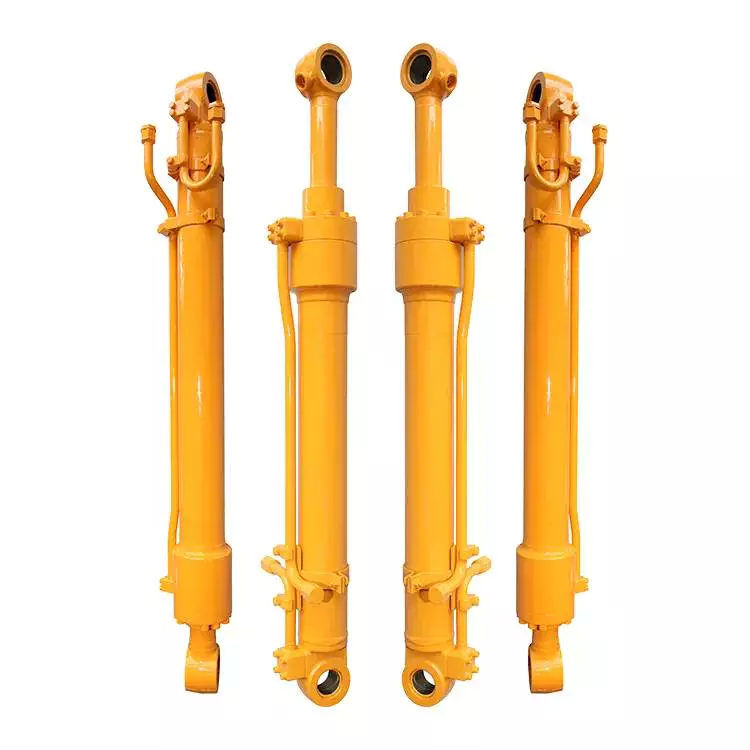
Parker Long Stroke Telescopic Hydraulic Cylinder for Dump Truck
Thin-wall cylinder
1The North America advanced processing technology is adopted to ensured the stable perfprmance
2High quality alloy seamless steel pipe are adopted to keep big liftin capacity and light weight;
3The application of imperial sized makes it easy to replace the seals and other acceessories;
4Superior chrome-plating technology improves the corrosion resistance and hardness of cylinders;
5The world-famous brands of seals such as HALLITE,PARKER and NOK ensure the sealing performance.
Our product:
| Model | The first stage rod diameter | Đột quỵ | Closed length | Open length | ||||||||||||
| WTPK 3TG F5*72 | 5″ | 1829mm | 945mm | 2773mm | ||||||||||||
| WTPK 3TG F5*84 | 5″ | 2134mm | 1046mm | 3180mm | ||||||||||||
| WTPK 3TG F5*107 | 5″ | 158/136/116/95 | 1229mm | 3961mm | ||||||||||||
| WTPK 3TG F5*126 | 5″ | 3216mm | 1386mm | 4602mm | ||||||||||||
| WTPK 3TG F6*86 | 6″ | 3216mm | 1038mm | 3241mm | ||||||||||||
| WTPK 3TG F6*104 | 6″ | 2640mm | 1194mm | 3834mm | ||||||||||||
| WTPK 3TG F6*107 | 6″ | 2732mm | 1289mm | 3961mm | ||||||||||||
| WTPK 3TG F6*111 | 6″ | 2819mm | 1268mm | 4087mm | ||||||||||||
| WTPK 3TG F6*120 | 6″ | 3048mm | 1359mm | 4407mm | ||||||||||||
| WTPK 3TG F6*126 | 6″ | 3208mm | 1386mm | 4594mm | ||||||||||||
| WTPK 3TG F6*140 | 6″ | 3562mm | 1519mm | 5081mm | ||||||||||||
| WTPK 5TG F8*170 | 8″ | 4318mm | 1267mm | 5585mm | ||||||||||||
| WTPK 5TG F8*190 | 8″ | 48
Liệu có thể lắp thêm xi lanh thủy lực vào thiết bị hiện có để cải thiện chức năng không?Đúng vậy, xi lanh thủy lực có thể được lắp đặt thêm vào thiết bị hiện có để nâng cao chức năng và hiệu suất. Việc lắp đặt thêm xi lanh thủy lực vào máy móc hoặc thiết bị hiện có mang lại nhiều lợi ích, bao gồm tăng công suất, cải thiện khả năng điều khiển, độ chính xác cao hơn và tính linh hoạt. Dưới đây là giải thích chi tiết về cách xi lanh thủy lực có thể được lắp đặt thêm vào thiết bị hiện có để cải thiện chức năng: 1. Tăng cường sức mạnh: – Việc trang bị thêm xi lanh thủy lực cho phép bổ sung công suất thủy lực cho thiết bị hiện có. Bằng cách tích hợp xi lanh thủy lực, thiết bị có thể tạo ra lực lớn hơn và xử lý tải trọng nặng hơn. Công suất tăng lên này cho phép thiết bị thực hiện các nhiệm vụ trước đây khó khăn hoặc không thể thực hiện được. Ví dụ, việc trang bị thêm xi lanh thủy lực trên cần cẩu có thể tăng khả năng nâng và cho phép cần cẩu xử lý tải trọng nặng hơn một cách hiệu quả hơn. 2. Kiểm soát được cải thiện: – Xi lanh thủy lực cung cấp khả năng điều khiển chính xác chuyển động và định vị của thiết bị. Bằng cách trang bị thêm xi lanh thủy lực, người vận hành có được khả năng kiểm soát tốt hơn về tốc độ, lực và hướng chuyển động. Việc bổ sung van điều khiển thủy lực và bộ nguồn thủy lực cho phép tinh chỉnh hoạt động của thiết bị. Khả năng điều khiển được cải thiện giúp vận hành an toàn và hiệu quả hơn, giảm nguy cơ hư hỏng và nâng cao năng suất tổng thể. 3. Độ chính xác được nâng cao: – Việc trang bị thêm xi lanh thủy lực cho thiết bị hiện có có thể cải thiện đáng kể độ chính xác. Hệ thống thủy lực cho phép điều khiển chuyển động chính xác, giúp chuyển động mượt mà và có kiểm soát. Độ chính xác được nâng cao này rất hữu ích trong các ứng dụng yêu cầu định vị chính xác hoặc chuyển động lặp đi lặp lại. Ví dụ, việc trang bị thêm xi lanh thủy lực cho cánh tay robot có thể nâng cao độ chính xác và khả năng lặp lại của nó, giúp nó phù hợp hơn cho các nhiệm vụ đòi hỏi độ chính xác cao. 4. Tính linh hoạt và khả năng thích ứng: – Việc trang bị thêm xi lanh thủy lực có thể tăng tính linh hoạt và khả năng thích ứng của thiết bị hiện có. Hệ thống thủy lực có thể dễ dàng tích hợp với nhiều loại máy móc khác nhau, cho phép sử dụng năng lượng thủy lực trong nhiều ứng dụng khác nhau. Bản chất mô-đun của các bộ phận thủy lực tạo điều kiện thuận lợi cho quá trình trang bị thêm, cho phép thiết bị thực hiện được nhiều nhiệm vụ hơn. Tính linh hoạt này đặc biệt có lợi trong các ngành công nghiệp mà thiết bị cần phải thích ứng với các yêu cầu vận hành thay đổi. 5. Bộ dụng cụ nâng cấp và tùy chỉnh: – Các nhà sản xuất thường cung cấp bộ dụng cụ nâng cấp bao gồm tất cả các thành phần cần thiết để tích hợp xi lanh thủy lực vào thiết bị hiện có. Các bộ dụng cụ này thường bao gồm xi lanh thủy lực, giá đỡ, ống dẫn, phụ kiện, van điều khiển và các phụ kiện cần thiết khác. Bộ dụng cụ nâng cấp giúp đơn giản hóa quá trình nâng cấp và đảm bảo tính tương thích giữa các thành phần thủy lực và thiết bị hiện có. Ngoài ra, các nhà sản xuất có thể cung cấp các tùy chọn tùy chỉnh để điều chỉnh giải pháp nâng cấp phù hợp với nhu cầu cụ thể của thiết bị và ứng dụng. 6. Giải pháp tiết kiệm chi phí: – Việc trang bị thêm xi lanh thủy lực vào thiết bị hiện có có thể là một giải pháp tiết kiệm chi phí so với việc mua máy móc mới. Bằng cách tận dụng khung kết cấu và các bộ phận cơ khí hiện có của thiết bị, tổng chi phí nâng cấp có thể được giảm thiểu. Việc trang bị thêm cũng giúp giảm thiểu thời gian ngừng hoạt động vì thiết bị không cần phải được thay thế hoàn toàn. Hơn nữa, chức năng và hiệu suất được cải thiện nhờ việc trang bị thêm có thể dẫn đến tăng năng suất và tiết kiệm chi phí về lâu dài. 7. Lắp đặt chuyên nghiệp và chuyên môn cao: – Việc lắp đặt thêm xi lanh thủy lực vào thiết bị hiện có thường đòi hỏi kỹ thuật lắp đặt chuyên nghiệp và chuyên môn cao. Hợp tác với các nhà tích hợp hệ thống thủy lực hoặc nhà sản xuất giàu kinh nghiệm đảm bảo việc lắp đặt đúng cách, tính tương thích và hiệu suất tối ưu của giải pháp lắp đặt thêm. Những chuyên gia này có thể đánh giá thiết bị hiện có, đề xuất các linh kiện thủy lực phù hợp và thực hiện quy trình lắp đặt thêm một cách hiệu quả. Kiến thức và chuyên môn của họ góp phần vào sự tích hợp thành công các xi lanh thủy lực và cải thiện tổng thể chức năng của thiết bị. Tóm lại, xi lanh thủy lực hoàn toàn có thể được lắp đặt thêm vào thiết bị hiện có để cải thiện chức năng. Quá trình lắp đặt thêm này mang lại nhiều lợi ích như tăng công suất, cải thiện khả năng điều khiển, nâng cao độ chính xác, tính linh hoạt, tiết kiệm chi phí, và khả năng tiếp cận các bộ dụng cụ lắp đặt và tùy chỉnh. Bằng cách lắp đặt thêm xi lanh thủy lực, thiết bị hiện có có thể được nâng cấp để đáp ứng nhu cầu vận hành ngày càng phát triển, kéo dài tuổi thọ và nâng cao hiệu suất tổng thể.
Utilizing Hydraulic Cylinders in Conjunction with Alternative Energy SourcesHydraulic cylinders can indeed be used in conjunction with alternative energy sources. The versatile nature of hydraulic systems allows them to be integrated with various alternative energy technologies to enhance efficiency, control, and power generation. Let’s explore some examples of how hydraulic cylinders can be utilized alongside alternative energy sources:
In summary, hydraulic cylinders can be effectively utilized in conjunction with alternative energy sources to enhance energy storage, power generation, and control. Whether it’s through hydraulic energy storage systems, wave and tidal energy conversion, hydroelectric power generation, hydraulic actuation in wind turbines, or geothermal energy extraction, hydraulic cylinders offer versatile and efficient solutions for harnessing and utilizing alternative energy sources.
What factors should be considered when selecting the right hydraulic cylinder for an application?When selecting the right hydraulic cylinder for an application, several important factors need to be considered. These factors help ensure that the chosen hydraulic cylinder is suitable for the specific requirements of the application and will perform reliably. Here are the key factors to consider: 1. Load Requirements: – One of the crucial factors to consider is the load requirement of the application. Determine the maximum load that the hydraulic cylinder needs to handle. Consider both the static load (when the cylinder is stationary) and the dynamic load (when the cylinder is in motion). The load requirement will impact the cylinder’s bore size, rod diameter, and overall strength. Choose a hydraulic cylinder with a load capacity that exceeds the application’s maximum load to ensure safety and longevity. 2. Stroke Length: – The stroke length refers to the distance the hydraulic cylinder needs to extend and retract to perform the desired motion. Measure the required stroke length based on the application’s operational requirements. It is essential to choose a hydraulic cylinder with a stroke length that matches or exceeds the required distance. Consider any potential variations or adjustments in the stroke length that may be needed in the future. 3. Operating Pressure: – Consider the operating pressure required for the application. The hydraulic cylinder must be capable of withstanding the maximum pressure within the hydraulic system. Ensure that the selected cylinder has a pressure rating that exceeds the application’s maximum operating pressure. This ensures safety and prevents premature failure. 4. Speed Requirements: – Determine the required speed of the hydraulic cylinder’s movement for the application. Consider both the extension and retraction speeds. Select a cylinder that can achieve the desired speed while maintaining precise control and stability. It is important to choose a cylinder that can handle the required speed without compromising performance or safety. 5. Mounting: – Evaluate the available space and mounting requirements for the hydraulic cylinder. Consider the mounting type (such as flange, foot, trunnion, or clevis), the available mounting points, and any specific mounting constraints. Ensure that the selected cylinder can be easily and securely mounted in the desired location. 6. Environmental Factors: – Assess the environmental conditions in which the hydraulic cylinder will operate. Consider factors such as temperature extremes, humidity, exposure to chemicals, dust, or corrosive substances. Choose a cylinder that is designed to withstand the specific environmental conditions of the application. This may involve selecting appropriate materials, coatings, or seals to ensure the longevity and performance of the cylinder. 7. Cylinder Configuration: – Determine the appropriate cylinder configuration based on the application’s requirements. Consider factors such as single-acting or double-acting cylinders, telescopic cylinders for limited space, or custom configurations for unique applications. Evaluate the specific needs of the application to select the most suitable cylinder configuration. 8. Maintenance and Serviceability: – Consider the maintenance and service requirements of the hydraulic cylinder. Evaluate factors such as ease of access for maintenance, availability of spare parts, and the reputation of the manufacturer or supplier in terms of customer support and after-sales service. Choosing a reliable and reputable brand can ensure ongoing support and availability of spare parts when needed. 9. Compliance and Standards: – Depending on the industry and application, certain compliance standards may need to be met. Consider any industry-specific regulations, safety standards, or certifications that the hydraulic cylinder should comply with. Ensure that the selected cylinder meets the required standards and certifications for the application. 10. Cost and Budget: – Finally, consider the cost and budget for the hydraulic cylinder. While it is important to select a cylinder that meets the application’s requirements, it is also necessary to consider the overall cost-effectiveness. Evaluate the initial purchase cost, long-term maintenance costs, and the expected lifespan of the cylinder. Balancing the cost and quality will help in selecting a hydraulic cylinder that provides the best value for the application. By considering these factors in the selection process, it becomes possible to choose the right hydraulic cylinder that meets the specific requirements of the application in terms of load capacity, stroke length, operating pressure, speed, mounting, environmental conditions, maintenance needs, compliance, and cost-effectiveness. Proper selection ensures optimal performance, reliability, and longevity of the hydraulic cylinder in the intended application.
|


 Vietnamese
  English
  Italian
  Portuguese
  Dutch
Dutch  Swedish
  Danish
  Finnish
  Polish
  Hindi
Hindi  Kazakh
  Turkish
  Ukrainian
  Romanian
  Spanish
  German
  Russian
  Korean
  Japanese
  Thai
Thai  Indonesian
  Malay
Malay  French
  Greek
Greek