
Mô tả sản phẩm
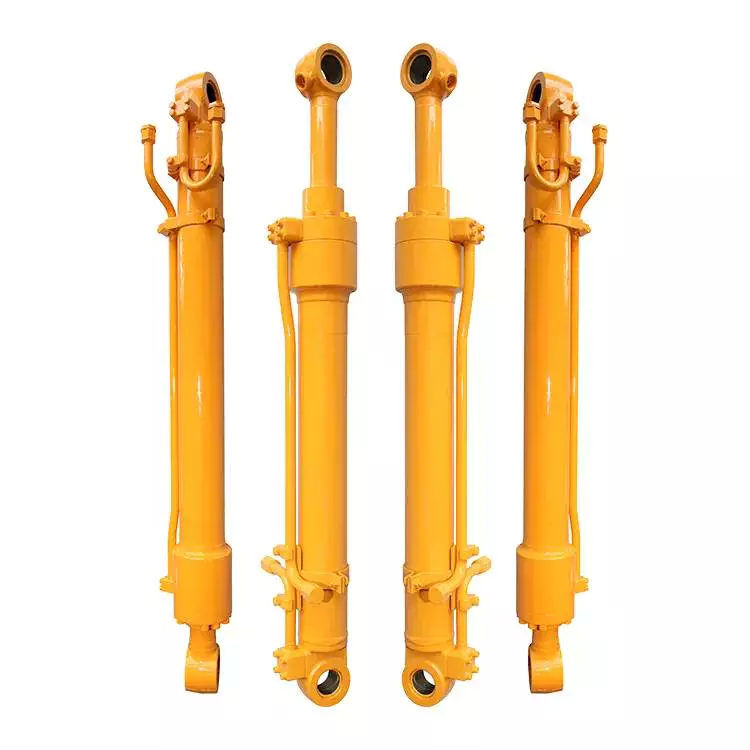
HYDRAULIC CYLINDER
Widely used in equipment for Construction, Coal&mine, Agriculture , Aerial work table and Environmental sanitation etc.
| Features | customized hydraulic cylinder |
| Bore Diameter | 2′-50’/50-1500mm |
| Rod Diameter | 1′ – 60’/25 -1000 mm |
| Wall Thickness | 0.1′-4’/3-100 mm |
| Max Stroke | 366’/9280 mm |
| Max Pressure | 9600 psi/600 bar |
| Test Pressure | 14500 psi/1000 bar |
| Vật liệu | 20#,40#,45#,16Mn,27SiMn,etc |
| Seal Kits | Hallite, Parker, NOK, DICHTOMATIK, Trelleborg, Merkel |
| Dimensional Accuracy | H7-H11 |
| Bore Roughness | Ra 0.4-1.6mm |
| Coating | hard chrome |
| Purpose | engineering, Coal &mining, agricultural machinery, environmental sanitation |
| OEM/ODM | Yes |
| Số lượng đặt hàng tối thiểu | 1 Piece |
| Certificates | ISO9001,CE, CCS |
Q1. Are you a manufacturer?
Yes, we have manufactured hydraulic cylinders for over 30 years. They are widely used in Engineers, Coal&mine, Agriculture and Environmental Sanitation etc.
Q2. Do your products come with a warranty?
Yes, we have 1 year warranty.
Q3. Can we customize our products from you?
Yes, actually 70% of our products are customized for our clients. You just need to let us know your demand (specifications &drawing is better), and we shall realize them for you.
Q4. How do you deliver the products?
By sea, by plane, or by couriers.
Q5. How many days the samples can be finished, And how about the mass production?
Generally 5-7days for samples making. The lead time of mass production will depend on quality, production art and so on. Generally 35days.
| Certification: | CE, ISO9001 |
|---|---|
| Pressure: | High Pressure |
| Acting Way: | Double Acting |
| Working Method: | Straight Trip |
| Structure: | Piston Type |
| Material: | Carbon Steel |
| Customization: | Available |
|
|---|
Liệu có thể lắp thêm xi lanh thủy lực vào thiết bị hiện có để cải thiện chức năng không?
Đúng vậy, xi lanh thủy lực có thể được lắp đặt thêm vào thiết bị hiện có để nâng cao chức năng và hiệu suất. Việc lắp đặt thêm xi lanh thủy lực vào máy móc hoặc thiết bị hiện có mang lại nhiều lợi ích, bao gồm tăng công suất, cải thiện khả năng điều khiển, độ chính xác cao hơn và tính linh hoạt. Dưới đây là giải thích chi tiết về cách xi lanh thủy lực có thể được lắp đặt thêm vào thiết bị hiện có để cải thiện chức năng:
1. Tăng cường sức mạnh:
– Việc trang bị thêm xi lanh thủy lực cho phép bổ sung công suất thủy lực cho thiết bị hiện có. Bằng cách tích hợp xi lanh thủy lực, thiết bị có thể tạo ra lực lớn hơn và xử lý tải trọng nặng hơn. Công suất tăng lên này cho phép thiết bị thực hiện các nhiệm vụ trước đây khó khăn hoặc không thể thực hiện được. Ví dụ, việc trang bị thêm xi lanh thủy lực trên cần cẩu có thể tăng khả năng nâng và cho phép cần cẩu xử lý tải trọng nặng hơn một cách hiệu quả hơn.
2. Kiểm soát được cải thiện:
– Xi lanh thủy lực cung cấp khả năng điều khiển chính xác chuyển động và định vị của thiết bị. Bằng cách trang bị thêm xi lanh thủy lực, người vận hành có được khả năng kiểm soát tốt hơn về tốc độ, lực và hướng chuyển động. Việc bổ sung van điều khiển thủy lực và bộ nguồn thủy lực cho phép tinh chỉnh hoạt động của thiết bị. Khả năng điều khiển được cải thiện giúp vận hành an toàn và hiệu quả hơn, giảm nguy cơ hư hỏng và nâng cao năng suất tổng thể.
3. Độ chính xác được nâng cao:
– Việc trang bị thêm xi lanh thủy lực cho thiết bị hiện có có thể cải thiện đáng kể độ chính xác. Hệ thống thủy lực cho phép điều khiển chuyển động chính xác, giúp chuyển động mượt mà và có kiểm soát. Độ chính xác được nâng cao này rất hữu ích trong các ứng dụng yêu cầu định vị chính xác hoặc chuyển động lặp đi lặp lại. Ví dụ, việc trang bị thêm xi lanh thủy lực cho cánh tay robot có thể nâng cao độ chính xác và khả năng lặp lại của nó, giúp nó phù hợp hơn cho các nhiệm vụ đòi hỏi độ chính xác cao.
4. Tính linh hoạt và khả năng thích ứng:
– Việc trang bị thêm xi lanh thủy lực có thể tăng tính linh hoạt và khả năng thích ứng của thiết bị hiện có. Hệ thống thủy lực có thể dễ dàng tích hợp với nhiều loại máy móc khác nhau, cho phép sử dụng năng lượng thủy lực trong nhiều ứng dụng khác nhau. Bản chất mô-đun của các bộ phận thủy lực tạo điều kiện thuận lợi cho quá trình trang bị thêm, cho phép thiết bị thực hiện được nhiều nhiệm vụ hơn. Tính linh hoạt này đặc biệt có lợi trong các ngành công nghiệp mà thiết bị cần phải thích ứng với các yêu cầu vận hành thay đổi.
5. Bộ dụng cụ nâng cấp và tùy chỉnh:
– Các nhà sản xuất thường cung cấp bộ dụng cụ nâng cấp bao gồm tất cả các thành phần cần thiết để tích hợp xi lanh thủy lực vào thiết bị hiện có. Các bộ dụng cụ này thường bao gồm xi lanh thủy lực, giá đỡ, ống dẫn, phụ kiện, van điều khiển và các phụ kiện cần thiết khác. Bộ dụng cụ nâng cấp giúp đơn giản hóa quá trình nâng cấp và đảm bảo tính tương thích giữa các thành phần thủy lực và thiết bị hiện có. Ngoài ra, các nhà sản xuất có thể cung cấp các tùy chọn tùy chỉnh để điều chỉnh giải pháp nâng cấp phù hợp với nhu cầu cụ thể của thiết bị và ứng dụng.
6. Giải pháp tiết kiệm chi phí:
– Việc trang bị thêm xi lanh thủy lực vào thiết bị hiện có có thể là một giải pháp tiết kiệm chi phí so với việc mua máy móc mới. Bằng cách tận dụng khung kết cấu và các bộ phận cơ khí hiện có của thiết bị, tổng chi phí nâng cấp có thể được giảm thiểu. Việc trang bị thêm cũng giúp giảm thiểu thời gian ngừng hoạt động vì thiết bị không cần phải được thay thế hoàn toàn. Hơn nữa, chức năng và hiệu suất được cải thiện nhờ việc trang bị thêm có thể dẫn đến tăng năng suất và tiết kiệm chi phí về lâu dài.
7. Lắp đặt chuyên nghiệp và chuyên môn cao:
– Việc lắp đặt thêm xi lanh thủy lực vào thiết bị hiện có thường đòi hỏi kỹ thuật lắp đặt chuyên nghiệp và chuyên môn cao. Hợp tác với các nhà tích hợp hệ thống thủy lực hoặc nhà sản xuất giàu kinh nghiệm đảm bảo việc lắp đặt đúng cách, tính tương thích và hiệu suất tối ưu của giải pháp lắp đặt thêm. Những chuyên gia này có thể đánh giá thiết bị hiện có, đề xuất các linh kiện thủy lực phù hợp và thực hiện quy trình lắp đặt thêm một cách hiệu quả. Kiến thức và chuyên môn của họ góp phần vào sự tích hợp thành công các xi lanh thủy lực và cải thiện tổng thể chức năng của thiết bị.
Tóm lại, xi lanh thủy lực hoàn toàn có thể được lắp đặt thêm vào thiết bị hiện có để cải thiện chức năng. Quá trình lắp đặt thêm này mang lại nhiều lợi ích như tăng công suất, cải thiện khả năng điều khiển, nâng cao độ chính xác, tính linh hoạt, tiết kiệm chi phí, và khả năng tiếp cận các bộ dụng cụ lắp đặt và tùy chỉnh. Bằng cách lắp đặt thêm xi lanh thủy lực, thiết bị hiện có có thể được nâng cấp để đáp ứng nhu cầu vận hành ngày càng phát triển, kéo dài tuổi thọ và nâng cao hiệu suất tổng thể.
Can you provide real-world examples of machinery that heavily rely on hydraulic cylinders?
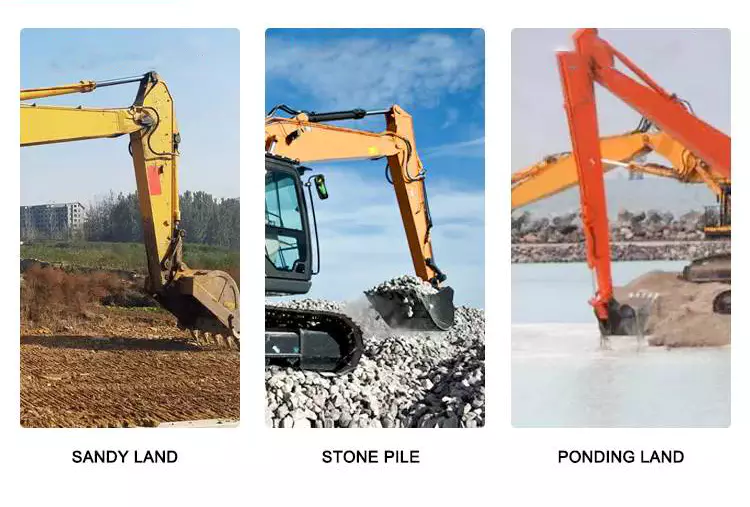
Hydraulic cylinders are widely used in various industries and applications due to their ability to provide powerful and precise linear motion. They play a crucial role in enabling the operation of heavy machinery that requires controlled force and movement. Here are some real-world examples of machinery that heavily rely on hydraulic cylinders:
1. Construction Equipment:
– Hydraulic cylinders are extensively used in construction machinery, such as excavators, bulldozers, loaders, and cranes. These machines rely on hydraulic cylinders to perform tasks like lifting heavy loads, extending and retracting booms, tilting buckets, and controlling the movement of various components. Hydraulic cylinders provide the power and precision required to handle the demanding conditions and heavy loads encountered in construction projects.
2. Agricultural Machinery:
– Many agricultural machines, including tractors, combine harvesters, and sprayers, utilize hydraulic cylinders for critical operations. Hydraulic cylinders are used to control the movement of attachments, such as front loaders, backhoes, and plows. They enable functions like lifting and lowering implements, adjusting cutting heights, and controlling the positioning of harvesting equipment. Hydraulic cylinders enhance efficiency and productivity in agricultural operations.
3. Material Handling Equipment:
– Hydraulic cylinders are integral components of material handling equipment, such as forklifts, pallet jacks, and cranes. These machines rely on hydraulic cylinders to lift and lower loads, tilt platforms or forks, and control the movement of lifting mechanisms. Hydraulic cylinders provide the necessary strength and precision to handle heavy loads and ensure safe and efficient material handling operations.
4. Industrial Machinery:
– Various industrial machinery and equipment heavily rely on hydraulic cylinders for critical functions. Examples include hydraulic presses, injection molding machines, metal-forming machines, and hydraulic-powered robots. Hydraulic cylinders enable precise control of force and movement in these applications, allowing for accurate shaping, pressing, and assembly processes.
5. Mining Equipment:
– Hydraulic cylinders are extensively used in mining machinery and equipment. Underground mining machines, such as continuous miners and longwall shearers, utilize hydraulic cylinders for cutting, shearing, and roof support operations. Surface mining equipment, including hydraulic shovels, draglines, and haul trucks, rely on hydraulic cylinders for tasks like bucket movement, boom extension, and vehicle suspension.
6. Automotive Industry:
– The automotive industry extensively utilizes hydraulic cylinders in various applications. Hydraulic cylinders are employed in vehicle suspension systems, power steering systems, convertible tops, and hydraulic brake systems. They enable smooth and controlled movement, precise steering, and efficient braking in automobiles.
7. Aerospace and Aviation:
– Hydraulic cylinders are utilized in aerospace and aviation applications, such as aircraft landing gear systems, wing flaps, and cargo handling equipment. Hydraulic cylinders provide the necessary force and control for extending and retracting landing gear, adjusting wing flaps, and operating cargo doors, ensuring safe and reliable aircraft operations.
8. Marine and Offshore Industry:
– Hydraulic cylinders are essential components in marine and offshore equipment, including ship cranes, winches, and hydraulic-powered anchor systems. They enable lifting, lowering, and positioning of heavy loads, as well as the control of various marine equipment.
These are just a few examples of machinery and industries that heavily rely on hydraulic cylinders. The versatility, power, and precise control offered by hydraulic cylinders make them indispensable in a wide range of applications, where controlled linear motion and force are essential.
What is a hydraulic cylinder and how does it function in various applications?
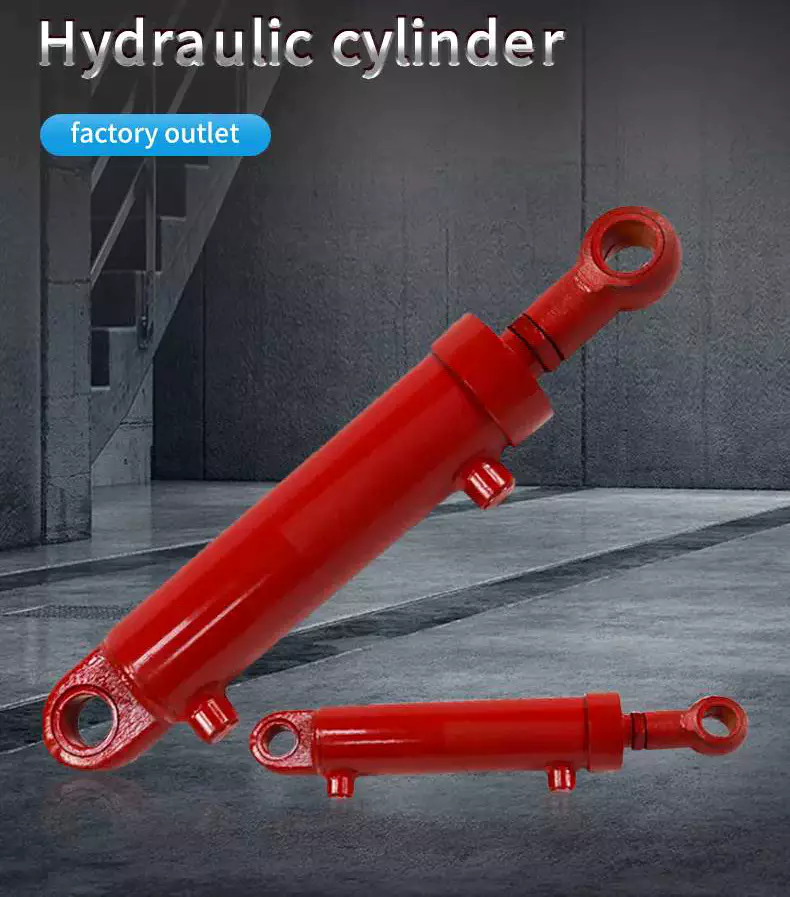
A hydraulic cylinder is a mechanical actuator that converts hydraulic energy into linear force and motion. It plays a critical role in various applications where controlled and powerful linear motion is required. Hydraulic cylinders are commonly used in industries such as construction, manufacturing, agriculture, and transportation. Here’s a detailed explanation of what a hydraulic cylinder is and how it functions:
Definition and Components:
– A hydraulic cylinder consists of a cylindrical barrel, a piston, a piston rod, and various seals. The barrel is a hollow tube that houses the piston and allows for fluid flow. The piston divides the cylinder into two chambers: the rod side and the cap side. The piston rod extends from the piston and provides a connection point for external loads. Seals are used to prevent fluid leakage and maintain hydraulic pressure within the cylinder.
Function:
– The function of a hydraulic cylinder is to convert the pressure and flow of hydraulic fluid into linear force and motion. The hydraulic fluid, typically oil, is pressurized and directed into one of the chambers of the cylinder. As the fluid enters the chamber, it applies pressure on the piston, causing it to move in a linear direction. This linear motion of the piston is transferred to the piston rod, creating a pushing or pulling force.
Working Principle:
– The working principle of a hydraulic cylinder is based on Pascal’s law, which states that pressure exerted on a fluid in a confined space is transmitted equally in all directions. In a hydraulic cylinder, when hydraulic fluid is pumped into one side of the cylinder, it creates pressure on the piston. The pressure is transmitted through the fluid to the other side of the piston, resulting in a balanced force across the piston and piston rod. This force generates linear motion in the direction determined by the fluid input.
Applications:
– Hydraulic cylinders find extensive use in a wide range of applications due to their ability to generate high forces and precise control of linear motion. Some common applications include:
1. Construction Equipment: Hydraulic cylinders are used in excavators, loaders, bulldozers, and cranes for lifting, pushing, and digging tasks.
2. Manufacturing Machinery: Hydraulic cylinders are employed in presses, machine tools, and material handling equipment for pressing, clamping, and lifting operations.
3. Agricultural Machinery: Hydraulic cylinders are used in tractors, harvesters, and irrigation systems for tasks like steering, lifting, and controlling attachments.
4. Transportation: Hydraulic cylinders are utilized in vehicles such as dump trucks, garbage trucks, and forklifts for tilting, lifting, and tipping operations.
5. Aerospace and Defense: Hydraulic cylinders are employed in aircraft landing gear, missile systems, and hydraulic actuators for control surfaces.
6. Marine and Offshore: Hydraulic cylinders are used in ship steering systems, cranes, and offshore drilling equipment for various lifting and positioning tasks.
In these applications, hydraulic cylinders offer advantages such as high force capability, precise control, compact size, and durability. They provide efficient and reliable linear motion, contributing to enhanced productivity and functionality in a wide range of industries.
Overall, hydraulic cylinders are integral components in various applications where controlled and powerful linear motion is required. Their ability to convert hydraulic energy into mechanical force makes them invaluable in numerous industries, enabling the operation of heavy machinery, precise positioning, and efficient load handling.


editor by CX 2023-10-27
 Vietnamese
  English
  Italian
  Portuguese
  Dutch
Dutch  Swedish
  Danish
  Finnish
  Polish
  Hindi
Hindi  Kazakh
  Turkish
  Ukrainian
  Romanian
  Spanish
  German
  Russian
  Korean
  Japanese
  Thai
Thai  Indonesian
  Malay
Malay  French
  Greek
Greek