
Descrição do produto
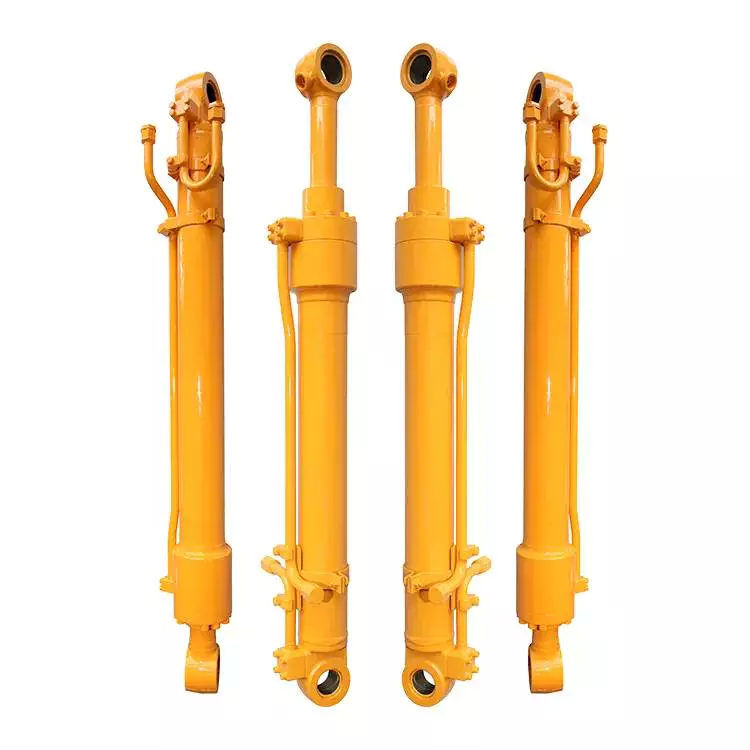
Luffing Hydraulic Cylinder for Bucket Wheel Machine Electric Power Plant
Produto Especificações:
| Item | Especificações |
| Function | Realizing the pitch motion of the cantilever |
| diâmetro do furo | 300mm~400mm |
| Diâmetro do corpo | 200mm~320mm |
| AVC | 1000mm-5000mm |
| Tratamento de superfície da haste do pistão | Cromagem dura, Cromagem eletrolítica branca leitosa + Cromo duro, Niquelagem + Cromagem dura, Soldagem de alta velocidade com oxigênio e combustível (HVOF) para CrC e NiC, Revestimento cerâmico, Nitretação, Revestimento a laser |
| Pressão no trabalho | Maximum 40MPa,Customizable |
| Material | Tubo trefilado a frio de alta resistência, brunido com precisão para maior vida útil da vedação. |
| Montagem | Brinco, Flange, Clevis, Pé, Munhão, Personalizável |
| Tipo de vedação | Parker,NOK, Hallite or as customer’s requirement |
| Garantia | 18 meses |
| MOQ | 1 pcs |
| Tempo de produção | Com base na quantidade do pedido, normalmente de 30 a 40 dias. |
| Certificação | ISO9001, CE, SGS |
| Cor | Blue,Red,Black,etc,Customizable |
| Embalagem | metal case,plywood case,carton or as requirement |
| Serviço | OEM e ODM |
| Vantagem de preço | Preço de fábrica competitivo com qualidade garantida. |
| Tipo de negócio | Fabricante |
Exibição do produto:
Método de montagem:
Nossa fábrica:
Processo de inspeção:
| Tipo de inspeção | Padrão de Inspeção |
| Inspeção de matéria-prima | Antes do armazenamento, o controle de qualidade realiza a medição das matérias-primas. |
| Inspeção de Materiais de Processo | Durante a produção, o controle de qualidade realiza inspeções aleatórias. Antes de as peças do cilindro hidráulico serem transferidas para o próximo processo, o controle de qualidade realiza uma inspeção. |
| Teste de funcionamento final | Todos os cilindros hidráulicos passam por testes de funcionamento hidráulico. |
Inspeção das propriedades mecânicas das matérias-primas
Process Inspection
Teste de funcionamento final
Embalagem e entrega:
Candidaturas:luffing Hydraulic Cylinder for Bucket Wheel Machine,Electric Power Plant. uipmentequipment
Sobre nós:
Nosso certificado
ZheJiang Tianjian Tecnologia Hidráulica Co., Ltd é Especializada na produção de diversos tipos de cilindros hidráulicos, bem como de cilindros hidráulicos, cilindros de pistão e outros acessórios para cilindros.
Como fabricante altamente especializada em cilindros hidráulicos, a Tianjian fornece soluções de otimização de projeto e produtos confiáveis para diversos clientes no mercado nacional e internacional. Atendendo a uma ampla gama de setores, como máquinas de construção, máquinas para pontes ferroviárias, máquinas portuárias, máquinas para metalurgia e mineração, máquinas para a indústria petrolífera e de bens de consumo, veículos especiais e outros, a Tianjian oferece diversos projetos e produtos de cilindros hidráulicos, tanto padronizados quanto personalizados, de acordo com as necessidades dos usuários, além de serviços integrados para garantir perfeição e qualidade.
Se possível, ao entrar em contato conosco, utilize as informações abaixo.
|
Furo |
Haste |
AVC |
Pressão no trabalho |
Montagem |
Ambiente de trabalho |
|
|
|
|
|
|
|
Ou você pode nos enviar um esboço ou fotos para que possamos entender exatamente o que você quer dizer e evitar erros.
E se você tiver amostras, podemos fabricar de acordo com elas após o envio.
Seja bem-vindo(a) à nossa fábrica, se tiver algum tempo disponível.
Sua satisfação é a nossa maior motivação.
Agora você pode entrar em contato conosco para qualquer dúvida ou solicitação.
PERGUNTAS FREQUENTES:
1. O que sua empresa faz?
A: Somos fornecedores de produtos hidráulicos de alta qualidade, incluindo cilindros hidráulicos, motores hidráulicos, unidades hidráulicas, estações hidráulicas e outros componentes hidráulicos.
2. Você é uma empresa fabricante ou comercial?
A: Somos um fabricante.
3. Que certificado você possui?
A: Todas as nossas fábricas possuem certificação ISO. E nossos principais fornecedores de materiais e peças possuem certificações CE, RoHS, CSA e UL.
4. Qual é o prazo de entrega?
A: O prazo de entrega depende do produto e da quantidade. Normalmente, o cilindro leva de 45 a 60 dias e o motor, de 30 a 50 dias.
5. Vocês conseguem fabricar peças conforme as especificações ou desenhos do cliente?
A: Sim, podemos fabricar para você conforme seus desenhos. Nossos engenheiros também podem oferecer suporte profissional com sugestões técnicas.
6. Quais são as formas de pagamento aceitas?
A: Preferimos pagamento por transferência bancária (T/T). 30% quando o pedido for confirmado e 70% antes do envio. Carta de crédito (L/C) também é aceitável para valores acima de 20.000 USD.
7. Qual é a sua política de garantia?
R: Todos os nossos produtos têm garantia de 1 ano a partir da data de entrega contra defeitos de materiais e fabricação. Esta garantia não cobre peças desgastadas pelo uso normal ou danificadas por negligência. Lembramos que o uso de óleo hidráulico sujo certamente causará danos aos seus componentes hidráulicos. E esses danos não estão cobertos pela garantia. Portanto, recomendamos fortemente que você use óleo novo e limpo ou certifique-se de que o óleo do sistema esteja limpo ao usar nossas peças.
/* 22 de outubro de 2571 15:47:17 */(()=>{function d(e,r){var a,o={};try{e&&e.split(“”,).forEach(function(e,t){e&&(a=e.match(/(.*?):(.*)$/))&&1
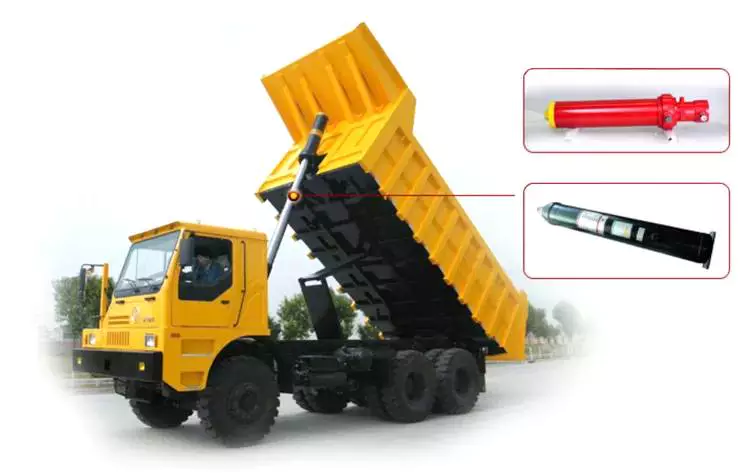
Can hydraulic cylinders be retrofitted onto existing equipment for improved functionality?
Yes, hydraulic cylinders can be retrofitted onto existing equipment to enhance functionality and performance. Retrofitting hydraulic cylinders onto existing machinery or equipment offers several benefits, including increased power, improved control, enhanced precision, and versatility. Here’s a detailed explanation of how hydraulic cylinders can be retrofitted onto existing equipment for improved functionality:
1. Increased Power:
– Retrofitting hydraulic cylinders allows for the addition of hydraulic power to the existing equipment. By integrating hydraulic cylinders, the equipment can generate higher forces and handle heavier loads. This increased power enables the equipment to perform tasks that were previously challenging or impossible. For example, a retrofit hydraulic cylinder on a crane can enhance its lifting capacity and enable it to handle heavier loads more efficiently.
2. Improved Control:
– Hydraulic cylinders provide precise control over the motion and positioning of equipment. By retrofitting hydraulic cylinders, operators gain better control over the speed, force, and direction of movement. The addition of hydraulic control valves and a hydraulic power unit allows for fine-tuning of the equipment’s operation. Improved control facilitates safer and more efficient operation, reducing the risk of damage and improving overall productivity.
3. Enhanced Precision:
– Retrofitting hydraulic cylinders onto existing equipment can significantly improve precision and accuracy. Hydraulic systems offer precise control over movement, enabling smooth and controlled motion. This enhanced precision is beneficial in applications where precise positioning or repetitive movements are required. For instance, retrofitting hydraulic cylinders onto a robotic arm can enhance its accuracy and repeatability, making it more suitable for tasks that demand high precision.
4. Versatility and Adaptability:
– Retrofitting hydraulic cylinders can increase the versatility and adaptability of existing equipment. Hydraulic systems can be easily integrated with various types of machinery, allowing for the utilization of hydraulic power across different applications. The modular nature of hydraulic components facilitates the retrofitting process, enabling the equipment to perform a broader range of tasks. This versatility is particularly advantageous in industries where equipment needs to adapt to changing operational requirements.
5. Retrofit Kits and Customization:
– Manufacturers often provide retrofit kits that include all the necessary components for integrating hydraulic cylinders onto existing equipment. These kits typically consist of hydraulic cylinders, mounting brackets, hoses, fittings, control valves, and other required accessories. Retrofit kits simplify the retrofitting process and ensure compatibility between the hydraulic components and the existing equipment. Additionally, manufacturers can offer customization options to tailor the retrofit solution to specific equipment and application needs.
6. Cost-Effective Solution:
– Retrofitting hydraulic cylinders onto existing equipment can be a cost-effective solution compared to purchasing new machinery. By leveraging the existing equipment’s structural framework and mechanical components, the overall cost of upgrading can be reduced. Retrofitting also minimizes downtime since the equipment does not need to be completely replaced. Furthermore, the improved functionality and performance resulting from the retrofit can lead to increased productivity and cost savings in the long run.
7. Professional Installation and Expertise:
– Retrofitting hydraulic cylinders onto existing equipment often requires professional installation and expertise. Working with experienced hydraulic system integrators or manufacturers ensures proper installation, compatibility, and optimal performance of the retrofit solution. These professionals can assess the existing equipment, recommend suitable hydraulic components, and carry out the retrofitting process efficiently. Their knowledge and expertise contribute to the successful integration of hydraulic cylinders and the overall improvement of equipment functionality.
In summary, hydraulic cylinders can indeed be retrofitted onto existing equipment to improve functionality. This retrofitting process offers advantages such as increased power, improved control, enhanced precision, versatility, cost-effectiveness, and access to retrofit kits and customization options. By retrofitting hydraulic cylinders, existing equipment can be upgraded to meet evolving operational needs, extend its lifespan, and enhance overall performance.
Advancements in Hydraulic Cylinder Technology Improving Corrosion Resistance
Advancements in hydraulic cylinder technology have led to significant improvements in corrosion resistance. Corrosion is a major concern in hydraulic systems, especially in environments where cylinders are exposed to moisture, chemicals, or corrosive agents. These advancements aim to enhance the durability and longevity of hydraulic cylinders. Let’s explore some of the key advancements in hydraulic cylinder technology that have improved corrosion resistance:
- Corrosion-Resistant Materials: The use of corrosion-resistant materials is a fundamental advancement in hydraulic cylinder technology. Stainless steel, for example, offers excellent resistance to corrosion, making it a popular choice in marine, offshore, and other corrosive environments. Additionally, advancements in metallurgy have led to the development of specialized alloys and coatings that provide enhanced corrosion resistance, extending the lifespan of hydraulic cylinders.
- Surface Treatments and Coatings: Various surface treatments and coatings have been developed to protect hydraulic cylinders from corrosion. These treatments can include electroplating, galvanizing, powder coating, and specialized corrosion-resistant coatings. These coatings create a barrier between the cylinder surface and corrosive elements, preventing direct contact and inhibiting the onset of corrosion. The selection of appropriate coatings depends on the specific application and environmental conditions.
- Sealing Technology: Effective sealing systems are crucial in preventing water, moisture, and contaminants from entering the cylinder and causing corrosion. Advancements in sealing technology have led to the development of high-quality seals and advanced sealing designs that offer superior resistance to corrosion. These seals are typically made from materials specifically engineered to withstand corrosive environments, ensuring long-term sealing performance and minimizing the risk of corrosion-related issues.
- Improved Surface Finishes: The surface finish of hydraulic cylinders plays a role in their resistance to corrosion. Advancements in machining and polishing techniques have allowed for smoother and more uniform surface finishes. Smoother surfaces reduce the likelihood of corrosion initiation and make it easier to clean and maintain hydraulic cylinders. Additionally, specialized finishes, such as passivation or chemical treatments, can be applied to further enhance corrosion resistance.
- Environmental Protection Features: Hydraulic cylinders can be equipped with additional features to protect against corrosion. These features may include protective boots, bellows, or shields that guard vulnerable areas from exposure to corrosive agents. By incorporating these protective elements into the design, hydraulic cylinders can withstand harsh environments and minimize the risk of corrosion-related damage.
In summary, advancements in hydraulic cylinder technology have significantly improved corrosion resistance. The use of corrosion-resistant materials, advanced surface treatments and coatings, innovative sealing technology, improved surface finishes, and the incorporation of environmental protection features have all contributed to enhanced durability and longevity of hydraulic cylinders in corrosive environments. These advancements ensure reliable performance and reduce the maintenance and replacement costs associated with corrosion-related issues.
What maintenance practices are essential for extending the lifespan of hydraulic cylinders?
Maintaining hydraulic cylinders is crucial for extending their lifespan and ensuring optimal performance. Regular maintenance helps prevent premature wear, damage, and failure, ultimately reducing downtime and saving costs. Here are some essential maintenance practices to consider for extending the lifespan of hydraulic cylinders:
1. Regular Inspections:
– Conduct routine visual inspections of hydraulic cylinders to identify any signs of damage, leaks, or wear. Inspect the cylinder body, piston rod, seals, and mounting points. Look for fluid leaks, rust, dents, or any abnormal wear patterns. Early detection of issues allows for timely repairs or replacements, preventing further damage and extending the lifespan of the cylinder.
2. Cleanliness:
– Maintain a clean environment around hydraulic cylinders to prevent contaminants from entering the system. Dust, dirt, and debris can damage seals and other internal components, leading to accelerated wear and reduced performance. Regularly clean the cylinder and its surroundings to minimize the risk of contamination.
3. Proper Lubrication:
– Adequate lubrication is critical for the smooth operation and longevity of hydraulic cylinders. Follow the manufacturer’s recommendations for lubrication intervals and use the appropriate lubricant. Apply lubrication to the cylinder’s moving parts, such as the piston rod, to reduce friction and minimize wear.
4. Seal Maintenance:
– Seals play a vital role in preventing hydraulic fluid leaks and maintaining the cylinder’s performance. Inspect and replace worn or damaged seals promptly. Ensure that seals are properly installed and lubricated. Regularly clean the seal grooves to remove any debris that could compromise seal effectiveness.
5. Pressure Checks:
– Periodically check the hydraulic system’s pressure to ensure it is within the recommended operating range. Excessive pressure can strain the cylinder and its components, leading to premature wear. Monitor pressure levels and make adjustments as necessary to prevent overloading the cylinder.
6. Control Valve Maintenance:
– Maintain and inspect control valves that regulate the flow and direction of hydraulic fluid. Ensure that the valves are functioning correctly and not causing excessive stress or pressure spikes in the cylinder. Clean or replace control valves if they are damaged or malfunctioning.
7. Cylinder Alignment:
– Proper alignment of hydraulic cylinders is essential for their longevity. Misalignment can cause excessive side loads, leading to uneven wear and potential damage. Ensure that the cylinder is correctly aligned with other components and that the mounting points are secure.
8. Preventing Overloading:
– Avoid subjecting hydraulic cylinders to loads exceeding their rated capacity. Overloading can cause internal damage, seal failure, and reduced lifespan. Ensure that the load requirements are within the cylinder’s capabilities and consider using safety devices like overload protection systems when necessary.
9. Training and Operator Awareness:
– Provide proper training to equipment operators on the correct use and handling of hydraulic cylinders. Operators should be aware of the cylinder’s limitations, safe operating procedures, and the importance of regular maintenance. Promote a culture of proactive maintenance and encourage operators to report any potential issues promptly.
10. Documentation and Record-Keeping:
– Maintain detailed documentation of all maintenance activities, including inspections, repairs, and replacements. Keep records of lubrication schedules, pressure checks, and any maintenance performed on the hydraulic cylinders. This documentation helps track the cylinder’s history, identify recurring issues, and plan future maintenance effectively.
By following these maintenance practices, hydraulic cylinder lifespan can be extended, ensuring reliable performance and reducing the risk of unexpected failures. Regular inspections, cleanliness, proper lubrication, seal maintenance, pressure checks, control valve maintenance, cylinder alignment, preventing overloading, operator training, and documentation contribute to the overall longevity and optimal functioning of hydraulic cylinders.


Editor por Dream 2024-11-29
 Portuguese
  English
  Italian
  Dutch
Dutch  Swedish
  Danish
  Finnish
  Polish
  Hindi
Hindi  Kazakh
  Turkish
  Ukrainian
  Romanian
  Spanish
  German
  Russian
  Korean
  Japanese
  Vietnamese
  Thai
Thai  Indonesian
  Malay
Malay  French
  Greek
Greek