
製品説明
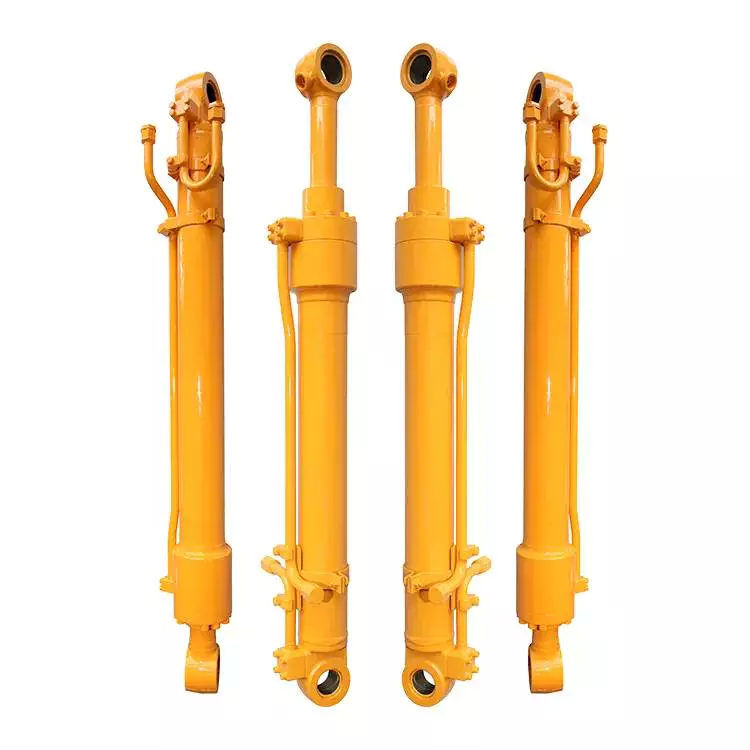
Luffing Hydraulic Cylinder for Bucket Wheel Machine Electric Power Plant
製品 仕様:
| アイテム | 仕様 |
| Function | Realizing the pitch motion of the cantilever |
| 穴径 | 300mm~400mm |
| 本体直径 | 200mm~320mm |
| 脳卒中 | 1000mm-5000mm |
| ピストンロッドの表面処理 | 硬質クロムめっき、電気めっき乳白色クロム+硬質クロム、ニッケルめっき+硬質クロムめっき、高速酸素燃料CrC NiCめっき、セラミックコーティング、窒化処理、レーザークラッディング |
| 仕事のプレッシャー | Maximum 40MPa,Customizable |
| 材料 | 高張力冷間引抜き管、シール寿命を延ばすための精密ホーニング加工済み |
| 取り付け | イヤリング、フランジ、クレビス。フット、トラニオン、カスタマイズ可能 |
| シールタイプ | Parker,NOK, Hallite or as customer’s requirement |
| 保証 | 18ヶ月 |
| 最小注文数量 | 1 pcs |
| 製造時間 | 注文数量によりますが、通常30~40日かかります。 |
| 認証 | ISO9001、CE、SGS |
| 色 | Blue,Red,Black,etc,Customizable |
| パッケージ | metal case,plywood case,carton or as requirement |
| サービス | OEMおよびODM |
| 価格面での優位性 | 品質保証付きの競争力のある工場価格 |
| 事業形態 | メーカー |
製品展示:
取り付け方法:
当社の工場:
検査プロセス:
| 検査の種類 | 検査基準 |
| 原材料検査 | 保管前に、品質管理部門が原材料の寸法を測定します。 |
| 工程材料検査 | 製造工程において、品質管理担当者は抜き取り検査を実施する。 油圧シリンダー部品が次の工程に移送される前に、品質管理担当者が検査を行います。 |
| 最終機能テスト | すべての油圧シリンダーは油圧機能テストを受ける。 |
原材料の機械的特性の検査
Process Inspection
最終機能テスト
梱包と配送:
アプリケーション:luffing Hydraulic Cylinder for Bucket Wheel Machine,Electric Power Plant. uipmentequipment
私たちについて:
当社の証明書
浙江天建油圧技術有限公司は 各種油圧シリンダー、シリンダーバレル、ピストンシリンダー、その他のシリンダー付属品の製造を専門としています。
高度に専門化された油圧シリンダーメーカーである天建は、国内外の多くのお客様に設計最適化ソリューションと信頼性の高い製品を提供しています。建設機械、鉄道橋梁機械、港湾船舶機械、冶金・鉱業機械、石油・軽工業機械、特殊車両など、あらゆる産業分野において、天建はユーザーの要求に応じて様々な標準および非標準の油圧シリンダー設計最適化案と製品を提供し、完璧で高品質な統合サービスを実現します。
可能であれば、弊社にご連絡いただく際は、以下の情報をご活用ください。
ボア | ロッド | 脳卒中 | 仕事のプレッシャー | 取り付け | 職場環境 |
|
|
|
|
|
|
あるいは、お客様の意図を正確に理解し、間違いを防ぐために、スケッチ図や写真をご提供いただければ幸いです。
サンプルをお持ちの場合は、お送りいただいたサンプルに基づいて製造することも可能です。
お時間があれば、ぜひ当社の工場にお越しください。
お客様にご満足いただくことが、私たちにとって最大のモチベーションです。
ご質問やお問い合わせがございましたら、お気軽にご連絡ください。
よくある質問:
1.御社はどのような事業を行っていますか?
A:当社は、油圧シリンダー、油圧モーター、油圧パワーパック、油圧ステーション、その他の油圧コンポーネントを含む、高品質の油圧製品のサプライヤーです。
2.貴社は製造会社ですか、それとも商社ですか?
A:弊社は製造業者です。
3.どのような資格をお持ちですか?
A:当社の工場はすべてISO認証を取得しています。また、主要な材料および部品のサプライヤーは、CE、RoHS、CSA、ULの認証を取得しています。
4.配送にはどれくらい時間がかかりますか?
A:納期は製品の種類と数量によって異なります。シリンダーは通常45~60日、モーターは約30~50日かかります。
5.お客様のご要望や図面に基づいて部品を製作できますか?
A:はい、お客様の図面に基づいてOEM生産が可能です。また、当社のエンジニアが技術的なアドバイスなど、専門的なサポートを提供いたします。
6.どのような支払い条件を受け付けていますか?
A:お支払いは銀行振込(T/T)を推奨しております。ご注文確定時に30%、出荷前に70%をお支払いください。20,000米ドルを超える金額の場合は信用状(L/C)もご利用いただけます。
7.貴社の保証規定について教えてください。
A:弊社製品はすべて、納品日から1年間、材料および製造上の欠陥に対して保証いたします。この保証は、通常の使用過程で摩耗した部品、または過失によって損傷した部品には適用されません。汚れた油圧オイルは油圧部品に確実に損傷を与えることを強く警告いたします。そして、この損傷は保証の対象外となります。そのため、弊社製品をご使用の際は、新しいきれいなオイルを使用するか、システムオイルがきれいであることを確認することを強くお勧めします。
/* 2571 年 10 月 22 日 15:47:17 */(()=>{function d(e,r){var a,o={};try{e&&e.split(“,”).forEach(function(e,t){e&&(a=e.match(/(.*?):(.*)$/))&&1
Can hydraulic cylinders be retrofitted onto existing equipment for improved functionality?
Yes, hydraulic cylinders can be retrofitted onto existing equipment to enhance functionality and performance. Retrofitting hydraulic cylinders onto existing machinery or equipment offers several benefits, including increased power, improved control, enhanced precision, and versatility. Here’s a detailed explanation of how hydraulic cylinders can be retrofitted onto existing equipment for improved functionality:
1. Increased Power:
– Retrofitting hydraulic cylinders allows for the addition of hydraulic power to the existing equipment. By integrating hydraulic cylinders, the equipment can generate higher forces and handle heavier loads. This increased power enables the equipment to perform tasks that were previously challenging or impossible. For example, a retrofit hydraulic cylinder on a crane can enhance its lifting capacity and enable it to handle heavier loads more efficiently.
2. Improved Control:
– Hydraulic cylinders provide precise control over the motion and positioning of equipment. By retrofitting hydraulic cylinders, operators gain better control over the speed, force, and direction of movement. The addition of hydraulic control valves and a hydraulic power unit allows for fine-tuning of the equipment’s operation. Improved control facilitates safer and more efficient operation, reducing the risk of damage and improving overall productivity.
3. Enhanced Precision:
– Retrofitting hydraulic cylinders onto existing equipment can significantly improve precision and accuracy. Hydraulic systems offer precise control over movement, enabling smooth and controlled motion. This enhanced precision is beneficial in applications where precise positioning or repetitive movements are required. For instance, retrofitting hydraulic cylinders onto a robotic arm can enhance its accuracy and repeatability, making it more suitable for tasks that demand high precision.
4. Versatility and Adaptability:
– Retrofitting hydraulic cylinders can increase the versatility and adaptability of existing equipment. Hydraulic systems can be easily integrated with various types of machinery, allowing for the utilization of hydraulic power across different applications. The modular nature of hydraulic components facilitates the retrofitting process, enabling the equipment to perform a broader range of tasks. This versatility is particularly advantageous in industries where equipment needs to adapt to changing operational requirements.
5. Retrofit Kits and Customization:
– Manufacturers often provide retrofit kits that include all the necessary components for integrating hydraulic cylinders onto existing equipment. These kits typically consist of hydraulic cylinders, mounting brackets, hoses, fittings, control valves, and other required accessories. Retrofit kits simplify the retrofitting process and ensure compatibility between the hydraulic components and the existing equipment. Additionally, manufacturers can offer customization options to tailor the retrofit solution to specific equipment and application needs.
6. Cost-Effective Solution:
– Retrofitting hydraulic cylinders onto existing equipment can be a cost-effective solution compared to purchasing new machinery. By leveraging the existing equipment’s structural framework and mechanical components, the overall cost of upgrading can be reduced. Retrofitting also minimizes downtime since the equipment does not need to be completely replaced. Furthermore, the improved functionality and performance resulting from the retrofit can lead to increased productivity and cost savings in the long run.
7. Professional Installation and Expertise:
– Retrofitting hydraulic cylinders onto existing equipment often requires professional installation and expertise. Working with experienced hydraulic system integrators or manufacturers ensures proper installation, compatibility, and optimal performance of the retrofit solution. These professionals can assess the existing equipment, recommend suitable hydraulic components, and carry out the retrofitting process efficiently. Their knowledge and expertise contribute to the successful integration of hydraulic cylinders and the overall improvement of equipment functionality.
In summary, hydraulic cylinders can indeed be retrofitted onto existing equipment to improve functionality. This retrofitting process offers advantages such as increased power, improved control, enhanced precision, versatility, cost-effectiveness, and access to retrofit kits and customization options. By retrofitting hydraulic cylinders, existing equipment can be upgraded to meet evolving operational needs, extend its lifespan, and enhance overall performance.
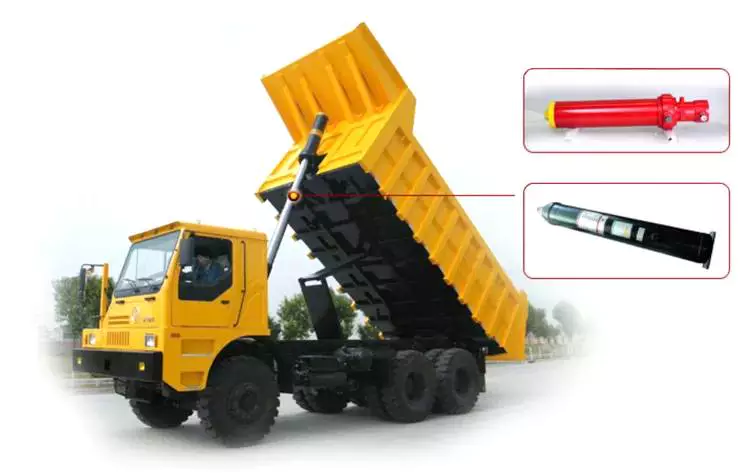
Advancements in Hydraulic Cylinder Technology Improving Corrosion Resistance
Advancements in hydraulic cylinder technology have led to significant improvements in corrosion resistance. Corrosion is a major concern in hydraulic systems, especially in environments where cylinders are exposed to moisture, chemicals, or corrosive agents. These advancements aim to enhance the durability and longevity of hydraulic cylinders. Let’s explore some of the key advancements in hydraulic cylinder technology that have improved corrosion resistance:
- Corrosion-Resistant Materials: The use of corrosion-resistant materials is a fundamental advancement in hydraulic cylinder technology. Stainless steel, for example, offers excellent resistance to corrosion, making it a popular choice in marine, offshore, and other corrosive environments. Additionally, advancements in metallurgy have led to the development of specialized alloys and coatings that provide enhanced corrosion resistance, extending the lifespan of hydraulic cylinders.
- Surface Treatments and Coatings: Various surface treatments and coatings have been developed to protect hydraulic cylinders from corrosion. These treatments can include electroplating, galvanizing, powder coating, and specialized corrosion-resistant coatings. These coatings create a barrier between the cylinder surface and corrosive elements, preventing direct contact and inhibiting the onset of corrosion. The selection of appropriate coatings depends on the specific application and environmental conditions.
- Sealing Technology: Effective sealing systems are crucial in preventing water, moisture, and contaminants from entering the cylinder and causing corrosion. Advancements in sealing technology have led to the development of high-quality seals and advanced sealing designs that offer superior resistance to corrosion. These seals are typically made from materials specifically engineered to withstand corrosive environments, ensuring long-term sealing performance and minimizing the risk of corrosion-related issues.
- Improved Surface Finishes: The surface finish of hydraulic cylinders plays a role in their resistance to corrosion. Advancements in machining and polishing techniques have allowed for smoother and more uniform surface finishes. Smoother surfaces reduce the likelihood of corrosion initiation and make it easier to clean and maintain hydraulic cylinders. Additionally, specialized finishes, such as passivation or chemical treatments, can be applied to further enhance corrosion resistance.
- Environmental Protection Features: Hydraulic cylinders can be equipped with additional features to protect against corrosion. These features may include protective boots, bellows, or shields that guard vulnerable areas from exposure to corrosive agents. By incorporating these protective elements into the design, hydraulic cylinders can withstand harsh environments and minimize the risk of corrosion-related damage.
In summary, advancements in hydraulic cylinder technology have significantly improved corrosion resistance. The use of corrosion-resistant materials, advanced surface treatments and coatings, innovative sealing technology, improved surface finishes, and the incorporation of environmental protection features have all contributed to enhanced durability and longevity of hydraulic cylinders in corrosive environments. These advancements ensure reliable performance and reduce the maintenance and replacement costs associated with corrosion-related issues.
What maintenance practices are essential for extending the lifespan of hydraulic cylinders?
Maintaining hydraulic cylinders is crucial for extending their lifespan and ensuring optimal performance. Regular maintenance helps prevent premature wear, damage, and failure, ultimately reducing downtime and saving costs. Here are some essential maintenance practices to consider for extending the lifespan of hydraulic cylinders:
1. Regular Inspections:
– Conduct routine visual inspections of hydraulic cylinders to identify any signs of damage, leaks, or wear. Inspect the cylinder body, piston rod, seals, and mounting points. Look for fluid leaks, rust, dents, or any abnormal wear patterns. Early detection of issues allows for timely repairs or replacements, preventing further damage and extending the lifespan of the cylinder.
2. Cleanliness:
– Maintain a clean environment around hydraulic cylinders to prevent contaminants from entering the system. Dust, dirt, and debris can damage seals and other internal components, leading to accelerated wear and reduced performance. Regularly clean the cylinder and its surroundings to minimize the risk of contamination.
3. Proper Lubrication:
– Adequate lubrication is critical for the smooth operation and longevity of hydraulic cylinders. Follow the manufacturer’s recommendations for lubrication intervals and use the appropriate lubricant. Apply lubrication to the cylinder’s moving parts, such as the piston rod, to reduce friction and minimize wear.
4. Seal Maintenance:
– Seals play a vital role in preventing hydraulic fluid leaks and maintaining the cylinder’s performance. Inspect and replace worn or damaged seals promptly. Ensure that seals are properly installed and lubricated. Regularly clean the seal grooves to remove any debris that could compromise seal effectiveness.
5. Pressure Checks:
– Periodically check the hydraulic system’s pressure to ensure it is within the recommended operating range. Excessive pressure can strain the cylinder and its components, leading to premature wear. Monitor pressure levels and make adjustments as necessary to prevent overloading the cylinder.
6. Control Valve Maintenance:
– Maintain and inspect control valves that regulate the flow and direction of hydraulic fluid. Ensure that the valves are functioning correctly and not causing excessive stress or pressure spikes in the cylinder. Clean or replace control valves if they are damaged or malfunctioning.
7. Cylinder Alignment:
– Proper alignment of hydraulic cylinders is essential for their longevity. Misalignment can cause excessive side loads, leading to uneven wear and potential damage. Ensure that the cylinder is correctly aligned with other components and that the mounting points are secure.
8. Preventing Overloading:
– Avoid subjecting hydraulic cylinders to loads exceeding their rated capacity. Overloading can cause internal damage, seal failure, and reduced lifespan. Ensure that the load requirements are within the cylinder’s capabilities and consider using safety devices like overload protection systems when necessary.
9. Training and Operator Awareness:
– Provide proper training to equipment operators on the correct use and handling of hydraulic cylinders. Operators should be aware of the cylinder’s limitations, safe operating procedures, and the importance of regular maintenance. Promote a culture of proactive maintenance and encourage operators to report any potential issues promptly.
10. Documentation and Record-Keeping:
– Maintain detailed documentation of all maintenance activities, including inspections, repairs, and replacements. Keep records of lubrication schedules, pressure checks, and any maintenance performed on the hydraulic cylinders. This documentation helps track the cylinder’s history, identify recurring issues, and plan future maintenance effectively.
By following these maintenance practices, hydraulic cylinder lifespan can be extended, ensuring reliable performance and reducing the risk of unexpected failures. Regular inspections, cleanliness, proper lubrication, seal maintenance, pressure checks, control valve maintenance, cylinder alignment, preventing overloading, operator training, and documentation contribute to the overall longevity and optimal functioning of hydraulic cylinders.


Dreamによる編集 2024年11月29日
 Japanese
  English
  Italian
  Portuguese
  Dutch
Dutch  Swedish
  Danish
  Finnish
  Polish
  Hindi
Hindi  Kazakh
  Turkish
  Ukrainian
  Romanian
  Spanish
  German
  Russian
  Korean
  Vietnamese
  Thai
Thai  Indonesian
  Malay
Malay  French
  Greek
Greek