
製品説明
製品説明
Product advantage
1. Safer Junfu hydraulic cylinder adopts excellent structural design and new material application, which can withstand the harshest working conditions and continue to work stably without disconnection, ensuring the safety of drivers and vehicles, and creating the most valuable safety for users.
2. faster unloading
Junfu series oil cylinder adopts excellent structural design to improve the unloading speed of the oil cylinder!
3.higher lift frequency
junfu series oil cylinders are suitable for all-weather short barge and high-frequency operations, with stable performance, extremely low failure rate, increasing the number of transfers and reducing downtime!
4. Greater adaptability to the environment
junfu series oil cylinder adopts innovative sealing technology and new material application, which can adapt to the temperature range of -40~110ºC, and can achieve excellent performance in high temperature and low temperature environment operation!
5. lighter
Compared with other products of the same series, CHINAMFG series cylinders reduce the dead weight by 15%~20%, and increase the lifting force by 10%~15%!
6. Greater lifting force
Compared with other products of the same series, the lifting force of CHINAMFG series cylinders is increased by 10%~15%. More lift, more load, more profit! Lighter dead weight, greater lifting force, more lightness!
Detailed Photos
Product Parameters
Type | cylinder dia (mm) | rated pressure (MPA) | stroke (mm) | total length (mm) | weight (kg) |
FEE129-3-3220 | 129 | 22 | 3220 | 1387 | 191 |
FEE129-4-3480 | 129 | 22 | 3480 | 1218 | 178 |
FEE137-3-3830 | 137 | 22 | 3830 | 1640 | 244 |
FEE137-3-4280 | 137 | 22 | 4280 | 1860 | 268 |
FEE137-4-4280 | 137 | 22 | 4280 | 1455 | 236 |
FEE157-4-3830 | 157 | 22 | 3830 | 1350 | 260 |
FEE157-4-4650 | 157 | 22 | 4650 | 1555 | 280 |
FEE157-4-5000 | 157 | 22 | 5000 | 1650 | 300 |
FEE157-5-3830 | 157 | 22 | 3830 | 1170 | 230 |
FEE157-5-4650 | 157 | 22 | 4650 | 1275 | 245 |
FEE179-4-4280 | 179 | 22 | 4280 | 1480 | 235 |
FEE179-4-5390 | 179 | 22 | 5390 | 1755 | 360 |
FEE179-4-6100 | 179 | 22 | 6100 | 1940 | 390 |
FEE179-5-3830 | 179 | 22 | 3830 | 1170 | 265 |
FEE179-5-4650 | 179 | 22 | 4650 | 1282 | 283 |
FEE179-5-5000 | 179 | 22 | 5000 | 1405 | 305 |
FEE179-5-5800 | 179 | 22 | 5800 | 1570 | 350 |
FEE179-5-6300 | 179 | 22 | 6300 | 1655 | 360 |
FEE179-5-7300 | 179 | 22 | 7300 | 1850 | 400 |
FEE191-5-5780 | 191 | 22 | 5780 | 1530 | 273 |
FEE191-5-6500 | 191 | 22 | 6500 | 1670 | 410 |
FEE191-5-6800 | 191 | 22 | 6800 | 1735 | 738 |
FEE191-5-7300 | 191 | 22 | 7300 | 1835 | 458 |
FEE191-54-6100 | 191 | 22 | 6100 | 1955 | 273 |
FEE196-4-6180 | 196 | 22 | 6180 | 1940 | 479 |
FEE196-5-6350 | 196 | 22 | 6350 | 1710 | 450 |
FEE202-4-6100 | 202 | 22 | 6100 | 1935 | 479 |
FEE202-5-6800 | 202 | 22 | 6800 | 1765 | 465 |
FEE202-6-7000 | 202 | 22 | 7000 | 1570 | 440 |
FEE214-5-7300 | 214 | 22 | 7300 | 1900 | 530 |
FEE214-7-7600 | 214 | 22 | 7600 | 1455 | 450 |
FEE240-5-9030 | 240 | 22 | 9030 | 2270 | 820 |
Pipe dia: 202/179/157/137/118/99/80 240/214/191/169/149/129/110/90/70 | |||||
会社概要
Certifications
Packaging & Shipping
Our Partner
After Sales Service
FAQ
Q1: How about the quality?
Our cylinders can replace HYVA cylinder well, with similar qualityand mounting sizes
Q2: What’s your cylinder’s advantages ?
The cylinders are manufactured by advanced equipments and made under strictly quality control processing.
The steel is tempered and all raw materials are good quality from world famous companies.
Competitive price!
Q3: When your company be established ?
Our company be established in 2002, professional manufacturer of hydraulic cylinders more than 20 years.
We had passed IATF 16949:2016 Quality control system, ISO9001, CE.
Q4: How about the delivery time ?
according to the order quantity.
Q5: How about the cylinder’s quality gurantee ?
One year.
| 認証: | GS, RoHS, CE, ISO9001, IATF16949 |
|---|---|
| プレッシャー: | High Pressure |
| 動作温度: | Normal Temperature |
| Samples: | US$ 800/Piece 1 Piece(Min.Order) | Order Sample as the client request |
|---|
| カスタマイズ: | 利用可能 |
|
|---|
.shipping-cost-tm .tm-status-off{background: none;padding:0;color: #1470cc}
| Shipping Cost: Estimated freight per unit. | about shipping cost and estimated delivery time. |
|---|
| Payment Method: |
|
|---|---|
| Initial Payment Full Payment |
| Currency: | US$ |
|---|
| Return&refunds: | You can apply for a refund up to 30 days after receipt of the products. |
|---|
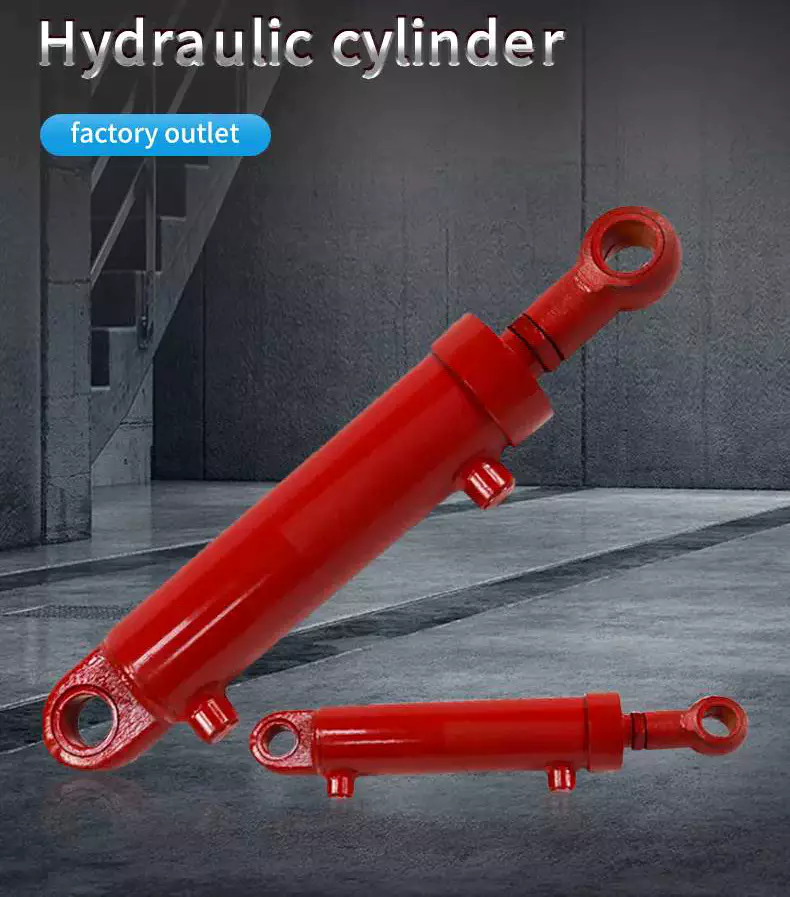
油圧シリンダーは、重機においてどのようにしてスムーズで安定した動作を保証するのでしょうか?
油圧シリンダーは、重機のスムーズで安定した動作を確保する上で重要な役割を果たします。その設計と動作により、重荷重の動きを正確に制御することができ、効率的で信頼性の高い性能を実現します。ここでは、油圧シリンダーが重機のスムーズで安定した動作にどのように貢献しているかを詳しく説明します。
1. 作動油と圧力:
油圧シリンダーは、一般的にオイルなどの作動油を用いて力と動きを伝達します。作動油は油圧ポンプによって加圧され、シリンダー内部のピストンに作用する力を生み出します。作動油の圧力は精密に制御できるため、重機を滑らかかつ段階的に動かすことができます。作動油は非圧縮性であるため、力が均等に分散され、一貫性のある予測可能な動きを実現します。
2. ピストンとシリンダーの設計:
油圧シリンダーは、スムーズな動作を確保するために精密に設計されています。ピストンとシリンダーボアは厳しい公差で加工されており、摩擦を低減し、内部漏れを最小限に抑えています。ピストンとシリンダー壁のこの精密な嵌合により、ガタつきや急激な速度変化のない、安定した動作が維持されます。さらに、高品質のシールと潤滑剤を使用することで、シリンダーのスムーズな動作がさらに向上します。
3. 制御弁と流量制御:
油圧システムには、シリンダーへの作動油の流入と流出を制御する制御弁が組み込まれています。これらの弁により、シリンダーの動きの速度と方向を正確に制御できます。流量を調整することで、オペレーターは重機のスムーズで制御された動作を実現し、急な始動や停止を回避できます。流量制御弁は速度調整も可能にし、負荷や運転条件が変化する場合でも、安定した動作を保証します。
4. クッション性と減衰性:
油圧シリンダーには、重機の動作中に発生する衝撃を吸収し、衝撃を最小限に抑えるための緩衝機構を装備することができます。緩衝機構は、シリンダー内に特殊なバルブまたは調整可能なオリフィスを組み込むことで実現されます。これらのバルブまたはオリフィスは、ストロークの終端付近で作動油の流れを制限します。この緩やかな減速により、急激な衝撃や振動を防ぎ、スムーズで安定した動作を維持するとともに、機械本体とその構成部品への負荷を軽減します。
5. 負荷分散:
油圧シリンダーは、負荷のバランスを取り、力を均等に分散するように設計・配置することができます。複数のシリンダーを並列または直列に配置することで、重機はバランスの取れた動作を実現し、不均一な応力を防ぎ、スムーズな動作を確保できます。負荷バランスは、部品の故障リスクを最小限に抑え、機械全体の安定性と寿命を向上させる効果もあります。
6. フィードバックおよび制御システム:
高度な油圧システムは、フィードバックセンサーと制御システムを組み込んで、重機の動きを監視・調整します。これらのセンサーは、油圧シリンダーの位置、速度、および作動力に関するリアルタイム情報を提供します。制御システムはこのデータを処理し、それに応じて作動油の流れを調整することで、スムーズで安定した動作を維持します。フィードバックシステムと制御システムは、シリンダーの動作を継続的に監視・制御することで、正確で信頼性の高い動作制御を実現します。
7. メンテナンスとサービス:
重機における油圧シリンダーのスムーズで安定した動作を確保するには、定期的なメンテナンスと点検が不可欠です。適切な潤滑、シールの点検、摩耗部品の交換は、最適な性能を維持するのに役立ちます。フィルター交換や作動油分析などの予防保全も、油圧システムの長寿命化と信頼性向上に貢献し、長期にわたる安定した動作を保証します。
要約すると、油圧シリンダーは、作動油と圧力、精密なピストンとシリンダーの設計、制御弁と流量制御、緩衝・減衰機構、負荷バランス、フィードバック・制御システム、そして定期的なメンテナンスと点検を通じて、重機のスムーズで安定した動作を保証します。これらの特長を活用することで、油圧シリンダーは、重荷重を扱うために必要な力と制御を提供し、正確で信頼性の高い動作を維持することで、様々な産業用途における重機の全体的な性能と生産性を向上させます。
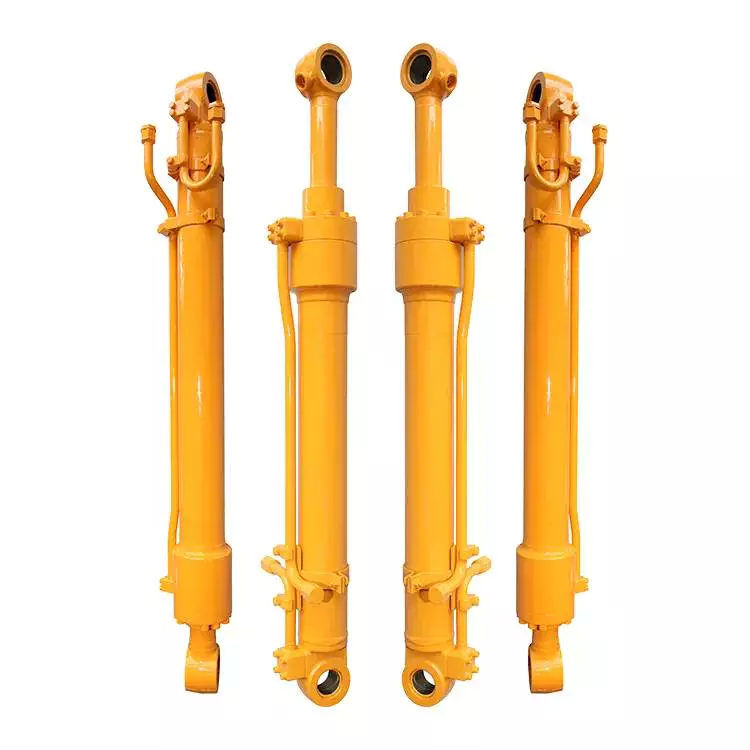
油圧シリンダーと代替エネルギー源の併用
油圧シリンダーは、代替エネルギー源と組み合わせて使用することができます。油圧システムの汎用性の高さは、さまざまな代替エネルギー技術と統合することで、効率、制御性、発電量を向上させることを可能にします。油圧シリンダーを代替エネルギー源と併用する例をいくつか見ていきましょう。
- 水力エネルギー貯蔵: 油圧シリンダーは、再生可能エネルギー源(太陽光や風力など)や廃熱回収といった代替エネルギー源を利用するエネルギー貯蔵システムに用いられる。これらのシステムは、流体を高圧アキュムレータに送り込むことで、余剰エネルギーを油圧ポテンシャルエネルギーに変換する。エネルギーが必要な時には、加圧された流体が放出され、油圧シリンダーを駆動して機械的な動力を発生させる。
- 波力・潮力エネルギー変換: 油圧シリンダーは、波力発電や潮力発電システムに利用できます。これらのシステムは、海洋の波や潮流の力を利用して、利用可能なエネルギーに変換します。油圧シリンダーは、関連するポンプやバルブとともに、波や潮のエネルギーを捕捉・制御し、シリンダーを駆動して機械動力を発生させたり、電気を生成したりするために使用できます。
- 水力発電: 油圧シリンダーは、従来の水力発電において重要な役割を果たしています。しかし、小規模水力発電やマイクロ水力発電といった代替的な発電方式においても、油圧シリンダーは有効です。これらのシステムは、自然または人工の水流を利用してタービンを駆動し、そのタービンに接続された油圧シリンダーが水力エネルギーを機械エネルギーまたは電気エネルギーに変換します。
- 風力タービンにおける油圧作動: 風力タービンでは、性能と制御性を向上させるために油圧シリンダーを使用することができます。例えば、油圧式ピッチ制御システムでは、油圧シリンダーを用いて風力タービンブレードのピッチ角を調整し、風況に応じて空力性能を最適化します。これにより、効率的な発電と過大な風荷重からの保護が可能になります。
- 地熱エネルギー抽出: 地熱エネルギー抽出とは、地球内部の自然熱を利用して発電する技術です。油圧シリンダーは、地熱システムにおいて流体の流れを制御・調整するために利用でき、地熱エネルギーの効率的な抽出と利用を可能にします。また、暖房や冷房用途の地熱ヒートポンプにも使用できます。
要約すると、油圧シリンダーは代替エネルギー源と組み合わせることで、エネルギー貯蔵、発電、制御を効果的に強化できます。油圧エネルギー貯蔵システム、波力・潮力エネルギー変換、水力発電、風力タービンの油圧作動、地熱エネルギー抽出など、油圧シリンダーは代替エネルギー源の活用において、多用途かつ効率的なソリューションを提供します。
What safety precautions should be followed when working with hydraulic cylinders?
Working with hydraulic cylinders requires strict adherence to safety precautions to prevent accidents, injuries, and damage to equipment or property. Hydraulic systems operate under high pressures and involve moving parts, which can pose serious hazards if not handled properly. Here’s a detailed explanation of the safety precautions that should be followed when working with hydraulic cylinders:
1. Training and Knowledge:
– Ensure that personnel working with hydraulic cylinders have received adequate training and possess a thorough understanding of hydraulic system operation, maintenance, and safety protocols. Proper training should cover topics such as hydraulic principles, pressure ratings, safe work practices, and emergency procedures. Only trained and authorized personnel should be allowed to handle hydraulic cylinders.
2. Wear Personal Protective Equipment (PPE):
– Always wear appropriate personal protective equipment when working with hydraulic cylinders. This may include safety glasses, gloves, protective clothing, and steel-toed boots. PPE helps protect against potential hazards, such as hydraulic fluid leaks, flying debris, or accidental contact with moving parts.
3. Hydraulic System Inspection:
– Before working with hydraulic cylinders, inspect the entire hydraulic system for any signs of damage, leaks, or loose connections. Check hydraulic hoses, fittings, valves, and cylinders for integrity and secure fastening. If any issues are detected, the system should be repaired or serviced before operation.
4. Relieve Pressure:
– Before performing any maintenance or disassembly on a hydraulic cylinder, it is crucial to relieve the pressure in the system. Follow the manufacturer’s instructions to properly release pressure and ensure that the hydraulic cylinder is depressurized before starting any work. Failure to do so can result in sudden and uncontrolled movement of the cylinder or hydraulic lines, leading to serious injuries.
5. Lockout/Tagout Procedures:
– Implement lockout/tagout procedures to prevent accidental energization of the hydraulic system while maintenance or repair work is being conducted. Lockout/tagout involves isolating the energy source, such as shutting off the hydraulic pump and locking or tagging the controls to prevent unauthorized operation. This procedure ensures that the hydraulic cylinder remains in a safe, non-operational state during maintenance activities.
6. Use Proper Lifting Techniques:
– When working with heavy hydraulic cylinders or components, use proper lifting techniques and equipment to avoid strain or injury. Hydraulic cylinders can be heavy and awkward to handle, so ensure that lifting equipment, such as cranes or hoists, is properly rated and used correctly. Follow safe lifting practices, including securing the load and maintaining a stable lifting posture.
7. Hydraulic Fluid Handling:
– Handle hydraulic fluid with care and follow proper procedures for fluid filling, transfer, and disposal. Avoid contact with the skin or eyes, as hydraulic fluid may be hazardous. Use appropriate containers and equipment to prevent spills or leaks. If any hydraulic fluid comes into contact with the skin or eyes, rinse thoroughly with water and seek medical attention if necessary.
8. Regular Maintenance:
– Perform regular maintenance and inspections on hydraulic cylinders to ensure their safe and reliable operation. This includes checking for leaks, inspecting seals, monitoring fluid levels, and conducting periodic servicing as recommended by the manufacturer. Proper maintenance helps prevent unexpected failures and ensures the continued safe use of hydraulic cylinders.
9. Follow Manufacturer Guidelines:
– Always follow the manufacturer’s guidelines, instructions, and recommendations for the specific hydraulic cylinders and equipment being used. Manufacturers provide important safety information, maintenance schedules, and operational guidelines that should be strictly adhered to for safe and optimal performance.
10. Emergency Preparedness:
– Be prepared for potential emergencies by having appropriate safety equipment, such as fire extinguishers, first aid kits, and emergency eyewash stations, readily available. Establish clear communication channels and emergency response procedures to promptly address any accidents, leaks, or injuries that may occur during hydraulic cylinder operations.
By following these safety precautions, individuals working with hydraulic cylinders can minimize the risk of accidents, injuries, and property damage. It is essential to prioritize safety, maintain awareness of potential hazards, and ensure compliance with relevant safety regulations and industry standards.


editor by CX 2023-11-06
 Japanese
  English
  Italian
  Portuguese
  Dutch
Dutch  Swedish
  Danish
  Finnish
  Polish
  Hindi
Hindi  Kazakh
  Turkish
  Ukrainian
  Romanian
  Spanish
  German
  Russian
  Korean
  Vietnamese
  Thai
Thai  Indonesian
  Malay
Malay  French
  Greek
Greek